
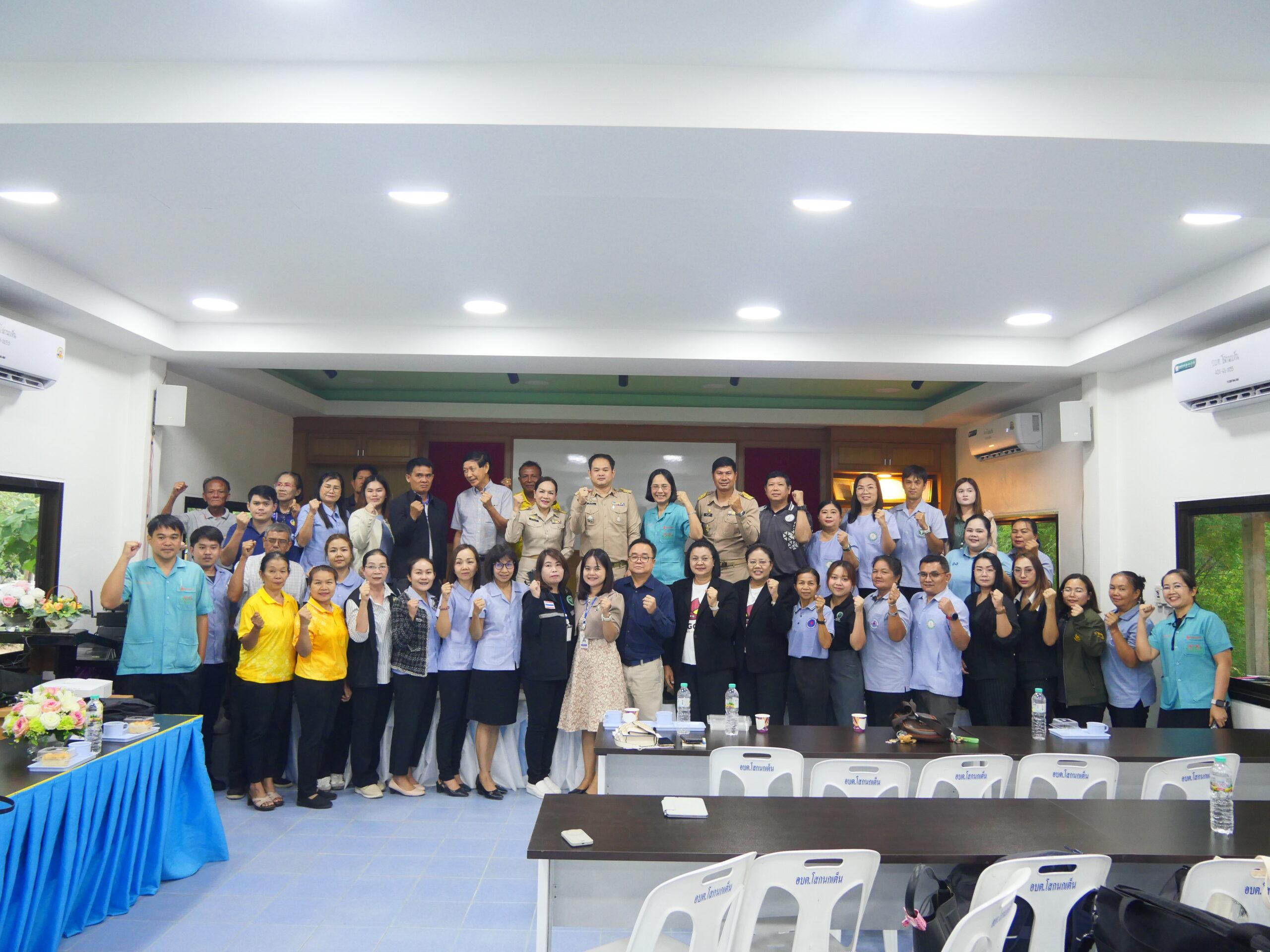

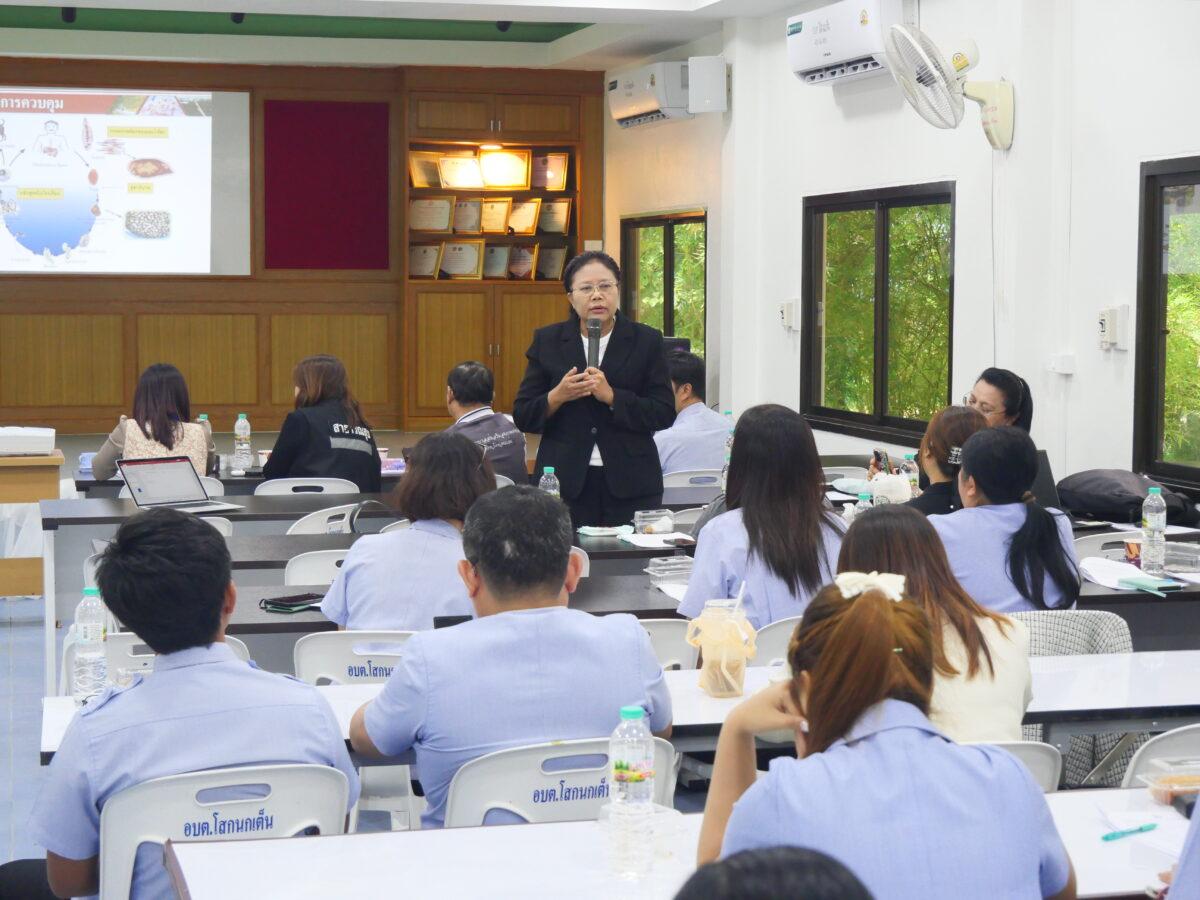
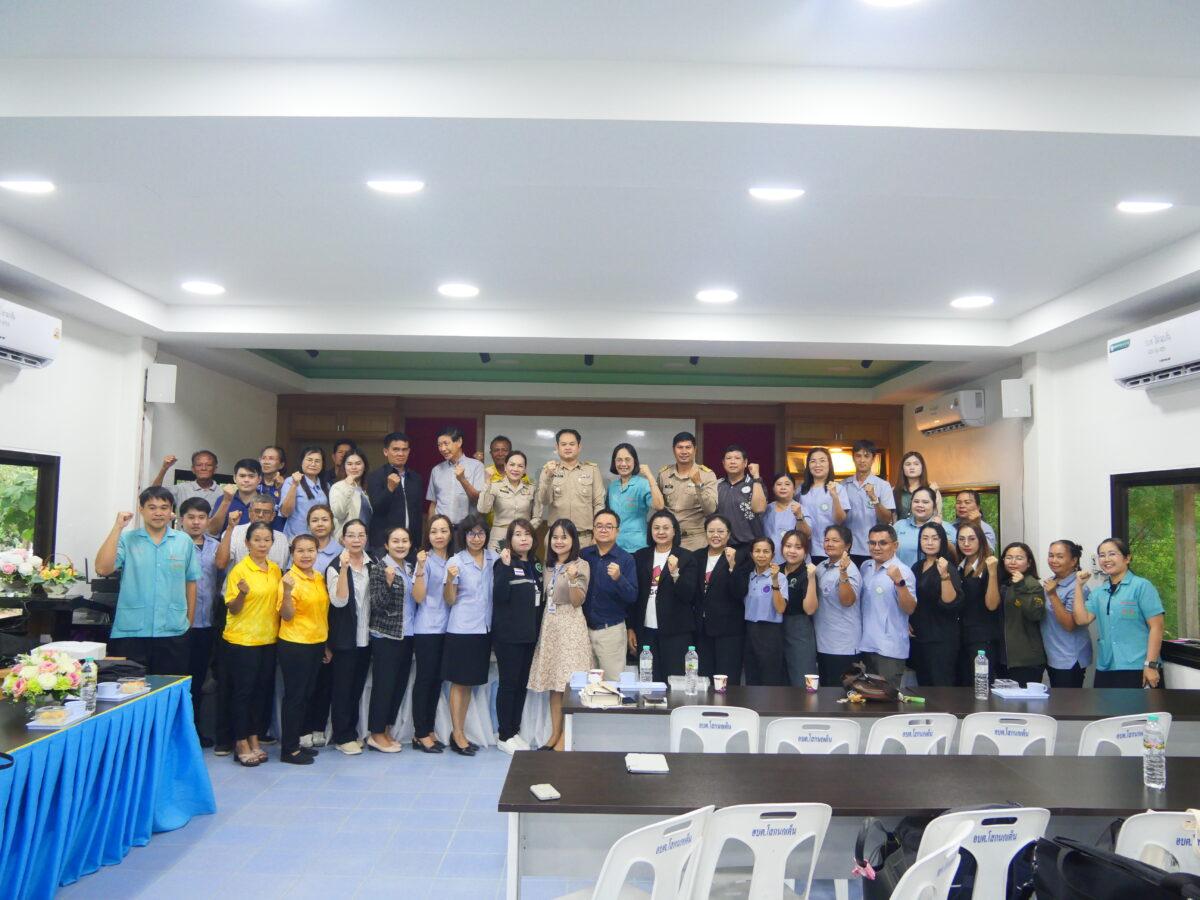
On 8 June 2026, the Cholangiocarcinoma Research Institute (CARI) of Khon Kaen University, led by Associate Professor Watcharin Loilome, Ph.D., Acting Director of CARI, alongside a research team comprising Assistant Professor Rittirong Junggoth, Ph.D., from the Faculty of Public Health, Associate Professor Piyawan Srisurak, Ph.D., and Lecturer Saichon Jitphilai from the Faculty of Education, and Professor Paiboon Sithithaworn, Ph.D., Advisor to CARI, convened a meeting to present operational progress and gather feedback from local network partners. The meeting was held at the Sok Nok Ten Subdistrict Administrative Organisation in Phon District, Khon Kaen Province, under the flagship research programme of the Science, Research, and Innovation Strategy entitled “Liver Fluke-Free Thailand, Eradicating Cholangiocarcinoma Mortality”, funded by the Health Systems Research Institute (HRI).
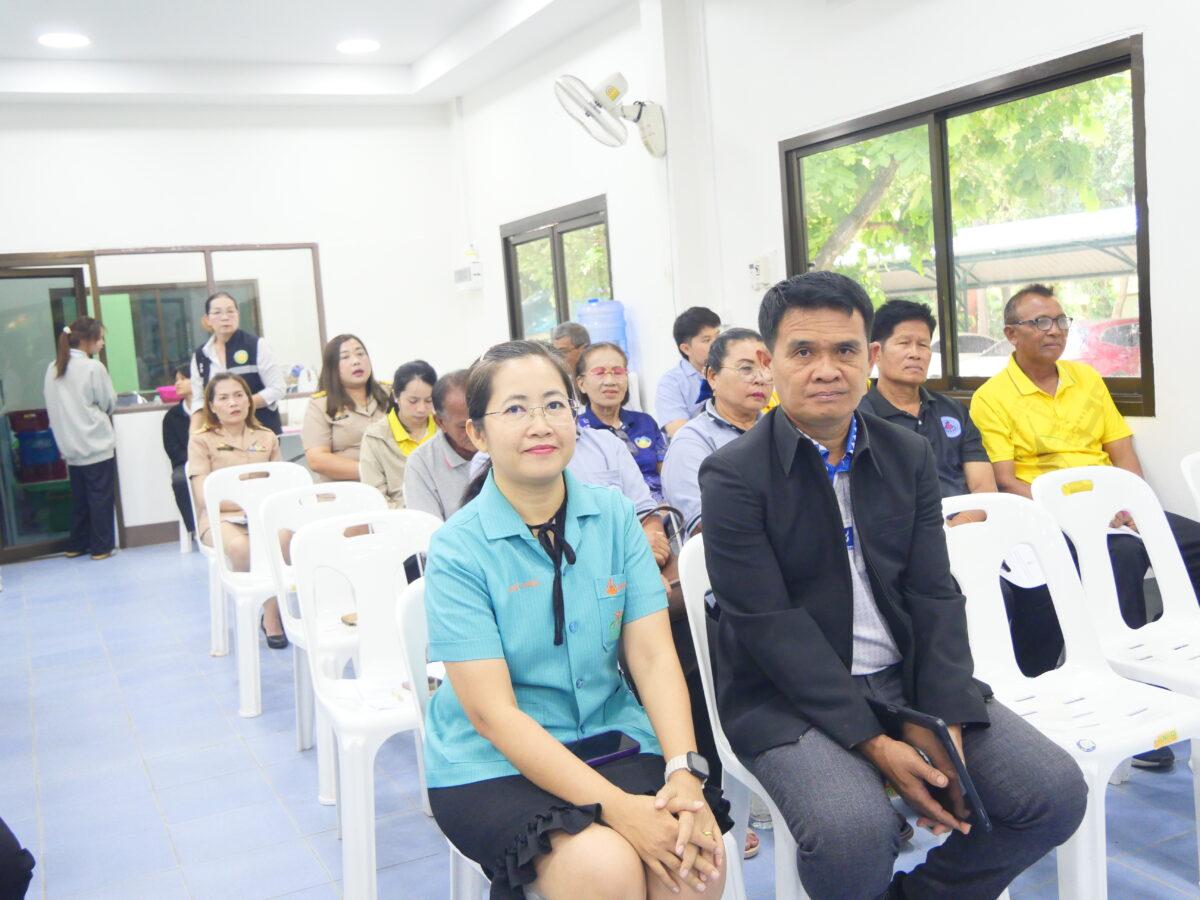
The meeting was presided over by Mr Jirasak Silprakob, Phon District Permanent Secretary, and attended by executives from local government organisations, community leaders, public health agencies, and local network partners. The participants convened to monitor operational outcomes, exchange views, and establish concrete guidelines for translating research into community-level practice.

Associate Professor Watcharin Loilome, Ph.D., cting Director of CARI, reported that the operational outcomes for 2025 showed significant progress within the model areas. The Sok Nok Ten Subdistrict Administrative Organisation successfully established the first faecal sludge treatment plant in Phon District. In parallel, comprehensive liver fluke screening was conducted among high-risk populations using OV ATK rapid test kits. The screening results indicated that of 519 participants tested in Sok Nok Ten Subdistrict, the infection rate was 42 per cent, while in Khoke Sanga Subdistrict, 510 participants were tested, with an infection rate of 38.04 per cent. All infected individuals received anthelmintic treatment and were enrolled in a continuous post-treatment monitoring process to prevent reinfection and mitigate the risk of cholangiocarcinoma.

Beyond public health interventions, the project prioritises preventive education within schools. In collaboration with the Khon Kaen Provincial Public Health Office, training sessions on implementing the Liver Fluke Prevention and Control Curriculum were conducted for primary, lower-secondary, and upper-secondary school teachers. This initiative aims to transfer knowledge to younger generations and build health literacy from the community level.

Building on these achievements, the meeting resolved to expand the initiative into three pilot subdistricts for 2026 — Sok Nok Ten, Khoke Sanga, and Na Makhuea. The expansion focuses on four core areas: conducting comprehensive liver fluke screening using OV ATK kits across all age groups; providing continuous treatment and follow-up care for infected individuals; developing sanitation systems and treatment plants into community learning centres; and promoting the liver fluke and cholangiocarcinoma prevention curriculum in local schools.
A further focus of the meeting was a study of liver fluke contamination in fish and food products from various local sources. This study aims to assess environmental risks and use the findings to plan effective risk-factor management, thereby reducing disease transmission and ensuring long-term public health safety.
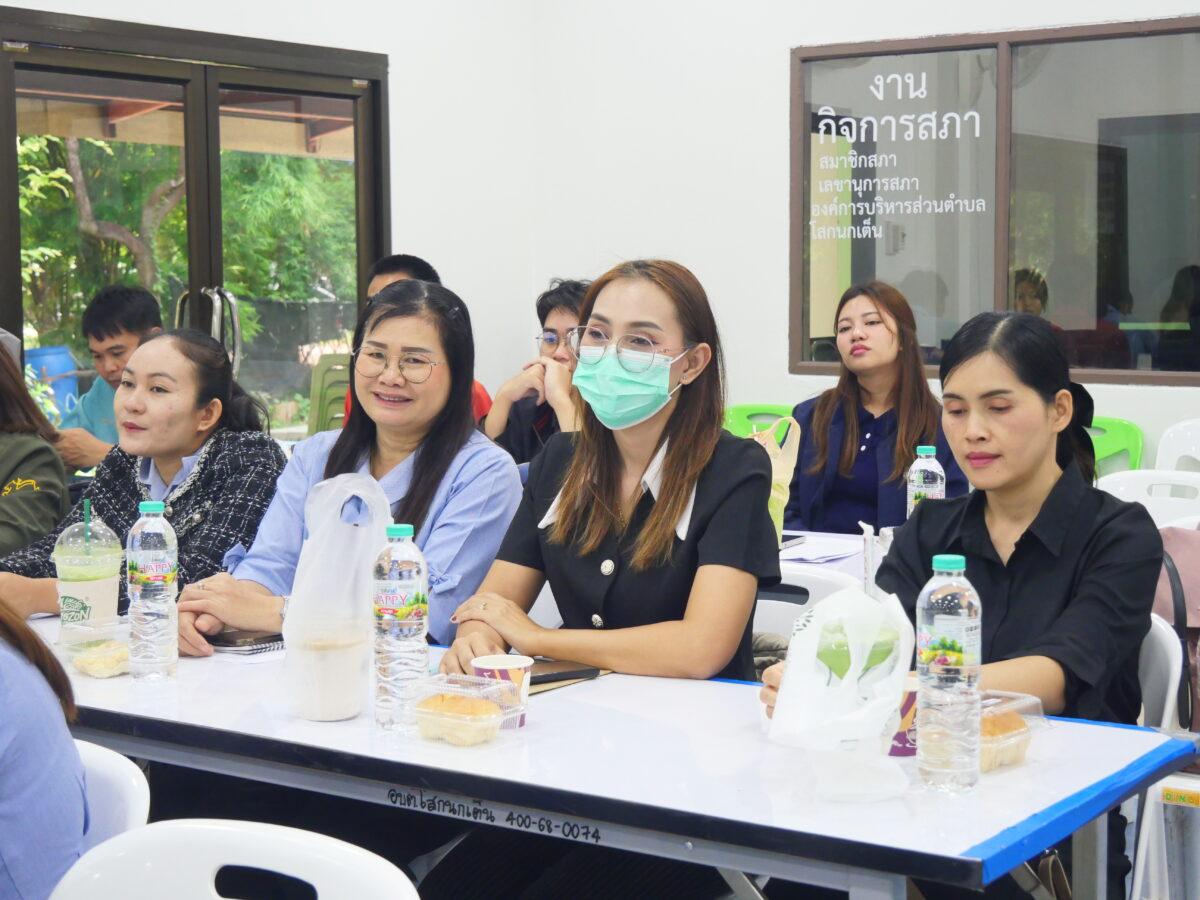
This collaboration among Khon Kaen University (KKU), government agencies, local administrative organisations, educational institutions, and civil society represents a significant step in systematically applying research and innovation to resolve community health issues. The partnership aims to reduce liver fluke infection rates, lower the incidence of cholangiocarcinoma, and improve the quality of life and well-being of communities in Northeast Thailand.
The “Liver Fluke-Free Thailand, Eradicating Cholangiocarcinoma Mortality” research programme aligns closely with the Sustainable Development Goals (SDGs): SDG 3 (Good Health and Well-being), through the prevention, screening, treatment, and reduction of mortality from liver fluke and cholangiocarcinoma; SDG 4 (Quality Education), by developing school curricula and building preventive knowledge; and SDG 6 (Clean Water and Sanitation), by establishing standardised faecal sludge management systems. The initiative also reflects multi-sectoral collaboration in the spirit of SDG 17 (Partnerships for the Goals), directing research toward concrete community problem-solving to build a disease-safe society, reduce health inequalities, and improve the quality of life for Thai citizens.



News/Photos: Section of Enterprise and Societal Sustainability, Khon Kaen University