
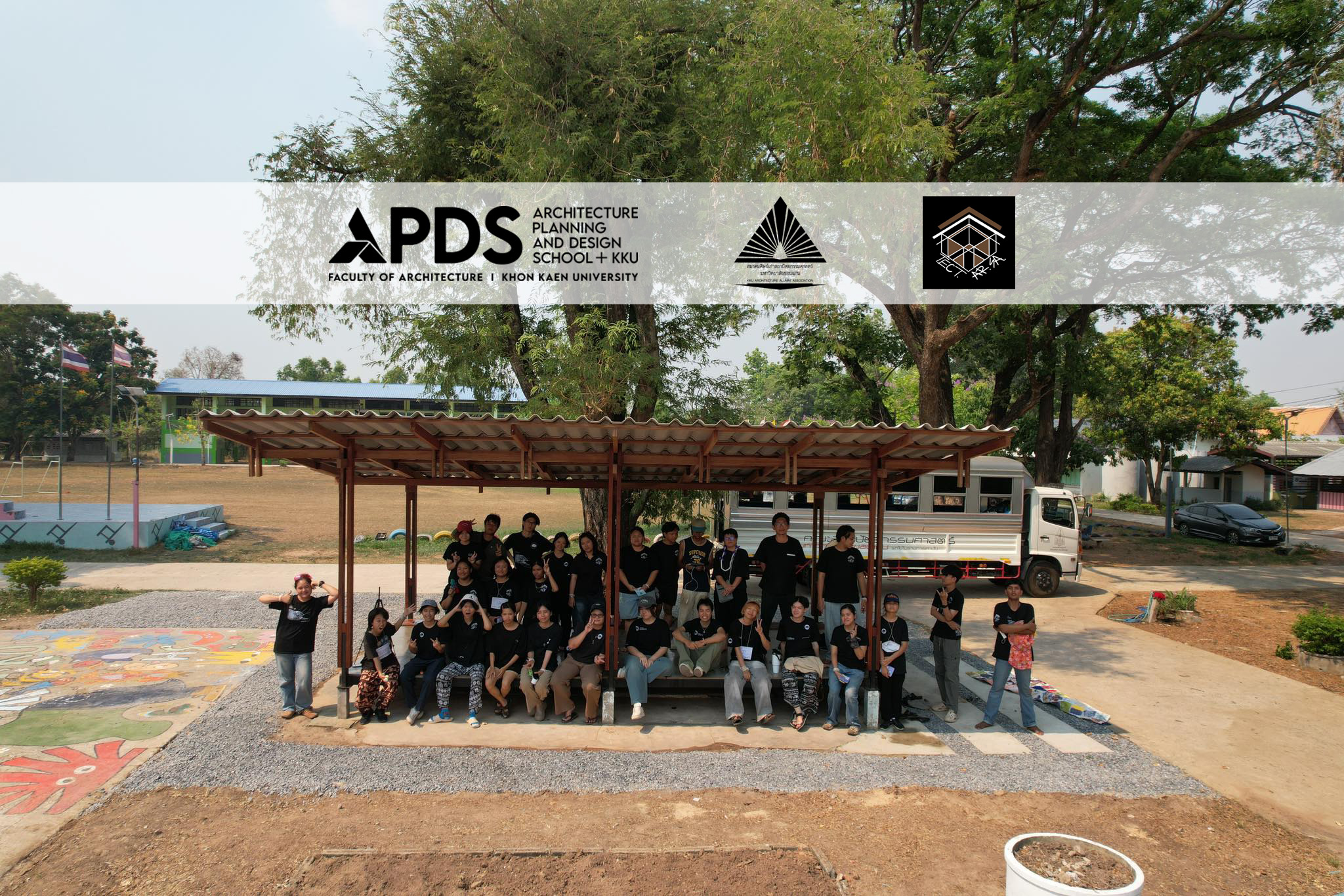
KALASIN, THAILAND – A team of volunteer architecture students from Khon Kaen University has successfully completed a community development project at Baan Huai Saeng School in Kalasin province, marking the 21st such initiative for the faculty.
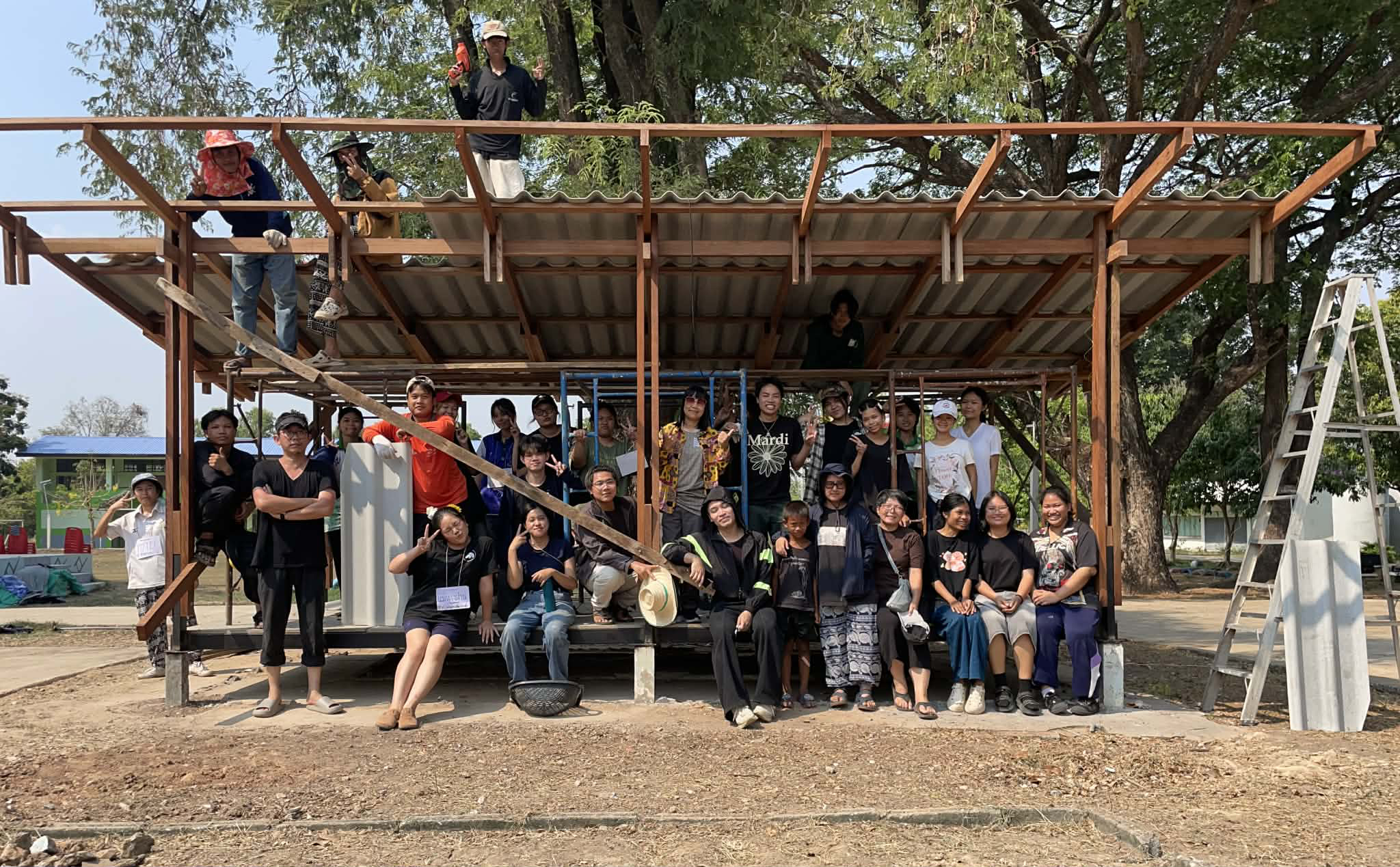
The project, which ran from 4 to 11 April 2026, saw the student group known as “AR KKU” construct a new multi-purpose pavilion for the school. The structure was built upon the abandoned foundation of a former drinking water and tooth-brushing station previously used by kindergarten students.

Assistant Professor Dr. Jantanee Jiranthanat, a project advisor, revealed that this was the first construction camp of its kind to be held in seven years. The team faced significant challenges, including budget limitations, technical construction issues, and the school’s remote location.
However, Dr. Jiranthanat noted that the project overcame these obstacles through strong collaboration. A key factor in its success was the transfer of practical construction knowledge from skilled technicians to the students, which enabled them to complete the work.
“A construction camp represents a high level of responsibility in architectural education,” she stated. “It integrates nearly every aspect of real-world work, from turning sketches into three-dimensional structures to making on-site technical decisions and taking full responsibility for one’s duties.” She praised the students for their growth and development throughout the project.
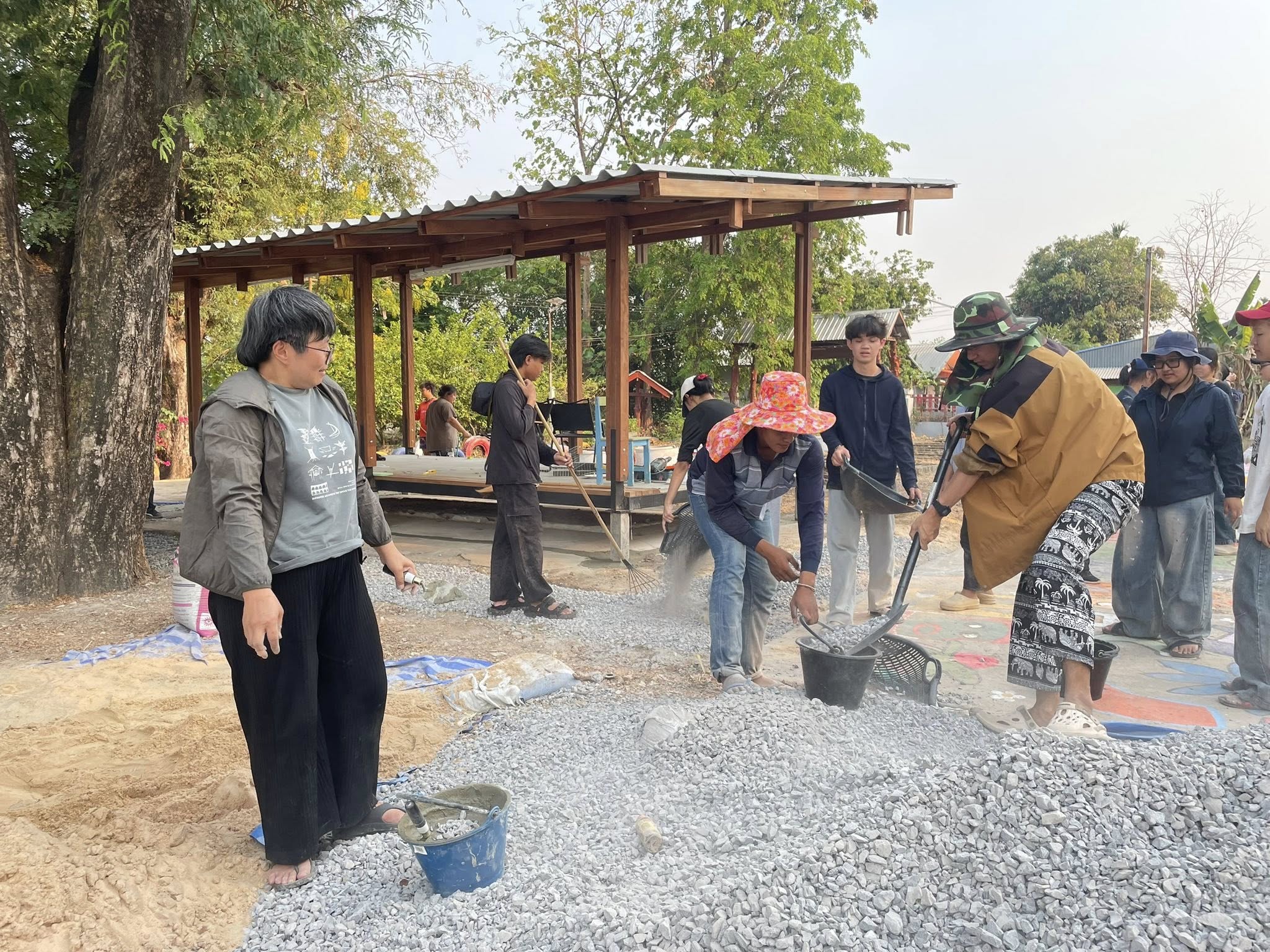
The volunteer camp is a long-standing tradition for Khon Kaen University’s Faculty of Architecture. Past projects have included building libraries, playgrounds, and furniture, as well as improving landscaping for under-resourced schools.
The initiative aims to bridge the gap between classroom theory and real-world practice, providing students with invaluable experience in planning, problem-solving, and community collaboration that cannot be learned from textbooks alone. The faculty hopes the project will inspire future participation and support for similar community development efforts.