
The international collaboration aims to transform local insect farming into a high-value alternative protein source, addressing the global food crisis and boosting grassroots economies.
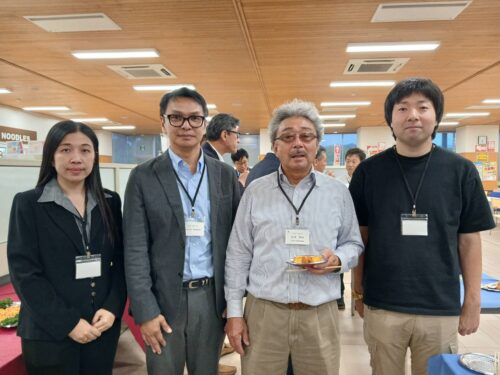
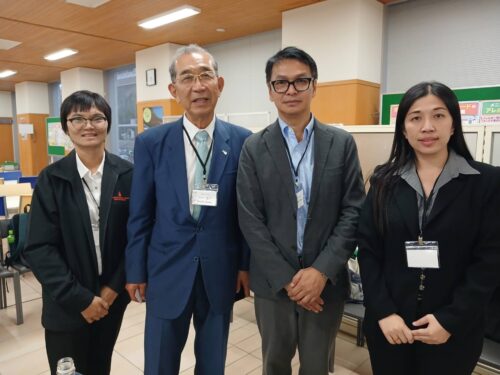
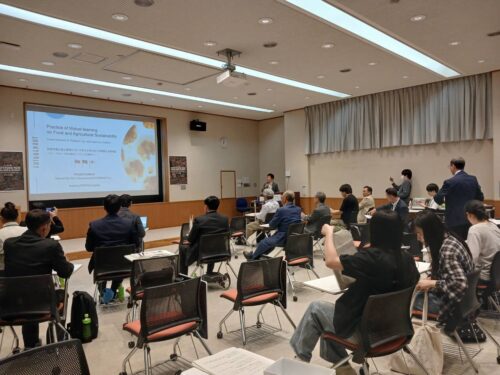
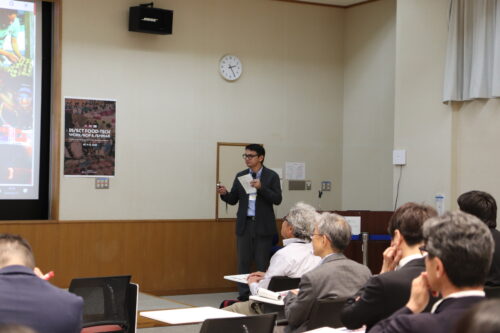
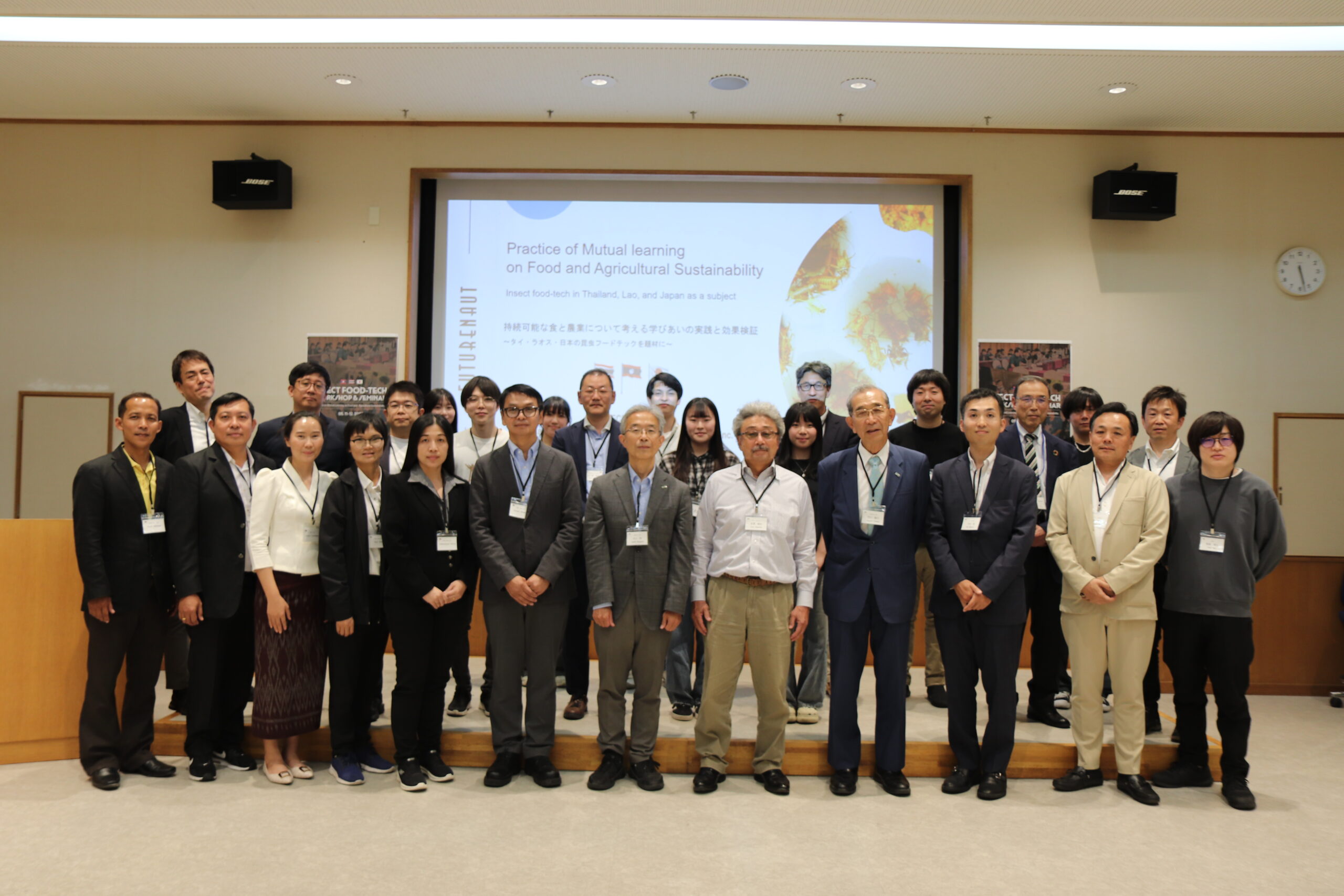
Khon Kaen University is advancing its research and innovation onto the global stage through the Institute for Strategic and Cooperation Development for Northeast Thailand. Led by Dr. Anuwat Srisawat, Deputy Director of the Institute, alongside a team of researchers, the delegation participated in the “INSECT FOOD-TECH SEMINAR” at Takasaki City University of Economics in Japan from 11 to 13 May 2026. Supported by the Toyota Foundation, the seminar served as an international platform to exchange knowledge on insect-based food innovation among experts from Thailand, Laos, and Japan. The initiative aims to propel the potential of Thai crickets into international alternative protein markets while establishing a sustainable global academic network.
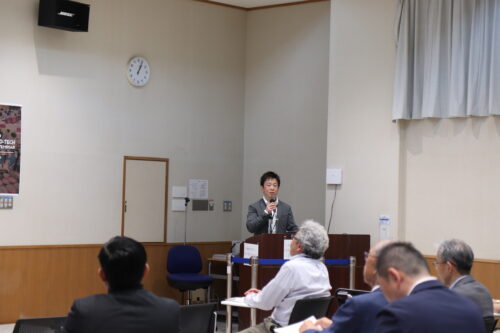
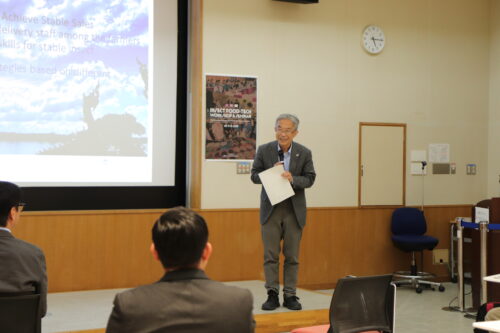
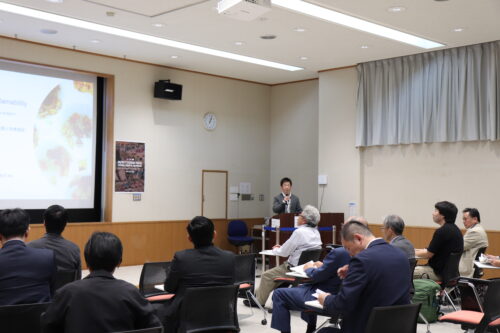
The seminar was warmly welcomed by Mr. Takeshi Mizuguchi, President of Takasaki City University of Economics. Professor Dr. Akihiro Ijima, a faculty member and researcher at Takasaki City University of Economics, who serves as the project leader, co-founder, and Chief Technology Officer (CTO) of Futurenaut Inc., outlined the background and objectives of the project. He stated that this academic collaboration between Japan, Thailand, and Laos was established to respond to the impending global food crisis driven by population growth, with an alternative protein shortage projected by 2030. The initiative focuses on cross-border knowledge integration to address supply chain obstacles from upstream to downstream, moving beyond theoretical research to deliver market-driven innovations that ensure long-term global food security.
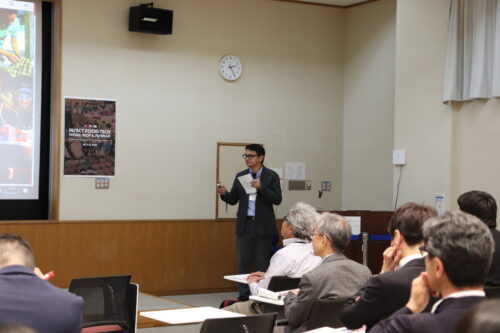
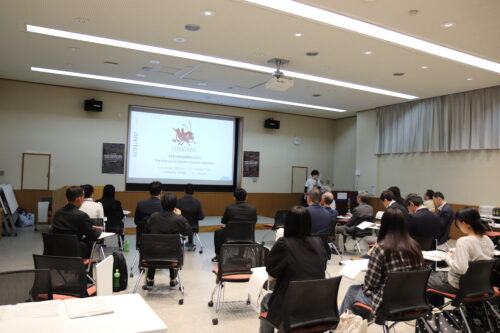
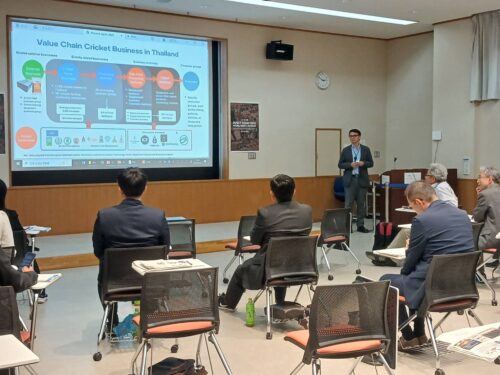
On this occasion, Dr. Anuwat Srisawat delivered a presentation titled “Potential of Thailand’s Alternative Protein Industry from Crickets and Market Opportunities in Japan”. The presentation drew significant interest from executives, faculty members, researchers, and business representatives, including those from Futurenaut Inc. Dr. Srisawat highlighted Thailand’s capability as a commercial hub for edible insects, particularly within Khon Kaen Province and the broader Northeast region. He also identified major growth opportunities in Japan’s pet food market, which shows an increasing demand for imported alternative protein ingredients.
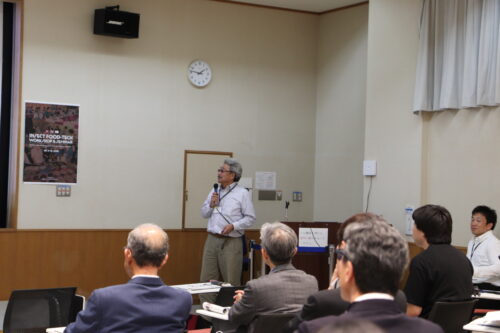
The seminar also featured advanced scientific insights from special keynote speakers. Professor Dr. Teruo Miyazawa from Tohoku University presented breakthrough research on enhancing the nutritional value of crickets. By introducing feed enriched with rice bran extracts and oils containing high levels of Vitamin E and tocotrienols, the study proved that these health-promoting nutrients—known for suppressing cancer cells and preventing dementia—successfully transfer to the crickets. Furthermore, Professor Dr. Miyazawa introduced “AI Trophie”, an artificial intelligence project utilised to analyse the complex interactions of hundreds of nutrients. This technological innovation is expected to significantly reduce and replace the use of laboratory animals in the near future.
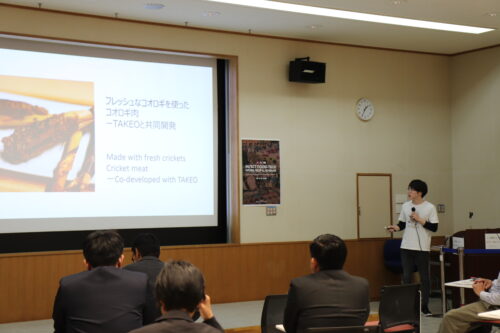
Addressing market challenges, Mr. Ren Sakurai, Executive Director of Futurenaut Inc. and researcher at Takasaki City University of Economics, shared insights into consumer perception. He cited a 2022 case study from Tokushima Prefecture where social media misperceptions regarding insect-derived school lunches led to public backlash, temporarily stalling the Japanese cricket industry. To counter this “ick factor”, Futurenaut adapted its strategy by targeting the pet food industry, where consumers are more receptive. This approach allows the company to gather empirical evidence of the nutritional benefits of insect protein, paving a stable path for the future re-expansion of the human food sector.
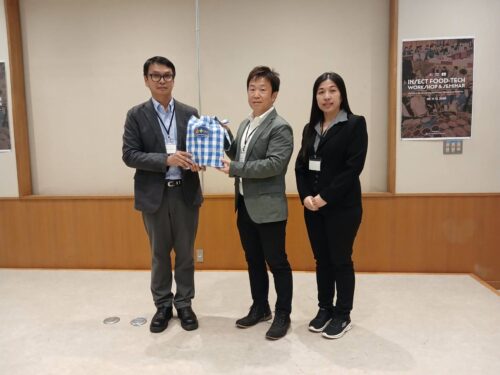
In the concluding segment of the seminar, Mr. Takeshi Mizuguchi, President of Takasaki City University of Economics, noted that the success of this seminar reflects tangible progress in the tripartite collaboration to mitigate the global food crisis. He subsequently led the delegation on a site visit to the Futurenaut model farm to study advanced insect farming technologies.
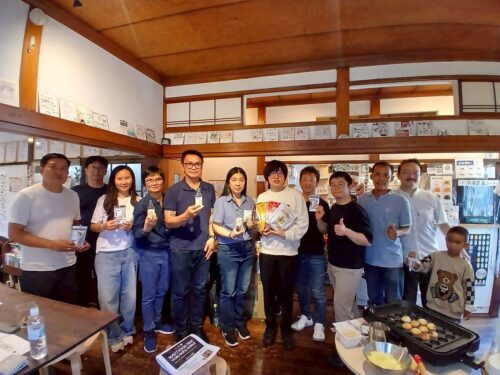
In addition to the academic seminar, the KKU research team engaged in practical field studies. On 11 May 2026, the team attended an insect food innovation workshop at TAKEO in the Asakusa district of Tokyo, a prominent cultural culinary hub catering to gastronomy tourism and younger consumers seeking novel food experiences. Discussions focused on international supply chains, positioning Thailand and Laos as high-quality insect production bases, while Japan provides processing technology, branding expertise, and influencer marketing strategies. The partners also analysed export challenges, including legal regulations, quality control during transit, and stimulating cost-effective demand in Japan. Later, on 13 May 2026, the delegation visited Sagamiya Foods Co., Ltd. in Gunma Prefecture to study international standard food processing operations to further refine Thailand’s alternative protein industry.
This international engagement marks a distinguished success for the Institute for Strategic and Cooperation Development for Northeast Thailand, Khon Kaen University. It not only solidifies a high-level international network but also reinforces the university’s vision of utilizing research to drive grassroots economic development. Elevating “Isan Crickets” into a high-value alternative protein on the global stage serves as a key catalyst for improving the quality of life for Thai farmers while addressing global food sustainability.
Looking forward, the immediate export potential for Thai crickets to Japan lies within the premium pet food and youth lifestyle sectors. The critical next steps involve maintaining stringent chemical residue-free safety standards, utilizing advanced freezing technologies during transit, and deepening the tripartite business alliances to attract Japanese partners for joint research and co-branding. Immediate strategies will focus on ready-to-eat products and premium pet food to establish a customer base, backed by positive consumer education on nutritional values. In the long term, the partnership aims to pioneer high-value nutrient extraction for the pharmaceutical and cosmetic industries to secure sustainable growth.