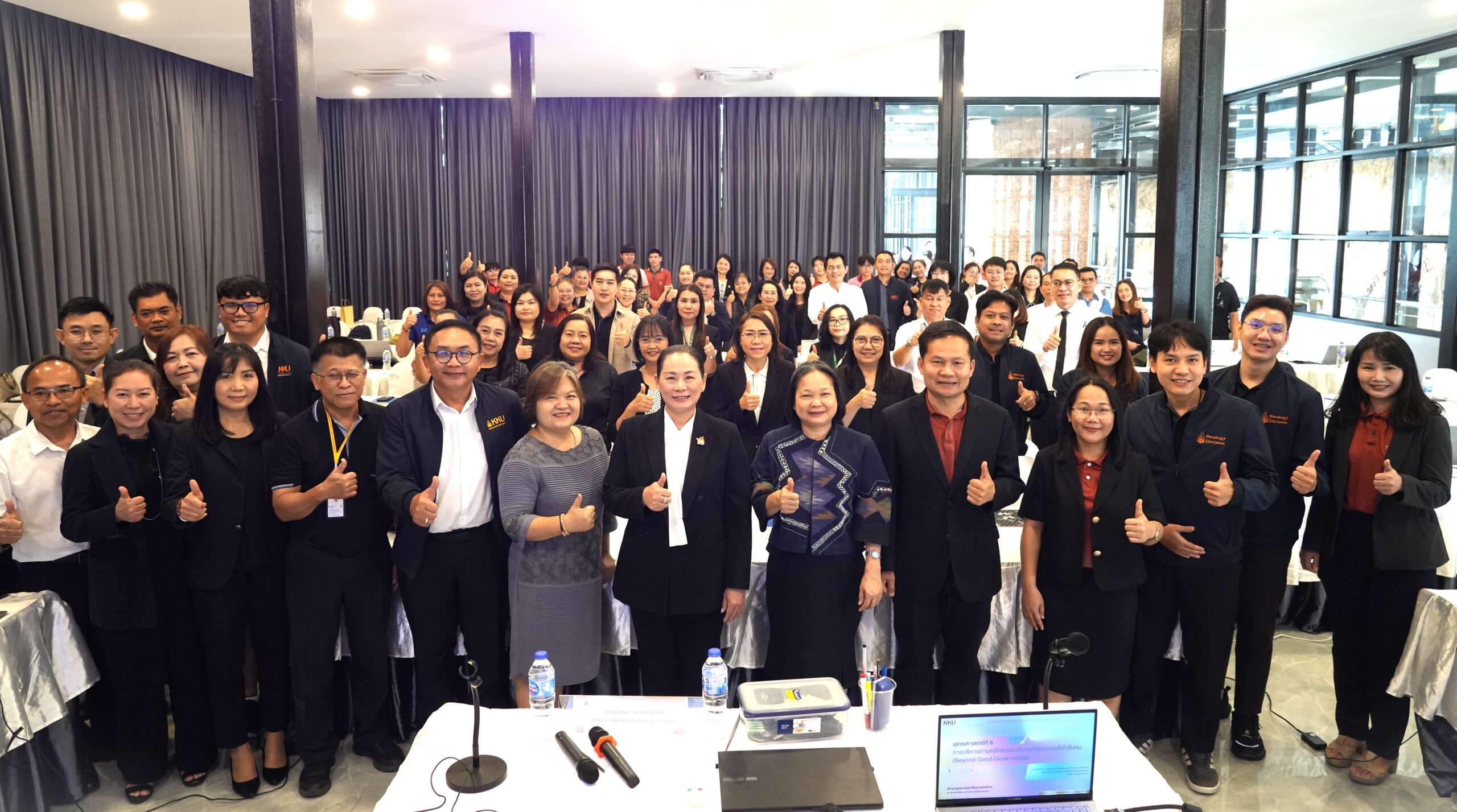
Khon Kaen University organized the ITA training project to disseminate the new evaluation criteria comprehensively, provide a platform for knowledge exchange, and strengthen the capabilities of personnel at all levels. This aims to elevate the organization towards transparency and accountability.
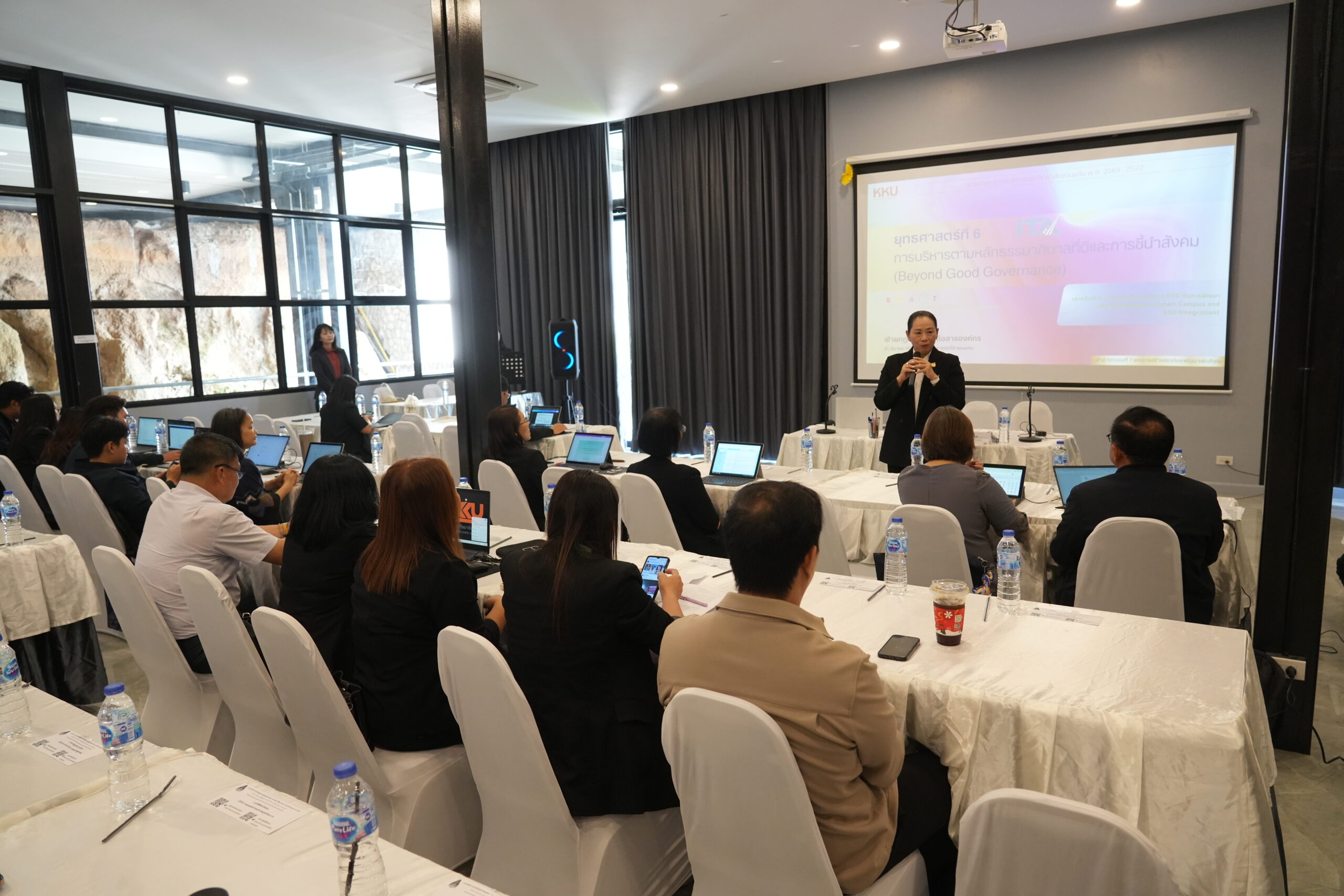
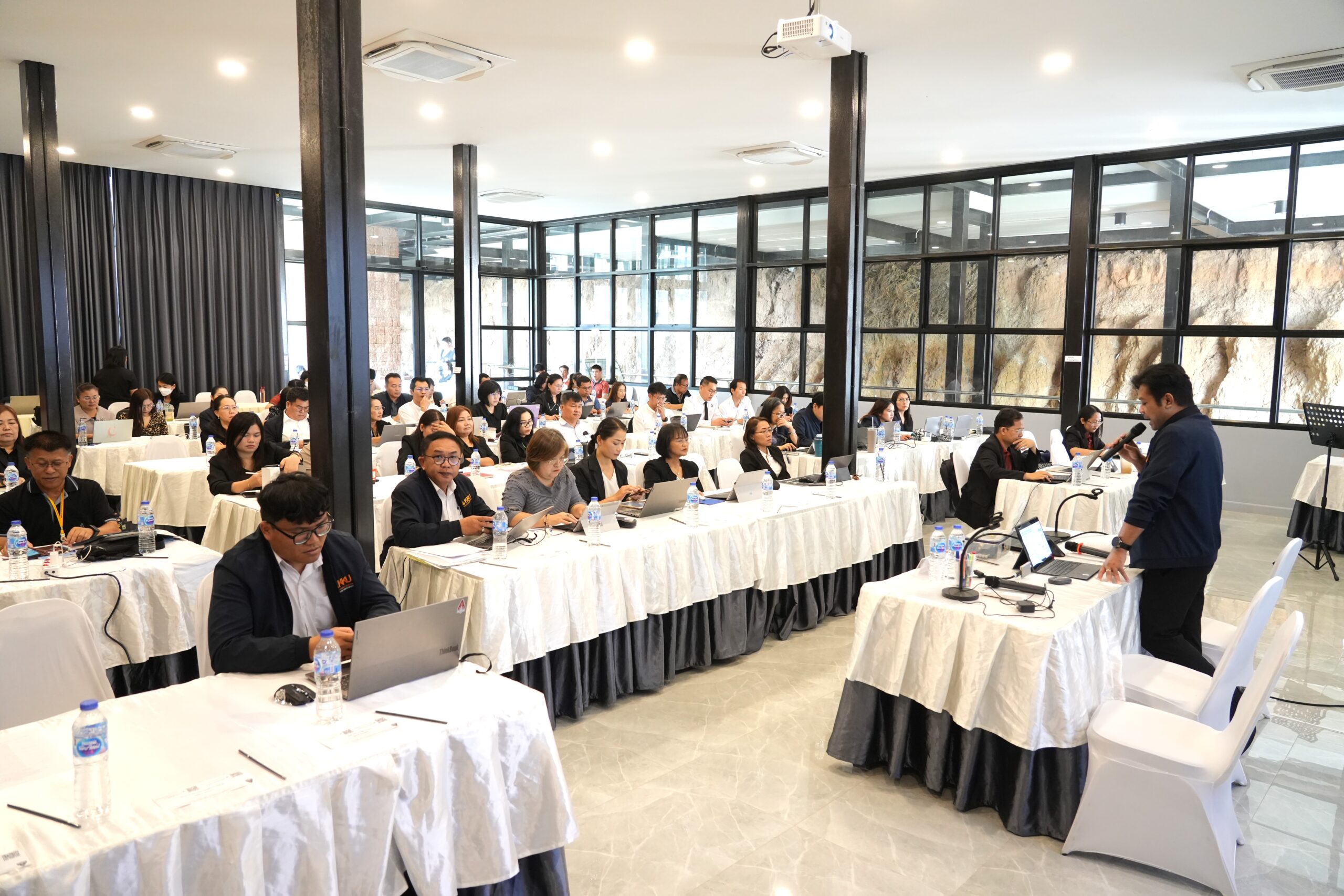
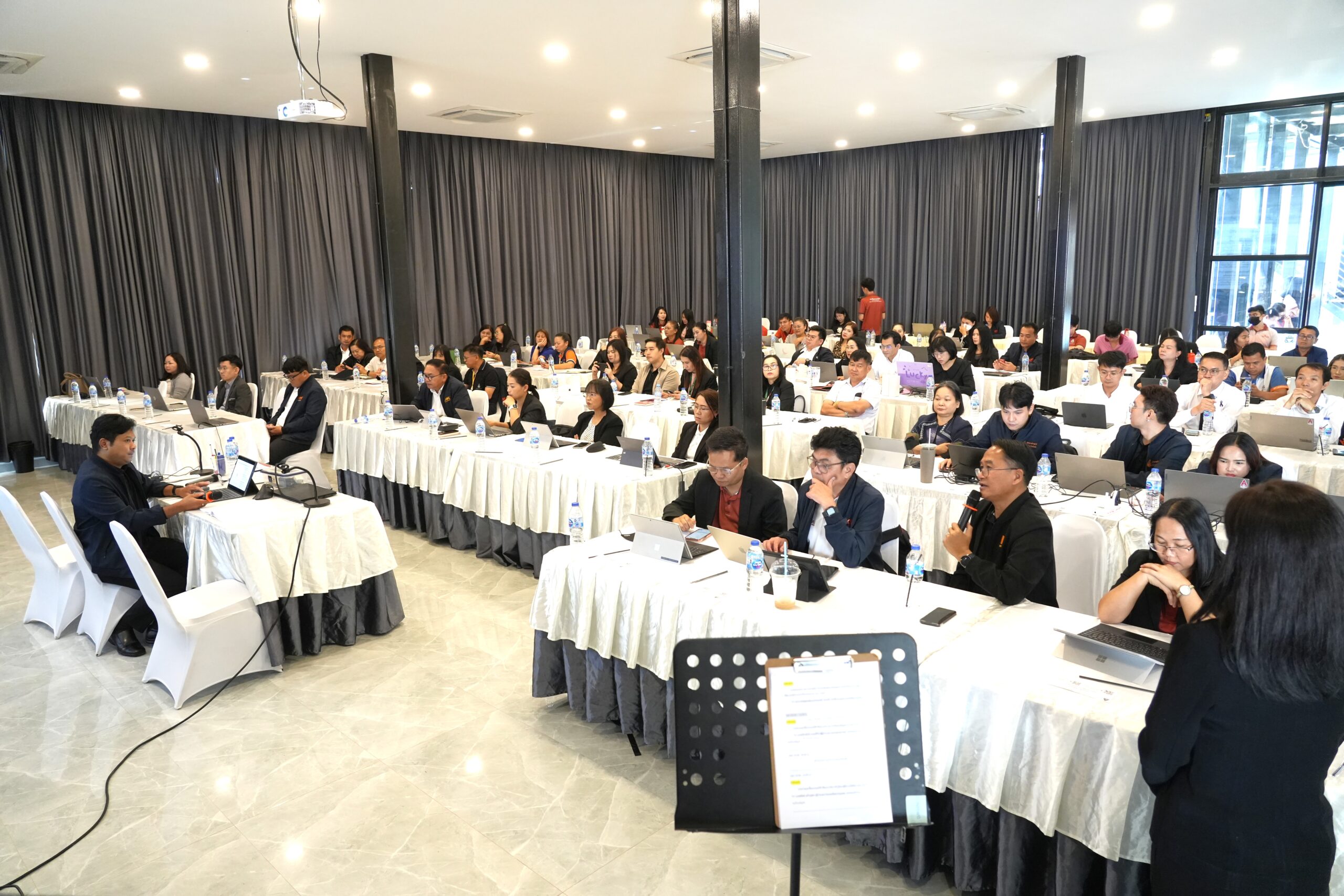
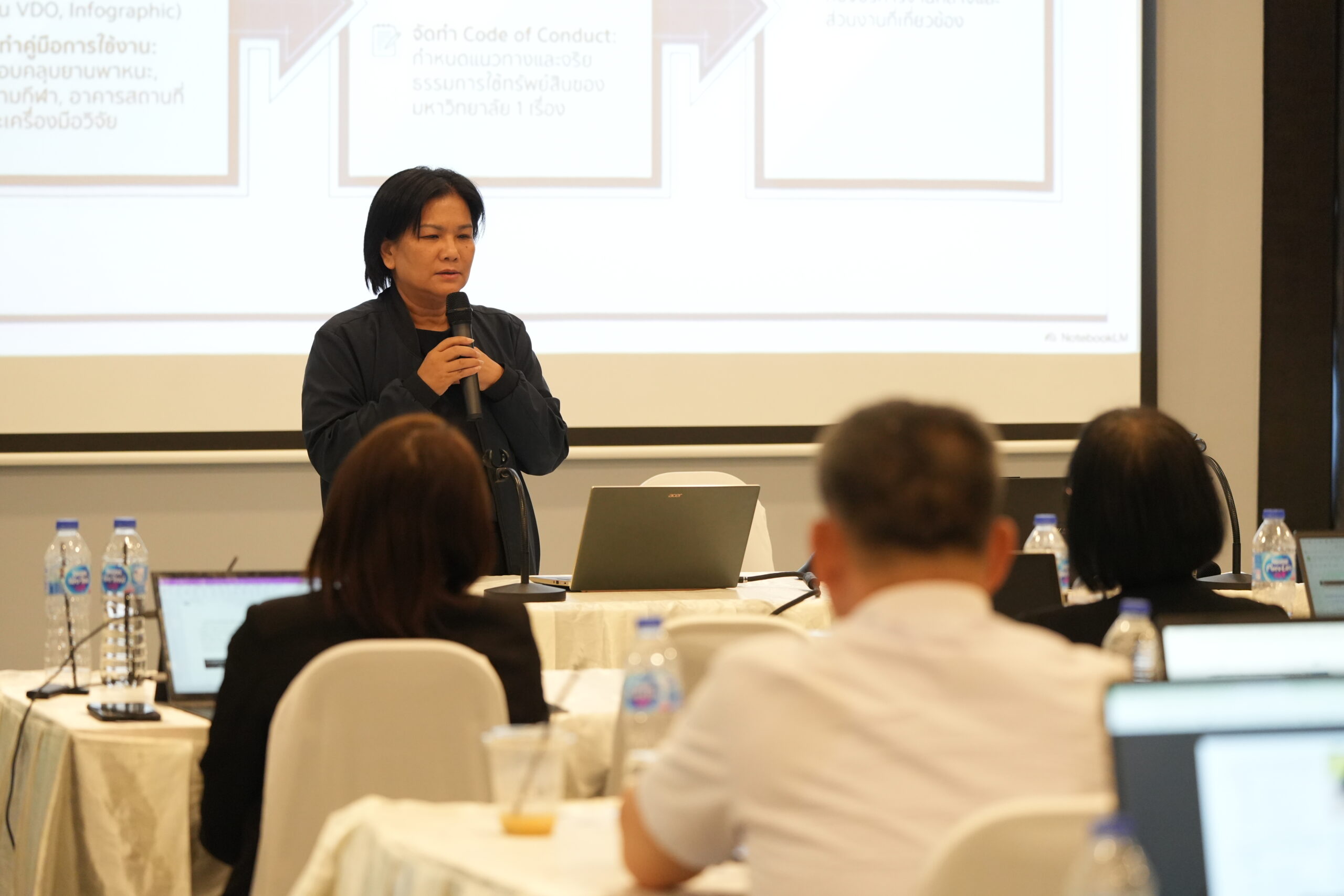
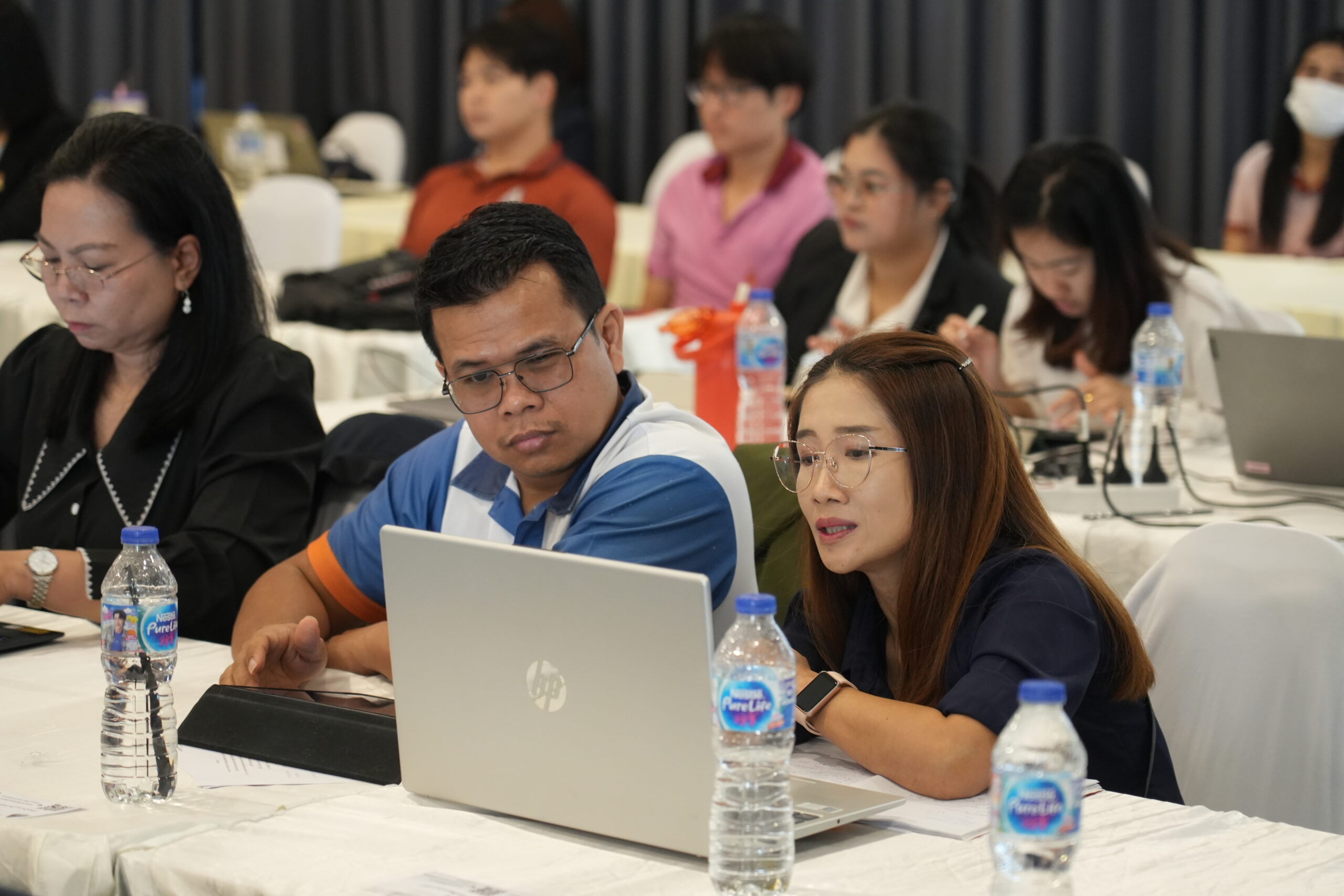
The training program, titled “Applying the Principles of Integrity and Transparency Assessment (ITA) for Organizational Development” for the fiscal year 2026, was held on March 31, 2026, at Mak Mai Restaurant in Khon Kaen. It was organized by Khon Kaen University’s Legal and Corporate Communications Division, in collaboration with the Legal Department and Corporate Communications Department.
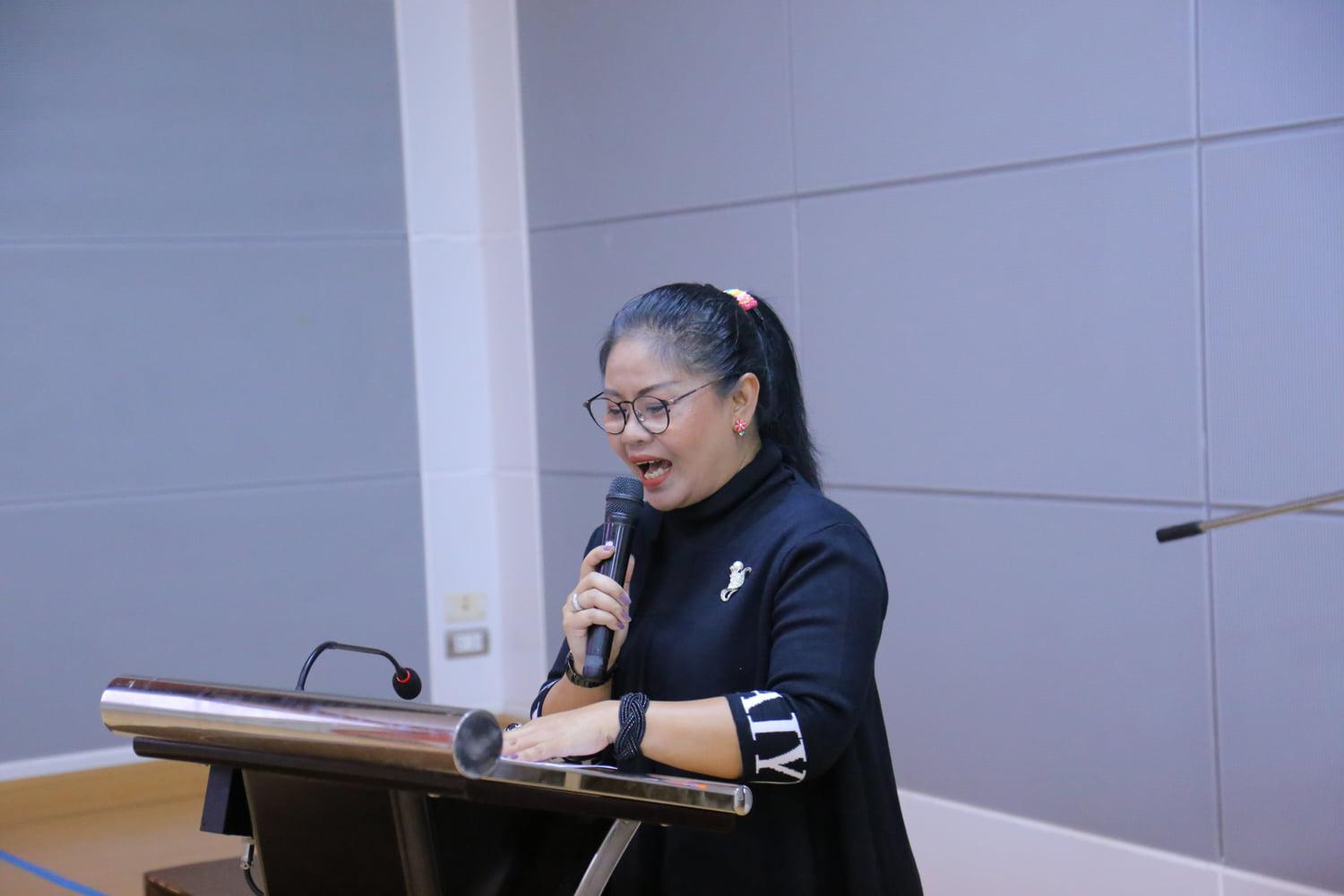
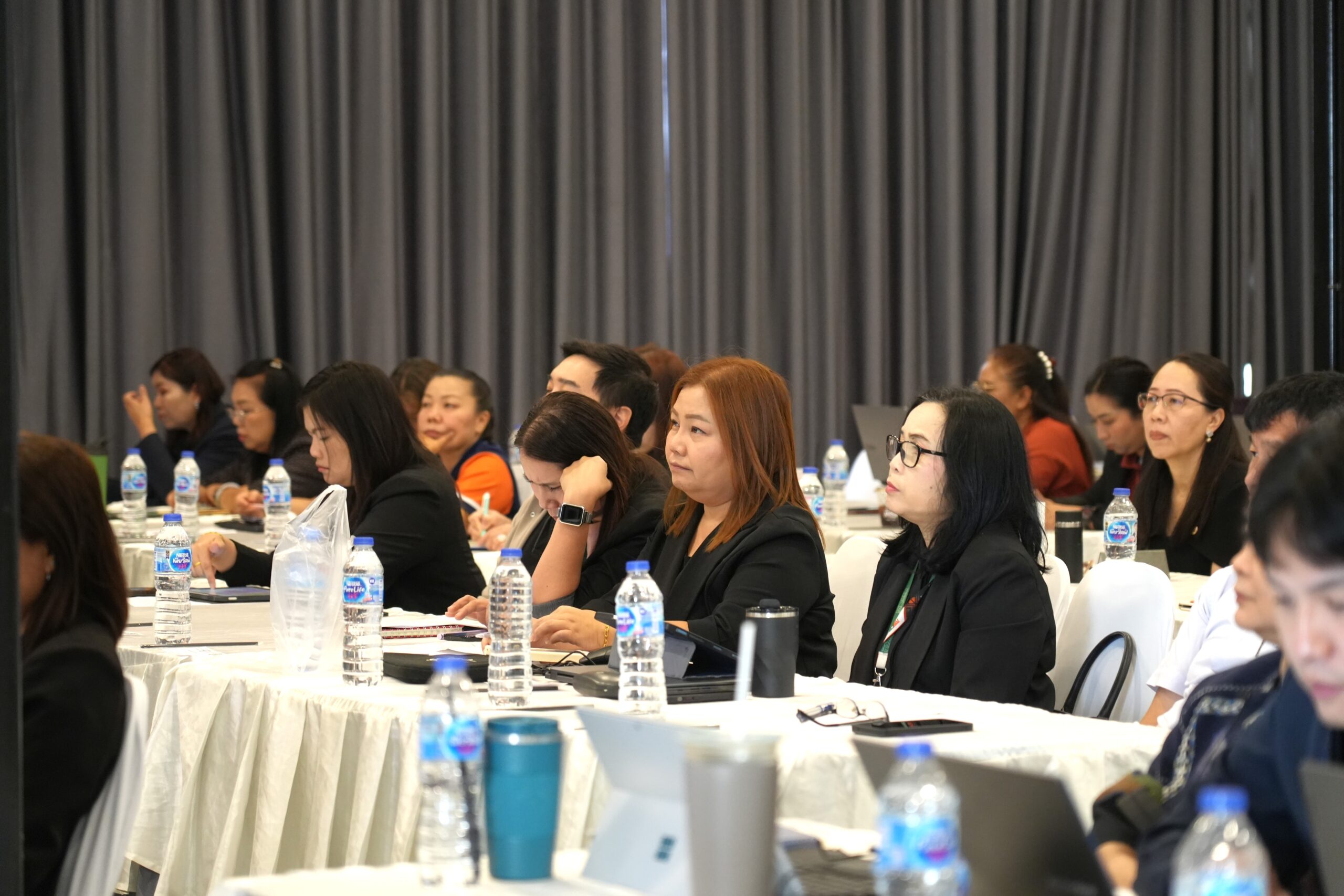
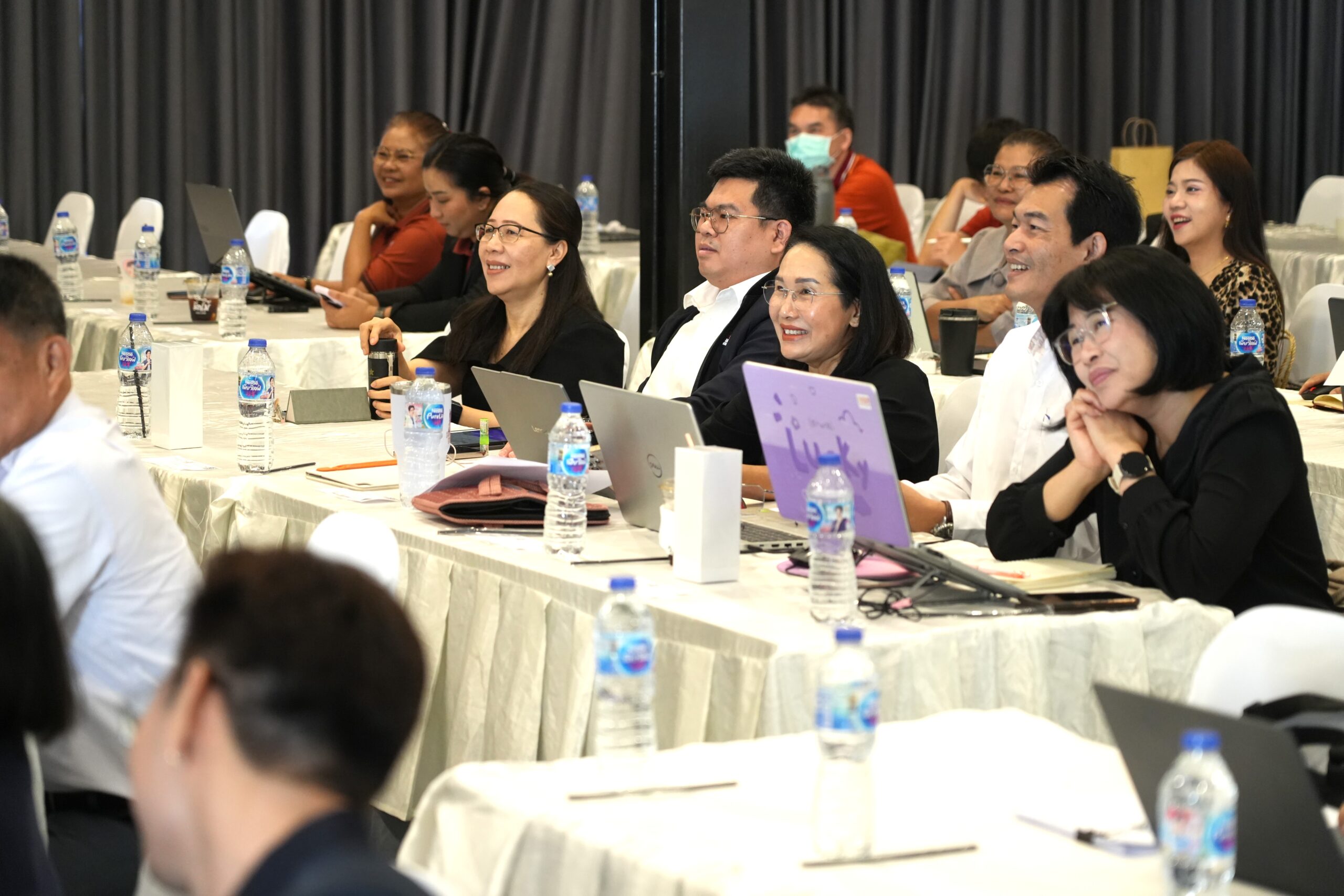
Attendees included directors of central administrative divisions under the President’s Office, directors of administrative divisions from all faculties, directors of equivalent units, and other relevant personnel, totaling 100 participants. Mrs. Natsamol Tanakulrungsarit, Vice President for Legal and Communications, inaugurated the program and outlined the policy for implementing ITA principles for organizational development in fiscal year 2026. The training aimed to foster knowledge, understanding, and preparedness for the new assessment format.
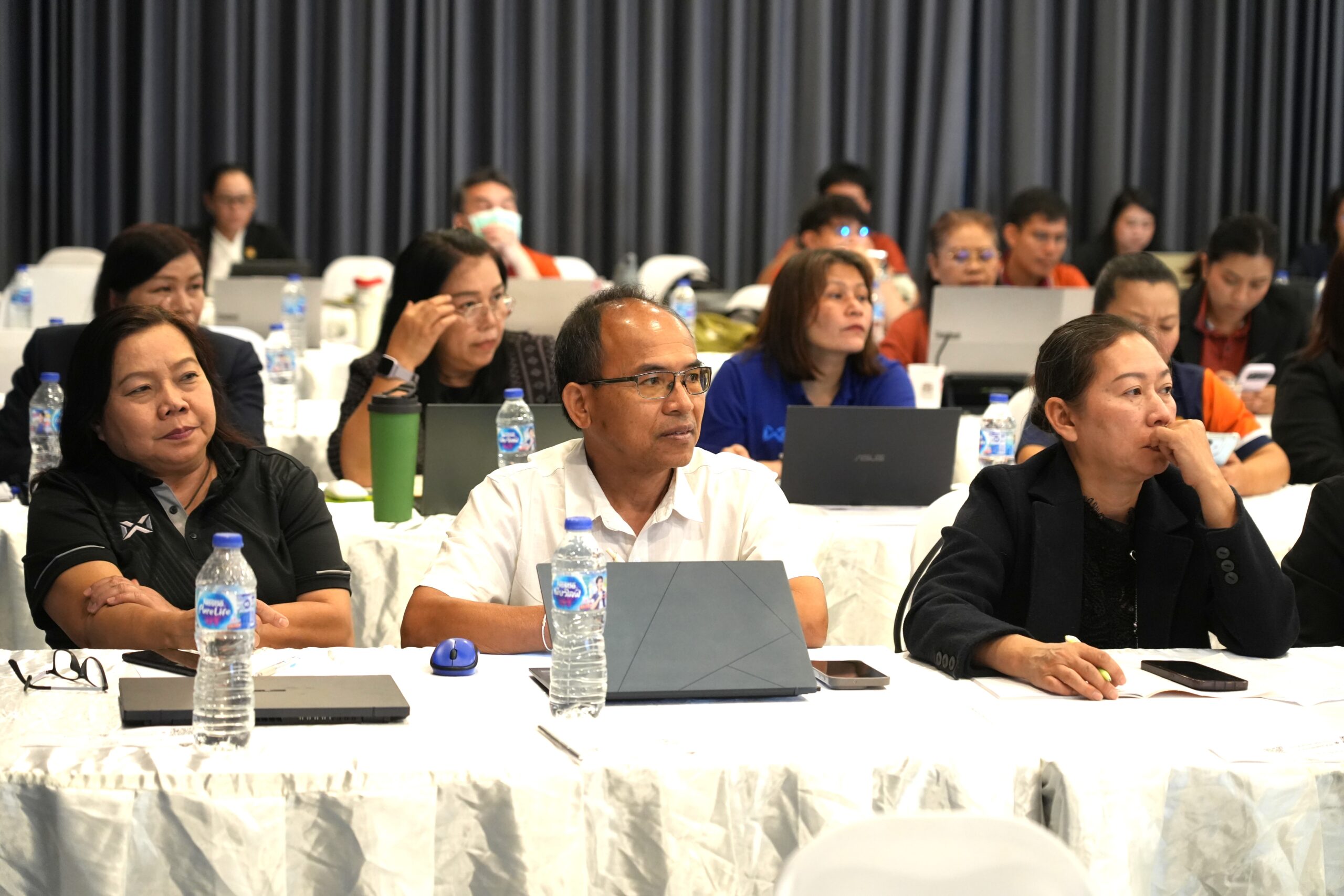
The program featured lectures and knowledge sharing from experts in various fields:
- Public Information Disclosure (OIT): Presented by Mr. Pattarasak Thammasirirak, Director of the Strategy Division, and Mr. Anupon Mumthong, Head of Planning and Evaluation.
- Internal Perception Assessment (IIT): Presented by Mr. Sathit Kaewbudda, Director of the Human Resource Division.
- External Stakeholder Perception Assessment (EIT): Presented by Mr. Chumphorn Para, Director of the Communication Affairs Division, and Ms. Laongdao Somdeeweeradech, Director of the Law Division.
- Applying NACC Recommendations for Organizational Development: Presented by Ms. Sunipa Sawai-ngern, Director of the President’s Office.
A Q&A session was also held to allow participants to exchange experiences and clarify doubts.
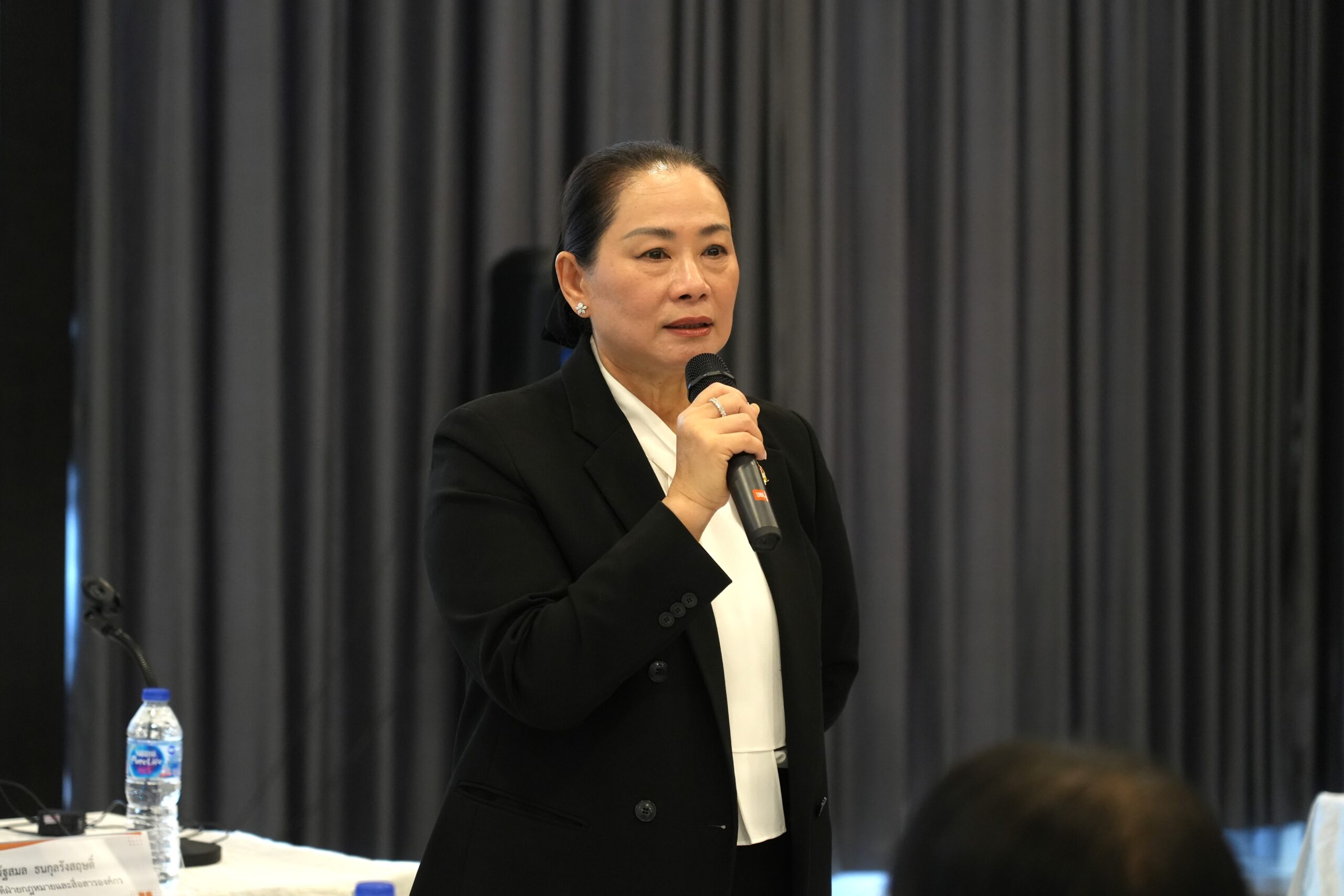
Mrs. Natsamol explained that the ITA assessment stems from the government development policy under the National Strategy’s master plan, focusing on anti-corruption and misconduct. This involves three areas: promoting positive attitudes and values (Education), preventing corruption (Prevention), and deterring corruption (Corruption Deterrence), with a fourth area being suppressing corruption (Suppression). The ITA assessment is a crucial project in Thailand for driving corruption prevention in government agencies nationwide.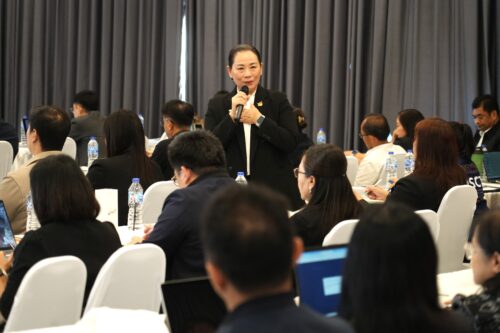
She further clarified that the main objective of ITA assessment is to promote transparency through the disclosure of information by government agencies and to measure behavior or performance that may lead to corruption and misconduct. The ITA assessment comprises three main indicators:
- OIT (Open Data Integrity and Transparency): Public information disclosure in line with the organization’s strategy.
- IIT (Internal Integrity and Transparency Assessment): Assessment of internal personnel’s perception.
- EIT (External Integrity and Transparency Assessment): Assessment of external stakeholders’ (e.g., students, alumni, business partners, and the public) perception.
These indicators are vital tools for elevating organizational management standards, ensuring transparency, accountability, and building public trust.
“The university aims for personnel at all levels to accurately understand the assessment criteria and apply them in their actual work, especially in transparent operations, preventing corruption, and reducing ethical risks, which are fundamental to sustainable organizational development,” Mrs. Natsamol concluded.
Feedback from Participants:
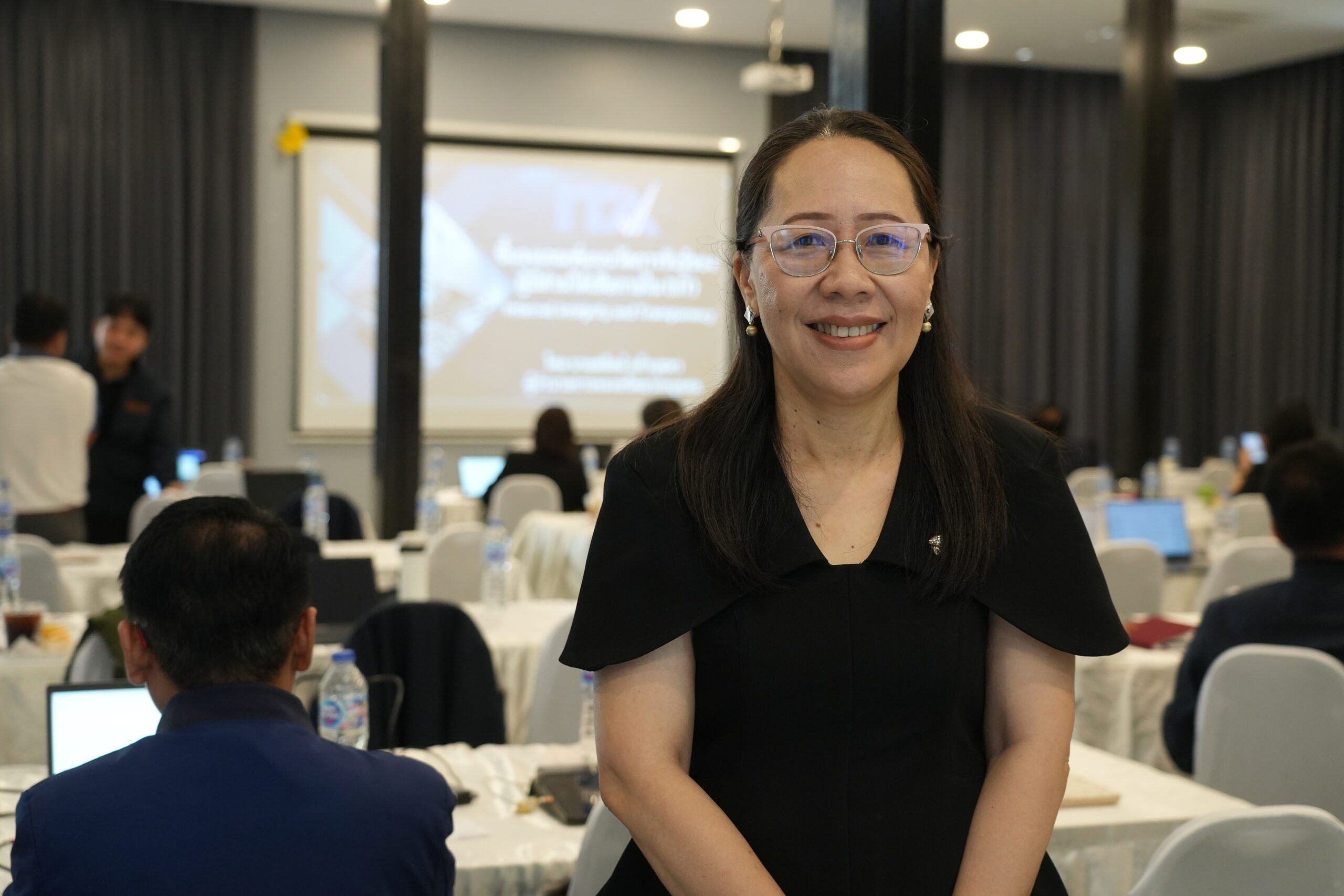
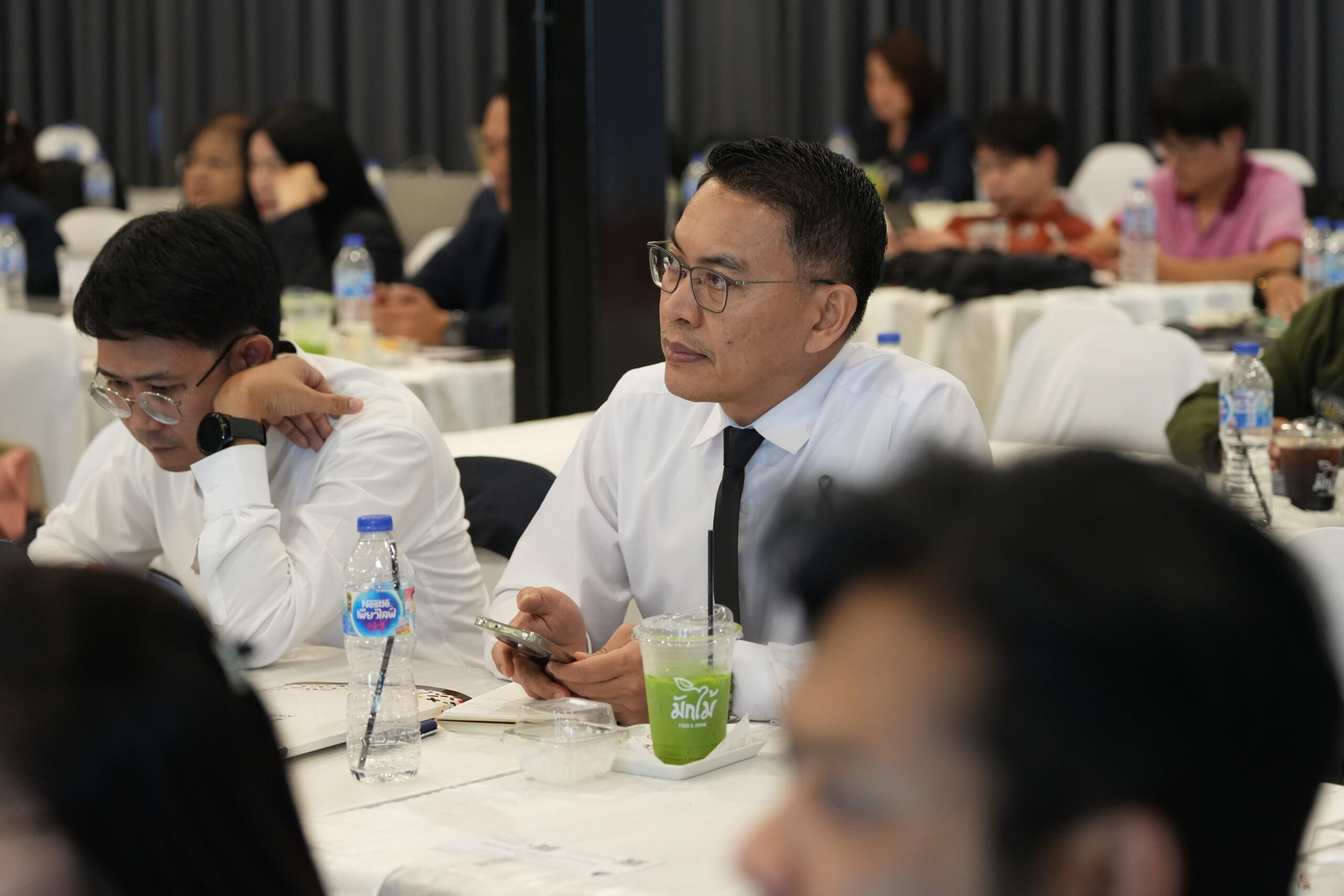
Ms. Siriwan Jiewheam, Director of the Faculty of Interdisciplinary Studies Administration Department, stated, “This training helped all departments better understand the integrity and transparency indicators. It allows us to align our operations precisely with the university’s policies. This is essential for all units as it involves both internal personnel and external stakeholders.” “What seems minor and might be overlooked could become the beginning of organizational damage. Therefore, serious attention must be paid, and such training should be continuously organized to instill a tangible sense of transparency.”
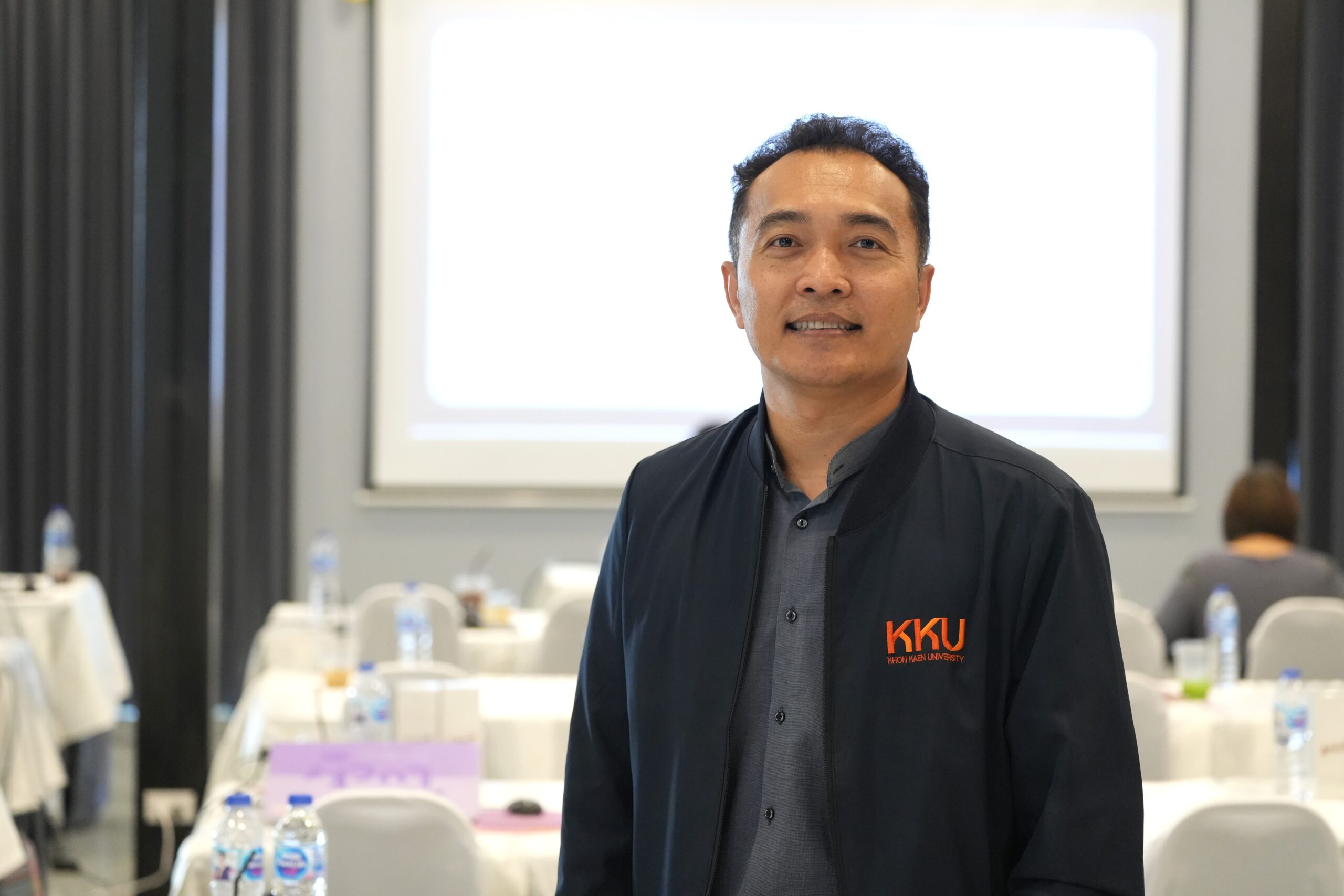
Mr. Chatchawal Nongna, Director of the Faculty of Education Administration Department, commented, “The ITA assessment is based on the perceptions of those involved, not merely individual opinions. Therefore, clear and comprehensive communication of information is crucial for all personnel to have a common understanding before the assessment.” “When personnel receive complete information, they can answer the assessment accurately, and the results will reflect the actual operations, which is beneficial for long-term organizational development.”
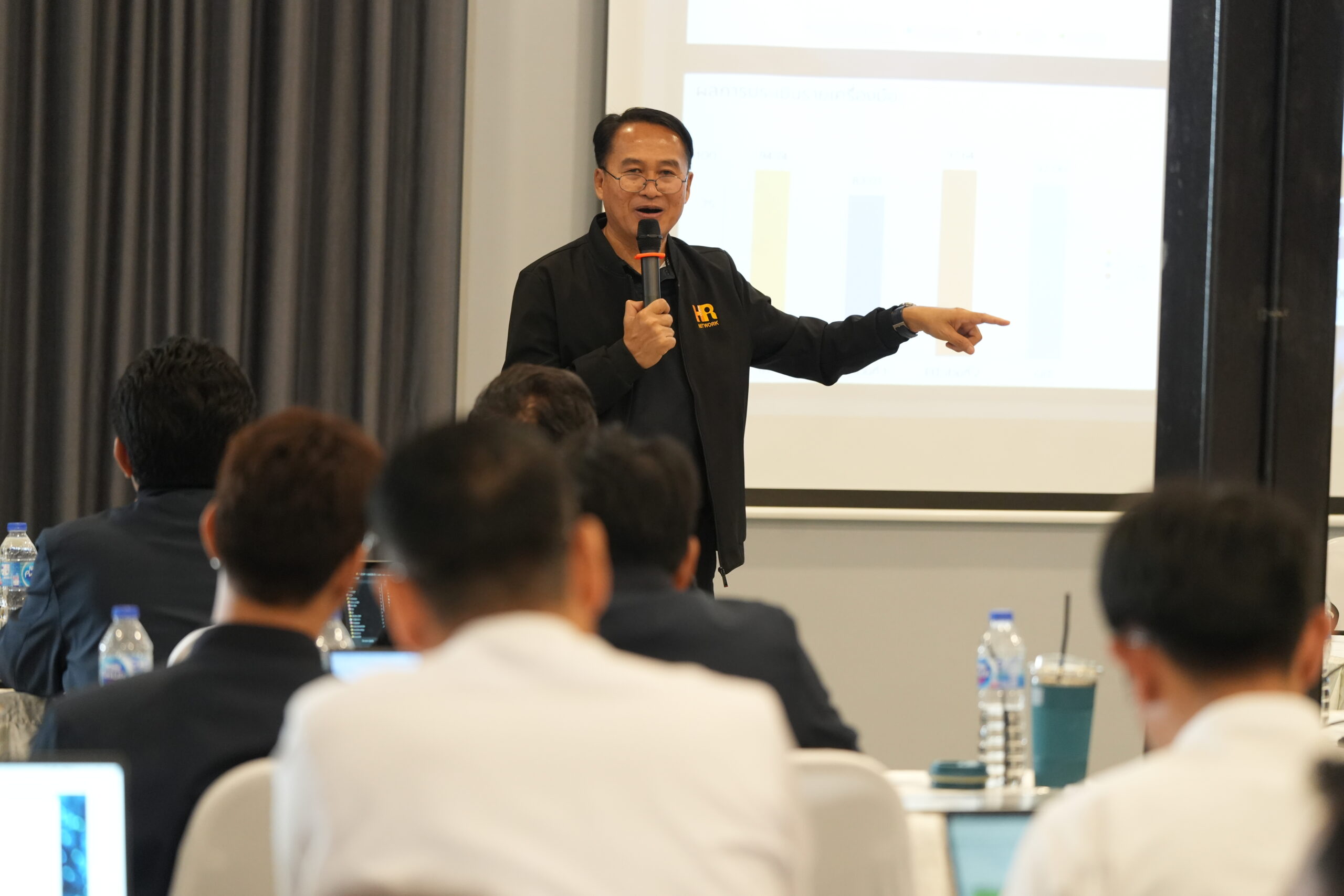
This year, the National Anti-Corruption Commission (NACC) has adjusted the ITA assessment format, especially for the EIT indicator, where they will directly select sample groups and conduct on-site evaluations of agencies. This reflects the increased rigor of the assessment process and the necessity for all departments to prepare diligently.
The ITA (Integrity and Transparency Assessment) is therefore a crucial tool for evaluating the integrity and transparency of public sector agencies, akin to an “organizational health check-up.” It helps raise administrative standards, reduce corruption risks, and promote the participation of all sectors.
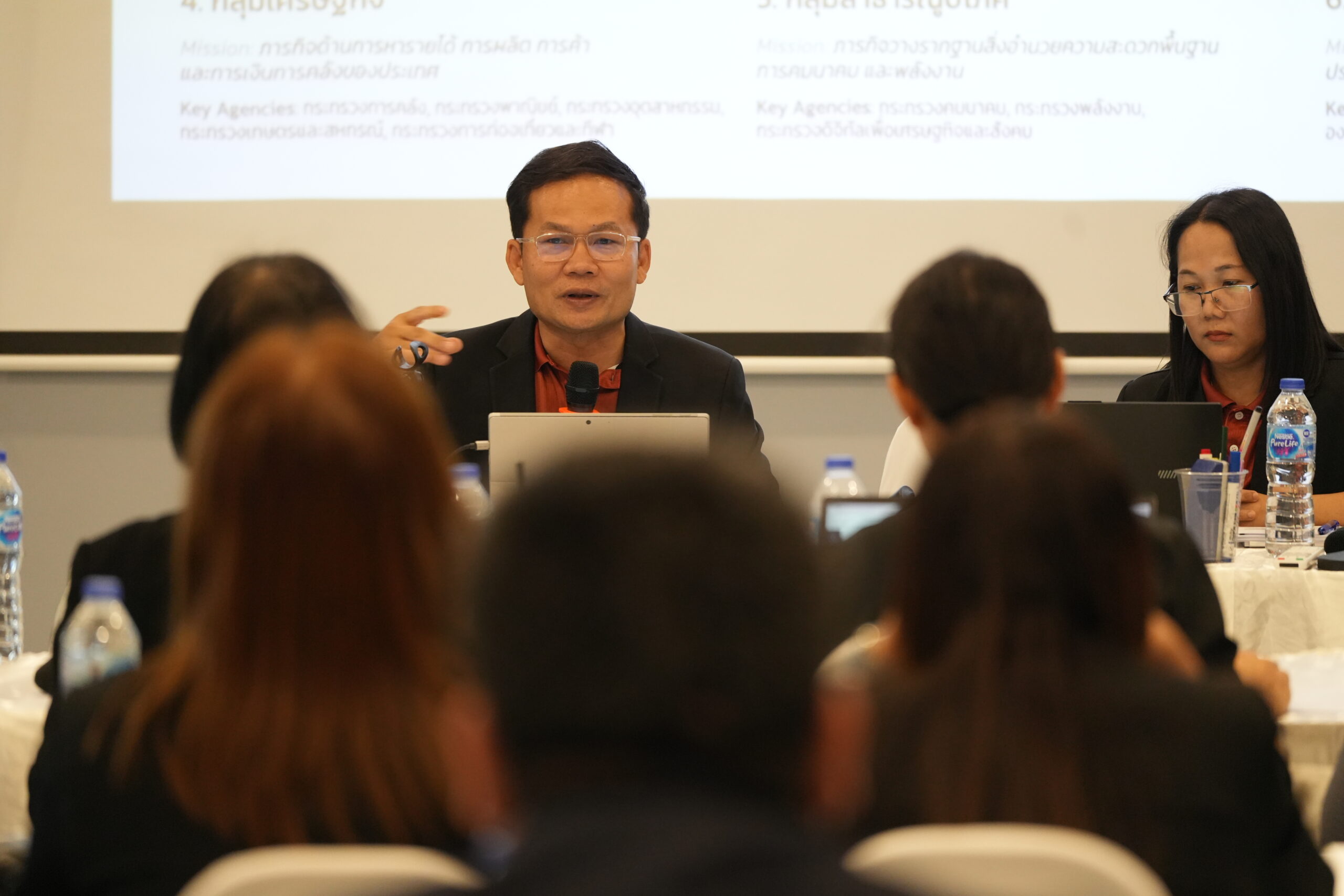
 This project marks another significant step for Khon Kaen University in developing the organization towards excellence in good governance. Participants will serve as key mechanisms in disseminating knowledge and driving policies into practice at the departmental level, thereby enhancing transparency and building sustainable public trust.

News by: Benjamaporn Mamook / Jiraporn Pratumchai
Photos by: Nattawut Jaruthong / Nattawut Petchprapai