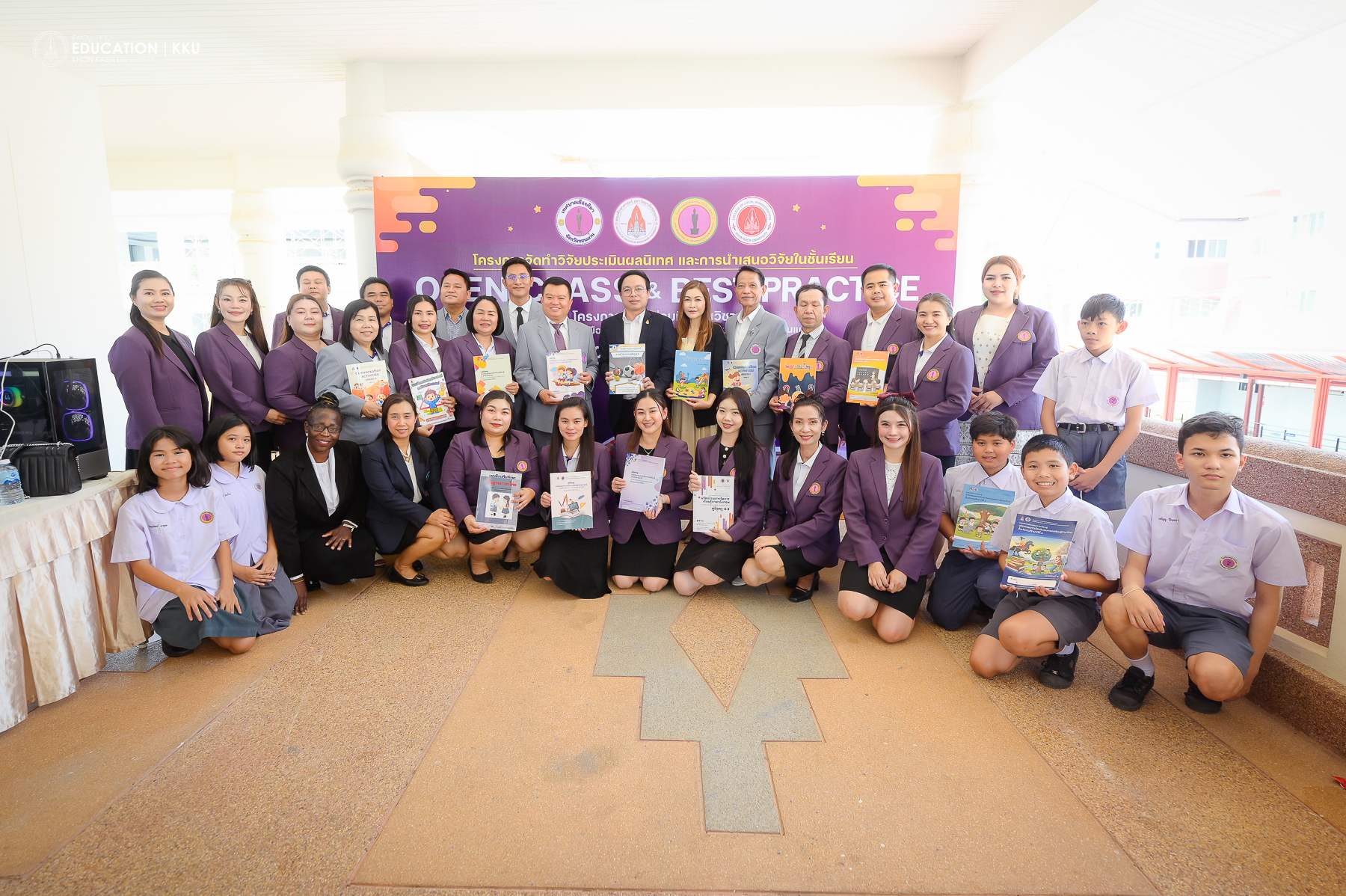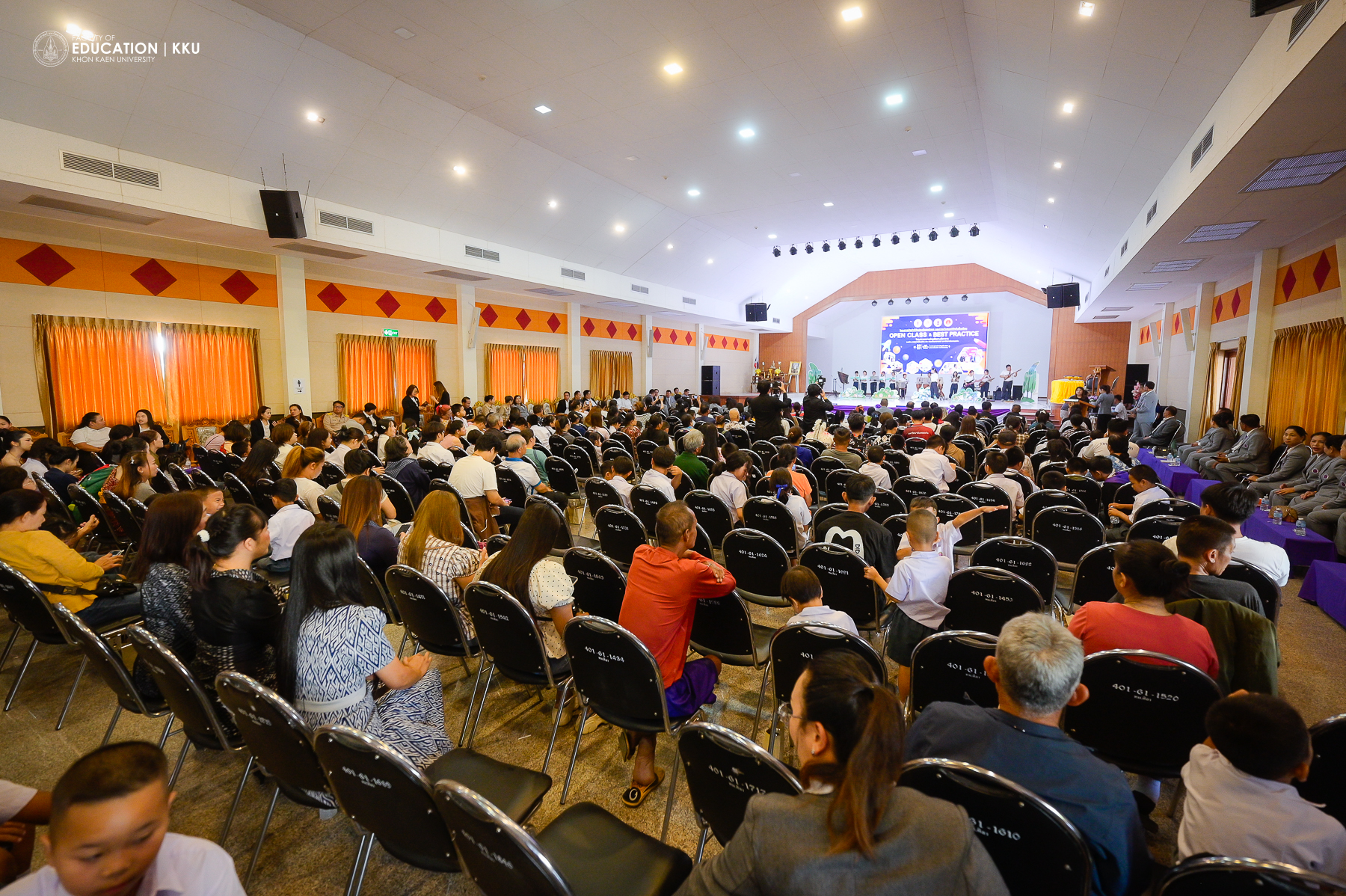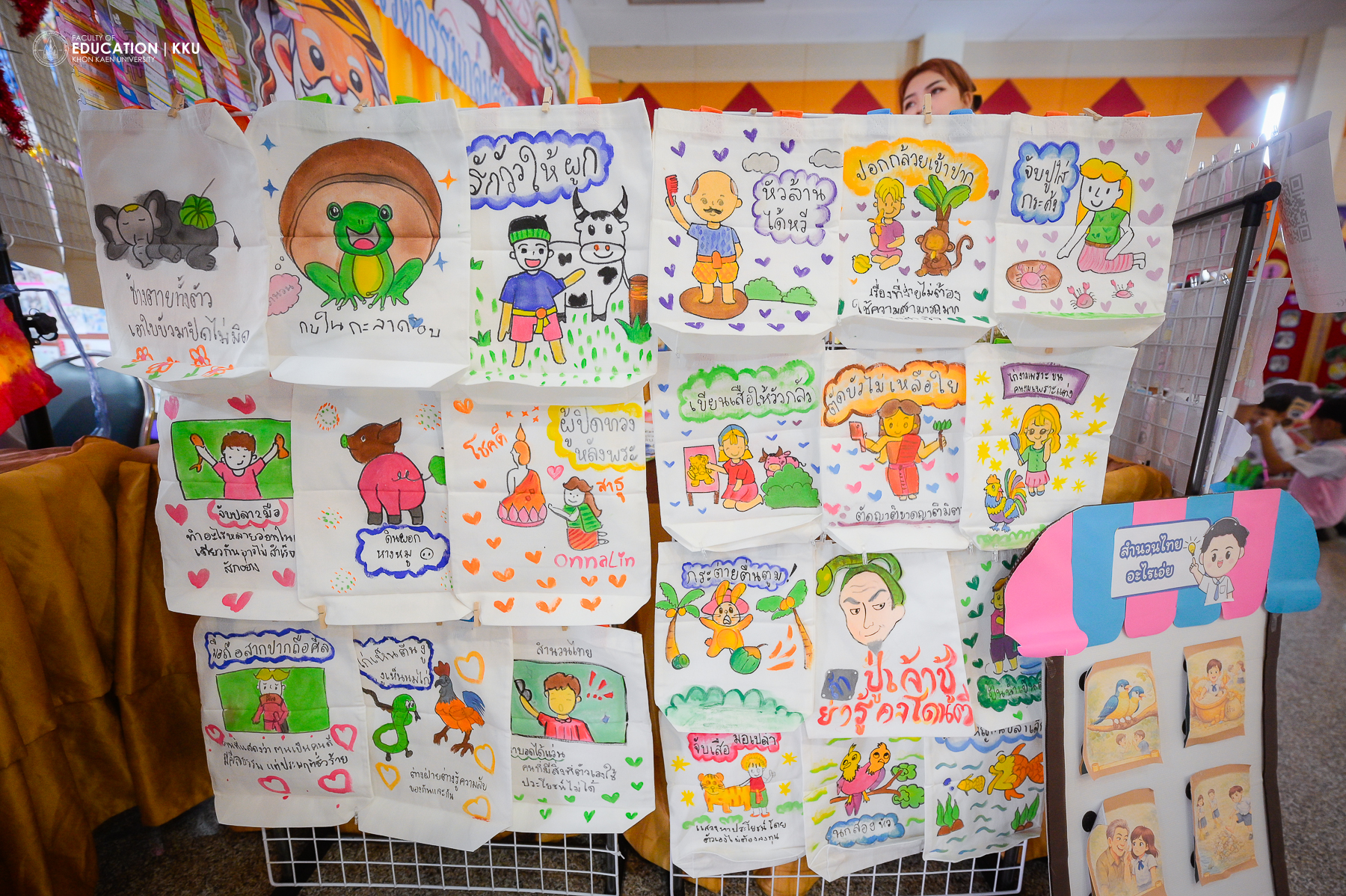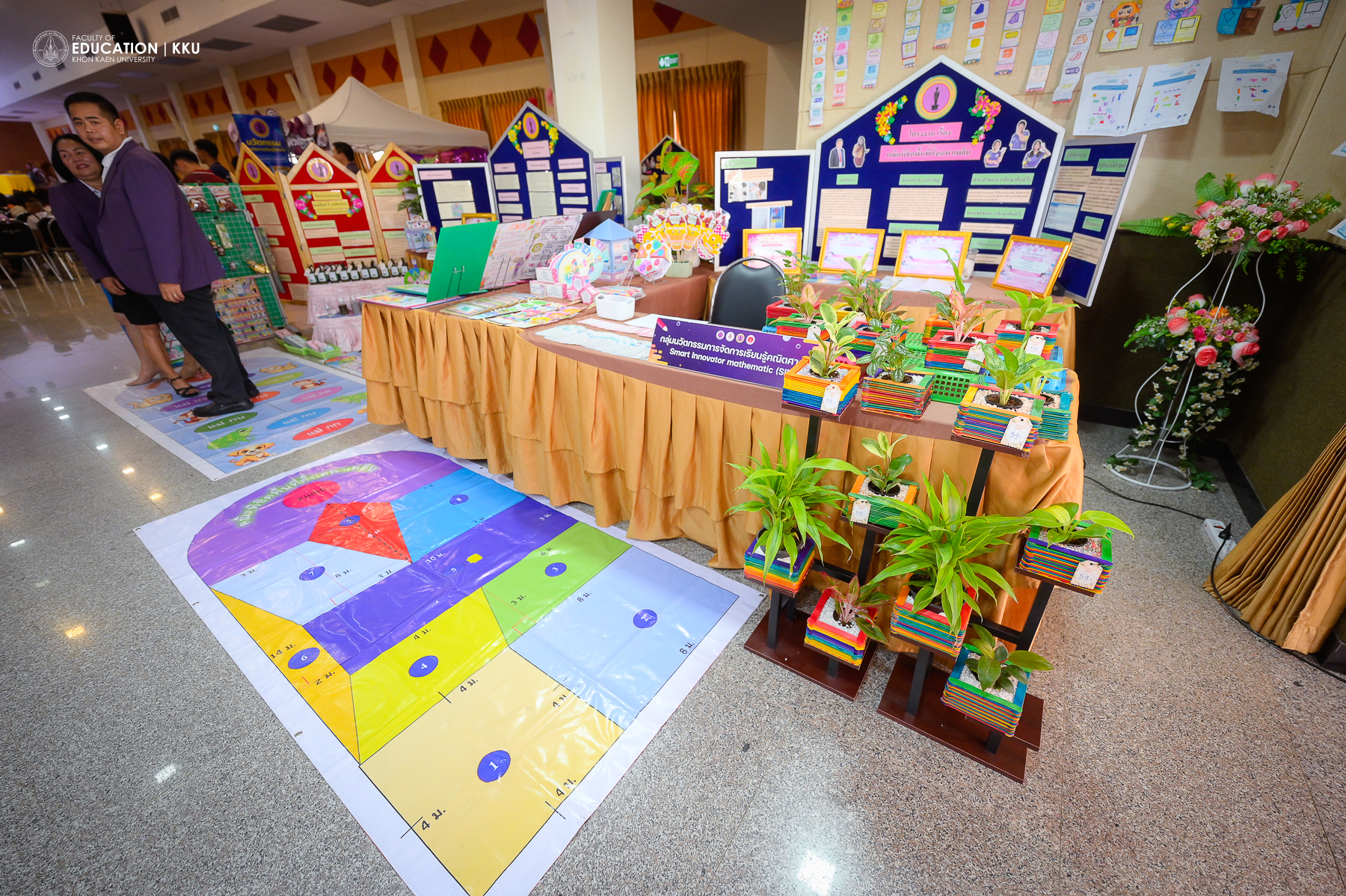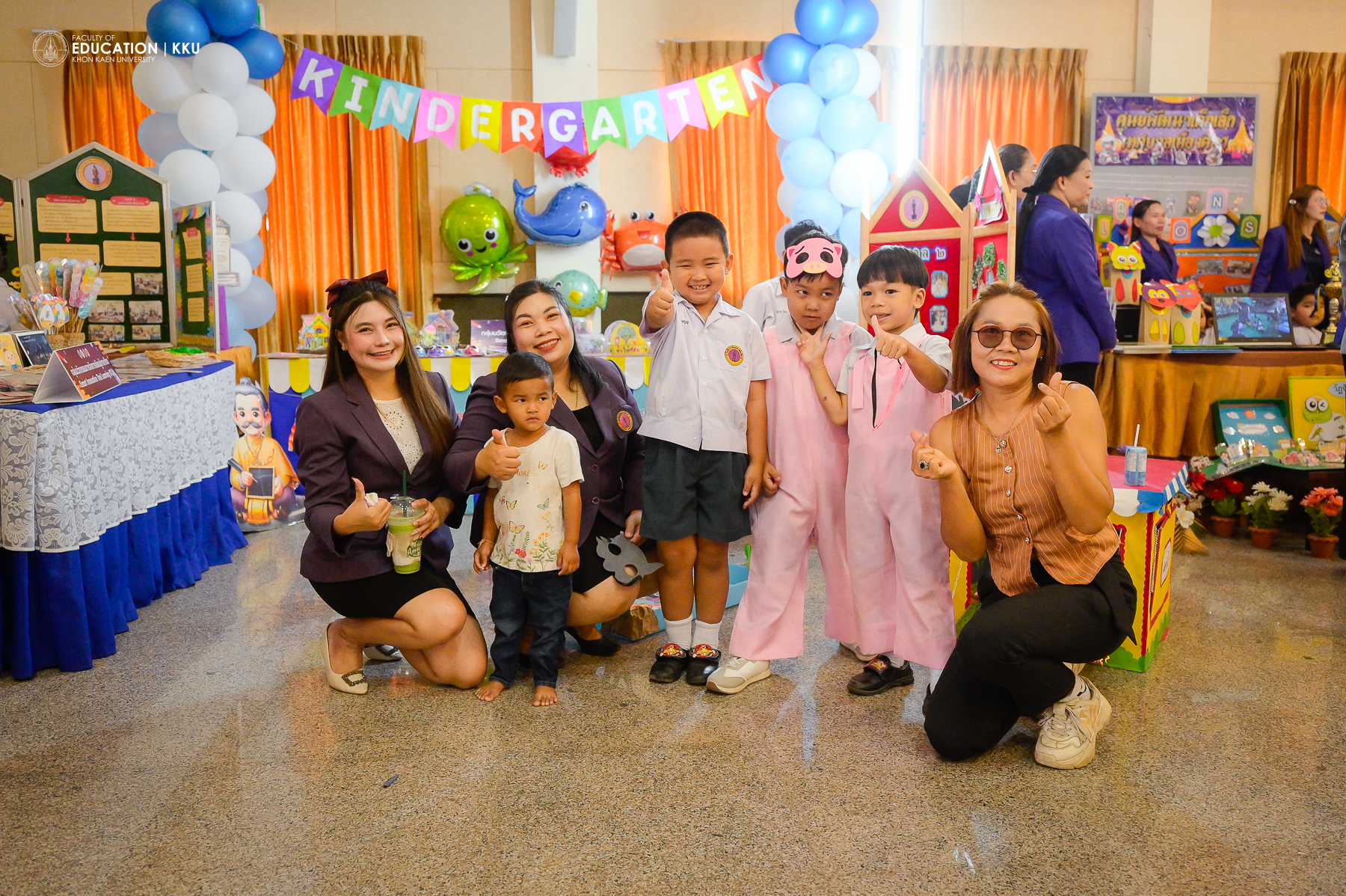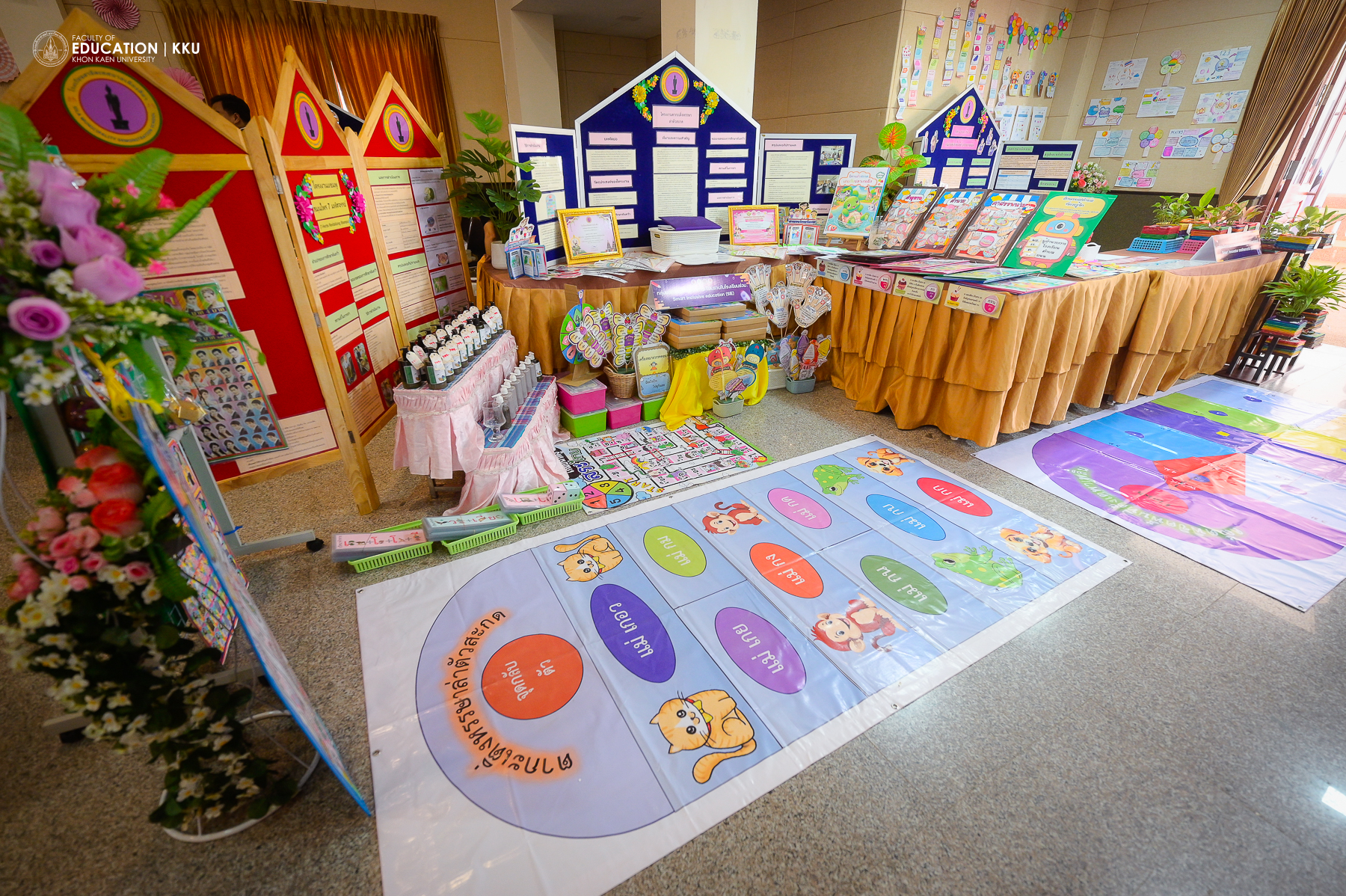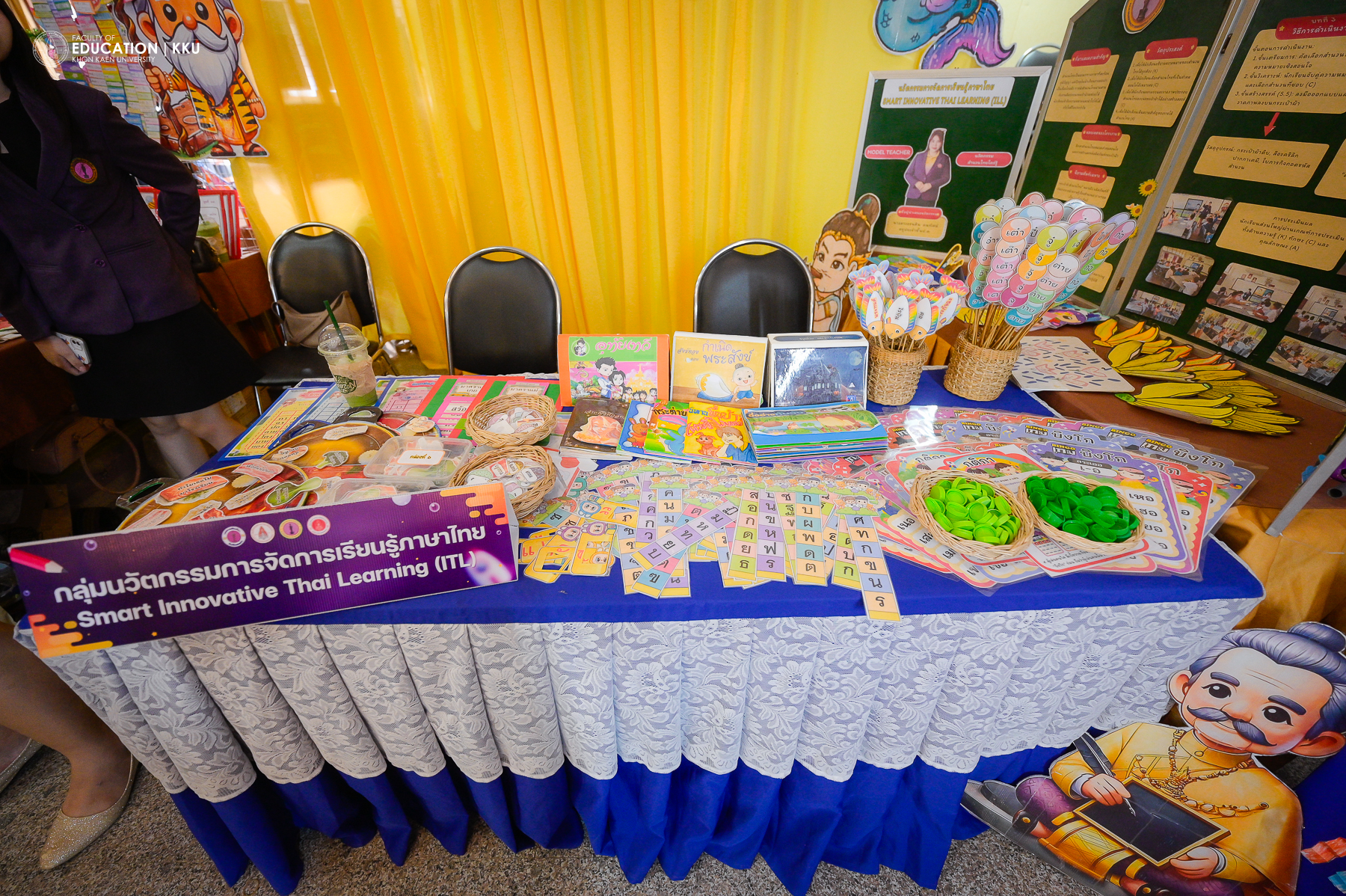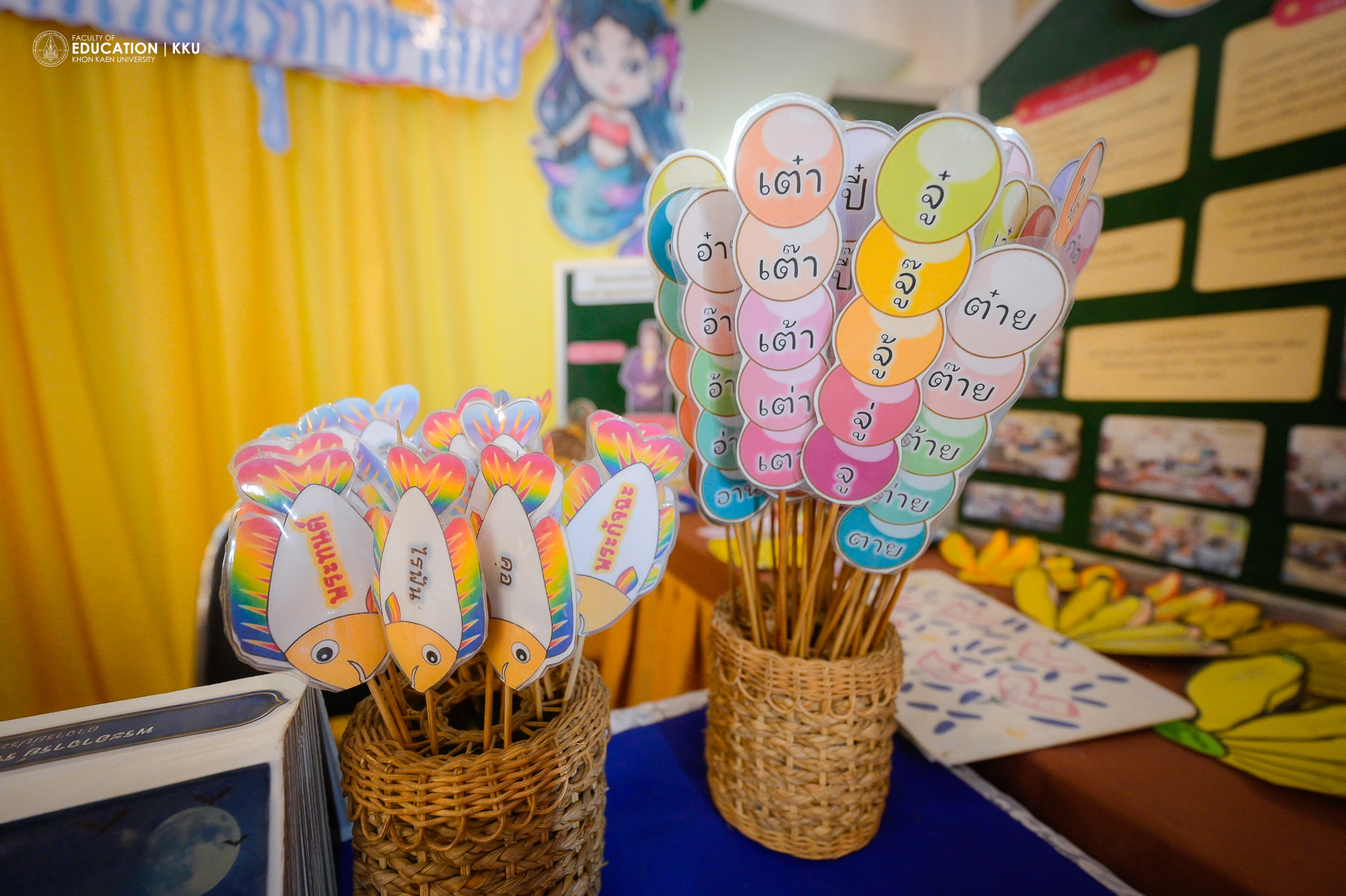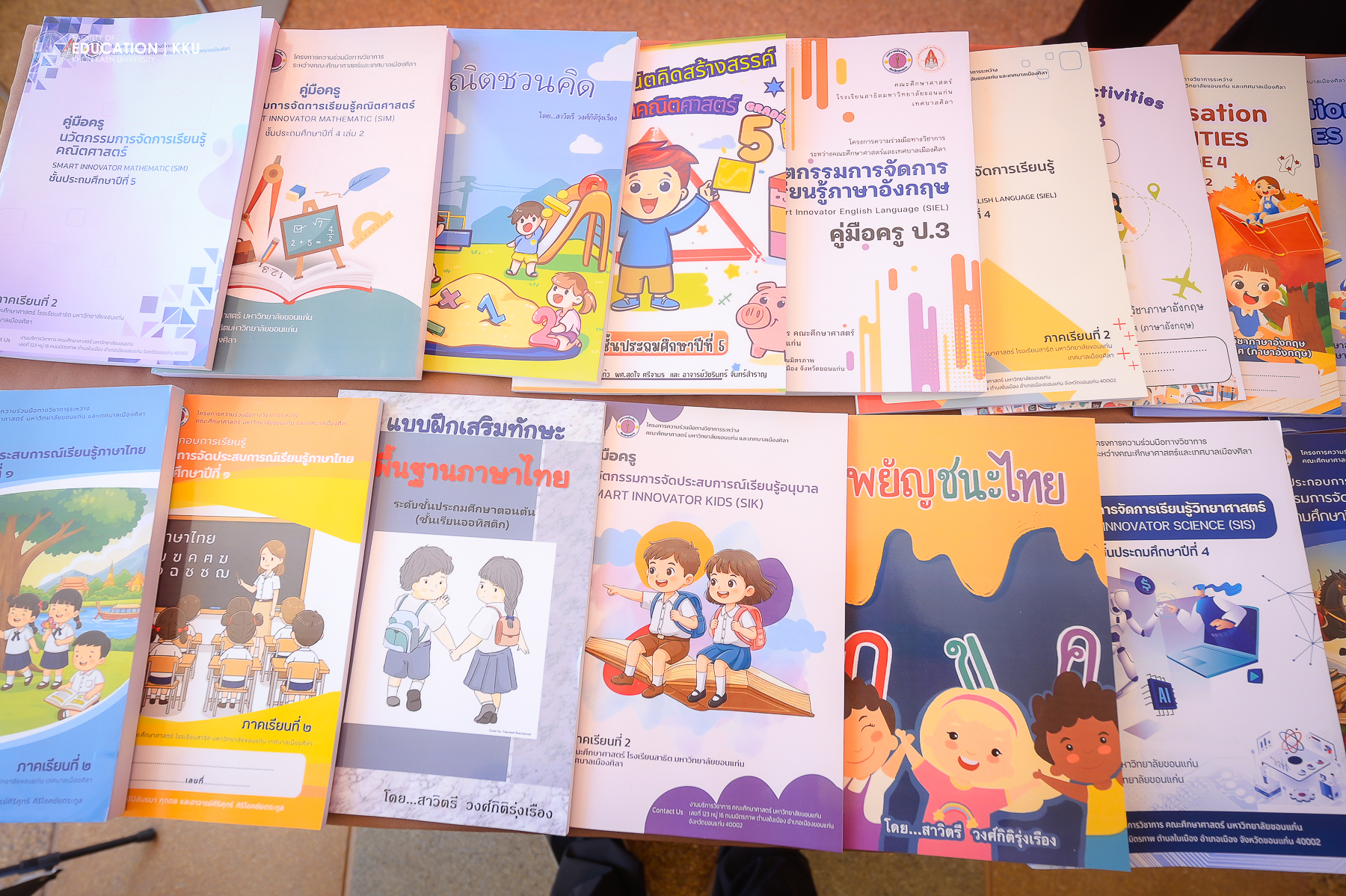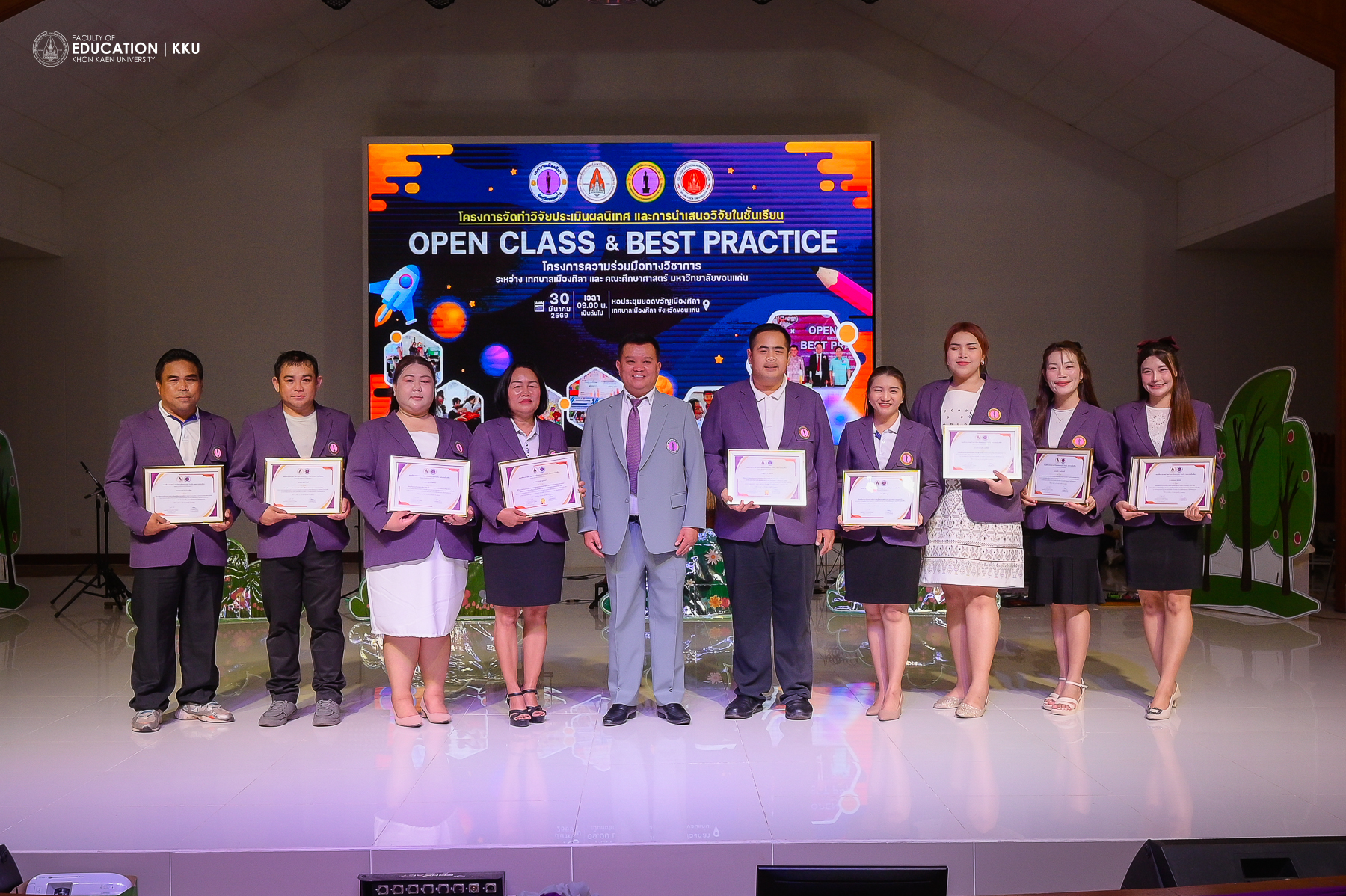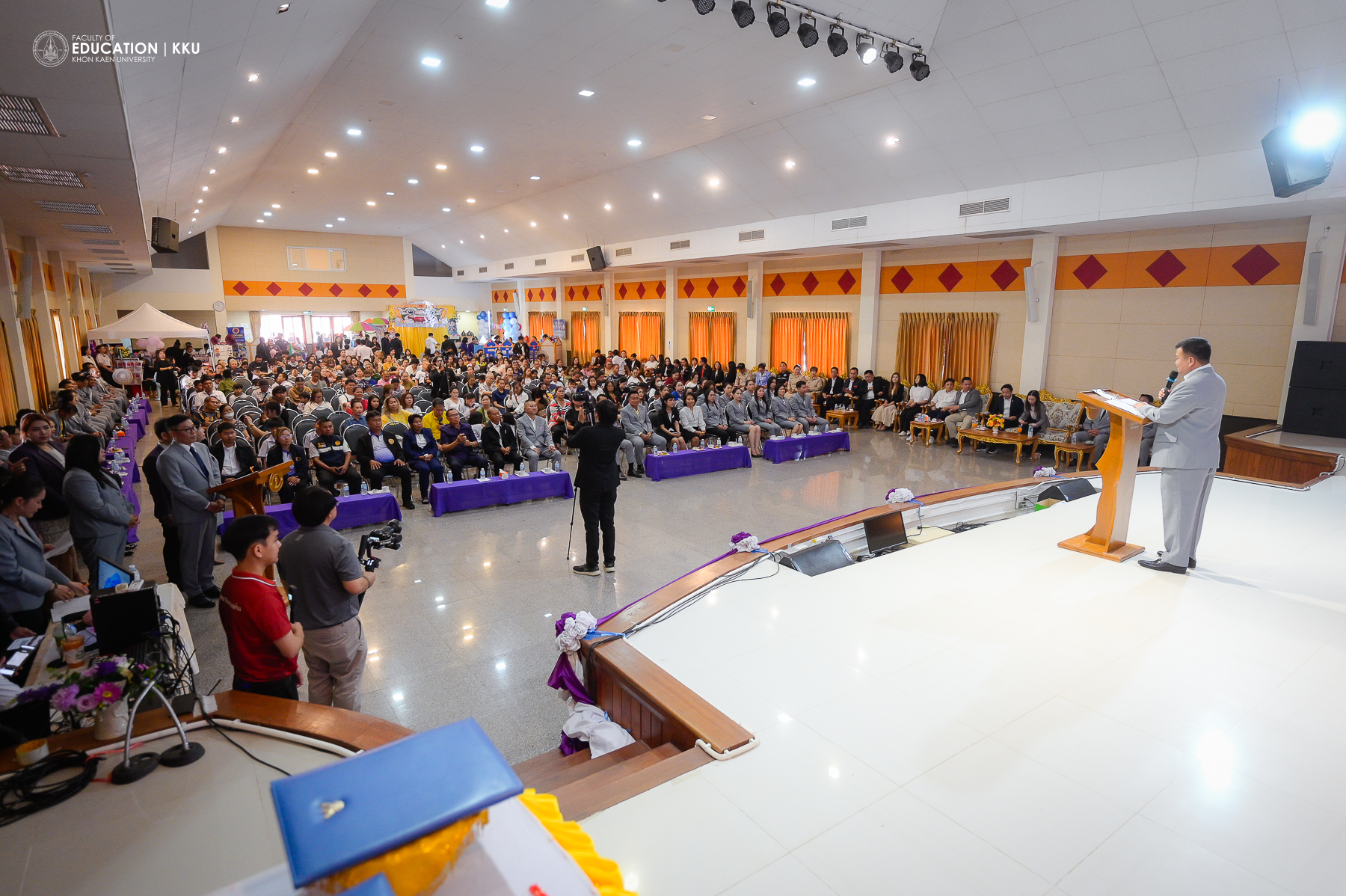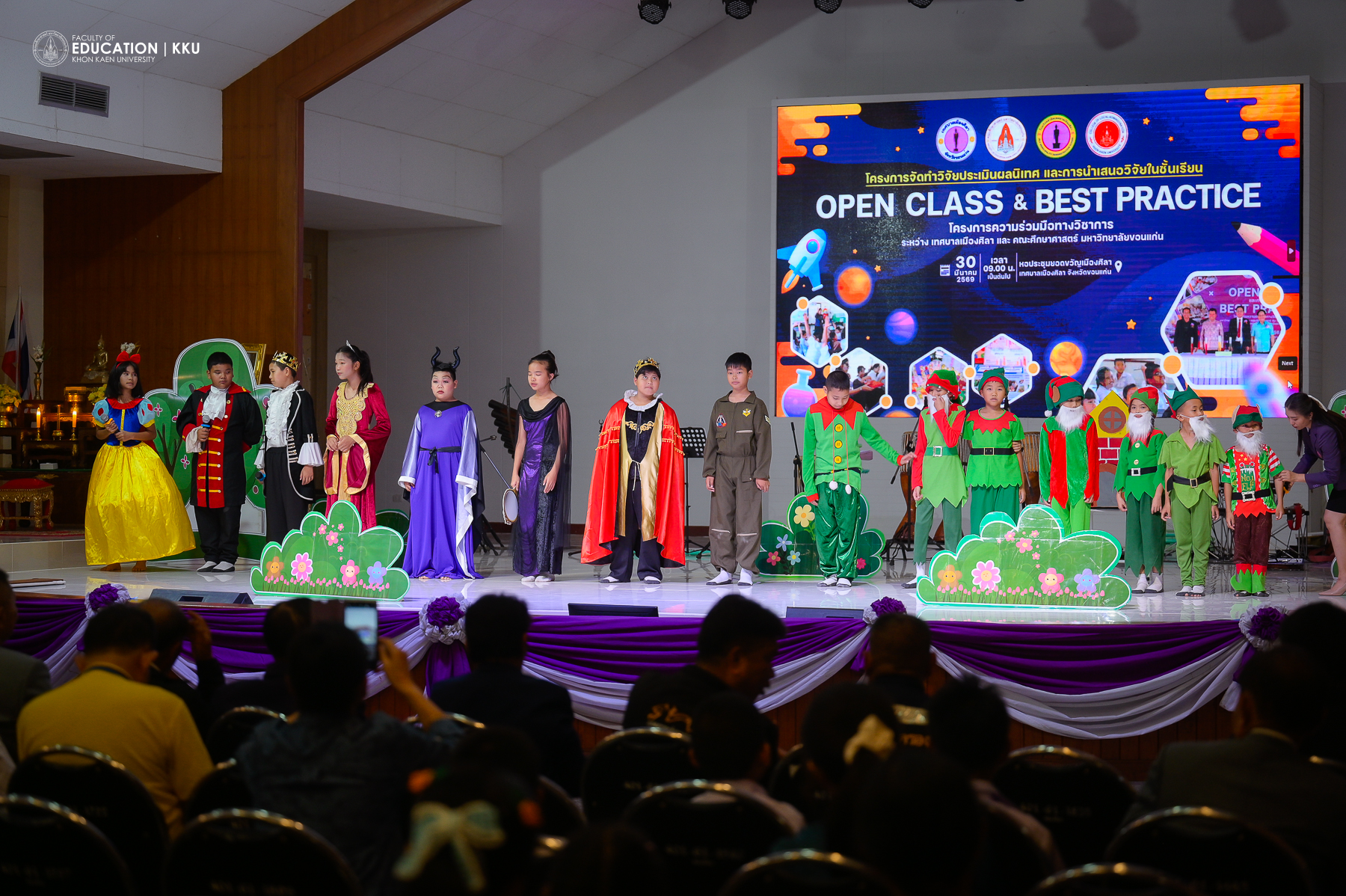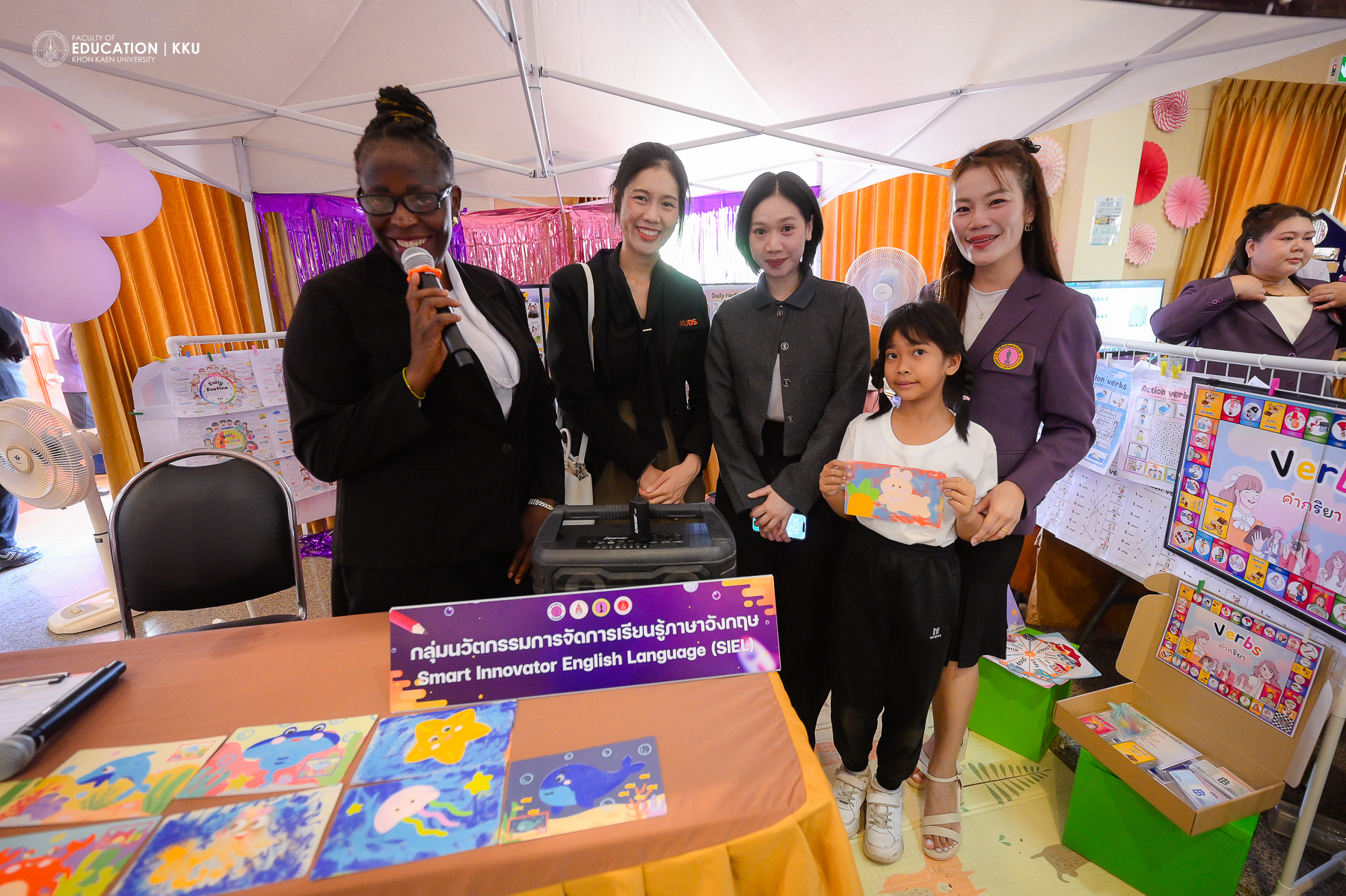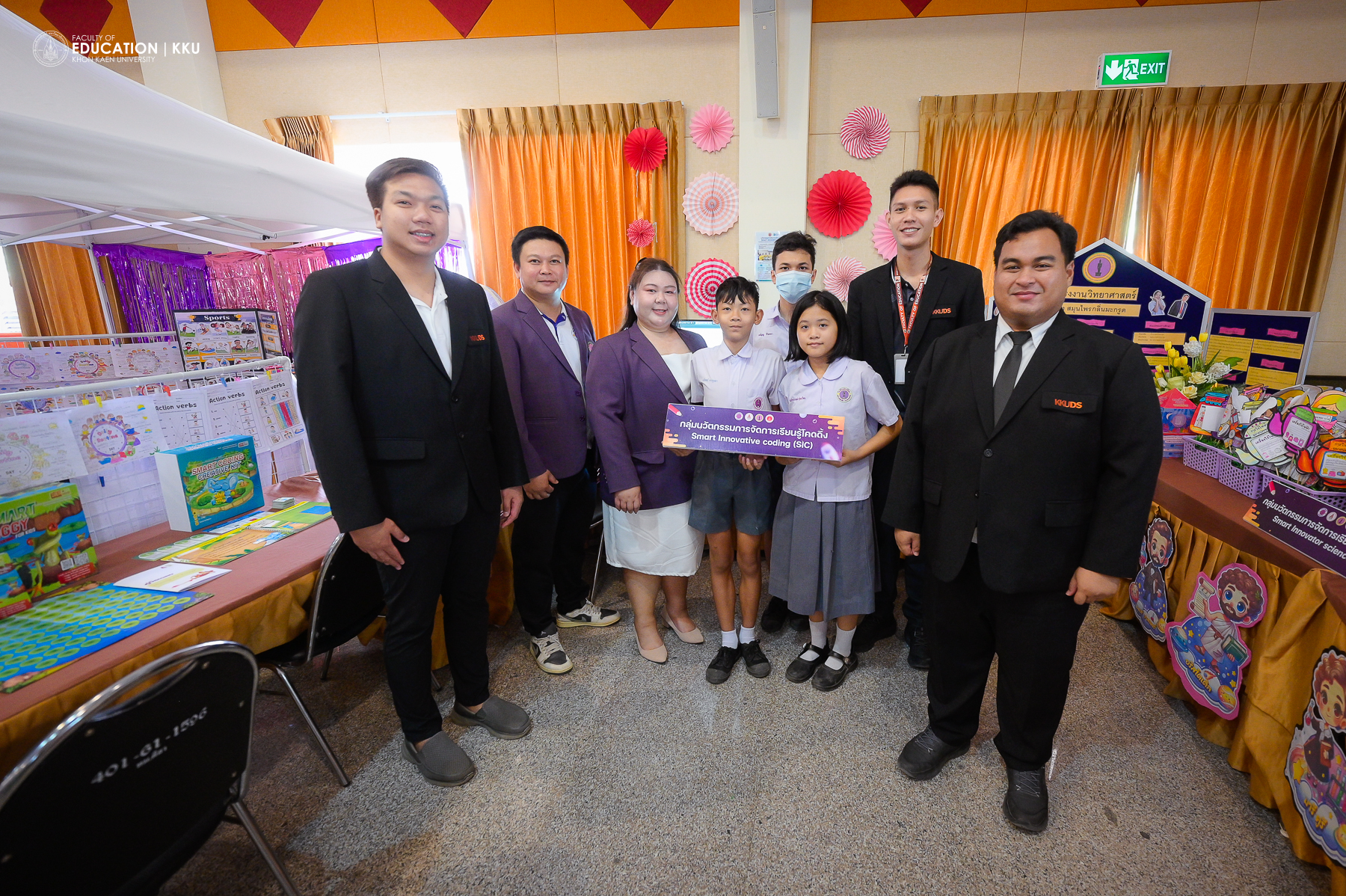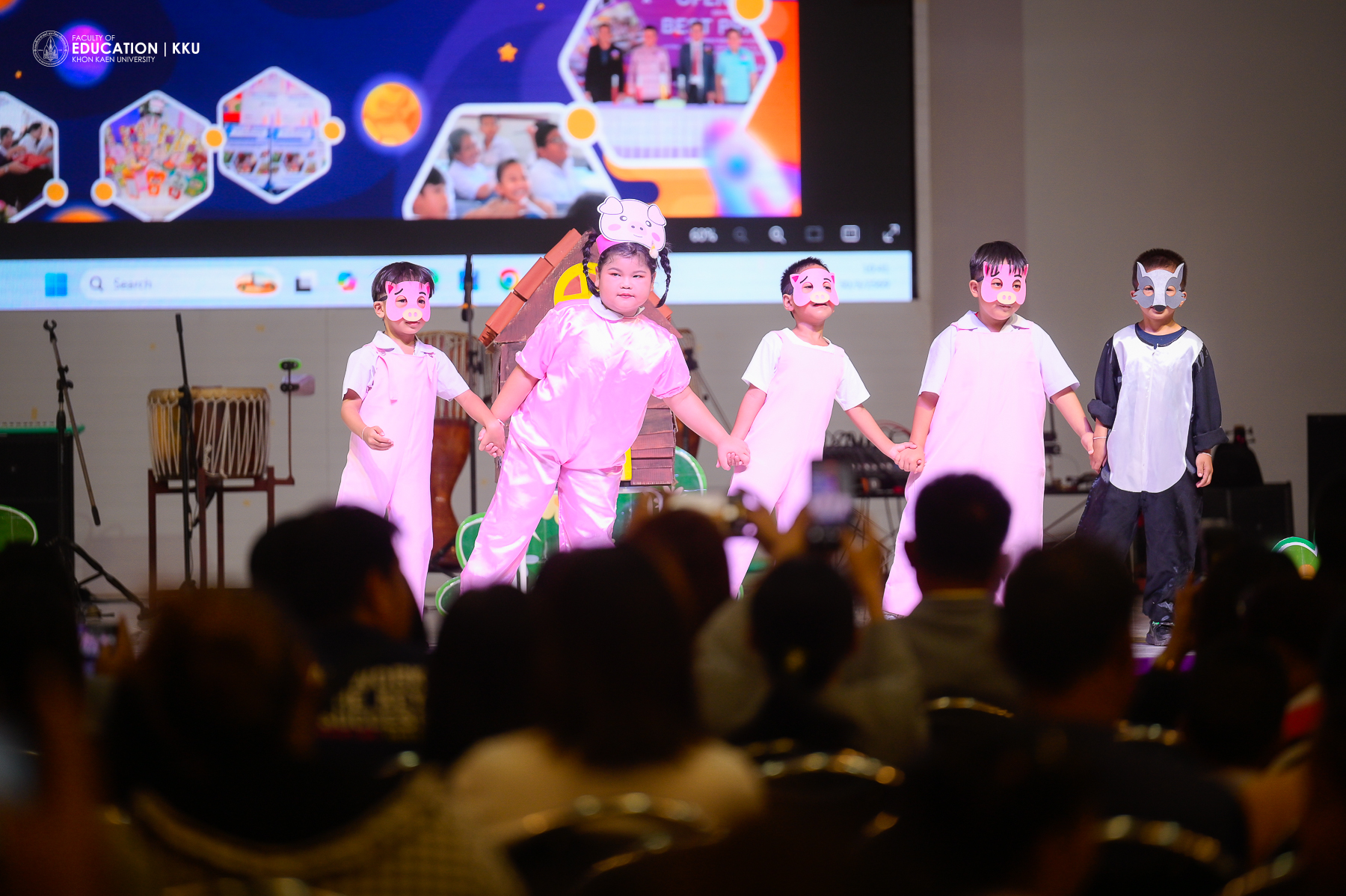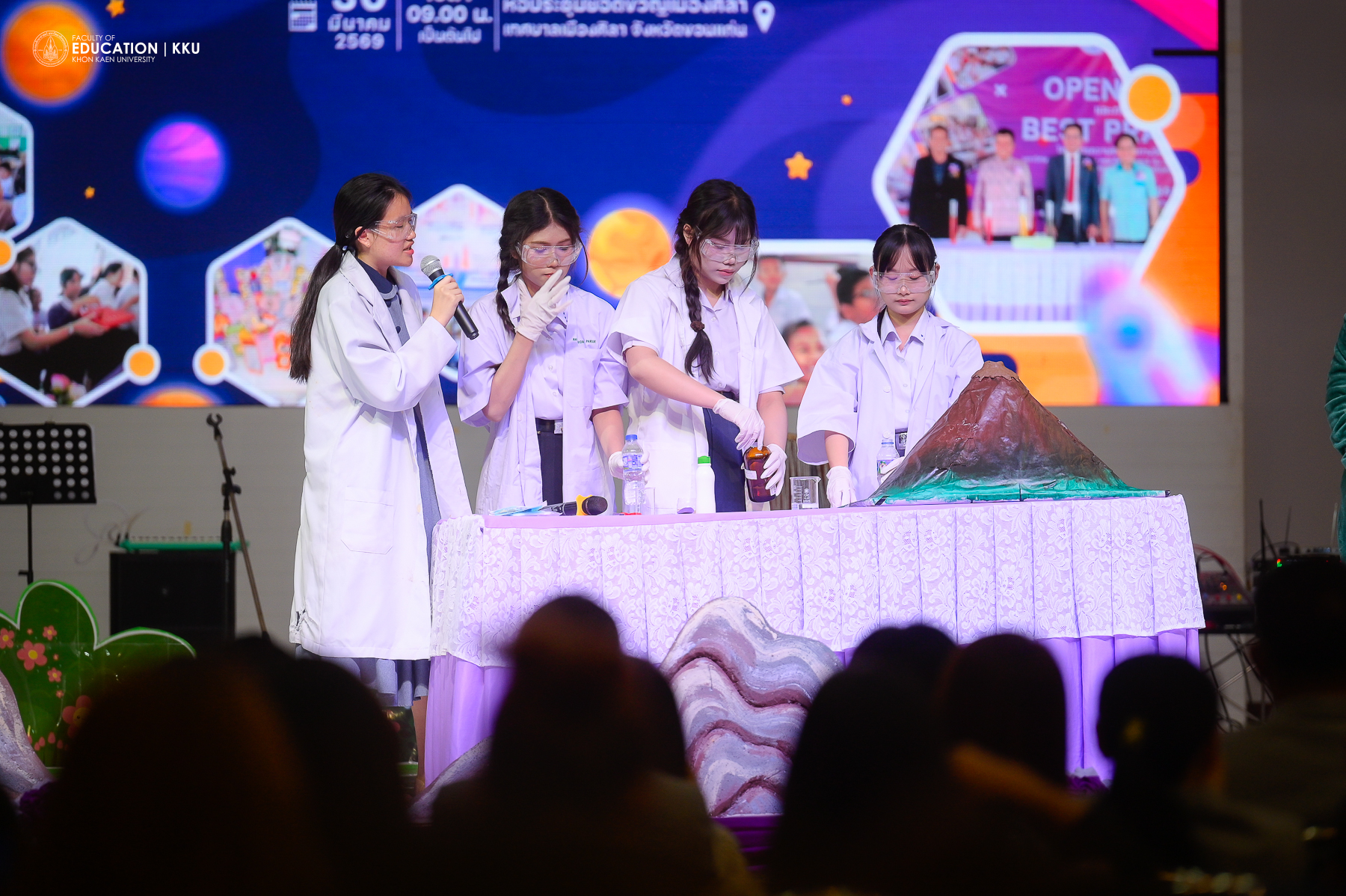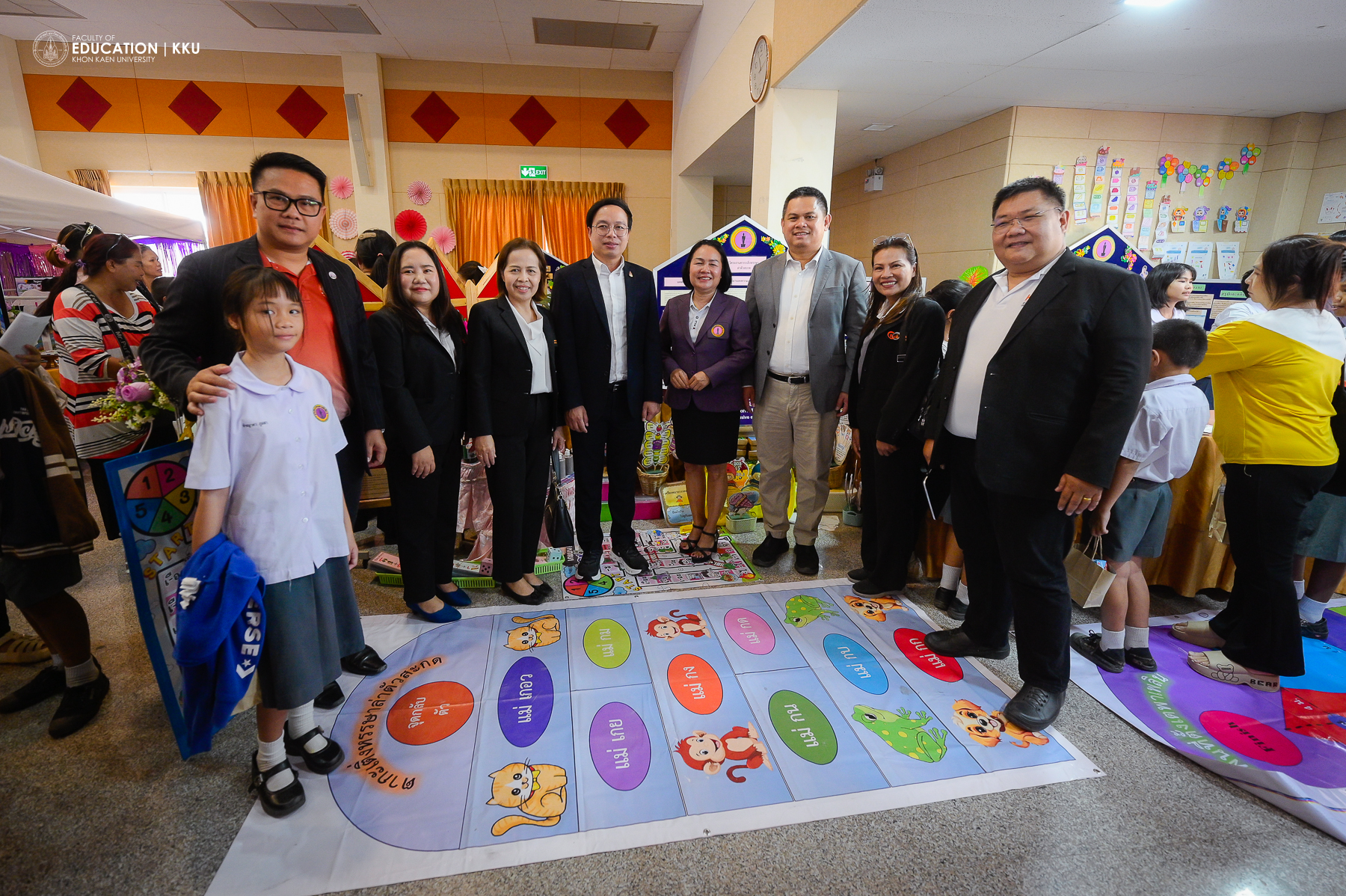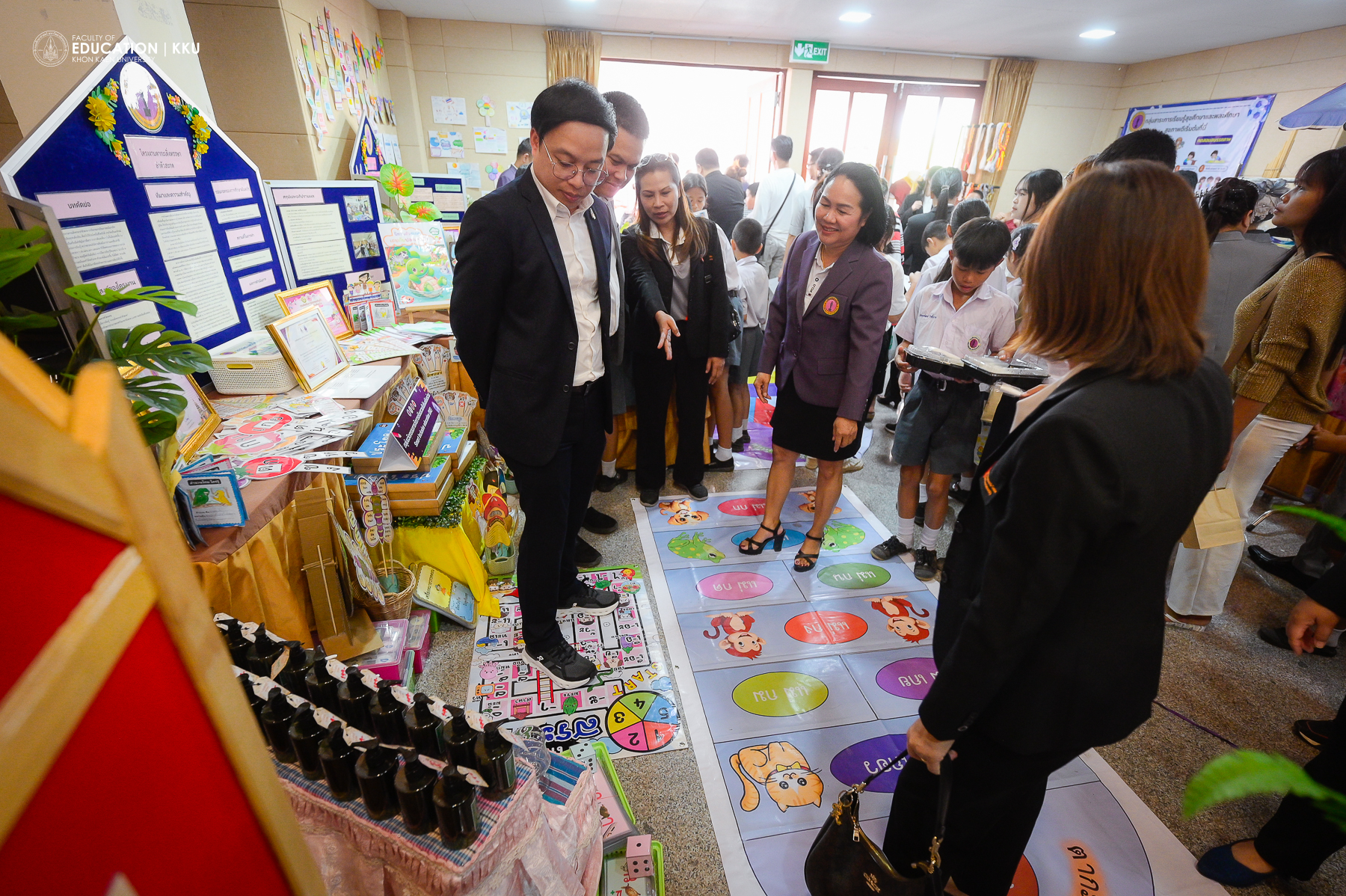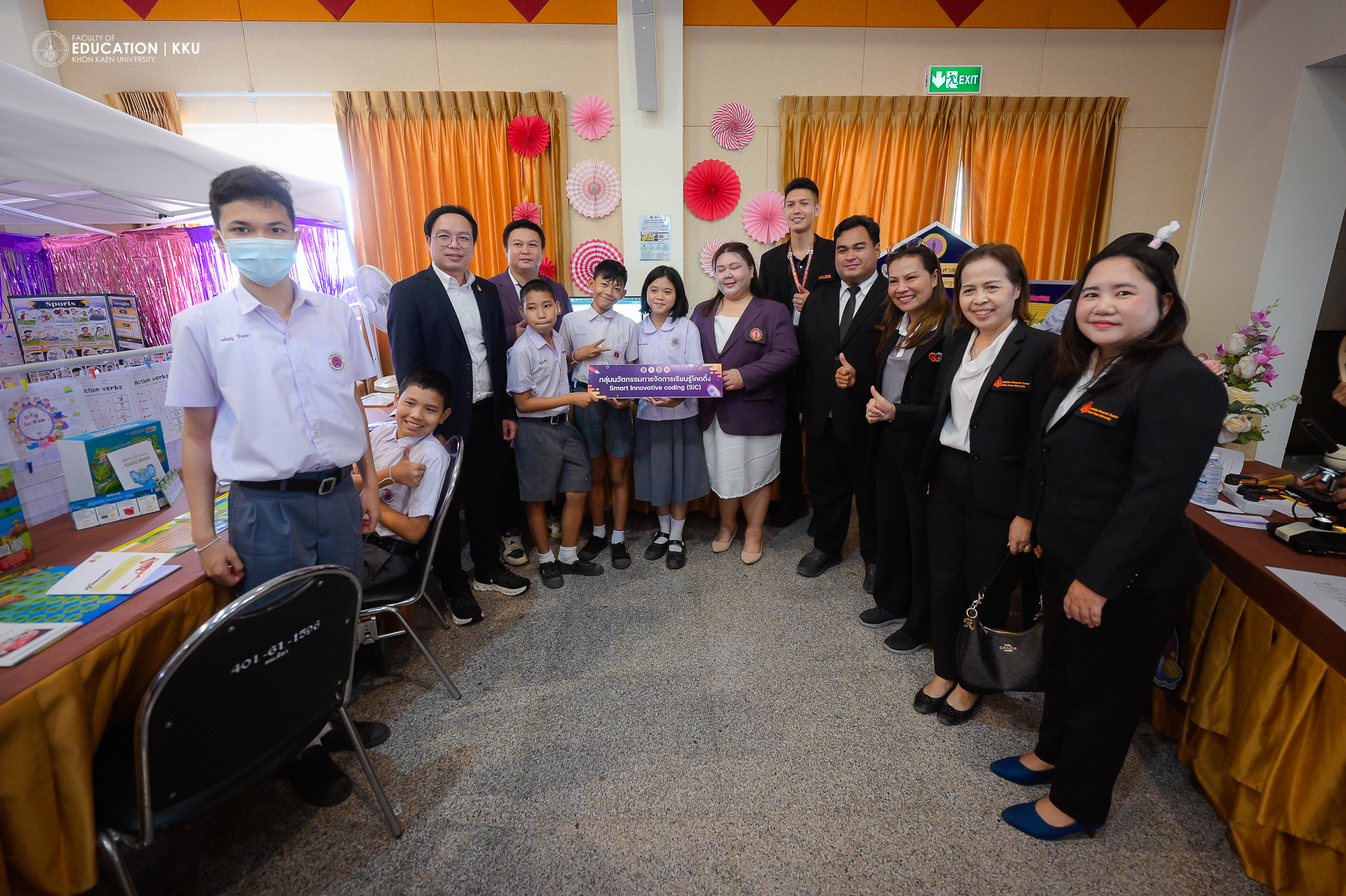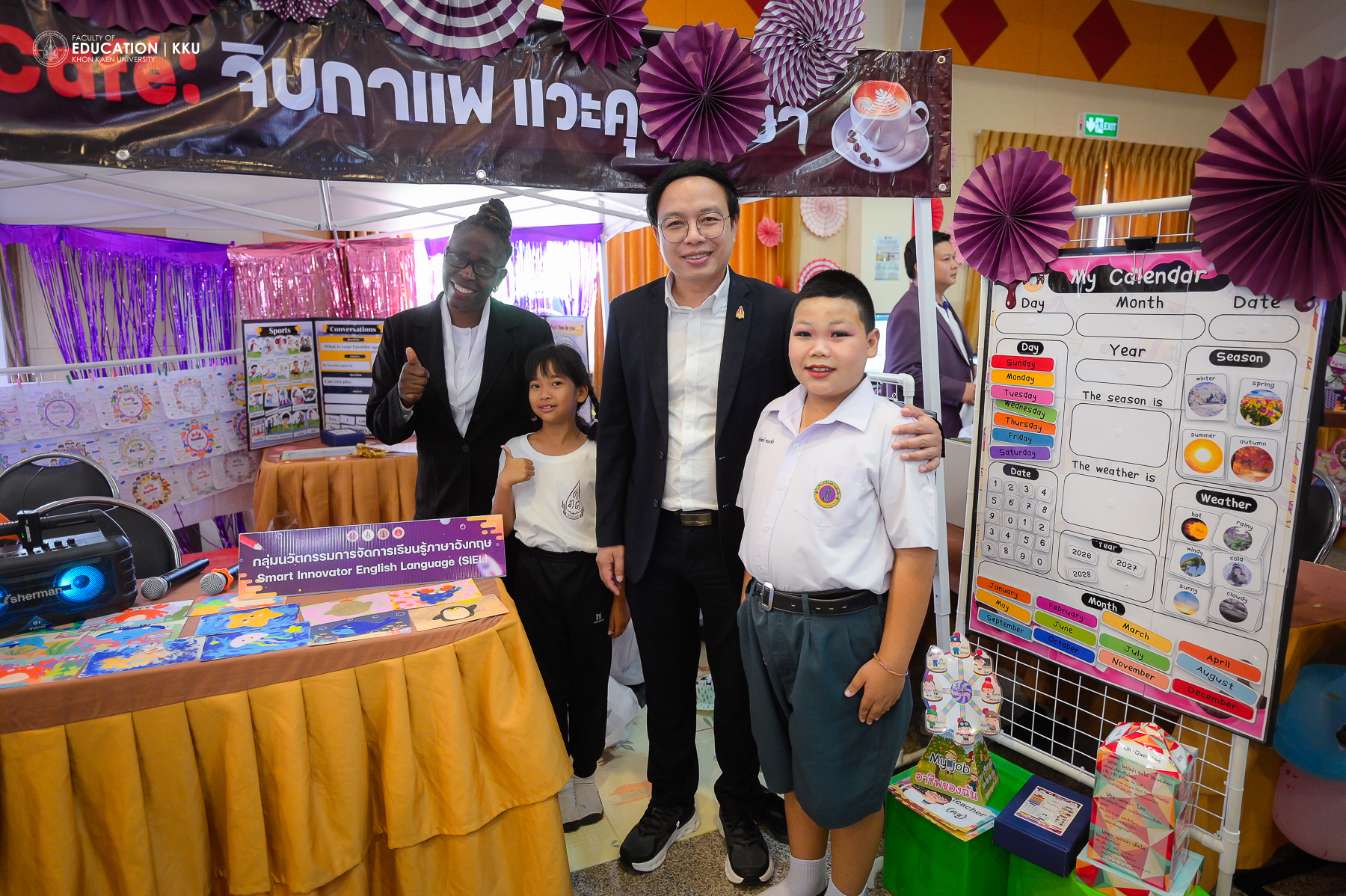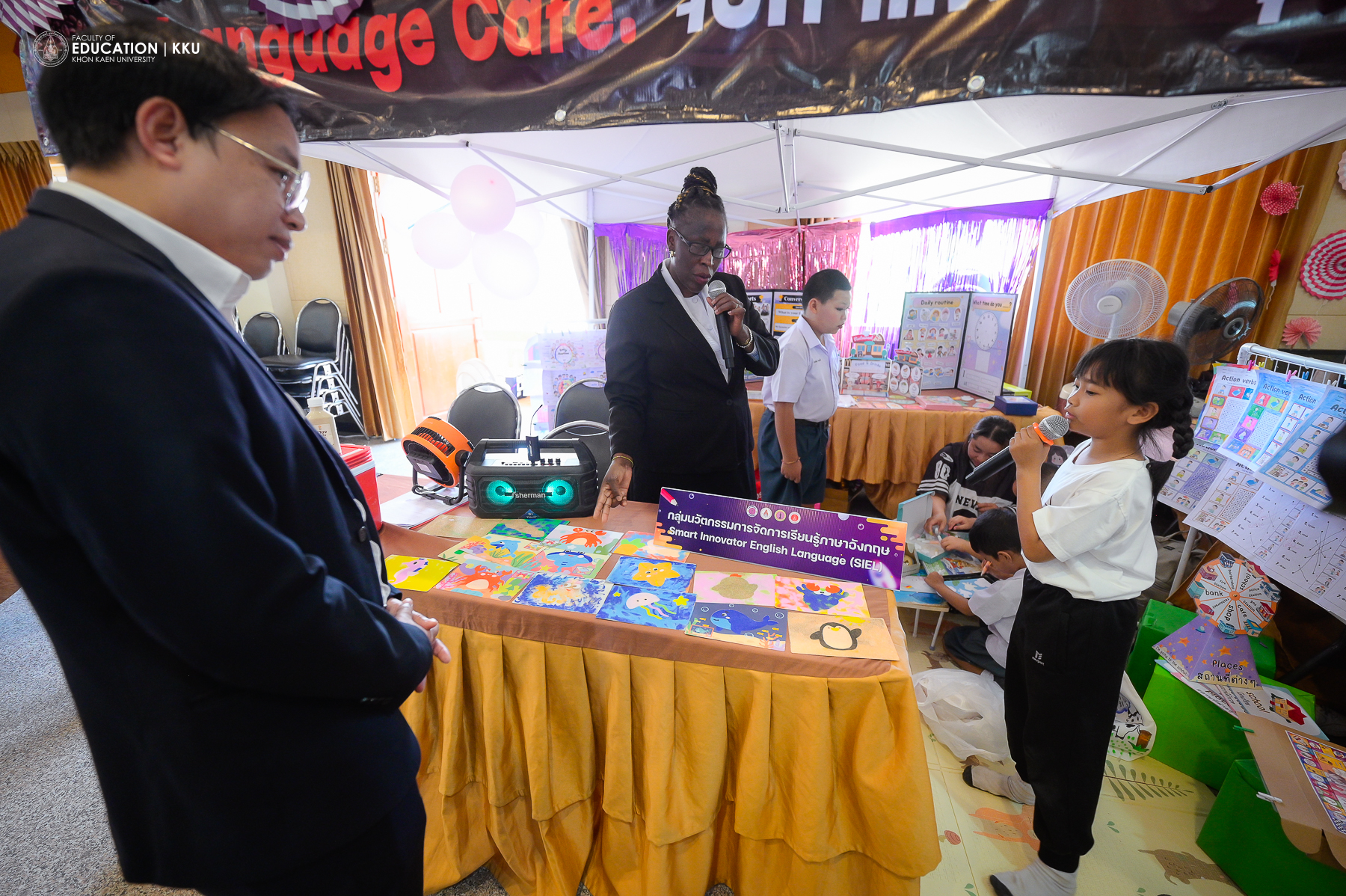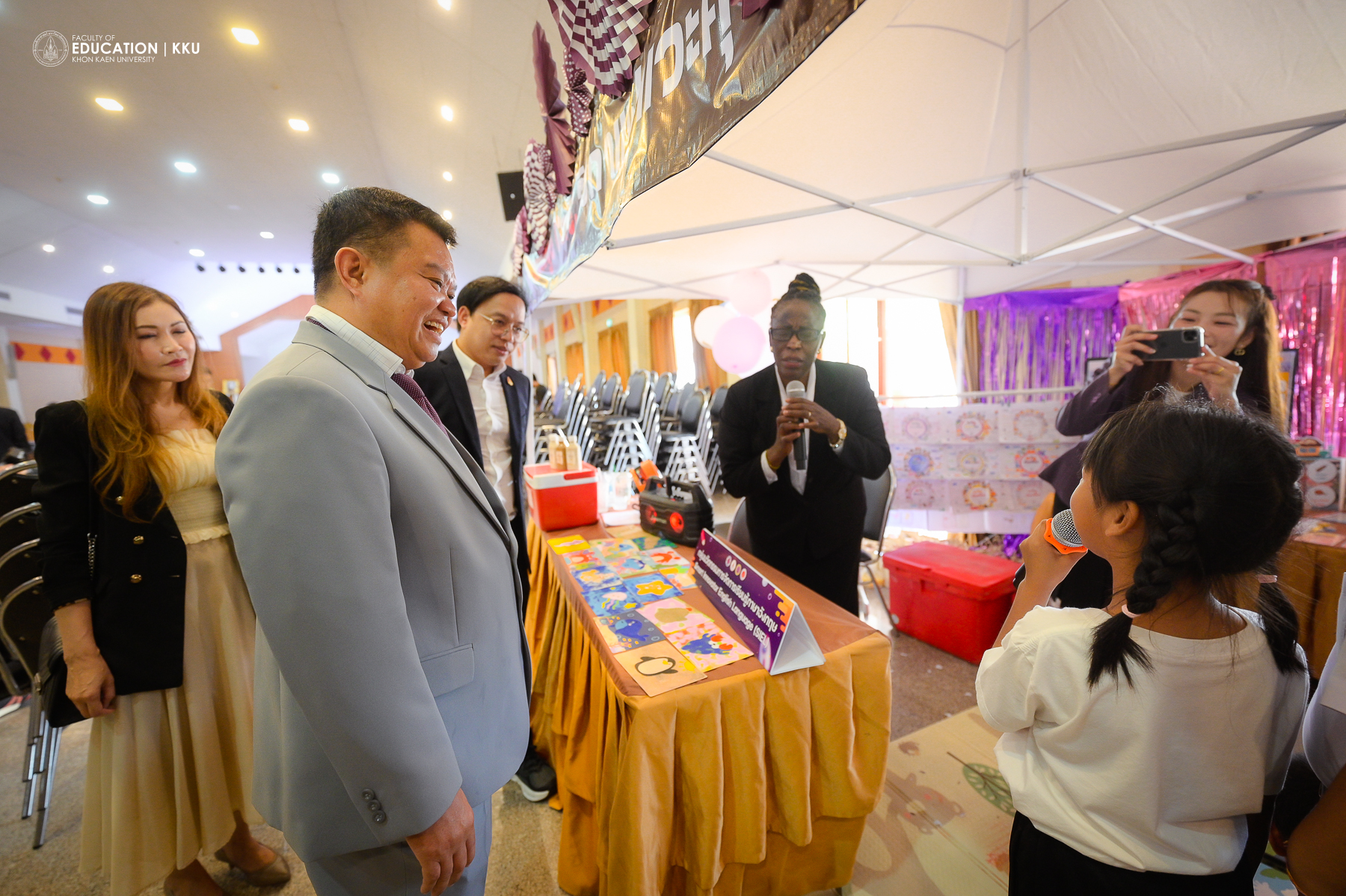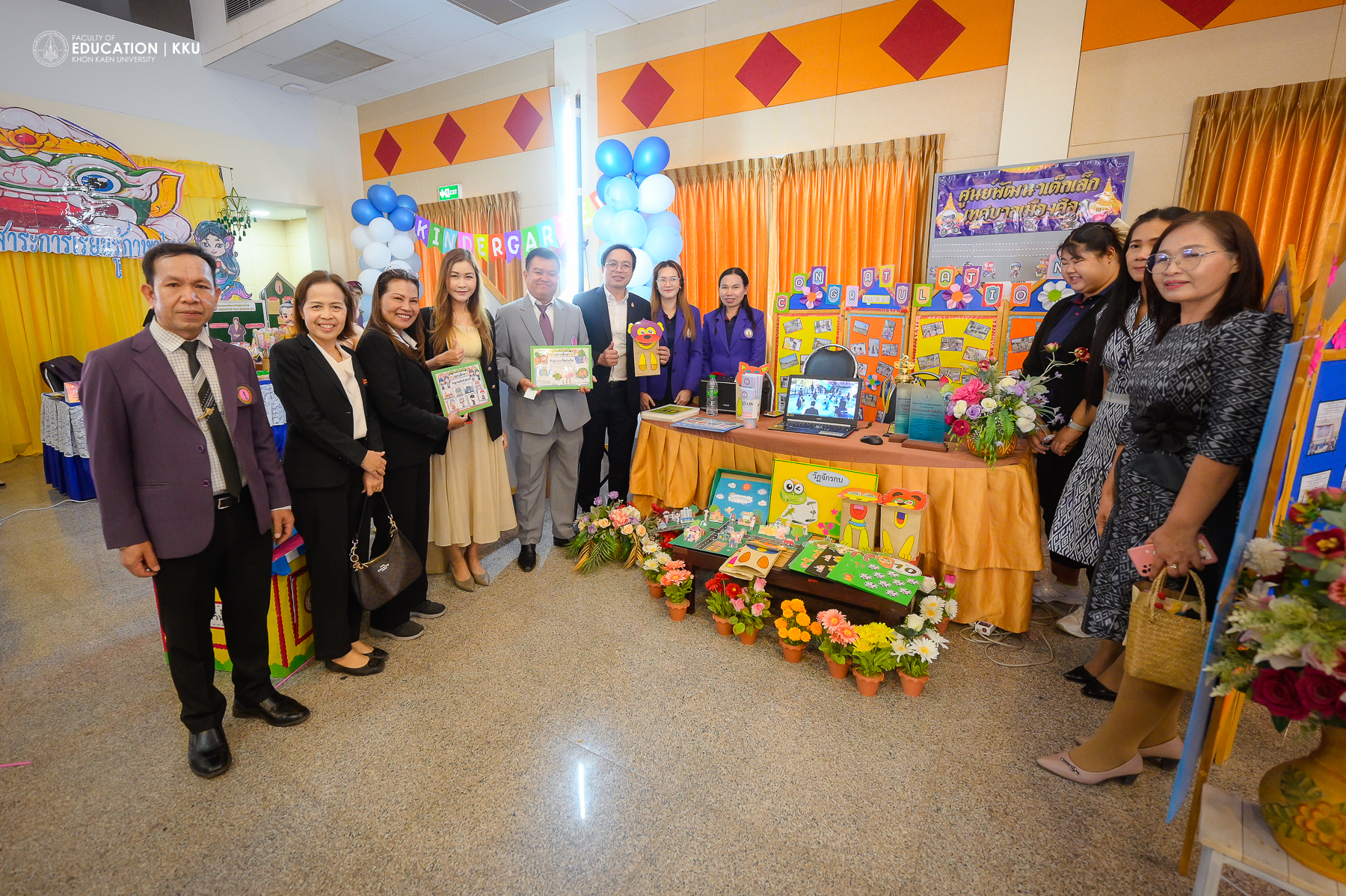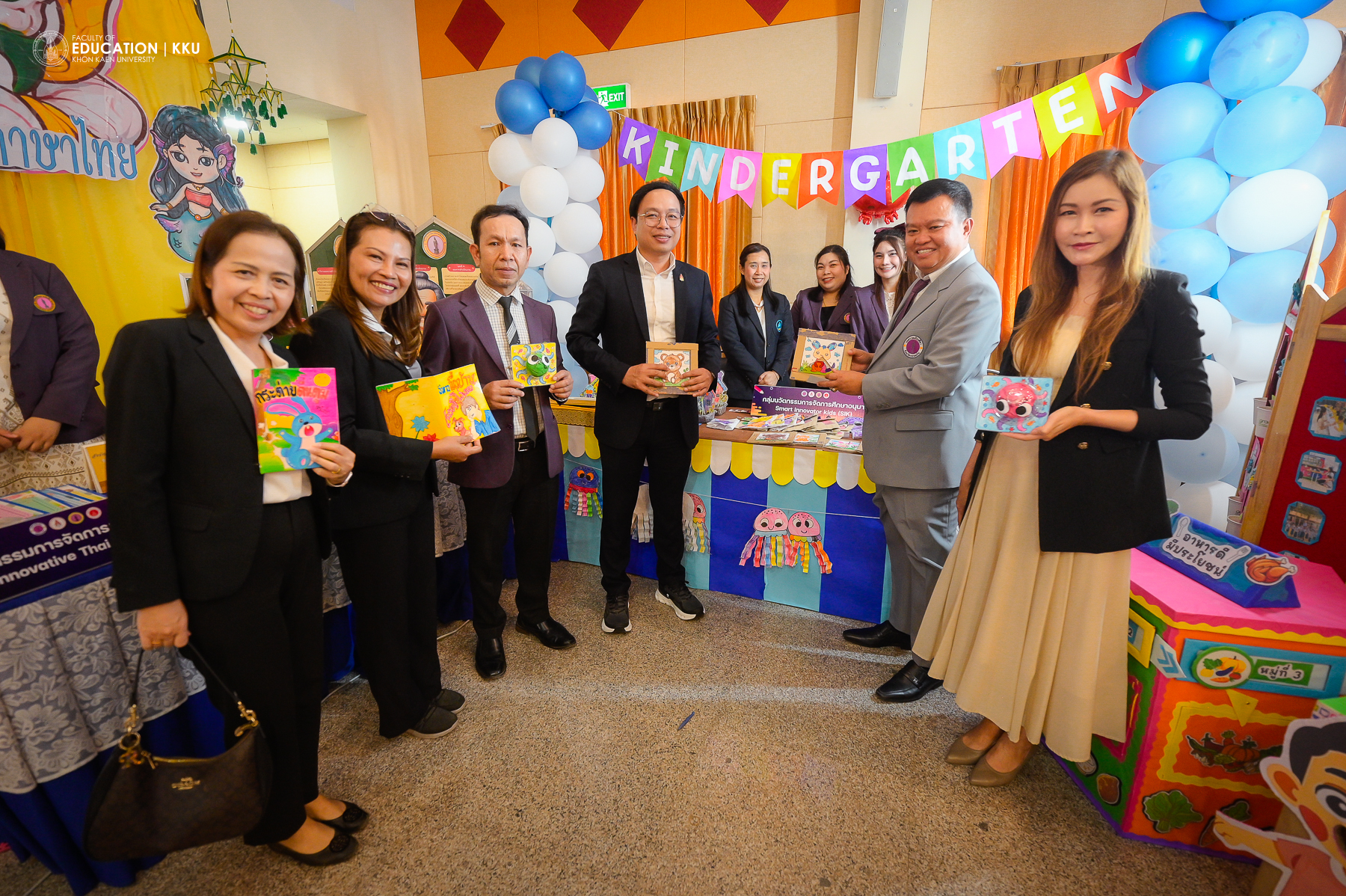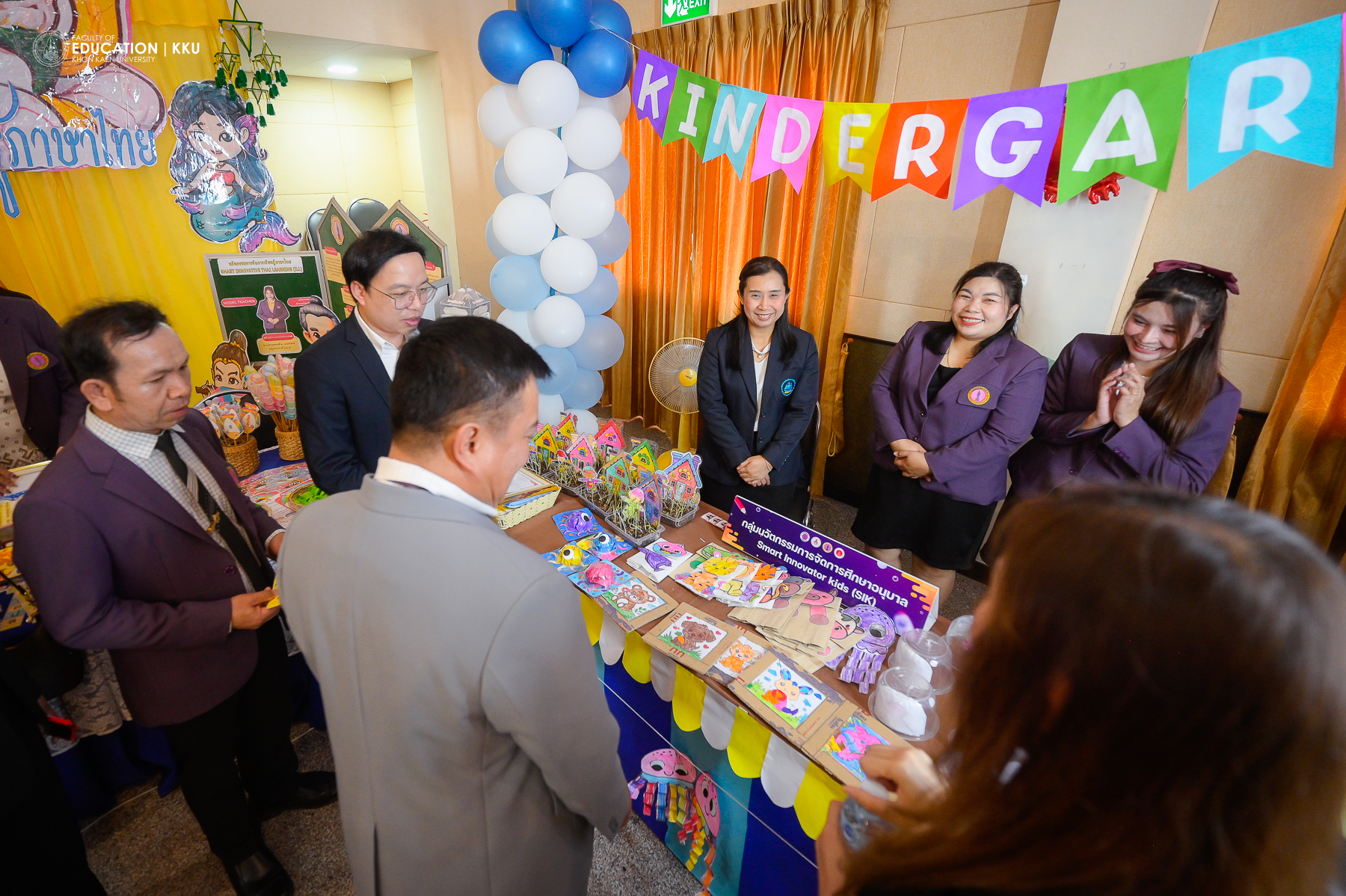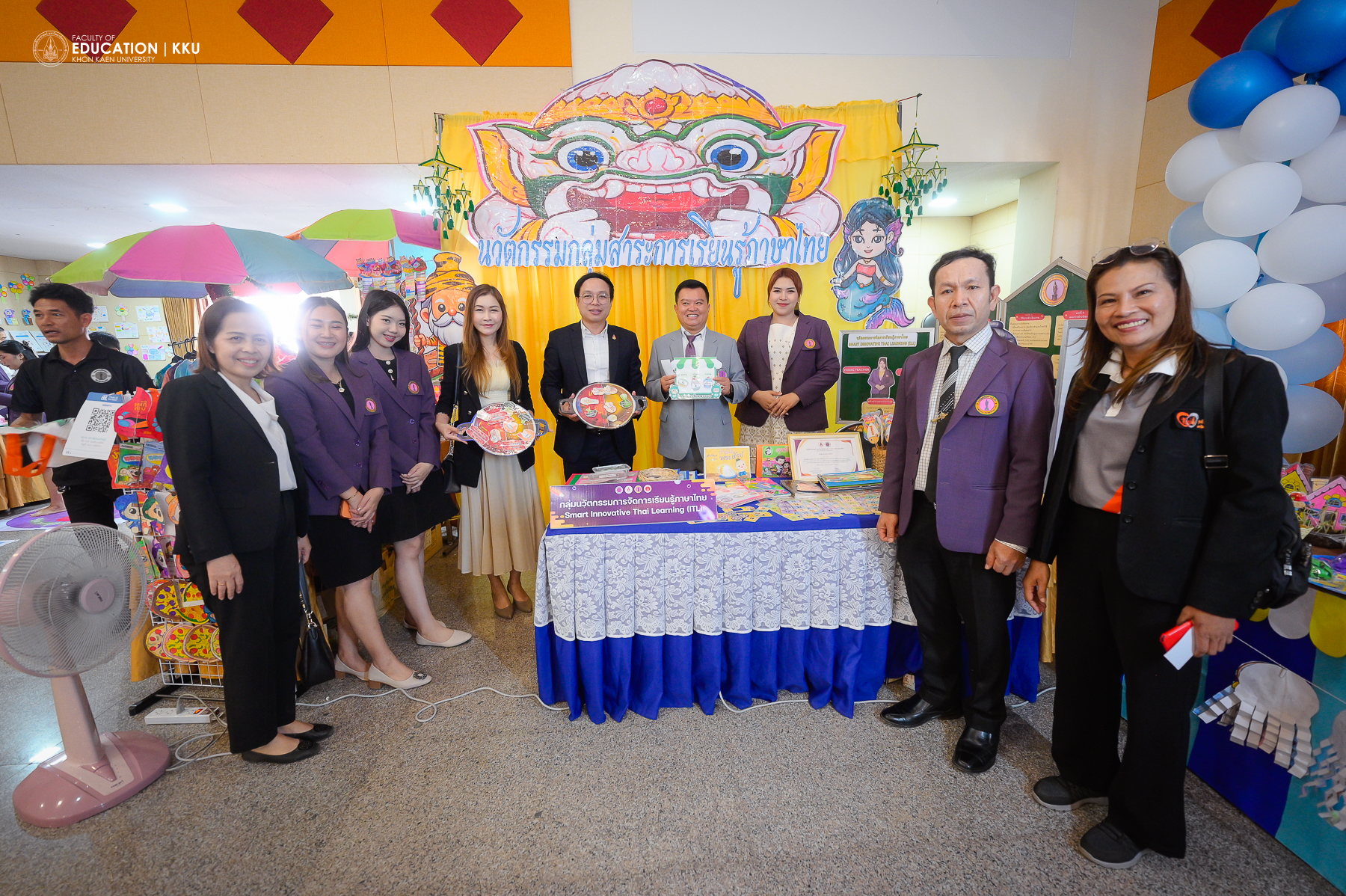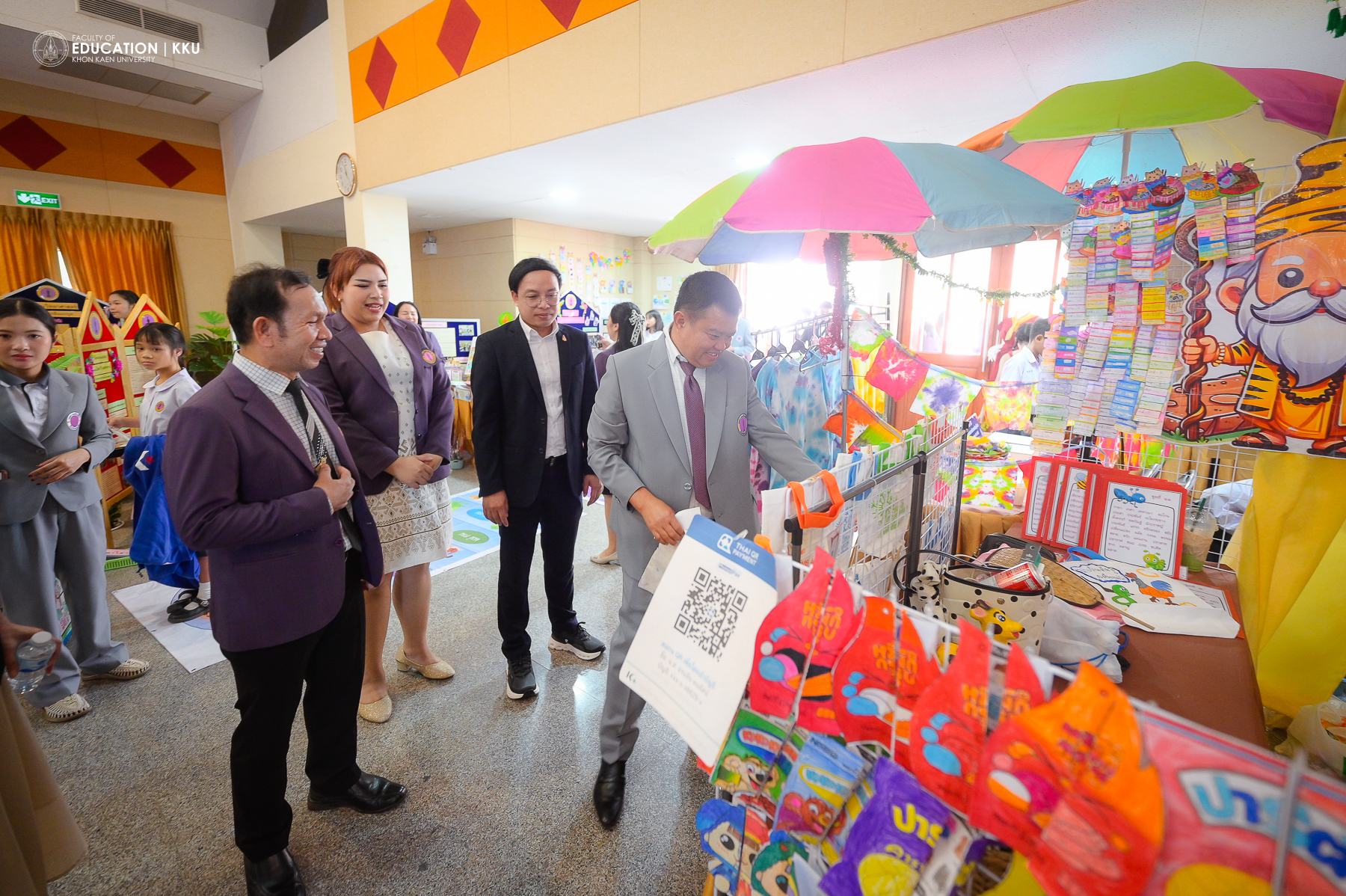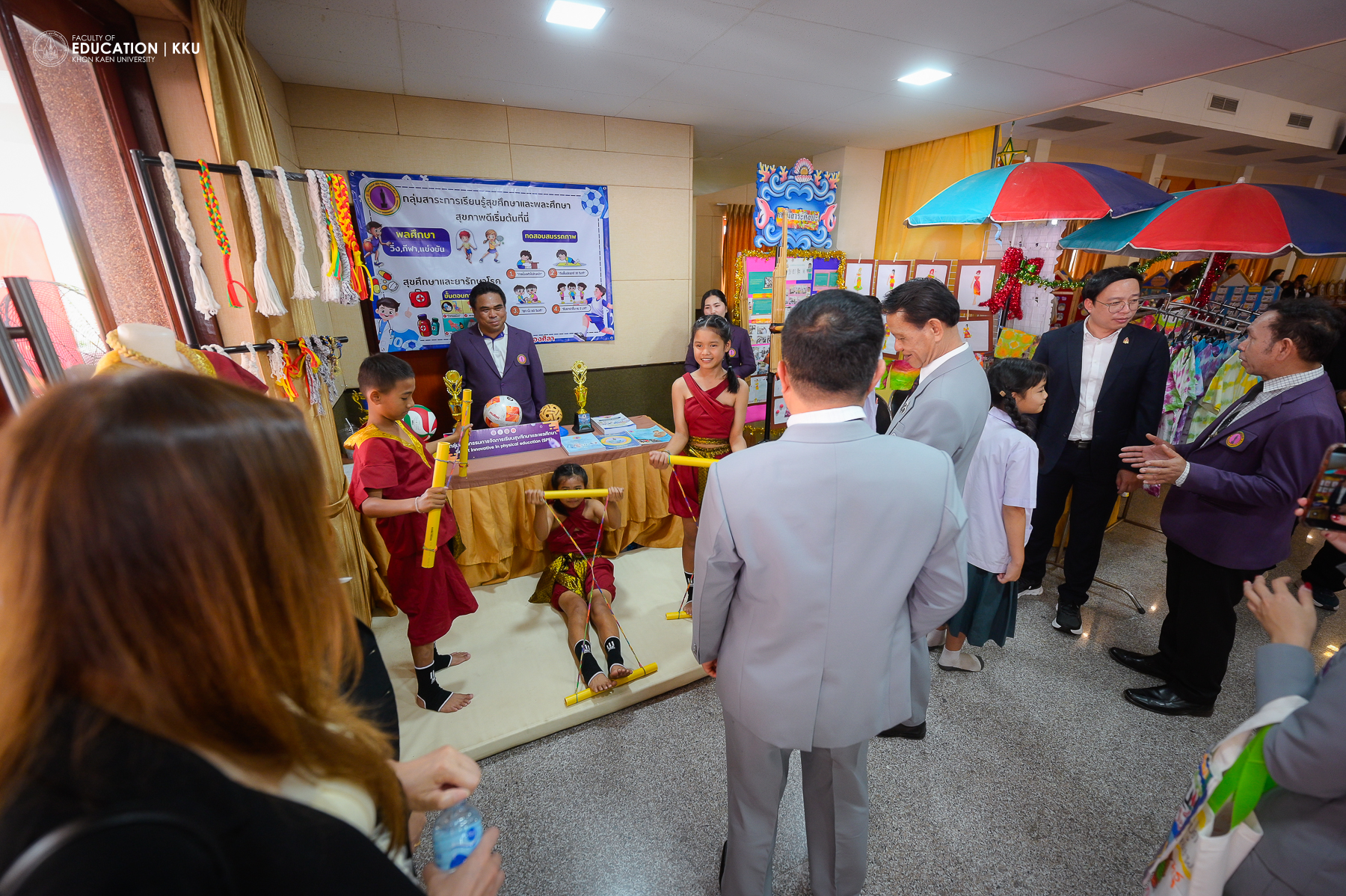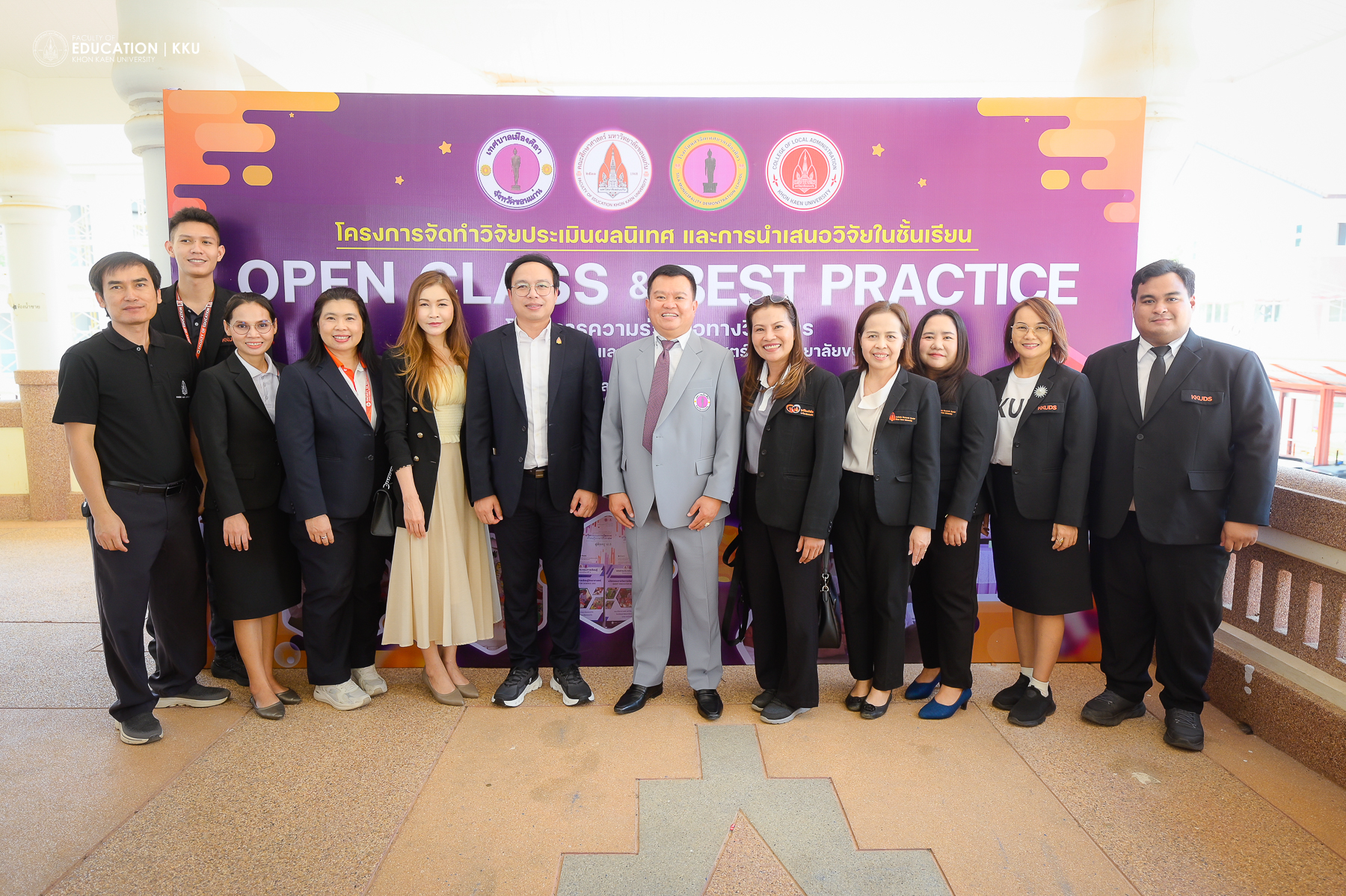

Sila Municipality, in collaboration with the Faculty of Education, Khon Kaen University (KKU), organised the “Open Class Evaluation and Best Practice Research Presentation” for Satit Tetsaban Mueang Sila School (Fiscal Year 2026) at Yodkhwan Hall. This event highlighted the success of the academic MOU between the two organisations, coordinated by the College of Local Administration, KKU, now in its second consecutive year. The programme featured an exhibition of student potential, along with an award ceremony recognising seven “Satit KKU Creative Innovator” master teachers, teacher best practices, and “Innovator” awards for outstanding students.
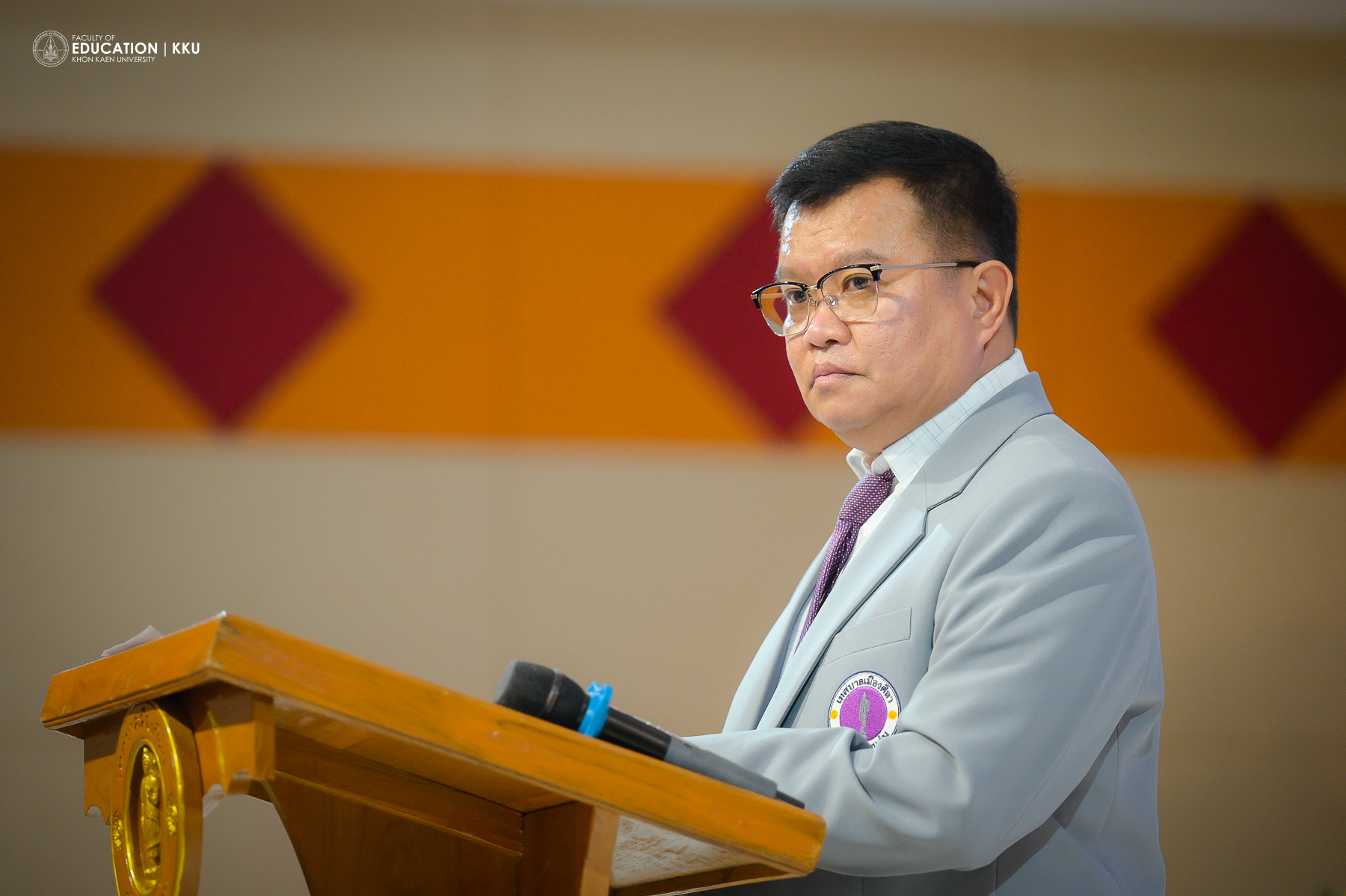
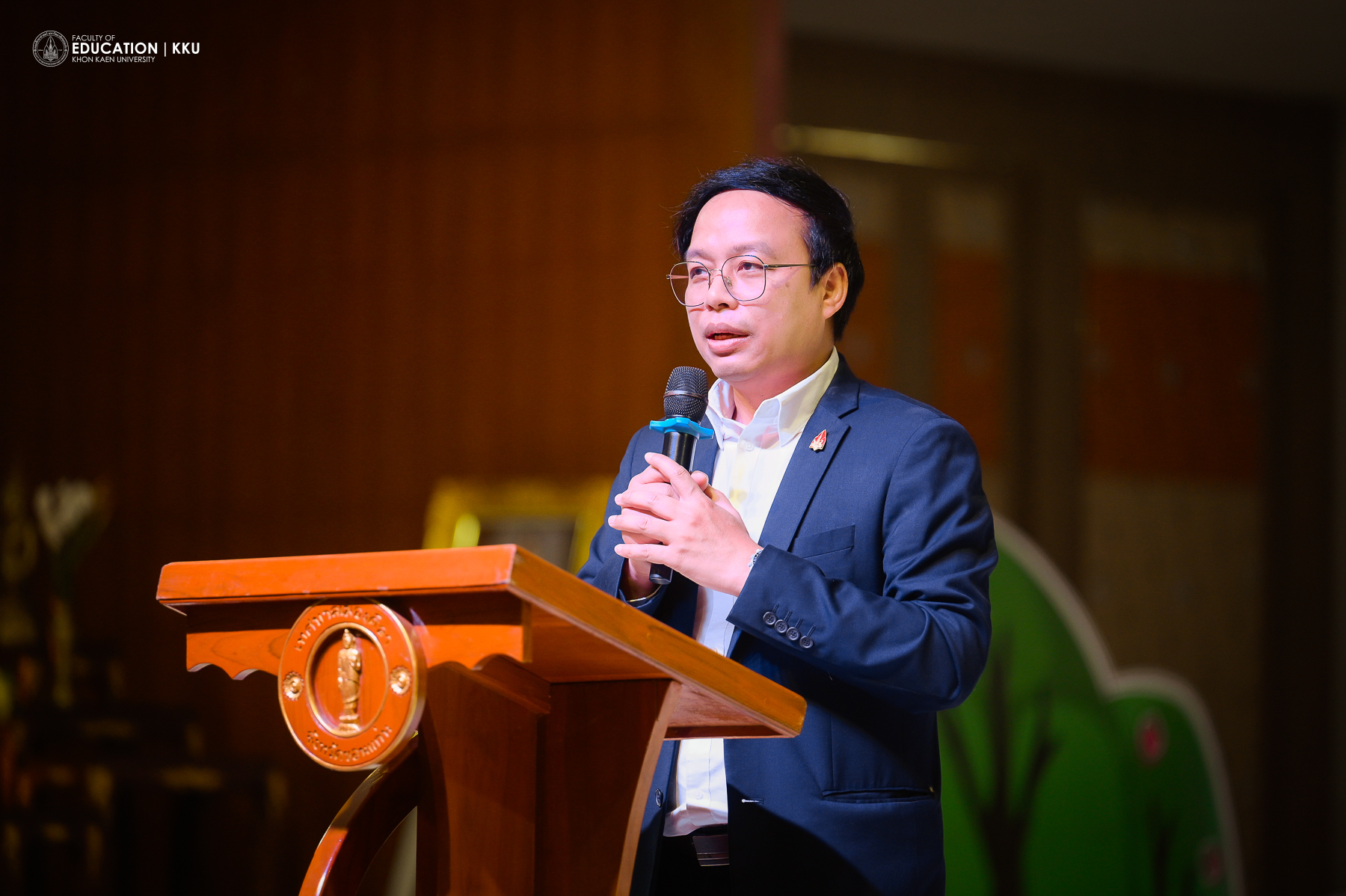
Mr. Pairat Taweewarn, Mayor of Sila Municipality, outlined his vision to build a strong educational foundation for over 55,000 residents of Sila through a “Good Education, Free Education” policy. By using the municipality as a driver and receiving mentorship from KKU, the school (formerly Ban Gotha School) has grown from 50 students at risk of closure to 260 students today. This demonstrates that local commitment and strong academic partnerships can achieve meaningful educational equality.
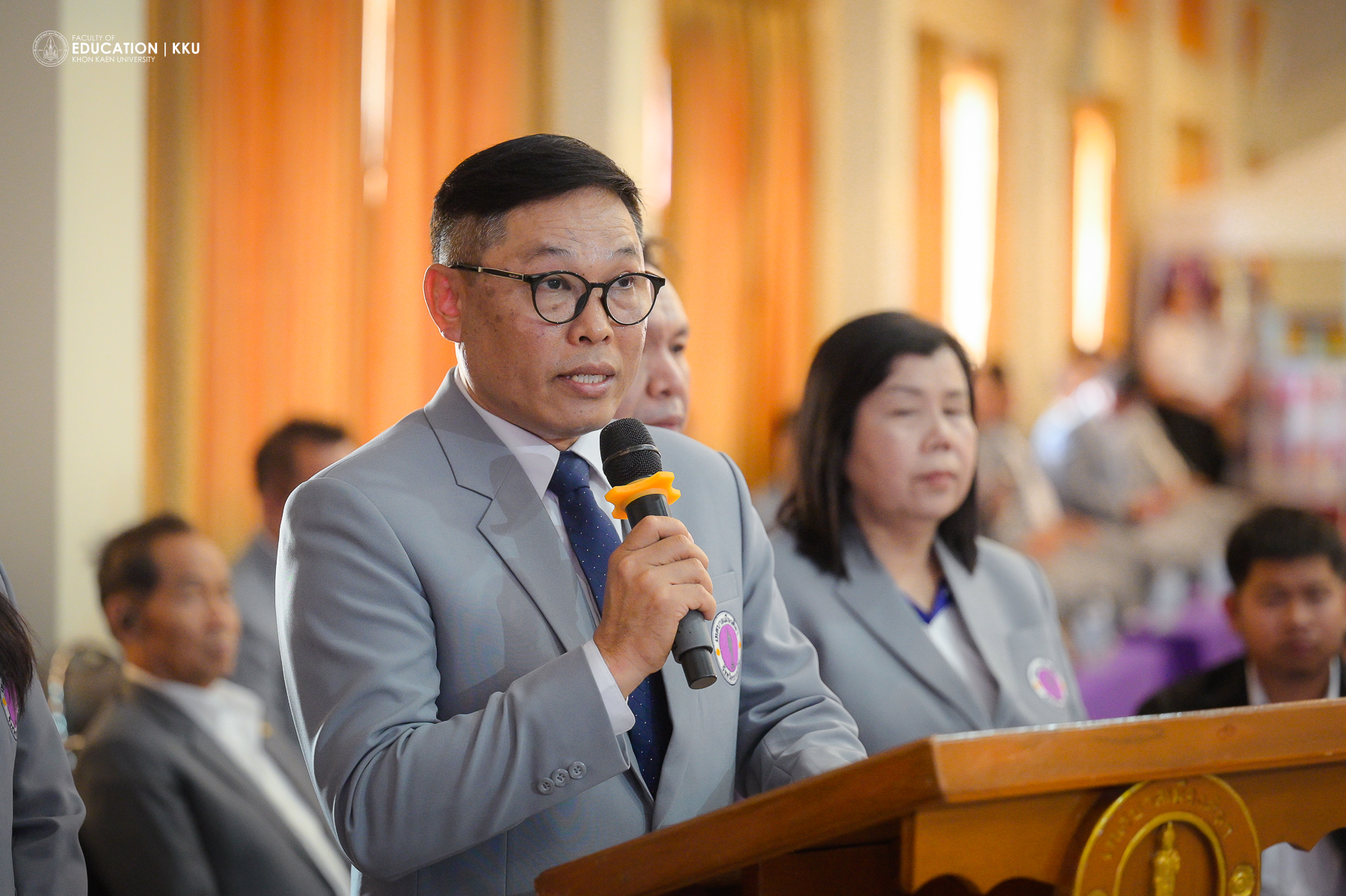
Assoc. Prof. Dr. Issara Kanjug, Dean of the Faculty of Education, KKU, acknowledged the academic success, stating that as an academic partner, the faculty is pleased to implement curriculum innovations and learning models from Satit KKU in a real-world setting. In the second year, significant progress is evident in both the quality of the 7 master teachers and the abilities of student innovators, reflecting that this community-based development model is on the right trajectory to deliver tangible outcomes for learners.
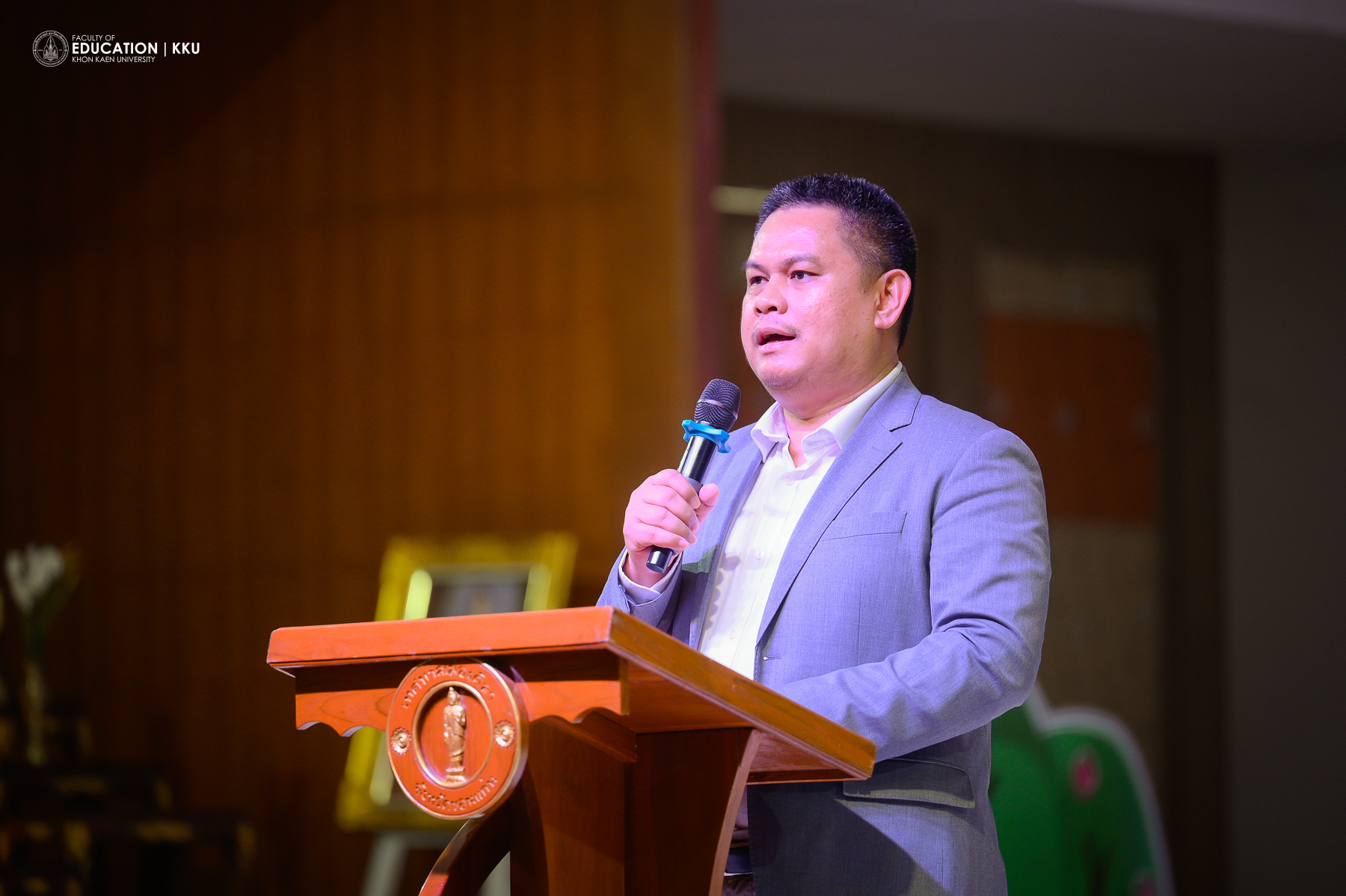
Asst. Prof. Dr. Sirisak Laochankham, Dean of the College of Local Administration, KKU, added that this rapid success is a result of the Mayor’s leadership in addressing root problems with appropriate solutions. He believes this collaboration is an excellent example for local government organizations in modernizing education through a synergy of executive vision and academic expertise.
Mr. Rachan Wongcharee, Director of the Education Division, Sila Municipality, concluded that the project involves all sectors, including the school board, parents, and KKU faculty. The three main objectives are: developing curriculum innovation, enhancing teacher competencies, and establishing a prototype innovation school.
The success of Satit Tetsaban Mueang Sila School is a vital witness to Khon Kaen University’s role as an “Intellectual Powerhouse,” working with the community to solve local educational issues. This transformation into a high-standard innovation school, known as the “Sila Model,” serves as a national prototype for sustainable social development through cooperation between higher education and local government.