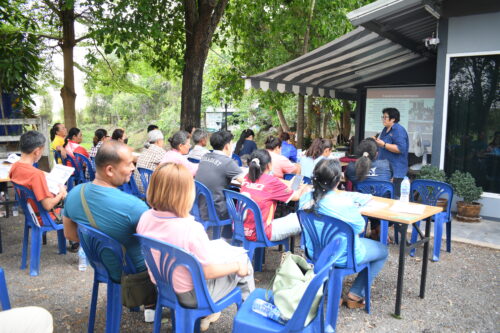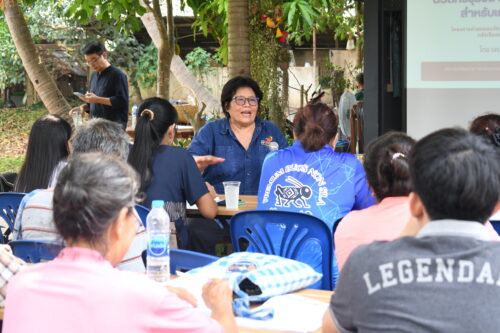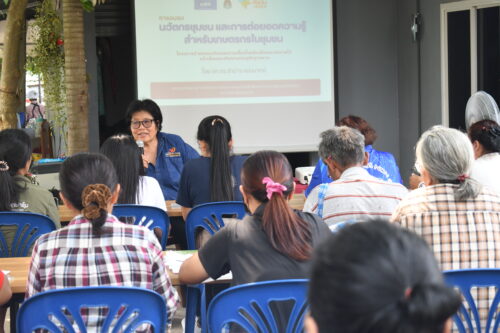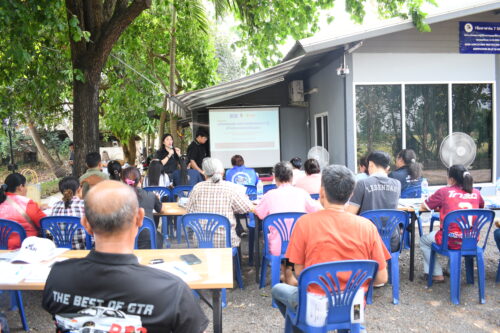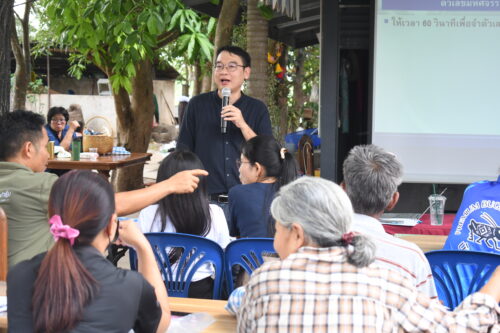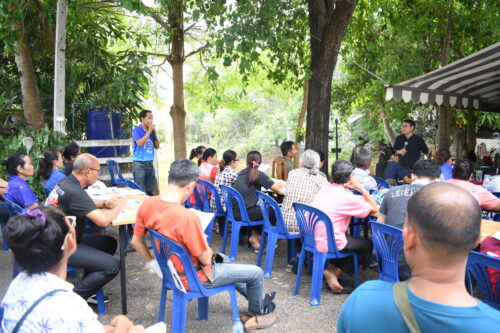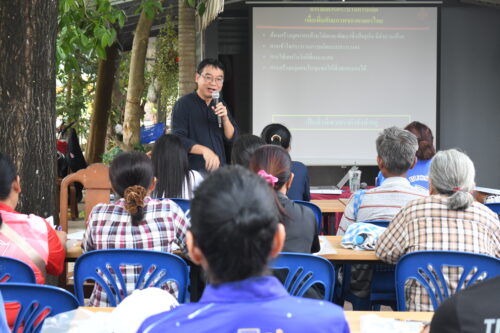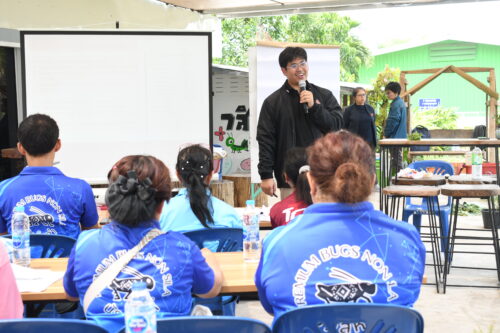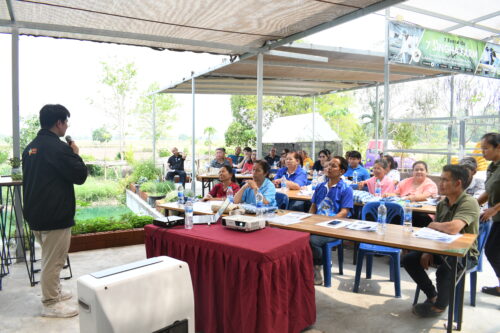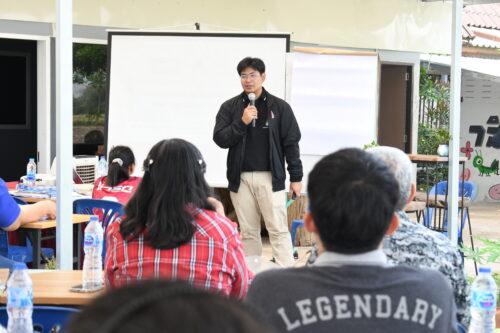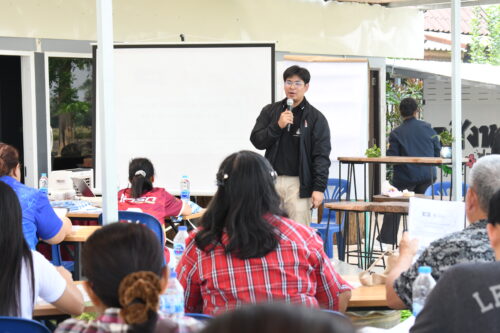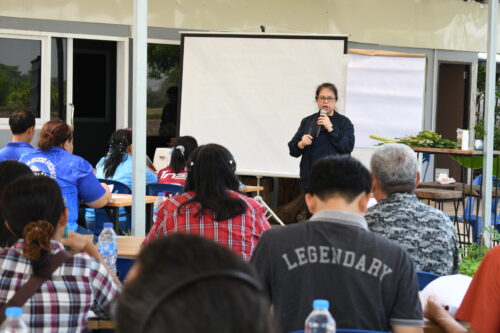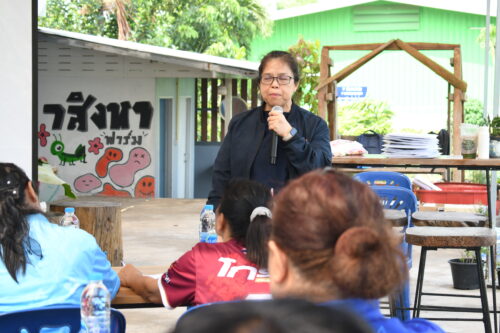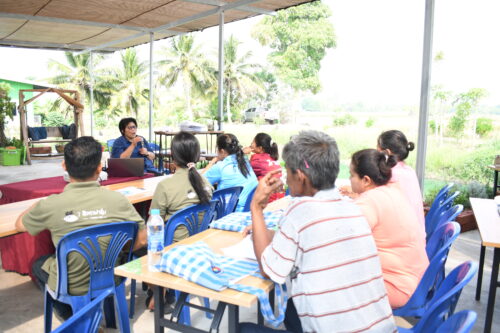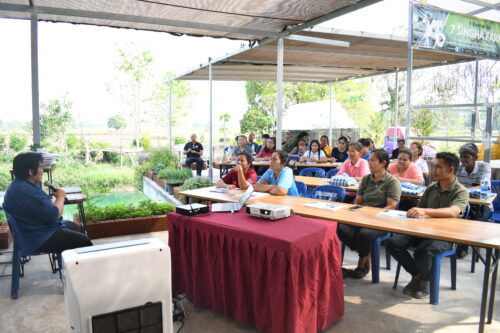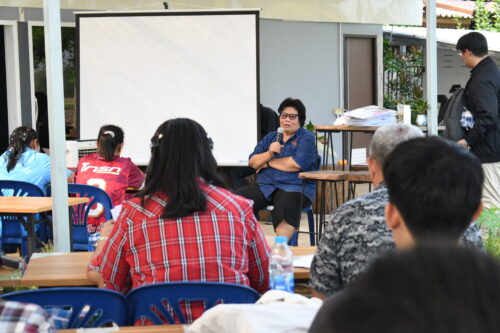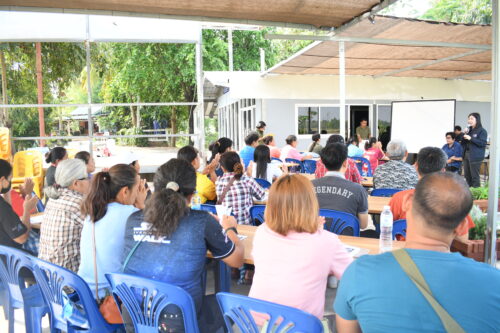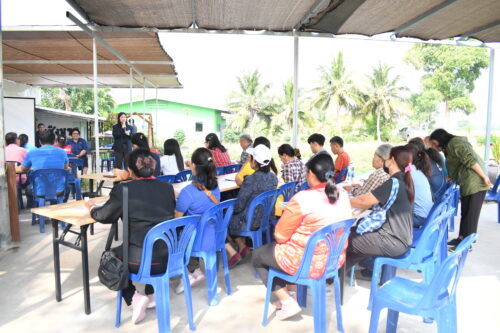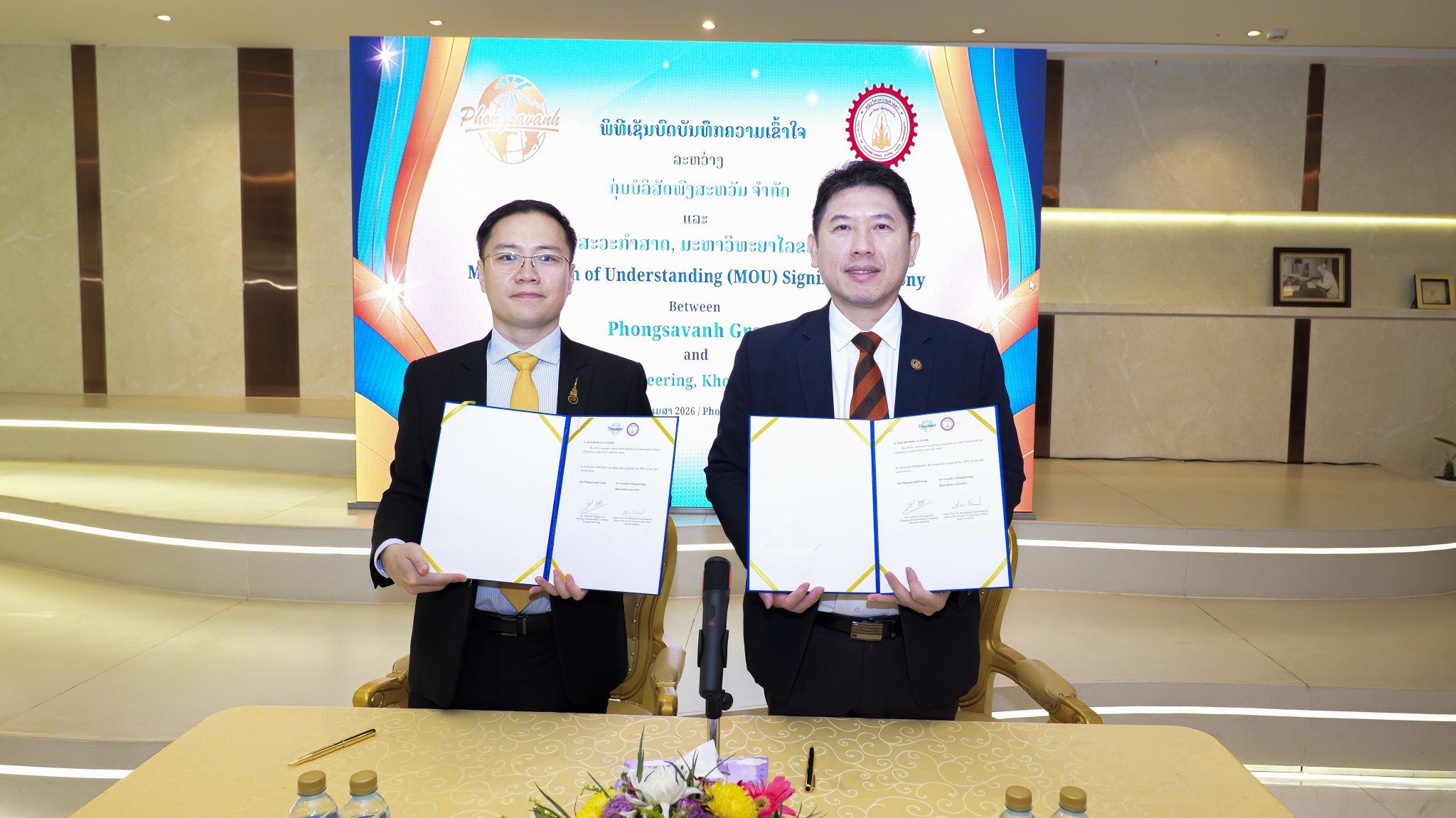
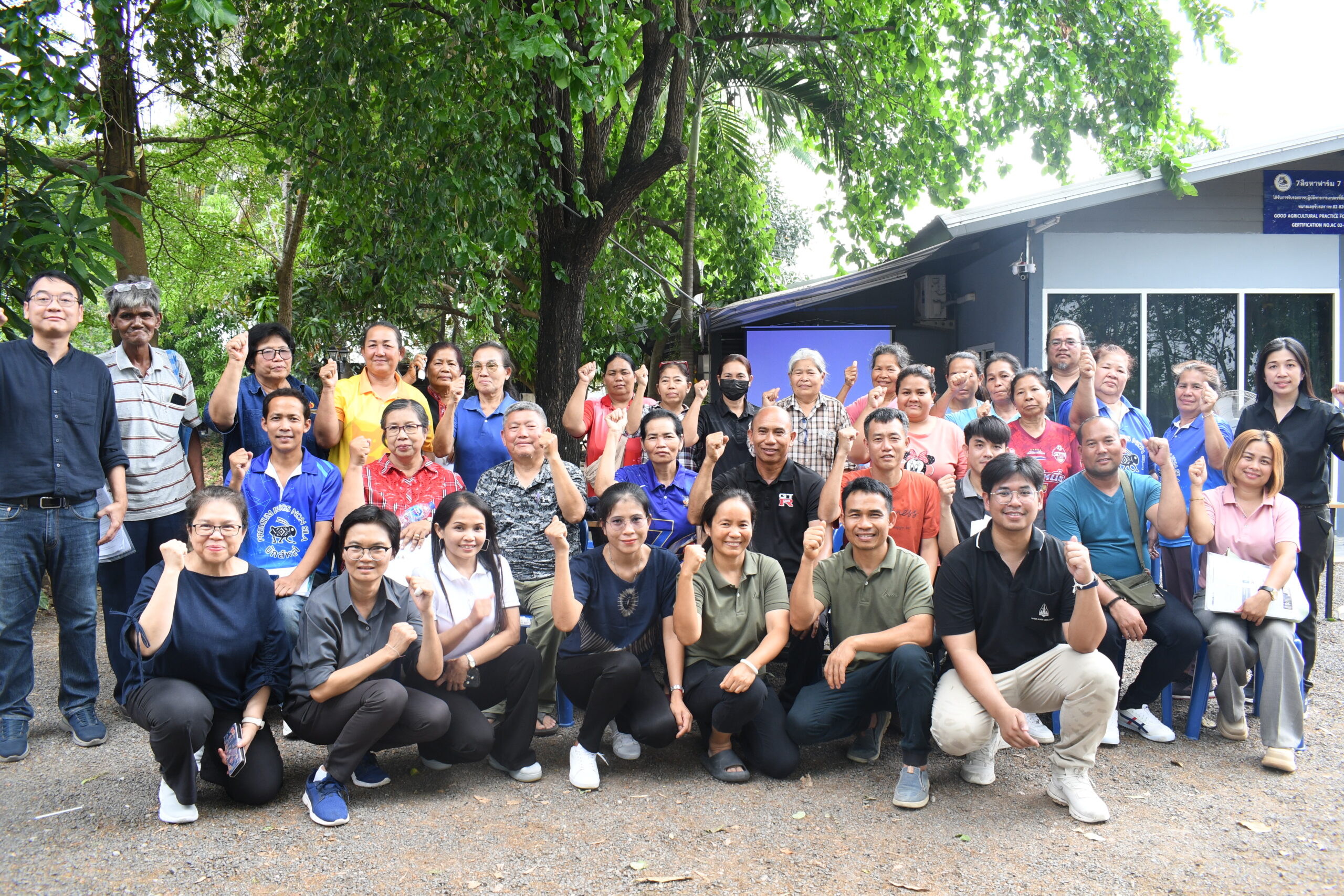
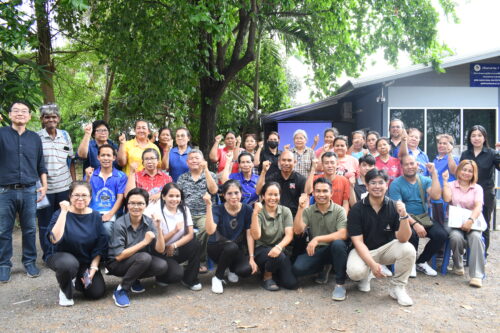
On 24 March 2026, the Research Institute of Strategy and Coordination for Northeastern Development (RISNED), Khon Kaen University, led by Associate Professor Dr. Lampang Manmart, Director of the Institute, collaborated with a team of experts from the university to organise a training workshop. The team, including Associate Professor Chaiyan Junsiri, Assistant Professor Sawitree Wongtangtintharn, and Dr. Sarinya Latthirasuwan, are researchers on a project focused on transferring cricket farming innovations to enhance household income and strengthen the grassroots economy.
The workshop, titled “Developing Community Innovators: Upgrading the Cricket Value Chain with Ready-to-Use Technology and Innovation,” was held at 7 Singha Farm in Ban Kao Sub-district, Dan Khun Thot District, Nakhon Ratchasima Province. Its objective was to review knowledge and enhance the skills of cricket farmers, transforming them into ‘community innovators’. The initiative aims to develop these farmers into leaders capable of building sustainable careers and transferring knowledge to ensure the continuity of farming practices for future generations. From an initial pool of 104 families, 40 farmers with high potential were selected for development into business leaders. A ‘community innovator’ is defined by three key qualities: acquiring knowledge, applying it to solve problems, and possessing the willingness and ability to share that knowledge with others.
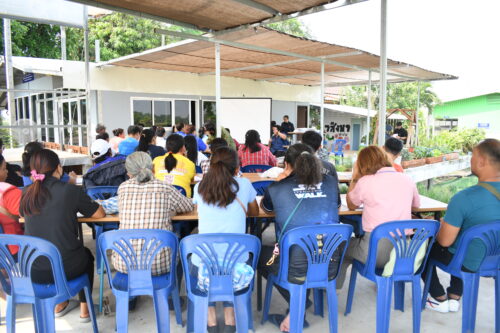
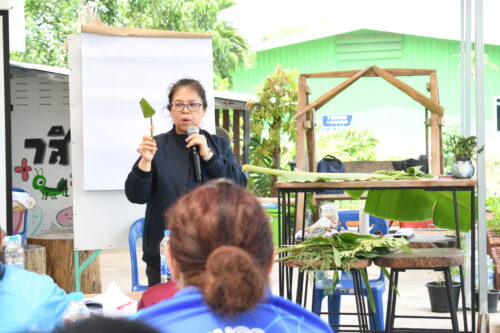
Assistant Professor Sawitree Wongtangtintharn delivered a session on managing high-protein cricket feed using local plants. This approach helps farmers reduce feed costs, which account for nearly 70% of total production expenses. She emphasised feeding crickets according to their life stages to minimise costs and prevent energy waste from excreting excess protein. Additionally, she recommended supplementing their diet with local plants or vegetables during their growth phase to further lower expenditures.
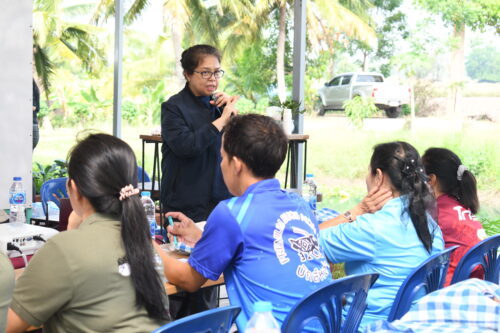
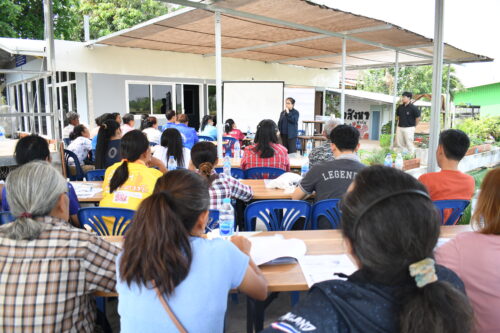
Mr. Kraiwit Kerdasak Na Waengnoi, a general administration officer, presented on farming processes adapted to local conditions and standardised production practices. Modern cricket farming has evolved from intuitive methods to systematic processes focused on quality control. This shift addresses issues such as inconsistent yields and high costs. A comprehensive seven-step manual was introduced to guide farmers towards professionalisation and sustainable profitability.
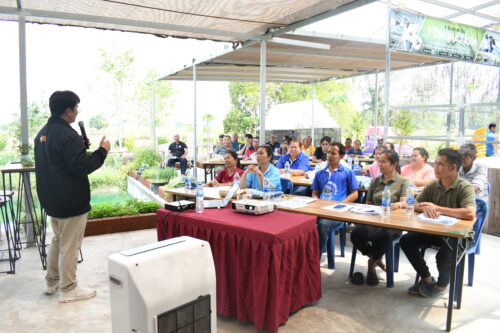
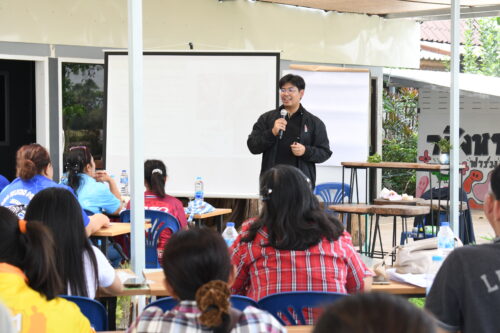
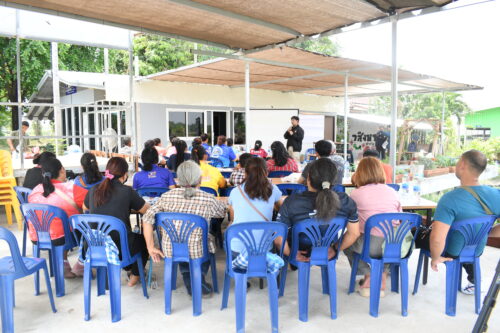
Dr. Sarinya Latthirasuwan spoke on the topic “From Cricket Master to CEO of the Economic Insect Business.” She outlined that becoming a professional CEO requires balancing five key pillars. It begins with standardised and consistent production in every cycle to ensure reliable output. The second pillar is financial management, where farmers must separate personal finances from farm finances to gain clear insights into costs and profits. For marketing, she explained that modern CEOs must create outstanding quality and service to attract customers, complemented by strong branding that serves as a promise of product excellence. The final pillar is risk management, which involves having contingency plans for unforeseen events like disease outbreaks or storms to ensure business continuity.
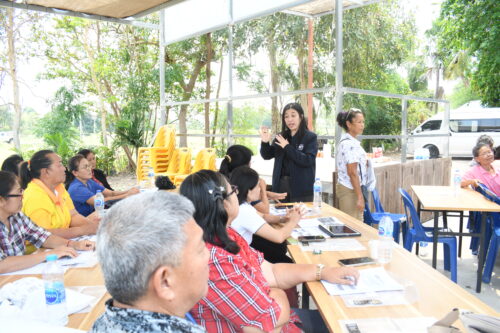

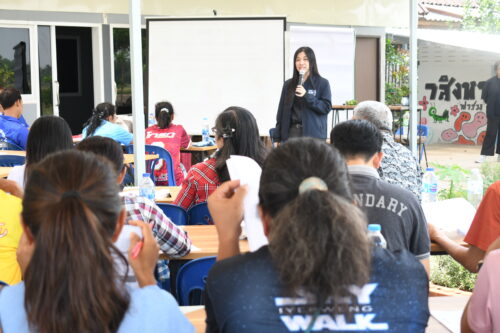
Associate Professor Chaiyan Junsiri discussed the process of creating community-based innovations. He presented a heat cabinet designed to sterilise egg panels, a locally relevant innovation. Research conducted in collaboration with the National Institute of Animal Health found that applying dry heat at 80 degrees Celsius for at least 20 minutes effectively eliminates all pathogens. This method has since been certified by the Faculty of Veterinary Medicine at Khon Kaen University.
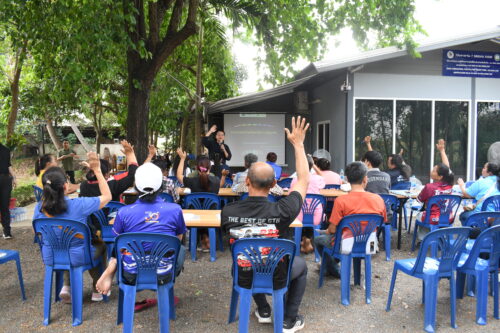
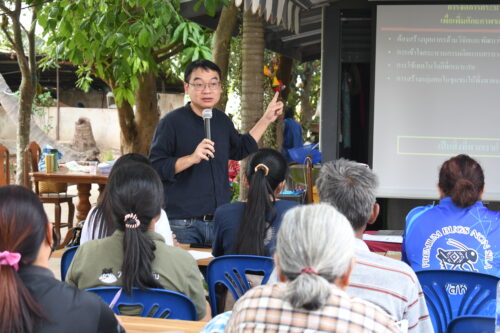
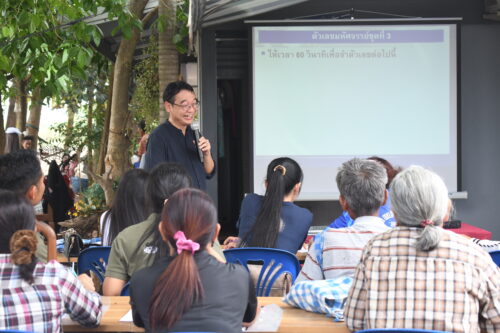
Associate Professor Dr. Lampang Manmart concluded with a lecture on the role of community innovators and the extension of knowledge within the community. She stressed that innovators must be compassionate and willing to help others, as farmers in the community vary widely in age and educational background. Therefore, knowledge transfer requires skillful communication and relatable storytelling. She also encouraged teamwork, noting that individual capabilities are limited, whereas collaboration can simplify complex tasks and establish robust farming standards.
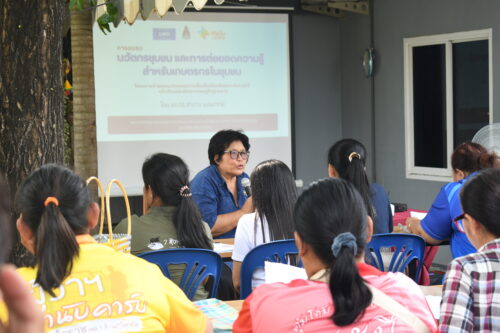
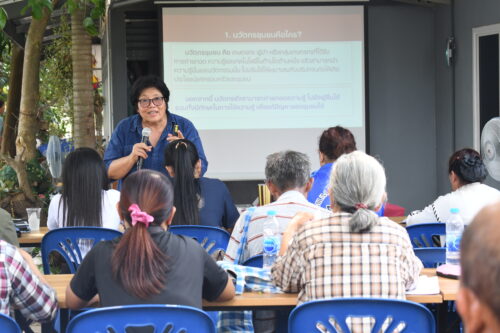
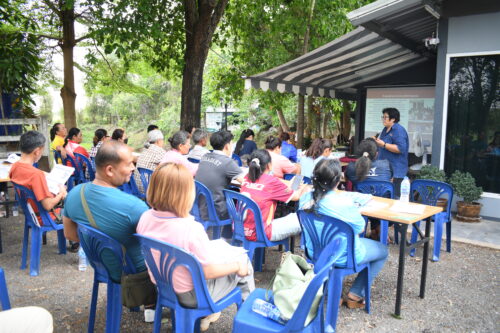
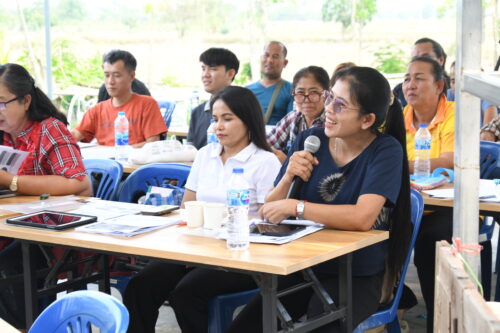
During the final session, farmers shared practical challenges from their farms, including concerns about chlorine and alum in tap water and infestations of hairy caterpillars in their rearing pens. The expert team and community innovators worked together to address these issues and provide concrete solutions. The participants expressed renewed confidence and affirmed their commitment to advancing their cricket farms into professional businesses. Their goals include building a strong network and developing a robust market system to uplift the community’s economy in the future.