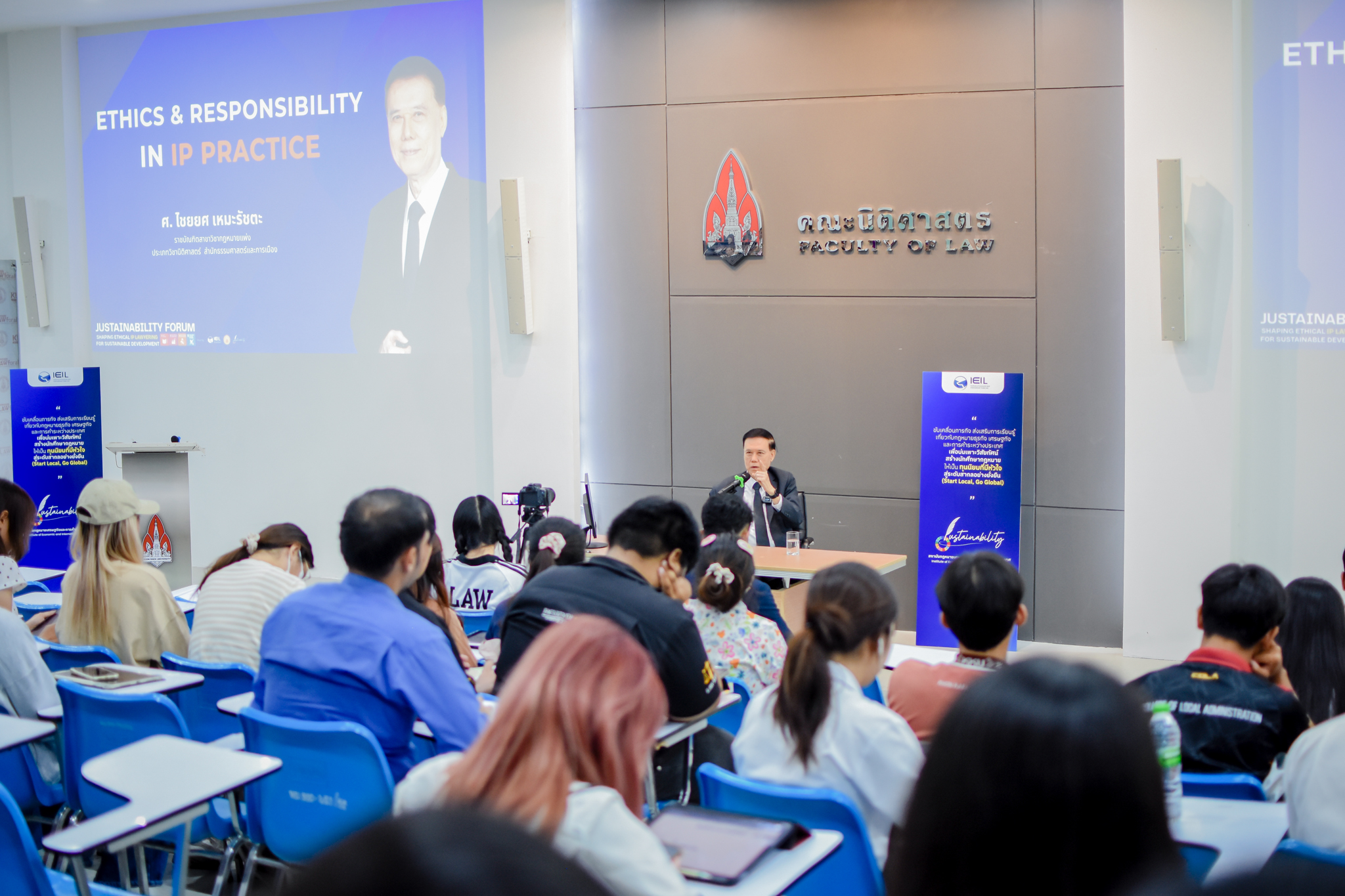
Khon Kaen, Thailand – The Institute for Economic and International Trade Law (IEIL) at Khon Kaen University’s Faculty of Law hosted a forum on March 5 to discuss the evolving role of ethics for intellectual property (IP) lawyers in achieving sustainable development.
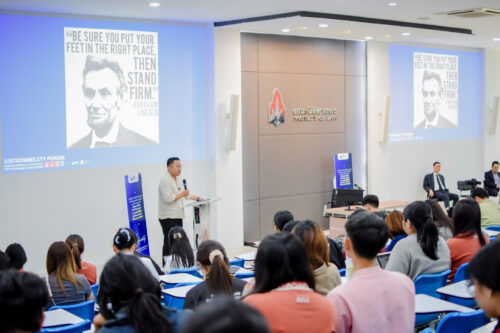
The event, titled “Shaping Ethical IP Lawyering for Sustainable Development,” featured two distinguished speakers who shared their perspectives on the responsibilities of legal professionals in the field.

Professor Chaiyos Hemarajata addressed the topic of “Ethics in the IP Law Profession: The Role, Integrity, and Social Impact of Lawyers.” He emphasized that a lawyer’s commitment to ideology and honesty must be the foundation of their practice, extending beyond mere technical legal accuracy. Professor Chaiyos argued that for law to serve true justice, practitioners must adhere to core values including virtue, morality, ethics, honesty, and responsibility. He also stressed the importance of mindfulness and wisdom in analyzing information and solving problems.
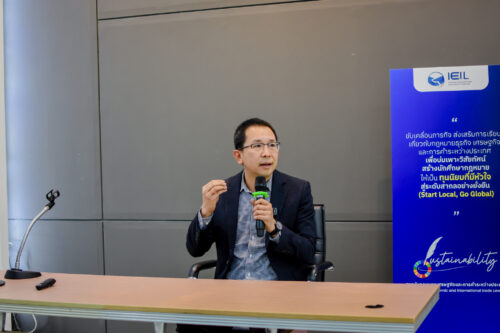
Following this, Professor Dr. Phoomin But-indr discussed the role of “IP Lawyers as Drivers of Development.” He highlighted a necessary shift in the profession’s role from being mere gatekeepers of rights to becoming facilitators of social and economic opportunities. Professor Phoomin introduced the concept of “Justainability,” which seeks a balance between innovation and human dignity. He argued that law should not solely be a tool for protecting rights or creating monopolies for profit. Instead, it must incorporate ethics and ensure equitable access to innovation, especially in response to global crises. He also pointed to the potential of leveraging Thailand’s cultural capital, or “soft power,” to create sustainable value.


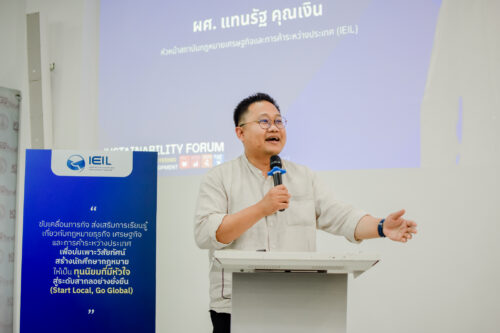



The forum concluded that ethics are not an optional component of the legal profession. It underscored the idea that sustainability cannot be achieved if justice is ignored, and innovation is only meaningful when it serves humanity. The concept of “Justainability” was presented not just as a new term, but as a new framework for the role of law in the modern world, ensuring that justice remains integral to progress and that a sustainable future is built upon a foundation of fairness.