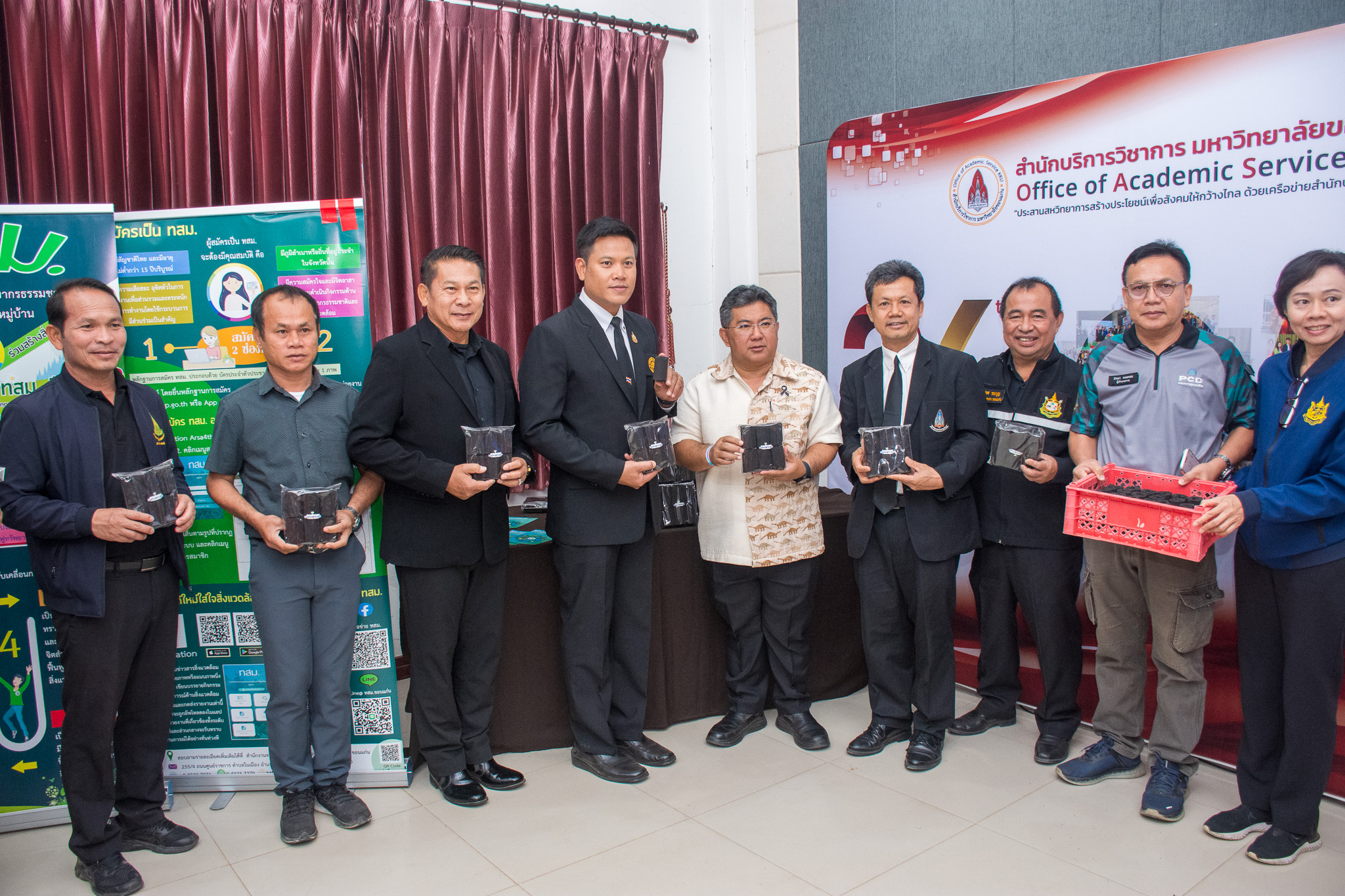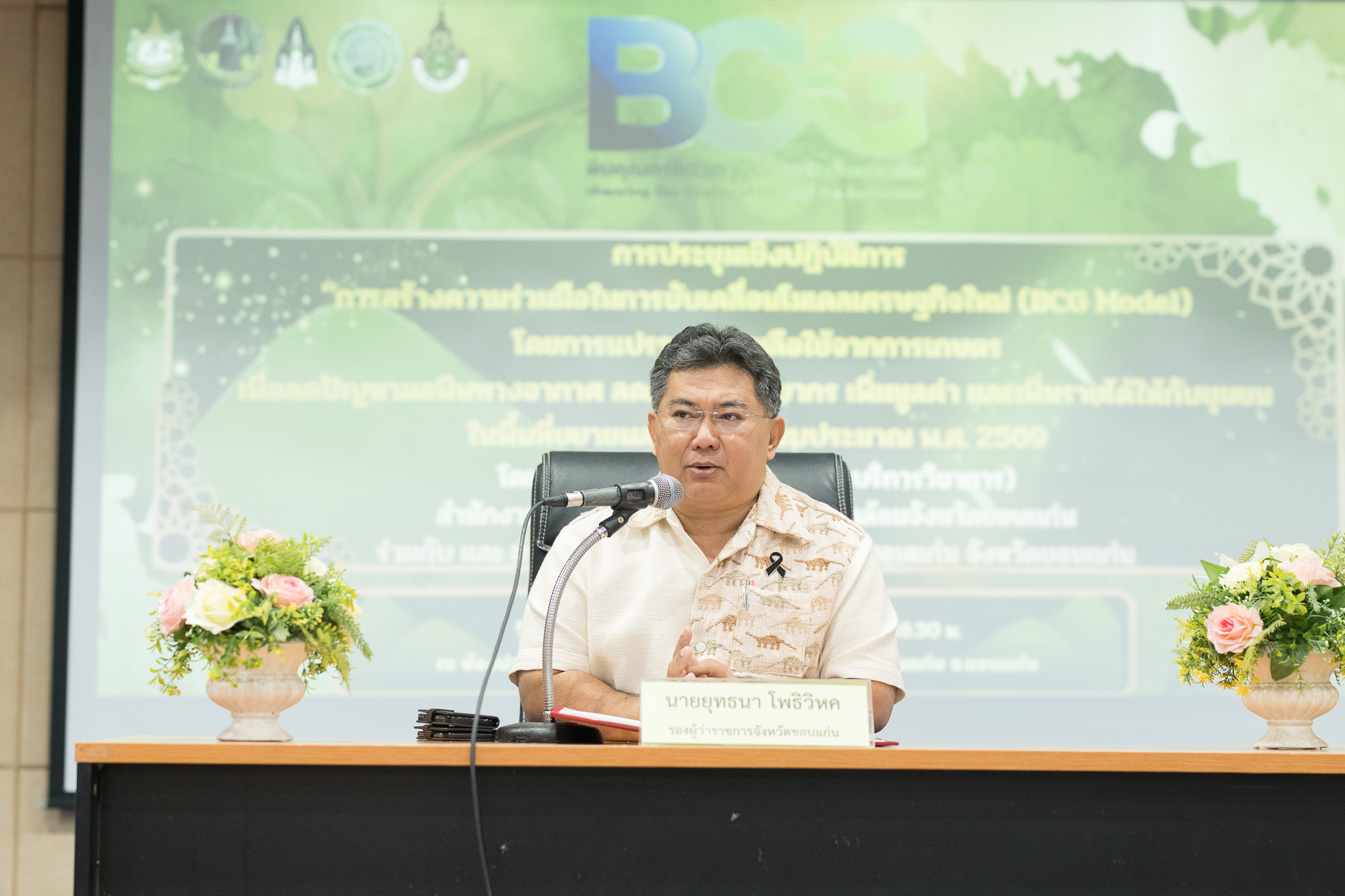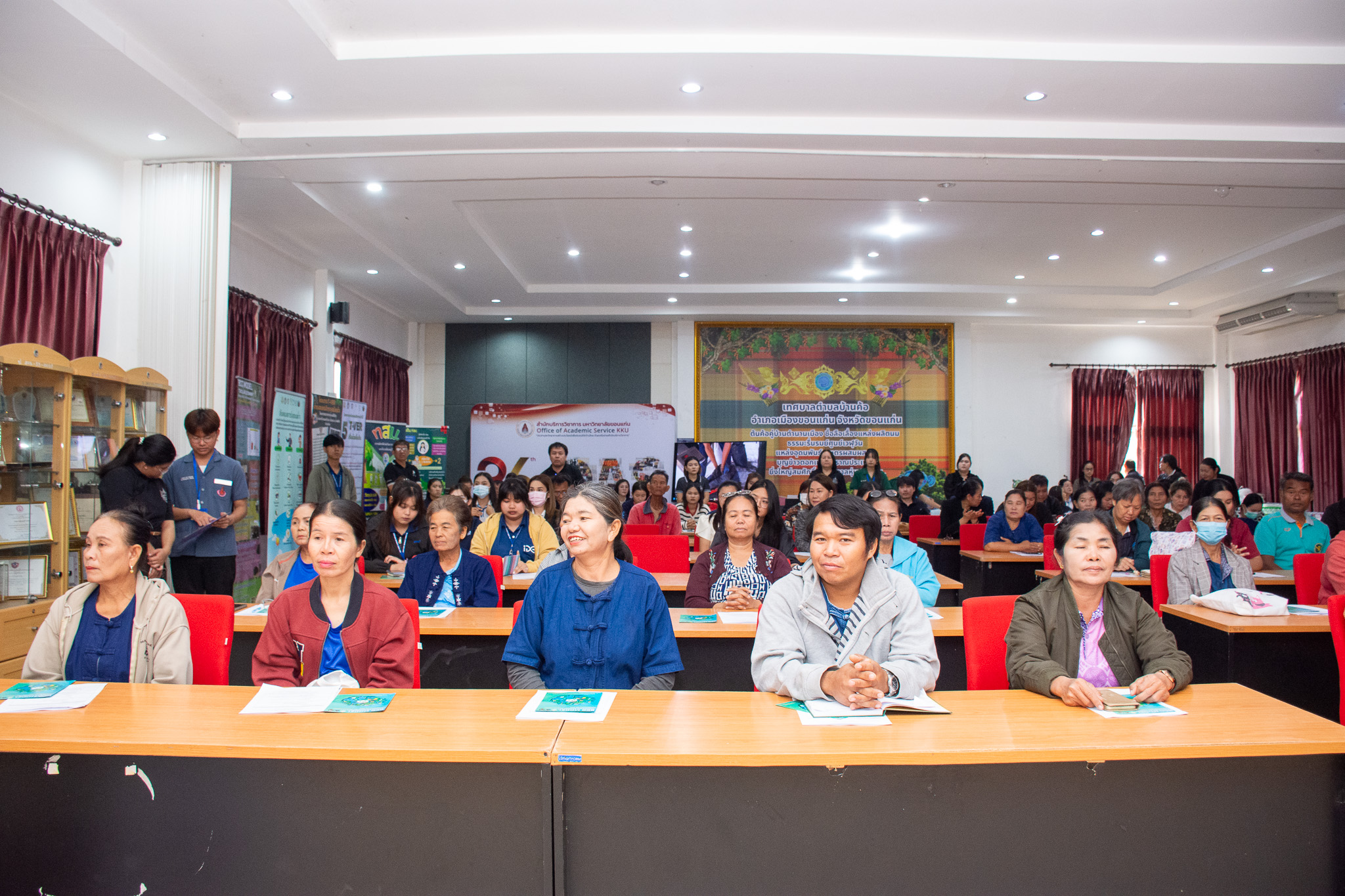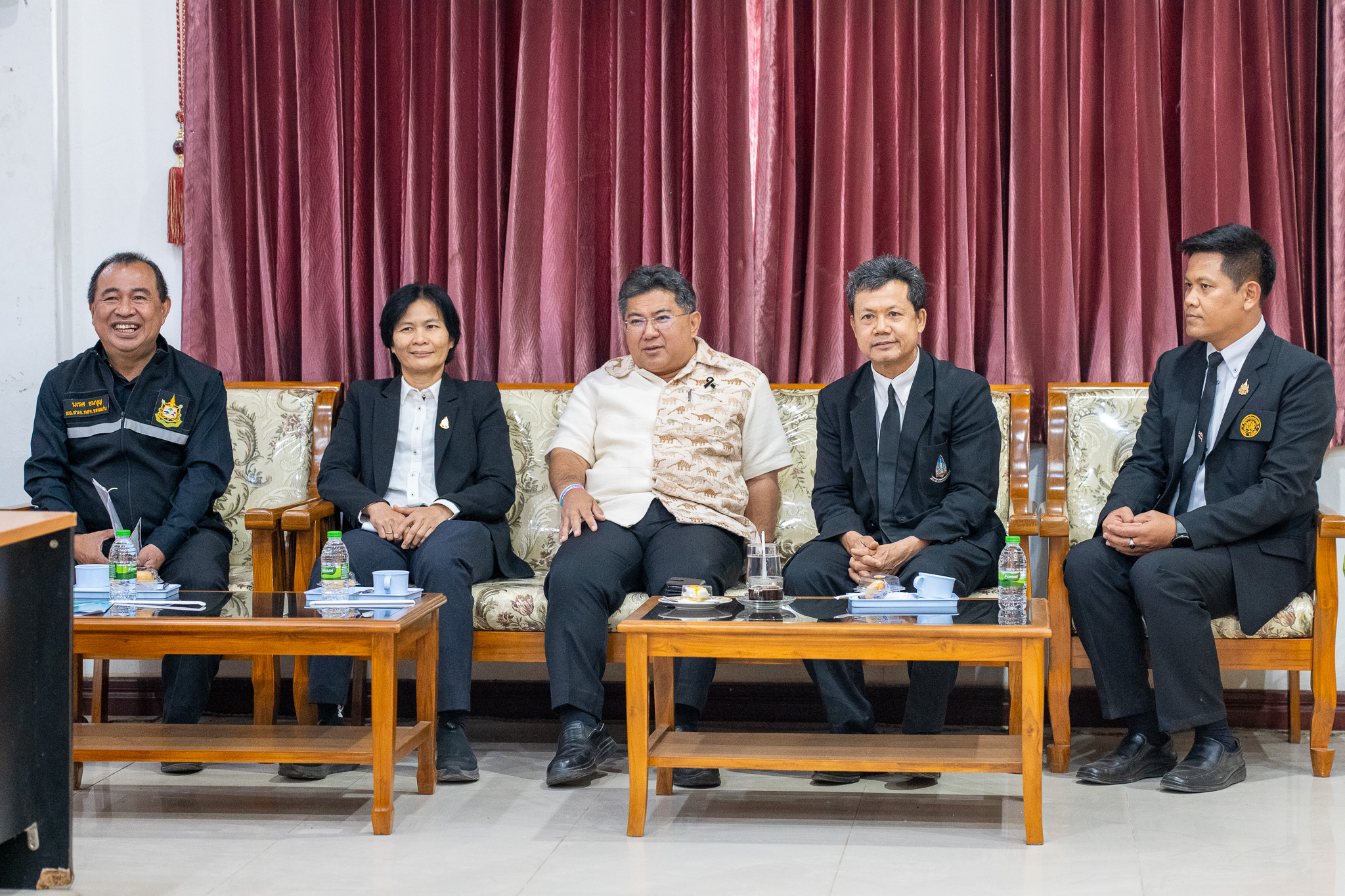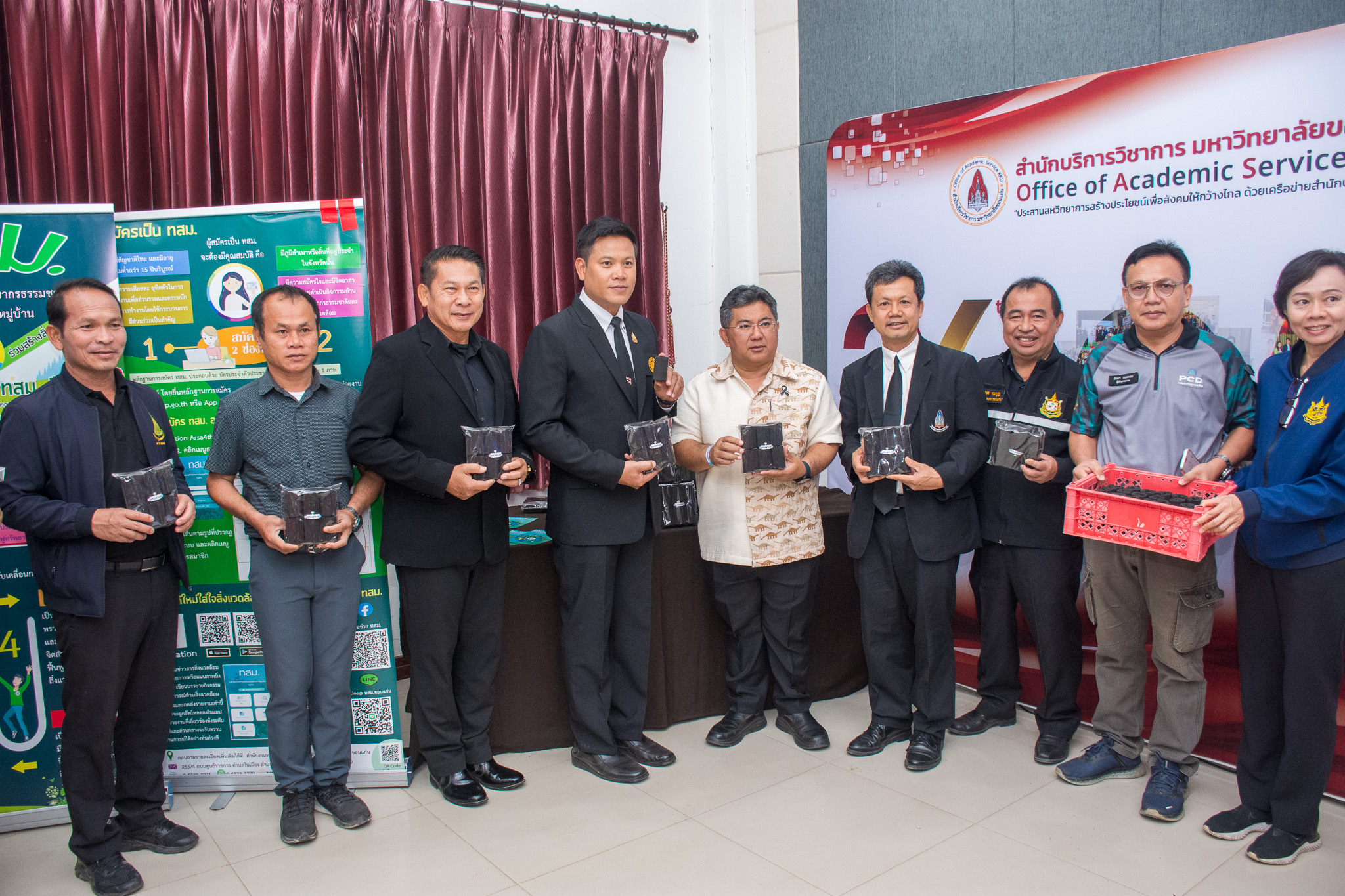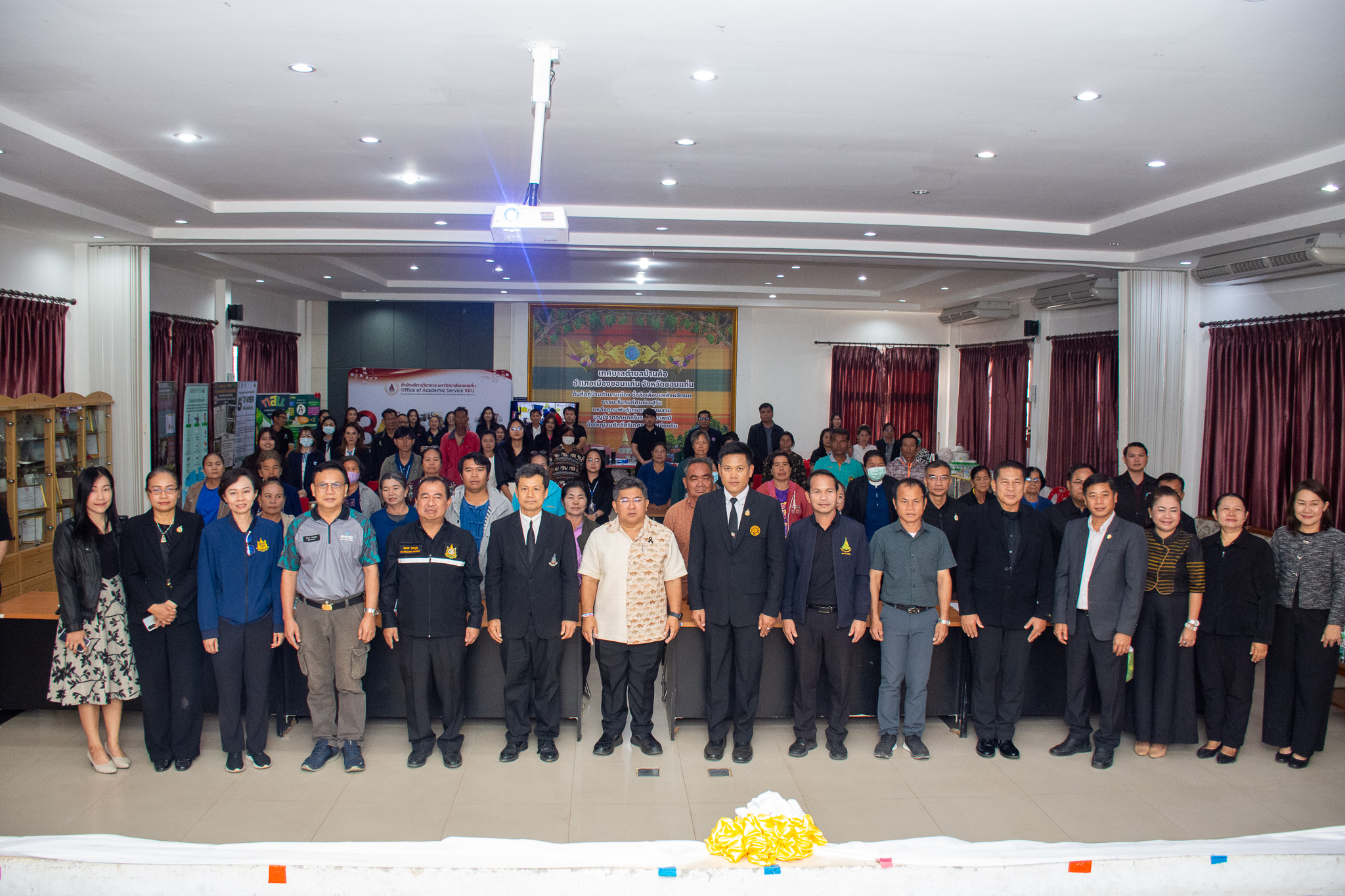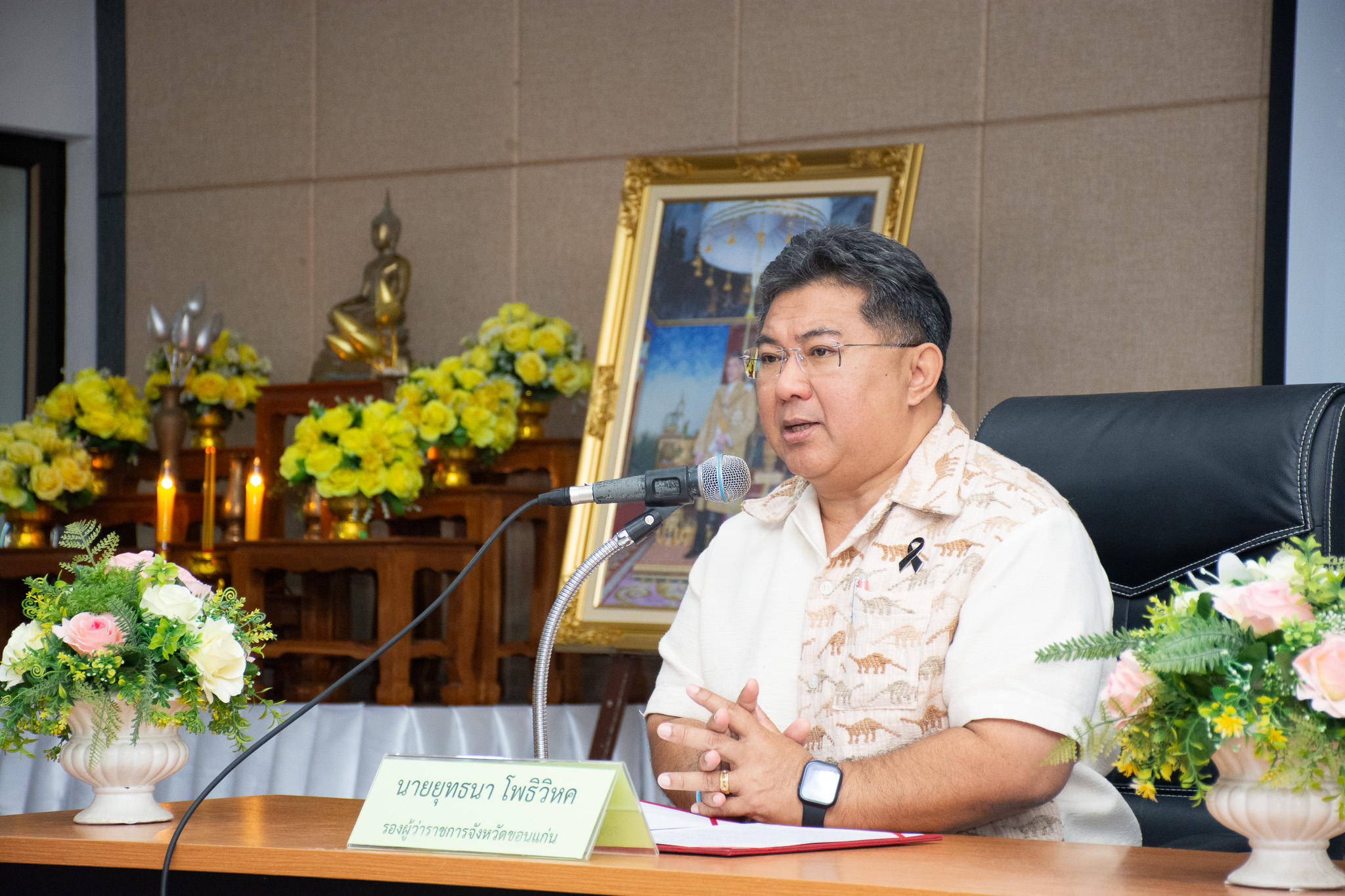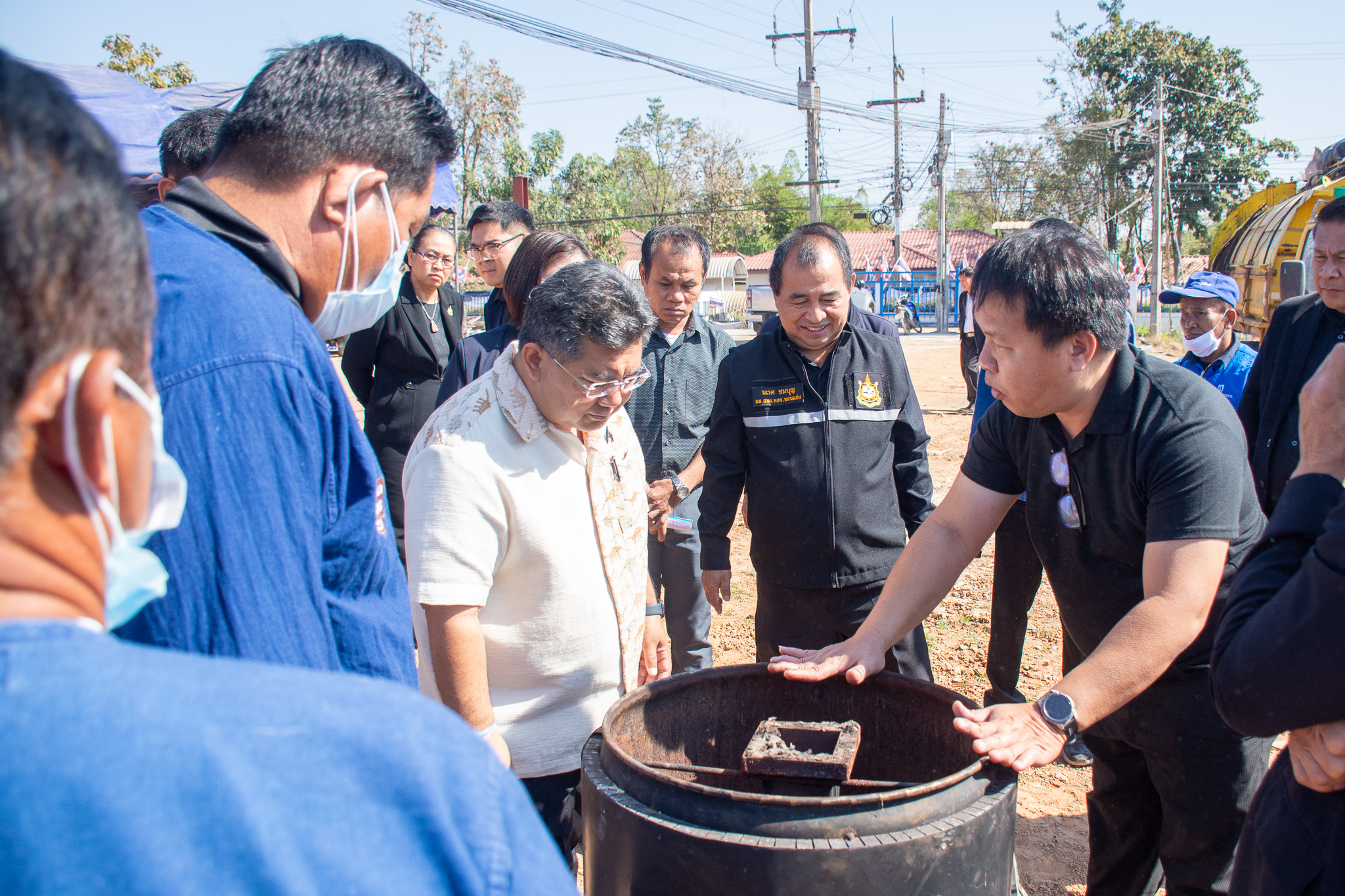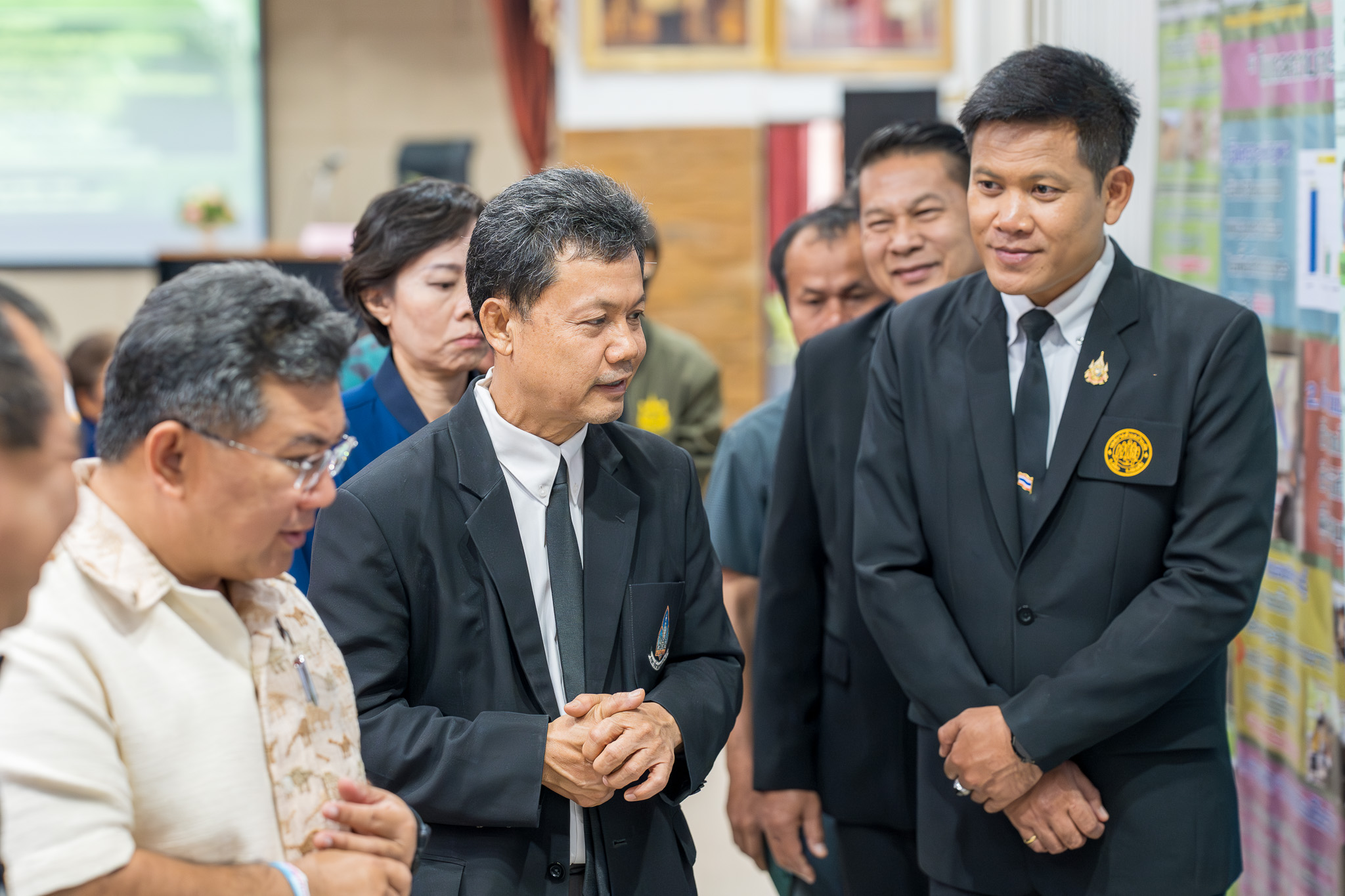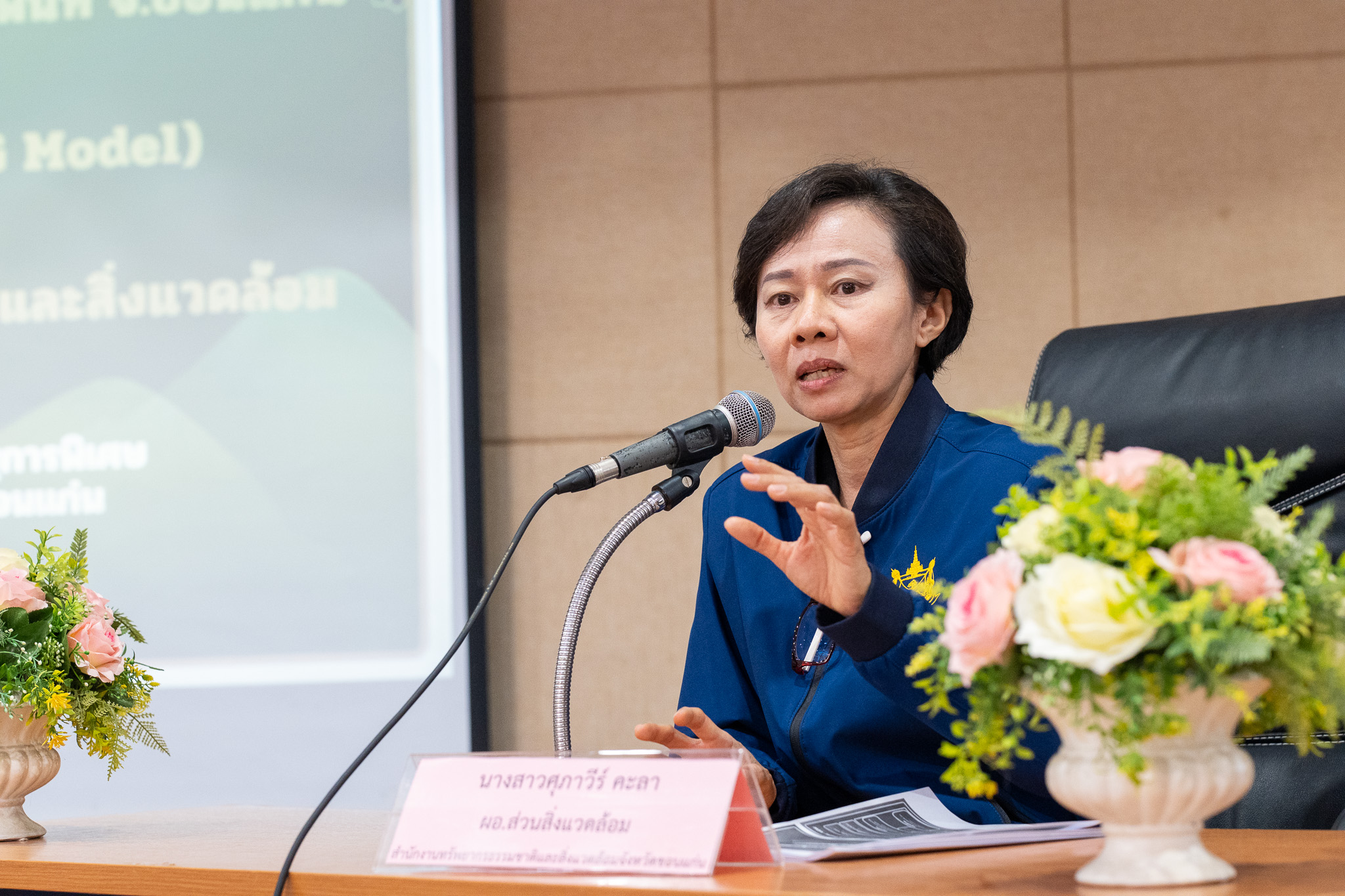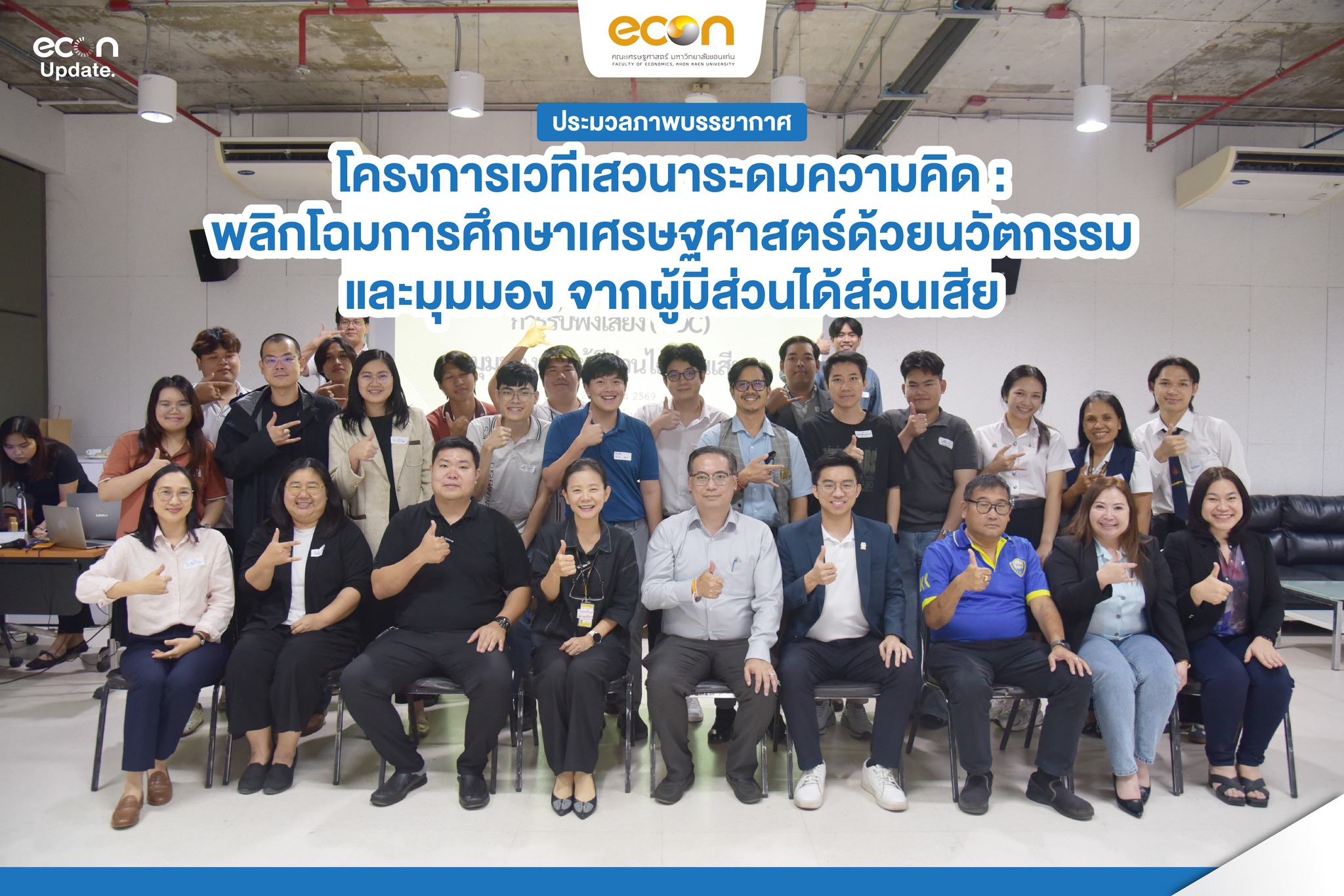
(27 January 2026) Khon Kaen Province Visits Ban Kho Municipality – The Office of Academic Service, Khon Kaen University (KKU), in collaboration with the Khon Kaen Provincial Office of Natural Resources and Environment (MNRE) and Ban Kho Subdistrict Municipality, launched the “Model Community for Valorising Cassava Rhizomes for Sustainable Development” project alongside a workshop on “Driving the Bio-Circular-Green (BCG) Economy Model.” Mr Yuttana Potiwihok, Vice Governor of Khon Kaen Province, presided over the opening ceremony at the conference room of Ban Kho Subdistrict Municipality, Mueang District, Khon Kaen Province. The event attracted more than 80 participants, including KKU executives, representatives from the Office of Academic Service, private sector partners, and local farmers.
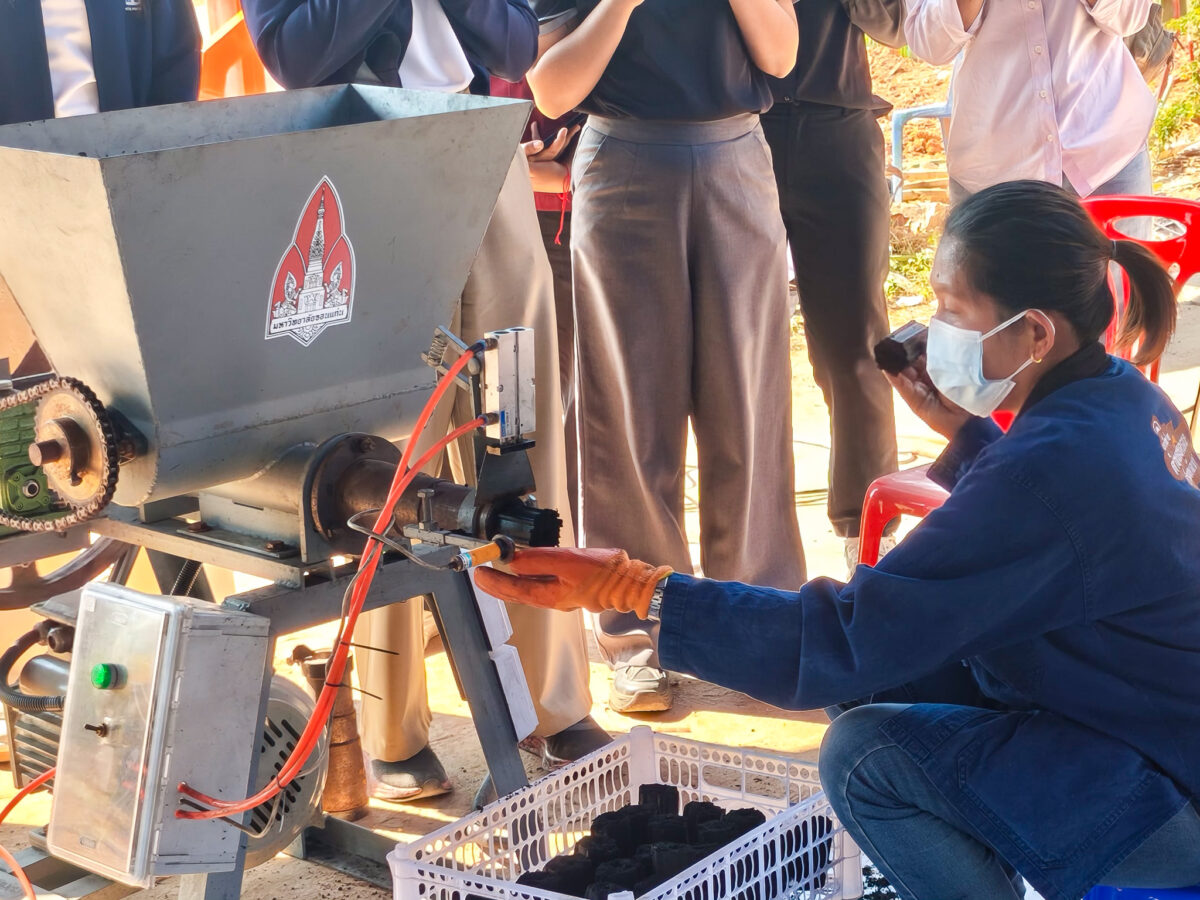
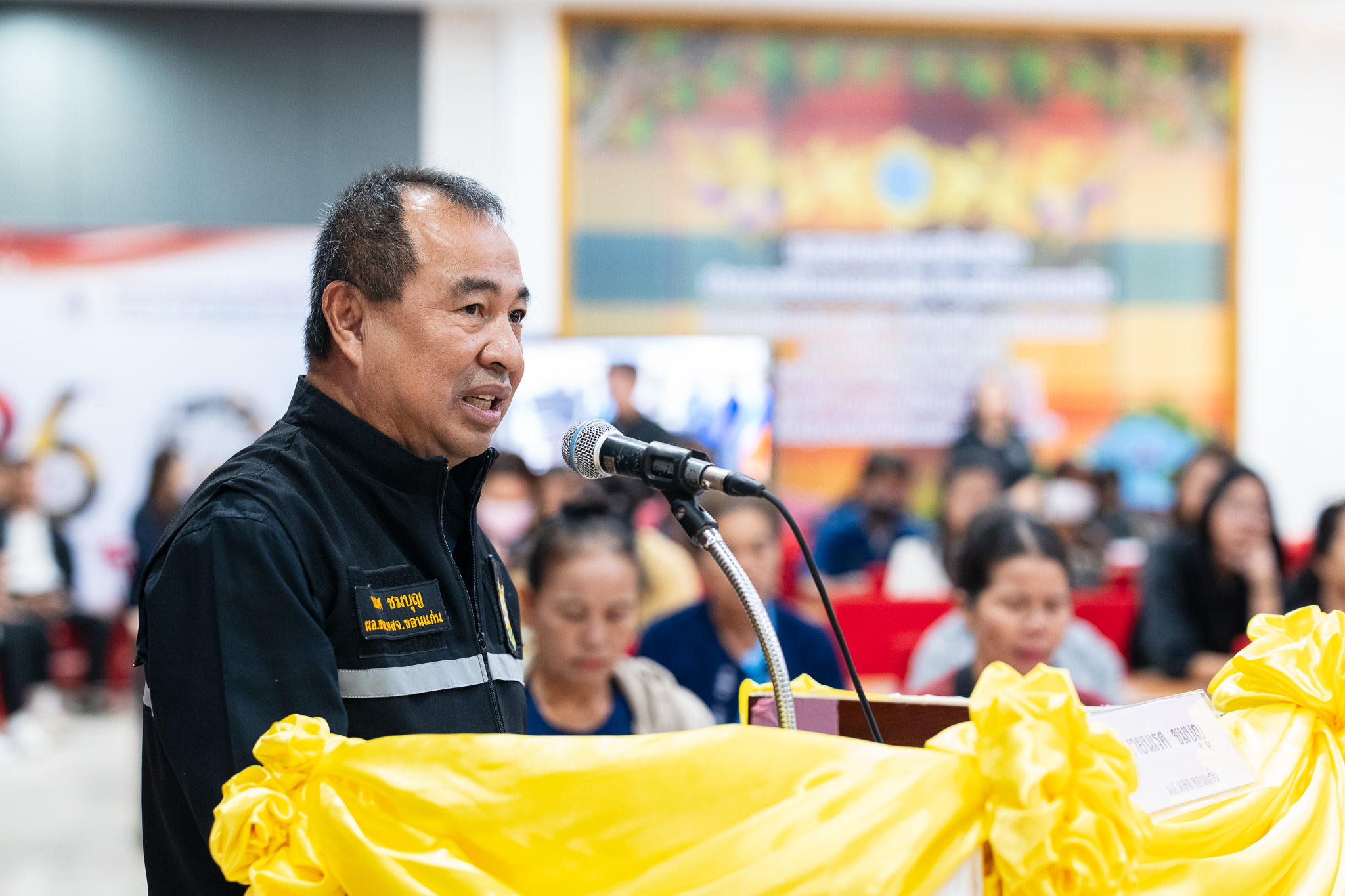
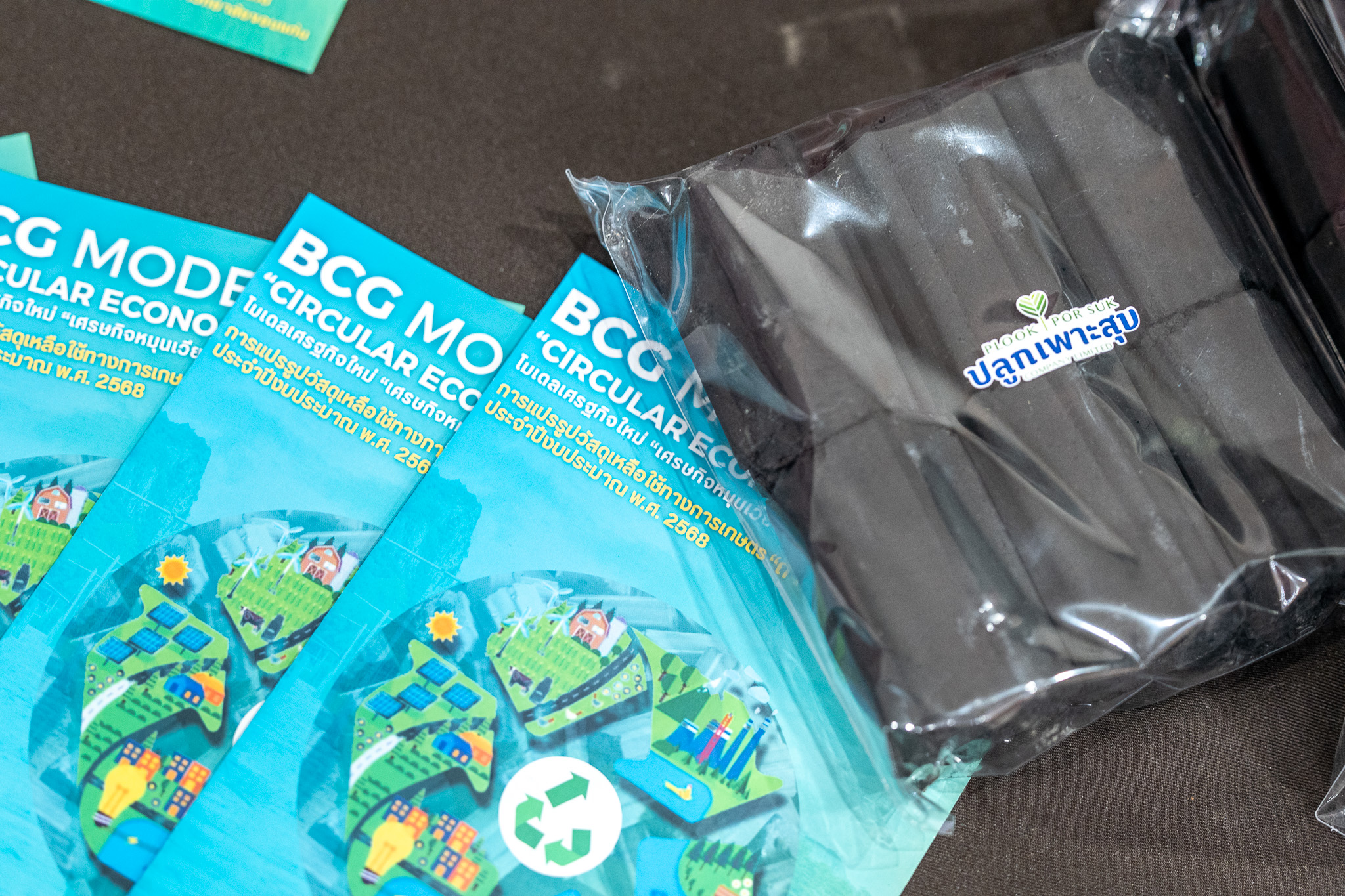
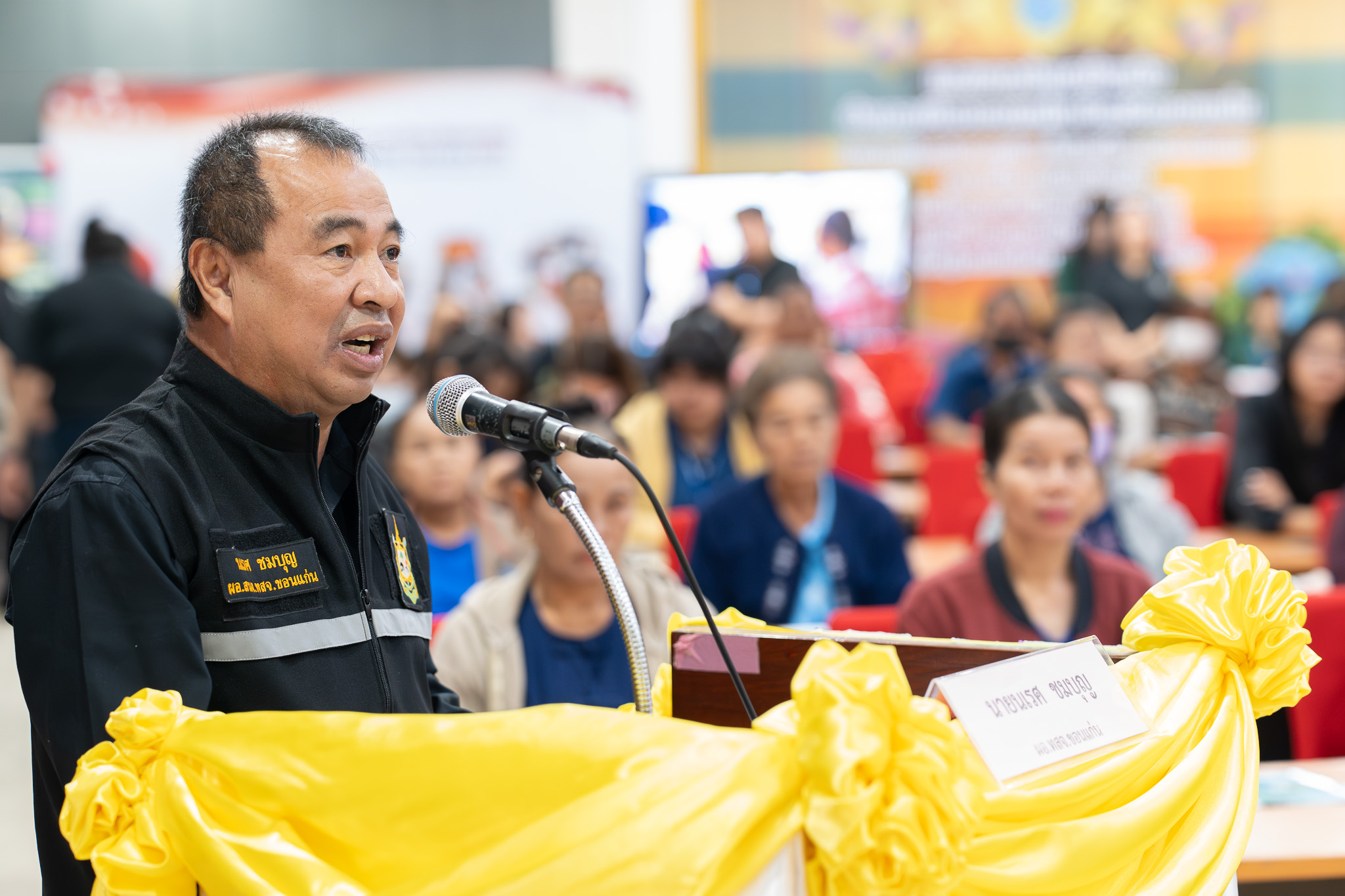
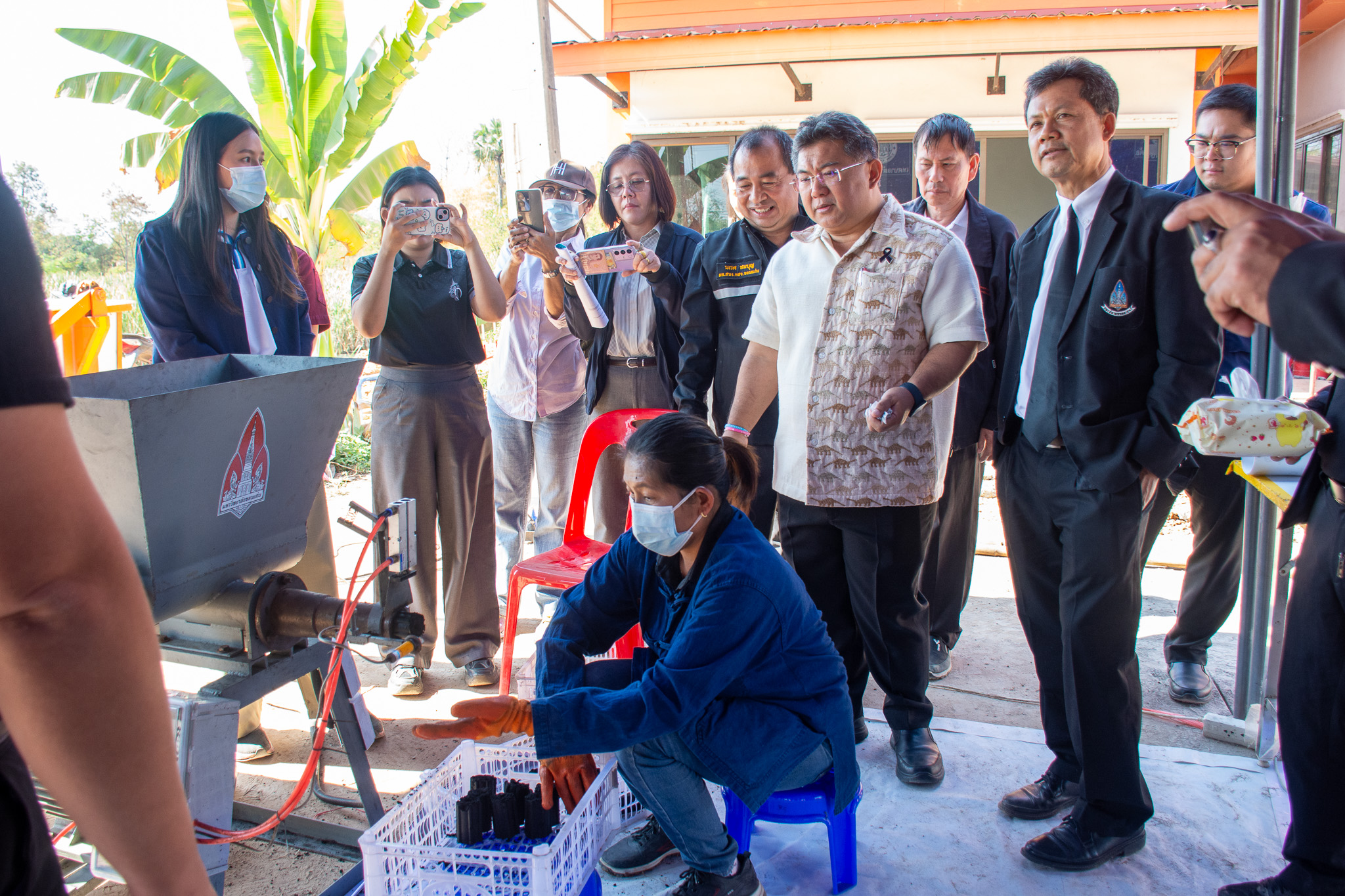
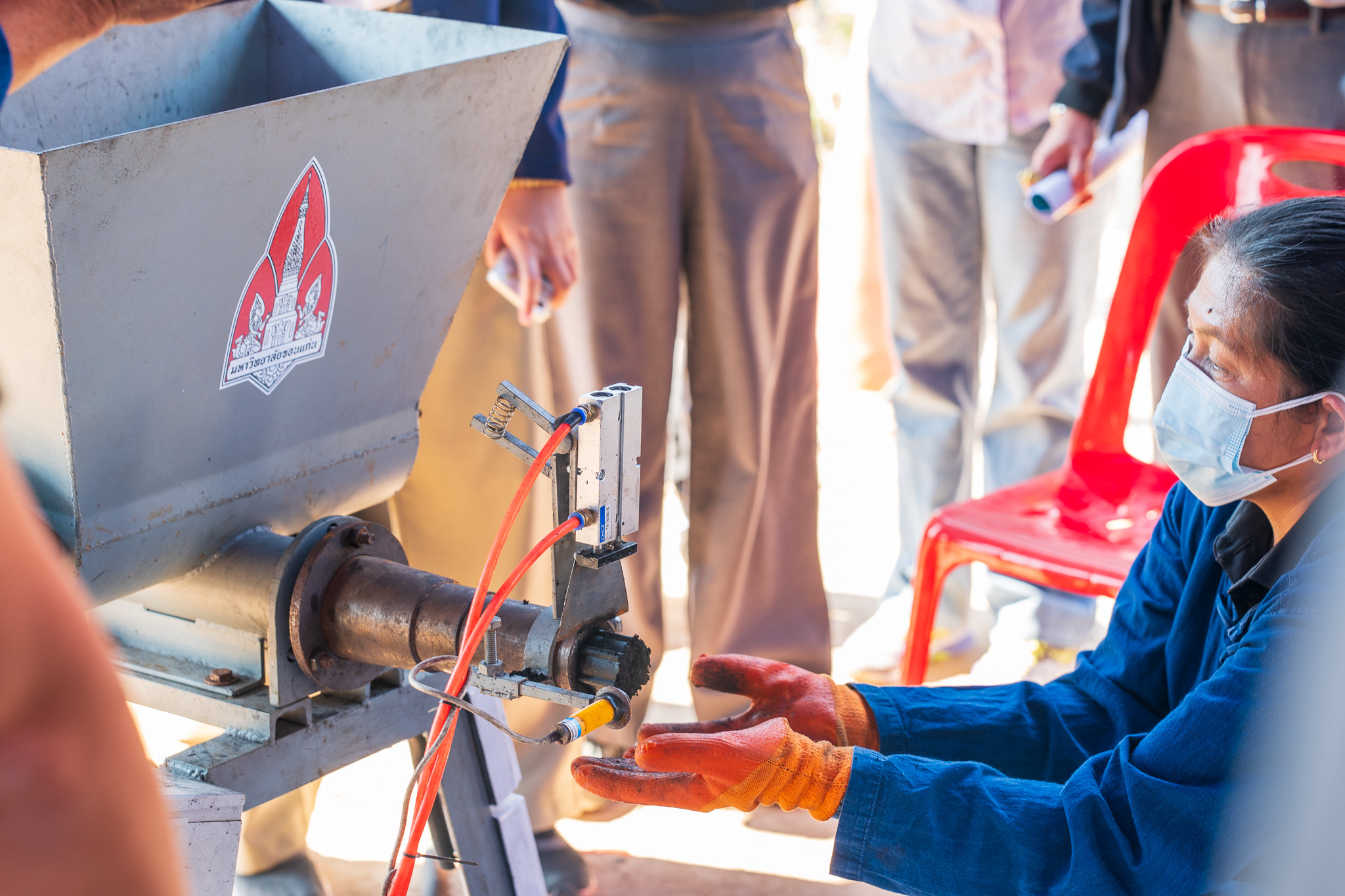
Mr. Naret Chomboon, Director of the Khon Kaen Provincial Office of Natural Resources and Environment, reported on the project’s objectives. He explained that persistent air pollution and PM2.5 problems in Khon Kaen Province, largely resulting from open burning of agricultural residues, have necessitated proactive interventions. The project therefore focuses on transforming agricultural waste, including cassava rhizomes, sugarcane leaves, and rice stubble, into value-added products such as smokeless briquettes and odour-absorbing charcoal, effectively applying a “Waste to Value” management approach.
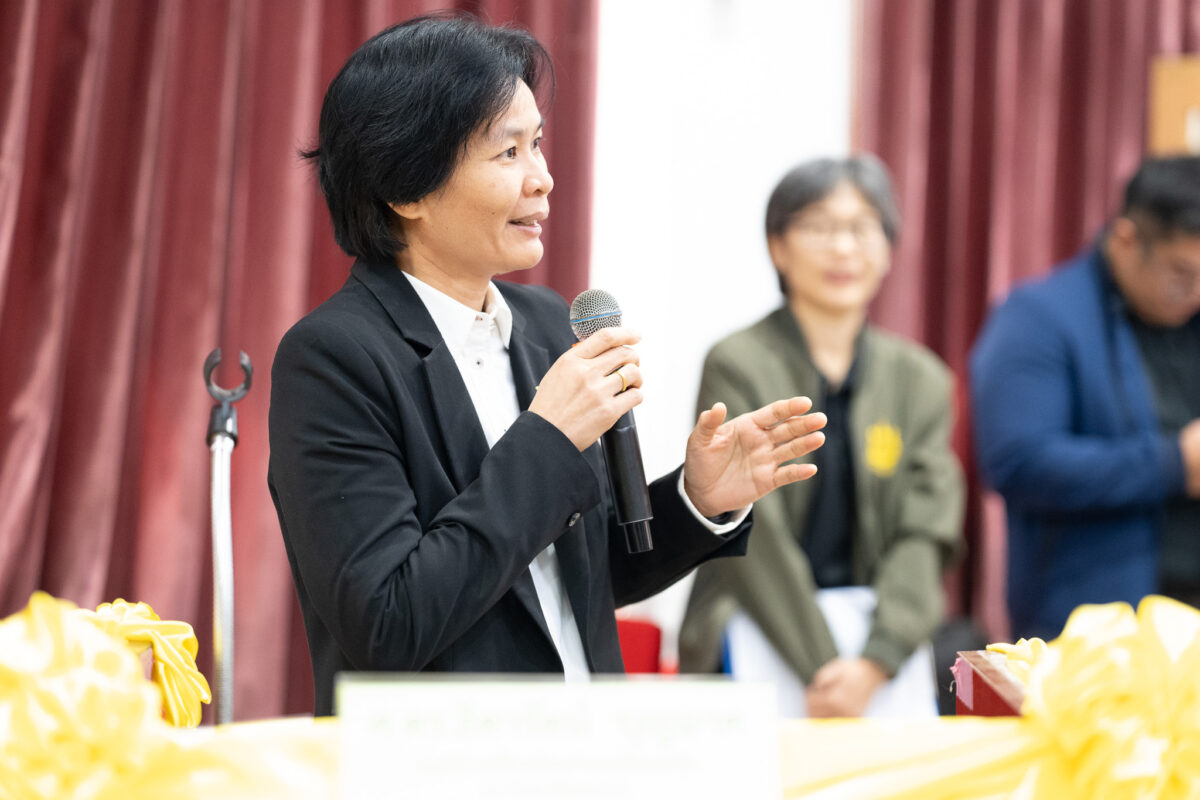
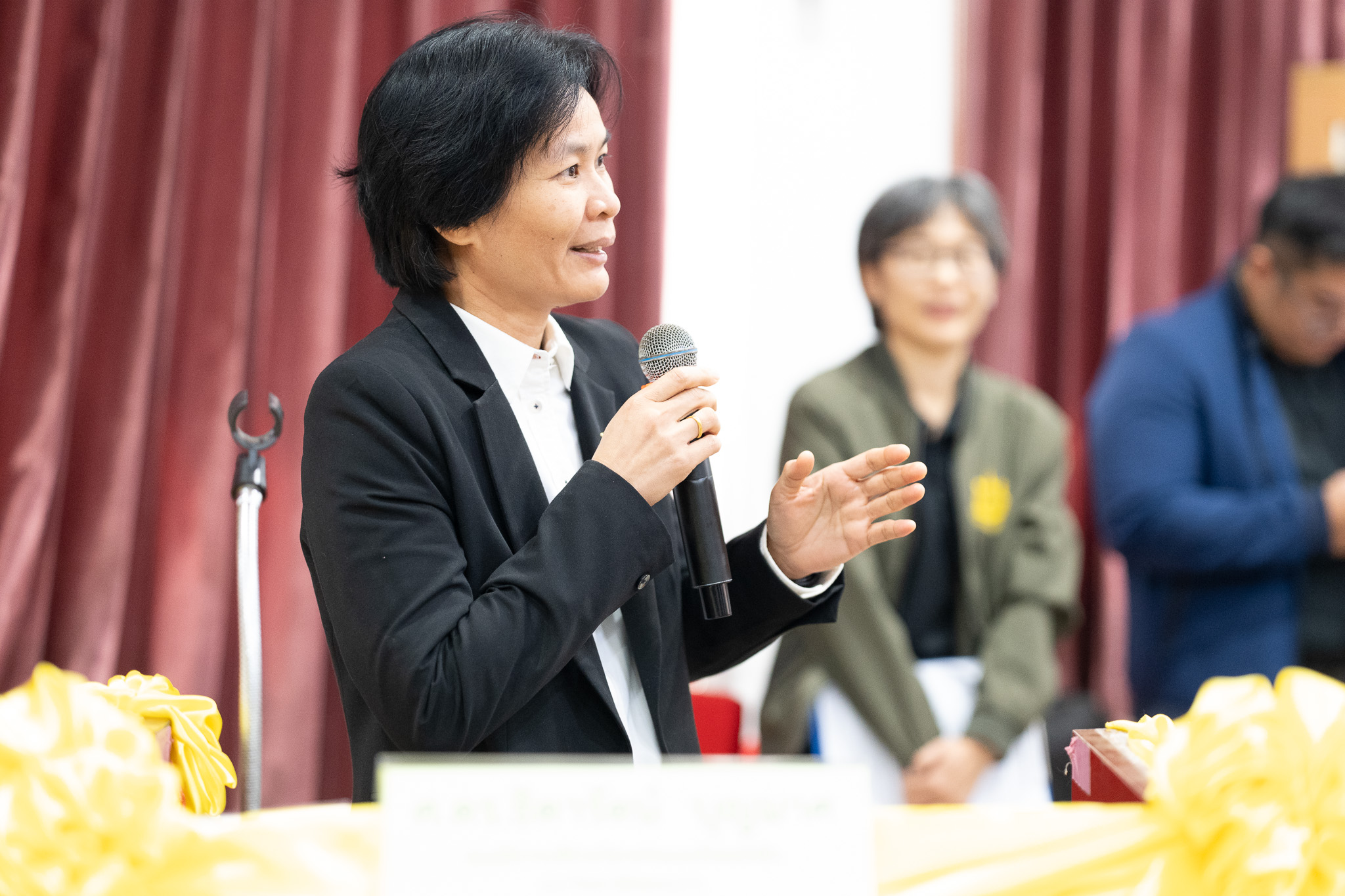
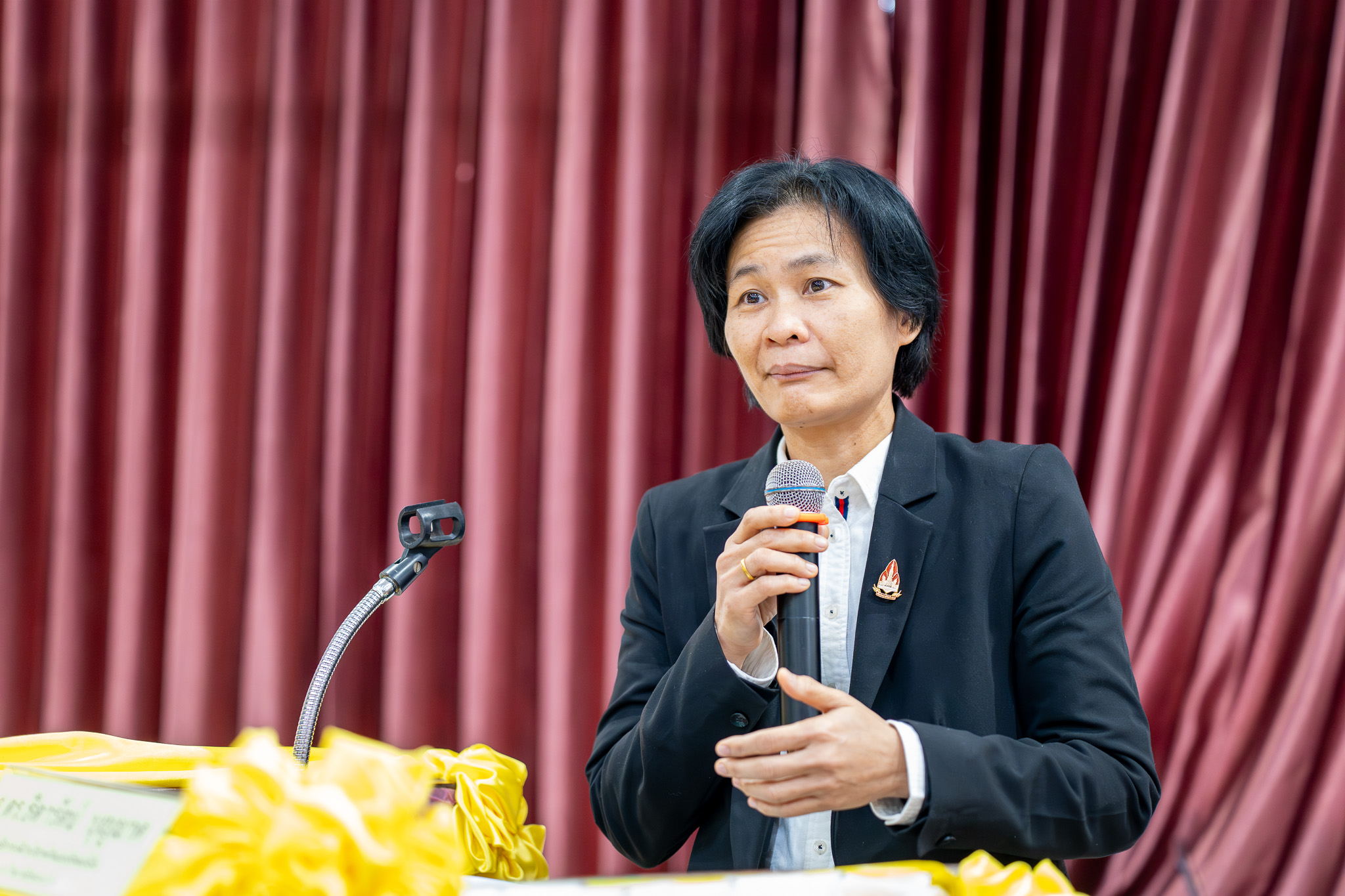
Professor Thidarut Boonmars, D.V.M., Ph.D., Vice President for Enterprise and Societal Sustainability at Khon Kaen University, addressed the university’s role. She emphasised that KKU is committed to transferring knowledge, research, and innovation to local communities to support sustainable development. Ban Kho Municipality has been designated as a model area where the University has continuously implemented integrated initiatives encompassing public health, career promotion, and agricultural development, with the aim of improving quality of life and strengthening long-term community self-reliance.
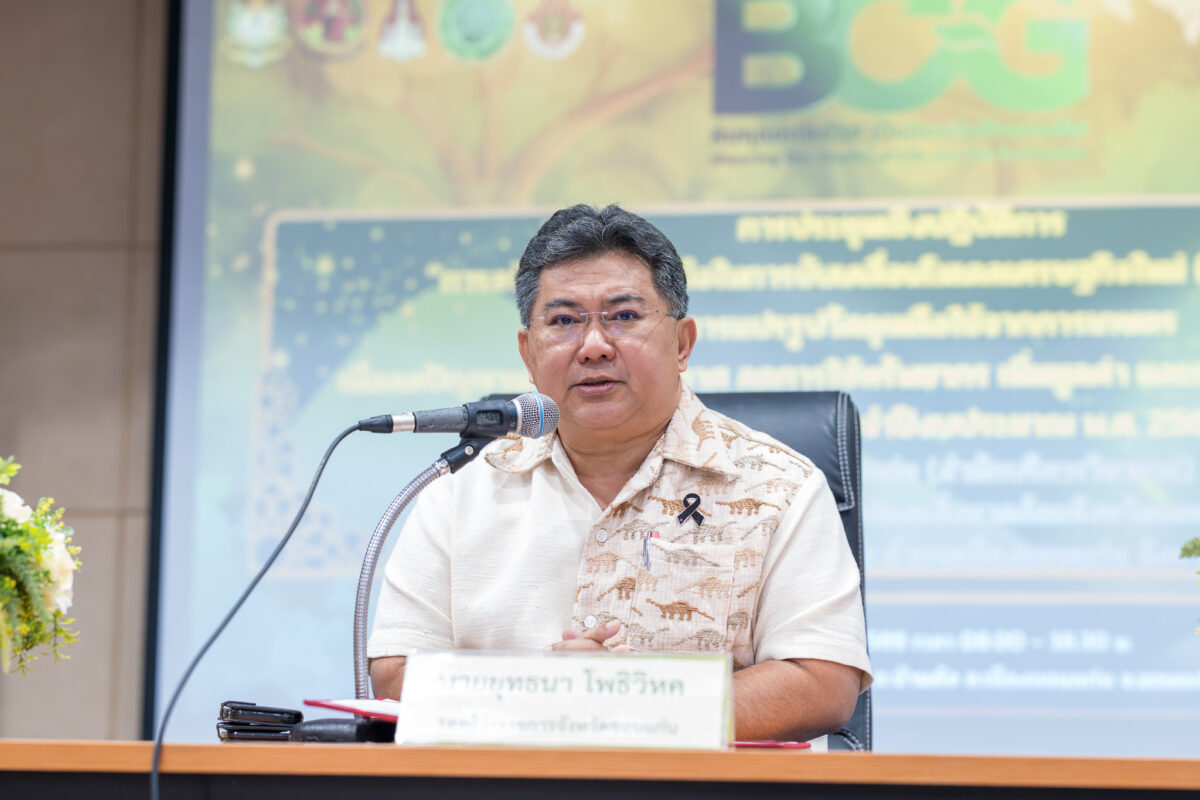
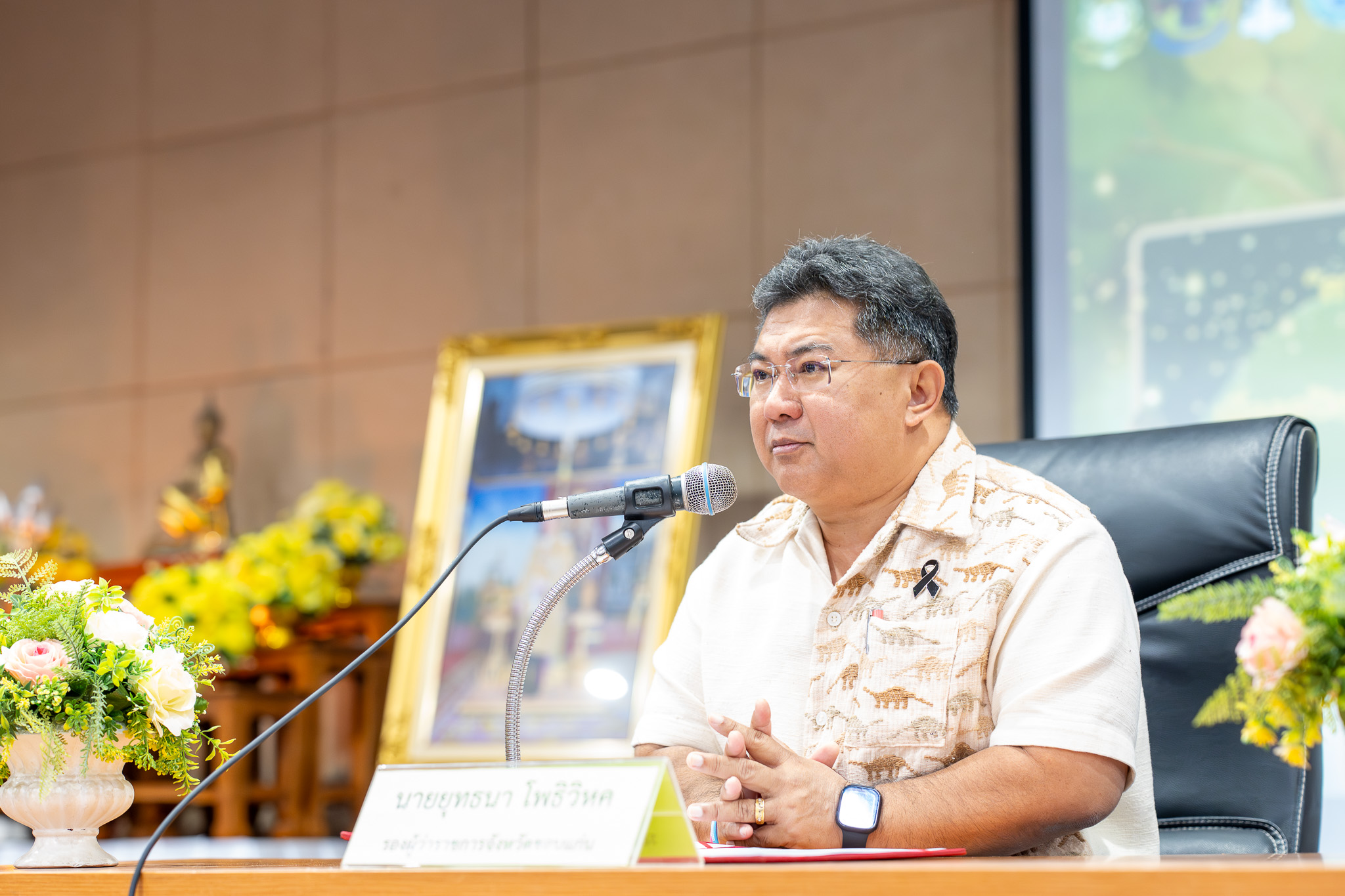
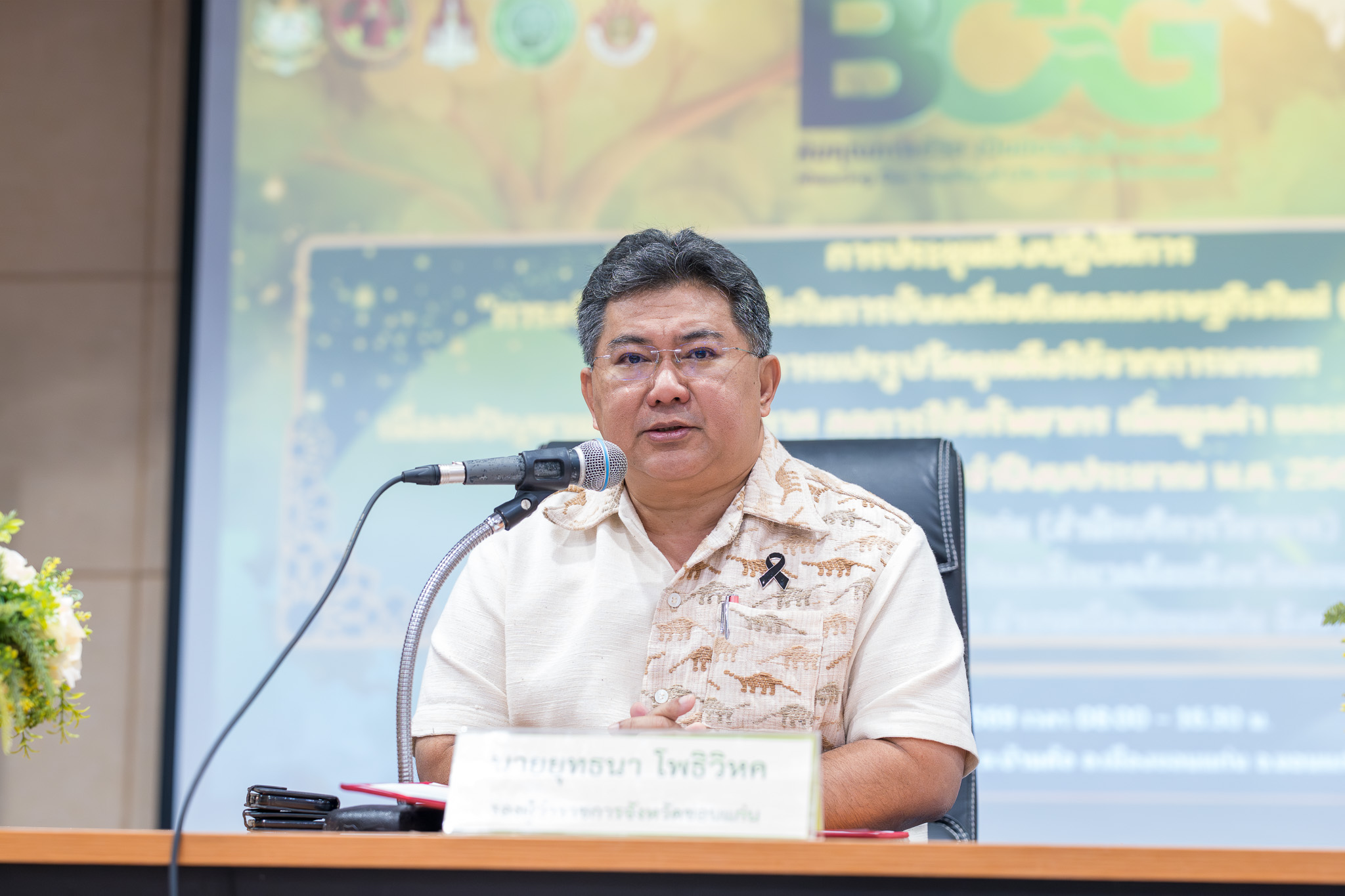
Mr. Yuttana Potiwihok, Vice Governor of Khon Kaen Province, delivered policies and guidelines for driving the Circular Economy. He highlighted the principle of “doing more with less” and maximising natural resource utilisation to minimise environmental impact. He also rallied farmers to recognise the importance of increasing yield per rai to reduce the need for expanding cultivation areas and burning crop residues. This initiative, he noted, represents a key mechanism for driving environmental improvement and societal progress for future generations.
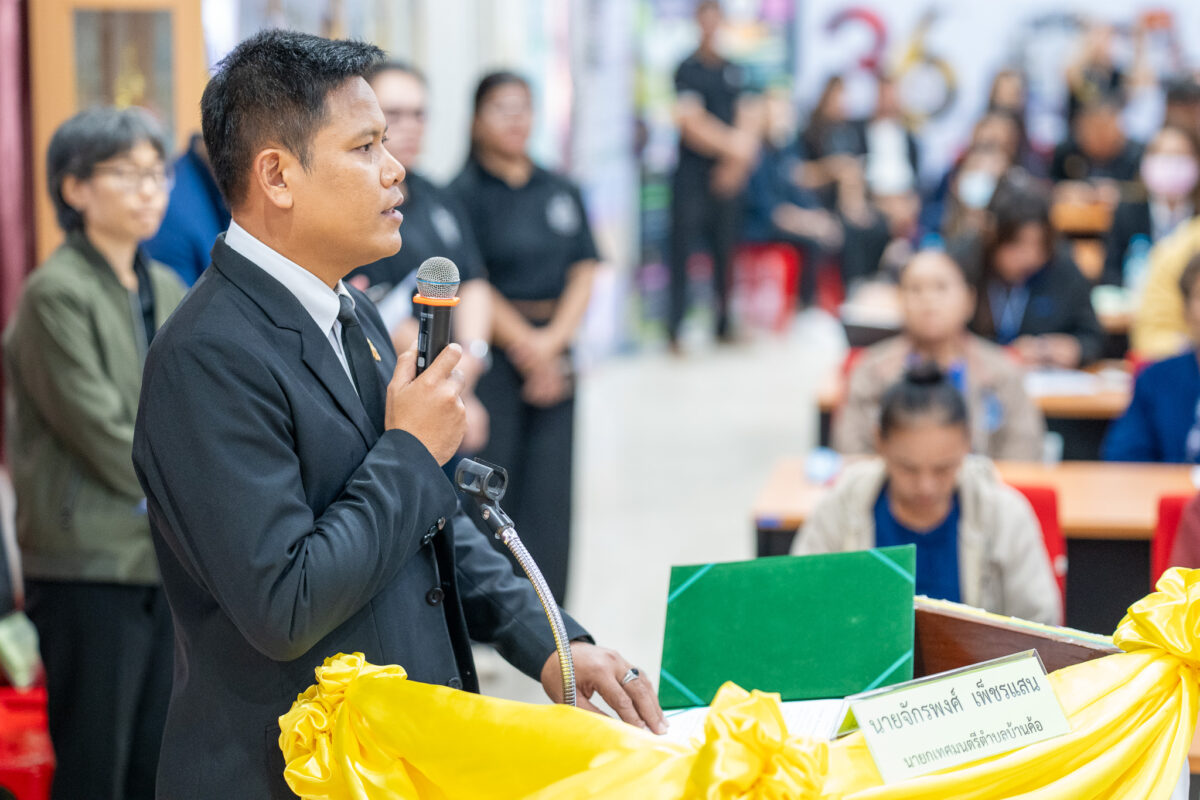
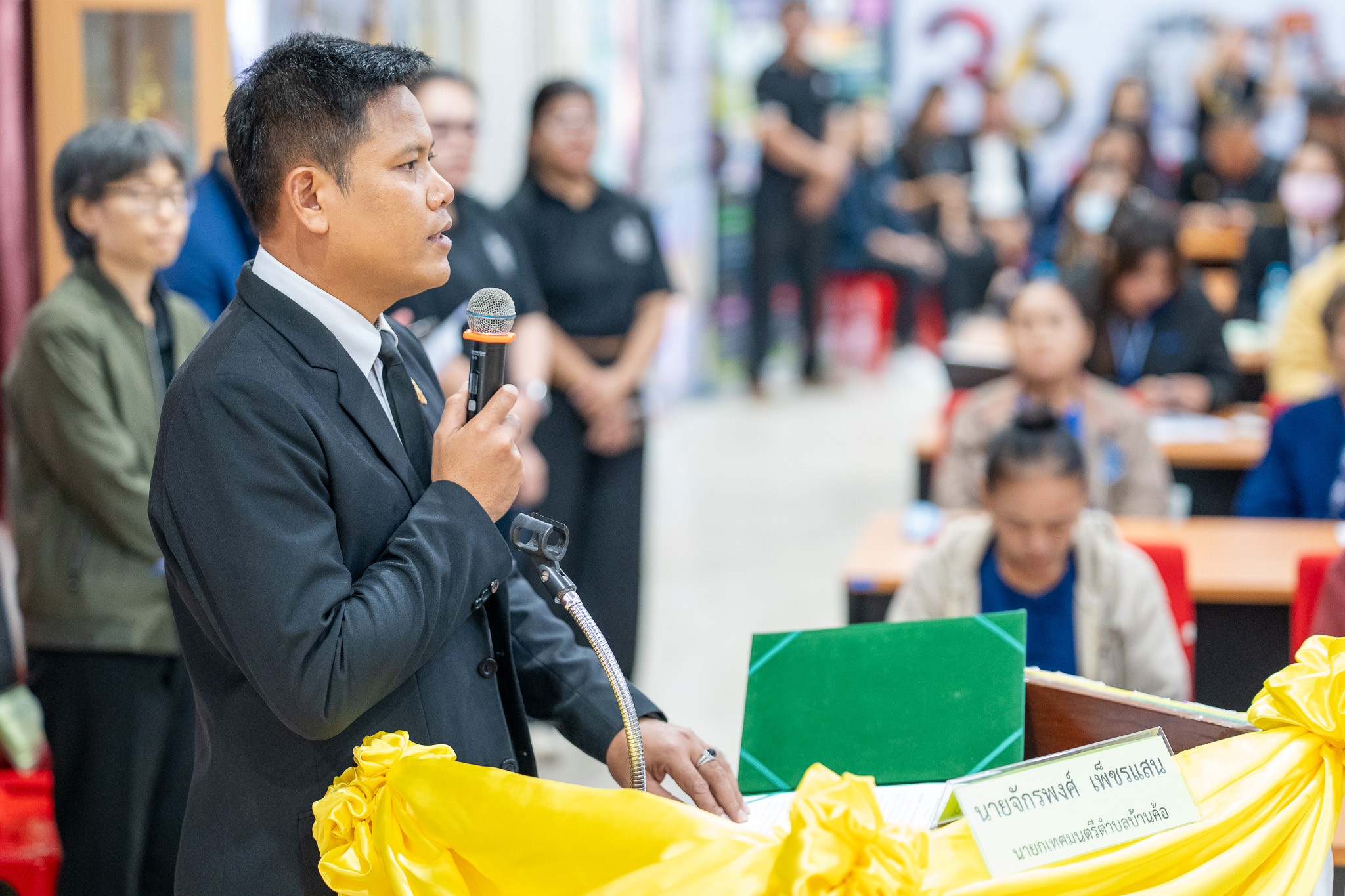
Mr. Jakkapong Phetsaen, Mayor of Ban Kho Subdistrict Municipality, added that the subdistrict contains over 7,000 rai of cassava plantations. Therefore, this project aligns perfectly with the local context and will create new economic opportunities for the area’s 17,000 residents.
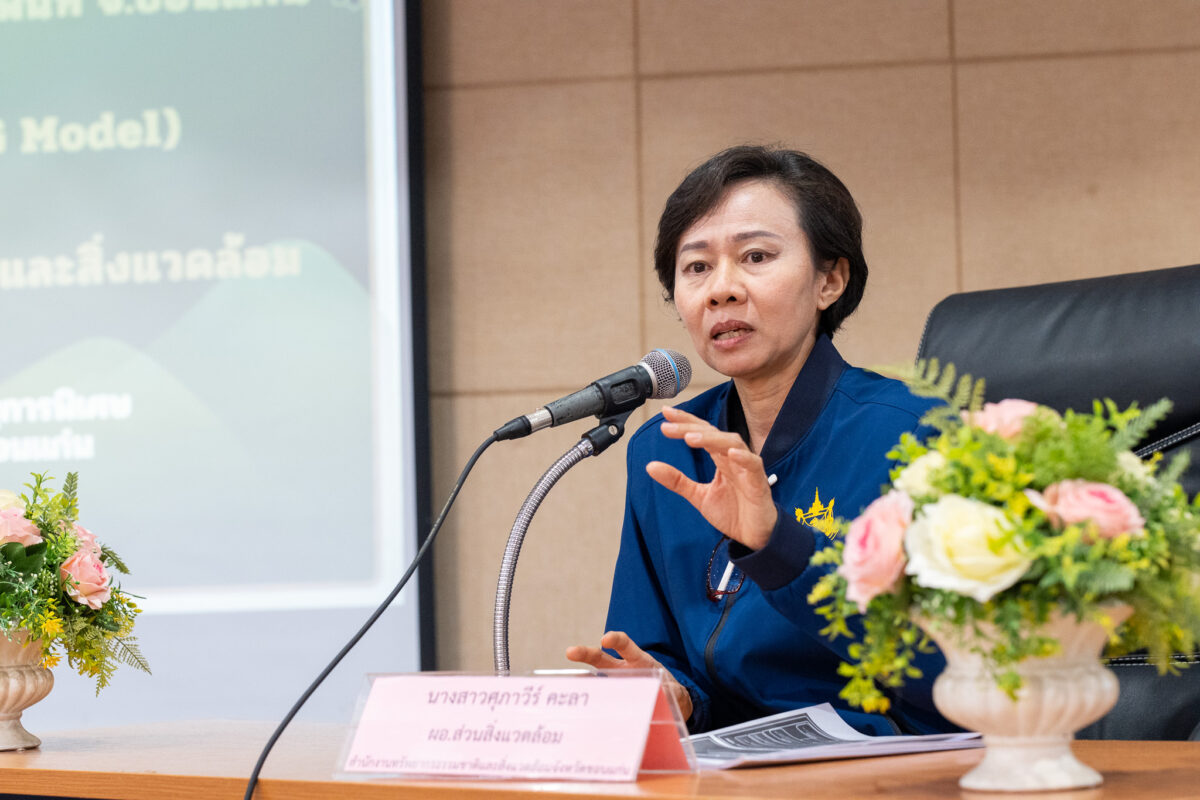
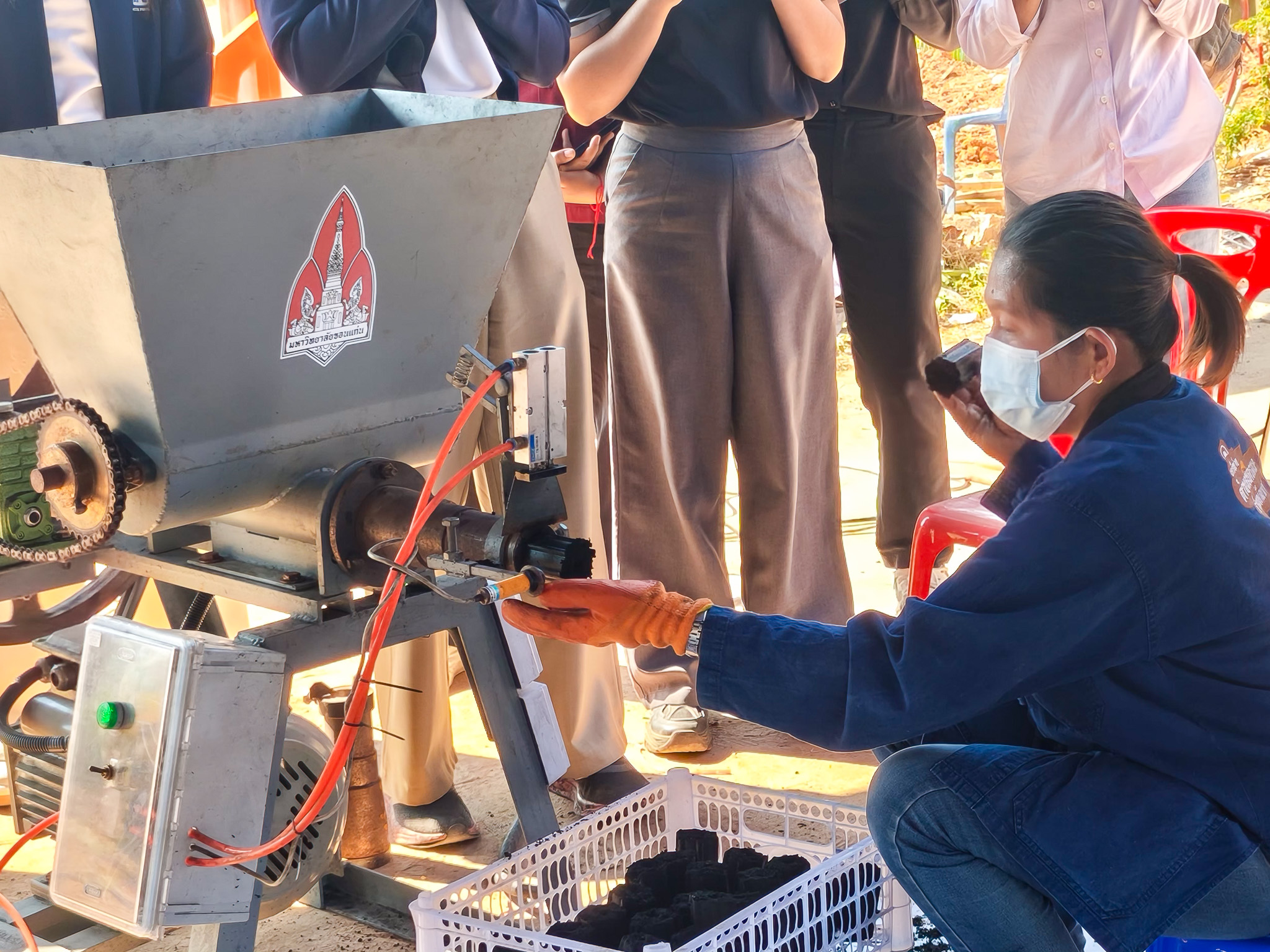
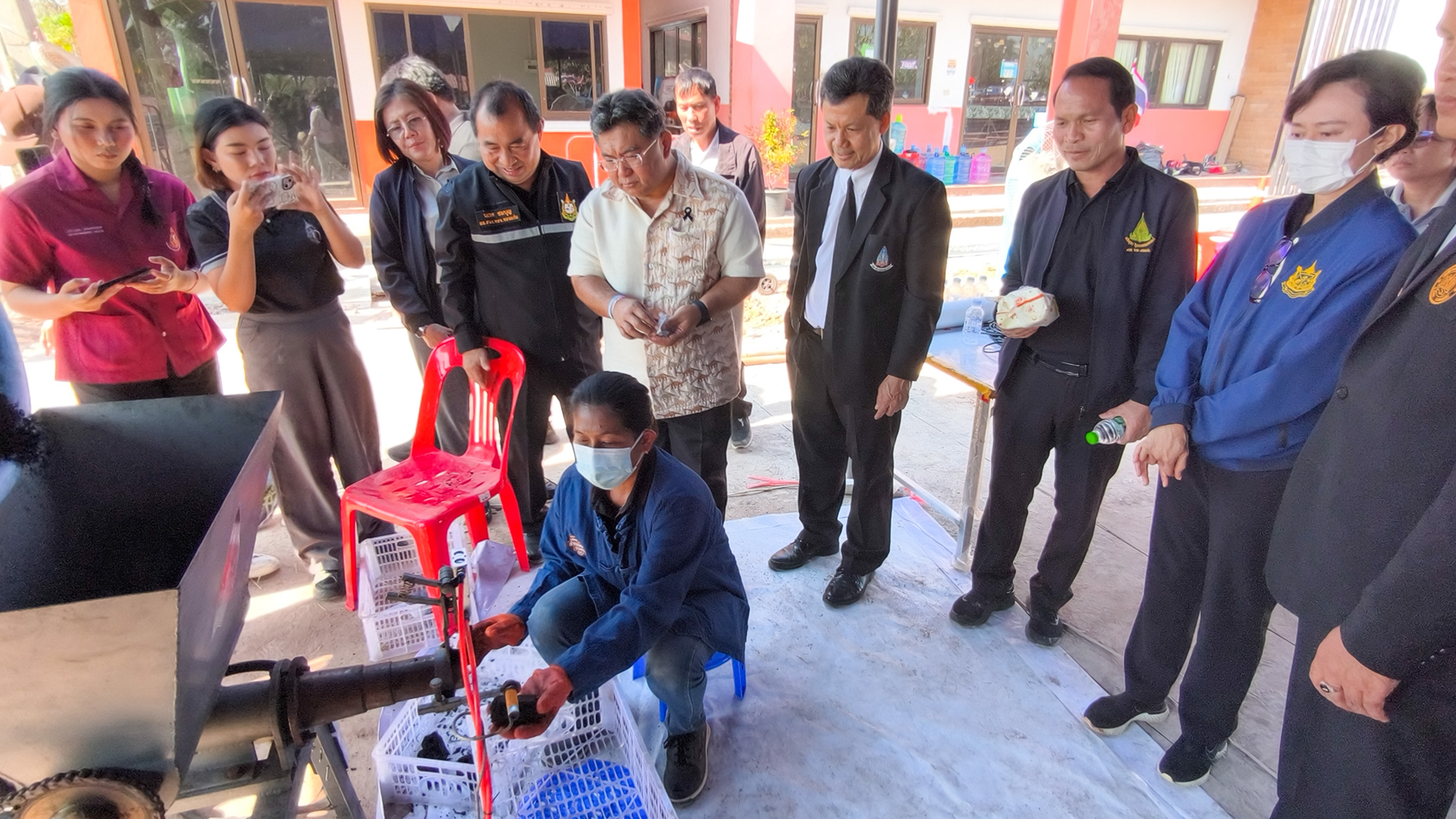
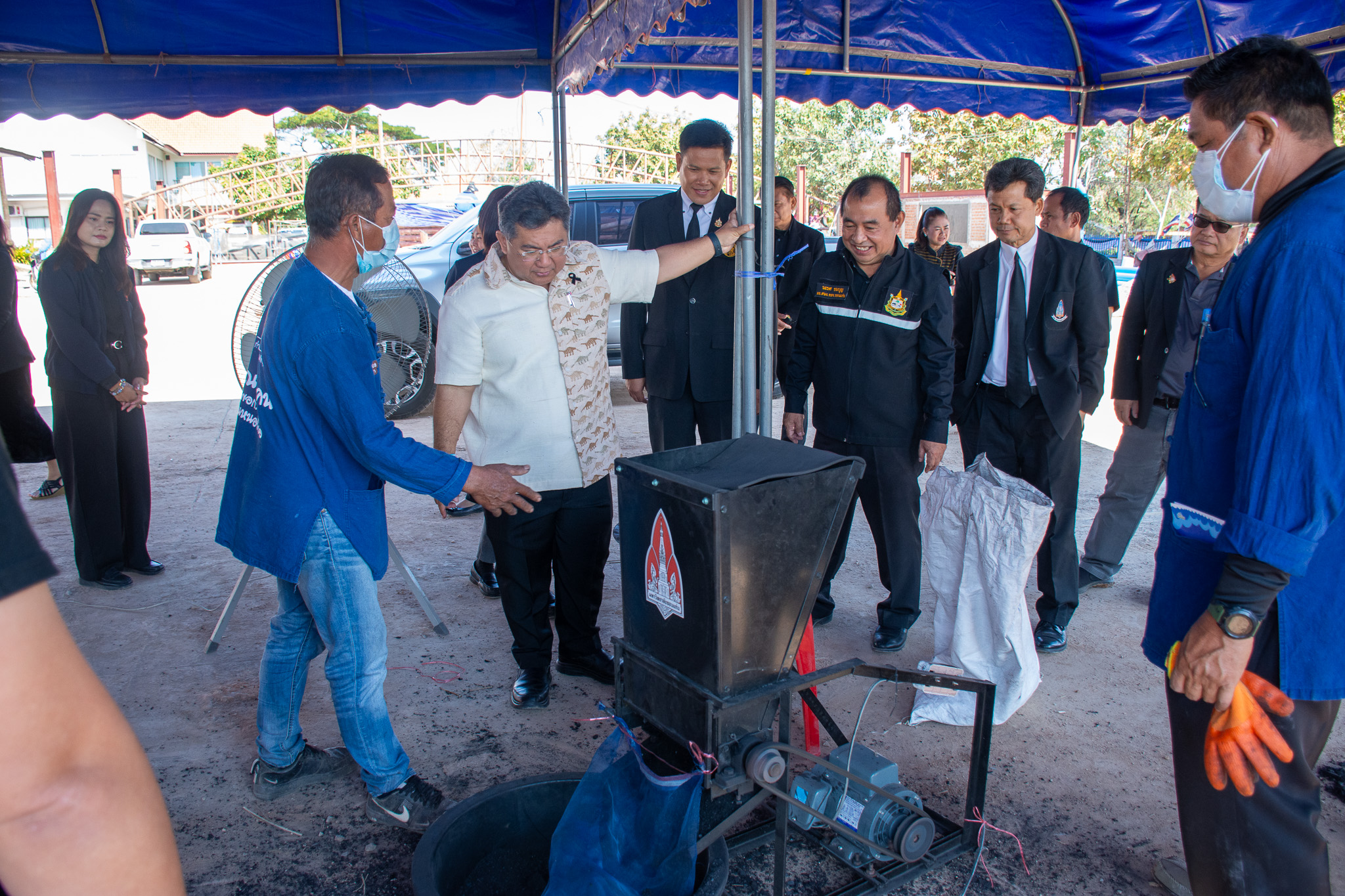
The event also featured a special lecture on hotspot monitoring and its impact on air quality, followed by hands-on workshops on agricultural waste processing. Expert speakers from Khon Kaen University and private sector partners demonstrated technologies for producing smokeless briquettes and odour-absorbing charcoal, enabling farmers to apply these skills for vocational development and supplementary income generation.