Khon Kaen University is systematically strengthening its risk management framework, ensuring comprehensive coverage across all operational dimensions. This critical advancement enhances organisational readiness to address uncertainties affecting strategy, operations, finance, and legal and regulatory compliance. The initiative directly supports KKU’s strategic ambition to become a Smart and Sustainable University, underpinned by good governance, innovation, and sustainability.
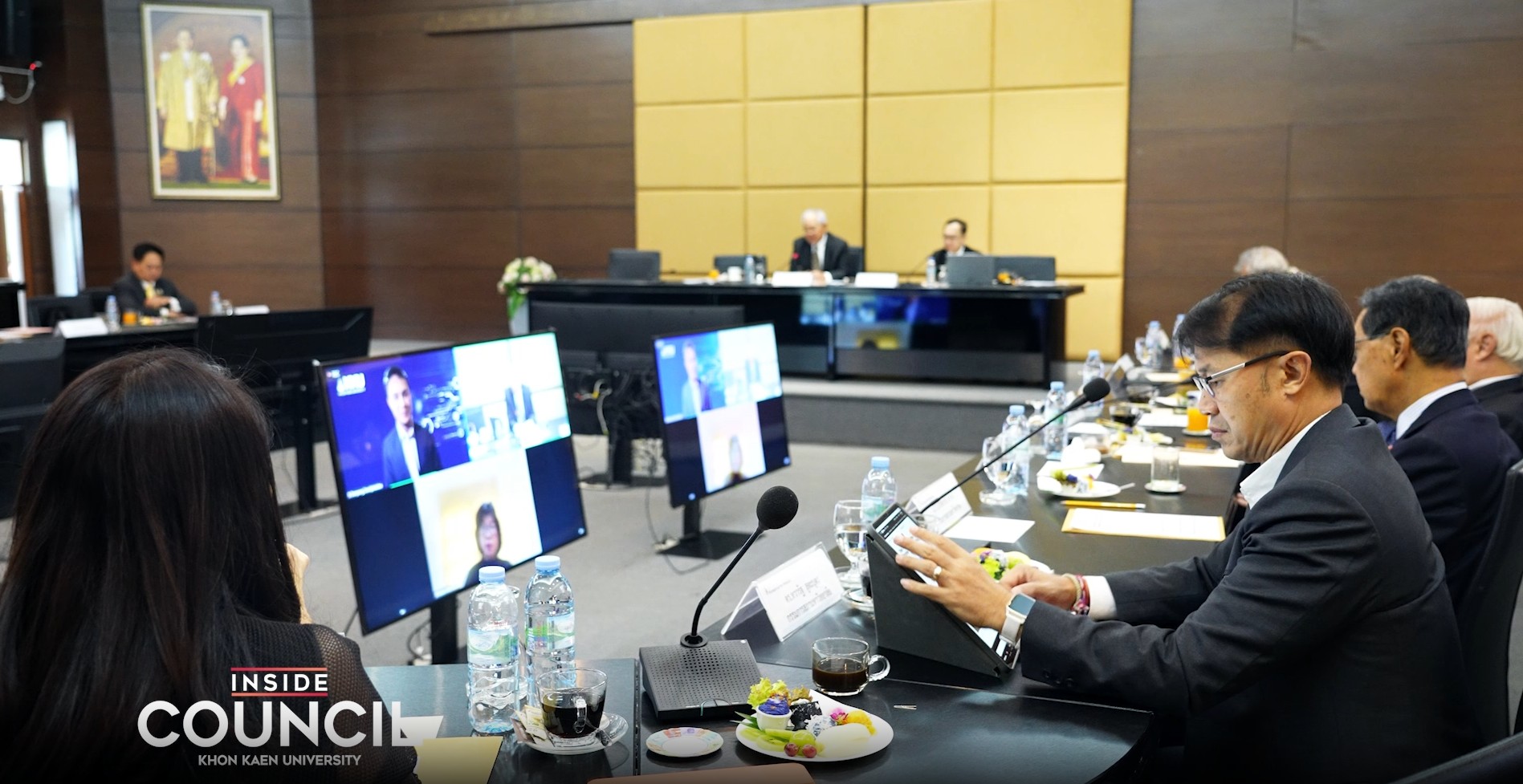
Khon Kaen University convened the University Council’s 1/2569 Meeting on 7 January 2026, held in the Sarasin Meeting Room, Sirikunakorn Building. The Council considered several key agendas, one of which was the presentation of the Risk Management Plan for the 2026 fiscal year. This plan was presented by Associate Professor Thanachart Numnonda, Chairman of the Risk Management Committee, and reflects the university’s commitment to efficient, transparent, and verifiable organisational management practices.
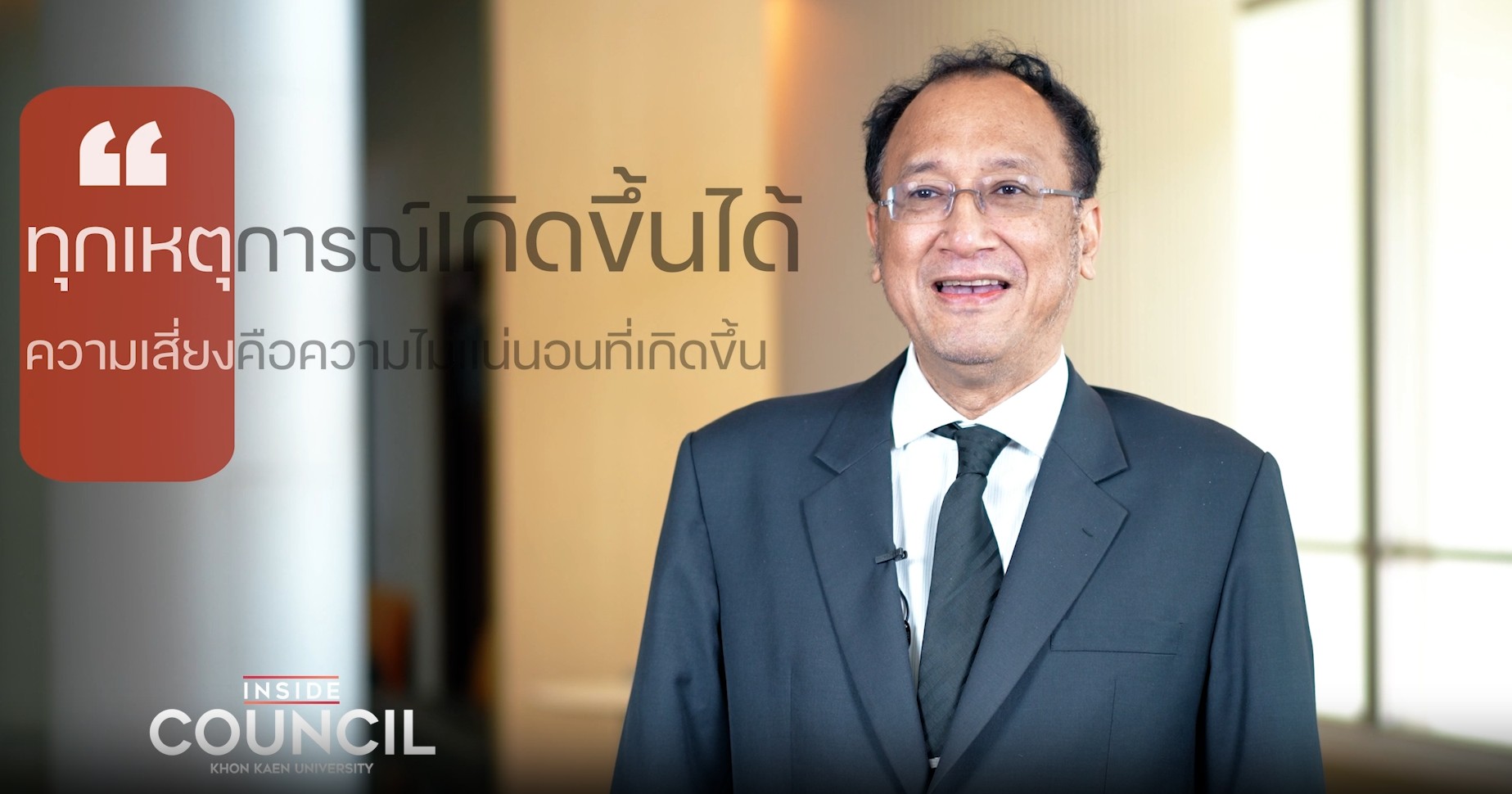
Associate Professor Thanachart Numnonda revealed that the university’s risk management adheres to the principles of higher education governance. The University Council has established a policy-level Risk Management Committee alongside an operational-level Implementation Committee. Together, these bodies define strategic direction, monitor progress, and mitigate potential impacts stemming from risks at every level of the organisation.
Despite facing multiple challenges in recent years, Khon Kaen University’s clear and structured risk management system has enabled the institution to manage situations effectively, minimise reputational impact, and strengthen public confidence, in alignment with ESG (Environmental, Social, and Governance) principles.


At present, risks affecting the University’s image primarily stem from legal or regulatory non-compliance by personnel and students, in addition to growing threats from cybercrime. Consequently, the university places significant emphasis on proactive prevention and surveillance. Efforts focus on building comprehensive understanding of compliance through continuous training and development for personnel, which corresponds directly with Sustainable Development Goal (SDG) 16: Peace, Justice, and Strong Institutions.


Regarding operational risks, Khon Kaen University prioritises the safety of life and property for students, staff, and service users. This includes specific focus areas such as accident prevention, traffic regulation within the campus, and ensuring student mental health through close monitoring and counselling services. These operational efforts link directly to SDG 3: Good Health and Well-being, and SDG 11: Sustainable Cities and Communities.
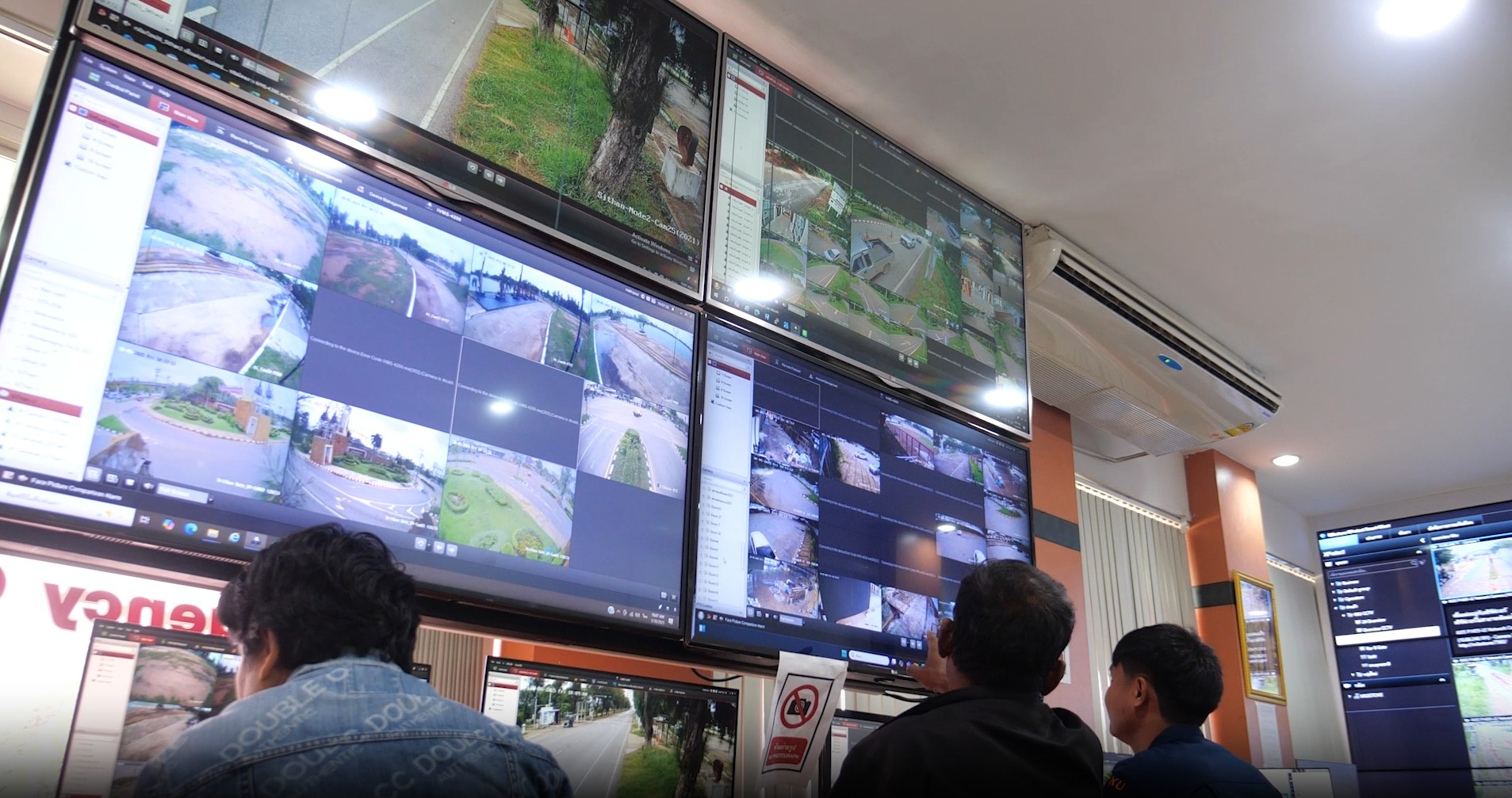
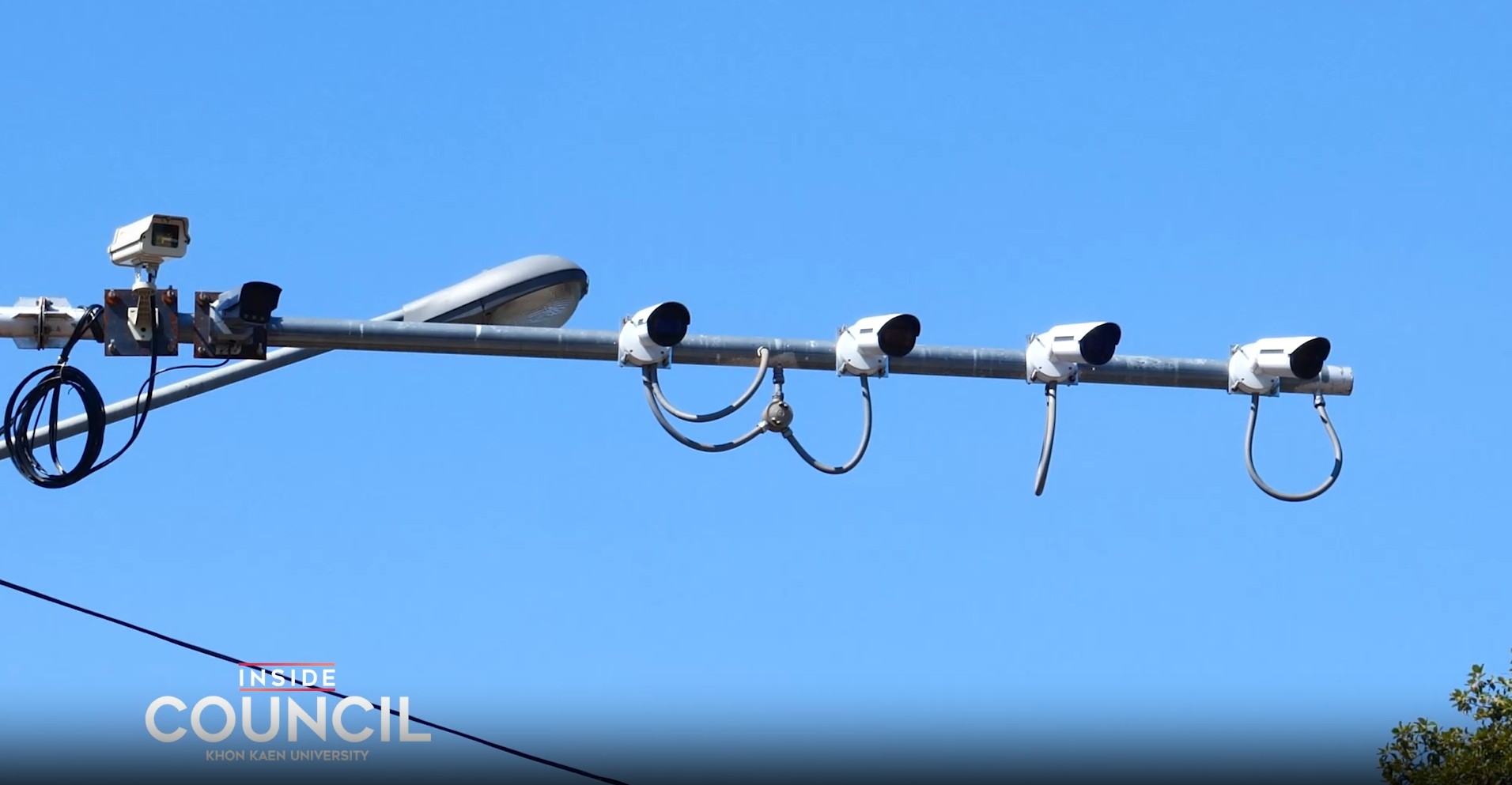
The Chairman of the Risk Management Committee further stated that over the past two to three years, the university has successfully established a concrete culture of risk awareness at both the policy and operational levels. This success has facilitated effective collaboration between the University Council, executives, and personnel across all segments, which is considered a vital foundation for sustainable organisational development, consistent with SDG 4: Quality Education and the university’s human resource development strategy.
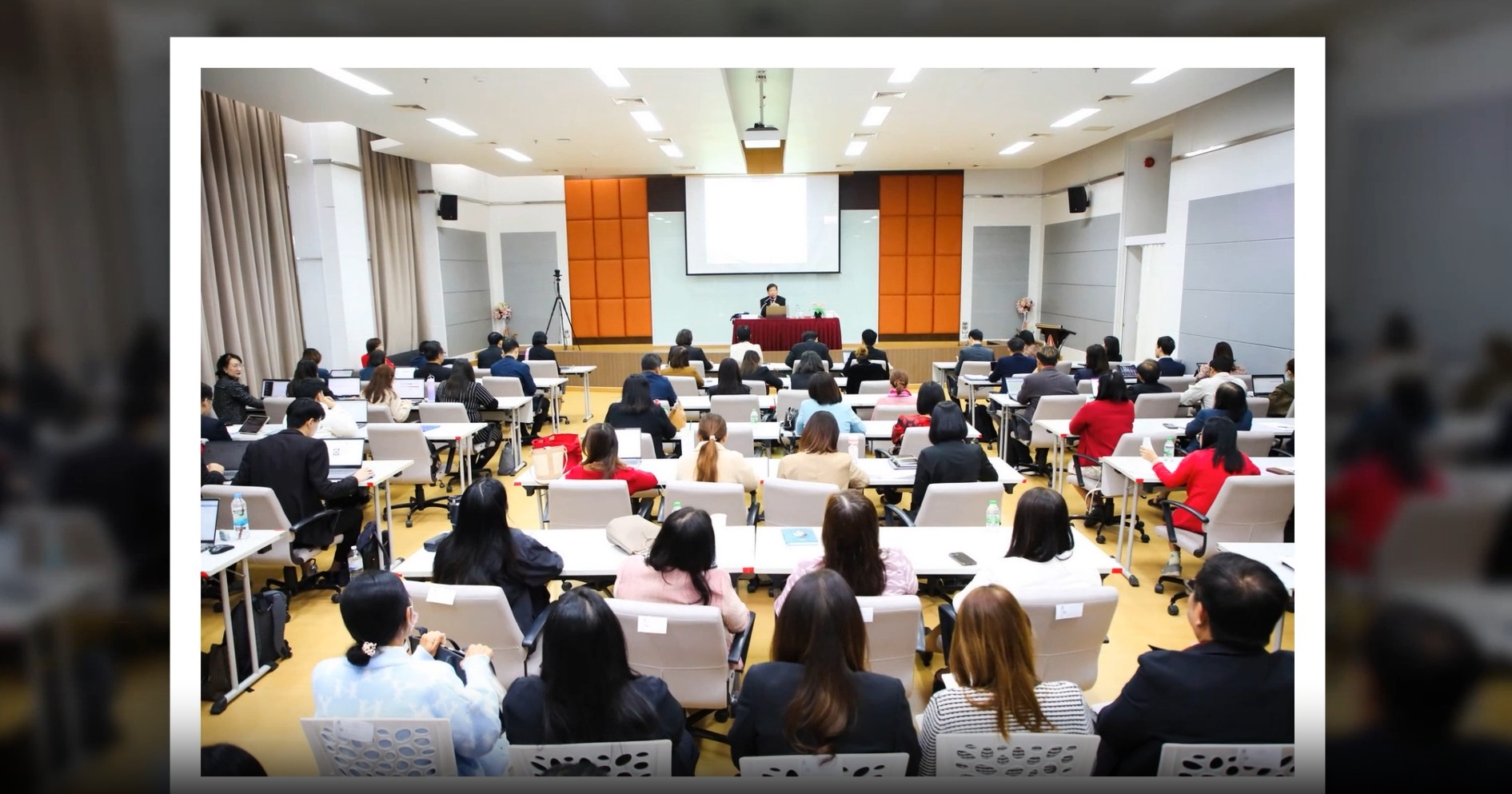

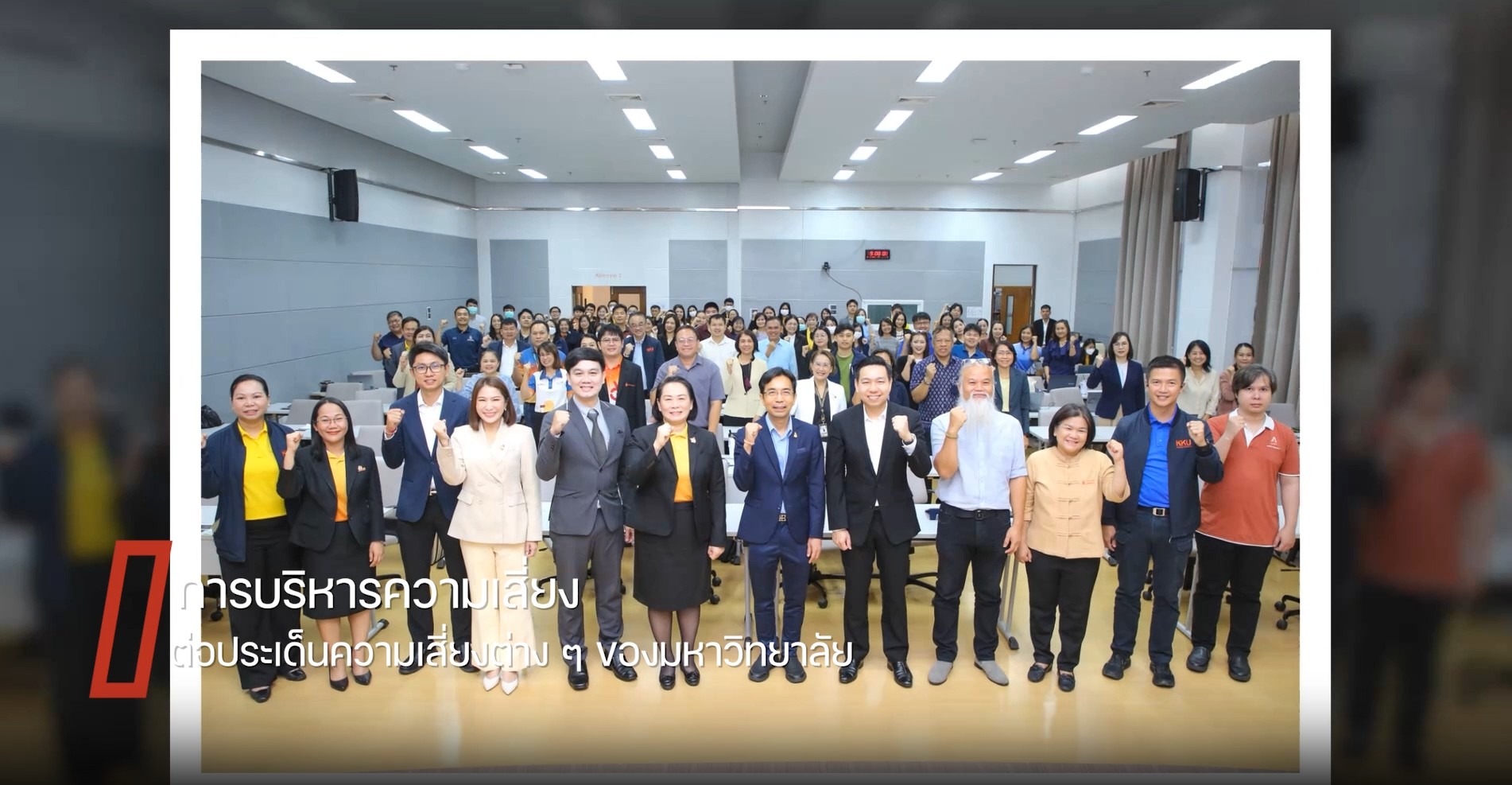
“Risk management is not merely about preventing problems; it is about building trust within society,” Associate Professor Thanachart concluded. “If everyone cooperates, adheres to regulations, and carries out their responsibilities, we will significantly reduce potential losses, enhance our positive image, and elevate the long-term value of Khon Kaen University graduates.”
News: Benjamaporn Mamook
Photos: Atthaphon Hampong / Nattapong Chamnanea / Chaicharn Lada