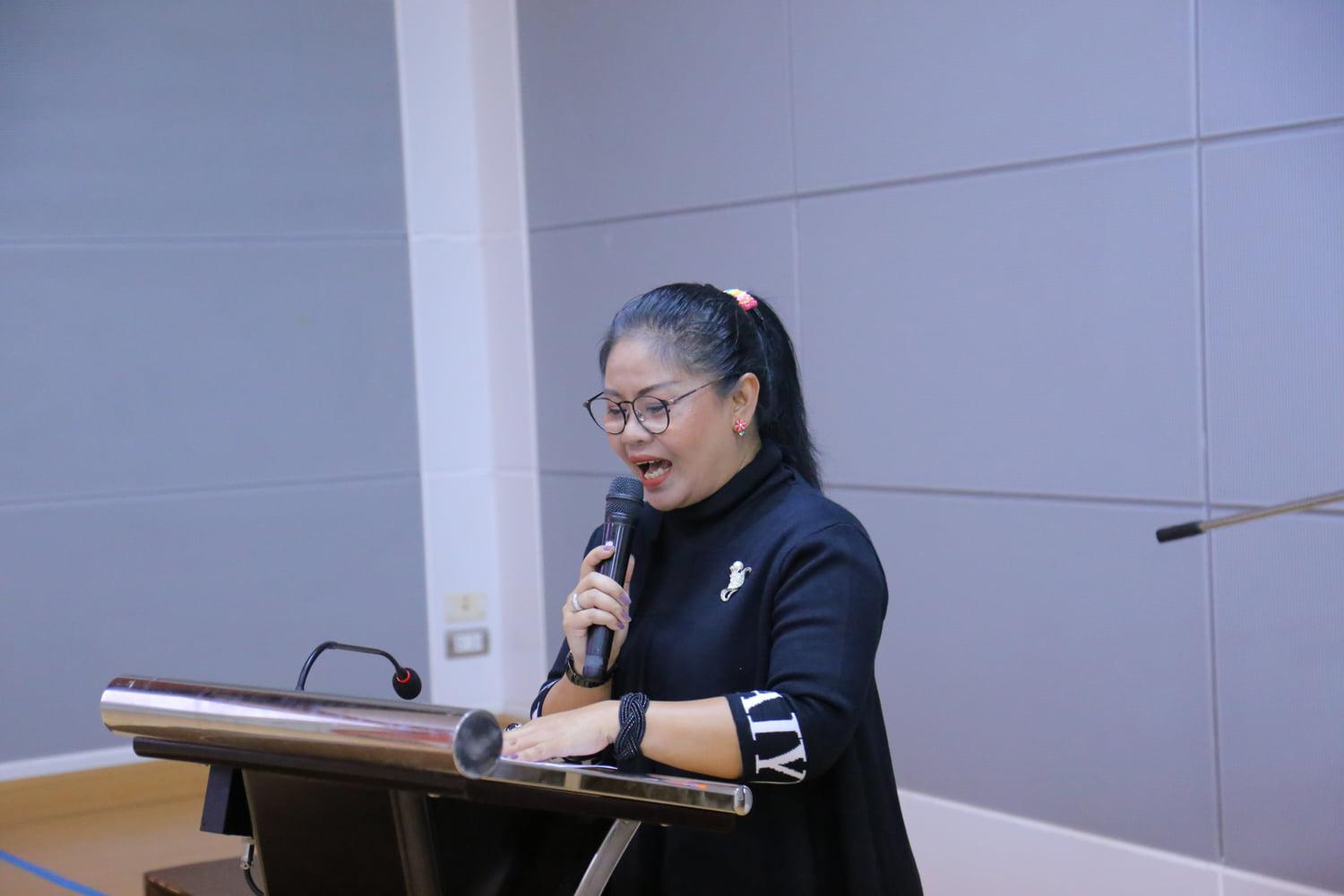

Khon Kaen University hosted an intensive workshop on the Integrity and Transparency Assessment framework to equip university executives and personnel with the legal knowledge and ethical standards required to foster a transparent institutional culture.
Khon Kaen University organized an institutional development workshop under the topic “Applying Integrity and Transparency Assessment (ITA) Principles to Organisational Development”. The project aimed to promote moral integrity and transparency while strengthening knowledge and understanding of relevant laws, regulations, ethical standards, and good governance. The initiative sought to elevate the

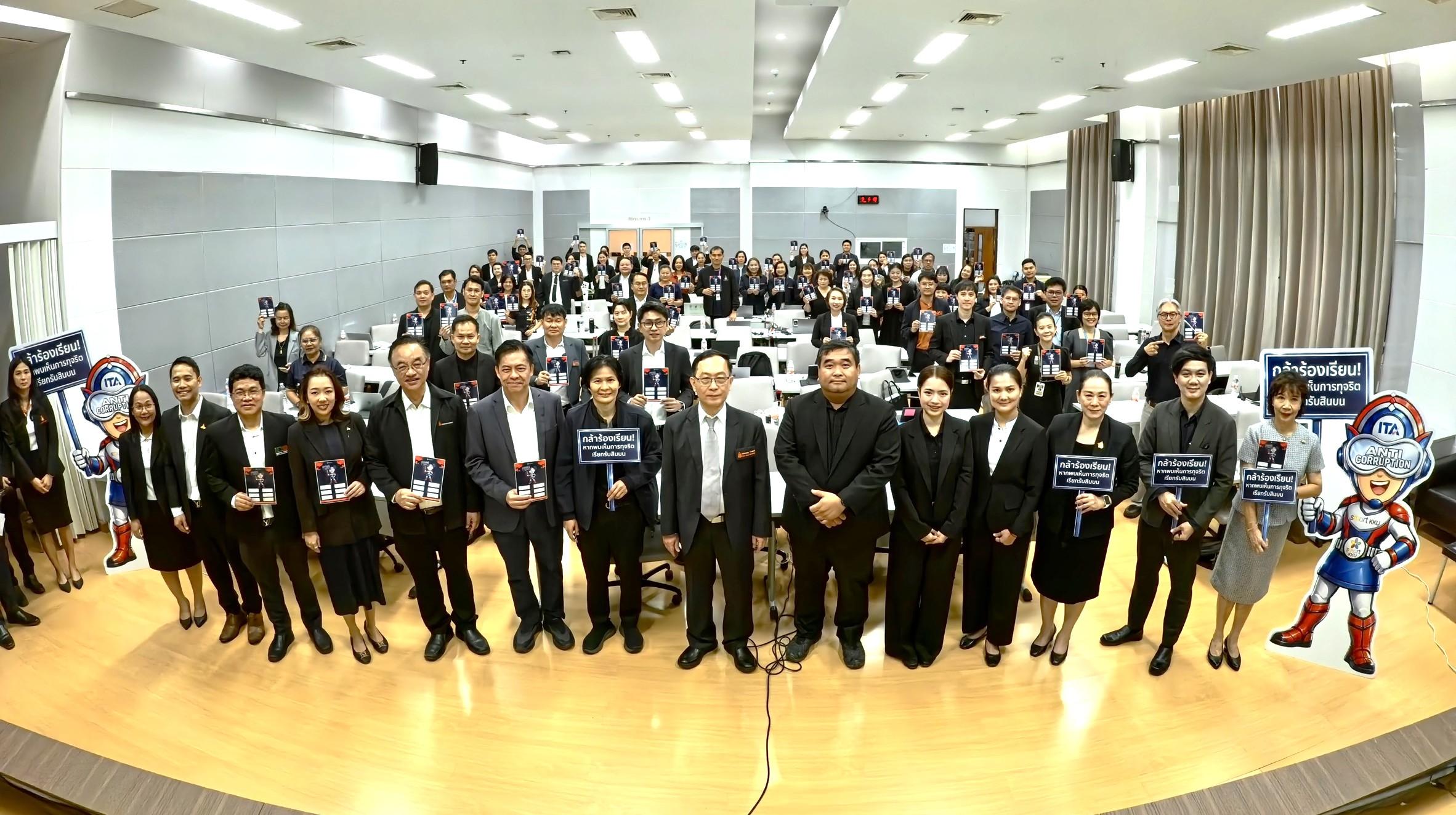
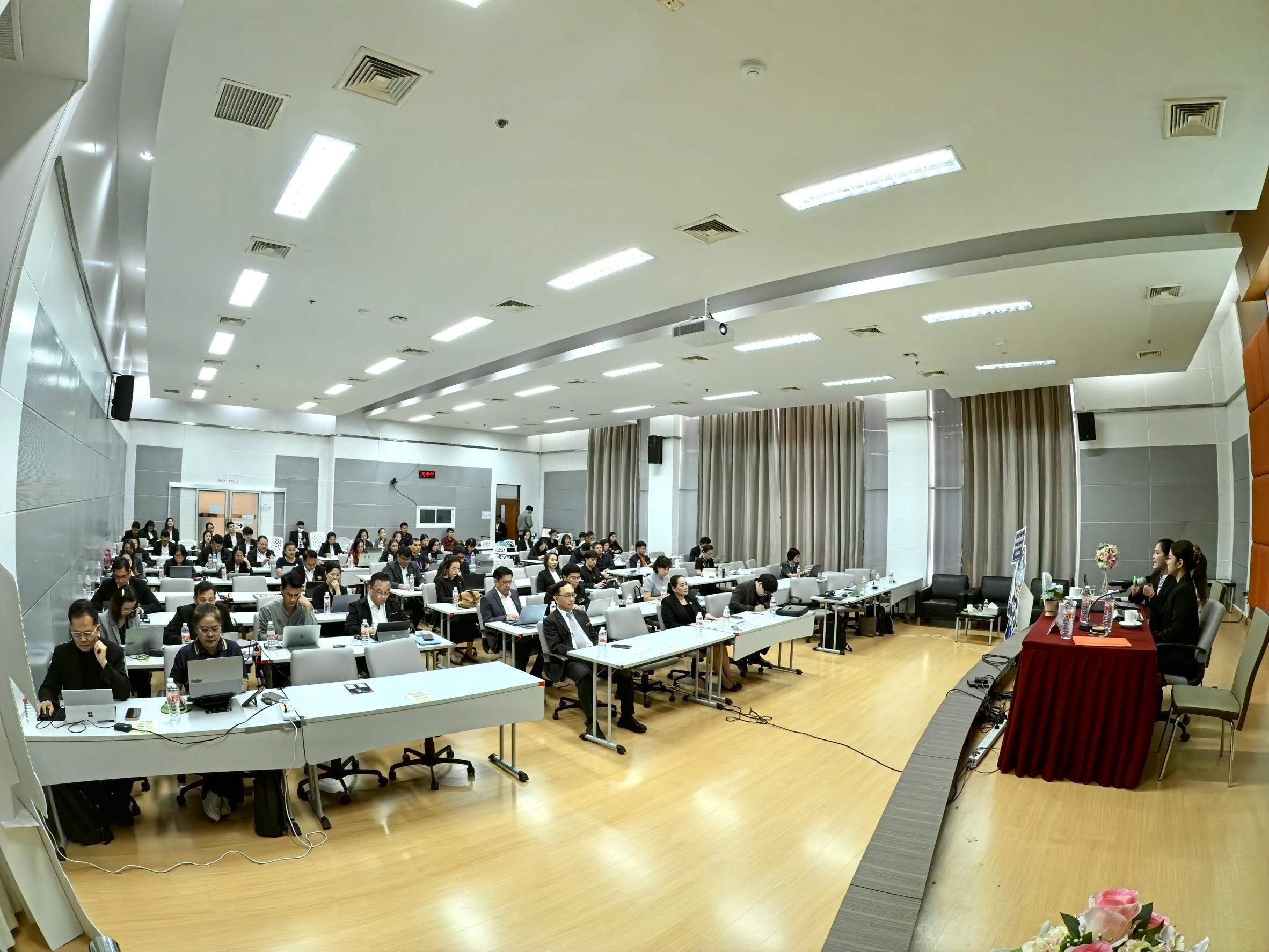
The training took place on 11 June 2026, from 08:30 to 16:30 hrs, at Sirikunakorn Room 3, Sirikunakorn Building, Khon Kaen University. The event was jointly organised by the Section of Legal and Corporate Communications and the Legal Division of the Office of the President. Assoc. Prof. Charnchai Panthongviriyakul, M.D., President of Khon Kaen University, honoured the event by delivering the opening address.
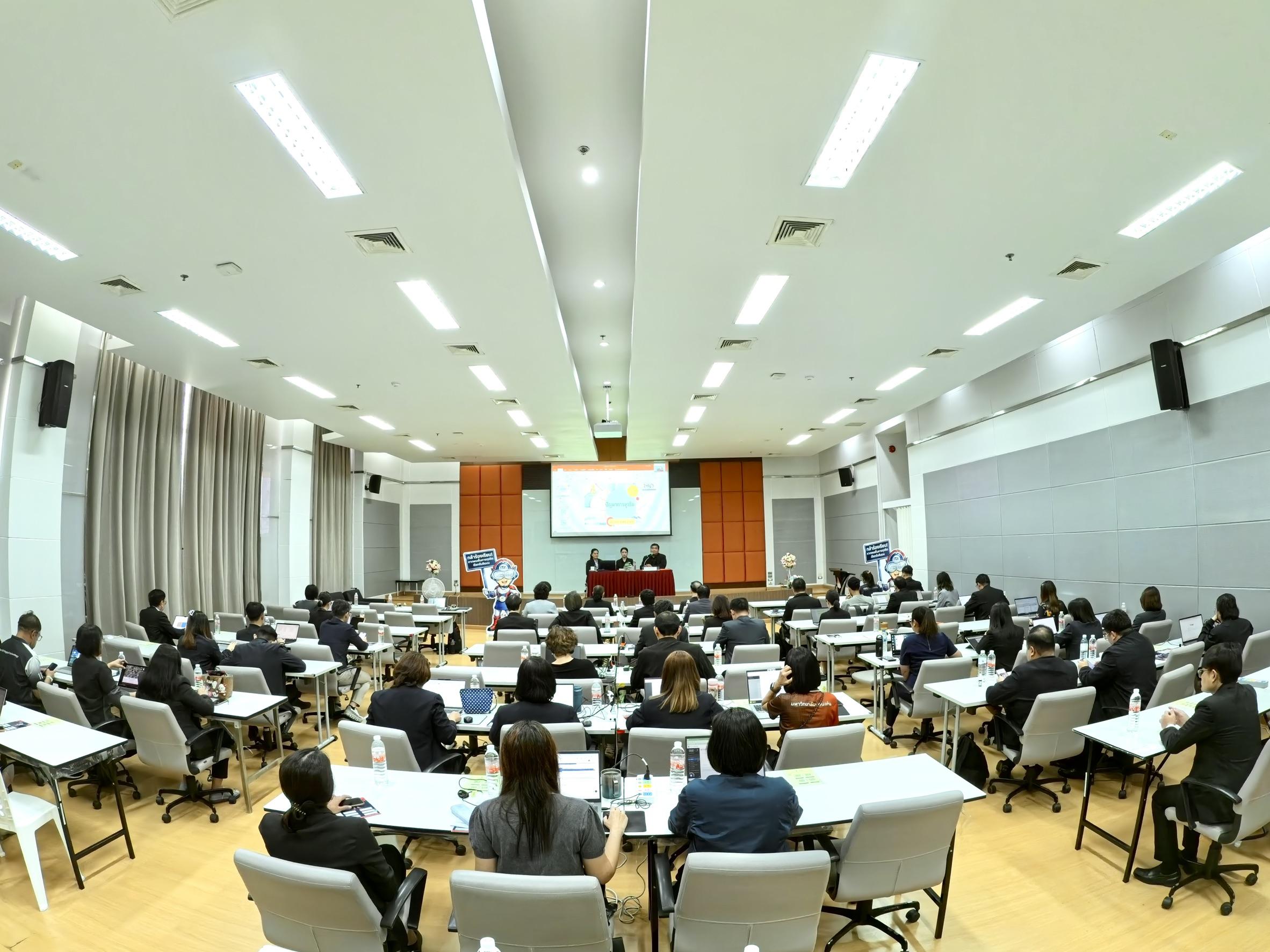
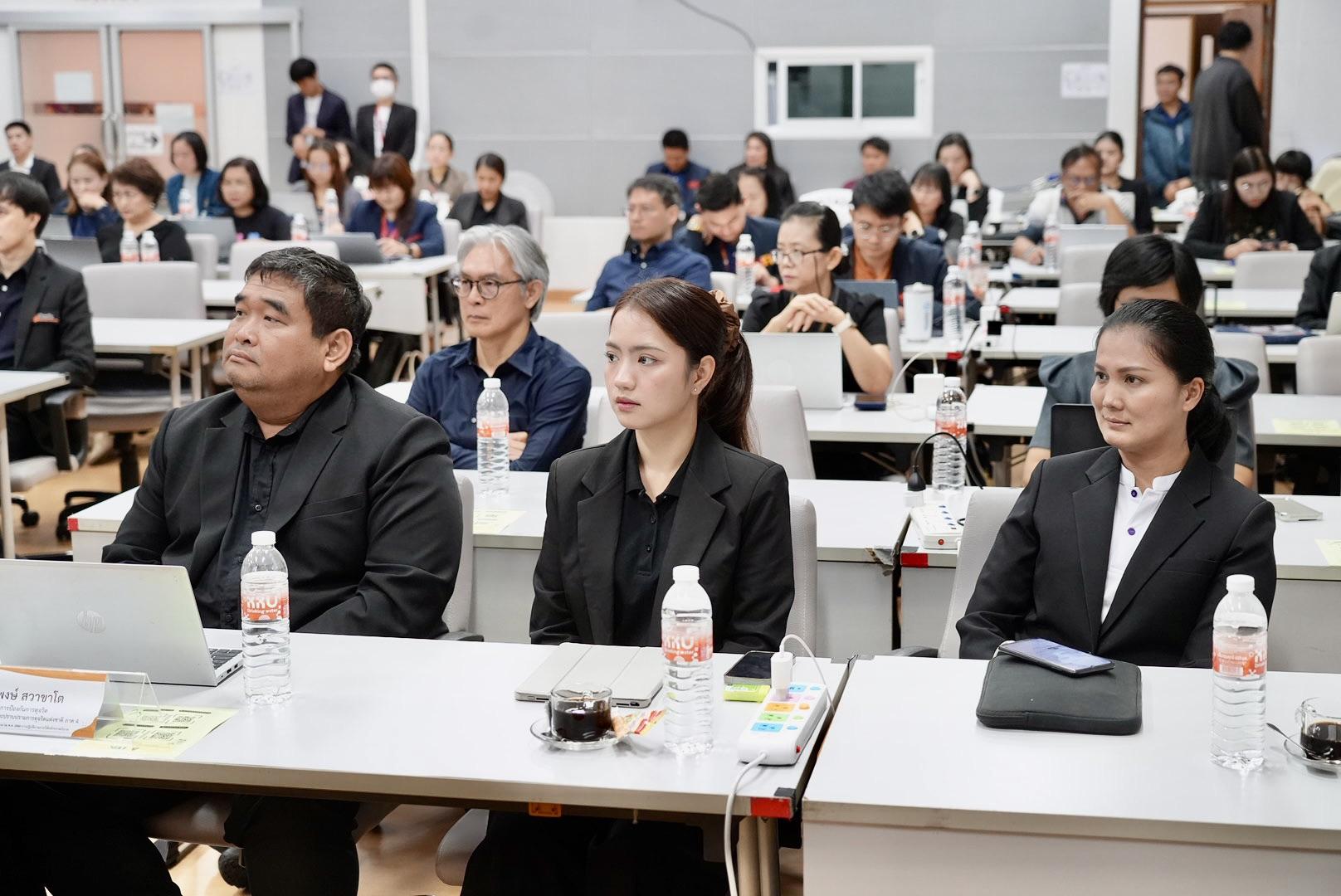
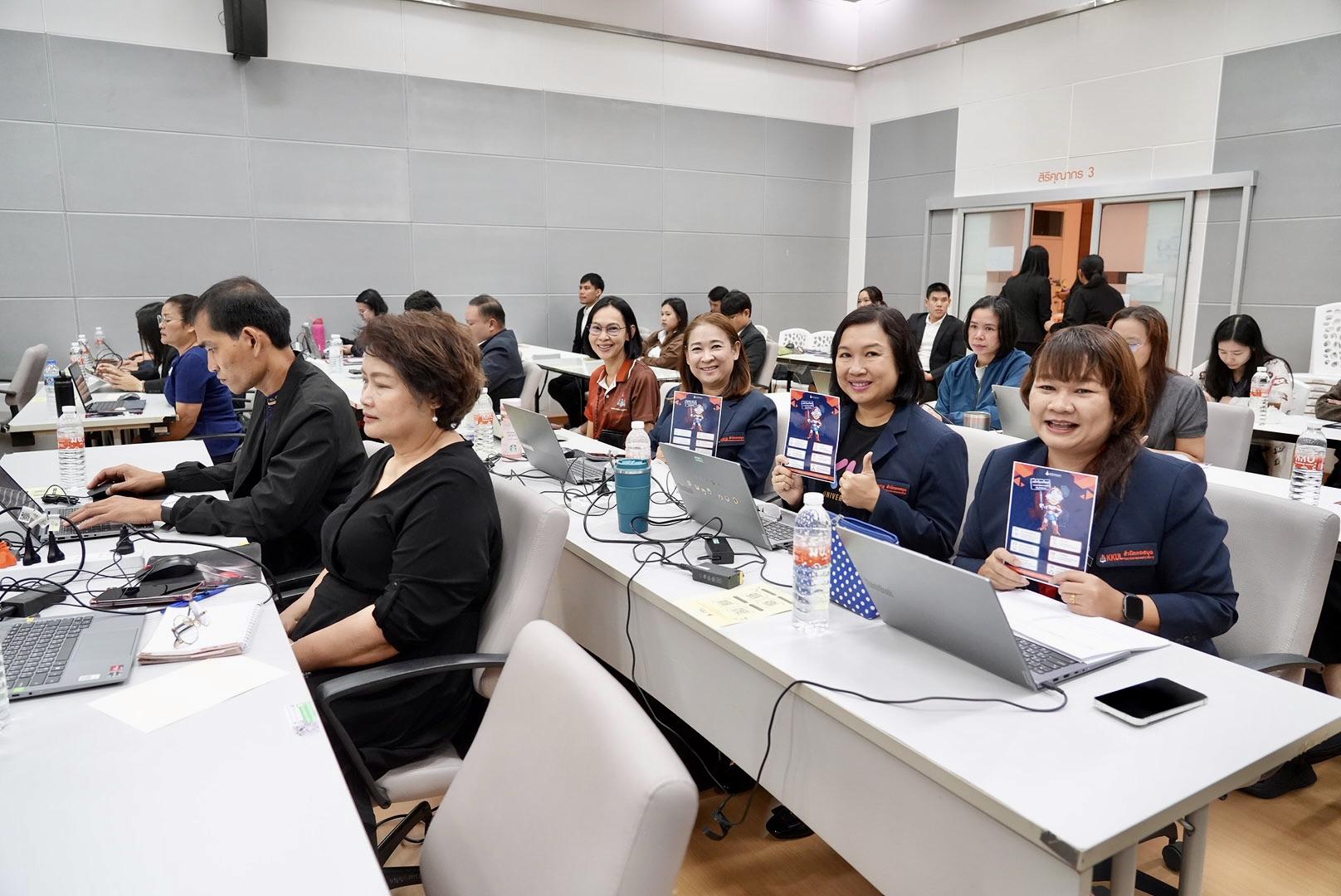
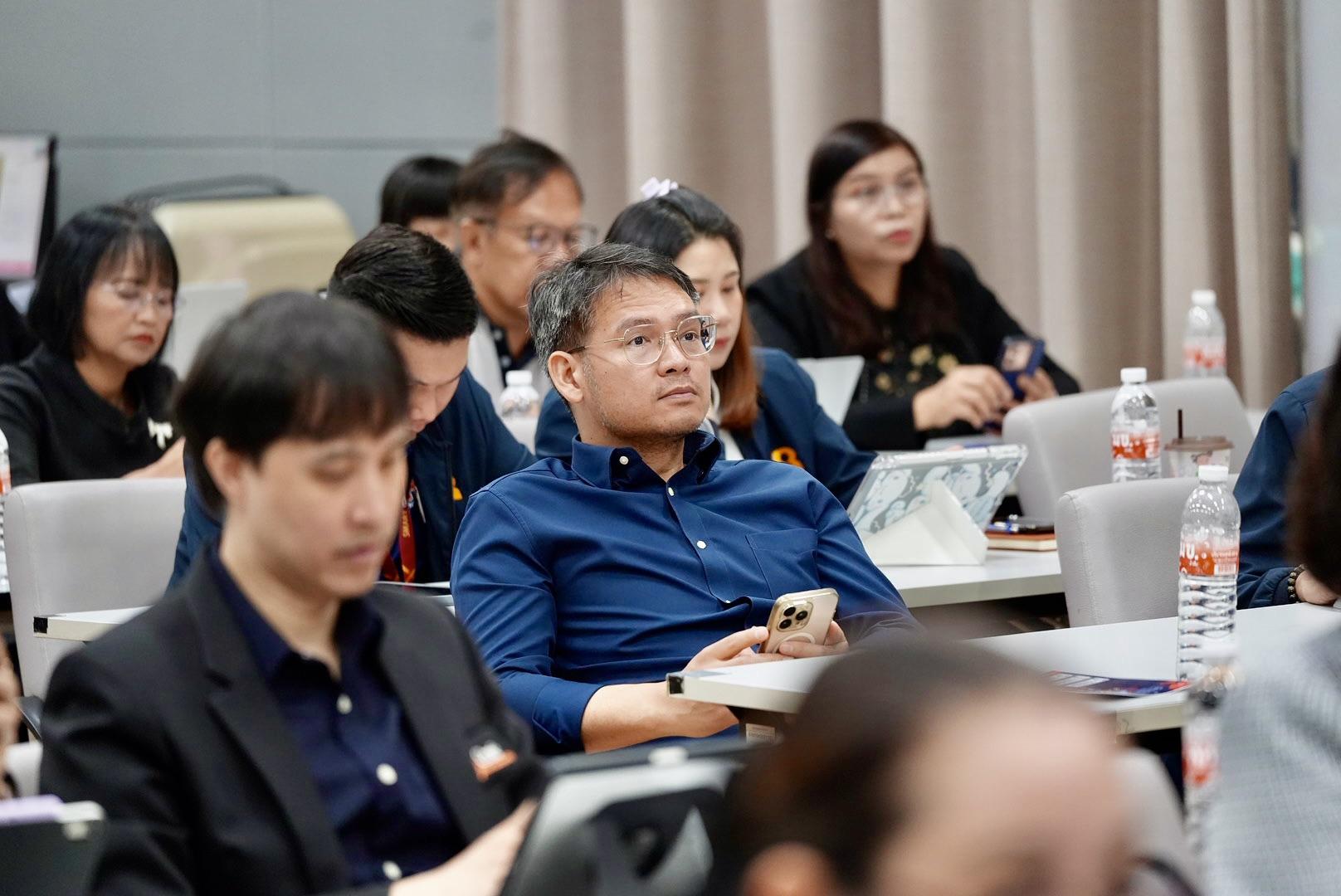
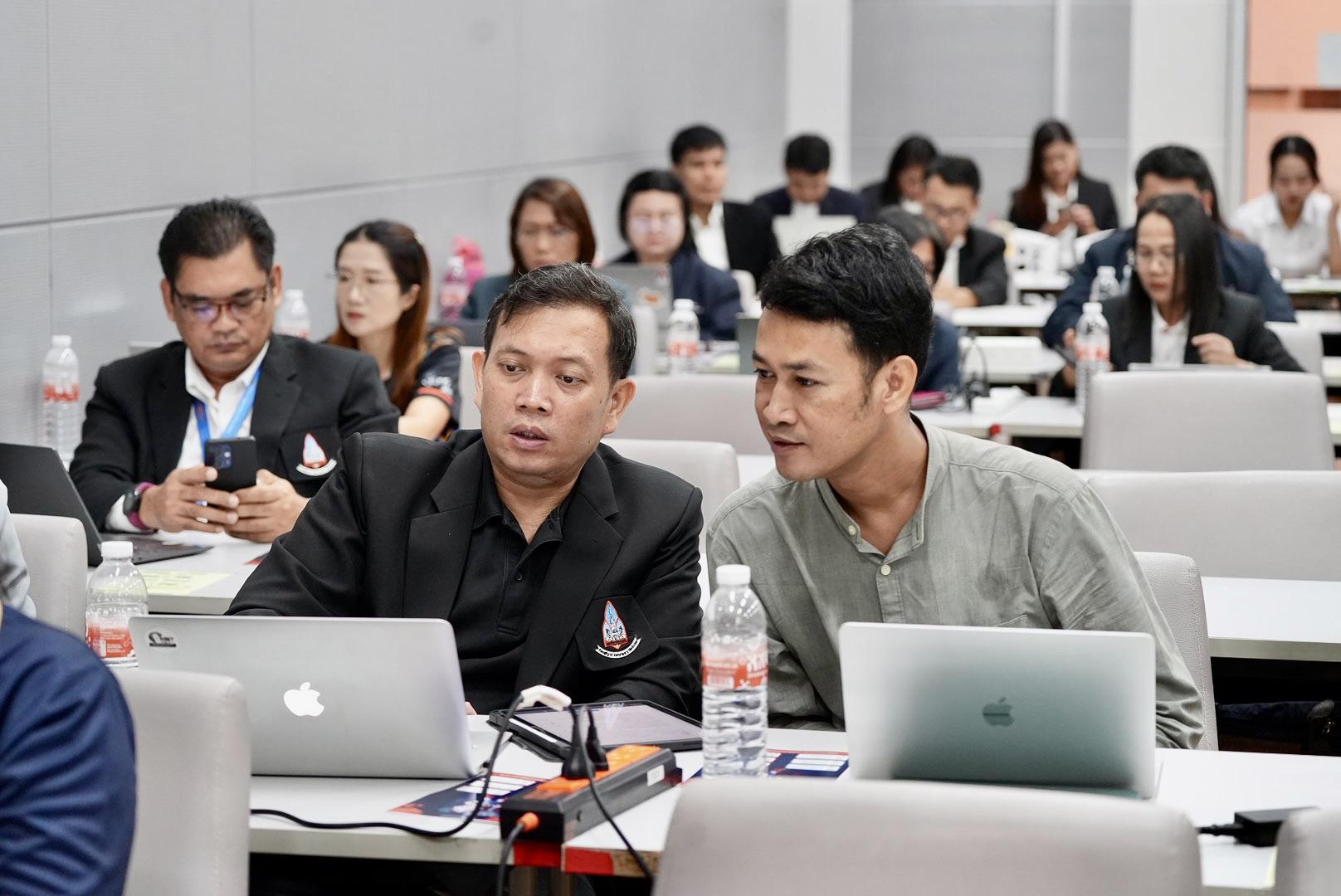
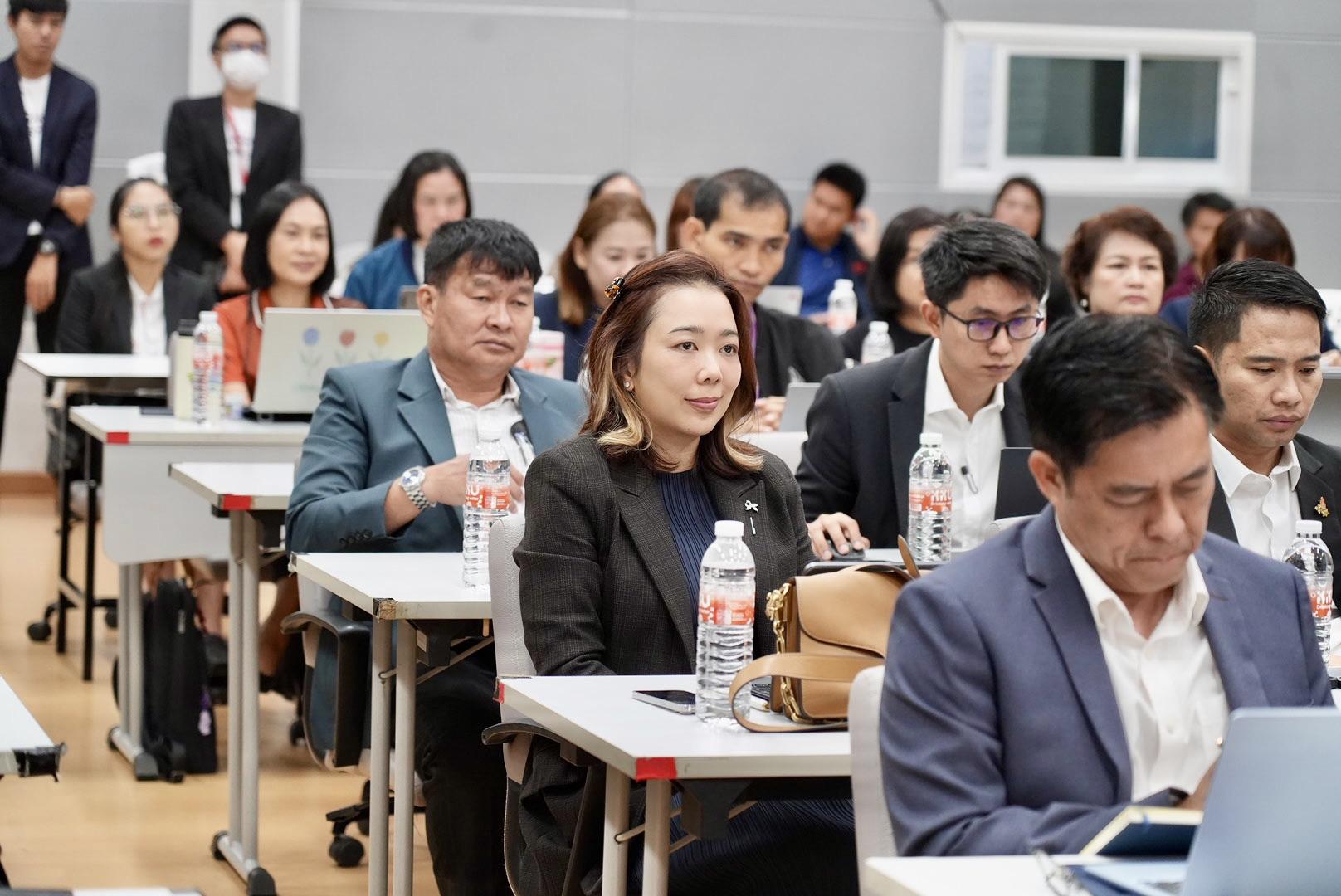
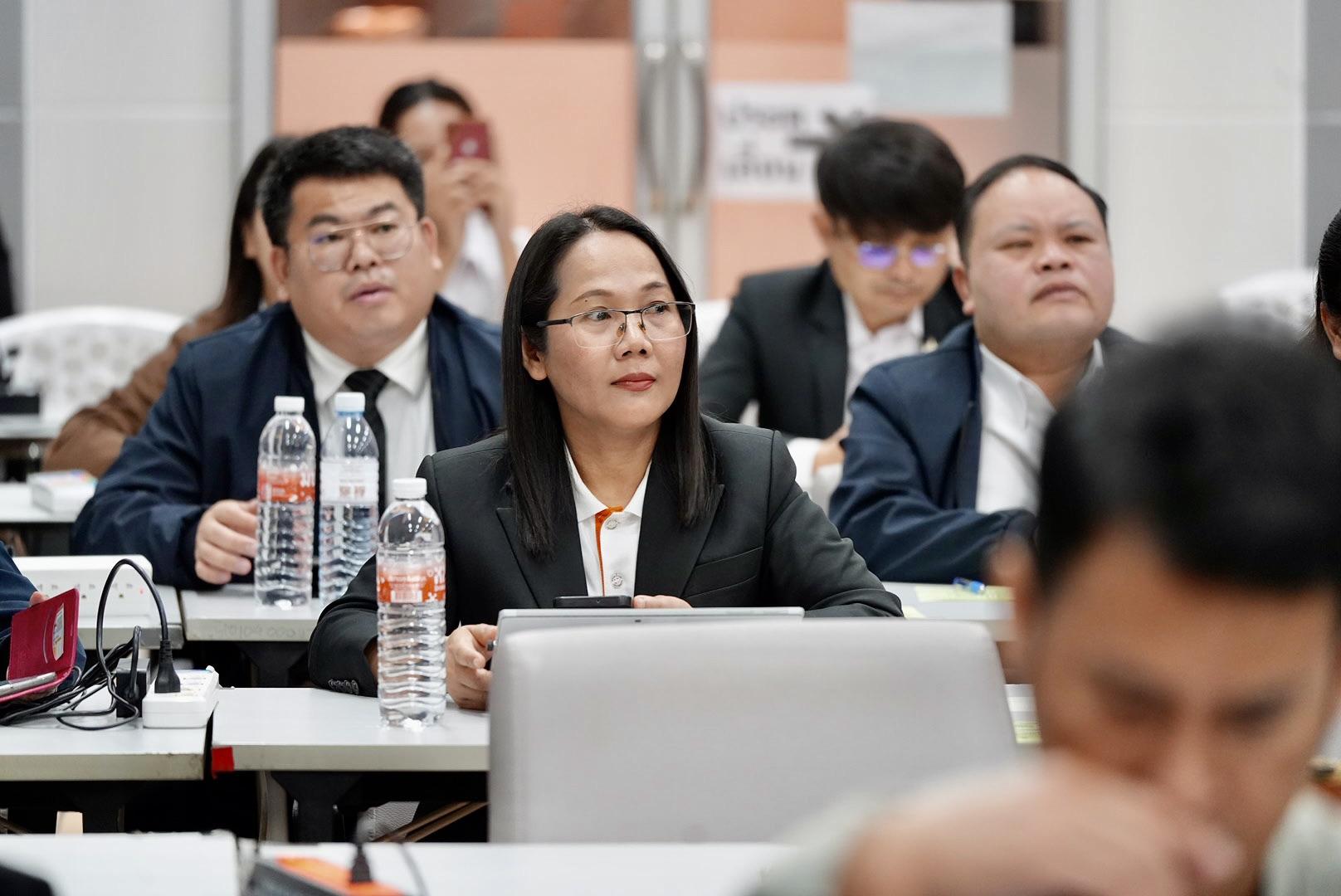
The workshop attracted 200 participants, who attended both onsite and online. The attendees included university executives, deans, directors of central administrative divisions under the Office of the President, directors of administrative offices from all faculties and sections, heads of equivalent units, and relevant working committees. The sessions were delivered by Mr Santipong Sawakato, a Senior Anti-Corruption Officer from the Office of the National Anti-Corruption Commission (NACC) Region 4, along with his team. 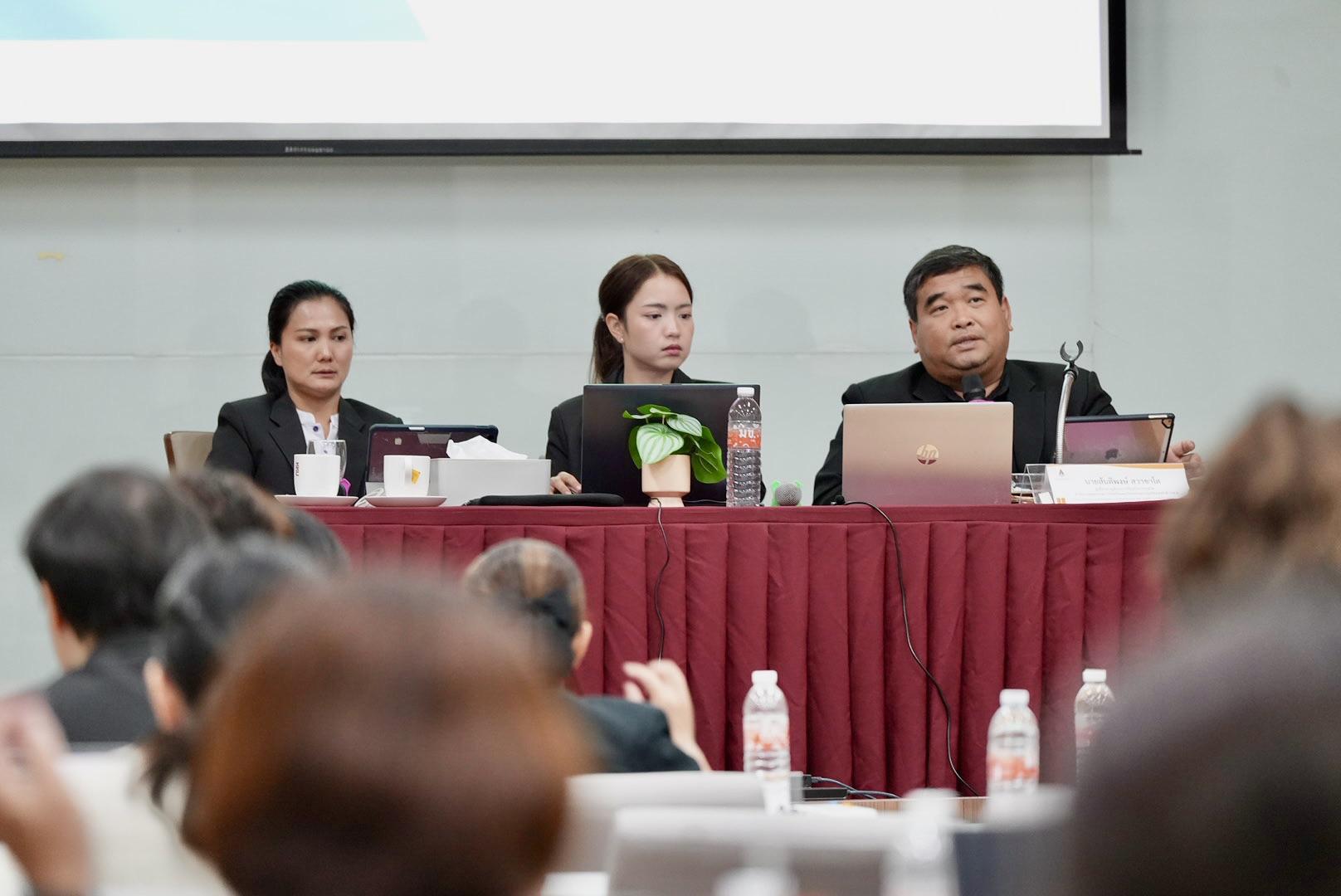
The primary objective of this training was to reinforce understanding regarding the implementation of the “No Gift Policy” in public service. It covered the legal and ethical criteria for receiving properties or any other benefits by state officials. Furthermore, the event aimed to promote fair, transparent, and verifiable administrative management in strict accordance with national ITA guidelines.
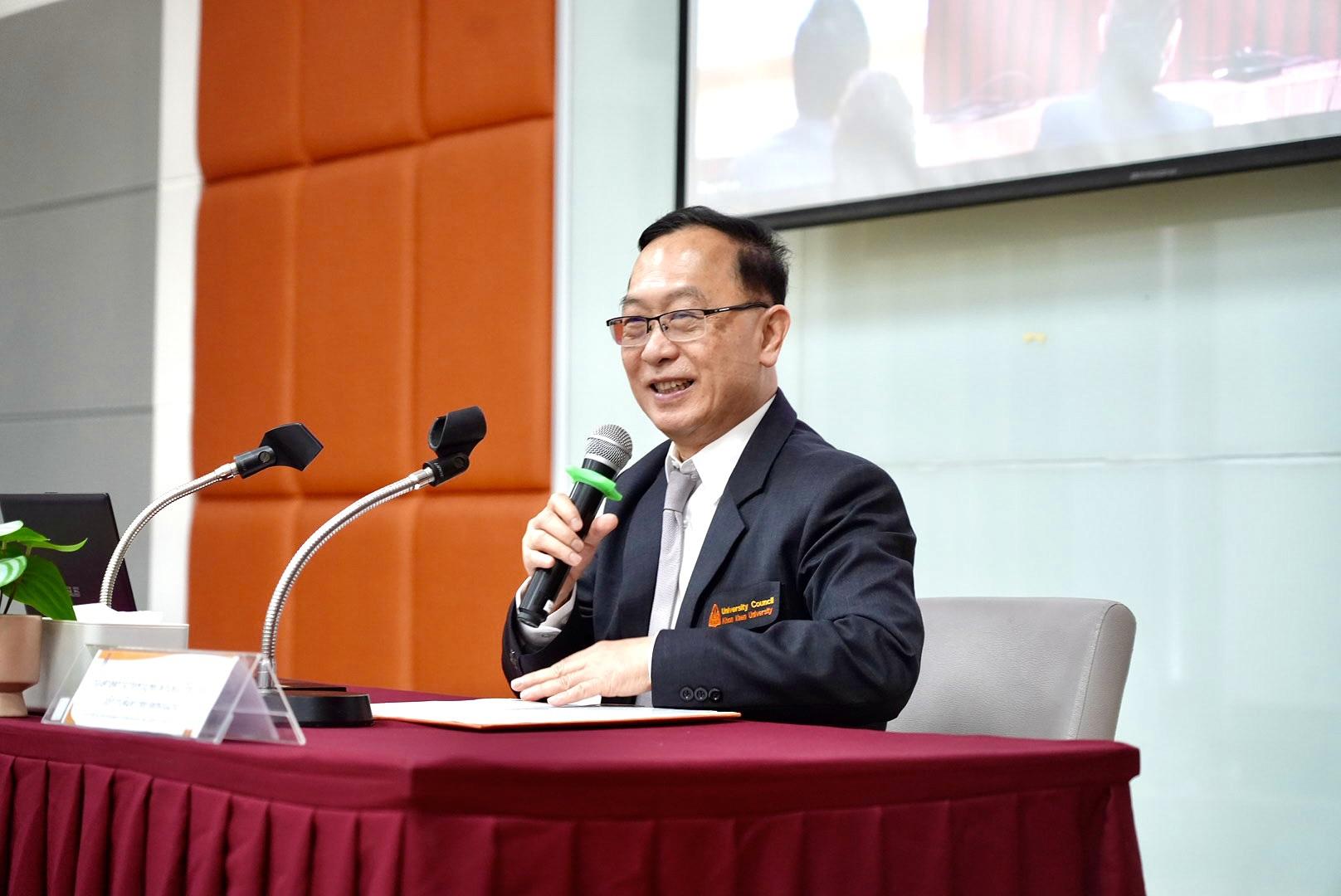
Assoc. Prof. Charnchai Panthongviriyakul, M.D., President of Khon Kaen University, stated that the university places the utmost importance on operating with integrity and transparency. The institution has continuously integrated the framework of the Integrity and Transparency Assessment (ITA) into its structural development. He noted that the ITA serves not merely as a performance evaluation metric, but as a direct reflection of the trust that the public, staff, and stakeholders place in the university’s administration.
“The ITA evaluation comprises both empirical evidence verification and stakeholder perception surveys. These provide vital data that helps the university understand how our personnel and society view our operations, guiding us toward continuous improvement and development,” said the President.
Assoc. Prof. Charnchai Panthongviriyakul, M.D., further explained that Khon Kaen University has aligned its anti-corruption policies with the national strategy. The university prioritises Digital Governance by integrating digital systems into its management processes to increase efficiency, transparency, and traceability. A key development is the implementation of the EBP system, which transitions documentation and operations into an electronic format that can be clearly audited.
However, the President noted that this transition introduces challenges, particularly regarding data cleaning and the reorganisation of long-accumulated legacy databases. Another vital task is building administrative capacity among a new generation of executives. Many have recently assumed office and possess limited experience in public administration, particularly in budget management and public procurement, which strictly demand absolute accuracy and meticulous compliance with regulations.
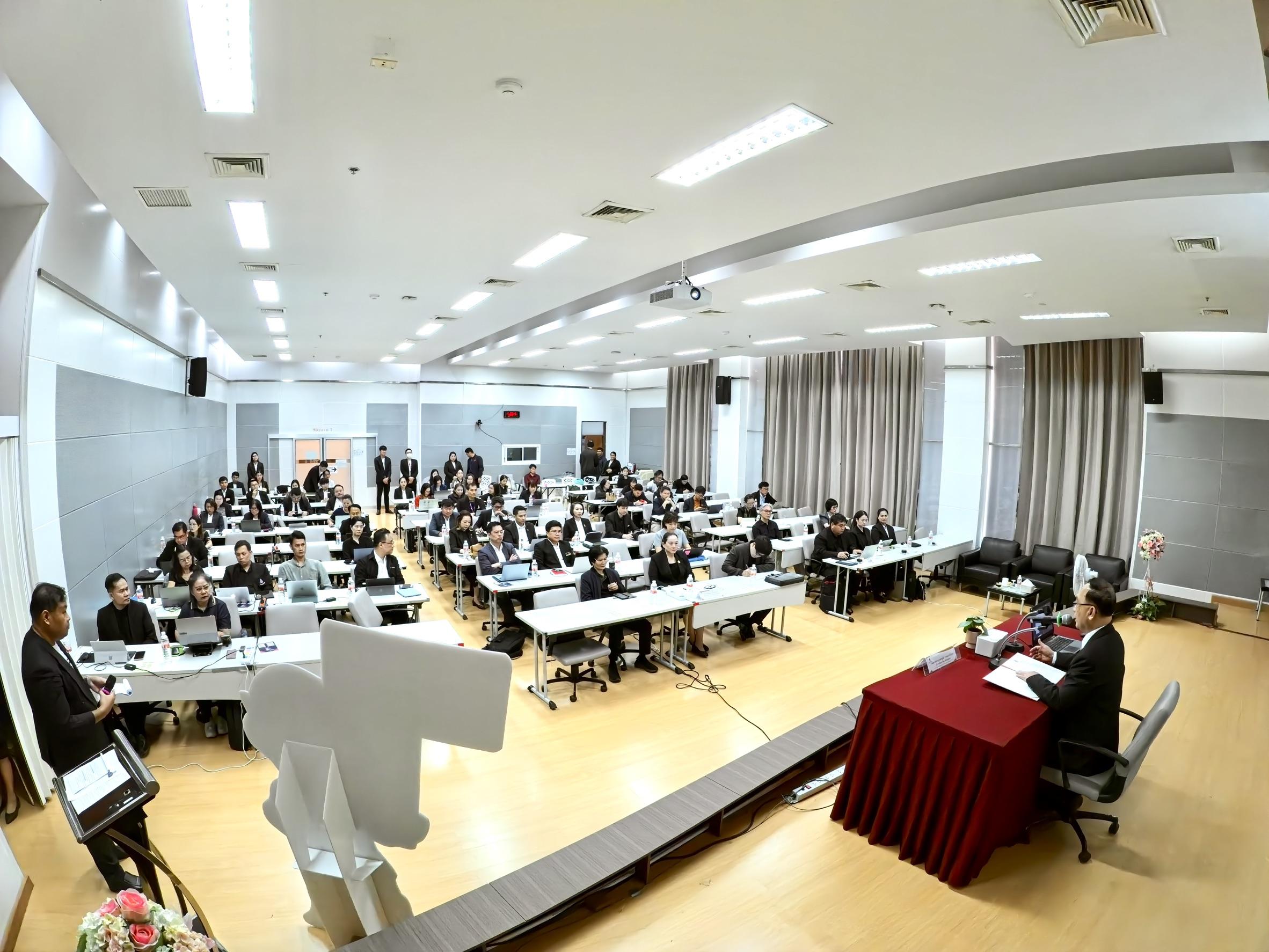
Addressing the latent risks of corruption within large organisations, the President remarked that contemporary corruption manifests in various forms. These include intentional operational delays designed to extract personal benefits, inflated pricing to secure financial kickbacks, or other subtle forms of exploitation. He stressed that every department must remain highly vigilant.
“I cannot absolute declare that no corruption whatsoever will occur during my tenure, as the university is a vast organisation with a large workforce. However, what we can certainly do is build a robust system, foster an organisational culture that rejects all forms of corruption, and ensure that every executive and staff member performs their duties with absolute honesty, placing the public interest above all else,” Associate Professor Panthongviriyakul emphasised.
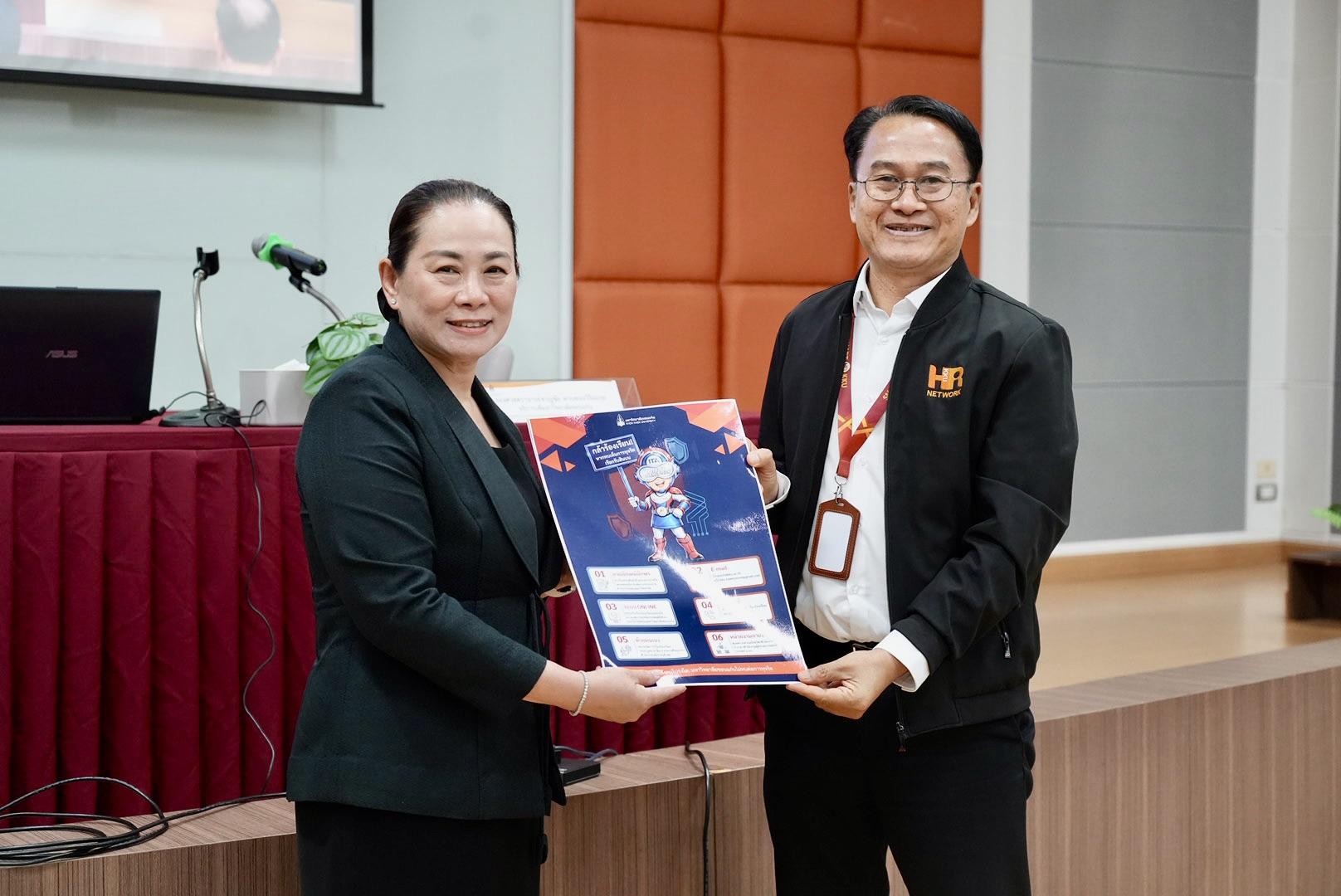
Mrs. Natsamol Tanakulrungsarit, Vice President for Legal and Communications, added that operating with integrity and transparency serves as a core mechanism reflecting institutional governance. It acts as a primary indicator of public image and social trust, aligning directly with the Khon Kaen University Administrative Strategy (2026–2029). Specifically, it supports Strategy 6: Beyond Good Governance and Social Leadership, which focuses on developing administrative systems that meet international governance standards while reinforcing stakeholder engagement.
The Vice President stressed that the ITA framework should not be viewed as a mere administrative burden, but as an essential diagnostic tool that helps the organisation review, refine, and enhance its operational efficiency.
“We firmly believe that building an ethical organisation must begin with creating a shared understanding and cultivating active participation among all staff members. This project stands as a driving mechanism propelling Khon Kaen University toward becoming a transparent, fair, and sustainably resilient institution ready for future transformations,” stated the Vice President.
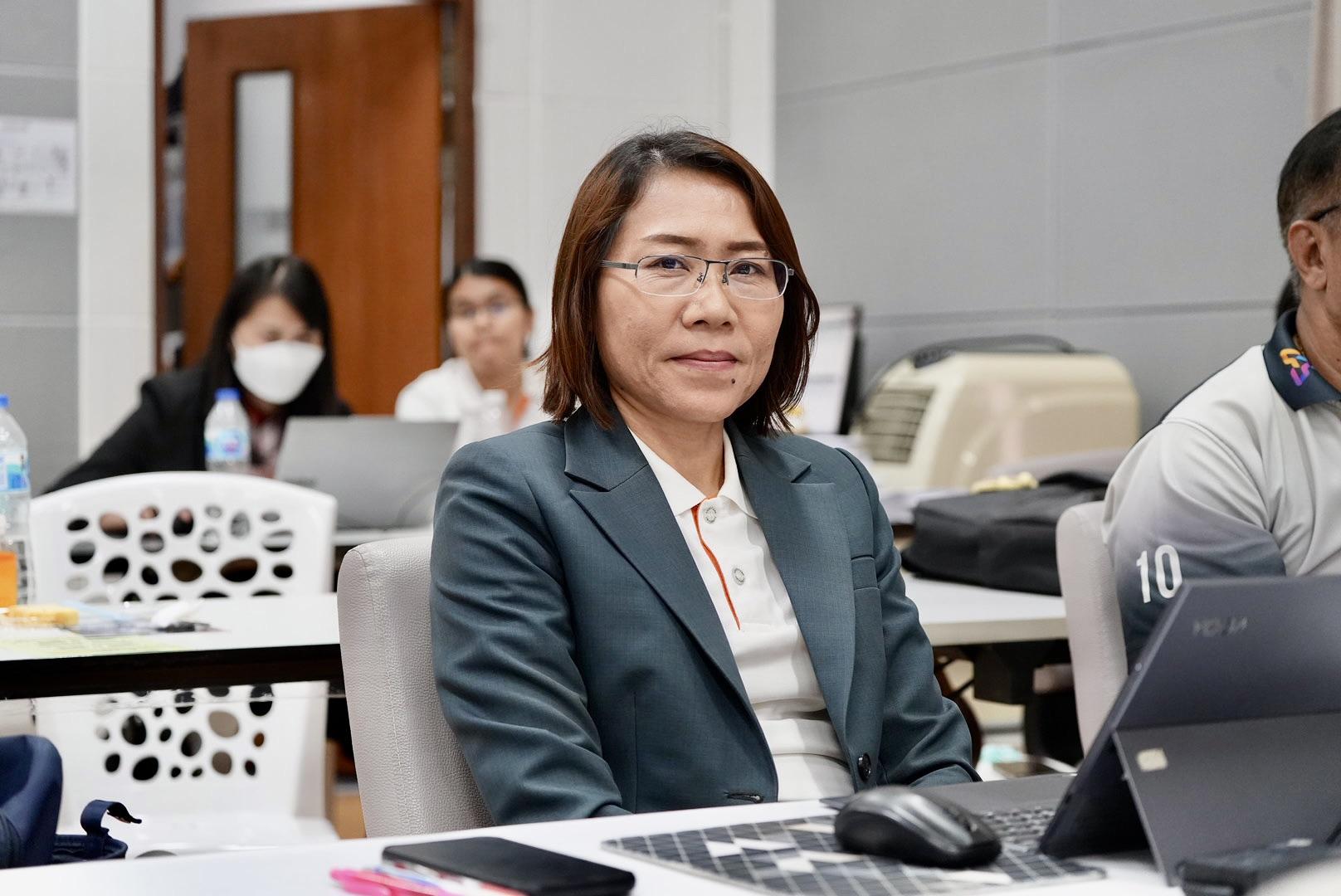 Ms Nongrat Sirikhampeng, Acting Director of the Internal Audit Division and a participant in the workshop, shared her perspective on the utility of the event. She noted that the training was immensely beneficial for executives and operational staff alike. It successfully enhanced their comprehension of the ITA framework, relevant legal boundaries, and public service regulations, clearly delineating permissible practices from high-risk areas.
“From an internal audit perspective, our duty is to evaluate both the operations and systemic frameworks of various units across KKU. When our personnel possess a clearer understanding of the law, regulations, and good governance, it substantially minimises operational risks arising from non-compliance, thereby rendering the auditing process much more efficient,” Ms Sirikhampeng observed.
She added that the knowledge gained would encourage personnel at all levels to work uniformly under the principles of accountability. This collective compliance will ultimately elevate Khon Kaen University’s institutional reputation as an organisation deeply committed to moral integrity and sustainable social responsibility.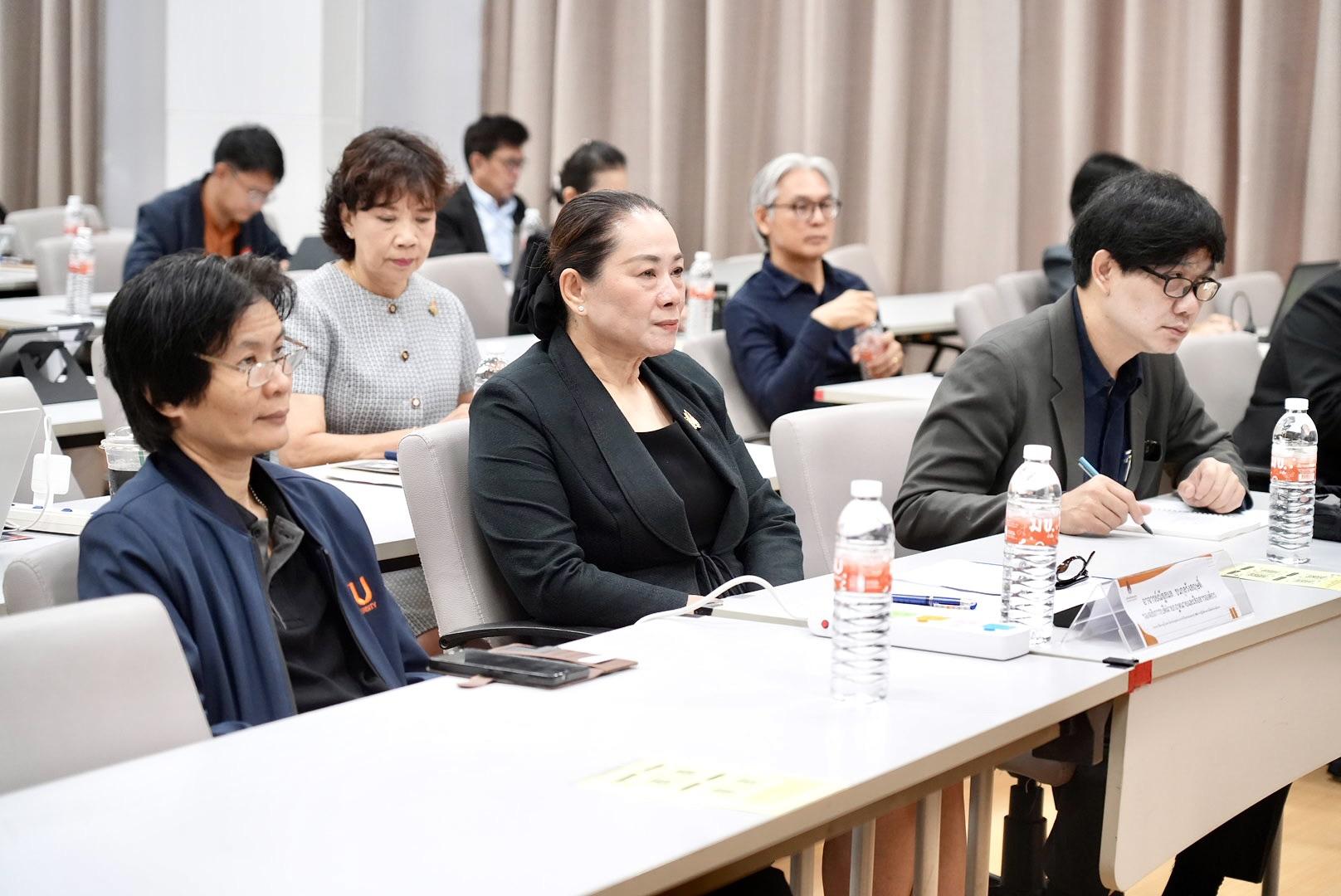
In summary, this initiative succeeded in equipping Khon Kaen University’s leadership and workforce with essential legal insights regarding corruption prevention, conflict of interest management, transparent policy-driven decision-making, and good governance. By applying these concepts to their daily workflows, university personnel can mitigate institutional risks, nurture an organizational culture of integrity, and drive KKU toward earning long-term trust from its stakeholders and wider society.
News: Benjamaporn Mamook
Photography: Natthawut Jaruwong