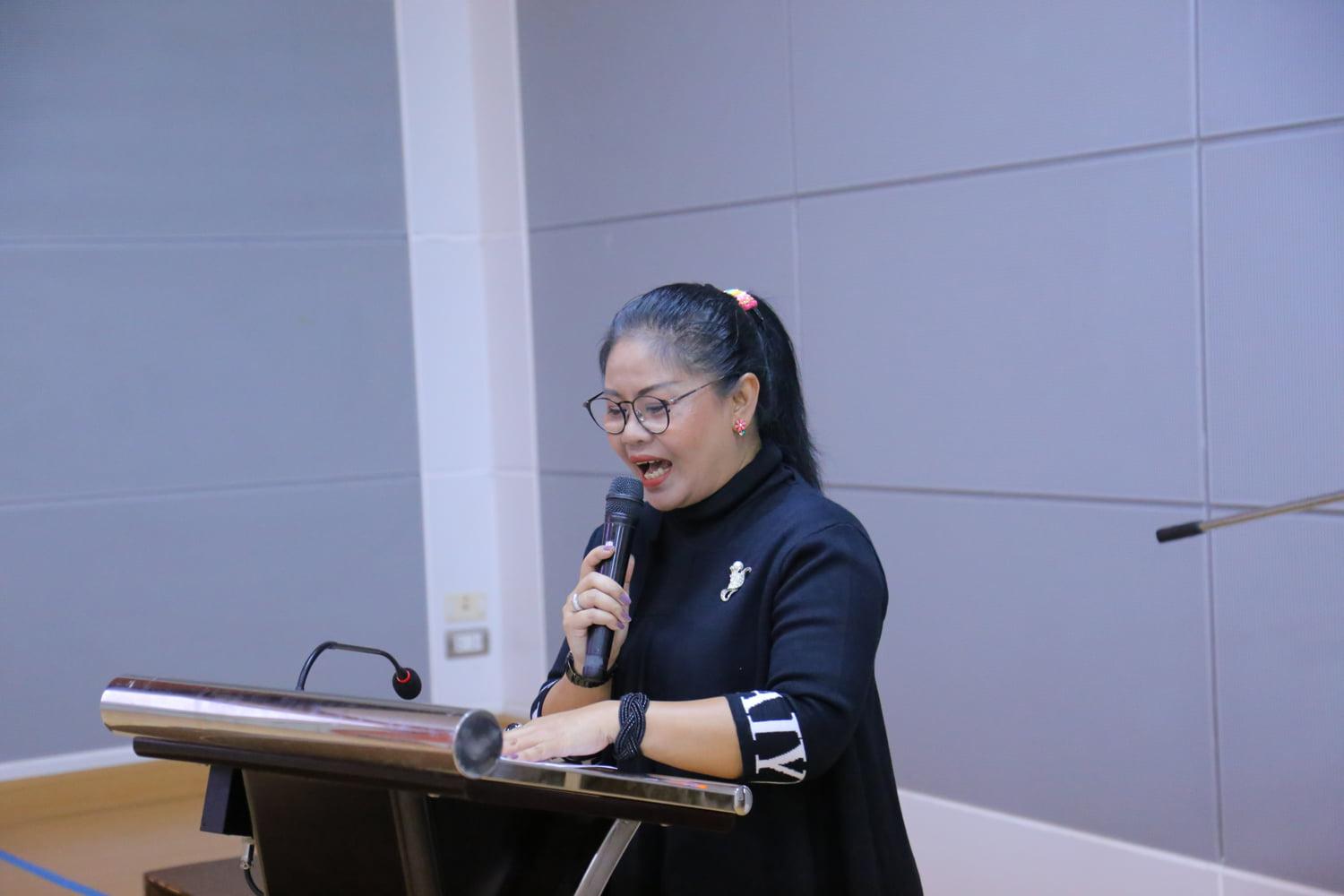
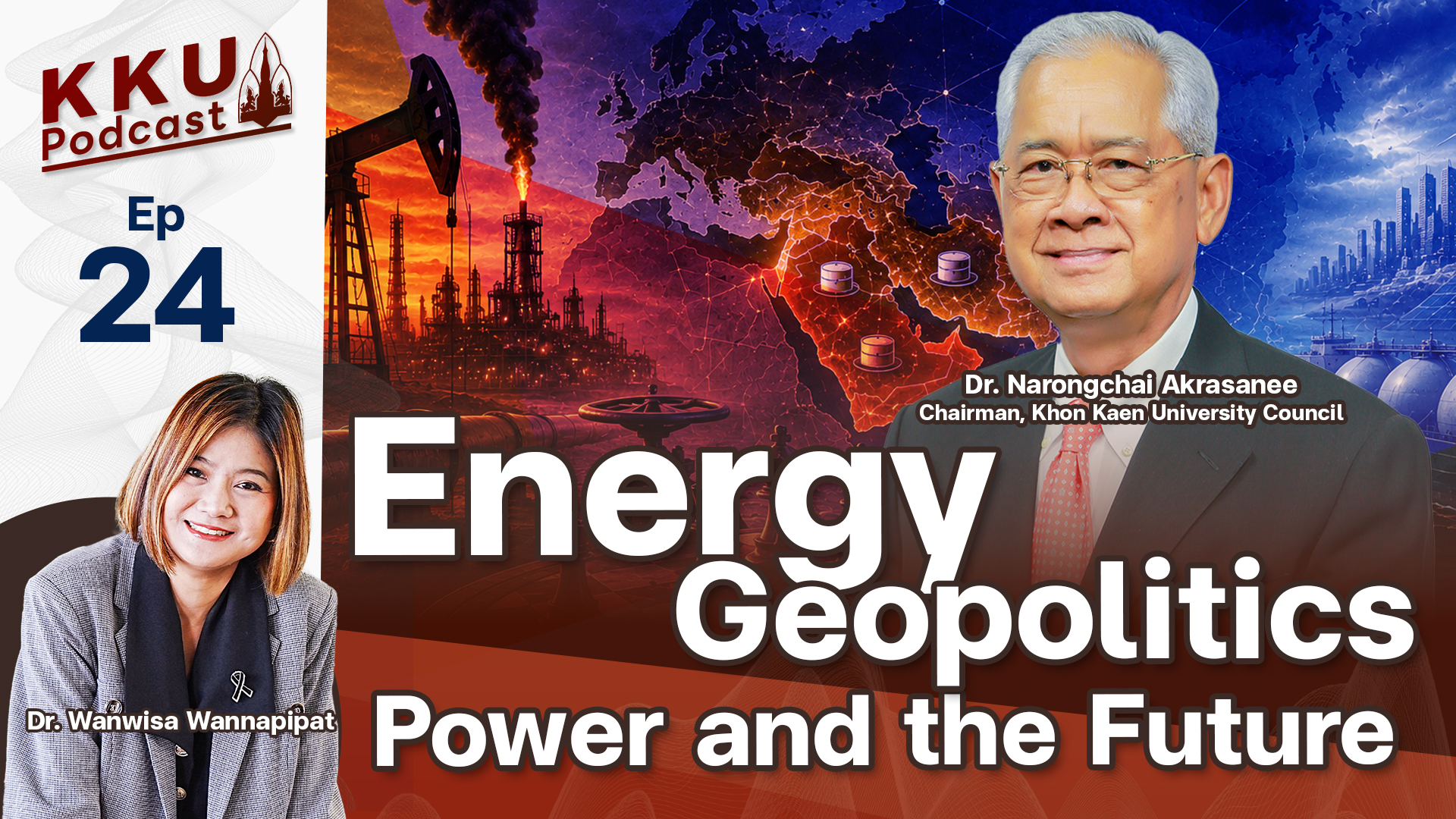
Dr. Narongchai Akrasanee, who oversees the Ministry of Energy, discussed the causes of the global energy crisis and the new dimension of “energy geography,” where oil is more than just that; it will become the most important operational system in the domestic political game. He also pointed out a solution for Thailand to accelerate the promotion of clean energy, warning that otherwise, it will be too late to fix the problem.
 The beginning of an endless war.
In a world rife with international conflict, a crucial question arises: why do distant conflicts in the Middle East cause a direct impact on the people of Thailand through soaring oil prices?
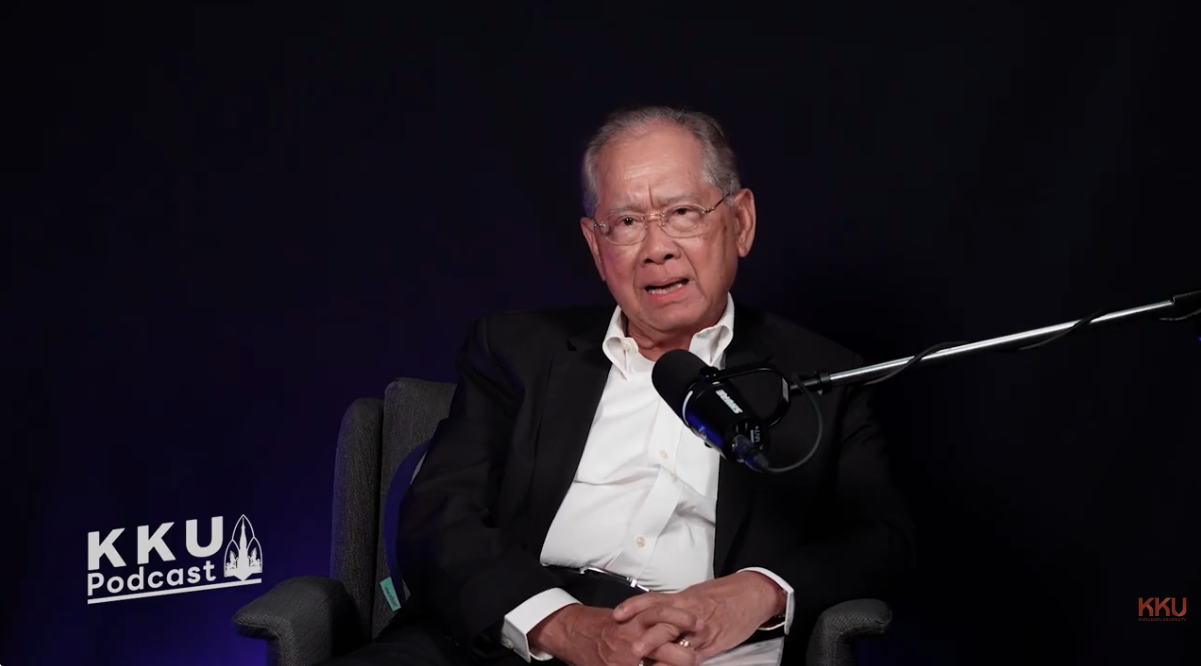
Dr. Narongchai Akrasanee, former Minister of Energy and Commerce, and Chairman of the Khon Kaen University Council, offers a straightforward answer. He explains that the current situation has deep roots stretching back over 50 years, linked to what academics term “energy geopolitics”—or, in simpler terms, the politics of resource-rich territories.
“Humanity has grappled with politics and territory since ancient times. Since our existence, we have sought our own space, sought to expand it, and fought against intruders,” Dr. Narongchai explained. “What is interesting in this era is the use of energy as a weapon—its weaponisation.”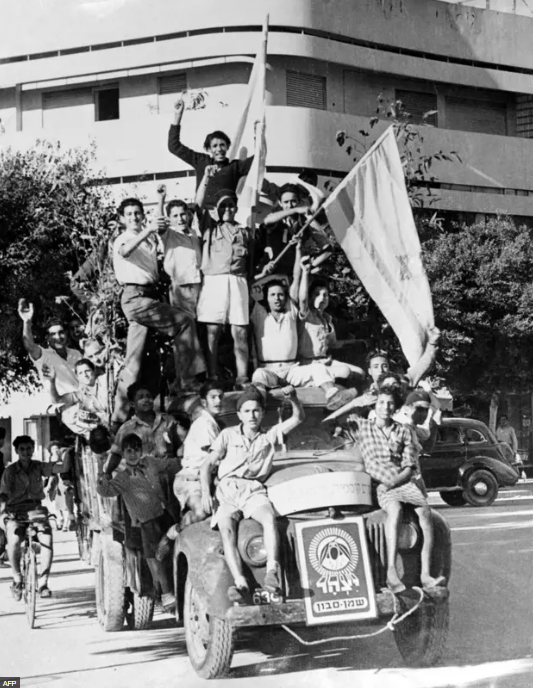
Tracing the Conflict: From Jewish-Arab Tensions to an Energy War
The narrative begins in 1948, when Israel was recognised as an independent state by the United Nations with support from the United States and the United Kingdom. Since its establishment on 14 May 1948, Israel has faced resistance from all sides, including Palestine and Hamas, Lebanon and Hezbollah, and surrounding nations like Jordan.
“The Jewish people wished to expand their territory, and any expansion led to conflict with others. They were in constant dispute, but the question was what weapon to use,” Dr. Narongchai stated. He notes that the most powerful weapon of this era is not missiles or drones, but oil.
The Genesis of an Energy Weapon: From Whales to Oil Wells
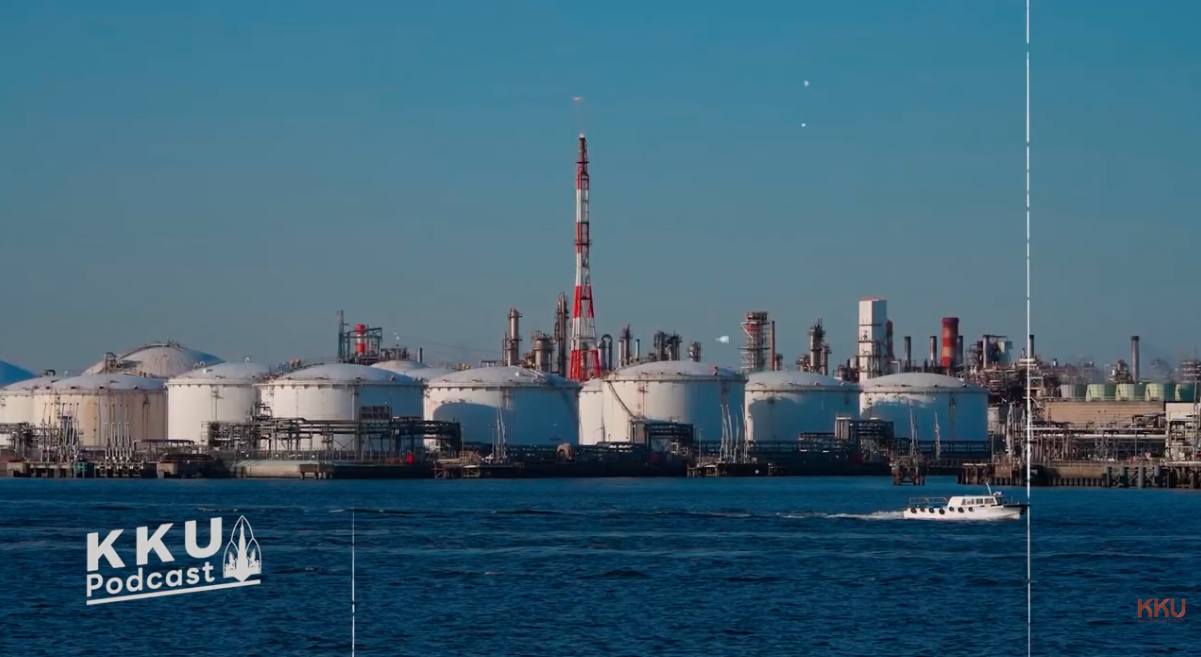
To understand how oil became a weapon, one must look back to its discovery as a fuel source around 1850. Before then, humans used whale oil for lamps—a difficult and expensive resource. This changed when America discovered oil in Pennsylvania and successfully refined it into kerosene. The Industrial Revolution then acted as a major catalyst, increasing the strategic importance of oil. As machinery shifted from steam power to internal combustion engines, the demand for oil skyrocketed, leading to global exploration and the discovery of massive oil fields in the Middle East in the early 20th century.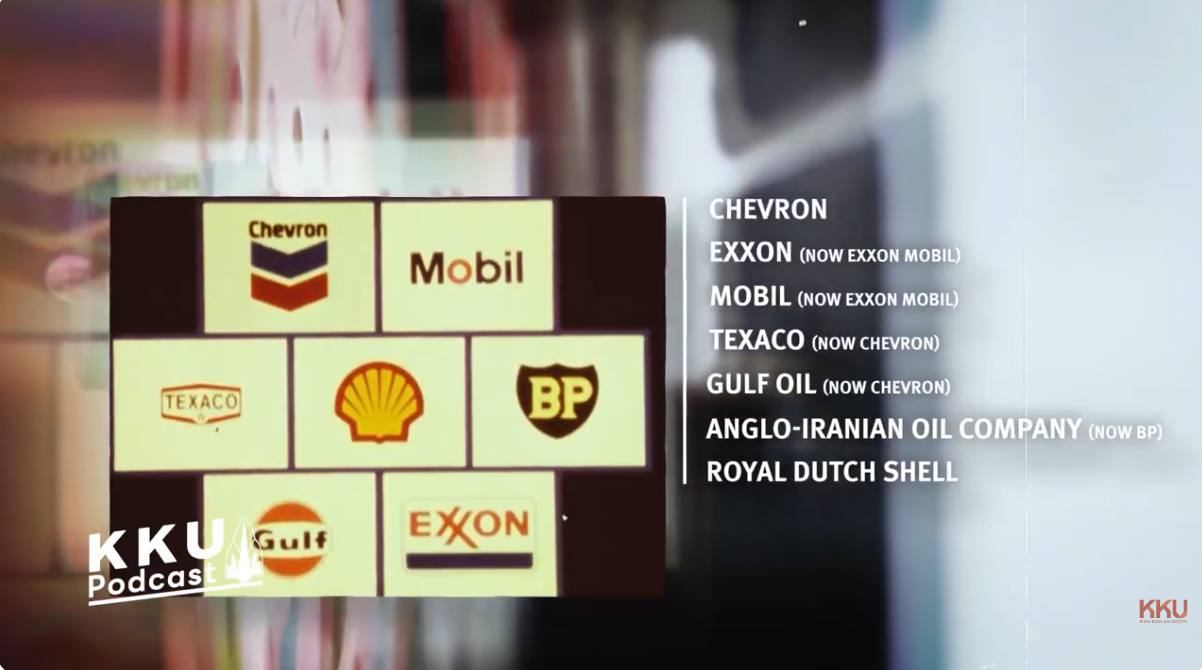
The “Seven Sisters”: Seven Companies that Ruled the World
Following the discovery of oil in the Middle East, major Western oil companies flocked to the region for exploration and production. Dr. Narongchai recounts that there were seven main companies known as “The Seven Sisters”: five American companies from the Standard Oil group, British Petroleum (BP), and Royal Dutch Shell, a joint British-Dutch venture.
“The story of the Seven Sisters is fascinating,” Dr. Narongchai continued, referencing Anthony Sampson’s book of the same name. “Sampson described these oil companies as being like cats; when you hear them, you cannot tell if they are fighting or mating. In meetings, they would argue fiercely, but afterwards, they would jointly announce prices.”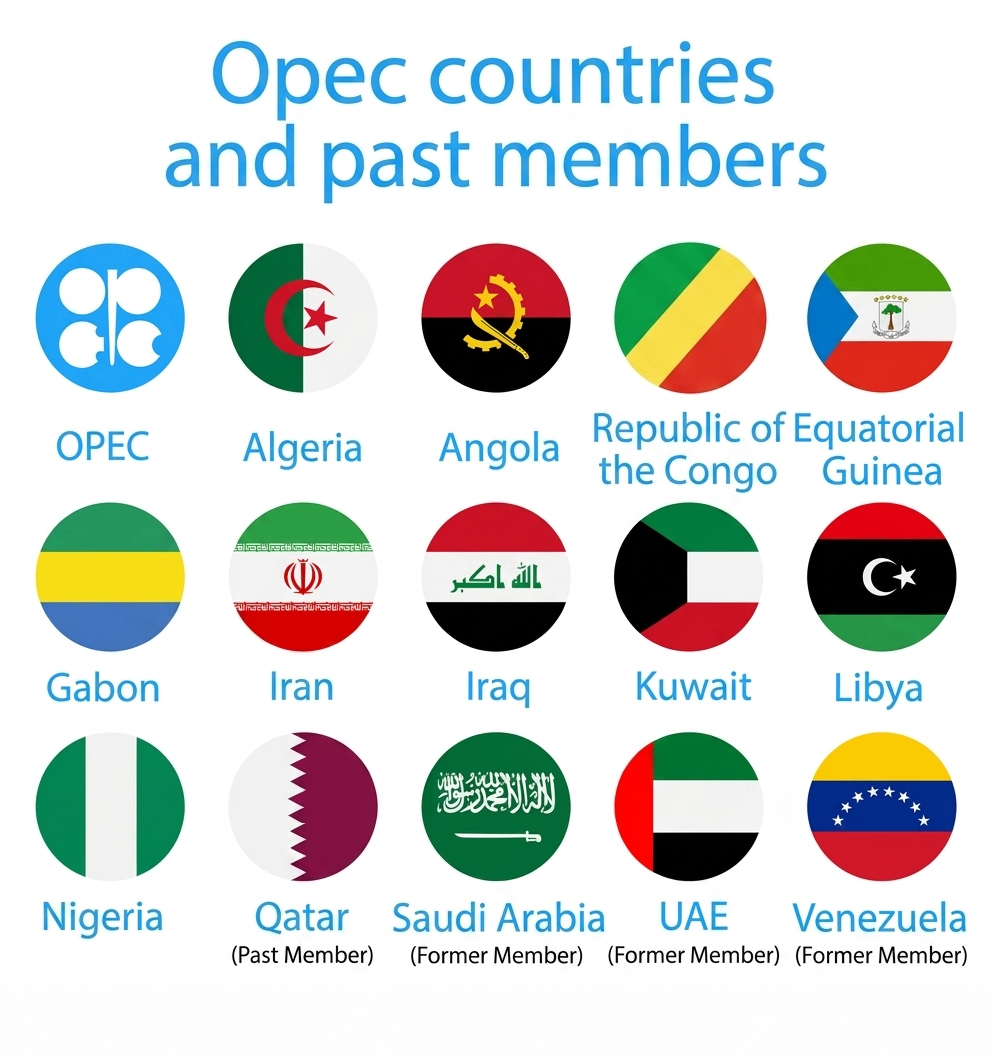
The Birth of OPEC: When Sellers United
The situation changed dramatically when oil-producing countries in the Middle East—Saudi Arabia, Iran, Iraq, Kuwait, and the United Arab Emirates—united to form the Organisation of the Petroleum Exporting Countries (OPEC). In 1972-1973, OPEC quadrupled the price of oil from $3 to $12 per barrel, sending shockwaves across the globe. This crisis notably coincided with Thailand’s 14 October 1973 student uprising.
“I had just returned with my doctorate and walked right into the oil crisis,” Dr. Narongchai recalled. “At the time, Dr Puey Ungphakorn served as a chief advisor to Prime Minister Sanya Dharmasakti, and Mr Boonma Wongsawan was the Minister of Finance. They worked together exceptionally well, and the country navigated through that crisis.”
A second energy crisis occurred in 1979 following the Islamic Revolution in Iran, which overthrew the Shah and established a theocracy under Ayatollah Khomeini. This led to a complete breakdown in relations between Iran and the West. In Thailand, the crisis was so severe that Prime Minister General Kriangsak Chomanan resigned after a public outcry over his decision to raise oil prices.
“In 1980, 60% of our export revenue went towards paying for oil,” Dr. Narongchai revealed, highlighting the staggering figure. “Today, that figure is just over 10%. The difference is immense, as back then we had to import nearly 100% of our oil.”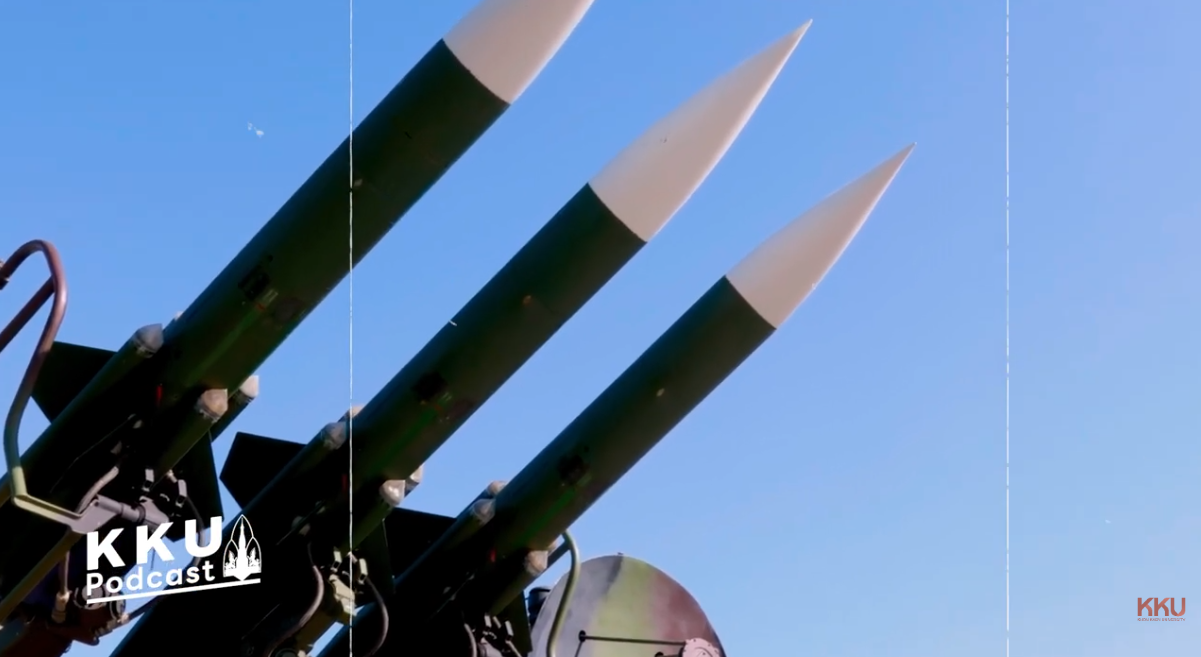 Oil as a Weapon: Iran’s Attacks on Neighbours
The concept of “energy as a weapon” became most evident recently when Iran retaliated against military actions by Israel and the United States. Iran targeted oil fields and refineries in neighbouring countries friendly to America and threatened to close the Strait of Hormuz, the world’s most critical oil transport route.
“Iran knows that oil can shake the entire world,” Dr. Narongchai explained. “They use it as a weapon of retaliation. Even the United States, while threatening to attack if Iran did not reopen the strait, has not dared to act. This shows just how powerful oil is.”
 A Path Forward for Thailand: Accept Reality and Move On
For Thailand, which produces only 50,000-80,000 barrels of oil per day—insufficient for domestic needs—and relies heavily on liquefied natural gas (LNG) imports from Qatar, Dr. Narongchai proposes a clear three-stage solution.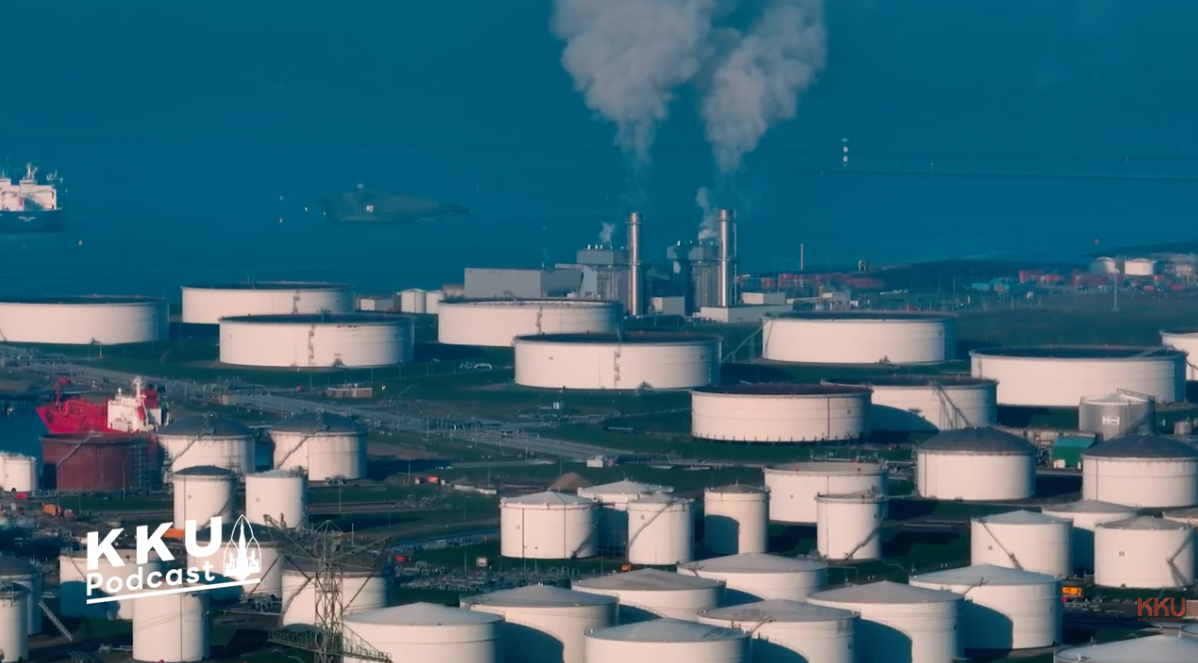
Short-term: Accept the reality that energy prices must rise. Price freezes will discourage refineries from importing, leading to shortages. “Expensive oil is better than no oil. We have experienced this before.”
Mid-term: Diversify energy sources from multiple suppliers to reduce dependency on a single source.
Long-term: Accelerate the development of clean energy, especially solar power, whose costs have dropped significantly over the past 20 years.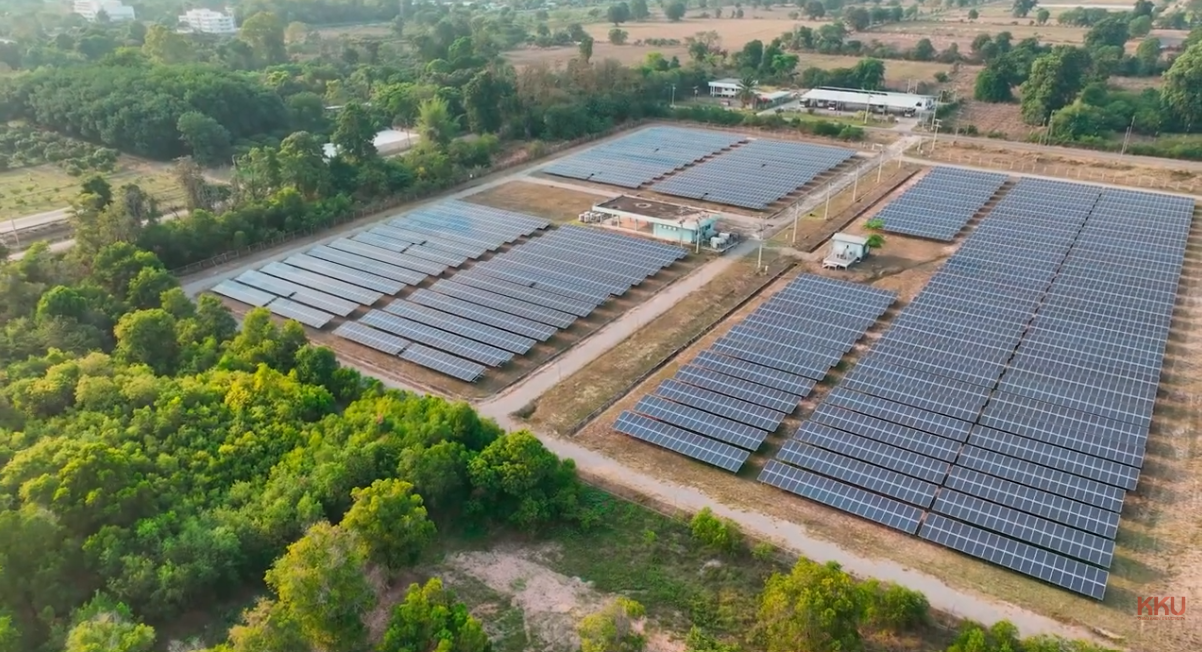
Khon Kaen University: A Model for Real Savings with Clean Energy
Dr. Narongchai presented Khon Kaen University (KKU) as a compelling case study. KKU signed a contract allowing a private company to install a solar cell system on campus at no cost to the university. The system generates 30 megawatts of electricity—more than the university needs—and KKU buys back the electricity at a price 52% cheaper than the standard rate.
“If the usual electricity cost is 4 baht per unit, this system brings it down to less than 2 baht,” he explained. “This model can be replicated by other organisations, such as the military, government agencies, or even villages with public spaces.”
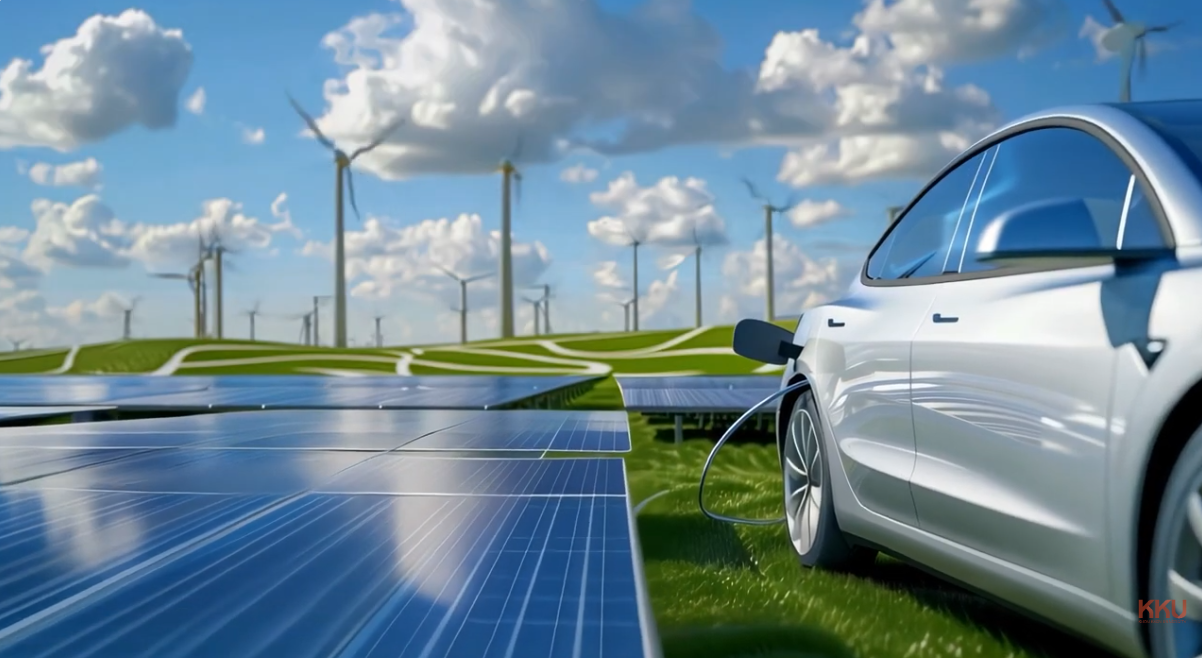
Furthermore, KKU has a battery production plant under development to support energy storage from solar cells and is expanding its electric vehicle charging stations. This will enable staff to use electric vehicles at the lowest possible cost.

Conclusion: The World Is Changing, and Thailand Must Not Be Left Behind
Dr. Narongchai concluded with a perspective that is both a warning and an encouragement. The current energy crisis will compel all nations to earnestly pursue clean energy, despite the short-term difficulties.
“Every major global change brings a mix of positives and negatives,” he said. “In the short term, we will face hardship. But on the positive side, this will accelerate our transition to clean energy. In the long run, this will make us more self-reliant and no longer vulnerable to energy being used as a weapon against us.”
In a world where energy has become a weapon, achieving energy independence is no longer just about economics; it is a matter of national sovereignty and security.
News: Benjamaporn Mamook
Photography: Natthawut Jaruwong / Chaichan Lada / Natthawut Phetprapai / KKU Podcast EP.24