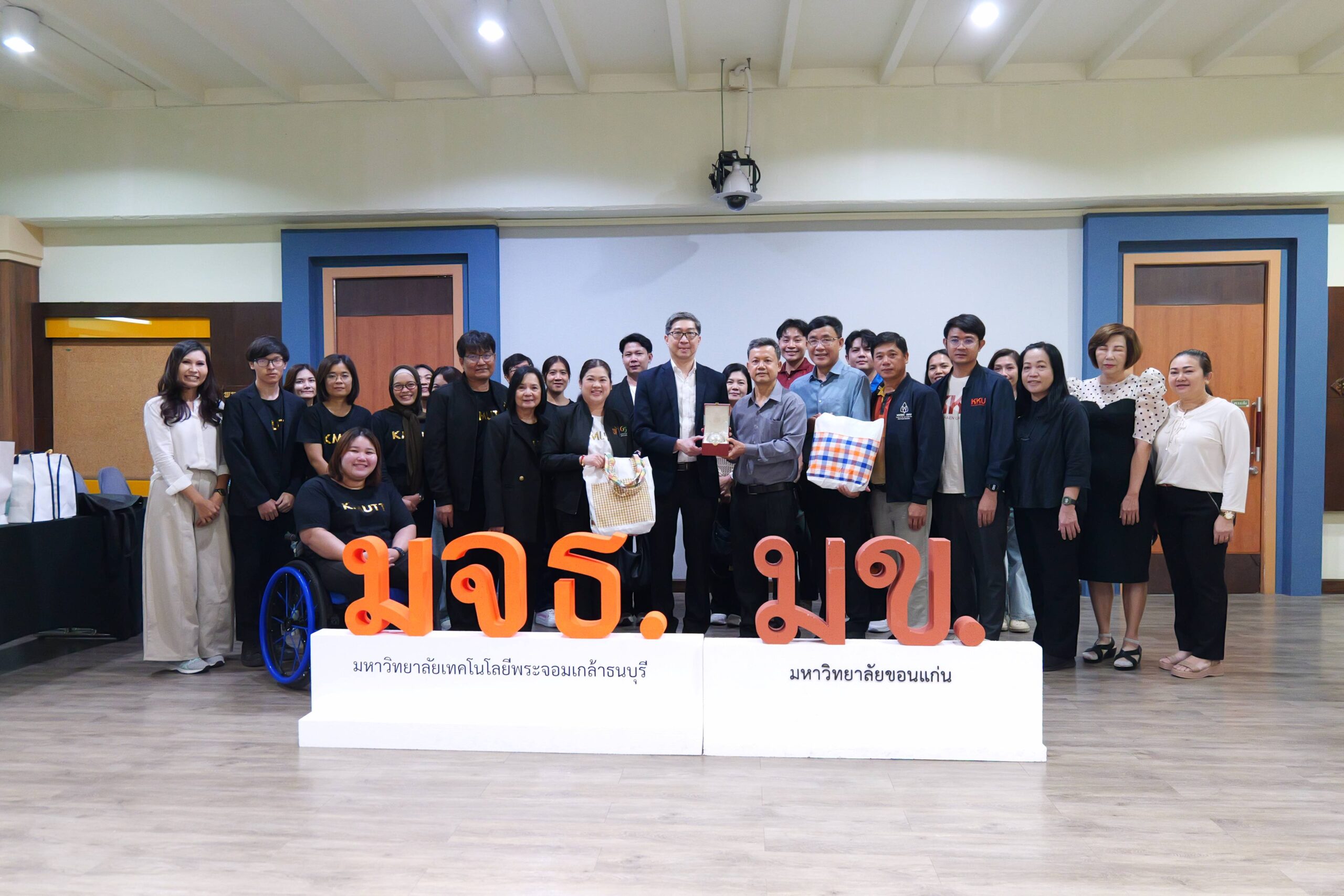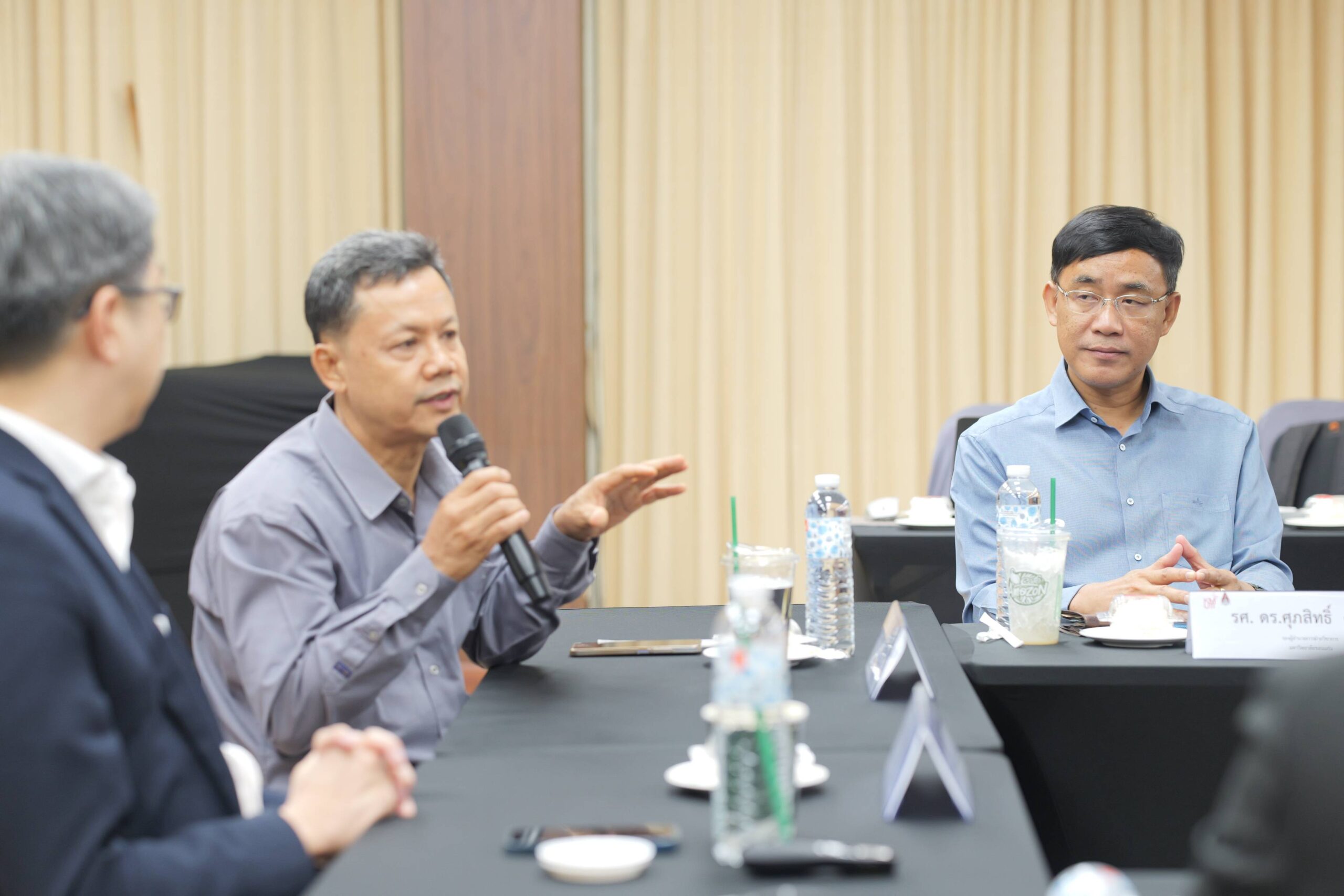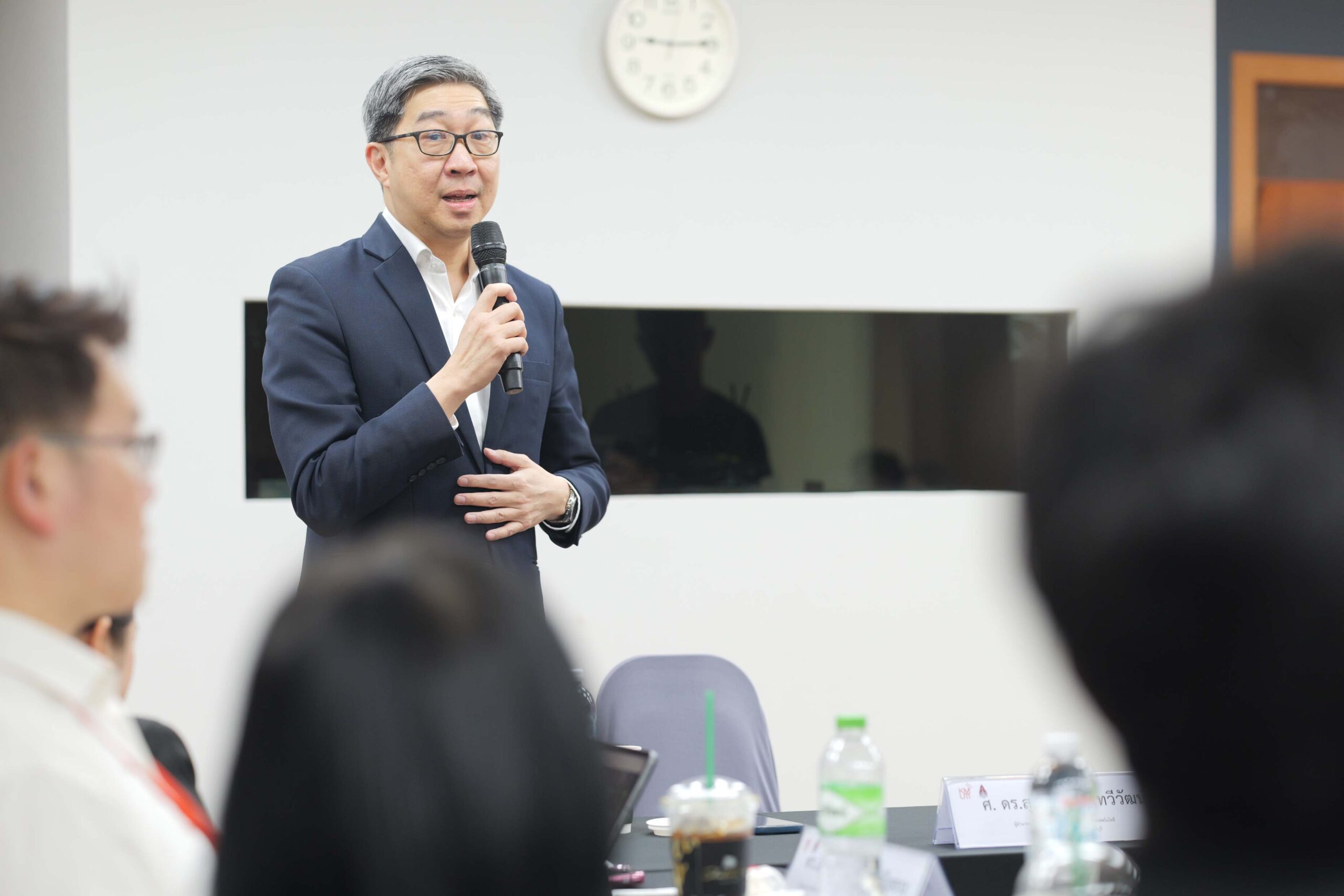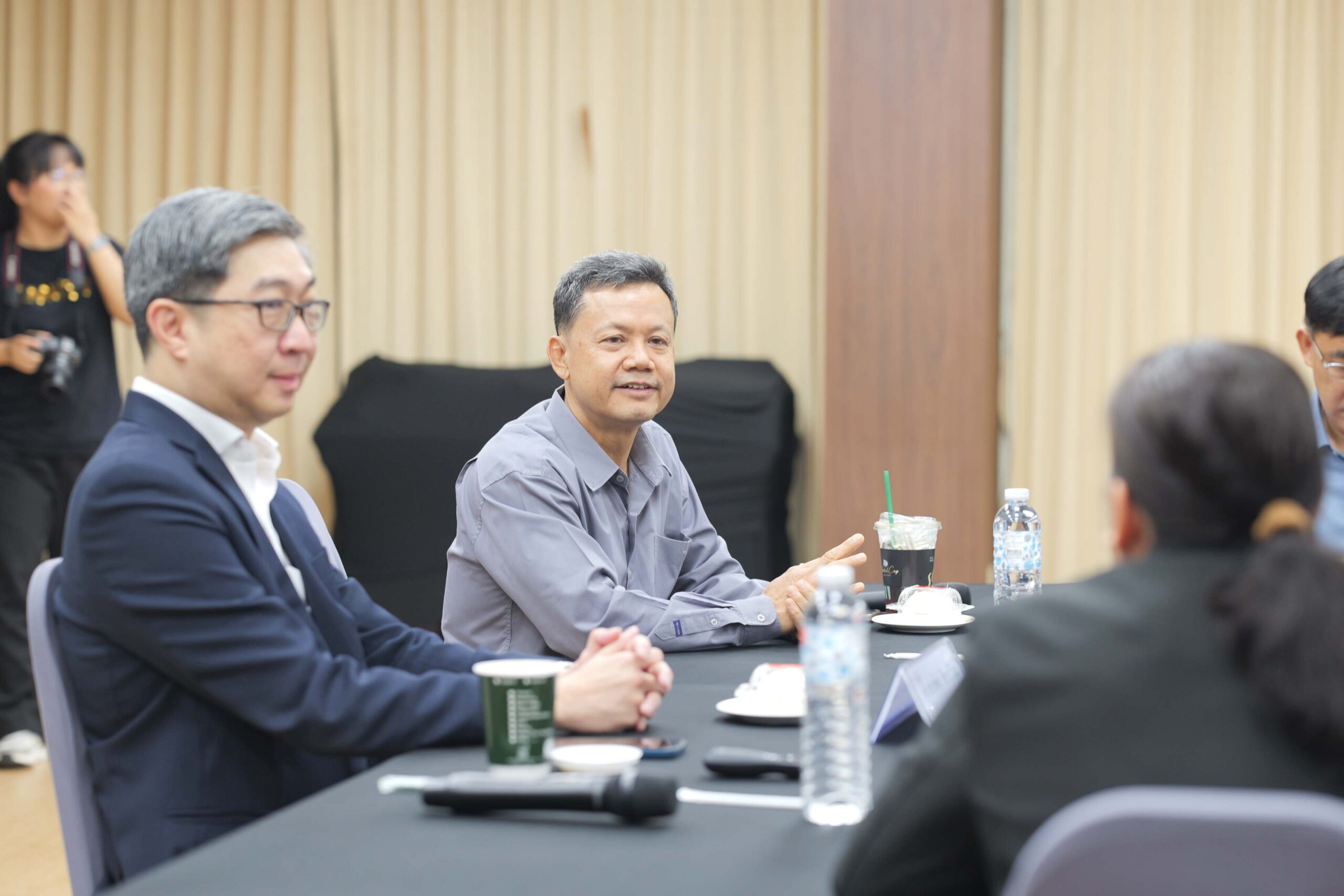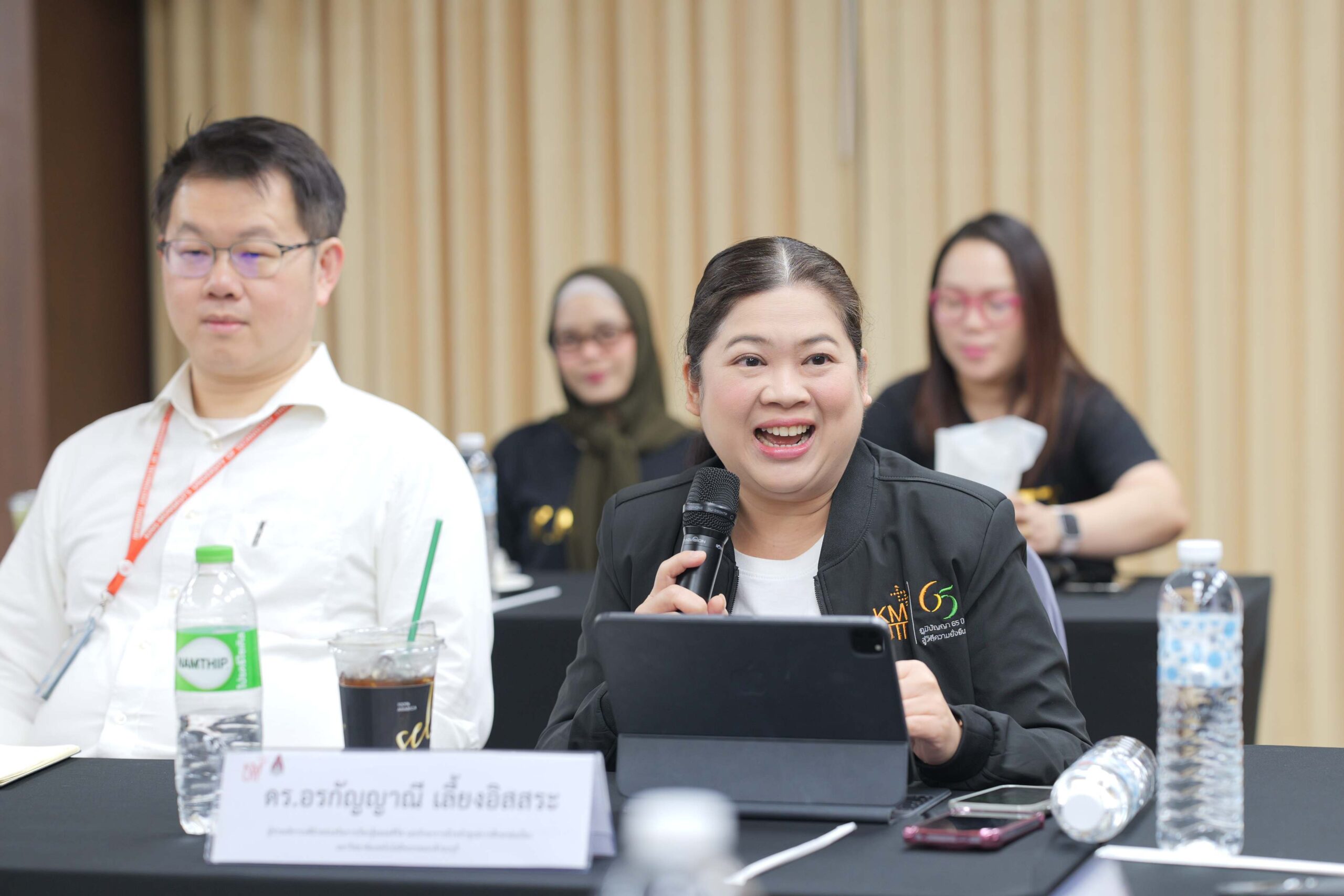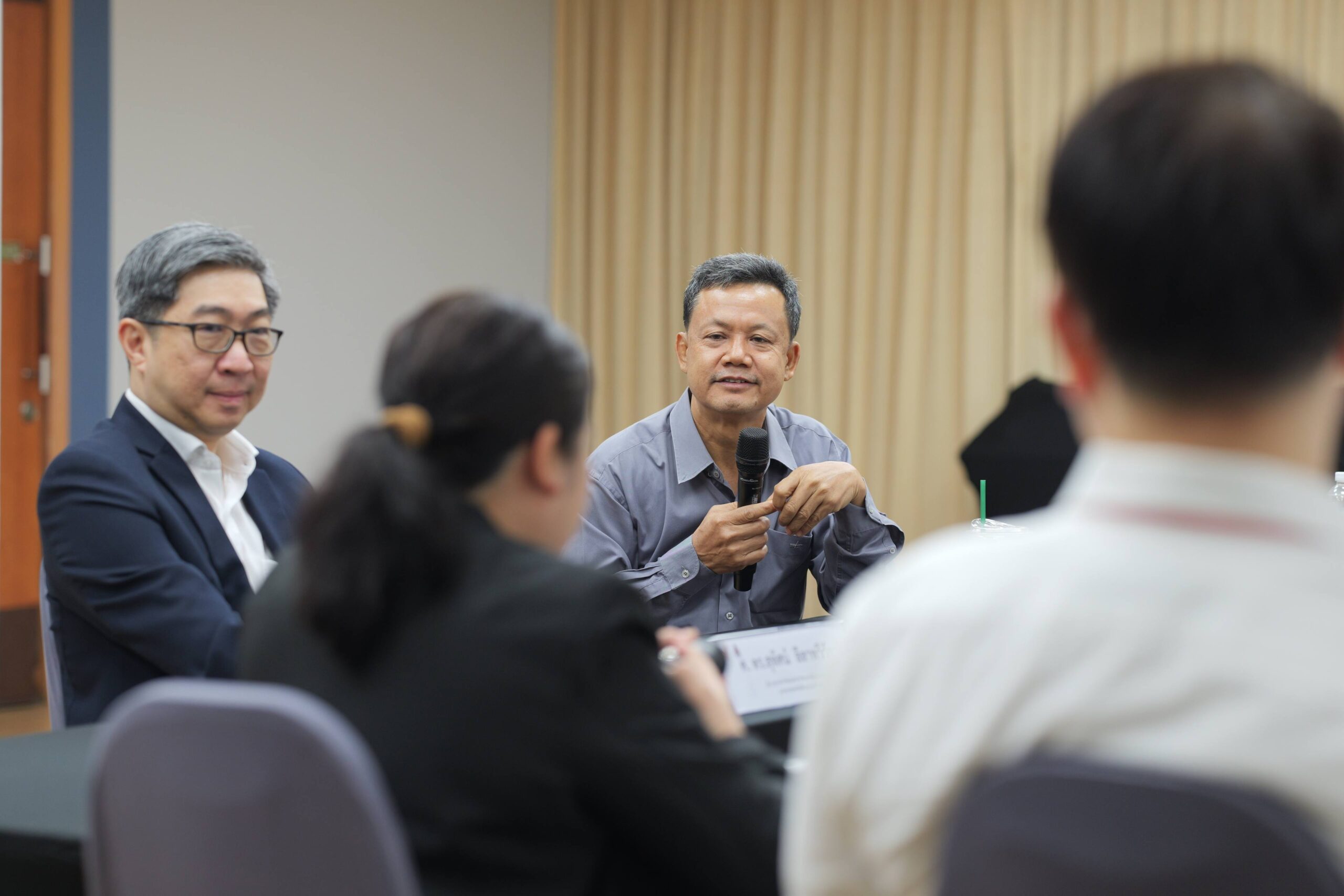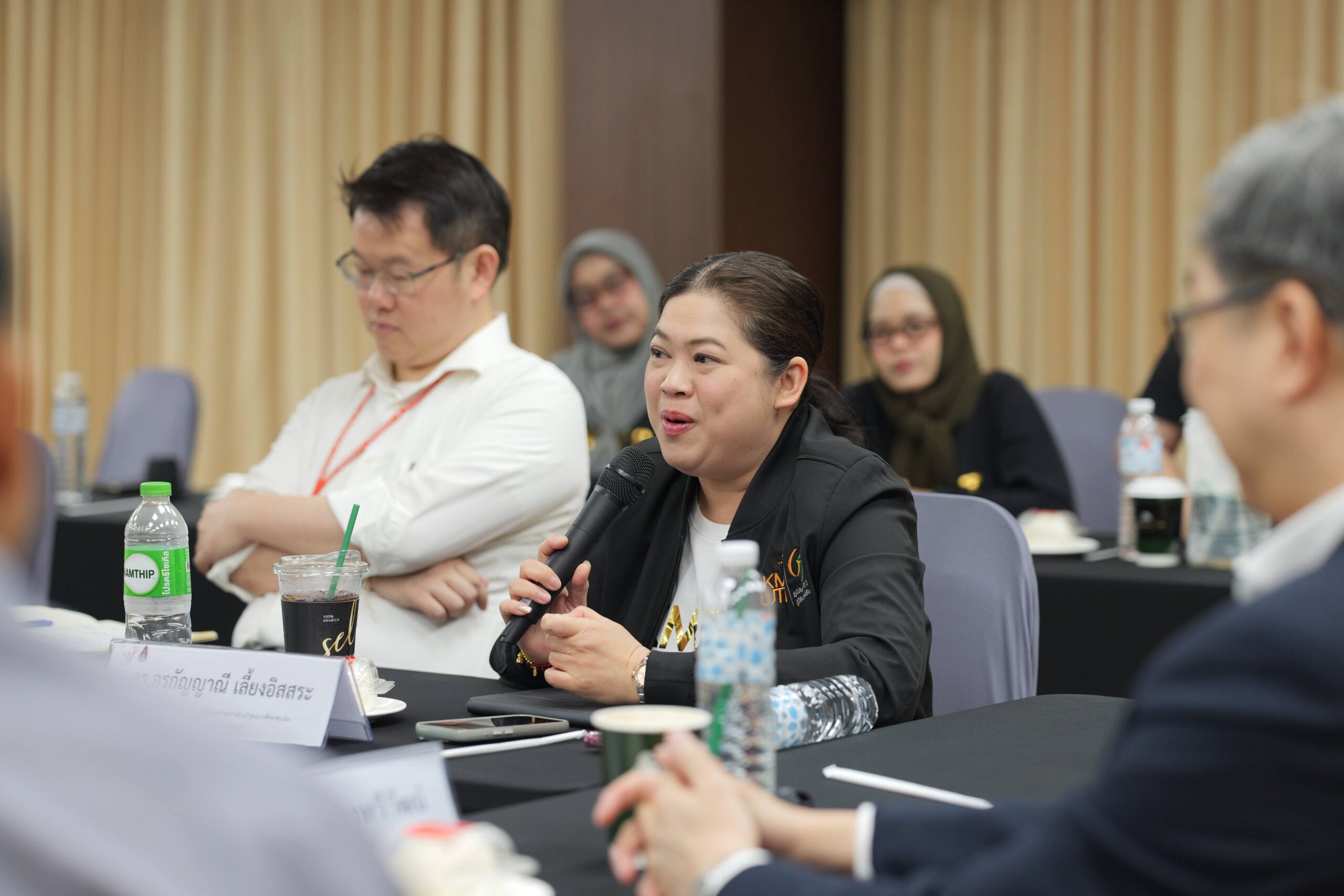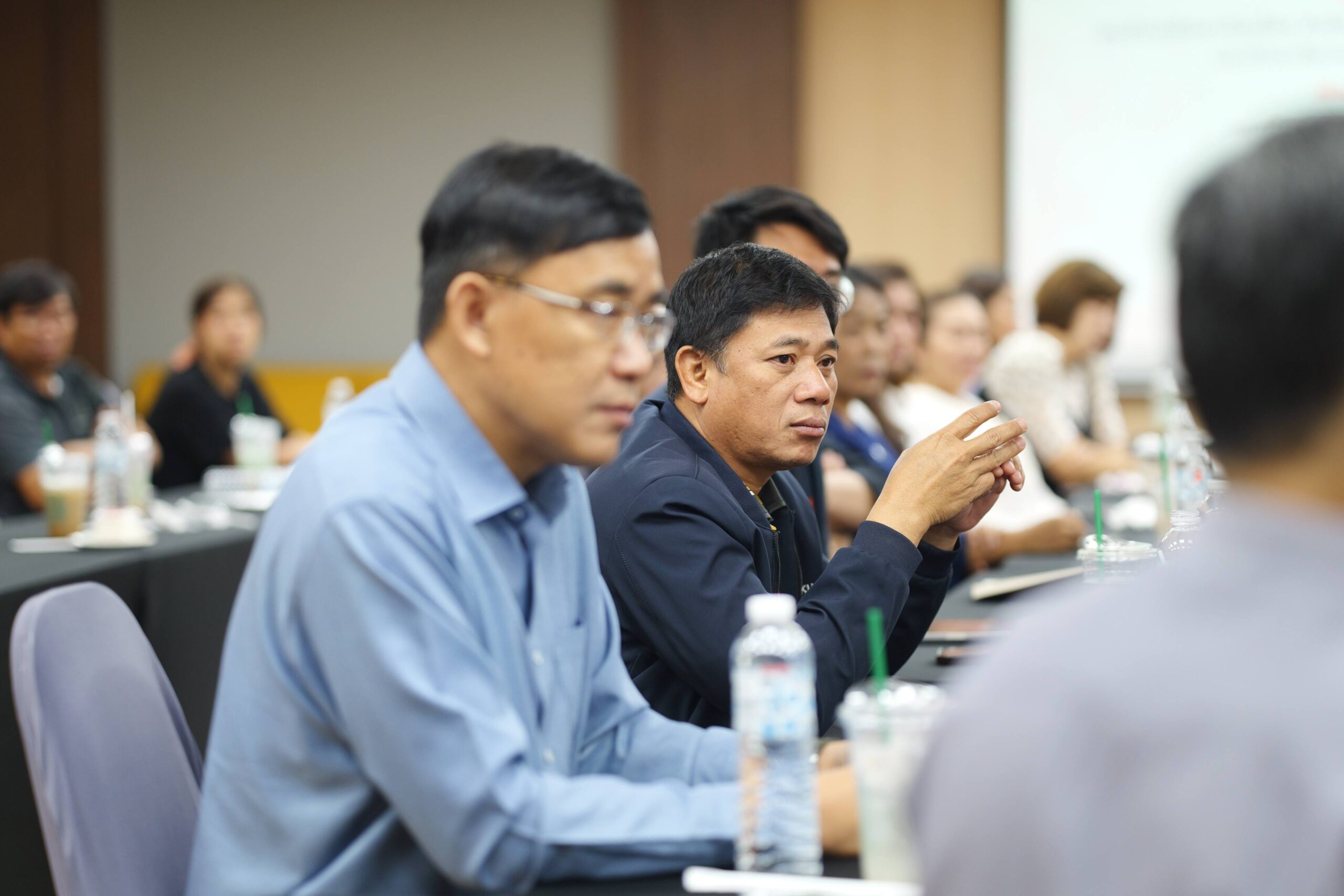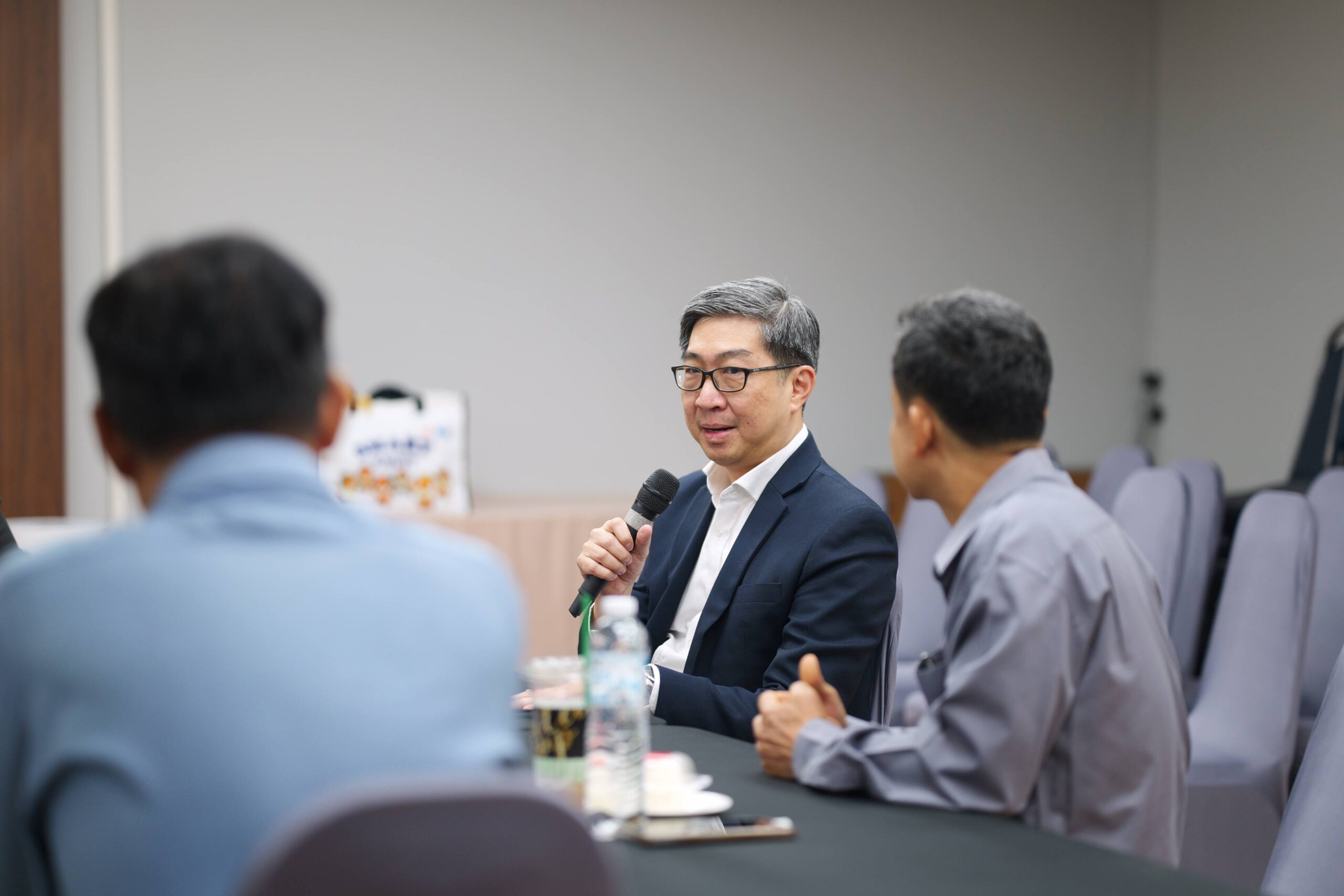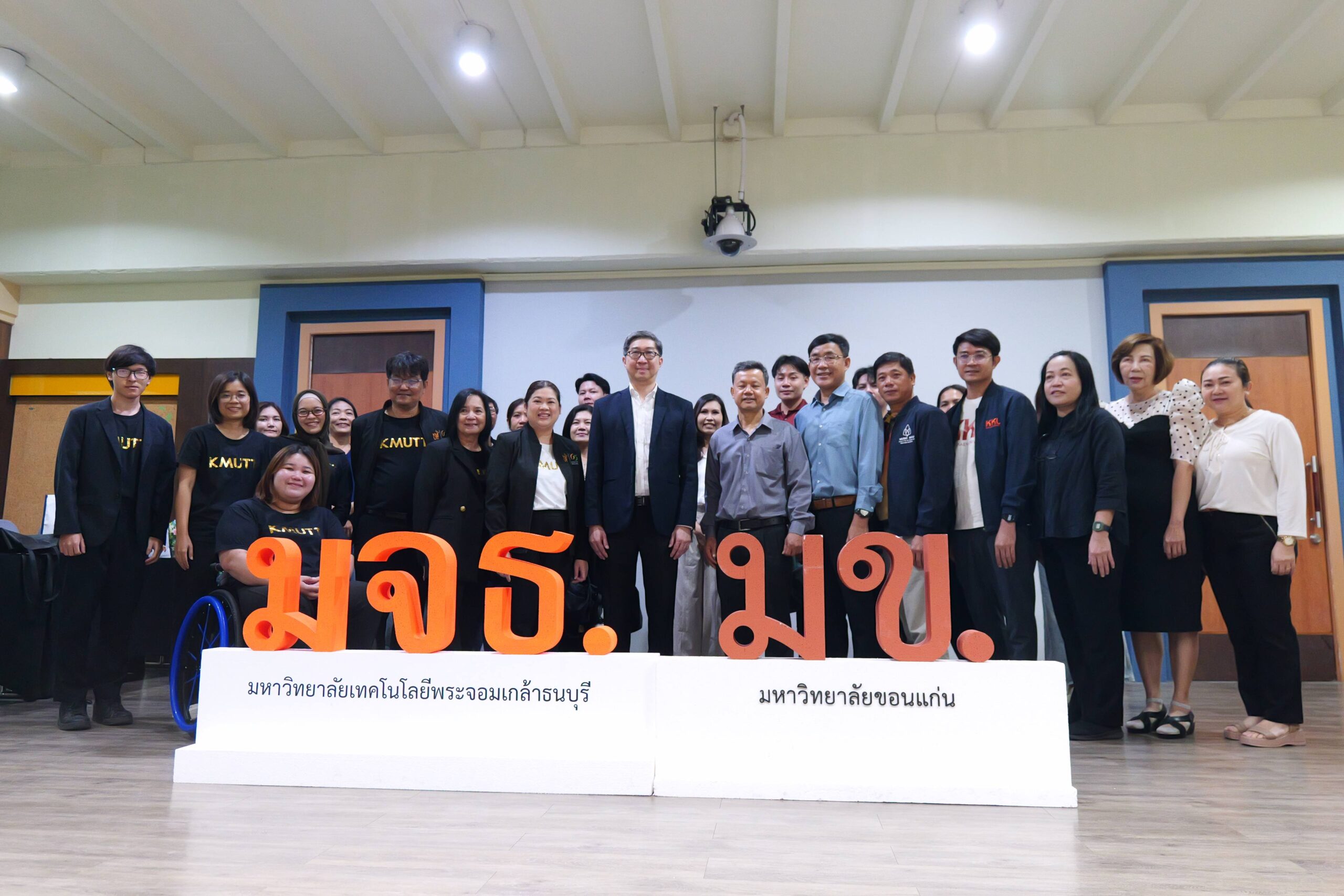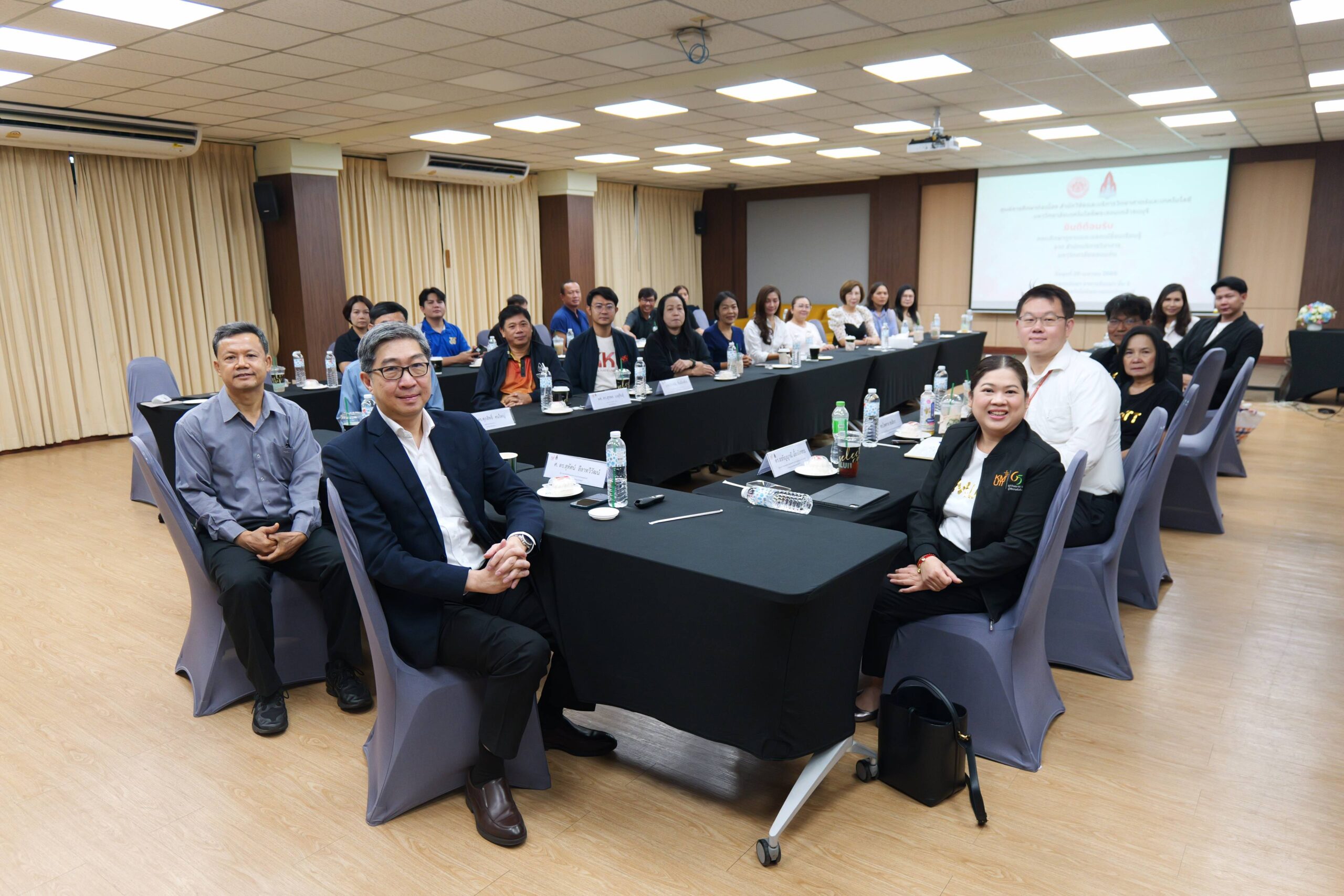

Bangkok (29 April 2026) – The Office of Academic Service, Khon Kaen University (KKU), led by Associate Professor Chuchat Kamollerd, Ph.D., Director of the Office of Academic Service, brought a delegation of executives and staff for a study visit and knowledge exchange on lifelong learning management. The session was held in collaboration with the Continuing Education Centre, Institute for Scientific and Technological Research and Services (ISTRS), King Mongkut’s University of Technology Thonburi (KMUTT), at the Phuttharaksa Room, 3rd Floor of the Seminar Building. The delegation was warmly welcomed by Professor Suthat Leelataviwat, Ph.D., Director of ISTRS, and Dr Ornkanyanee Liang-itsara, Vice President for Lifelong Learning Promotion and Acting Head of the Continuing Education Centre.
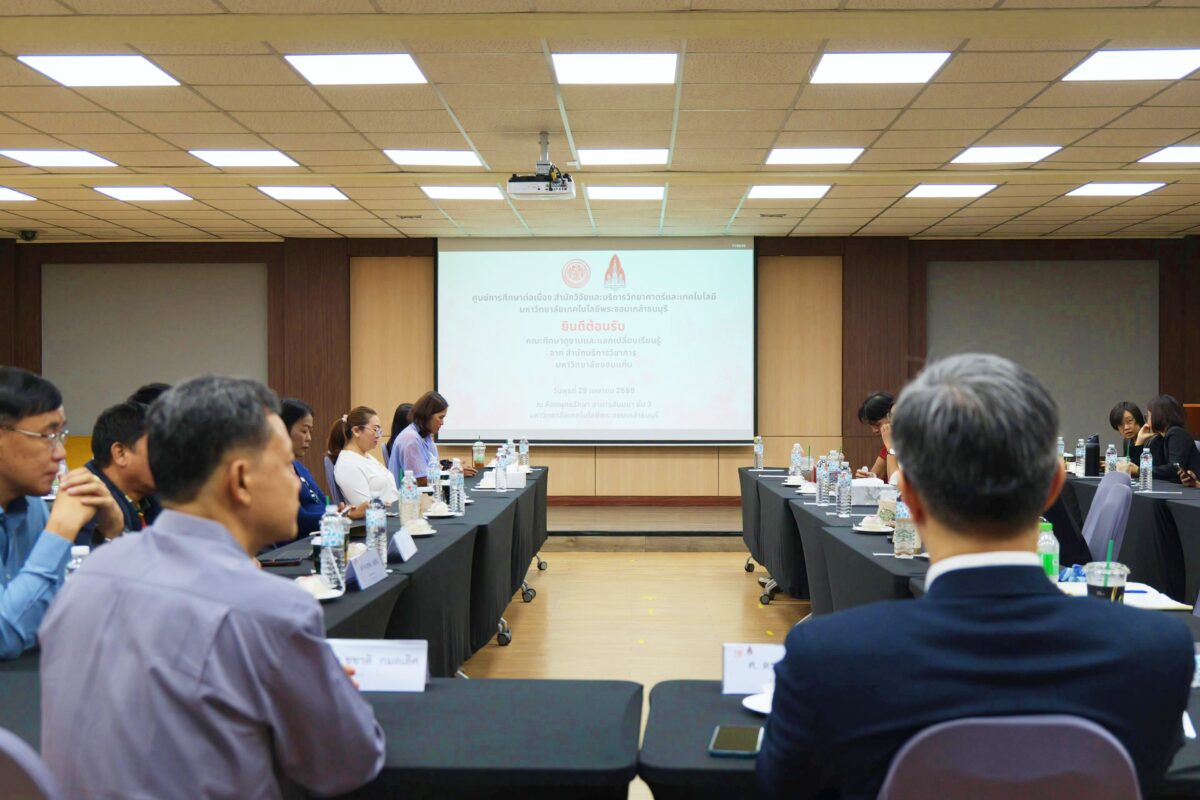
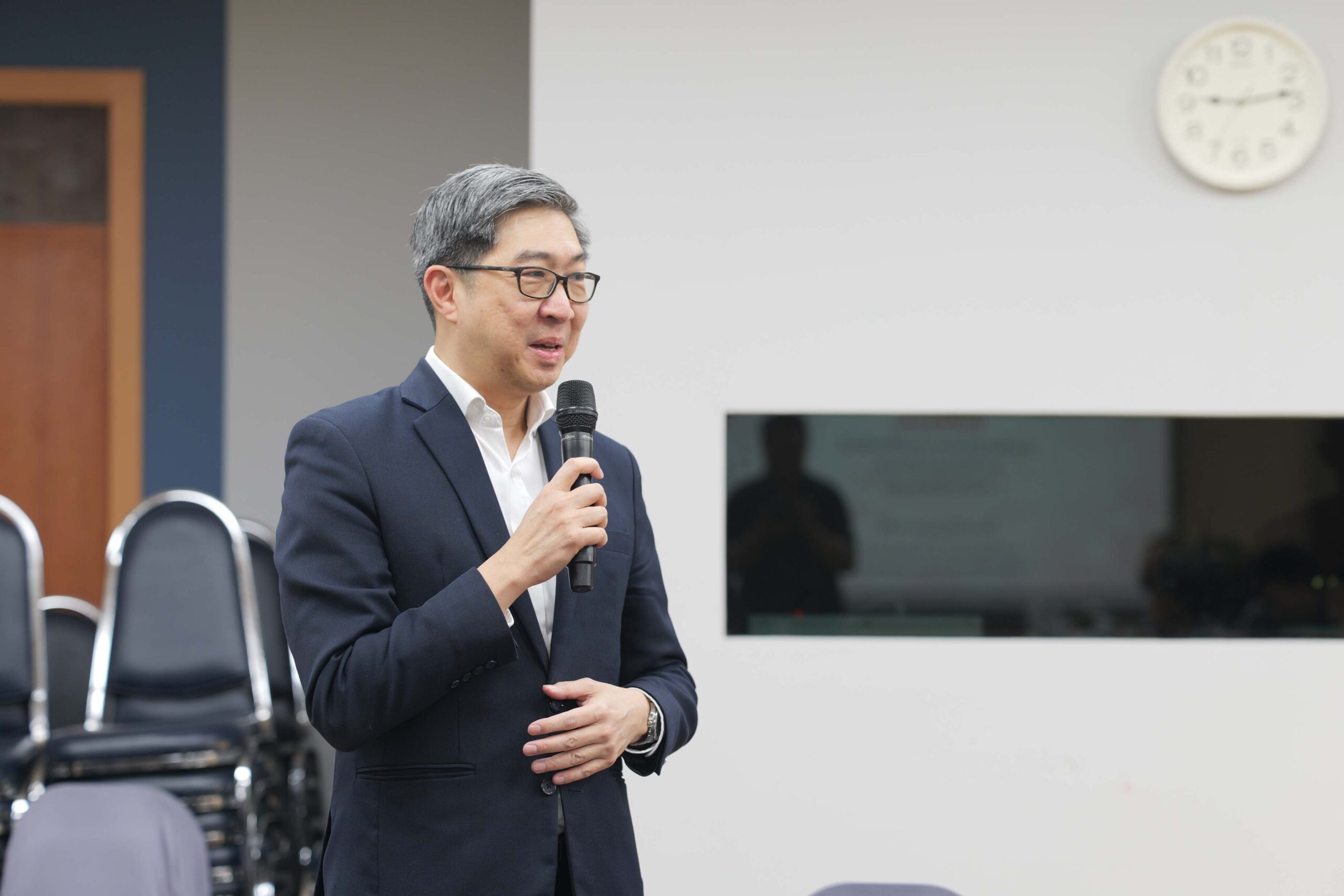
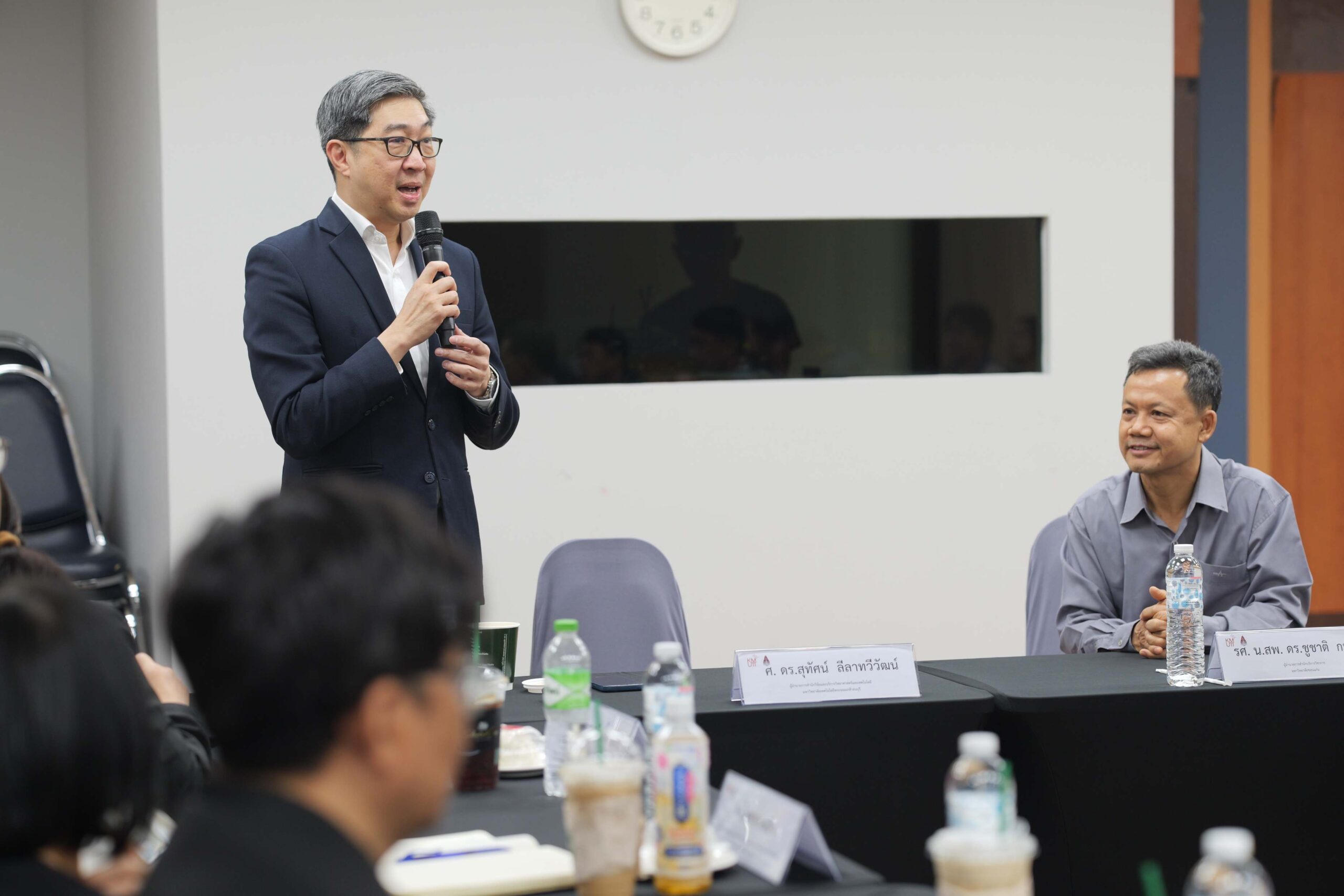
Fostering “Twin Institutions” Relations to Drive National Education Professor Suthat welcomed the KKU delegation, noting that the two entities operate as “twin institutions” with similar missions and ideologies. This is particularly true regarding their continuing education mandates, which are vital for modern workforce development. This exchange of ideas serves as a crucial component in strengthening existing collaborative networks and paving the way for future projects.
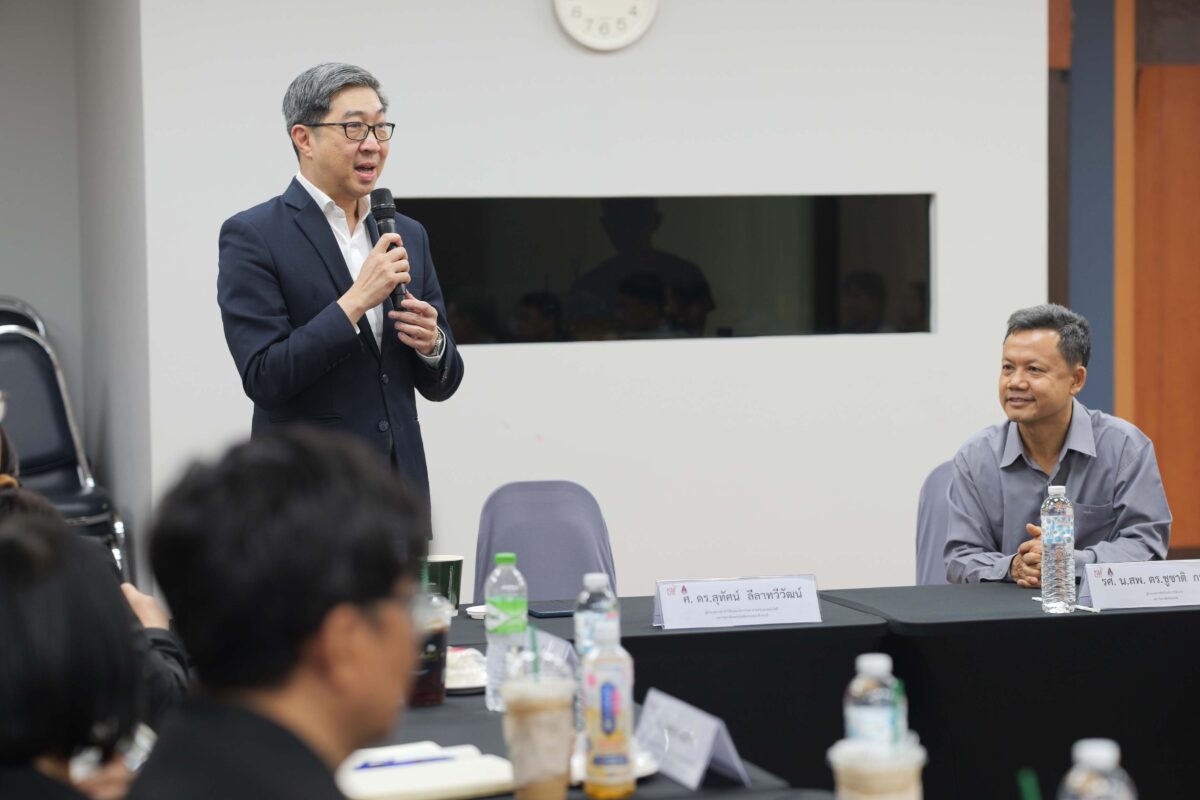
Revealing KMUTT’s Strategy: Penetrating B2B/B2G Markets to Meet Social and Industrial Demands Dr Ornkanyanee shared insights into the management of KMUTT’s Continuing Education Centre, which aims to become the leading science and technology university in ASEAN. A key success factor is the transition of its business model from focusing on individual learners (B2C) to fully engaging with corporate (B2B) and government (B2G) sectors, leading to exponential revenue growth. The learning management framework is structured around four main pillars:
- Working-Age Population: Focusing on reskilling and upskilling to develop specialised vocational skills through the KMUTT Works and KMUTT Exclusive Education models.
- Children and Youth (Smart Kids): Emphasising the cultivation of future skills, such as robotics, by piloting active learning spaces in city-centre shopping complexes (e.g., EmQuartier) to raise awareness and reach modern target audiences.
- The Elderly and Vulnerable Groups: Driving inclusivity through the Smart Senior initiative and the KMUTT vocational training project for persons with disabilities (KMUTT PWD) to reduce inequality.
- International Level: Expanding cooperation within global networks.

Integrating Strengths to Generate Social Impact A significant highlight of the discussion was the exchange of proactive policy implementation strategies. KMUTT presented a model for establishing a “Lifelong Learning Promotion and Management” unit, serving as a central hub to pool resources and academic assets from all faculties into integrated programmes that meet national demands.
Furthermore, both institutions discussed the success of the vocational training programme for persons with disabilities, a continual collaborative network operation between KKU and KMUTT. The initiative aims to create strong social impact and build confidence among private sector partners to provide financial support, thereby equipping persons with disabilities with sustainable, self-reliant vocational skills.

Moving Towards Sustainability This knowledge exchange by the Office of Academic Service opens new perspectives and visions in continuing education management, highlighting the necessity for academic institutions to adapt to a changing world. KKU and KMUTT have affirmed their commitment to partnering as a strategic network to elevate the competencies of Thai people across all age groups, acting as a crucial driving force for Thailand’s Lifelong Learning Society.