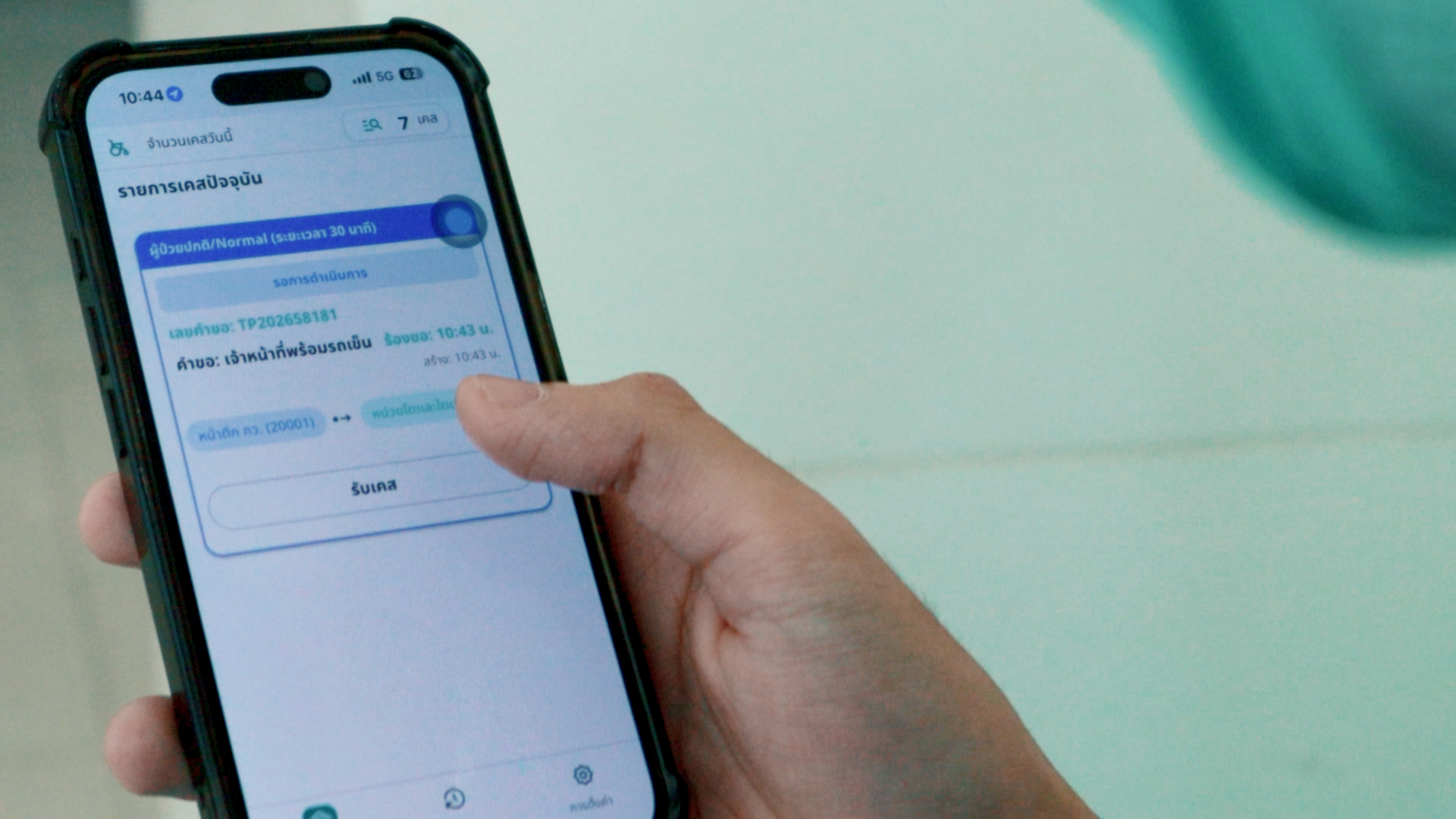
The Smart Patient Transport Management System, developed through a collaboration between the Faculties of Medicine and Engineering, streamlines logistics and enhances patient care at Srinagarind Hospital.
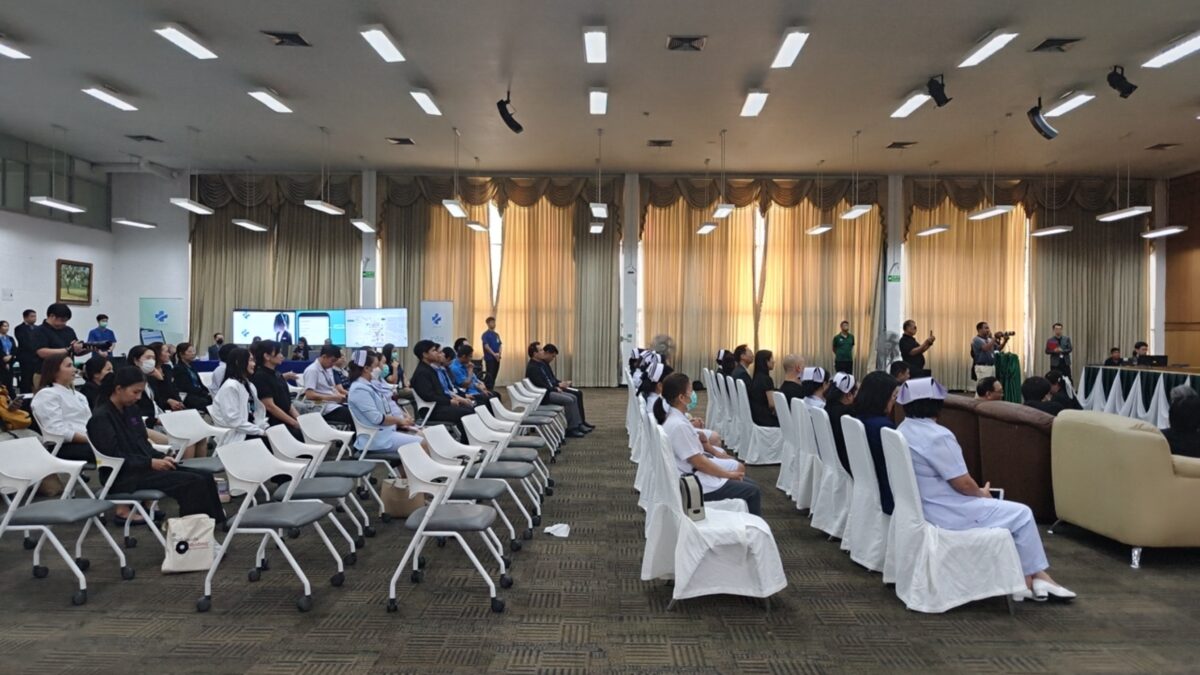
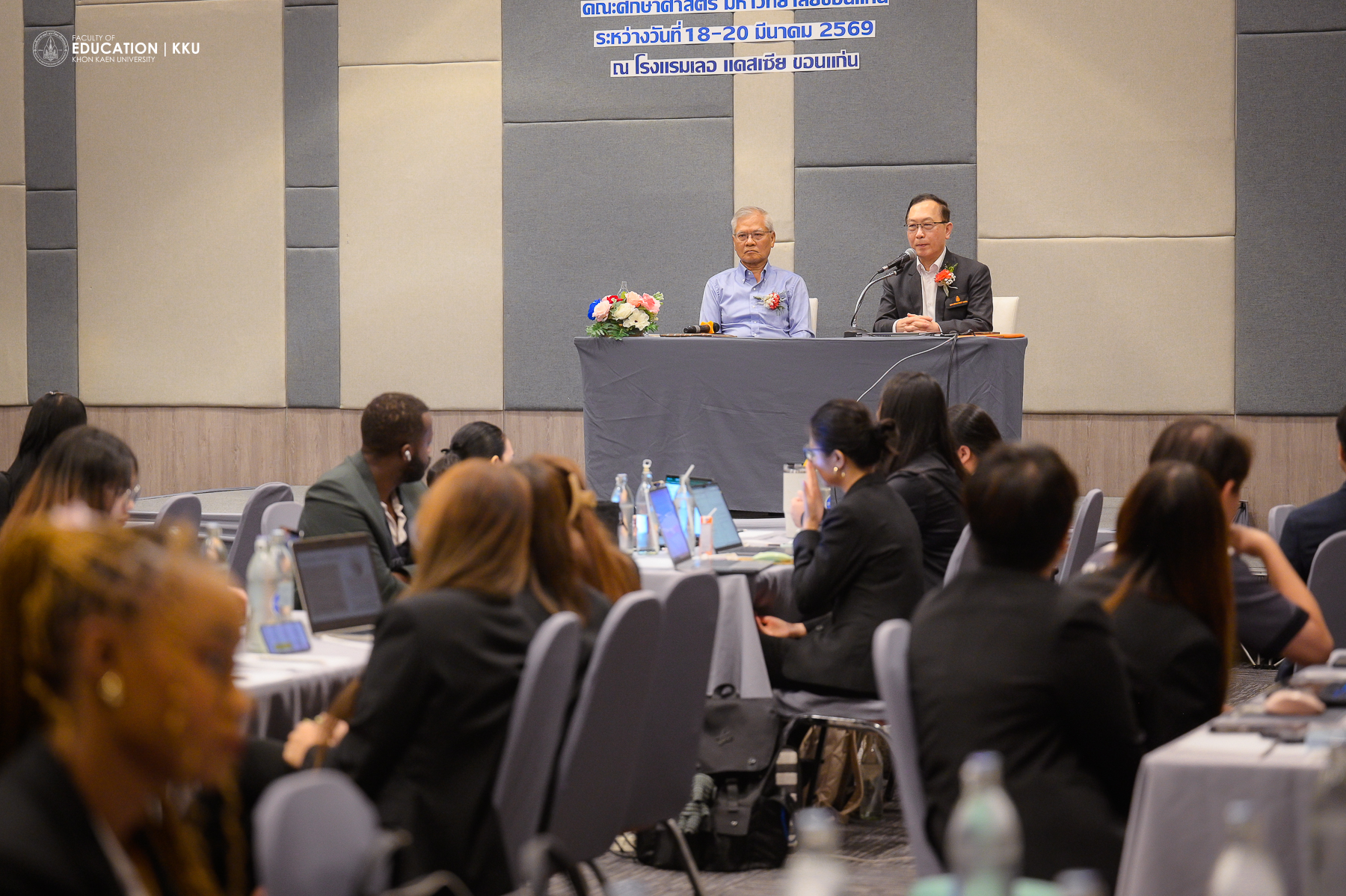
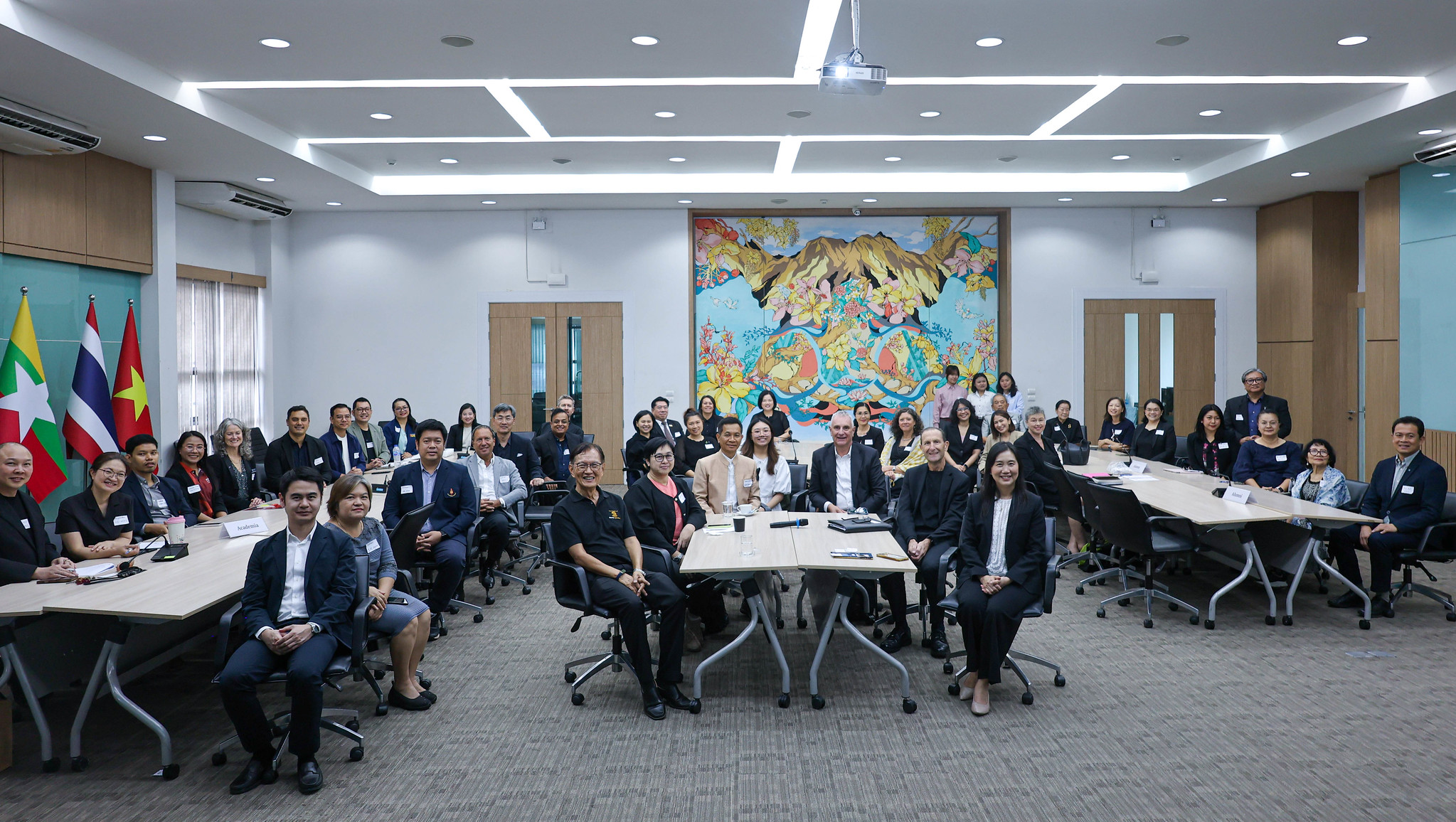
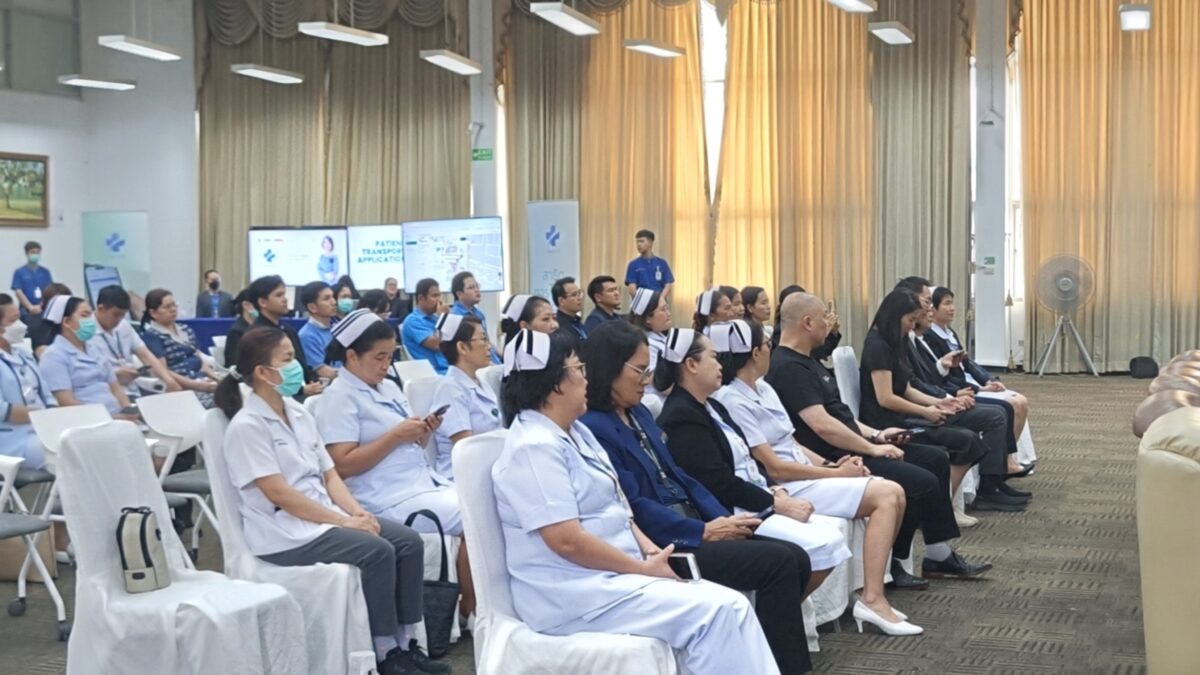
27 March 2026 – On Thursday, 26 March 2026, the Faculty of Medicine at Khon Kaen University hosted the official launch of the “i-Move” application, a Smart Patient Transport Management System. This innovative platform enhances patient services through digital technology and artificial intelligence. The ceremony was presided over by Associate Professor Charnchai Panthongviriyakul, M.D., President of Khon Kaen University. He was joined by Associate Professor Pattarapong Makarawate, M.D., MSc, FHRS, Dean of the Faculty of Medicine; Associate Professor Ratchaphon Suntivarakorn, Ph.D., Dean of the Faculty of Engineering; Professor Somsak Tiamkao, M.D., Director of Srinagarind Hospital; and Professor Kanjana Sethanan, Ph.D., the project’s lead researcher. The event, held in the Mittraphap Conference Room on the 3rd floor of the Learning and Teaching Building at the Faculty of Medicine, was well attended by faculty members, medical personnel, and other interested individuals.
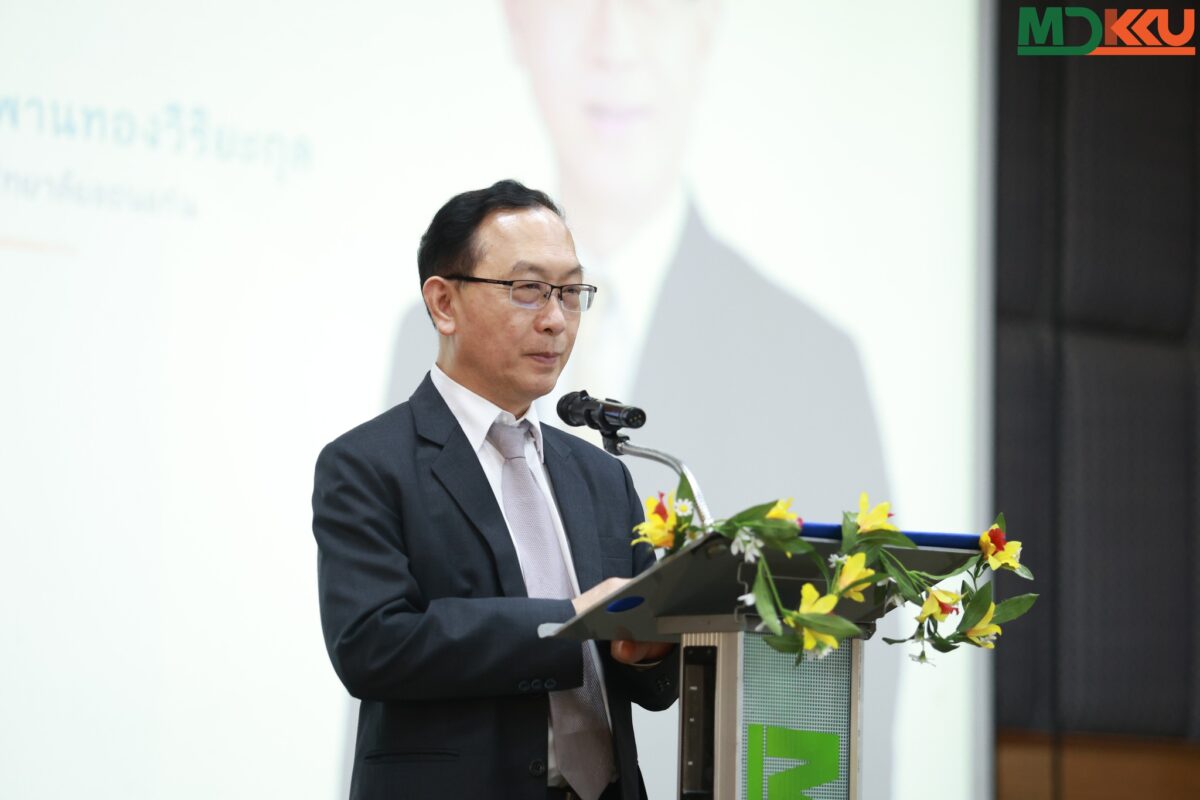
Associate Professor Charnchai Panthongviriyakul remarked that Khon Kaen University places great importance on innovation, encouraging its faculty and staff to conduct research that leads to societal solutions.
“The ‘i-Move’ platform, developed by our team, is a collaboration between the Faculty of Medicine and the Faculty of Engineering. It is a high-quality system, comparable or even superior to imported software, and is a source of immense pride for us. Furthermore, this platform can be adapted for managing operating theatres, bed allocation, and various other hospital services. It is a highly versatile platform with the potential for widespread application and significant impact,” stated the President.
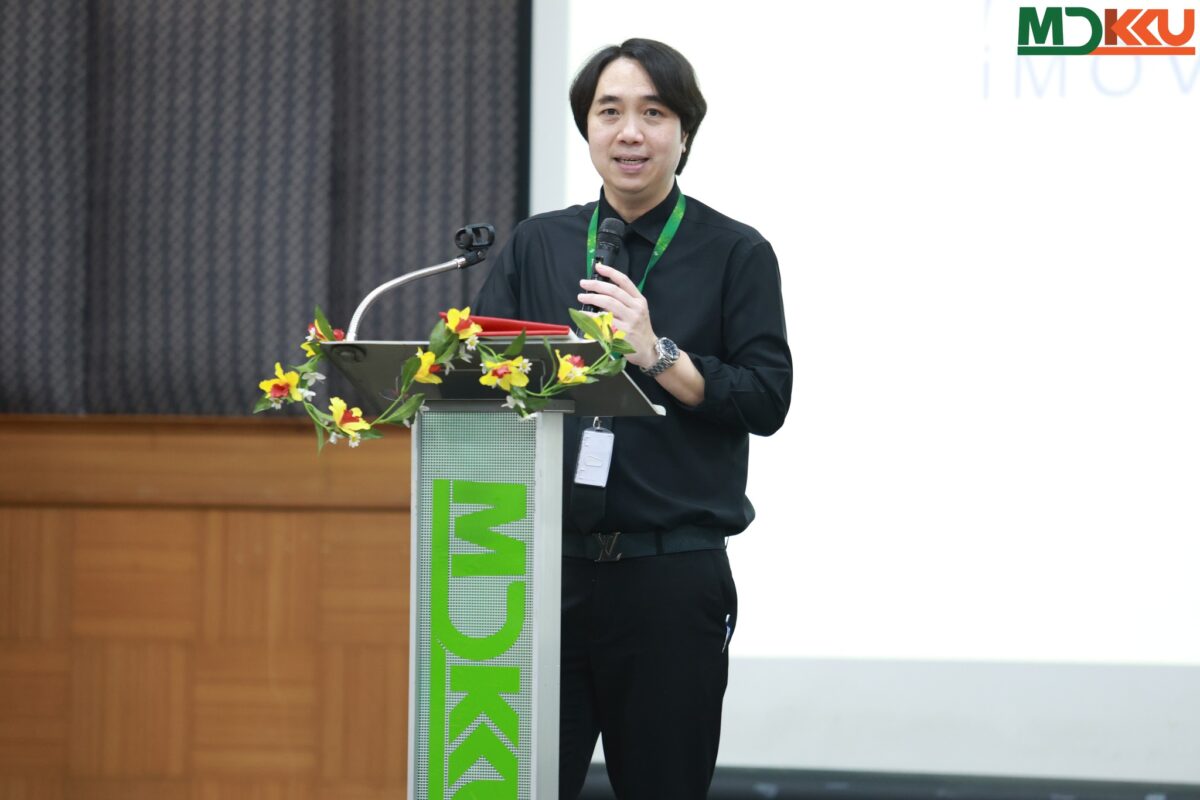
Associate Professor Pattarapong Makarawate explained that Srinagarind Hospital’s journey towards becoming a Smart Hospital relies on mechanisms that ensure the highest efficiency and safety in patient care. The porter service is a critical component that connects the entire system. “The i-Move application has transformed our manual processes into a digital workflow. It enables effective care planning across different departments, from wards to the nursing division, and seamlessly links to the porter service. This brings us closer to becoming a truly comprehensive Smart Hospital, which aligns with the Faculty of Medicine’s direction of elevating patient care standards with modern technology.”
Associate Professor Ratchaphon Suntivarakorn revealed that the development of i-Move presented two main challenges. The first was ensuring system stability and accuracy, as it needed to process a large volume of data and operate 24/7 with constant availability. The second was designing a user-friendly interface that could respond to various activities in a timely manner. “The development team implemented the concept of ‘Intelligent Dispatching,’ a platform for allocating resources and tasks systematically using real-world data. It features automated and intelligent analysis, enabling it to meet patient service demands with maximum efficiency. This marks a successful collaboration between our two faculties in creating an innovation that addresses a genuine need in the healthcare sector.”
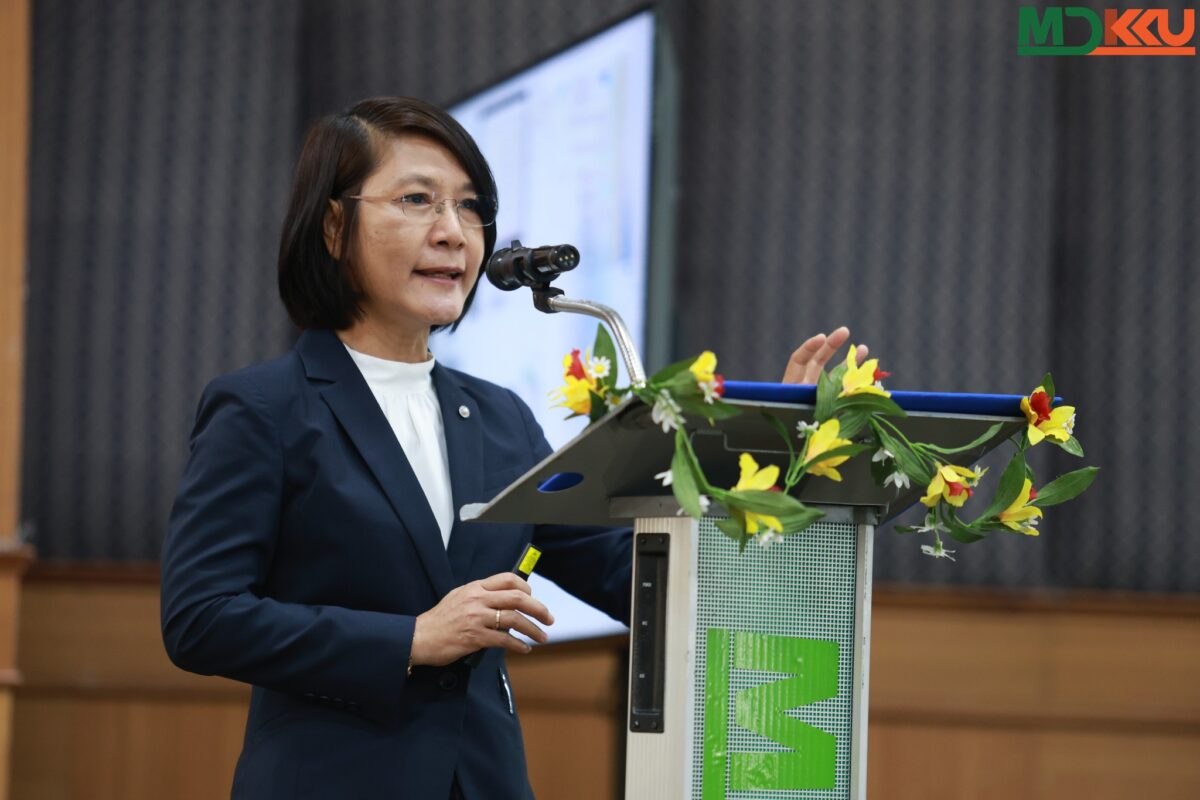
Professor Kanjana Sethanan, the lead researcher, described the project’s origins, noting that the conventional patient transport system was manual and heavily reliant on personnel. This made real-time tracking impossible and provided no in-depth data for analysis and management. “These issues resulted in delays, errors in patient transport, and, importantly, high hidden costs. In response, we developed the i-Move platform—a patient transport logistics system that integrates IoT, databases, and digital systems to increase efficiency, reduce costs, and support Srinagarind Hospital’s vision of becoming a Smart Hospital.”
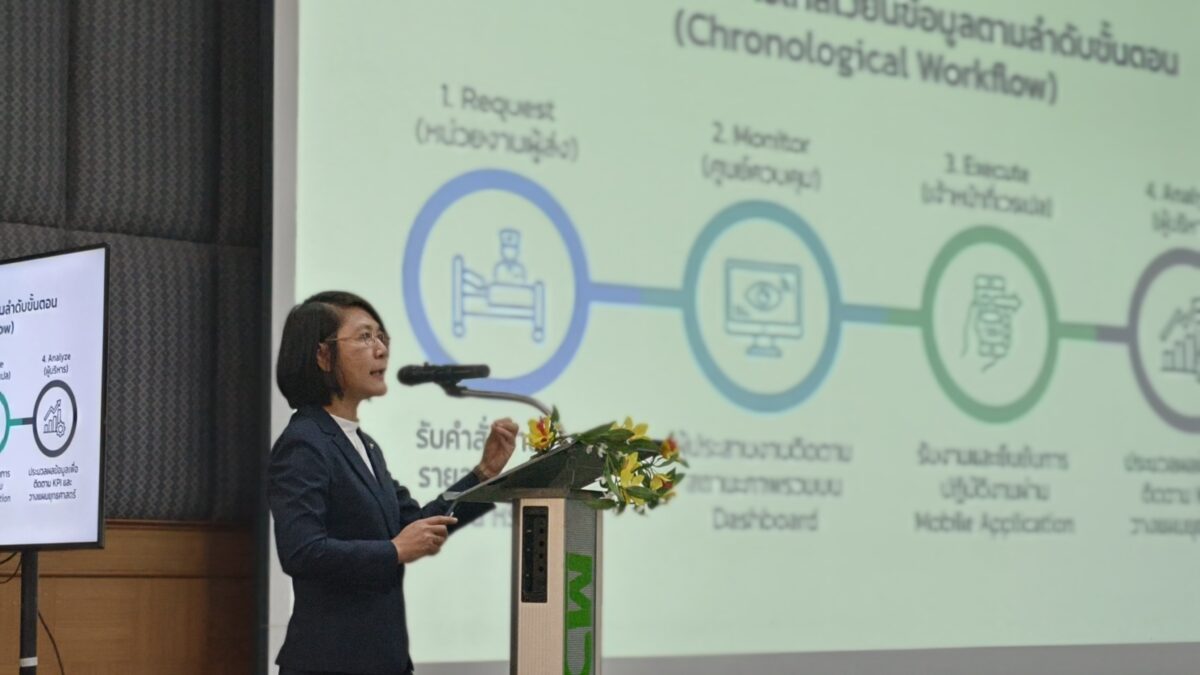
Professor Sethanan continued, explaining that the i-Move system operates through a systematic process. It begins by receiving a work order from a sending unit, such as a patient ward or the emergency room. The system then automatically queues and assigns the task, prioritising the nearest available staff member. Staff accept jobs via their mobile devices, scan QR codes or press a button to start and end tasks, and coordinators can monitor their status on a real-time dashboard.
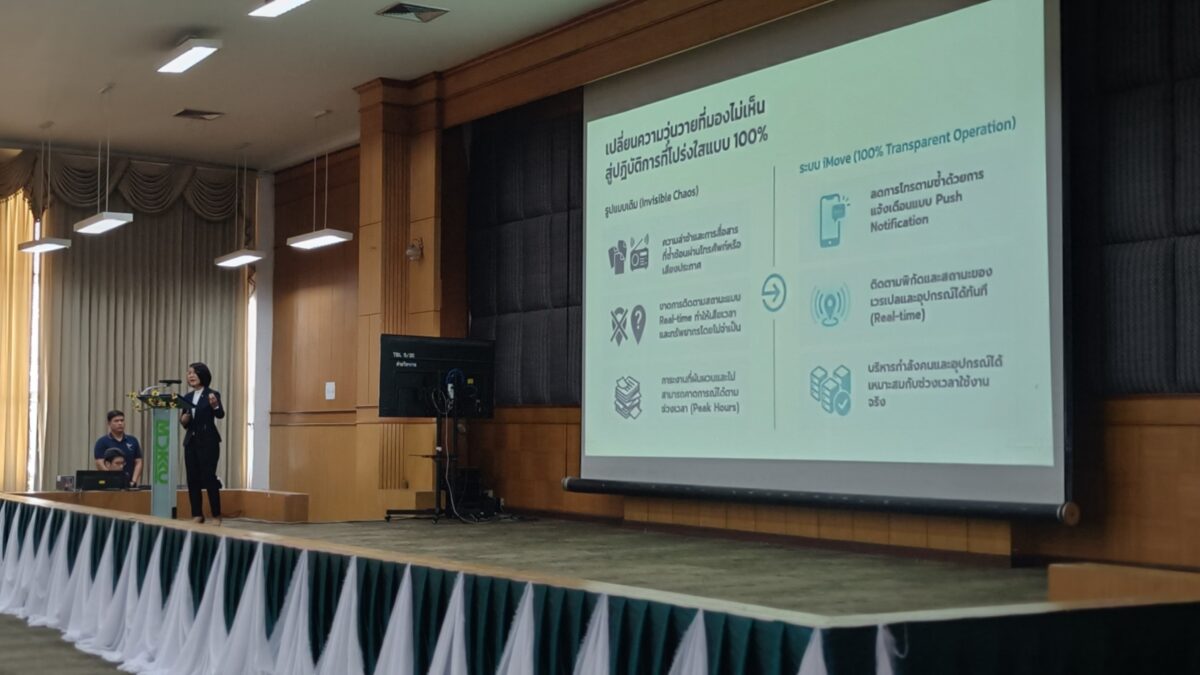
“i-Move features a comprehensive and modern set of functions, including systematic work management for queuing and task assignment, real-time tracking of both job status and staff, and a QR/Scan system to verify pick-up and drop-off points for traceability and error reduction. The Dashboard and Data Analytics provide real-time KPIs, while an automated notification system reduces redundant calls and instantly delivers tasks to personnel. Furthermore, the system surpasses typical applications with its precise indoor positioning via Wi-Fi, eliminating the need for GPS tracking devices. It supports vertical location tracking, monitors staff availability in real time, measures performance with actual data, and analyses statistics on popular routes and equipment usage to further enhance operational efficiency,” she added.
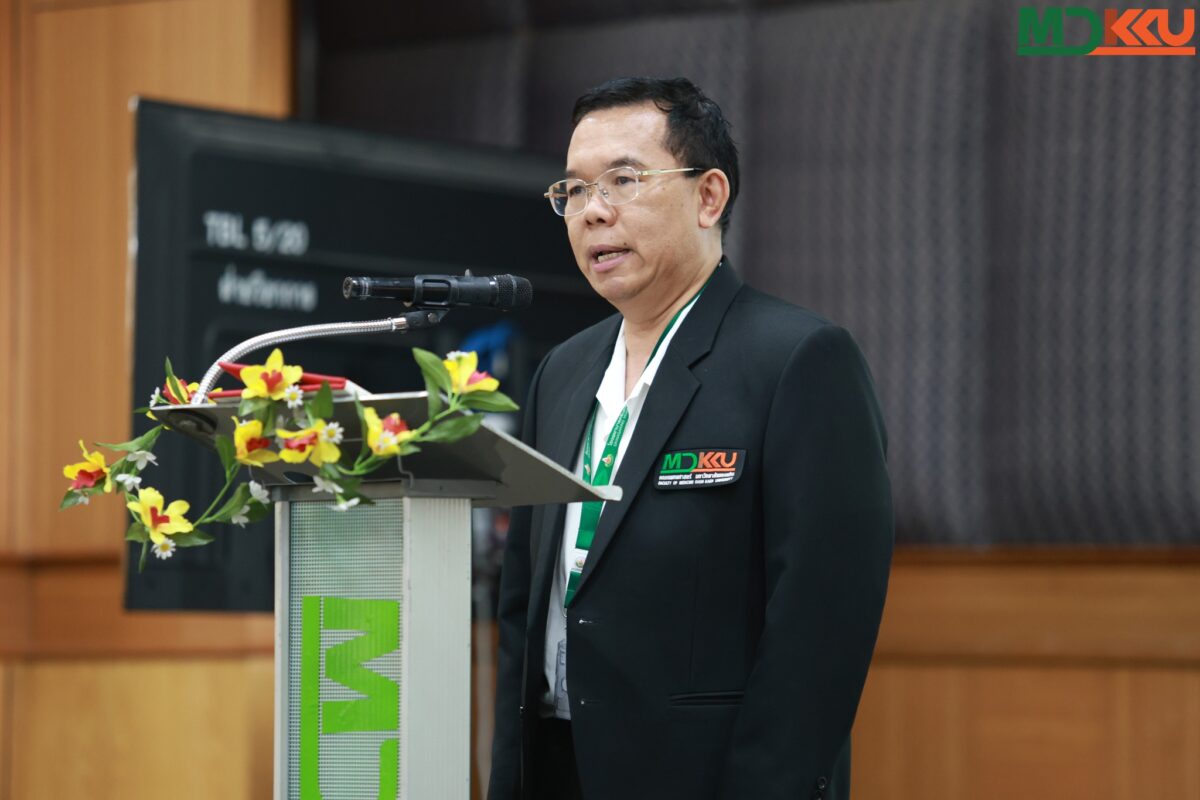
Professor Somsak Tiamkao shared the results of the system’s implementation, confirming its high efficiency. “The hospital has found the system to be highly effective, reducing patient waiting times by as much as one-third. This has significantly improved patient flow to various service points, positively impacting treatment outcomes. Direct feedback from users, including patient transport staff and nurses, indicates a high level of satisfaction. They appreciate the clear overview of the workflow, the precise location information for patient transfers, and the reduction in data inaccuracies. The i-Move system is truly efficient and is guiding our hospital towards becoming a genuine Smart Hospital.”
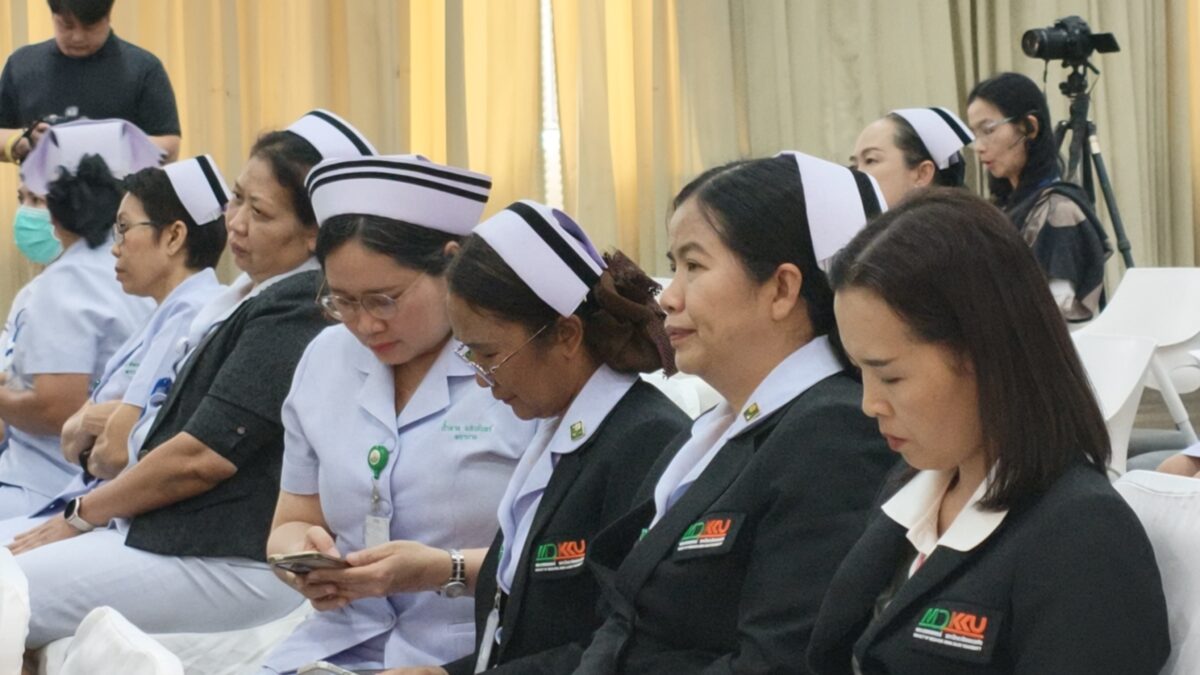
A nurse using i-Move commented, “It is very convenient and has reduced waiting times. Errors that used to happen with phone communication, such as requesting a stretcher with an oxygen tank and receiving the wrong one due to miscommunication, have decreased. The i-Move application has genuinely made collaboration with the porter service much smoother.” A porter staff member remarked, “We can track jobs in real time and see if a patient transfer is complete. It reduces communication errors from using the phone and allows us to record accurate and complete information in the application. i-Move has really made our work easier.”
“i-Move” is therefore more than just an application for porters; it is the core of a hospital’s logistics system. It has proven that accurate data and intelligent management can save lives and maximise efficiency in patient care, reinforcing Khon Kaen University’s commitment to being a university of innovation and dedication to society.