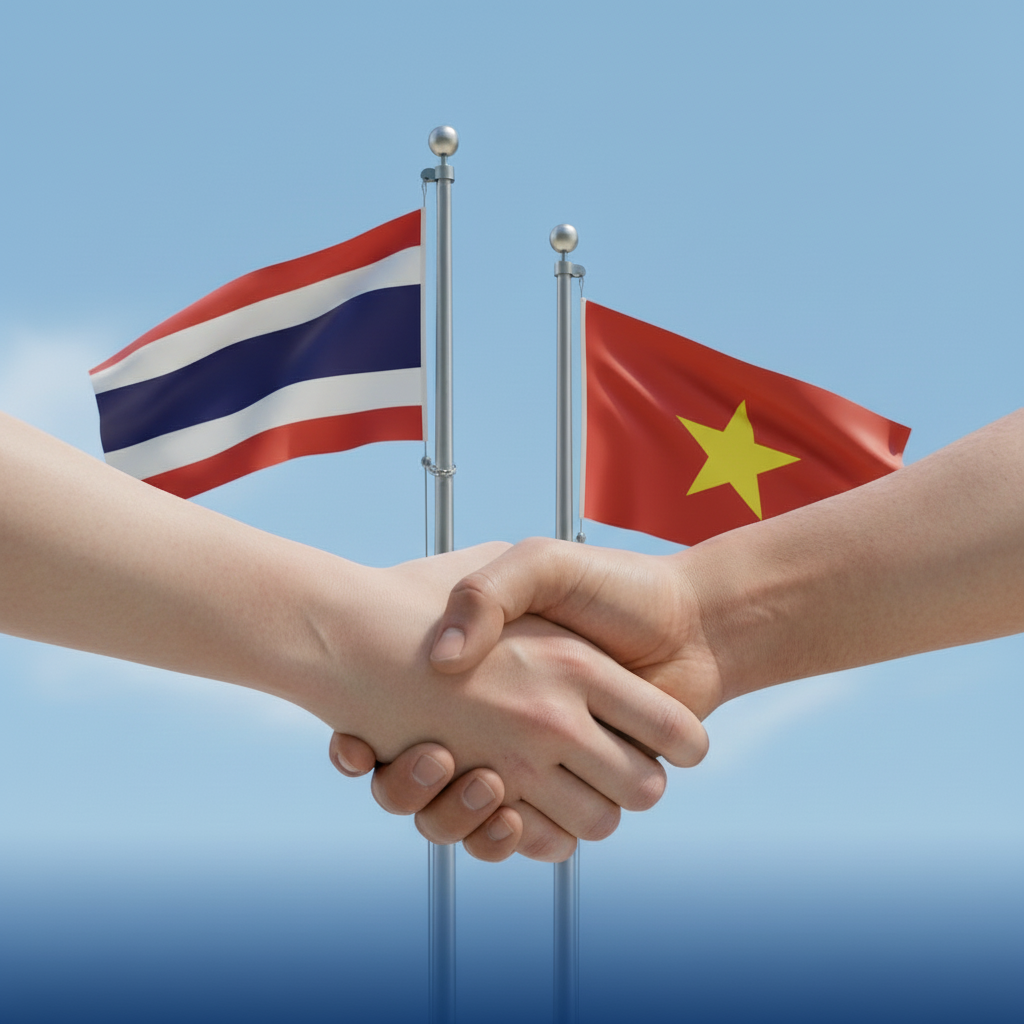
In a significant upcoming event, Thailand and Vietnam are preparing to celebrate the 50th anniversary of establishing diplomatic relations in 2026 (August 6, 1976 – August 6, 2026). This marks another crucial step in regional cooperation, evolving into “Partners in Shared Growth” under a comprehensive strategic partnership framework. This framework aims to strengthen economic power, investment, regional connectivity, and people-to-people relations for the stability and sustainability of ASEAN.
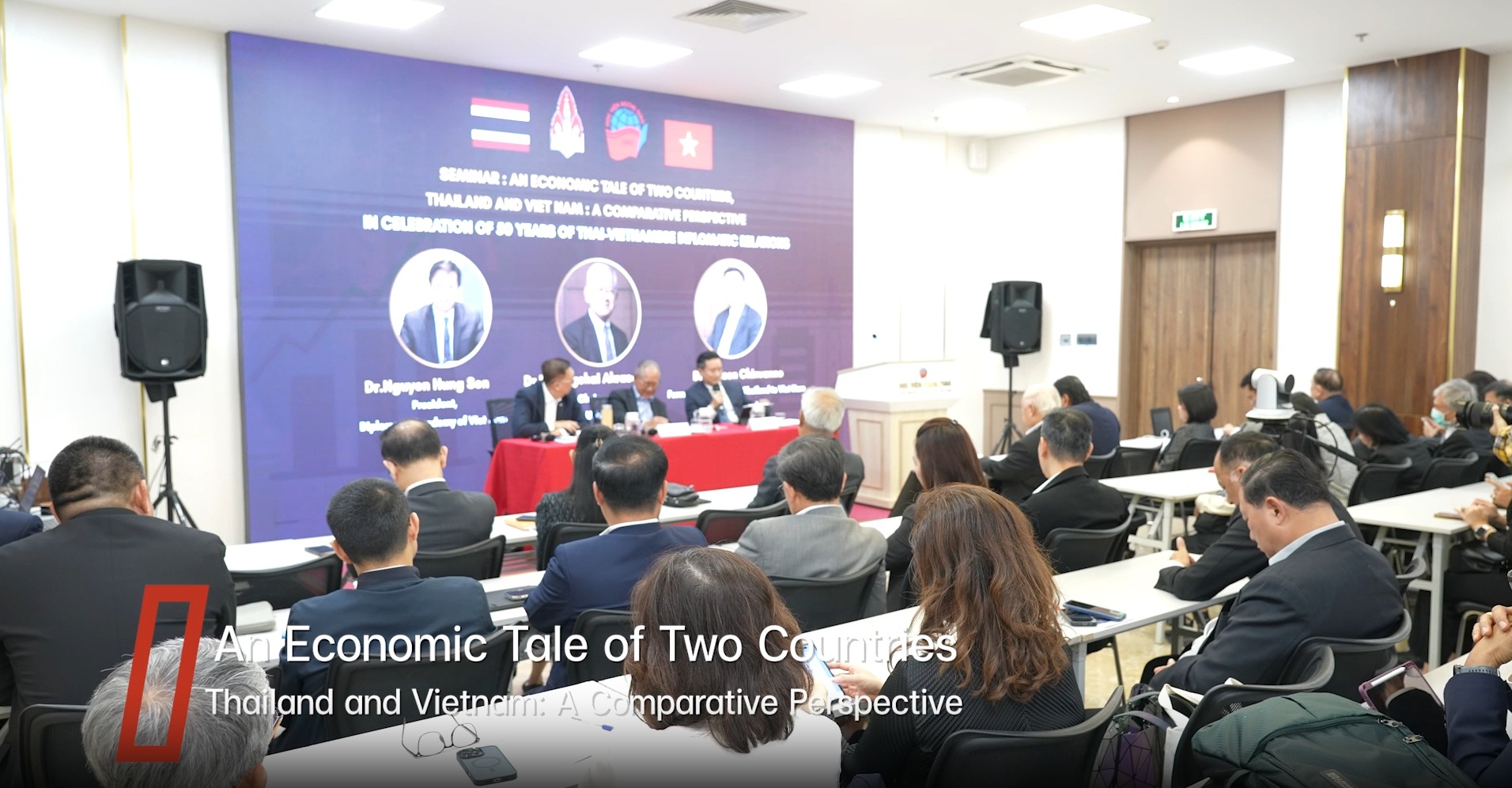
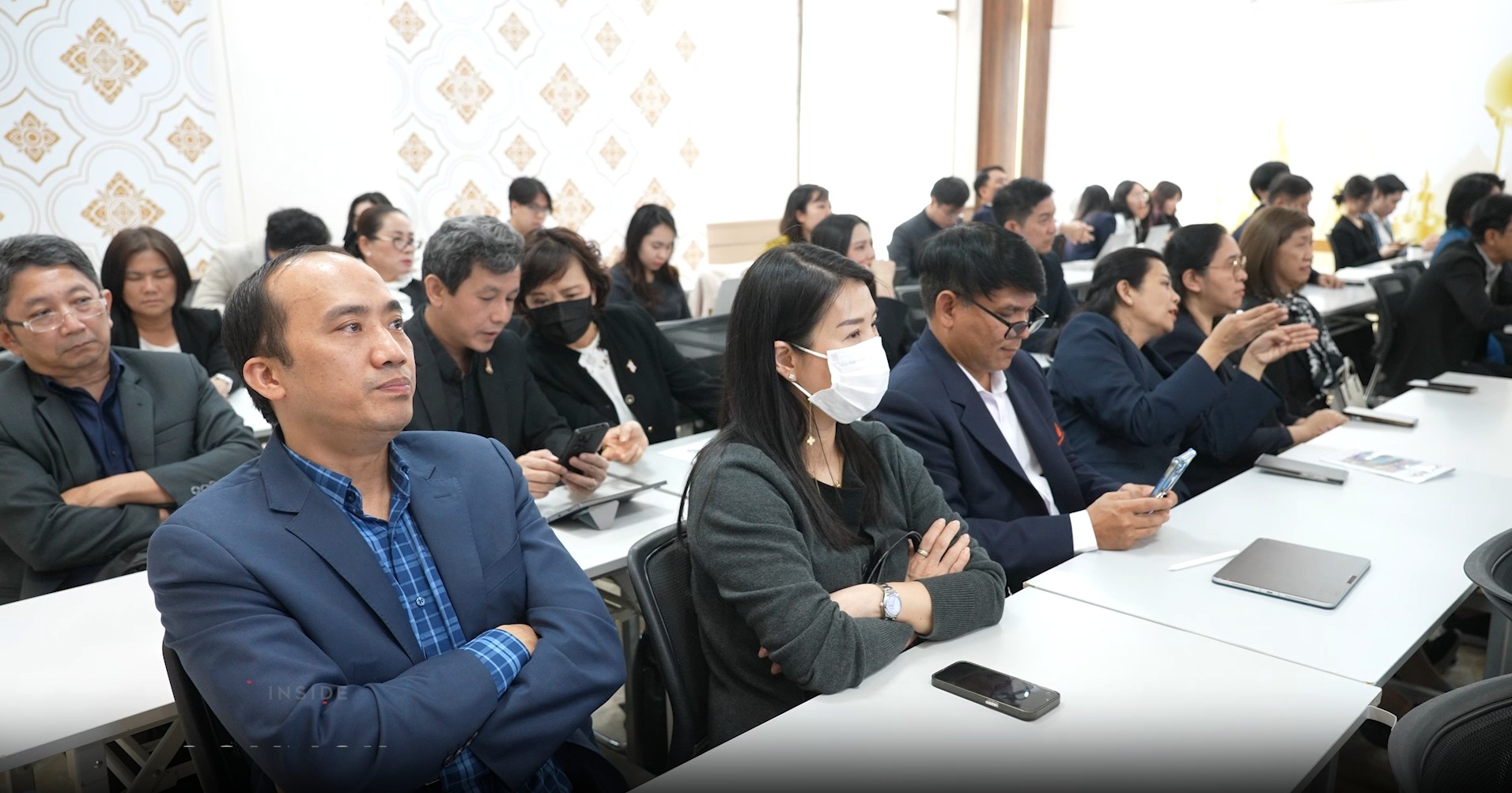
Amid this context, Khon Kaen University has played a vital role in driving knowledge and creating an international exchange platform. This was achieved through an academic seminar titled “An Economic Tale of Two Countries, Thailand and Vietnam: Compare/Contrast,” which reflected on the economic development of both nations, compared their strengths and challenges, and highlighted key lessons for the ASEAN region, while also opening new avenues for future economic cooperation.
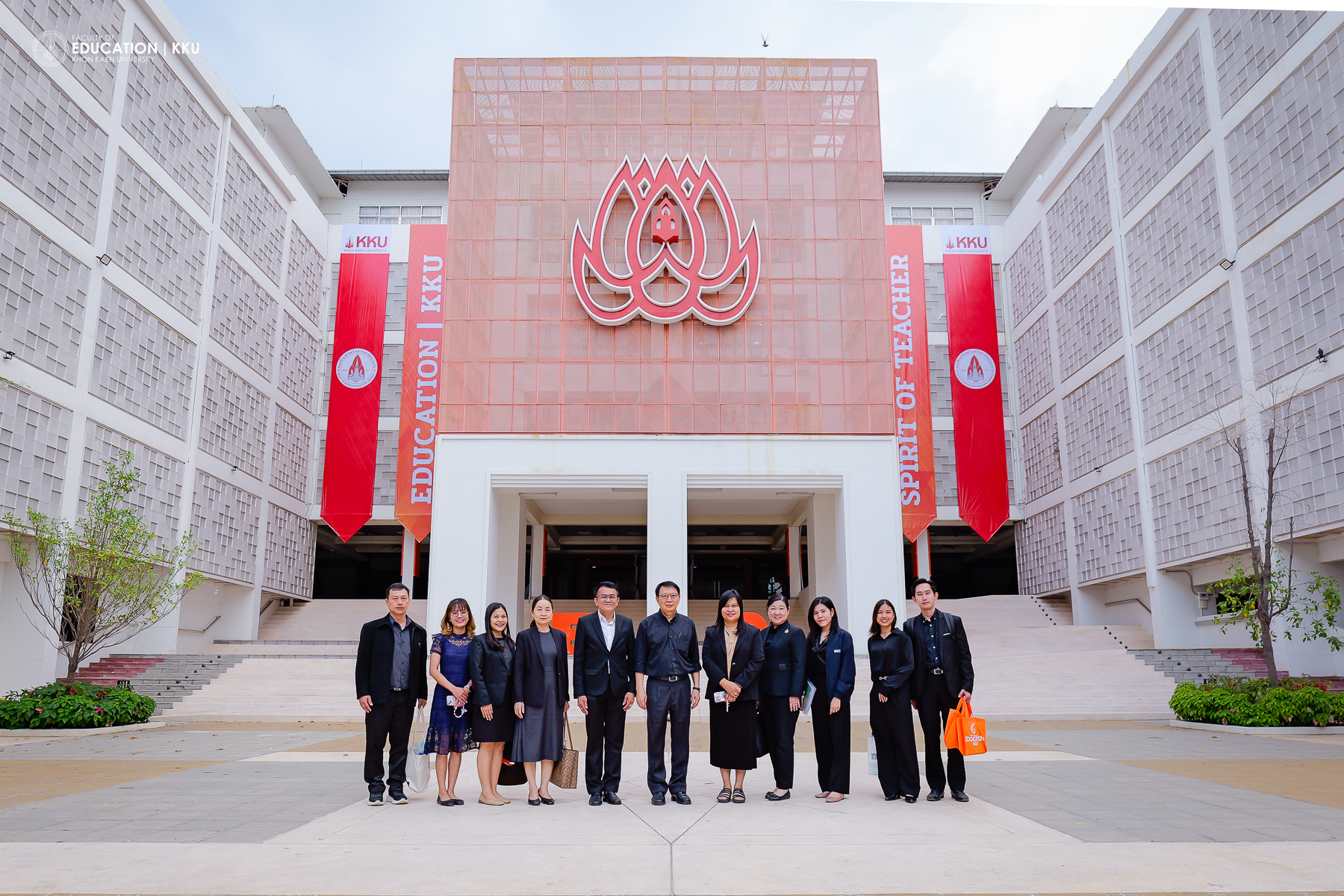
The seminar took place during a visit by Khon Kaen University executives to Hanoi, Socialist Republic of Vietnam (3–7 February 2026), to engage in knowledge exchange and build networks for cooperation in education, research, and innovation with leading Vietnamese institutions. This represents another important step in strengthening international academic connectivity and further enhancing Thailand–Vietnam cooperation in the future.
The panelists included Dr. Narongchai Akrasanee, Chairman of Khon Kaen University Council; Dr. Nguyen Hung Son, President of the Diplomatic Academy of Vietnam; and Dr.Anuson Chinvanno, former Thai Ambassador to Vietnam, who moderated and participated in the discussion. The seminar reflected important and interesting insights.
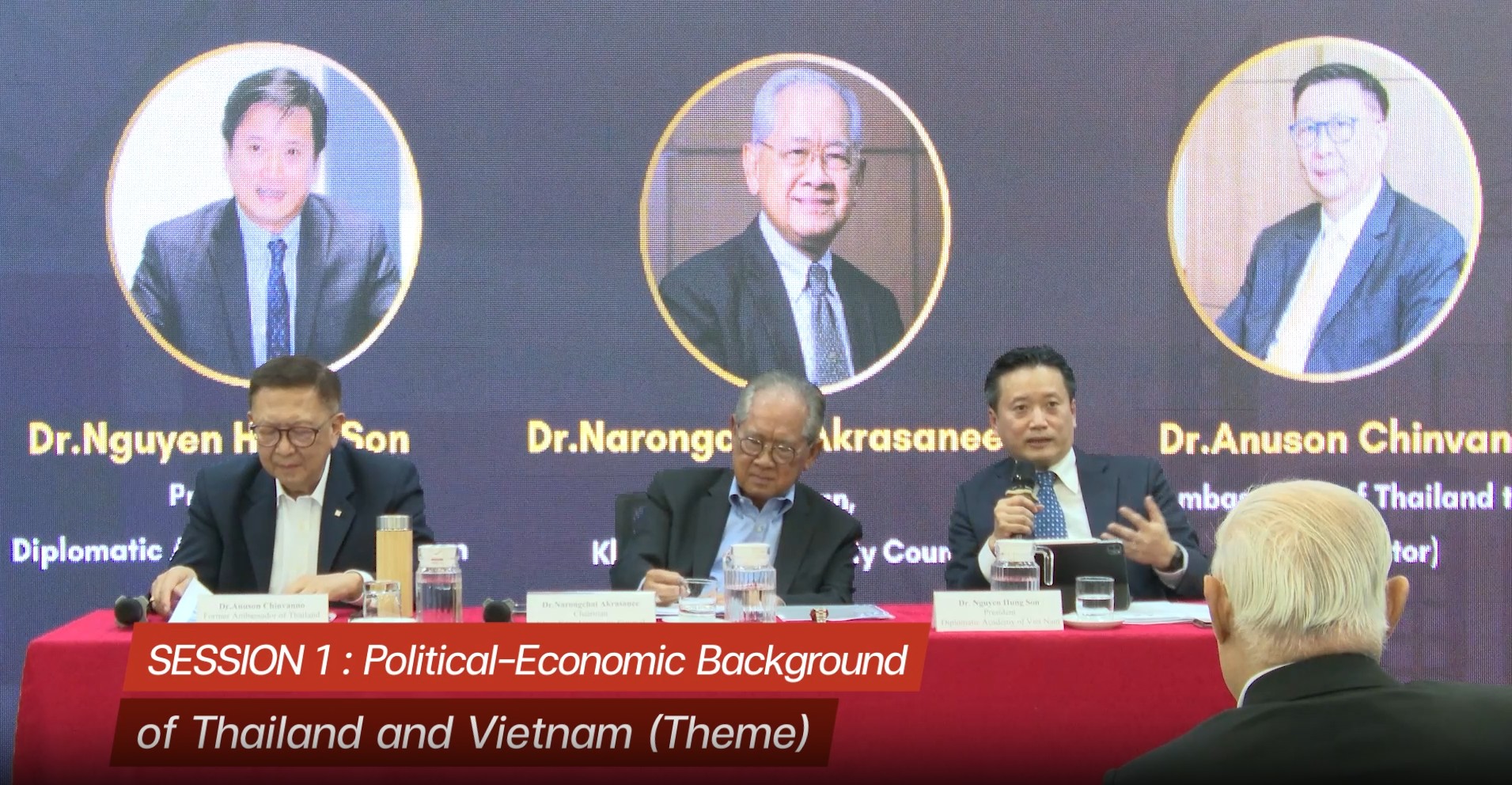
Two Economies from the Mekong River Basin Foundation
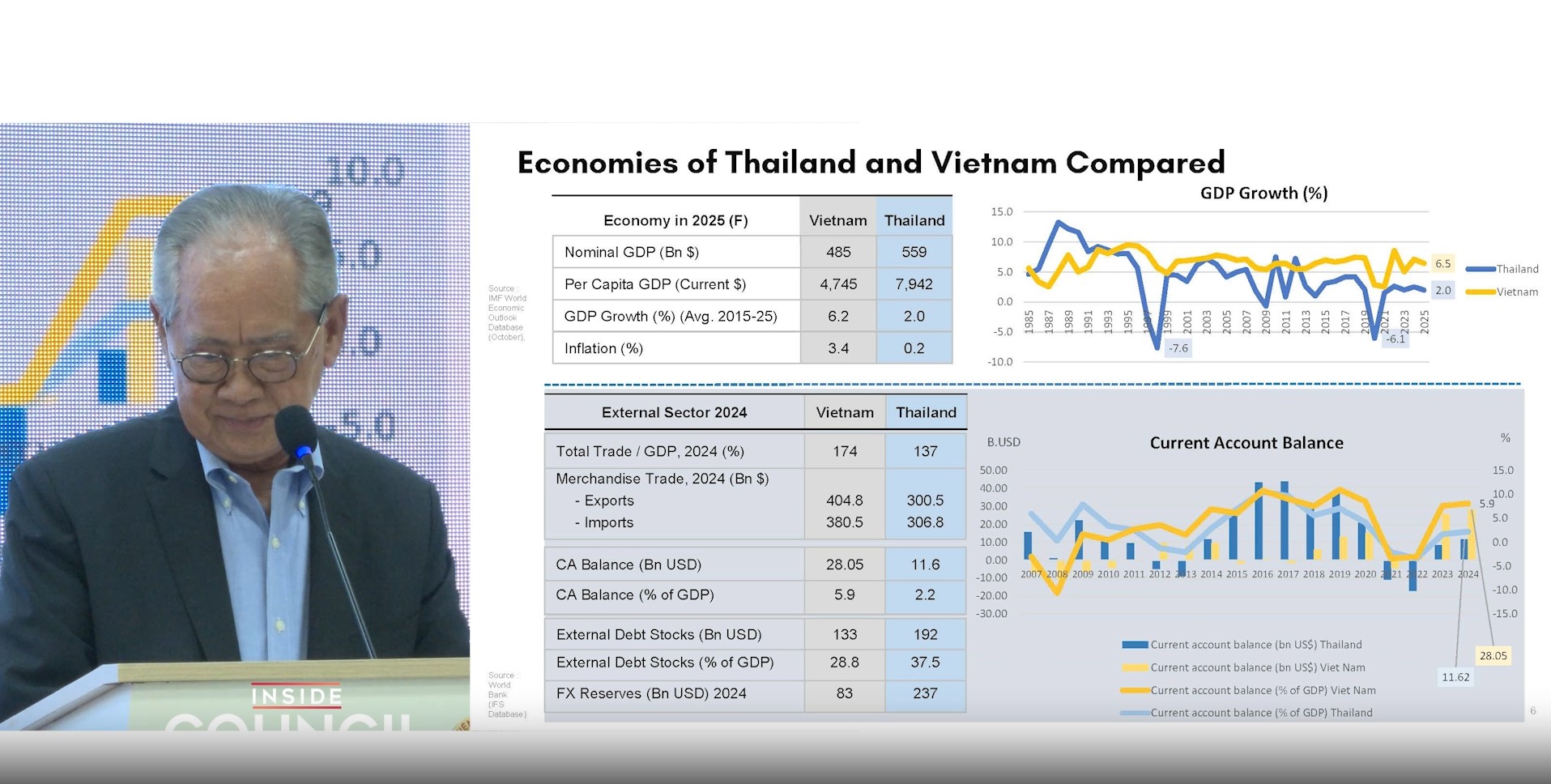
Dr. Narongchai Akrasanee discussed the relationship between Thailand and Vietnam, stating that it involves both competition, cooperation, and parallel development. Both countries share a civilizational foundation from the Mekong River Basin, which is the origin of life, economy, and culture in the region. However, the geography of the two countries differs, which has influenced their patterns of economic and social development. Thailand, located on the western side of the Mekong River Basin, is influenced by what is referred to as “Monsoon Culture,” characterised by gradual and relatively stable development. In contrast, Vietnam, located on the eastern side, experiences a “Typhoon Culture,” marked by high intensity and rapid change, which has shaped the adaptability of its society and economy.
Different Paths of Development
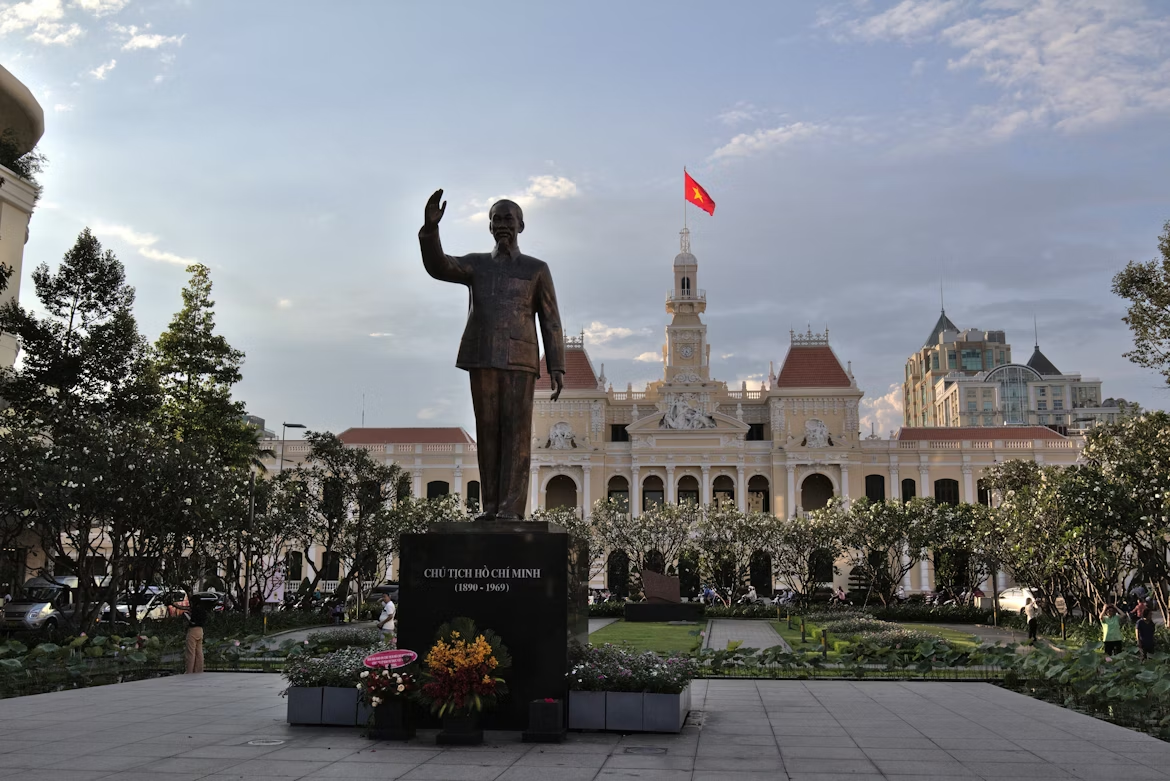
Dr. Narongchai Akrasanee further added that Thailand began developing a market economy in the 1960s and maintained close economic ties with the Western world, which allowed for rapid industrial and economic structural development. In contrast, Vietnam faced a prolonged war, particularly the Vietnam War between 1965–1975, before reunification in 1975 and then began economic development under a socialist system. A significant turning point for Vietnam occurred in 1986 when the government announced the “Doi Moi” policy, a major economic reform that opened the country and shifted the economy towards a more market-oriented system. Later, in 1995, Vietnam joined the Association of Southeast Asian Nations (ASEAN), which led to its economy rapidly integrating with the regional and global economies.
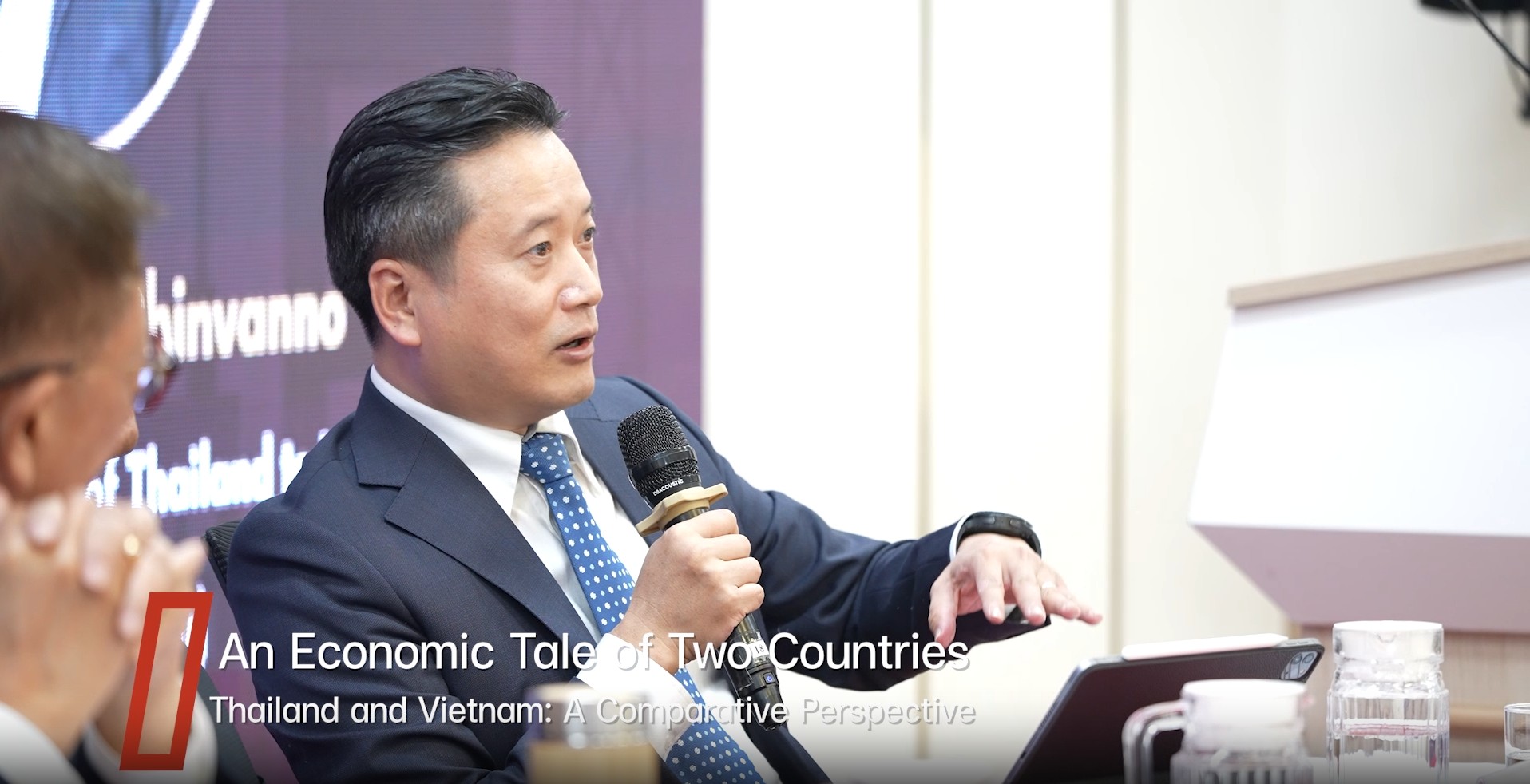
Vietnam Views Thailand as a Development Model
Dr. Nguyen Hung Son stated that many Vietnamese people see Thailand as an example of a country that has successfully developed its economy. Thailand has several advantages, such as political stability, flat land suitable for agriculture, geographical conditions conducive to urban development and infrastructure, and not having to face severe natural disasters like typhoons. Meanwhile, Vietnam has a long and narrow geography, with over 80% of its area being mountainous, making economic development more challenging. However, Vietnam has leveraged its opening up and foreign investment to drive rapid economic growth over the past decades.
Economic Growth and Investment
Dr. Nguyen Hung Son further explained that during the 1980s–1990s, Thailand’s economy grew significantly faster than Vietnam’s. However, in recent years, Vietnam has demonstrated consistently strong growth. A key driver of this performance is its high investment-to-GDP ratio, with investment accounting for approximately 30% of GDP, compared to Thailand’s level of below 25% in many recent years.
Vietnam has also been particularly effective in attracting Foreign Direct Investment (FDI), expanding exports, and establishing Free Trade Agreements (FTAs) with economies worldwide. Currently, Vietnam’s FTAs cover approximately 90% of global GDP.
From Competitors to ASEAN Economic Partners
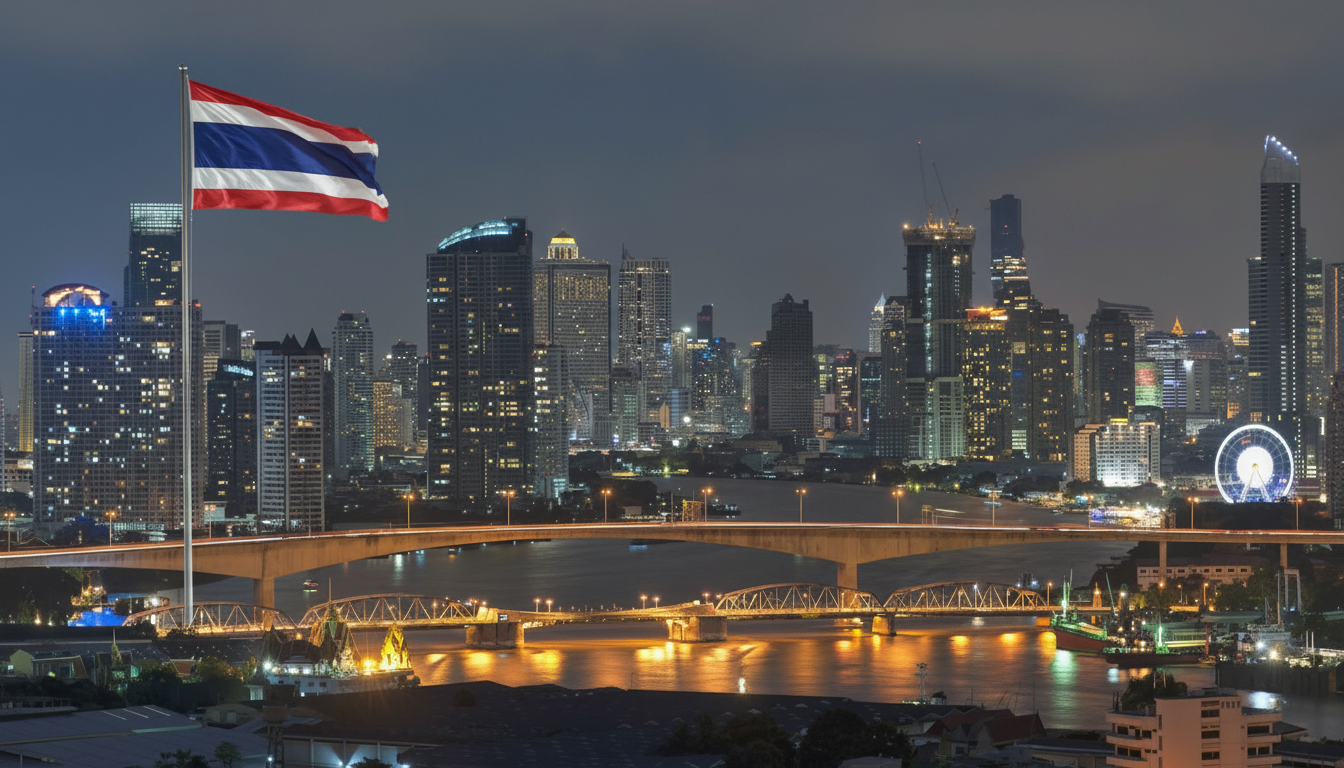
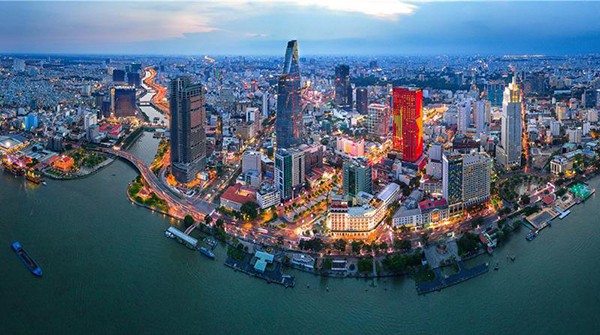
Although Thailand and Vietnam are economic competitors in several industries, both countries are also important trading partners for each other and play crucial roles in the ASEAN economy. Therefore, this seminar not only compared “two economies” but also portrayed a transitioning relationship—from competition to strategic cooperation, aligning with the direction of “Partners in Shared Growth” for the 50th anniversary of Thailand-Vietnam diplomatic relations. This development also underscores the role of Thai academic institutions as a “bridge for cooperation” across academia, economics, and international relations, contributing to the sustainable advancement of the region.
News Article by: Benjamaporn Mamook
Images by: Nuttapong Chamna-eua / Atthaphol Humpong / Pngtree.com / Gemini AI / https://vovworld.vn/th/ / wikipedia