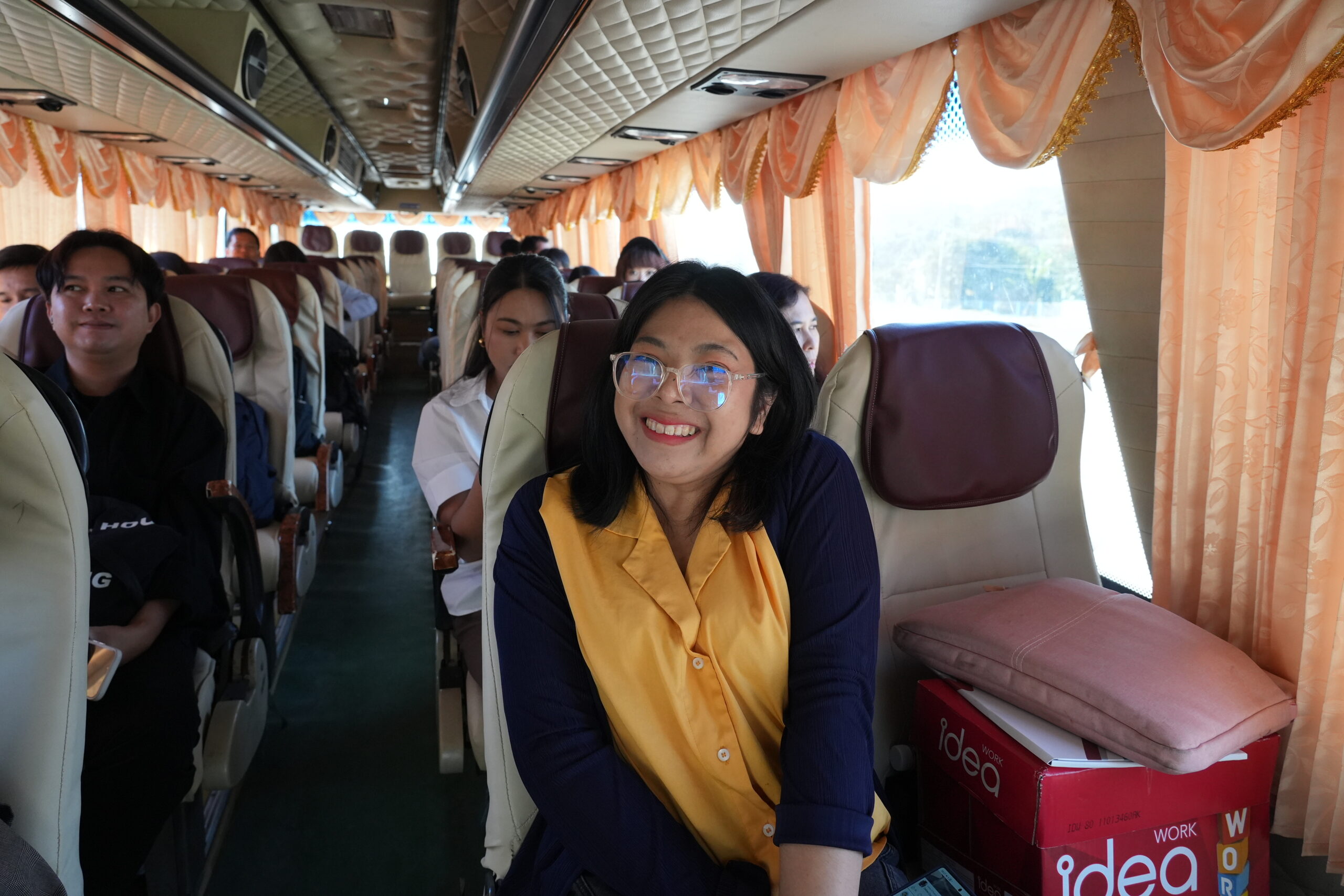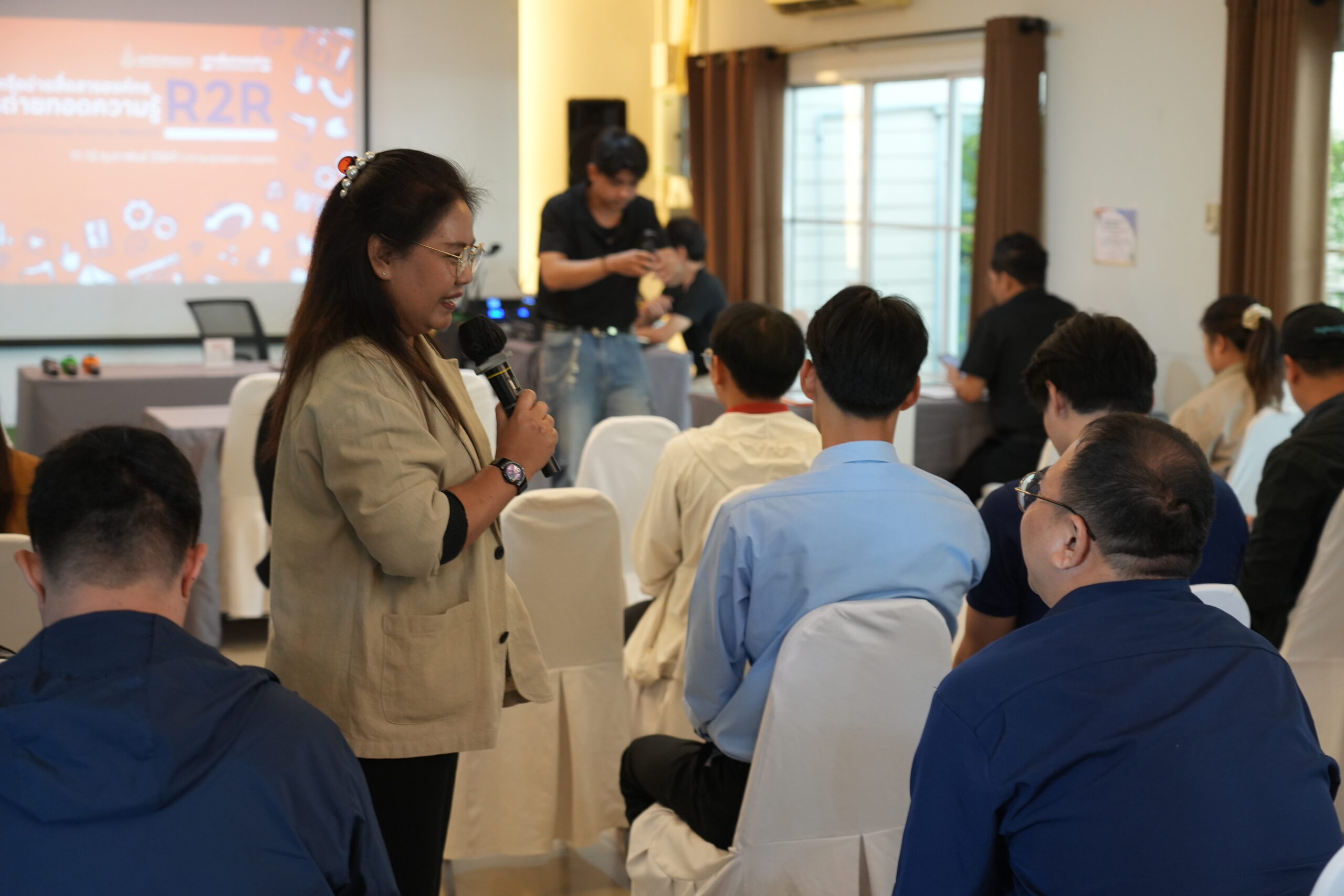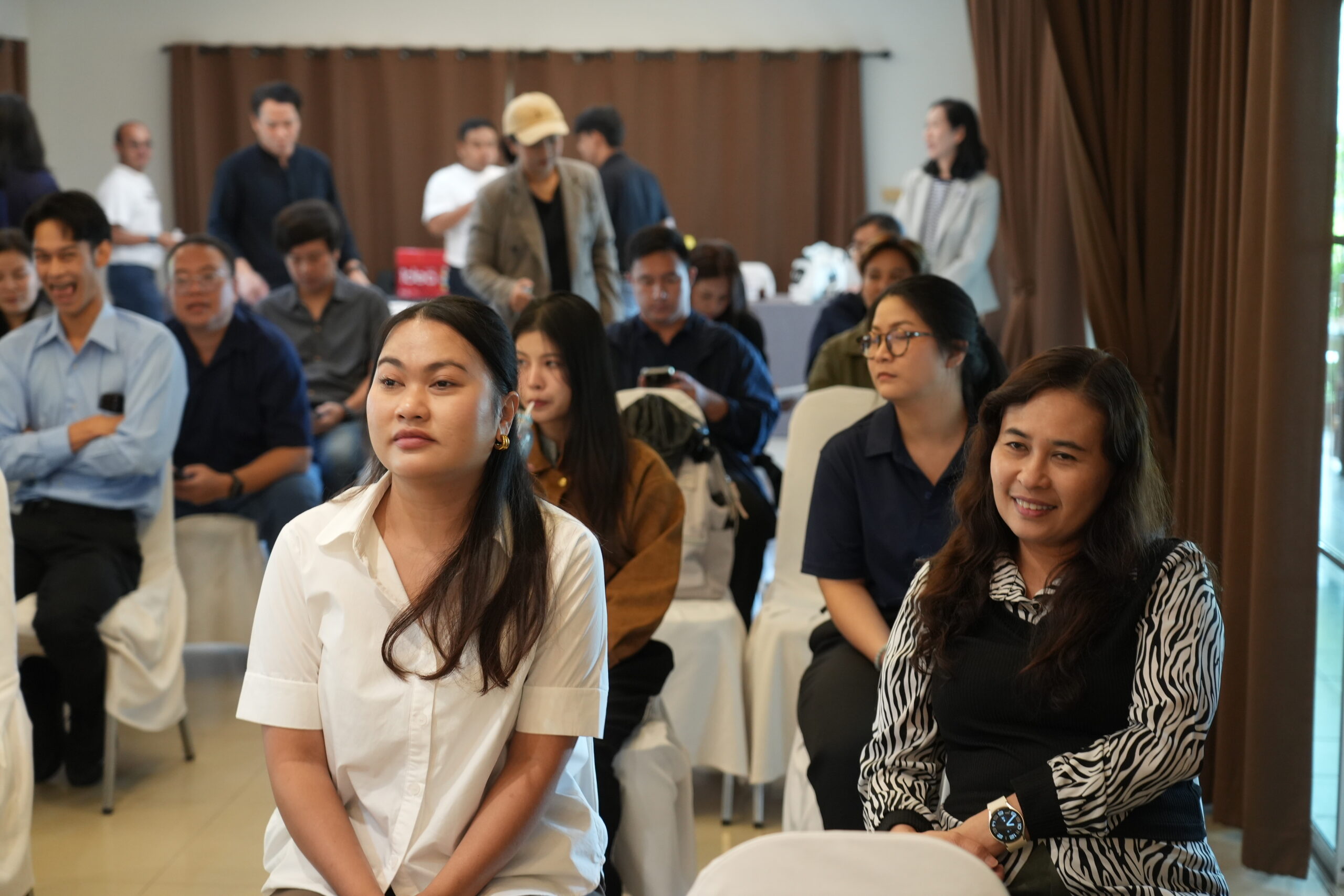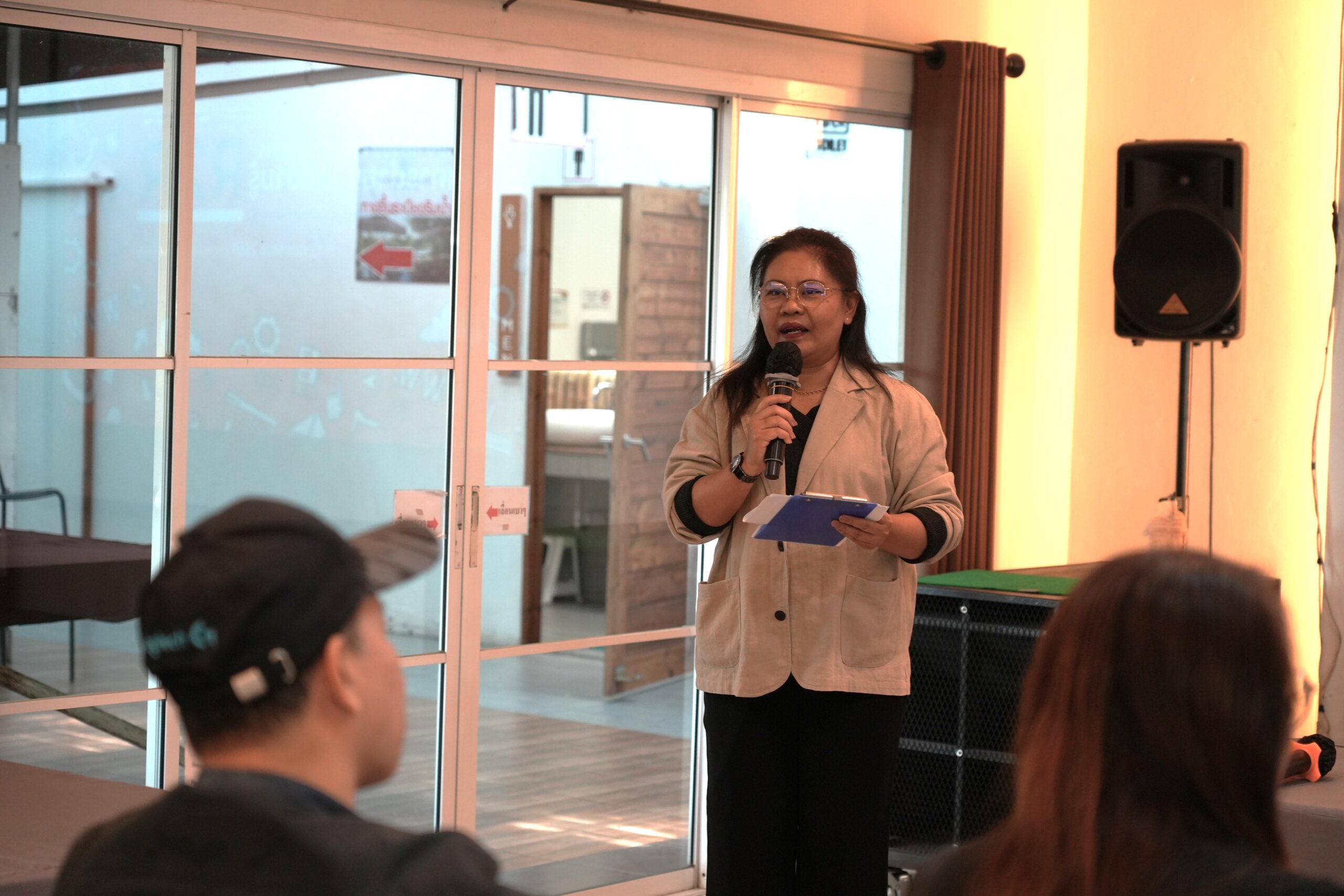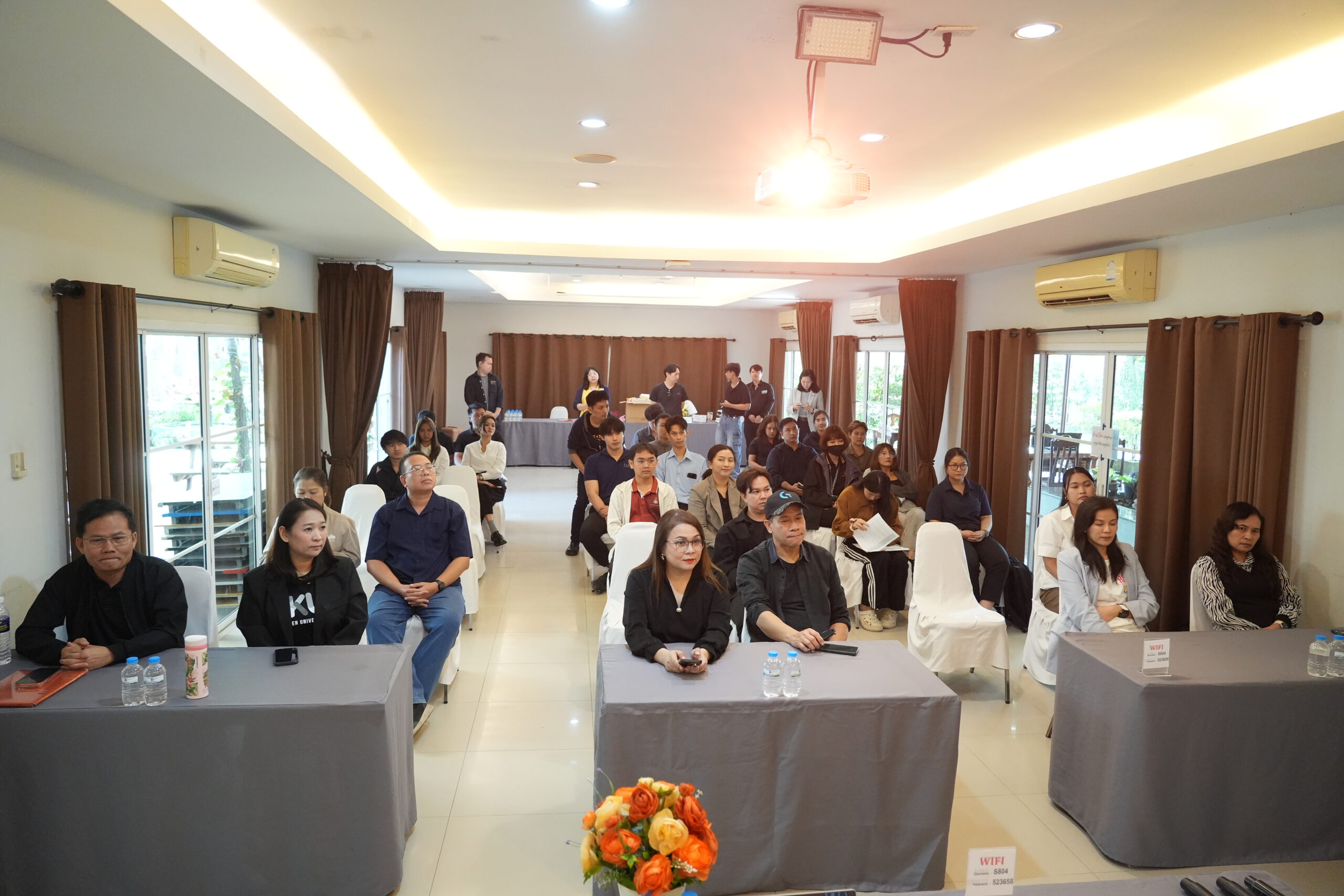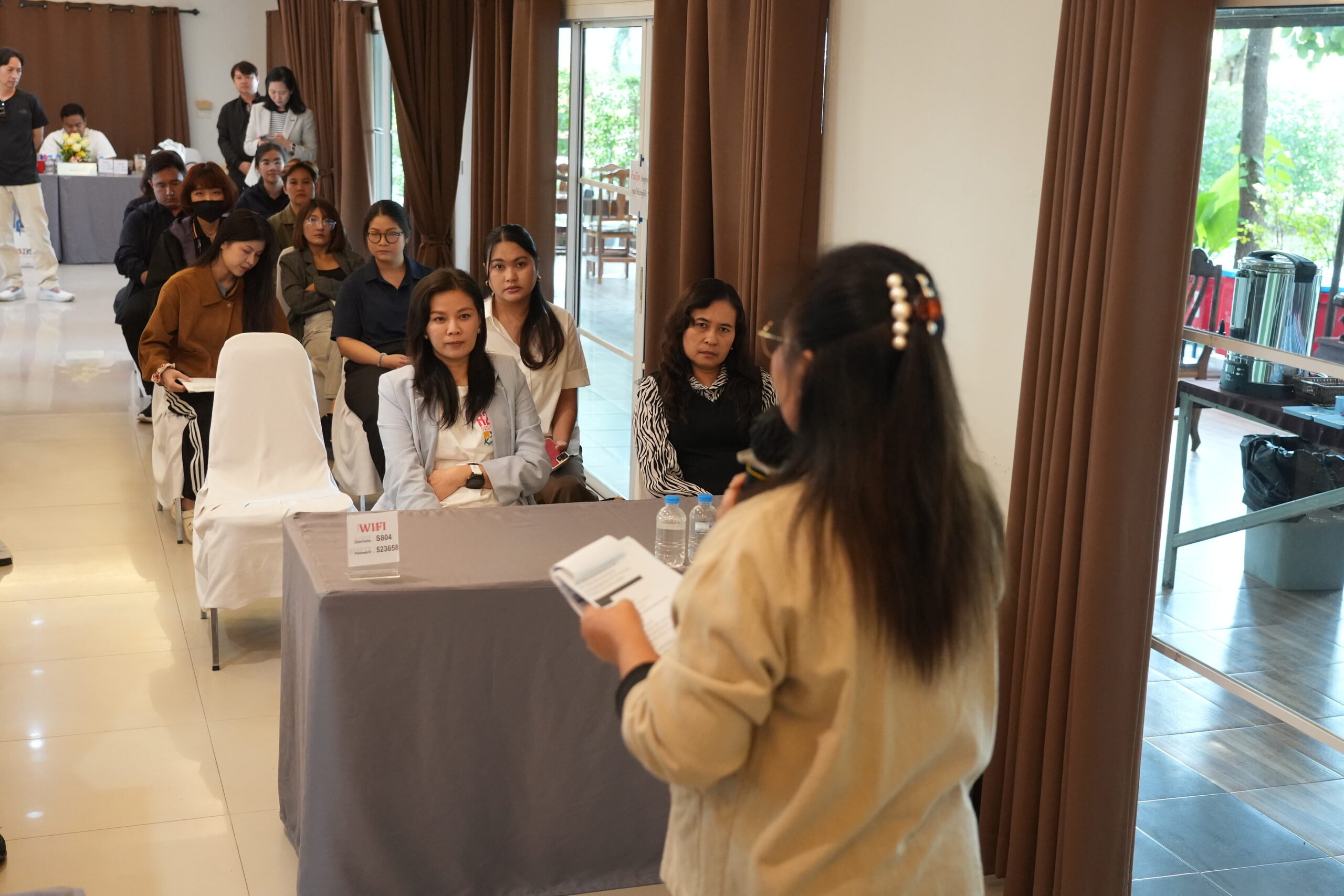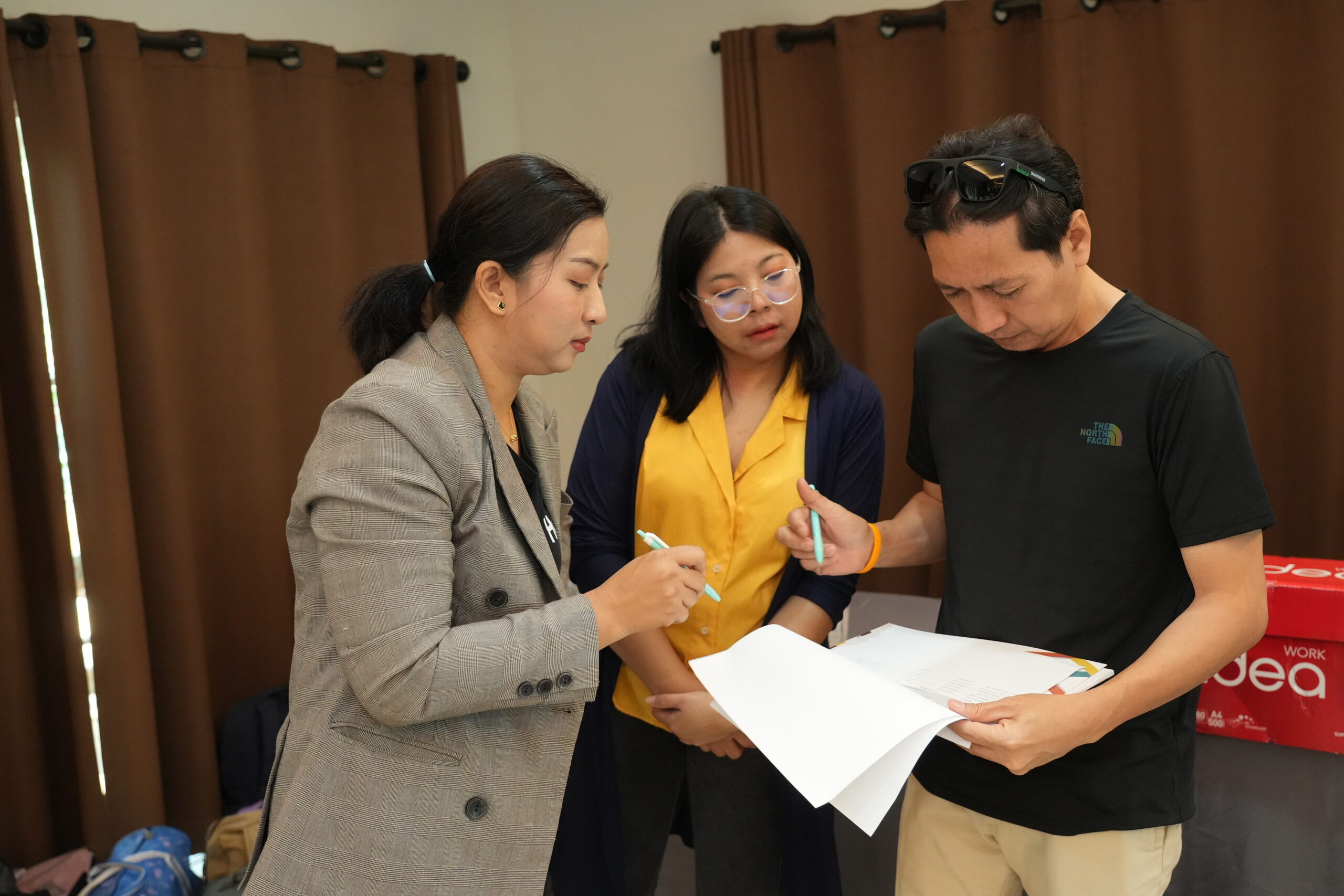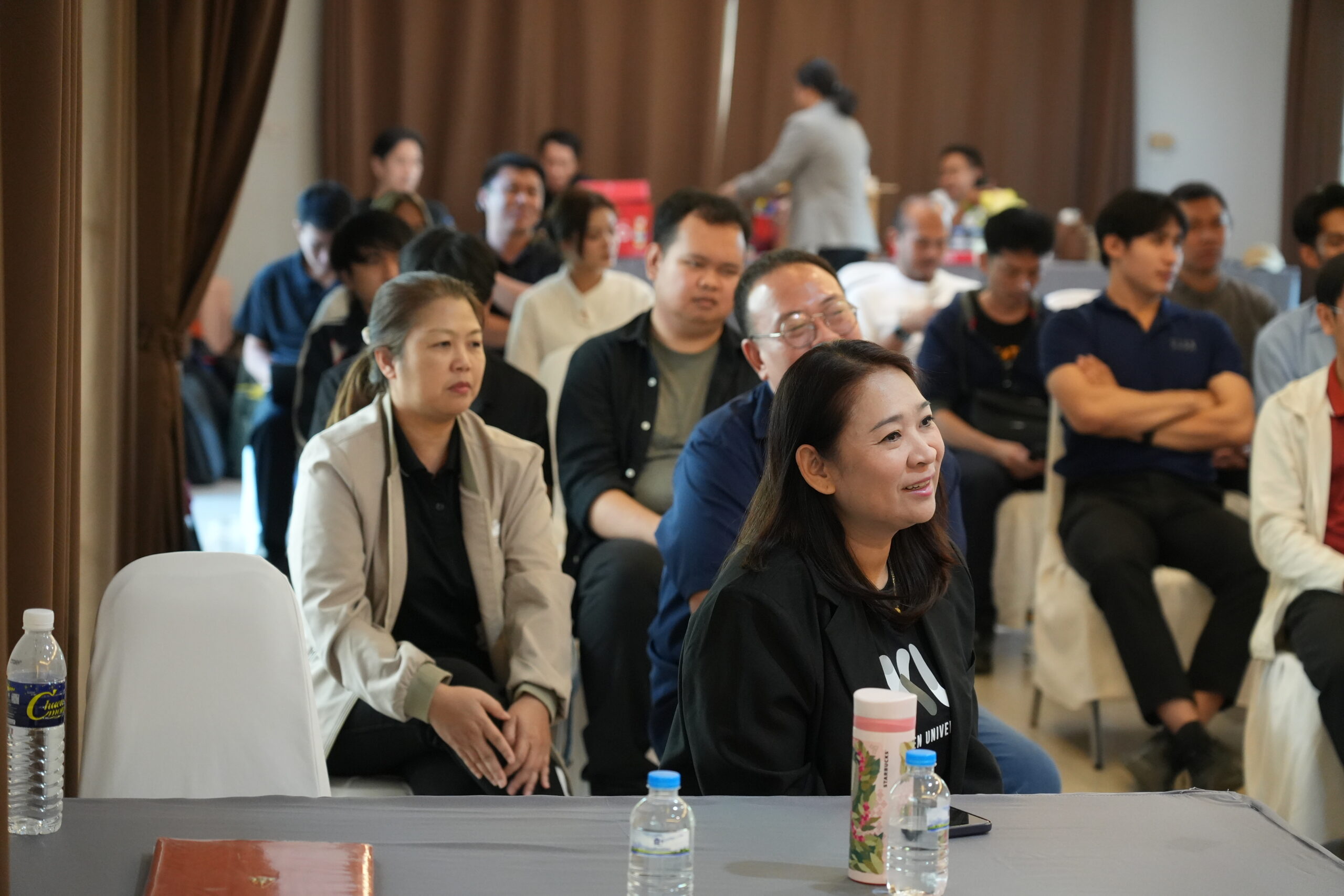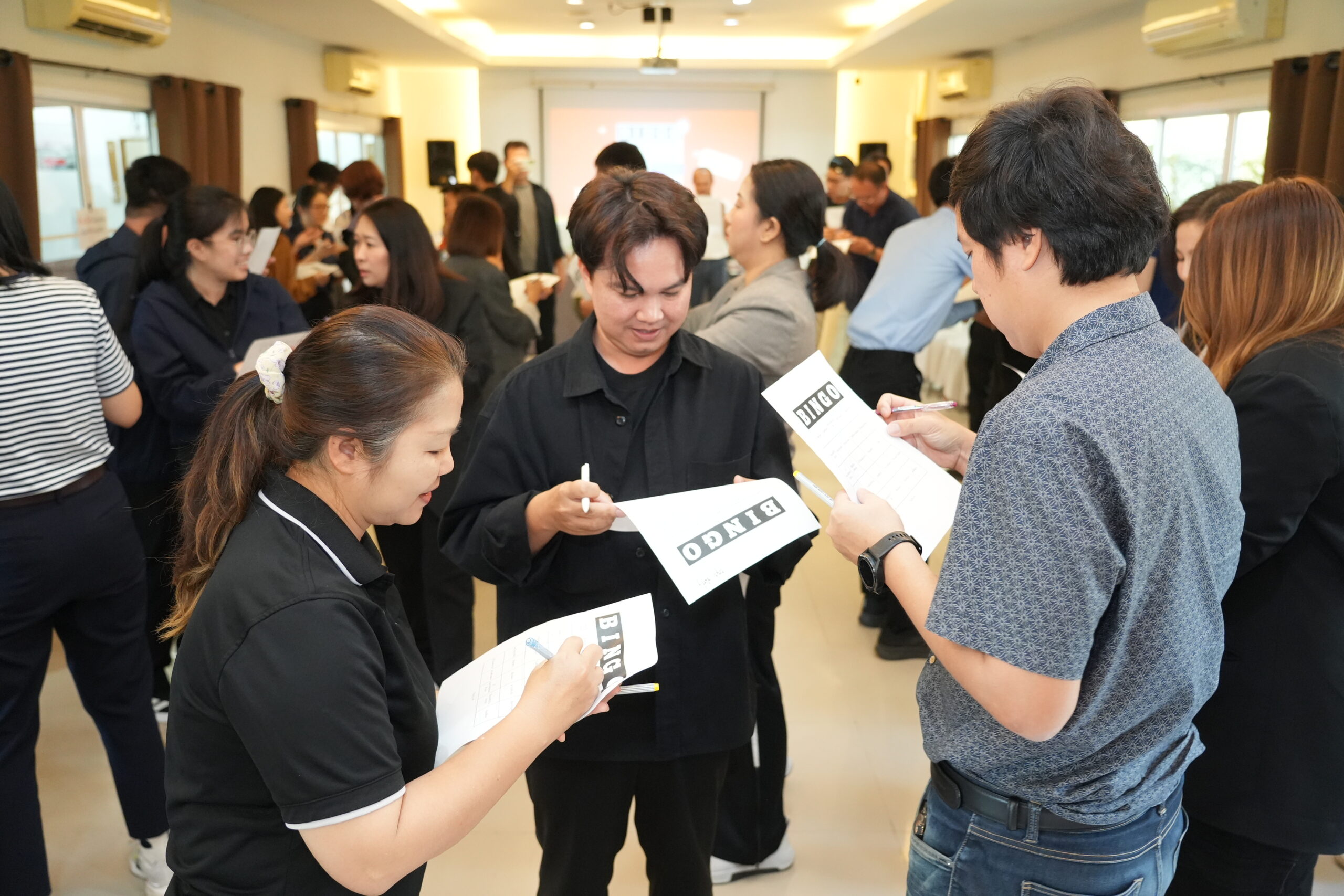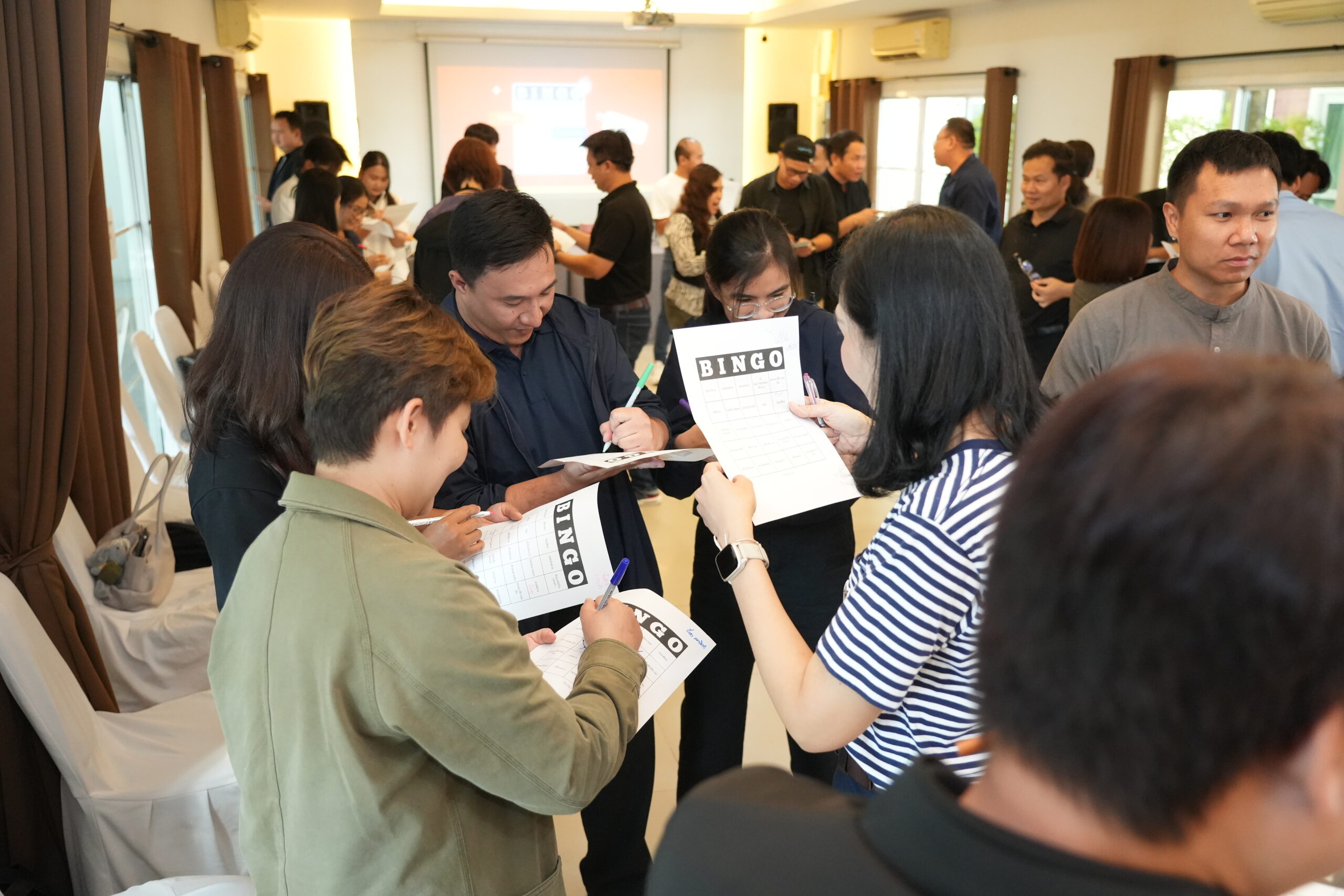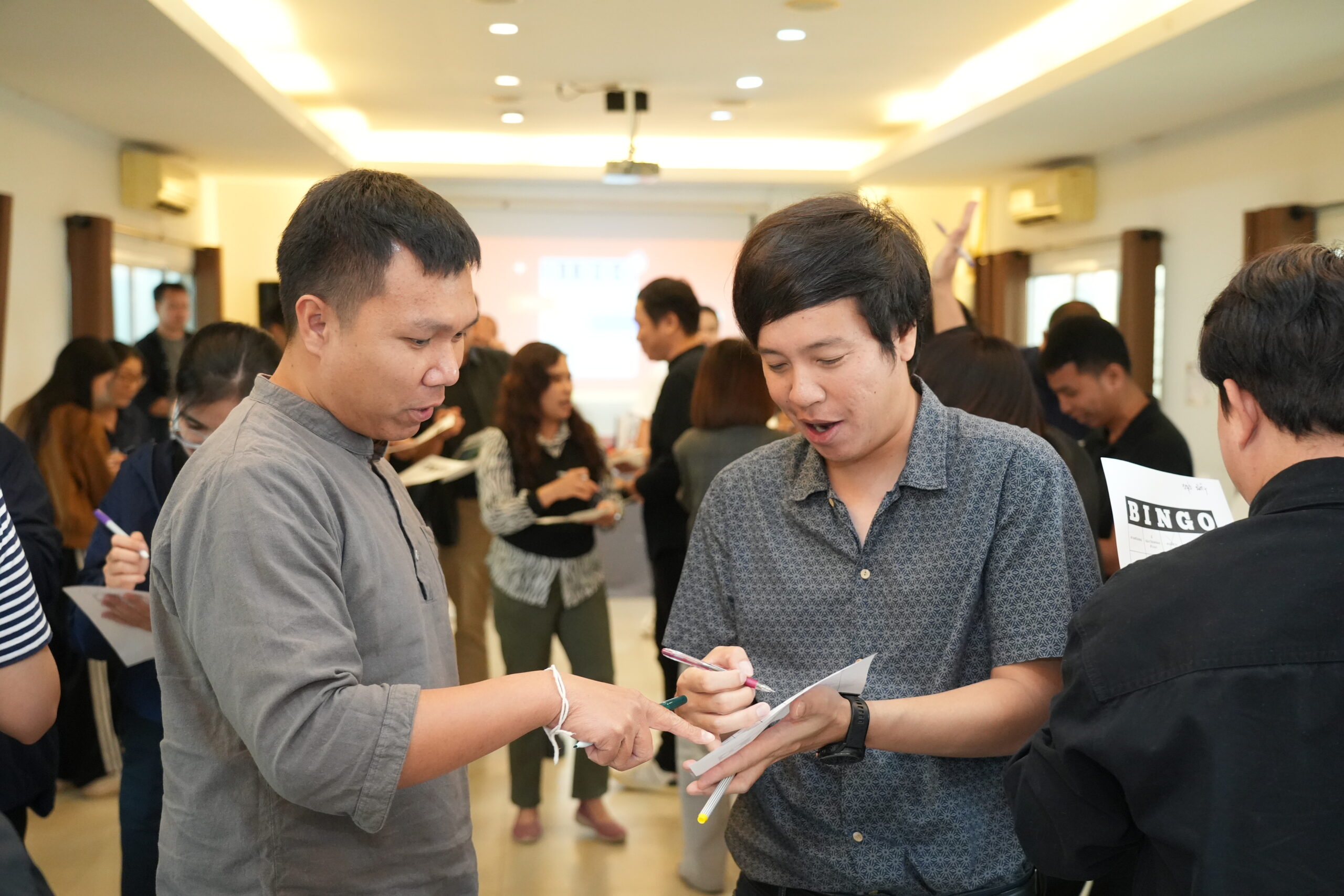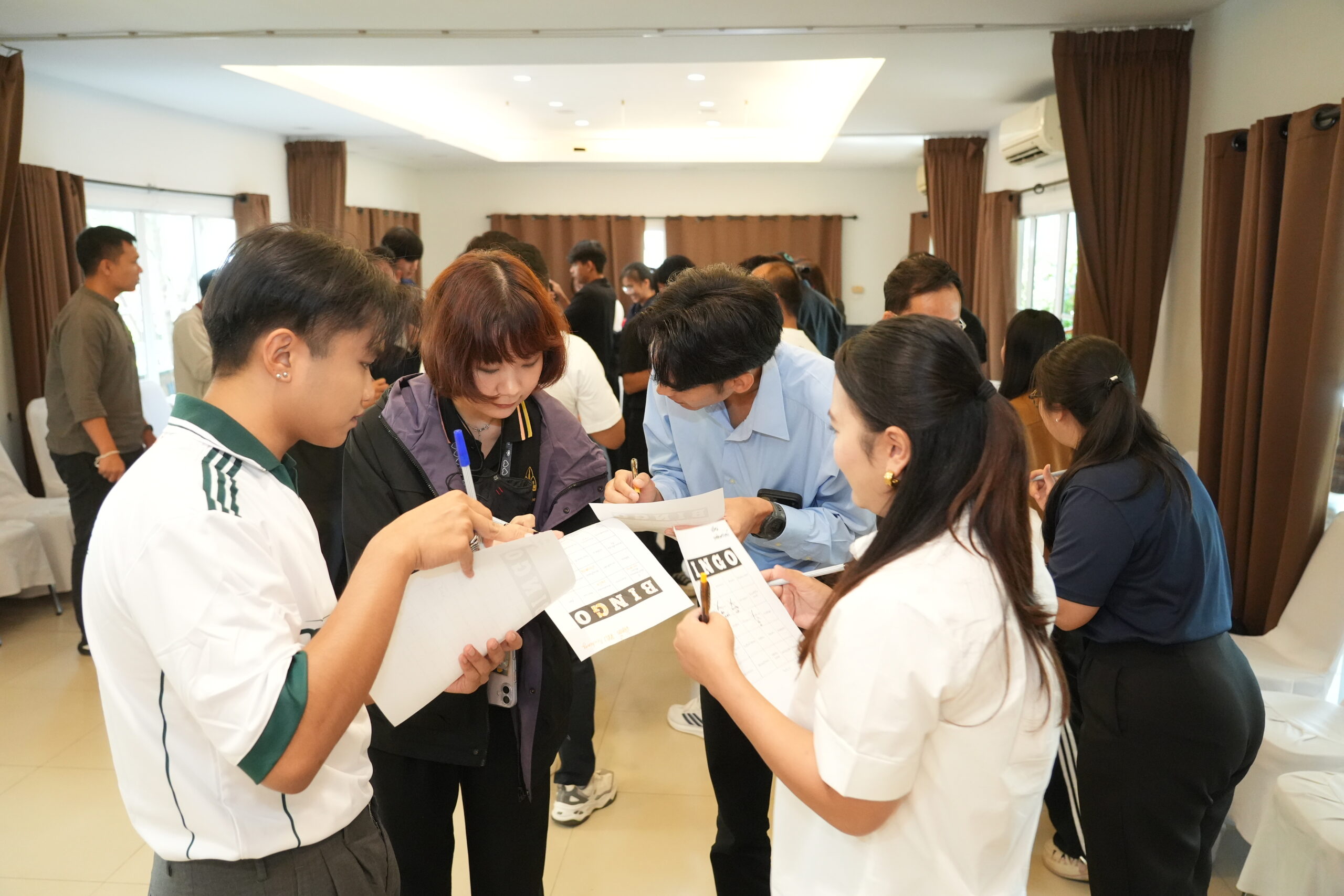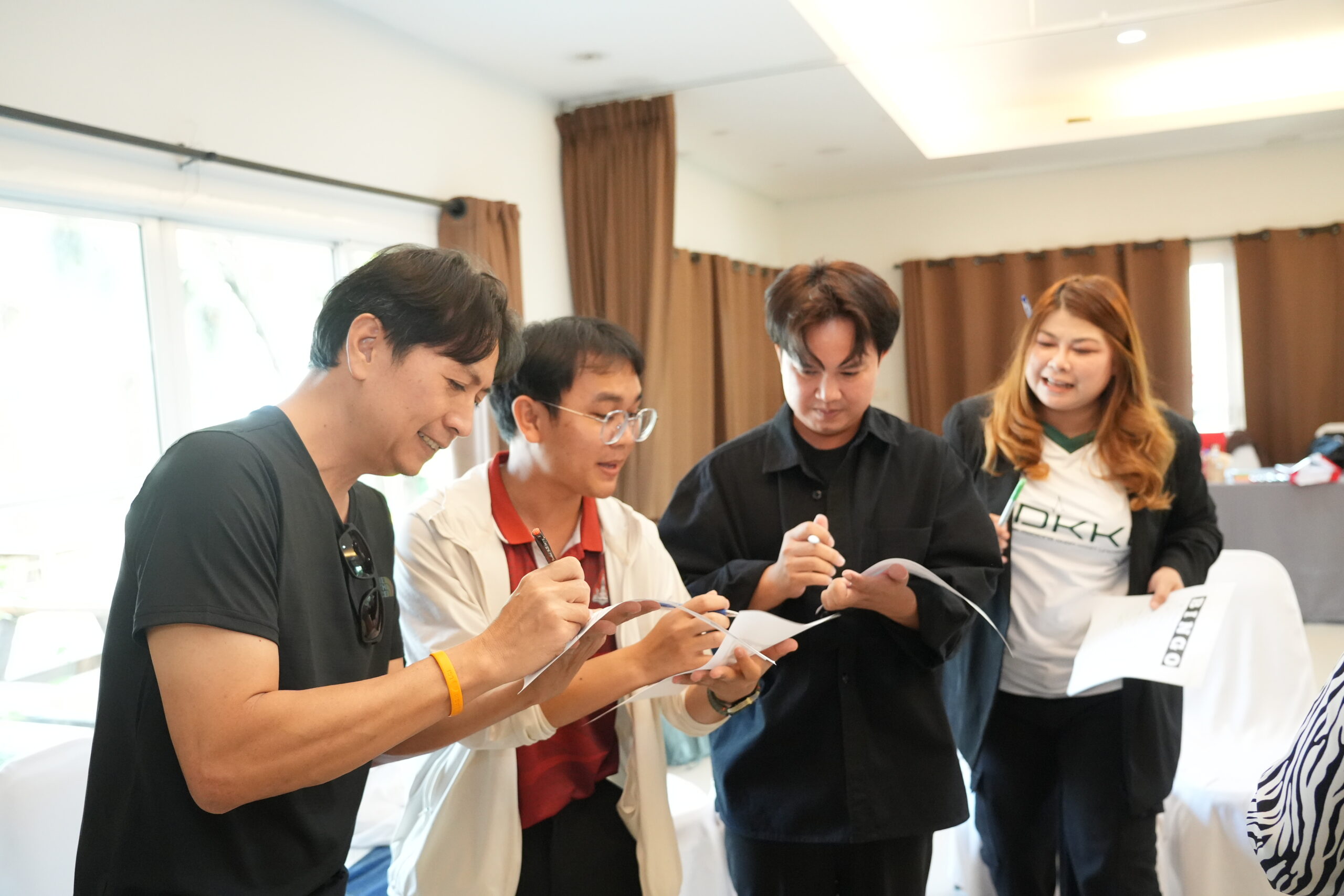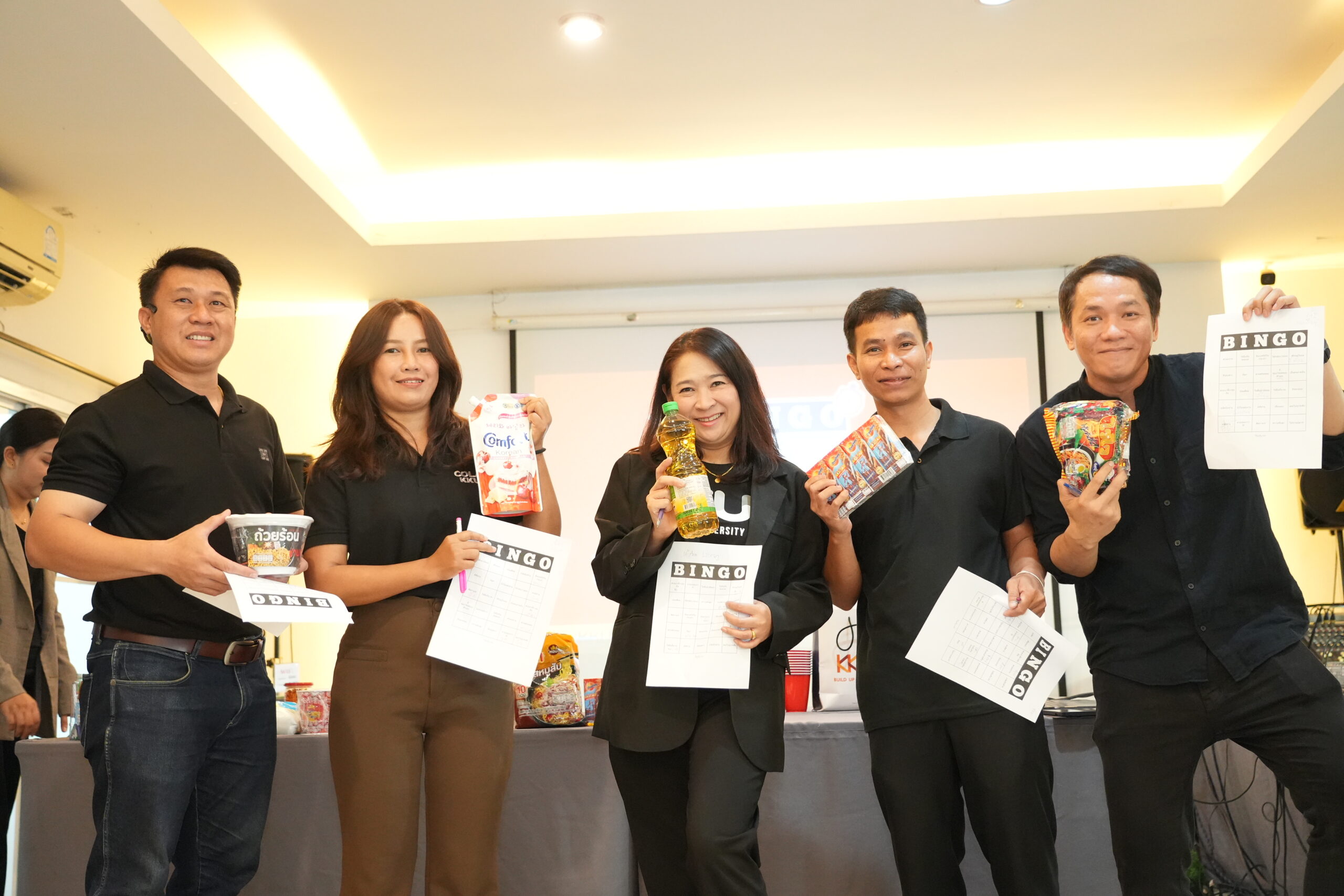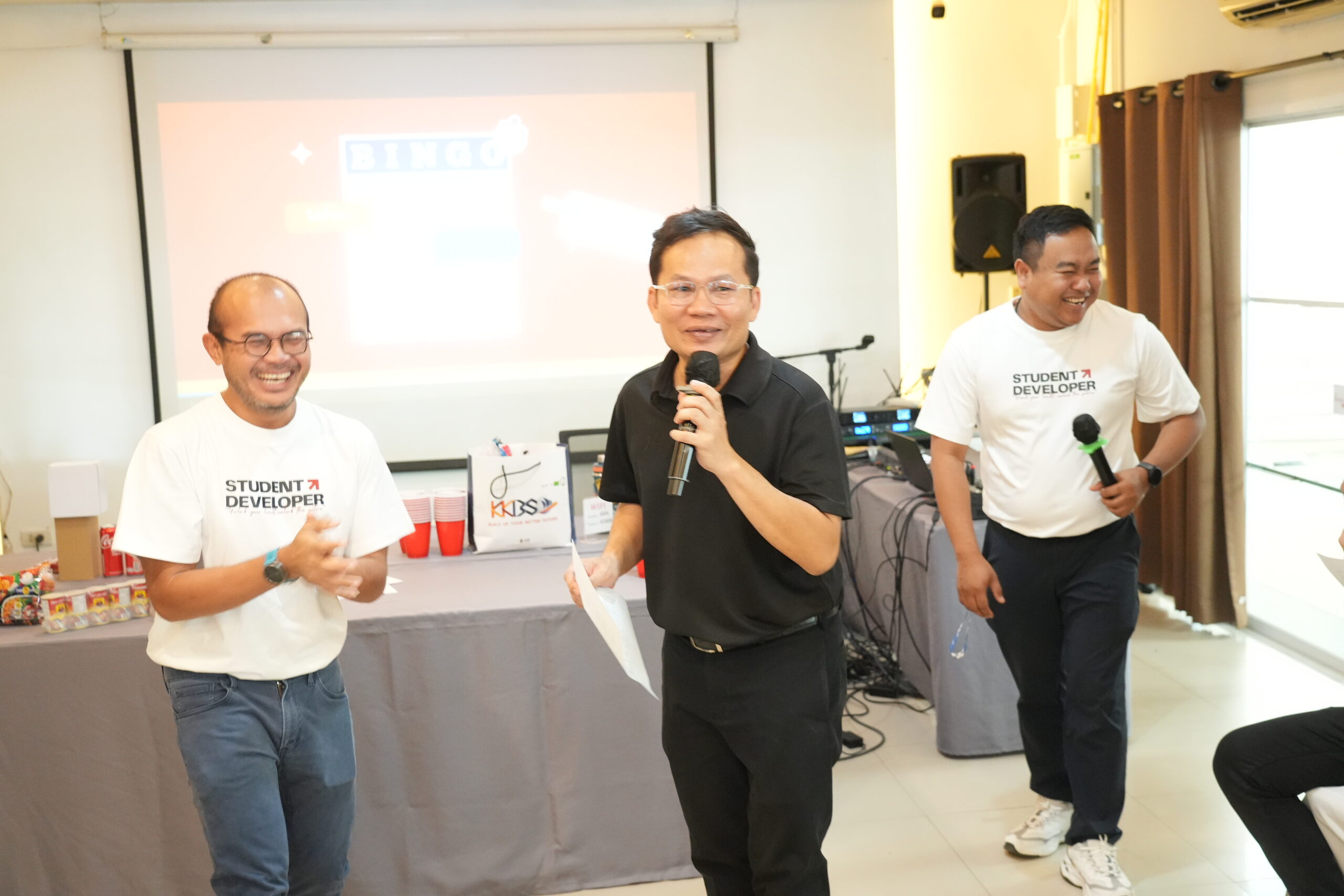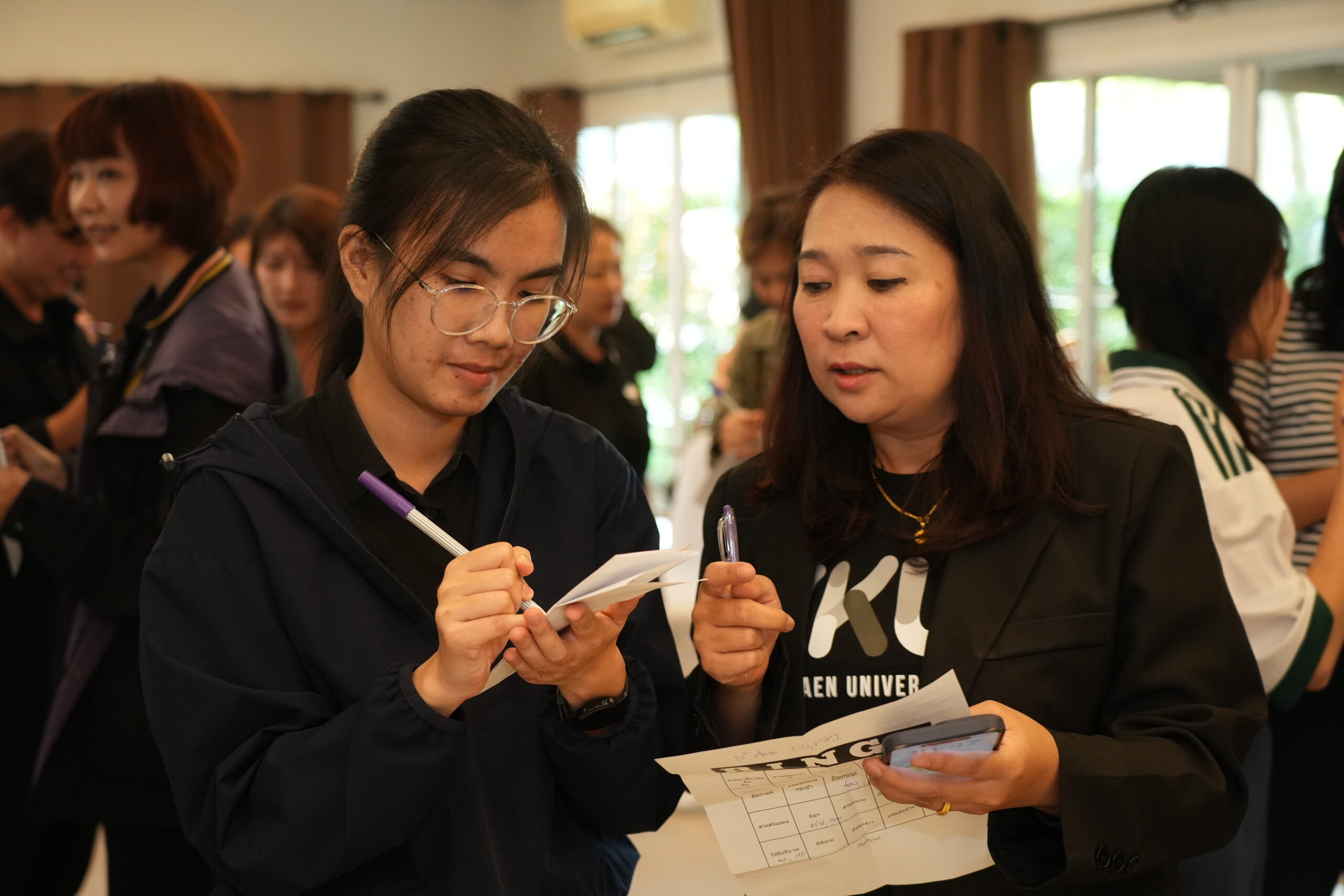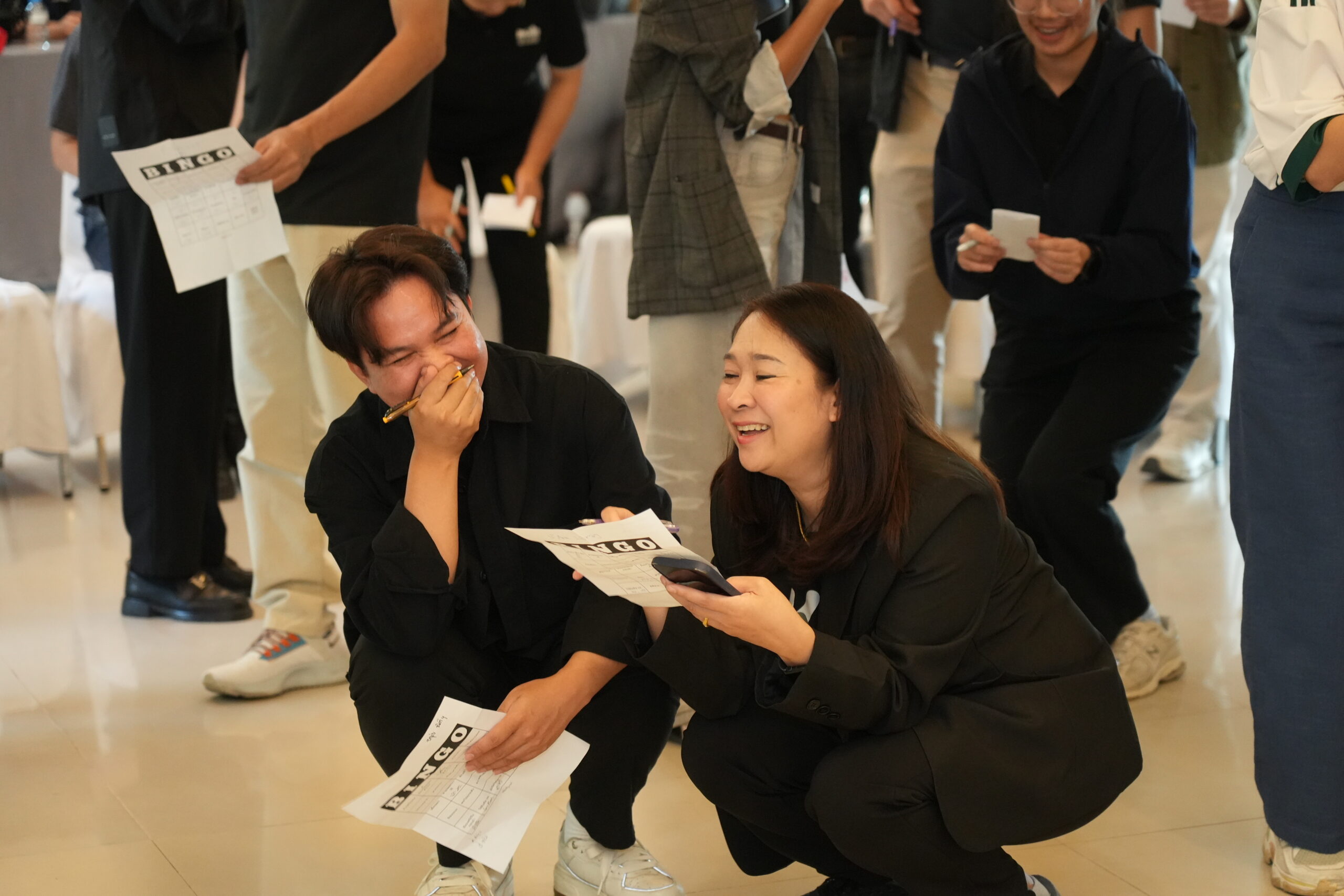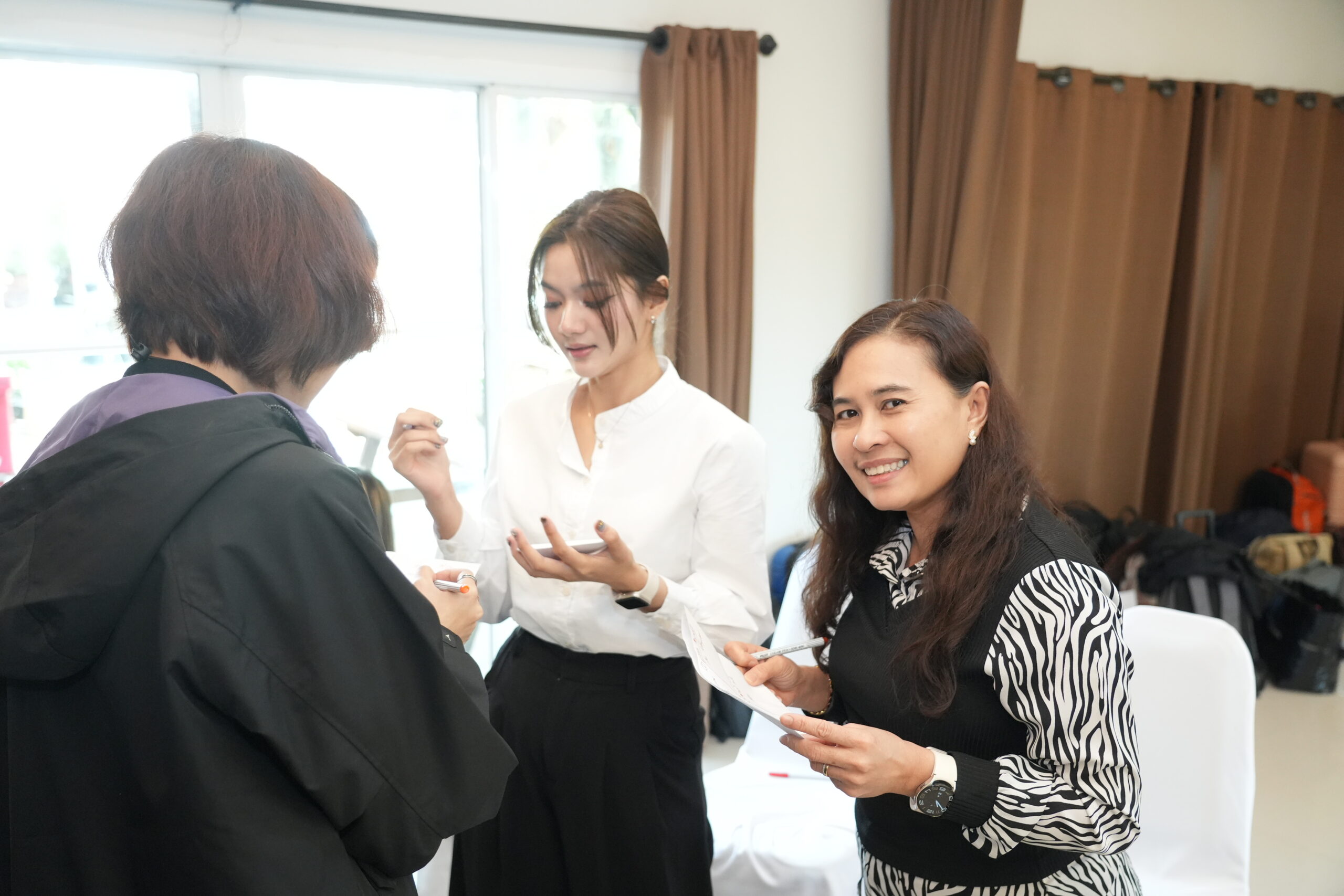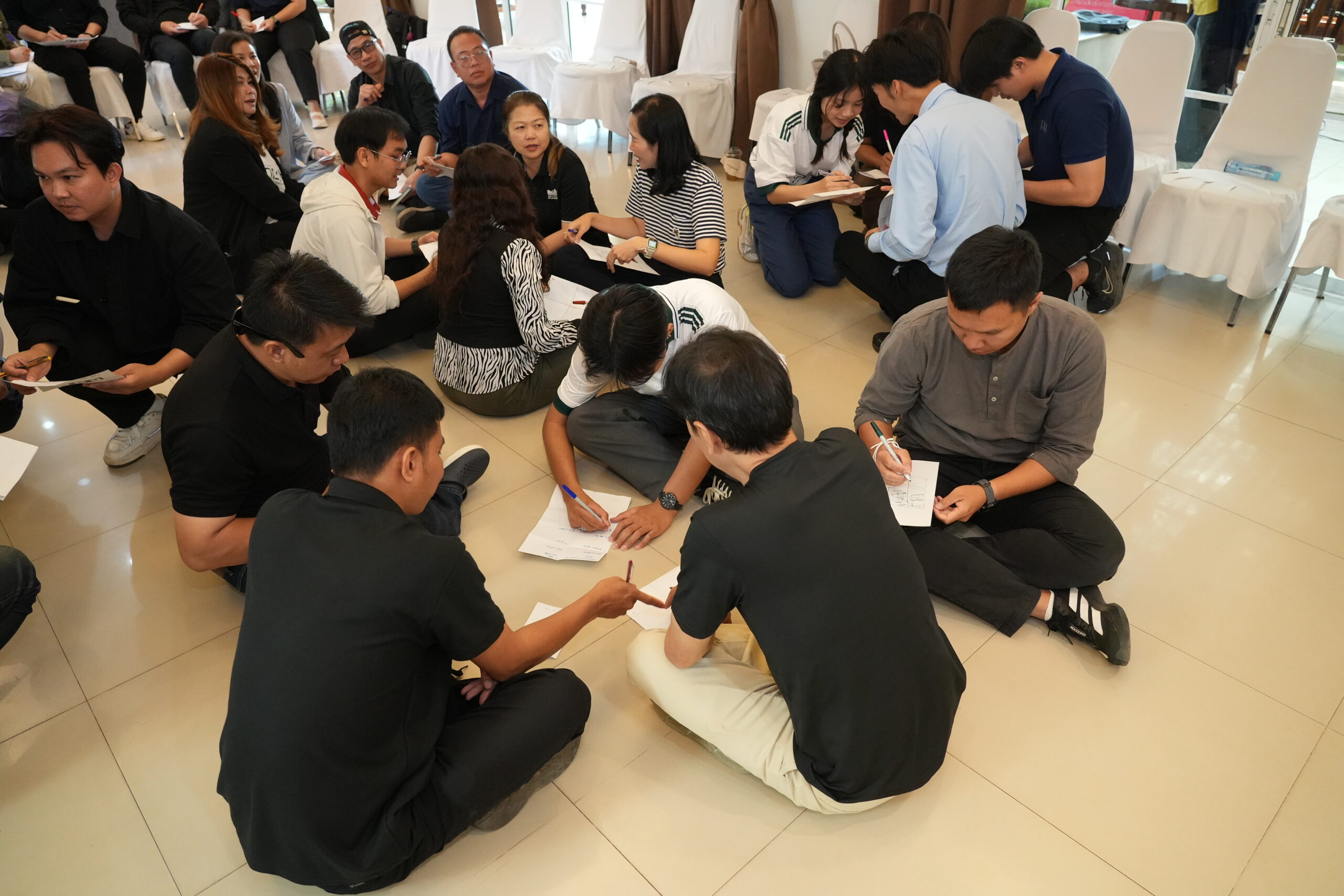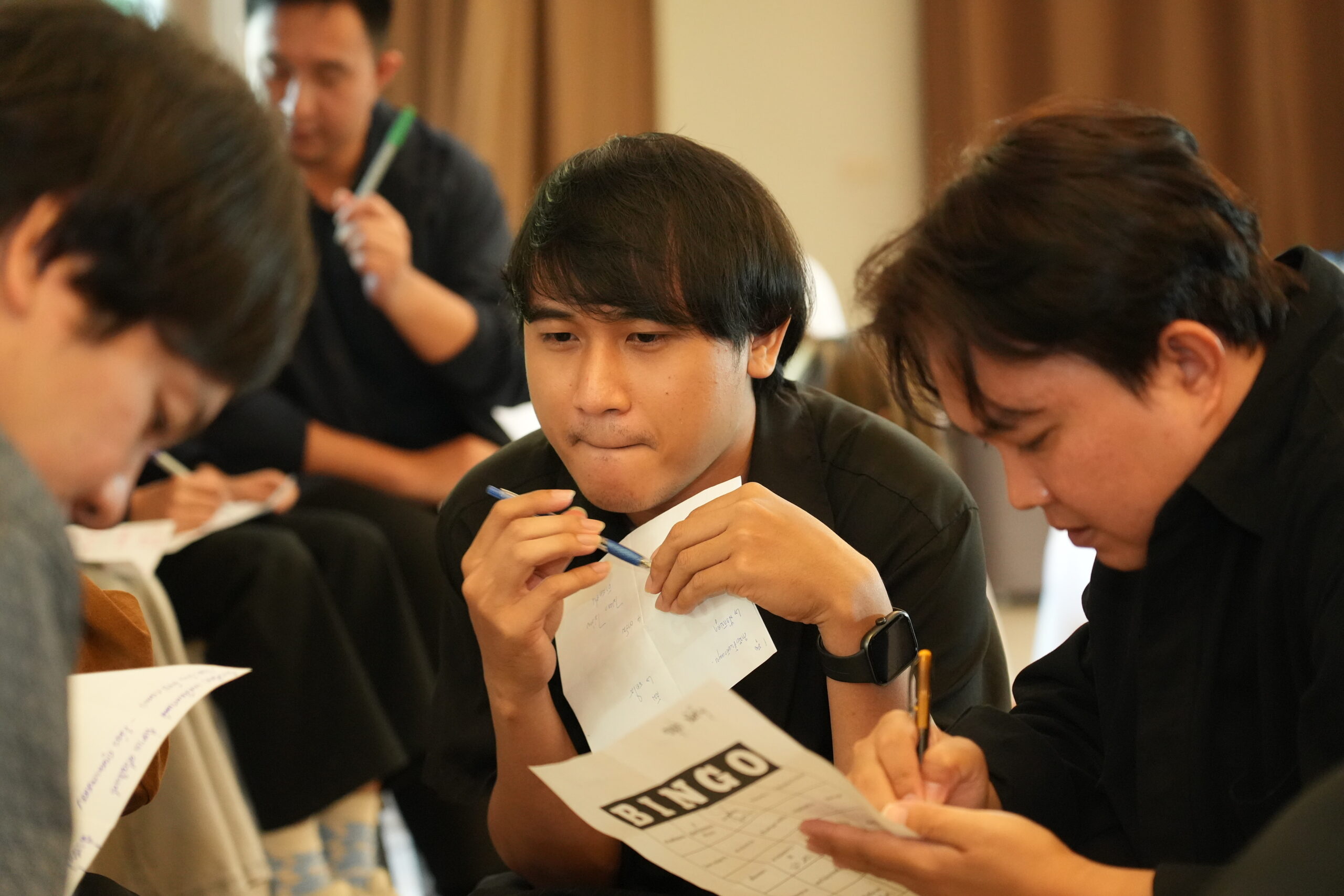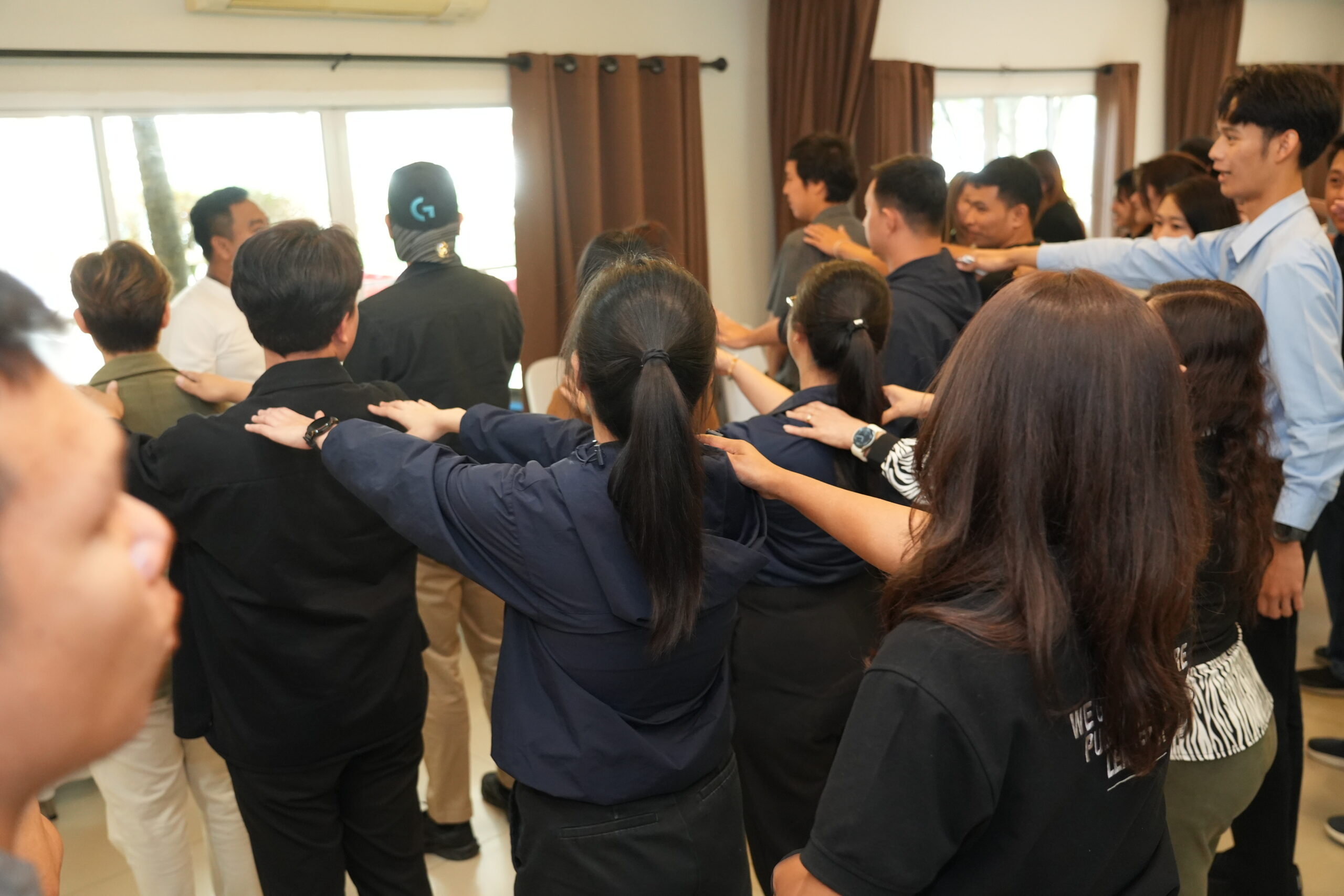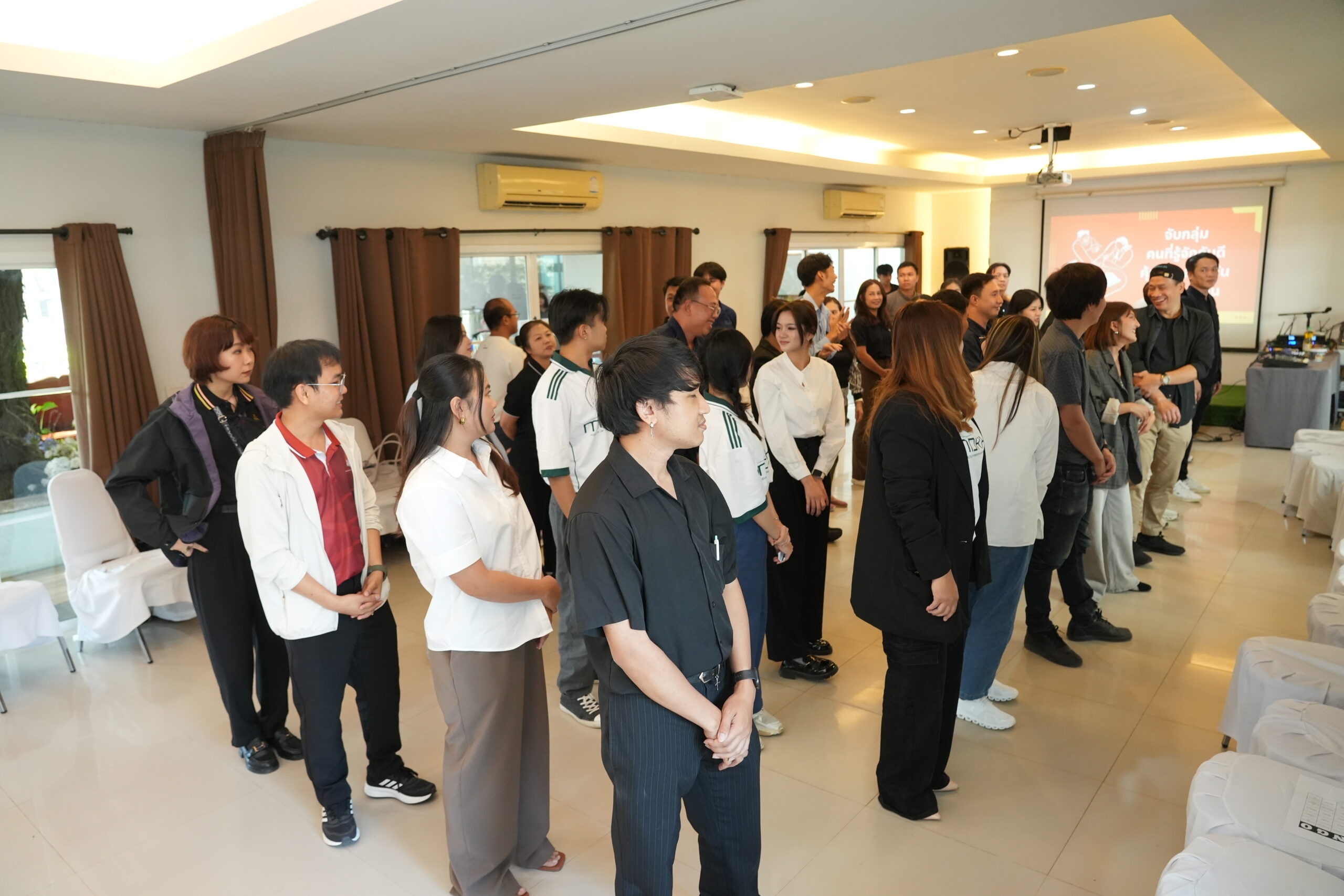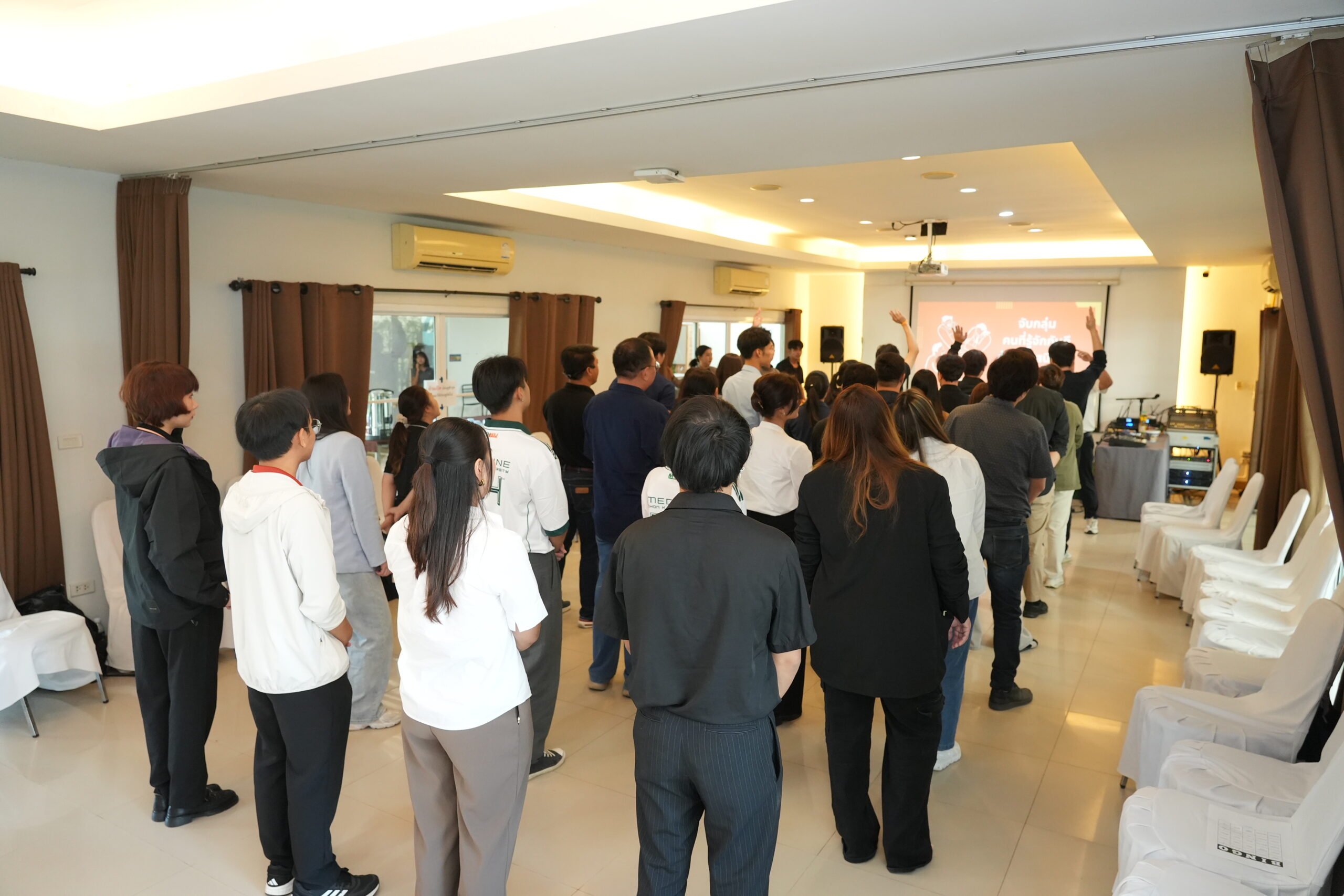
Khon Kaen University’s network development activity focuses on transforming routine tasks into research opportunities to enhance transparency and professionalism.
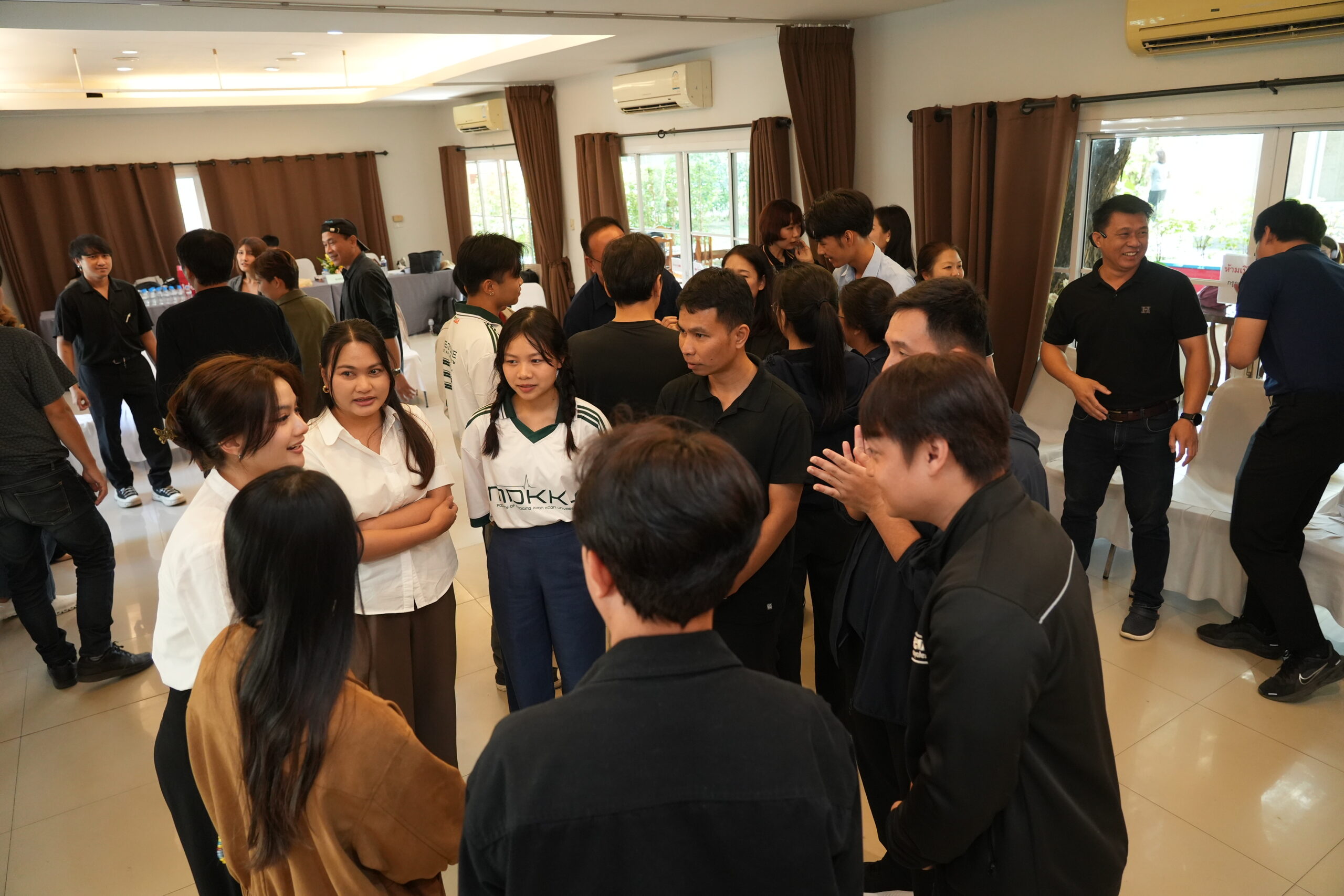
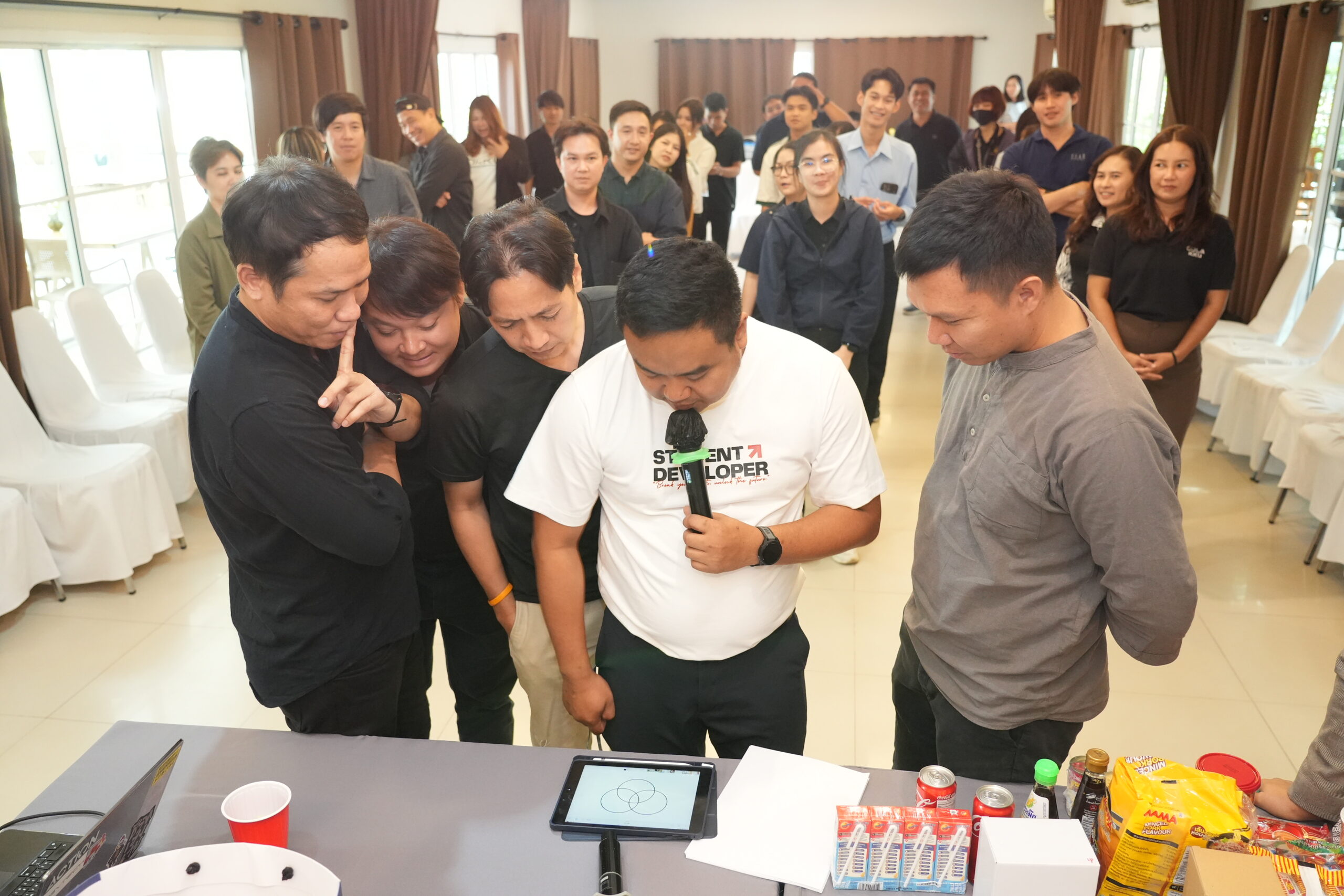
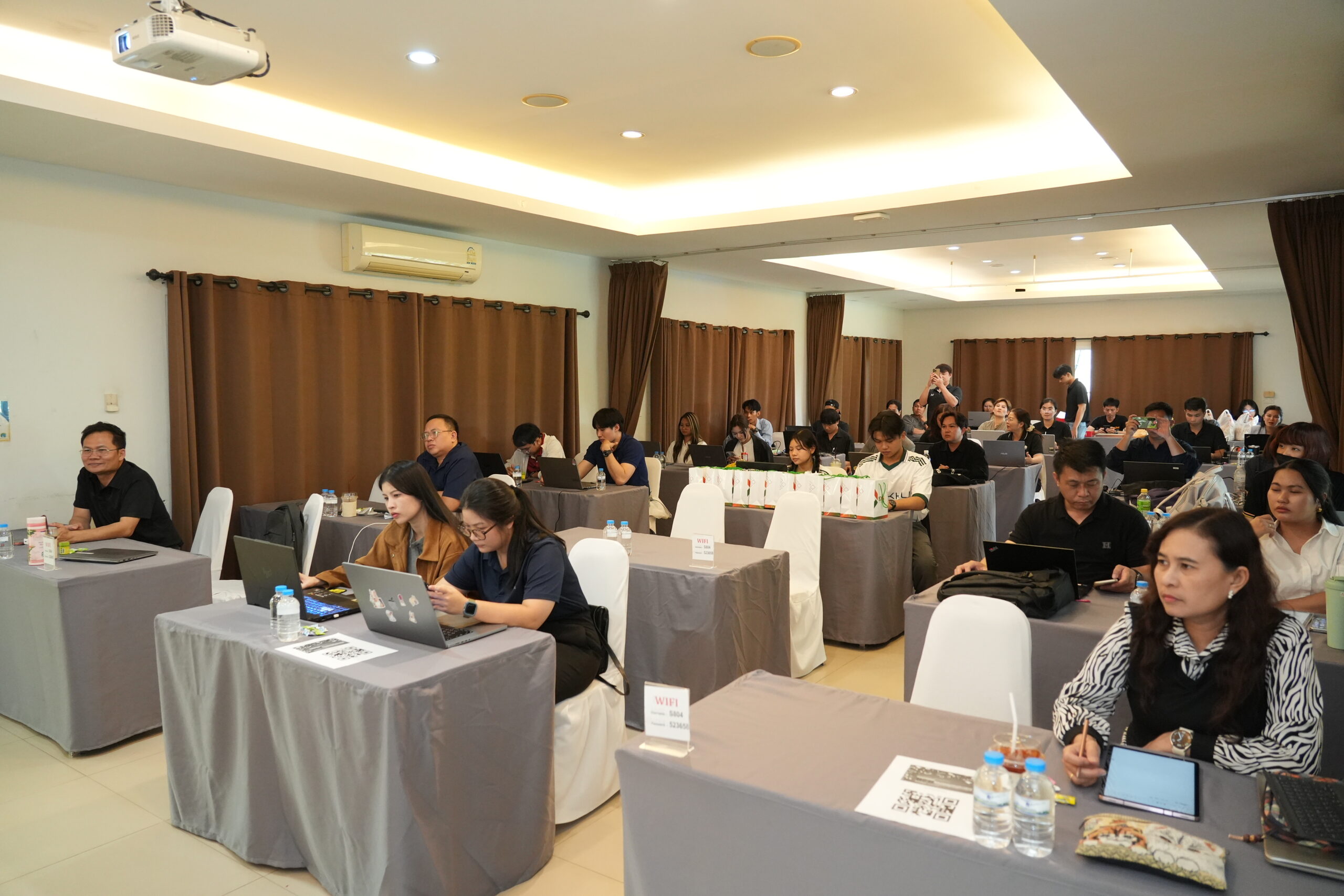
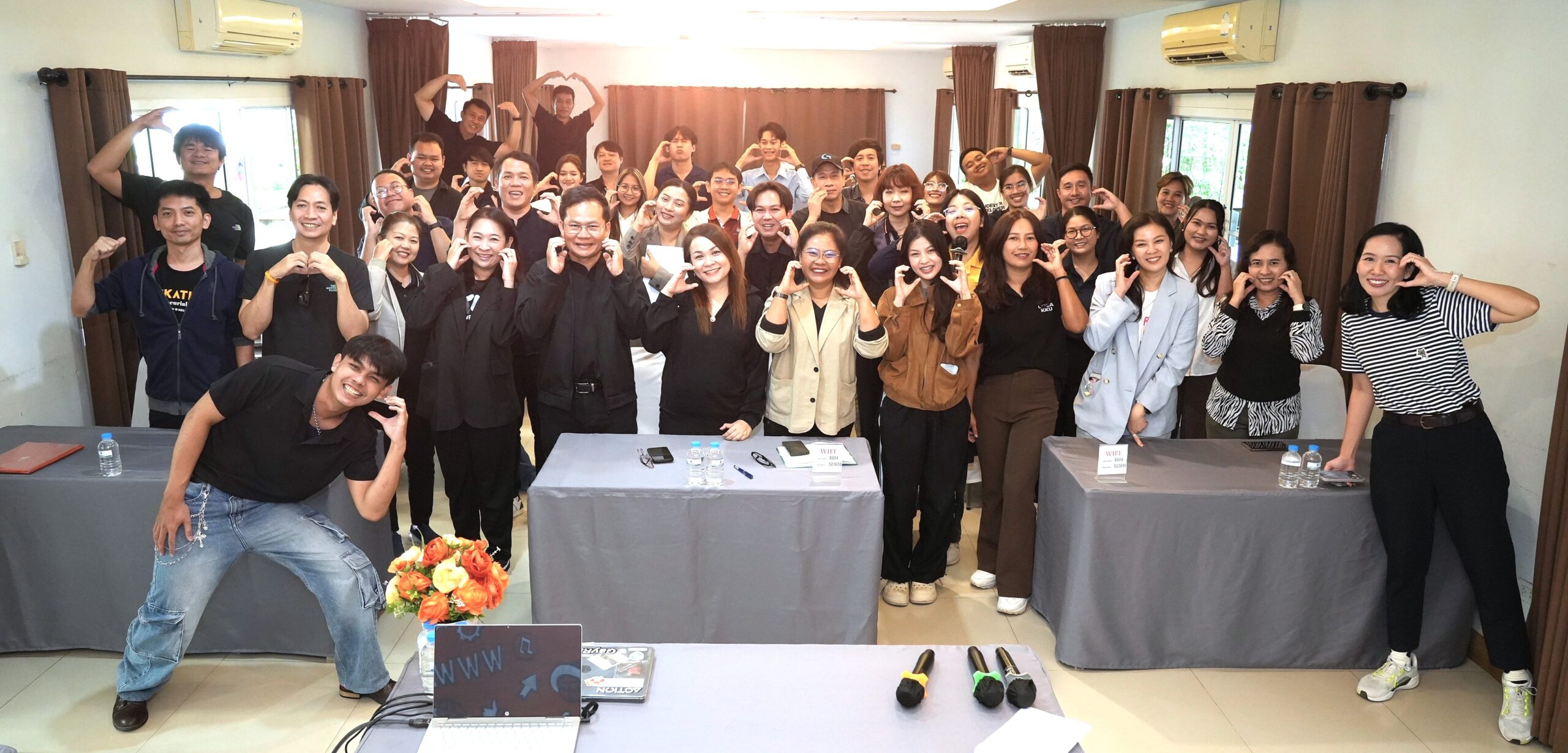
From 11–12 February 2026, the Division of Legal and Corporate Communications, through the Media Production Unit of the Corporate Communications Division, organised the “Routine to Research (R2R) Knowledge Sharing Network for Corporate Communication Network Development” activity. This event was held as part of the 2026 Online Media Production Capability Development Project. The activity formed part of the 2026 Online Media Production Capability Development Project and aimed to strengthen the corporate communication network across faculties, colleges, offices, and various units of Khon Kaen University (KKU). The programme was held at Waree Valley Resort in Ban Dong Sub-district, Ubolratana District, Khon Kaen Province.
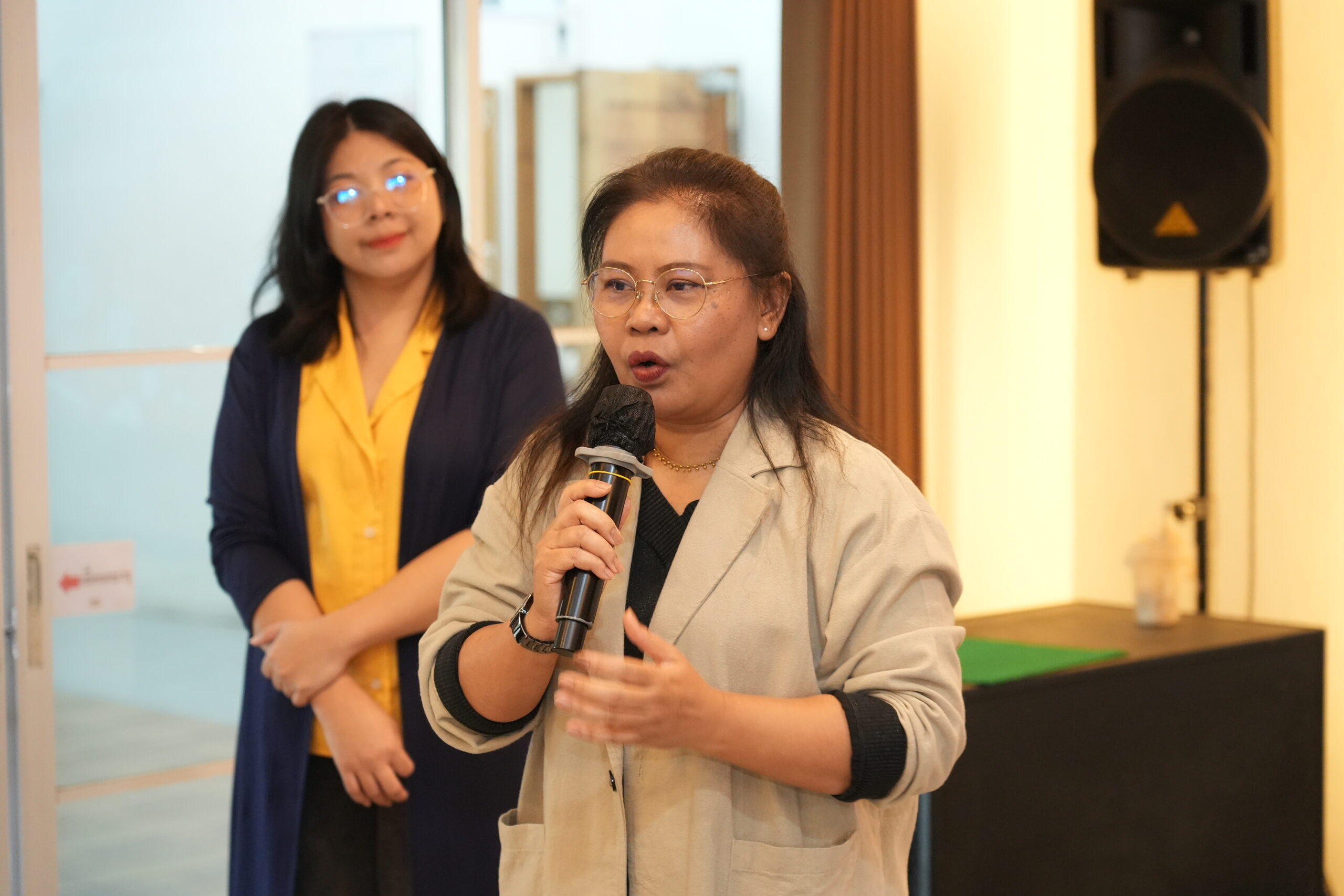
The session commenced with a report on the objectives delivered by Ms. Benjamaporn Mamook, Head of the Media Production Unit. Following this, Mr. Chumporn Para, Director of the Corporate Communications Division, officially inaugurated the training.
Mr. Para emphasised that in the digital era, communication extends beyond conventional public relations and serves as a vital mechanism for cultivating understanding, trust, and social legitimacy. He emphasised that communication personnel serve as “Communication Ambassadors” for the University, playing a vital role in professionally, transparently, and verifiably conveying the institution’s vision and strategies to the public. He also highlighted that network development, guided by the R2R concept, is crucial for establishing a communication ecosystem that adheres to international standards, professionalism, ethics, and social responsibility, thereby supporting KKU’s goal of becoming a trusted and respected university.
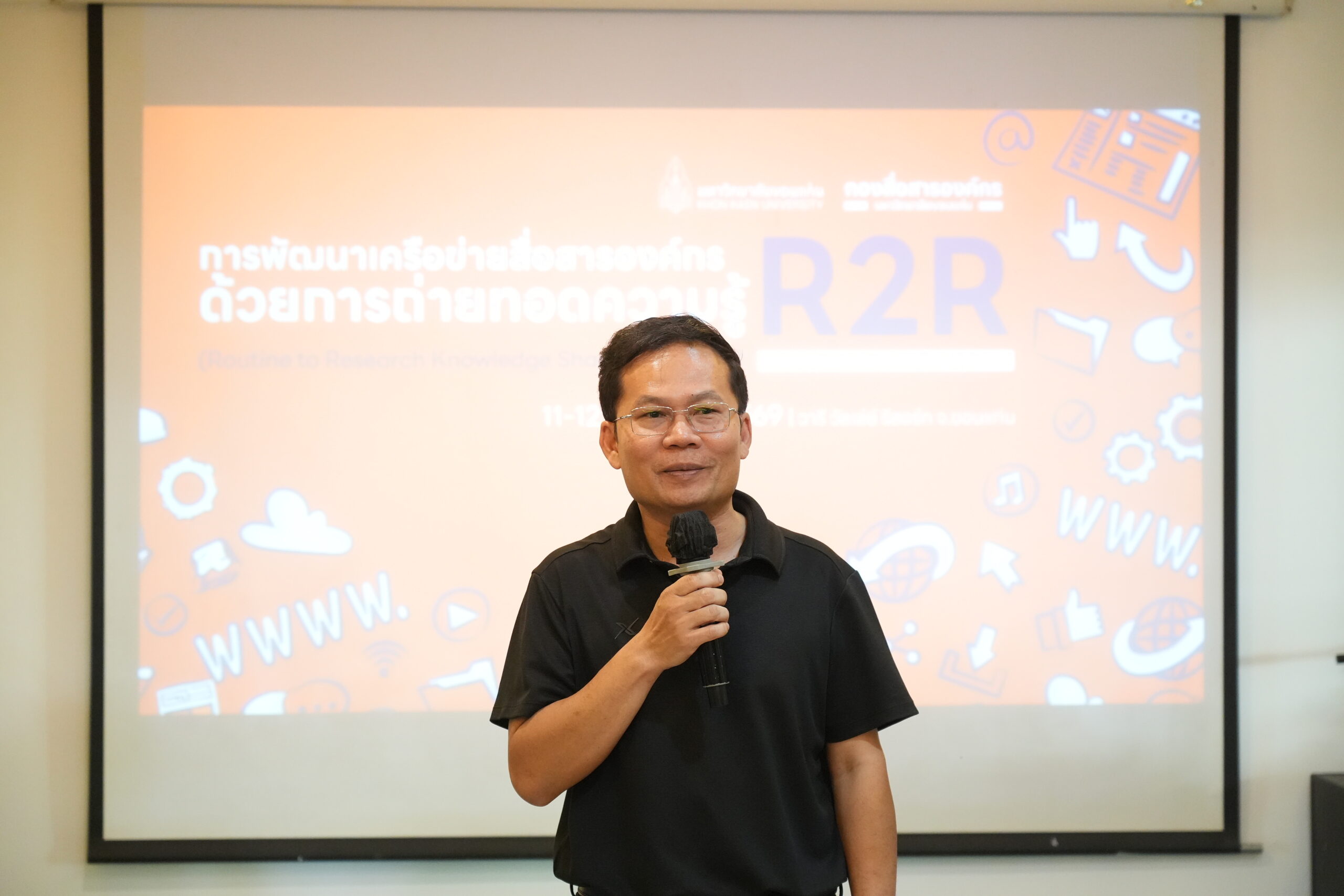
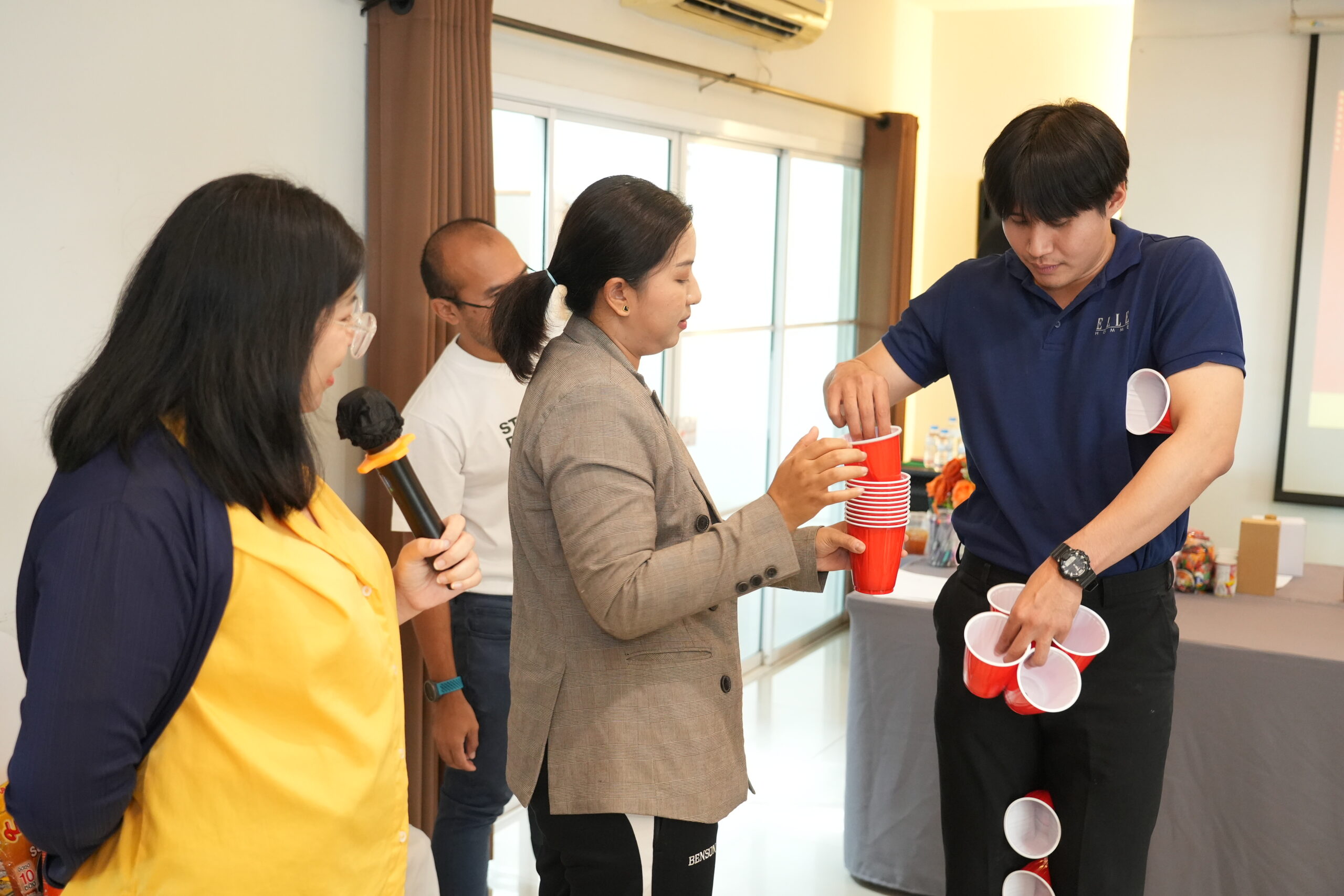
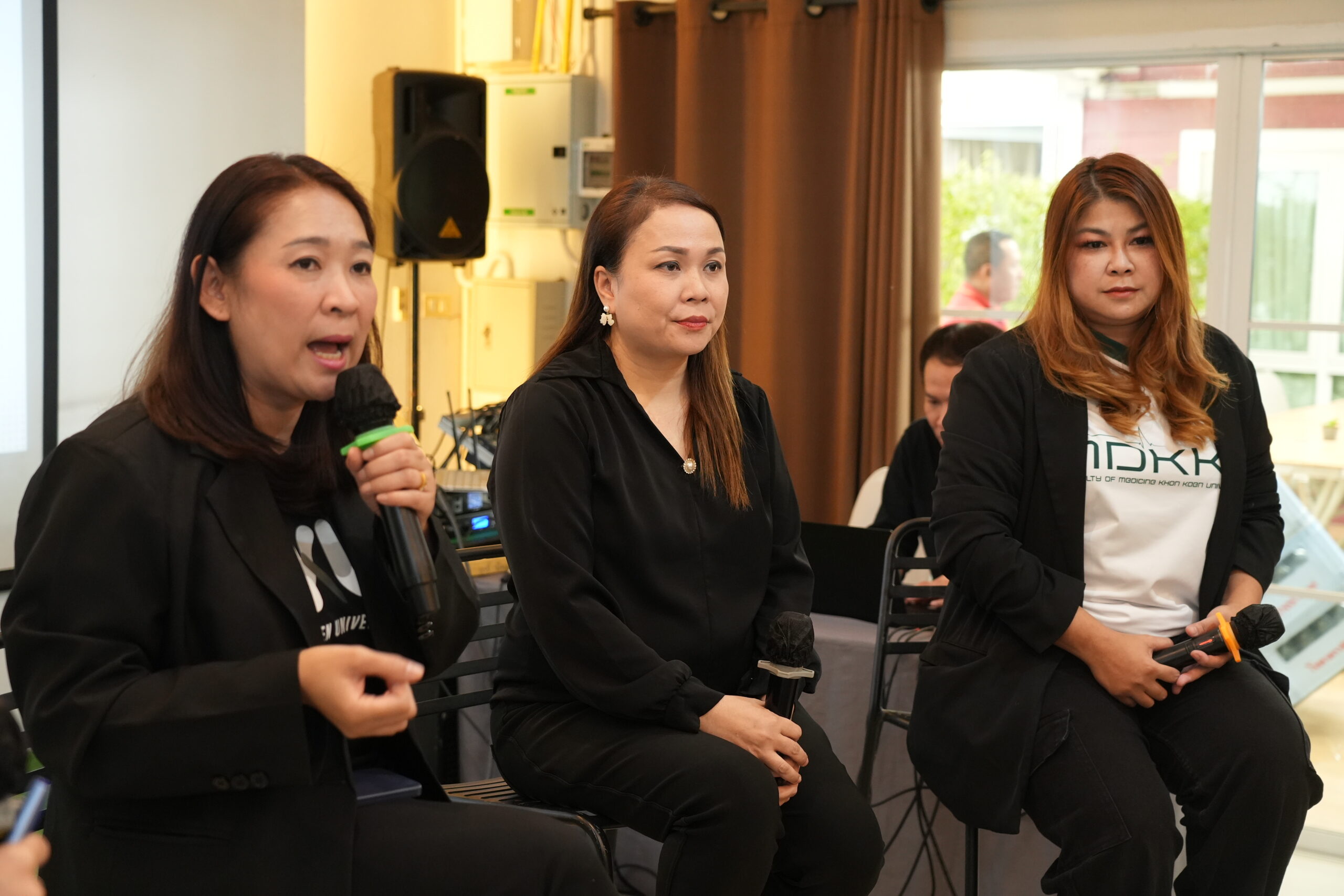
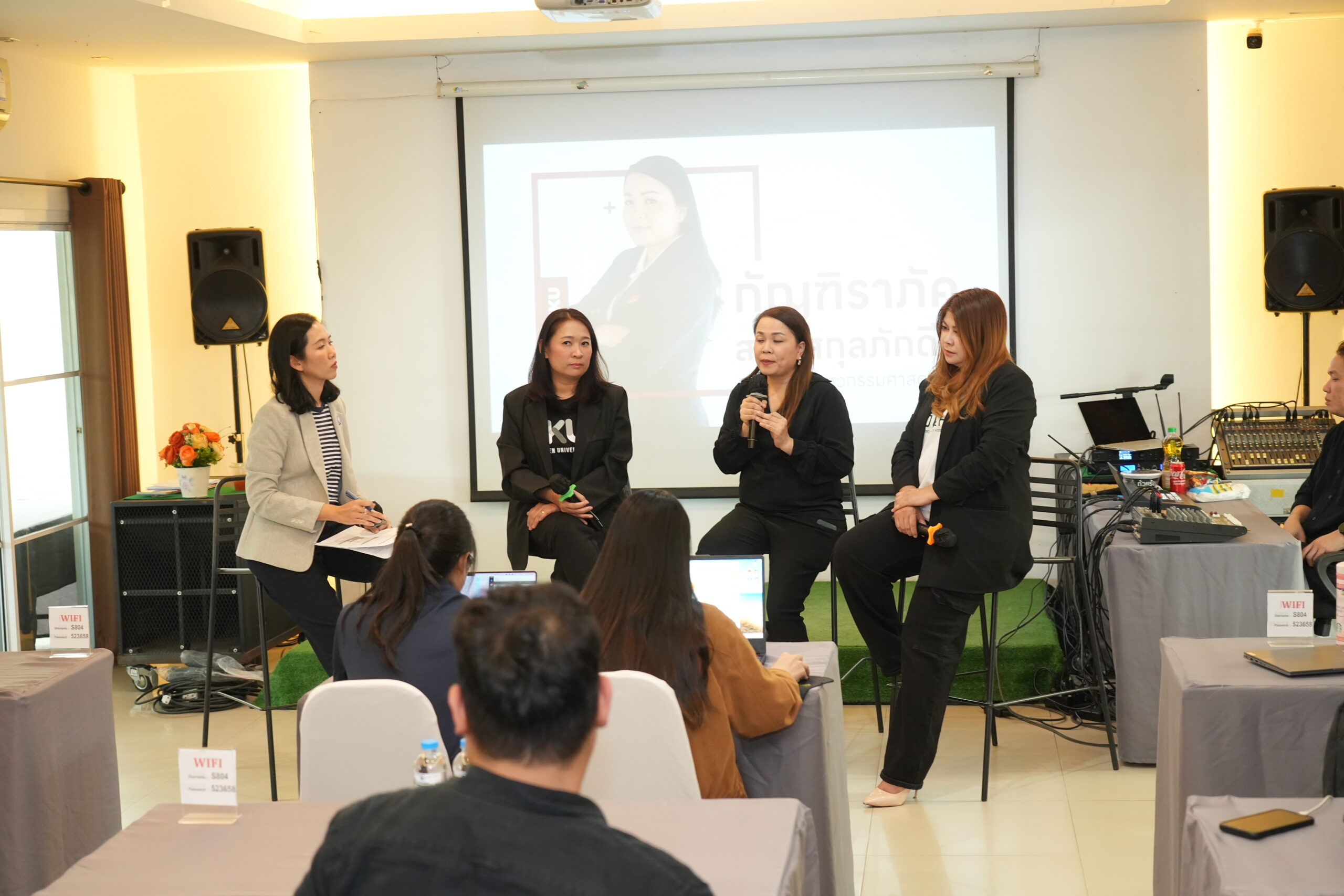
The two-day programme featured numerous activities, including the “R2R Communication Lab” for network building led by Mr. Pasakorn Tueaprakhon and Mr. Itthiwat Janchaichit. A key segment was the “Professional Communication Network” panel discussion, where representatives shared the best practices in communication and organisational brand building. Panellists included Ms. Nitiya Srivoradetpaisal (Library), Ms. Kuntirapak Sodmeskulpacdee (Faculty of Engineering), and Ms. Kamonporn Wannaprake (Faculty of Medicine). The discussion was moderated by Ms. Raviporn Saisaenthong.
Participants also engaged in interactive workshops on conceptualising research from routine duties, producing high-quality media using NotebookLM, and developing effective content presentation techniques for social media audiences. The sessions offered practical tools and strategic insights for applying research thinking and digital technology to everyday communication work.
Transforming Routine Tasks through Data Insights
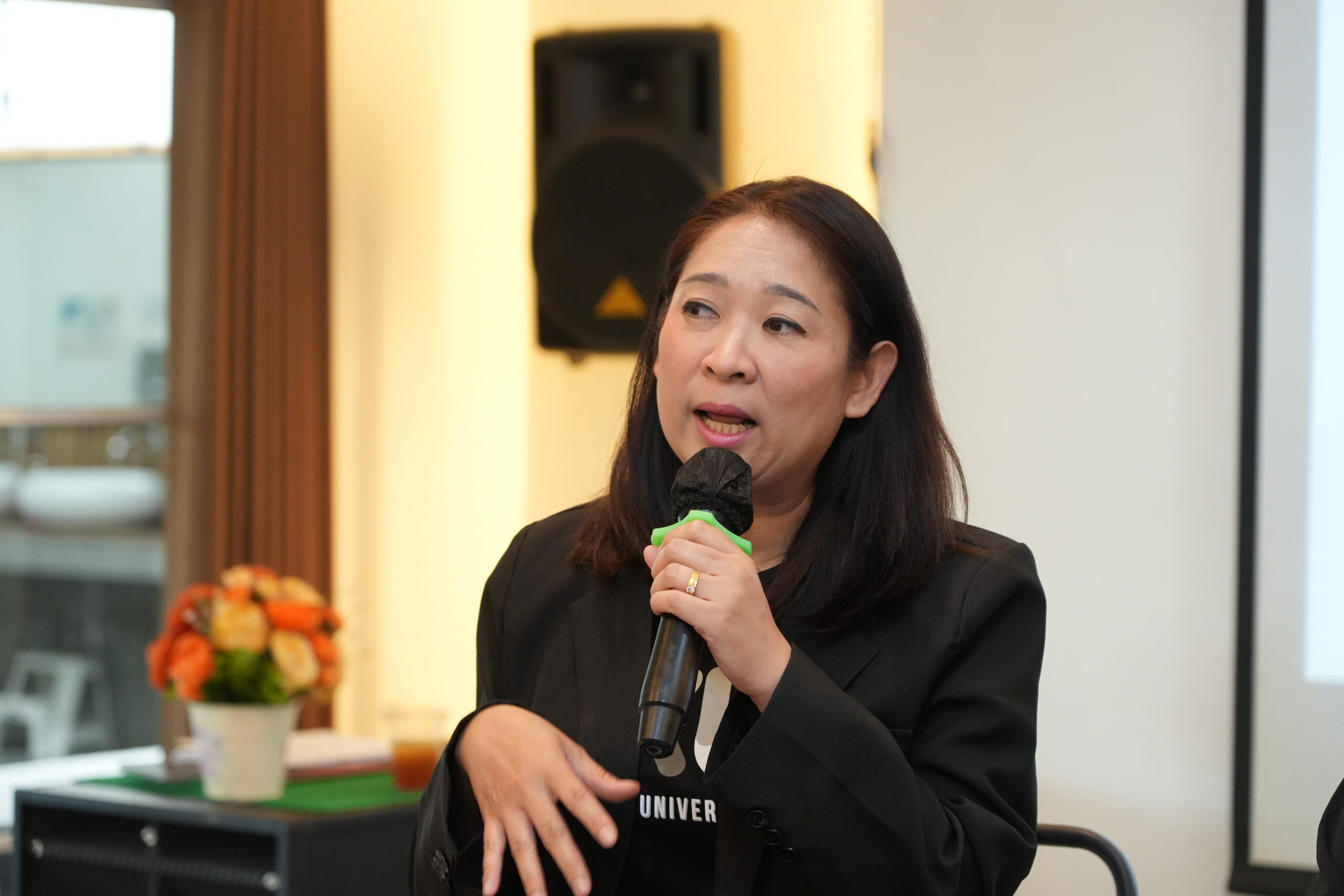
Ms. Nitiya Srivoradetpaisal from the Library shared the philosophy that “Routine work is a learning opportunity,” asserting that daily tasks are not insignificant if their value is recognised and developed into something “major.” She noted that while the Library’s public relations function might be viewed as merely supportive, lacking prominent research or celebrated staff as primary selling points, the central focus must be: “How can we encourage more people to know about and access the Library?”
Her key takeaway was that an absence of user complaints often indicates an absence of users; therefore, problems are not obstacles but opportunities. Every query and complaint serves as crucial data for organisational development. By systematically addressing repetitive questions, the Library was able to develop a Chatbot system. Similarly, in response to management requests for news statistics, they created a system for collecting and analysing data on Reach and Engagement. Through these efforts, routine tasks were gradually elevated into developmental projects, knowledge management (KM) initiatives, and process innovation, even leading to national-level awards.
“The essential success factor is the systematic collection of data, followed by continuous analysis and development,” Ms. Srivoradetpaisal concluded.
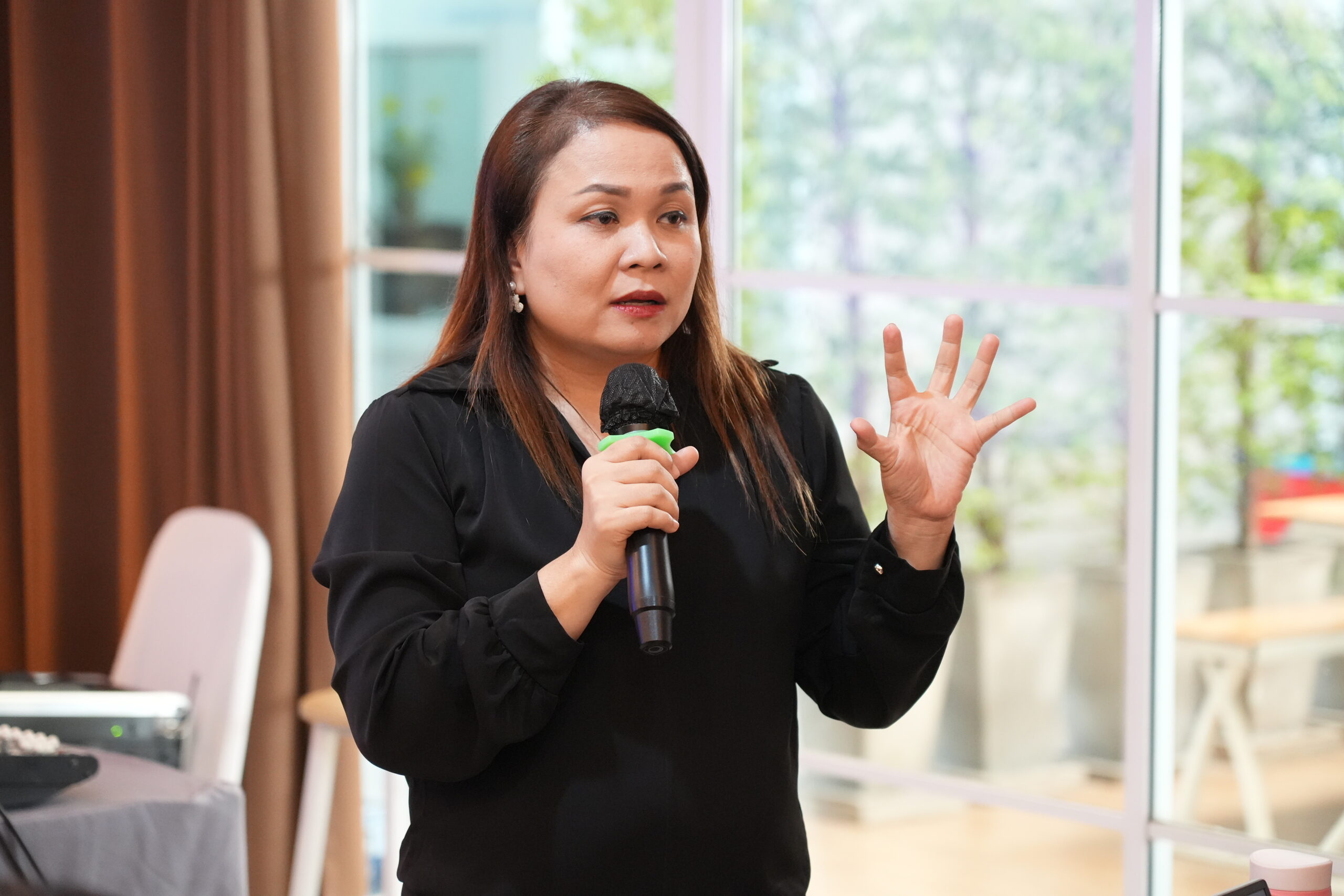
Ms. Kuntirapak Sodmeskulpacdee from the Faculty of Engineering shared the principle that “Heavy workload is not an obstacle when assisted by systems and technology.” She discussed fostering a working culture focused on “no pressure, but timely submission,” coupled with applying technology and AI to public relations tasks to assist in content production, data analysis, and workload reduction. The outcome was increased work efficiency, resulting in outstanding performance and the receipt of the university’s Show & Share award.
“The key lesson is that technology is not something distant; it is a critical tool for boosting capability and advancing routine work beyond traditional boundaries,” Ms. Sodmeskulpacdee stated.
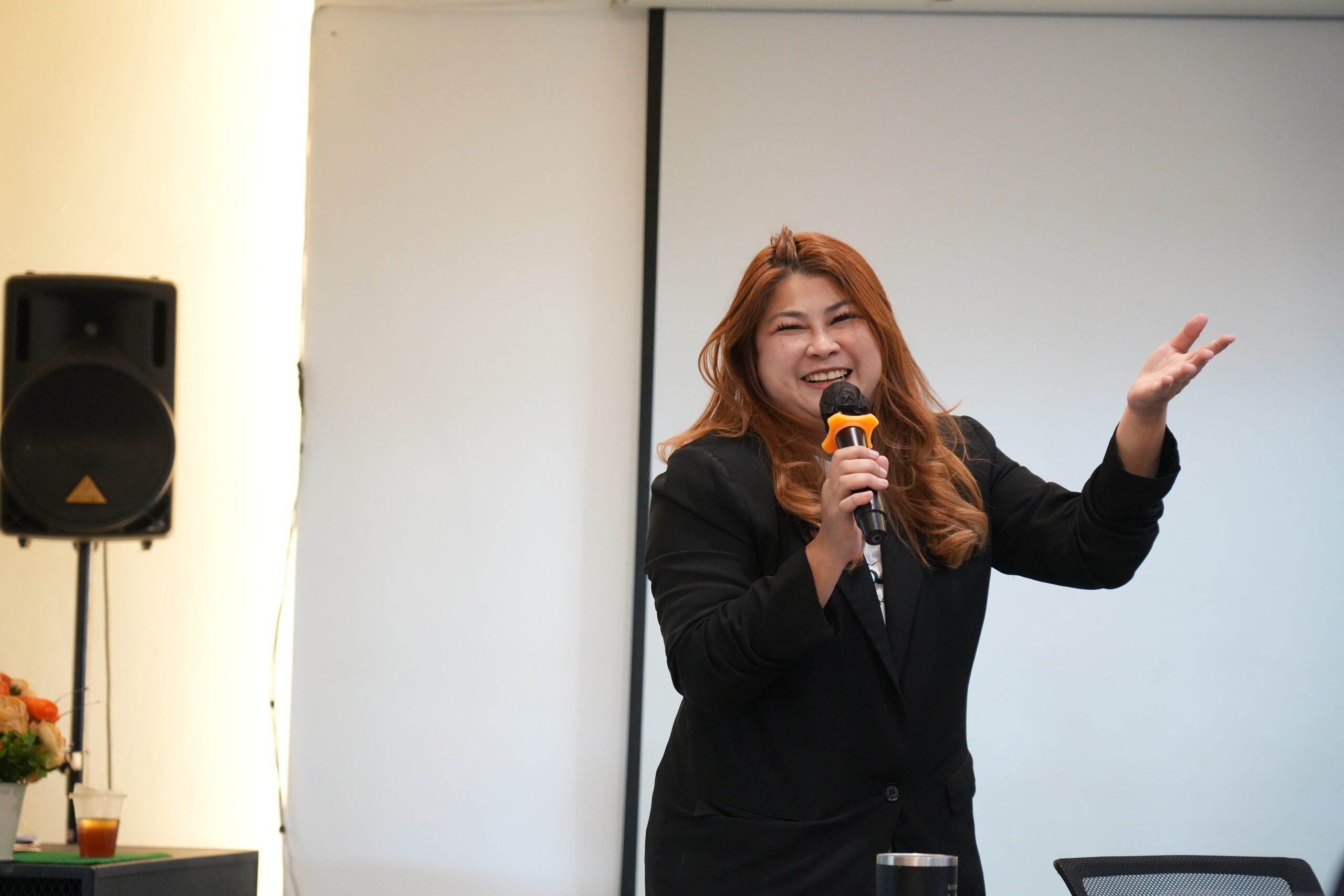
Lastly, Ms. Kamonporn Wannaprake from the Faculty of Medicine shared her experience on “From Disparagement to Organisational Rebranding.” She reflected that despite the Faculty of Medicine having over 7,000 personnel, its historical organisational image was perceived as sombre, highly formal, and ceremonial, reflecting its age of 50–60 years. The criticism that “the job of public relations is merely to hold baskets and follow executives” became a significant impetus for the corporate communication team to reassess their role and challenge the perception of the brand’s age, personality, and modernity.
This led to a major rebranding effort, including adjusting the colour palette, softening the image, reducing formality, enhancing “smartness,” restructuring the team, and outsourcing graphic work to experts to elevate media quality. The shift was away from high volumes of low-quality news toward producing valuable, clearly directed content.
“The critical lesson is that when others do not yet see our value, we must create that value and make it visibly concrete through demonstrable results,” Ms. Wannaprake affirmed.
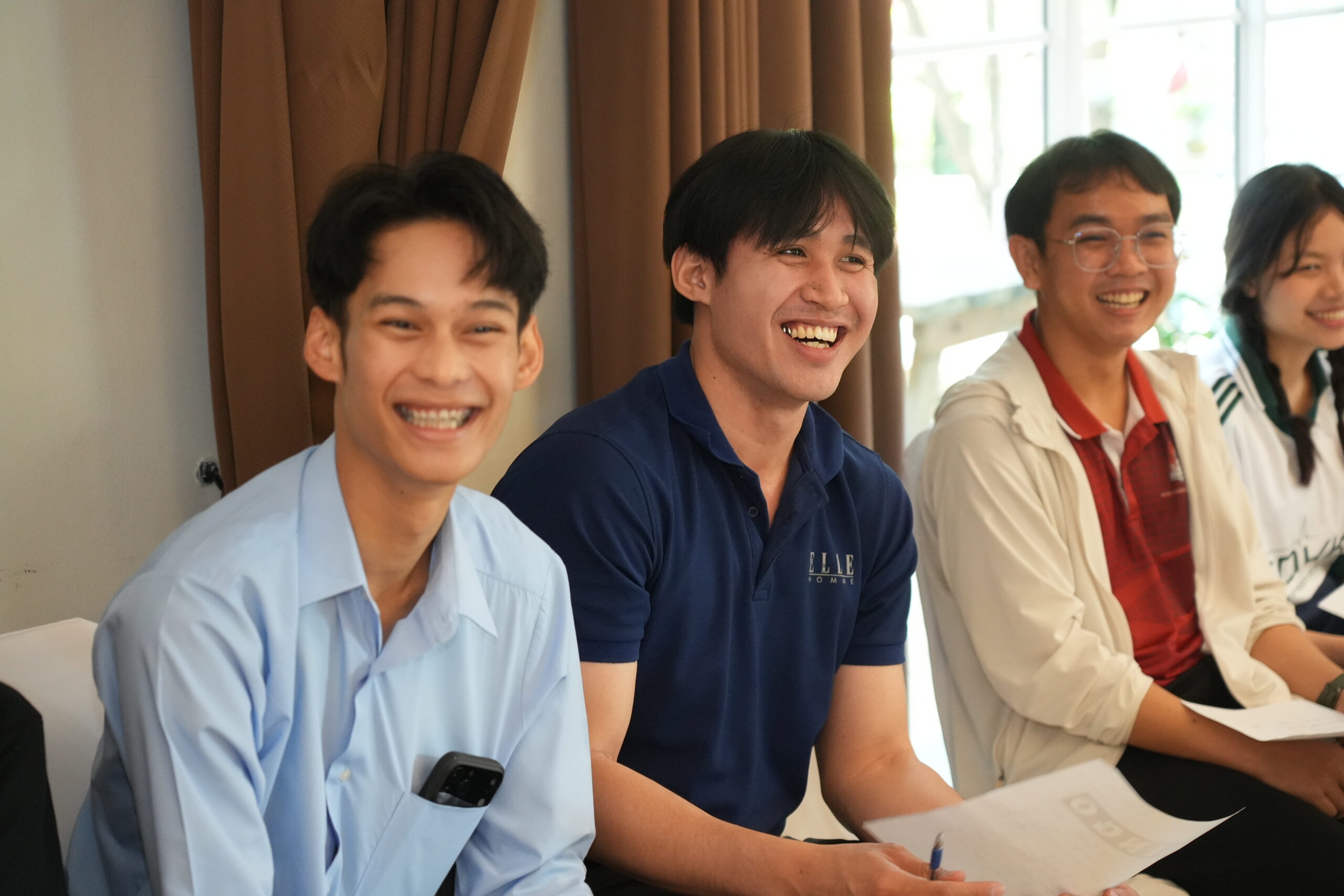
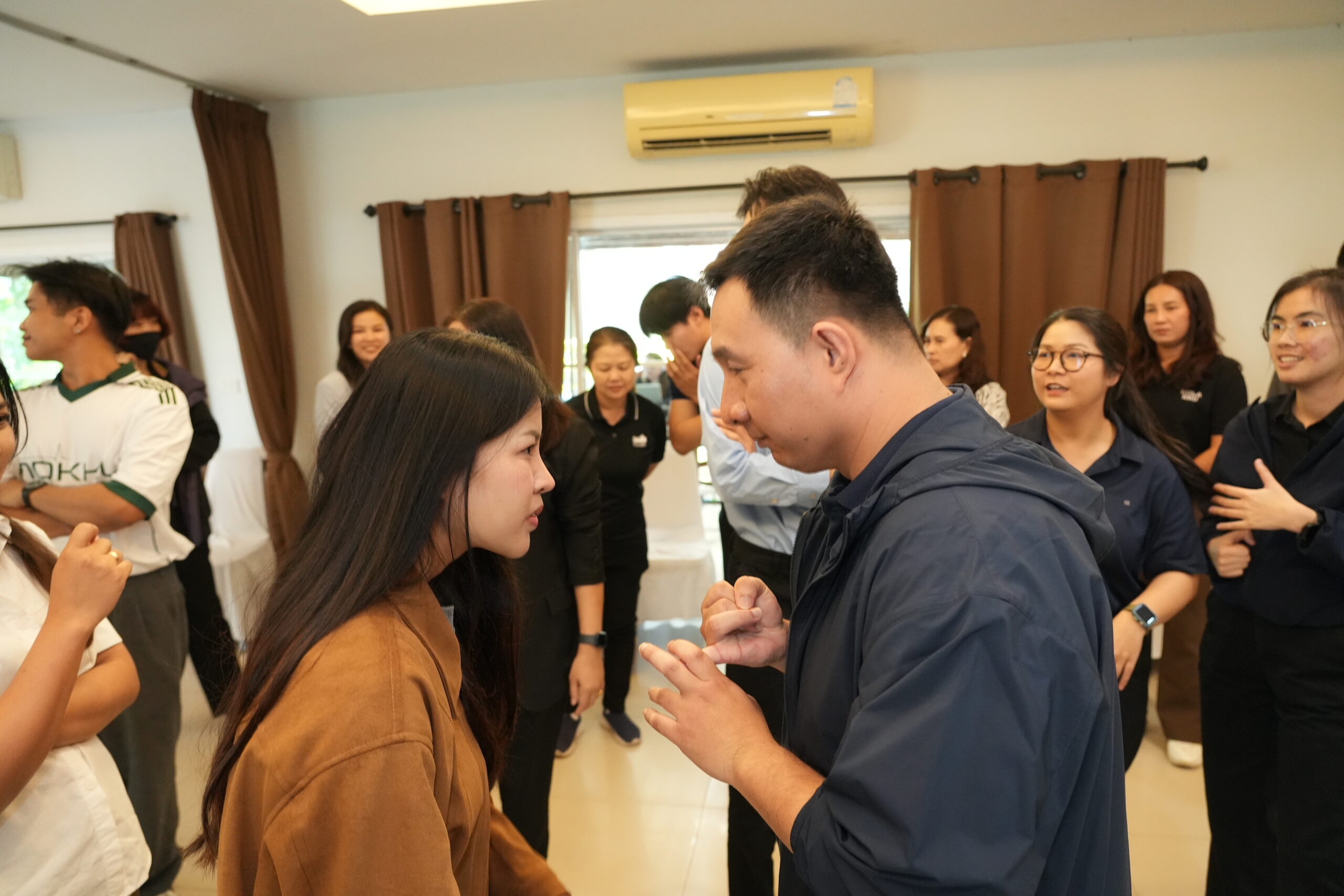
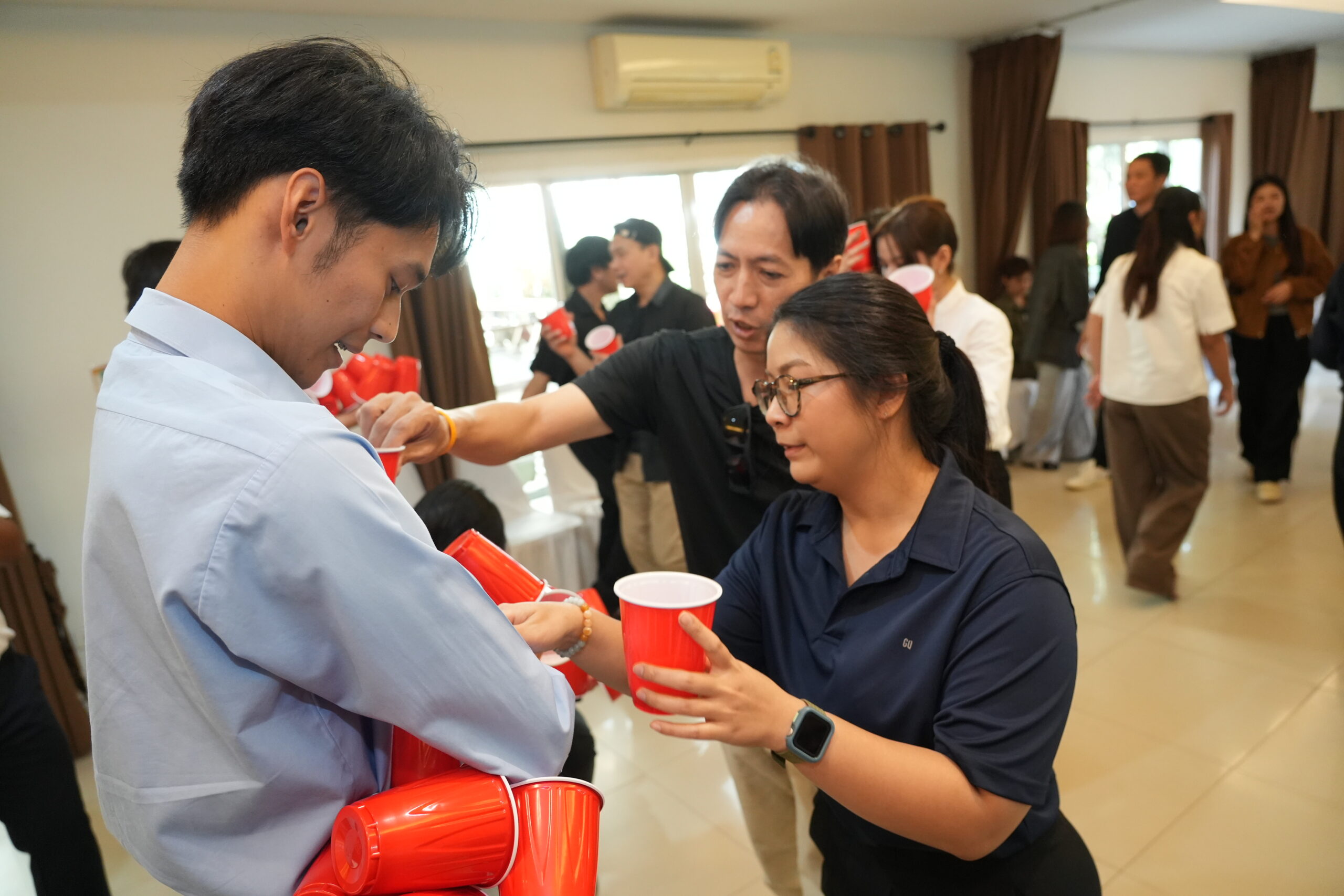
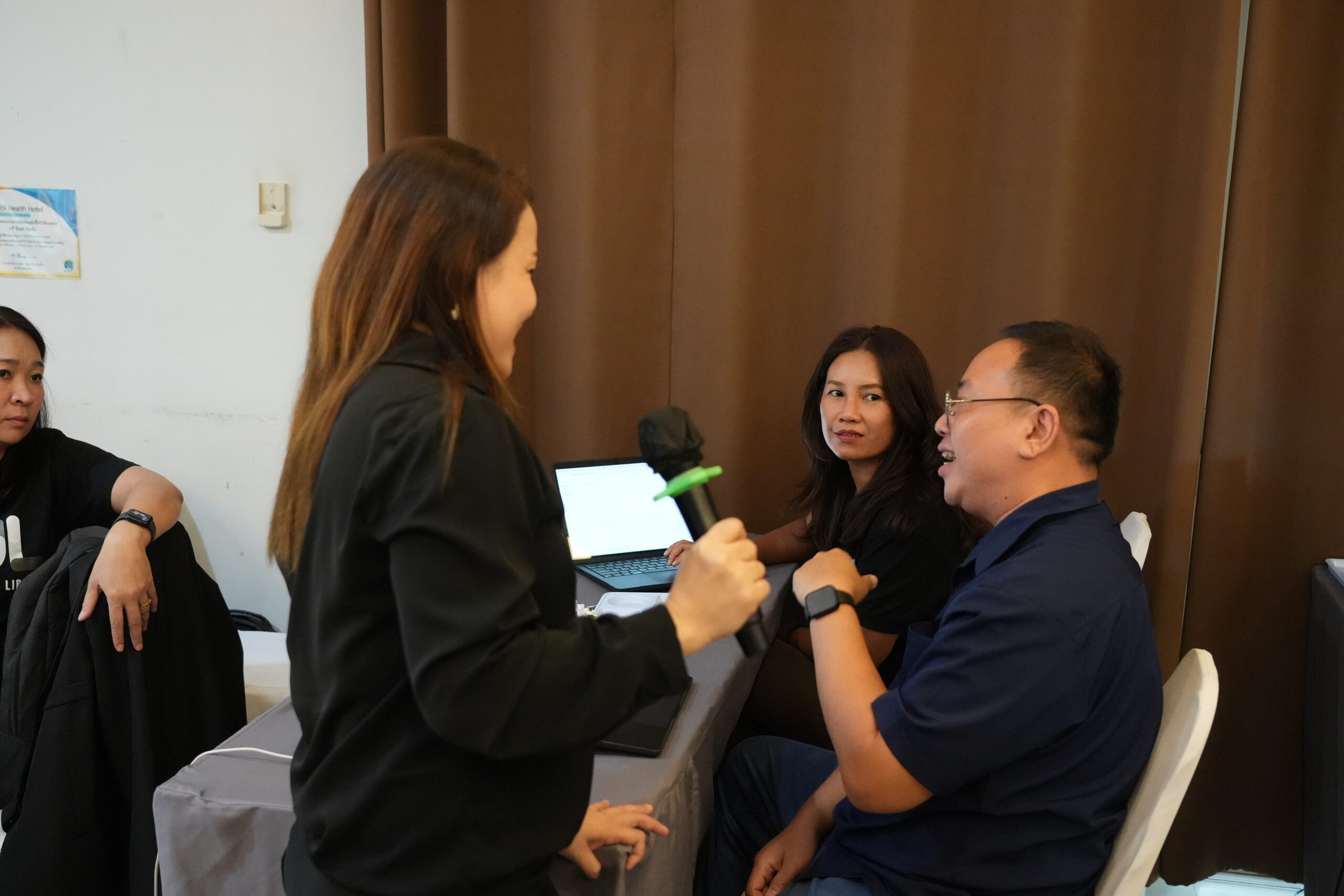
The atmosphere of the event was both intense and convivial, providing participants with substantive knowledge, practical guidance, and collaborative space.
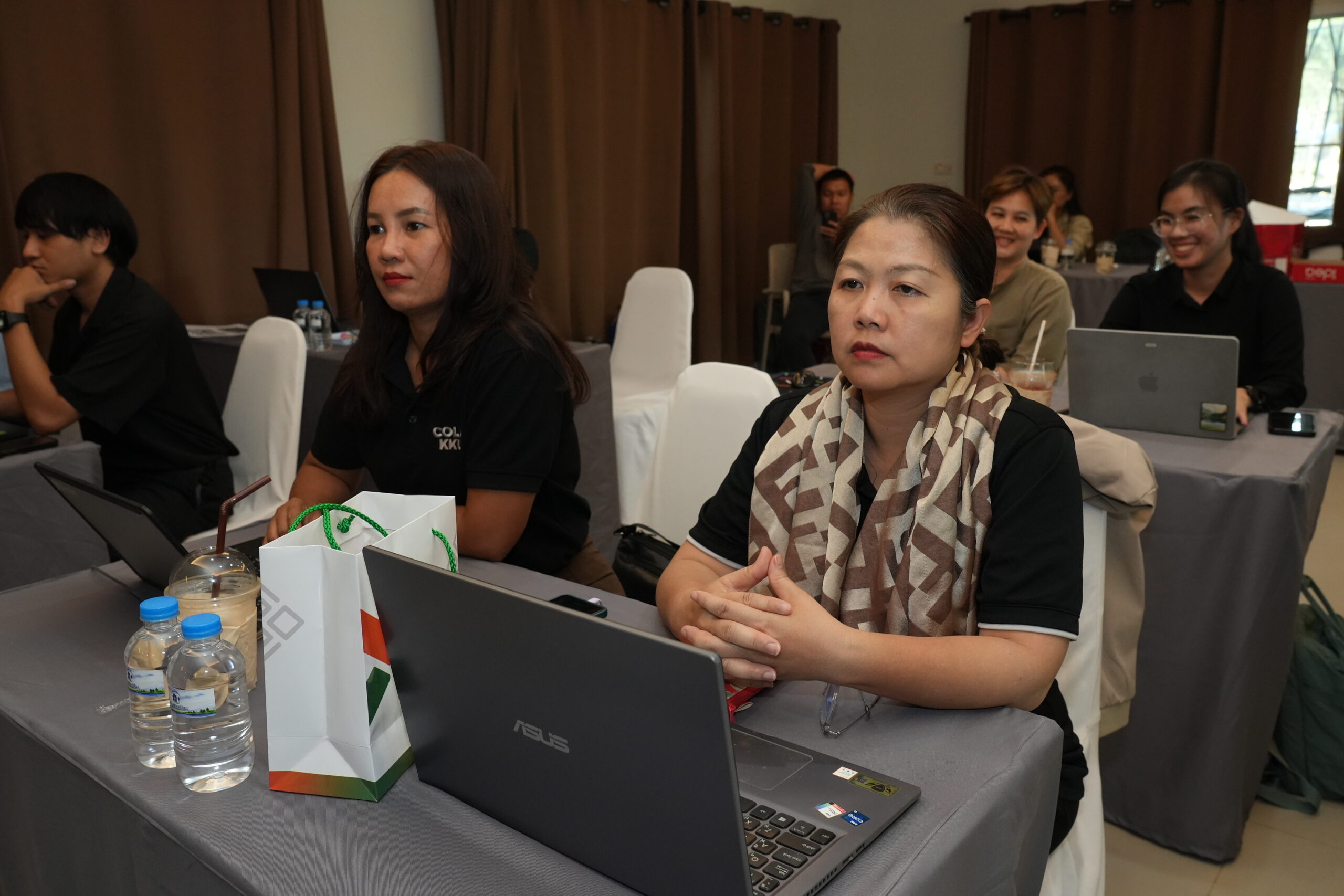
Ms. Ying Potisuwan from the Faculty of Dentistry remarked that the activity provided new information and knowledge that can be developed for professional advancement, particularly the application of digital systems and AI tools in news writing and communication tasks to increase speed and efficiency. She also highlighted the opportunity to build friendships and collaborative networks, noting the development of younger staff in their academic skills, commitment, and mutual support. She expressed confidence that sustained training would reinforce the sense of unity and pride among KKU personnel.
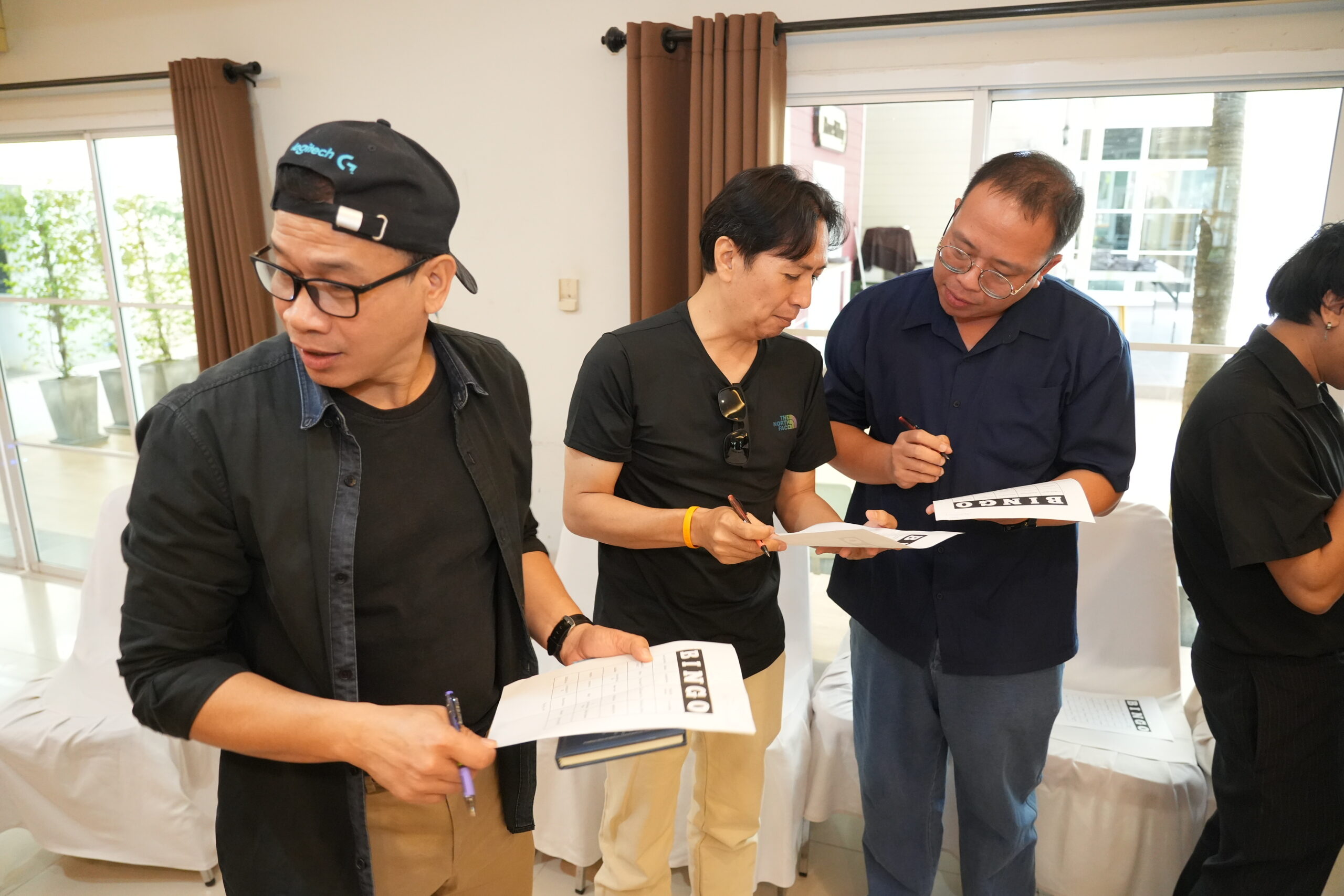
Mr. Suchart Thepphukieo from the Faculty of Science stated that participating in the seminar showcased the network’s collective strength. He valued the exchange of experiences regarding both R2R and the use of AI tools—factors essential for increasing work efficiency and speed—and for developing individual potential alongside the advancement of organisational work.
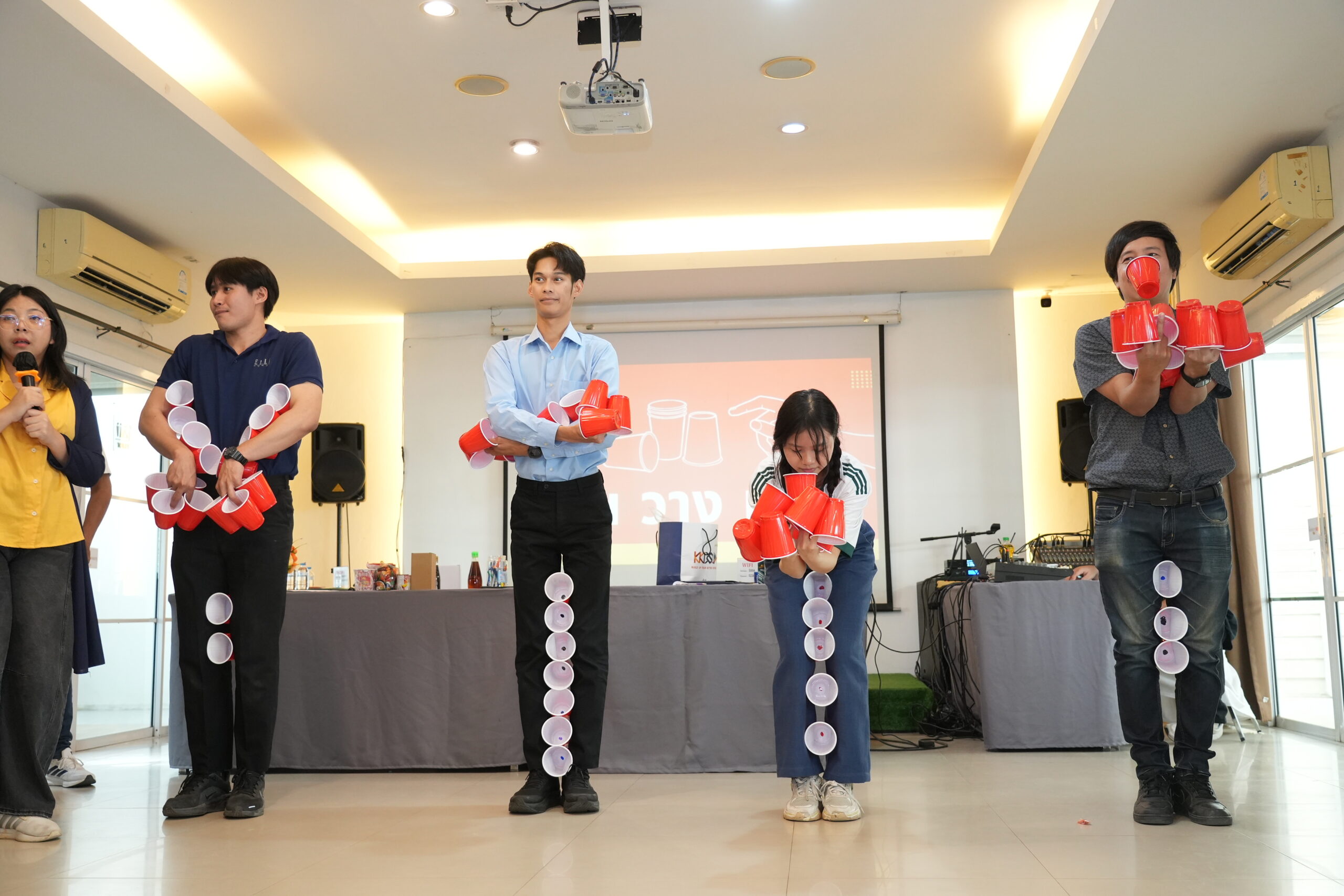
Statement by a New Network Member
Mr. Thanaphuvana Hiruntheerakul, a new member of the network from the Faculty of Pharmaceutical Sciences, stated that this activity provided a valuable opportunity to meet and connect with public relations professionals from various faculties and units—individuals they might not usually encounter. Cultivating these new relationships will be highly beneficial for future coordination, particularly in his capacity as a new staff member.
Mr. Hiruntheerakul expressed great satisfaction with all the activities, noting that they offered insights into the professional working methods of senior colleagues, especially concerning systematic work documentation and the development of career pathways. The most significant lesson learned was the importance of methodically collecting work outputs and recognising that daily tasks can be developed into professional achievements. This approach, he concluded, is essential for elevating one’s capabilities to a higher level of professionalism.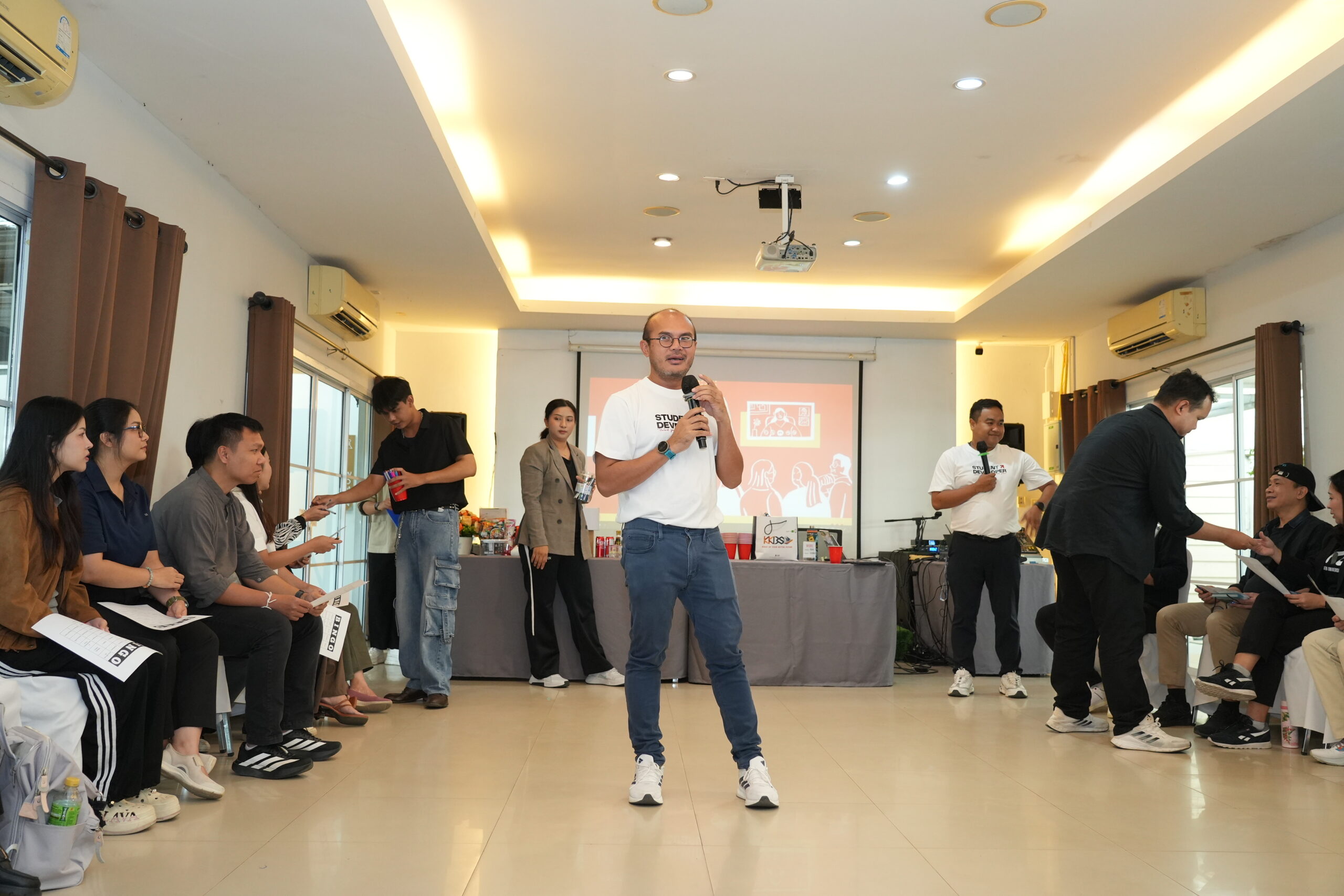
This initiative forms part of the Khon Kaen University Online Media Production Capability Development Project for the 2026 fiscal year. It supports KKU’s vision of becoming “A World-Leading Research and Development University” under the “Future-Ready KKU” framework. In particular, it advances Strategy 6, which focuses on governance and organisational image communication beyond conventional good governance, by leveraging the corporate communications network to promote integrity, transparency, and professionalism.
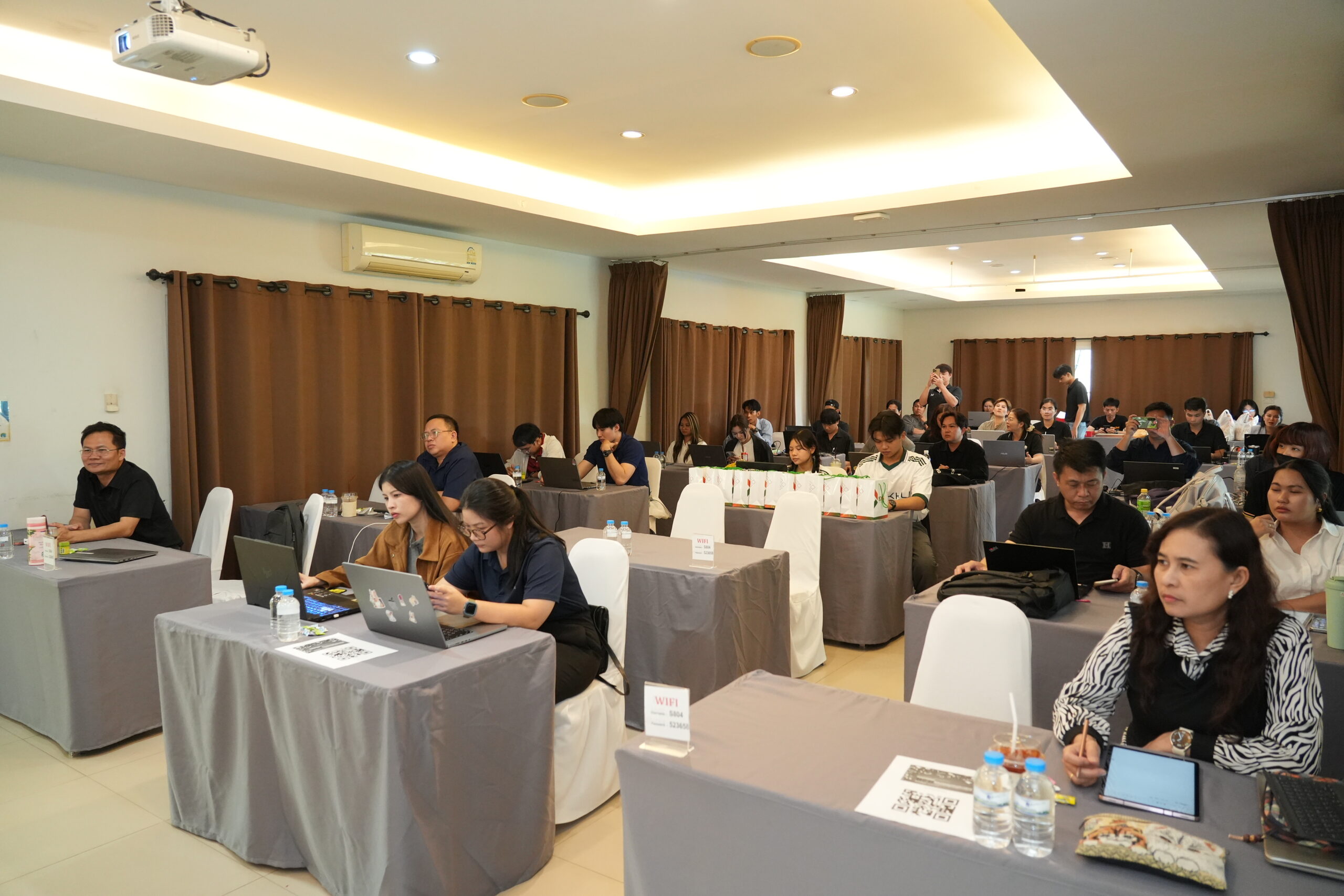 The outcomes of this programme are expected to strengthen the corporate communication network’s capacity to transform routine work into research-informed practice, produce high-quality media content, and enhance cross-unit collaboration. These efforts will further reinforce the credibility, transparency, and positive institutional image of Khon Kaen University while driving its strategy towards sustainable excellence.
News: Benjamaporn Mamook / Punwasjan Kunthip, 4th Year Co-operative Education Student, Thai Language Programme, Faculty of Humanities and Social Sciences, Khon Kaen University. Photos: Attapon Hampong / Natthawut Charuwong / Natdanai Upanan, Co-operative Education Student, Sripatum University, Khon Kaen Campus.