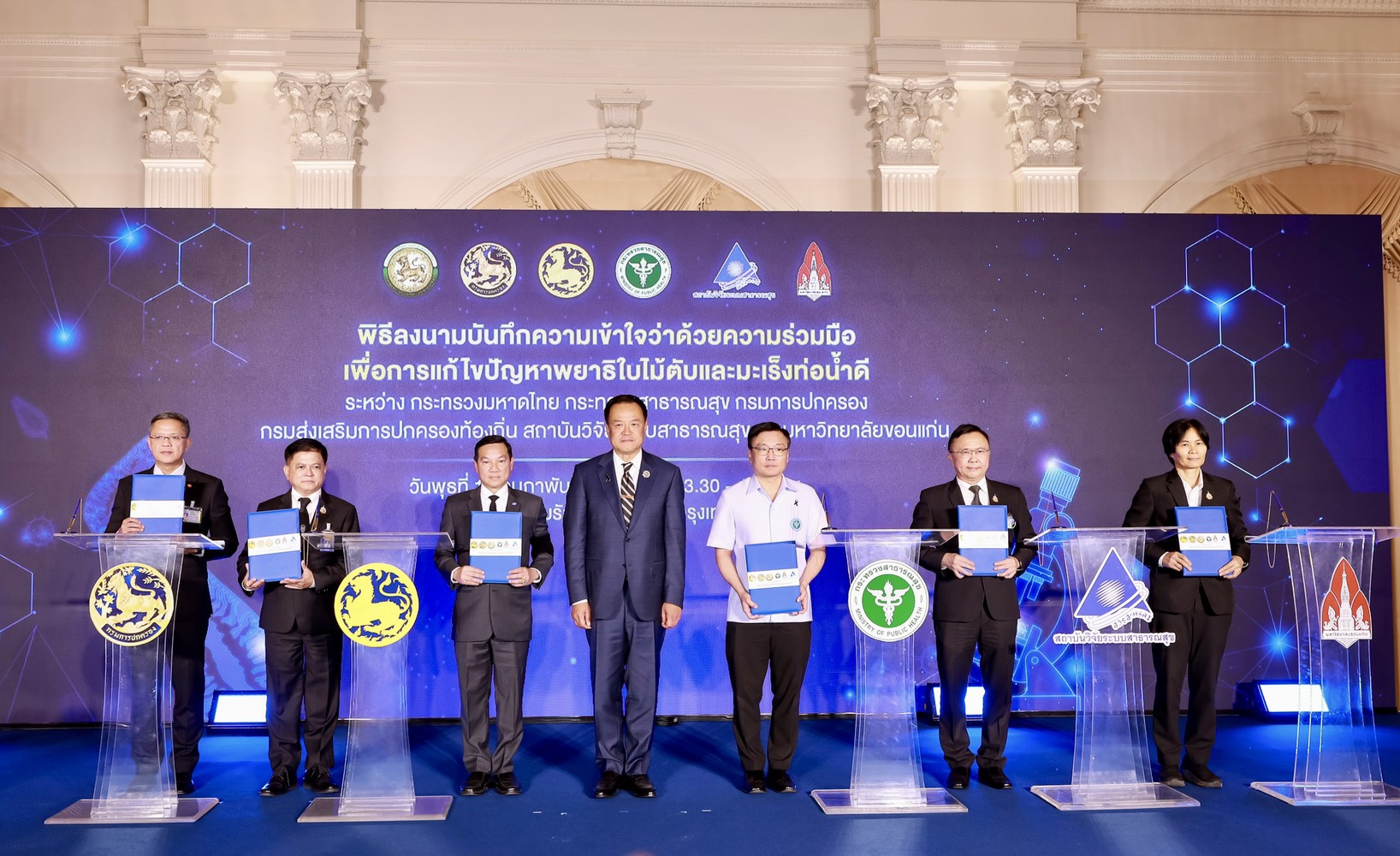
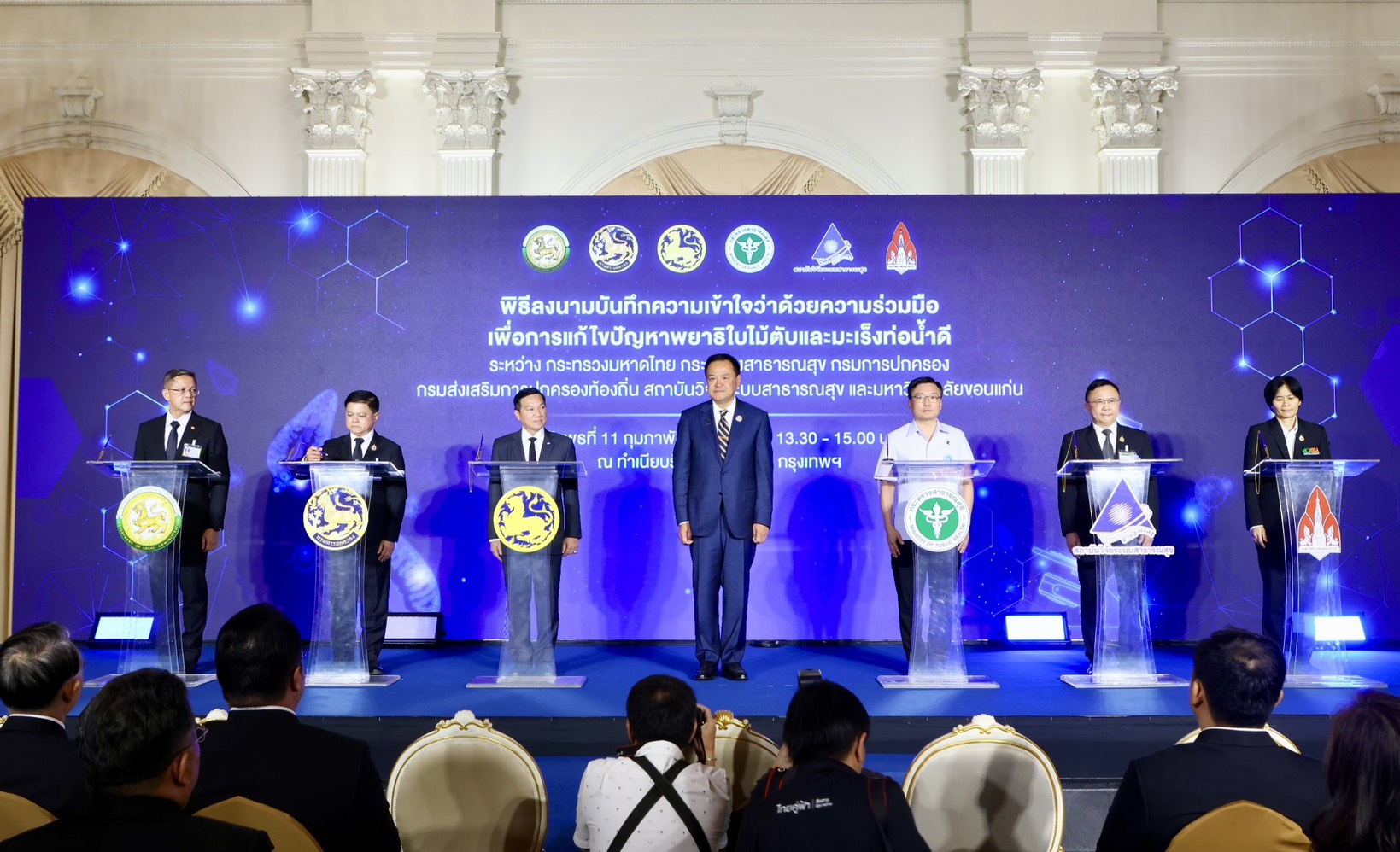
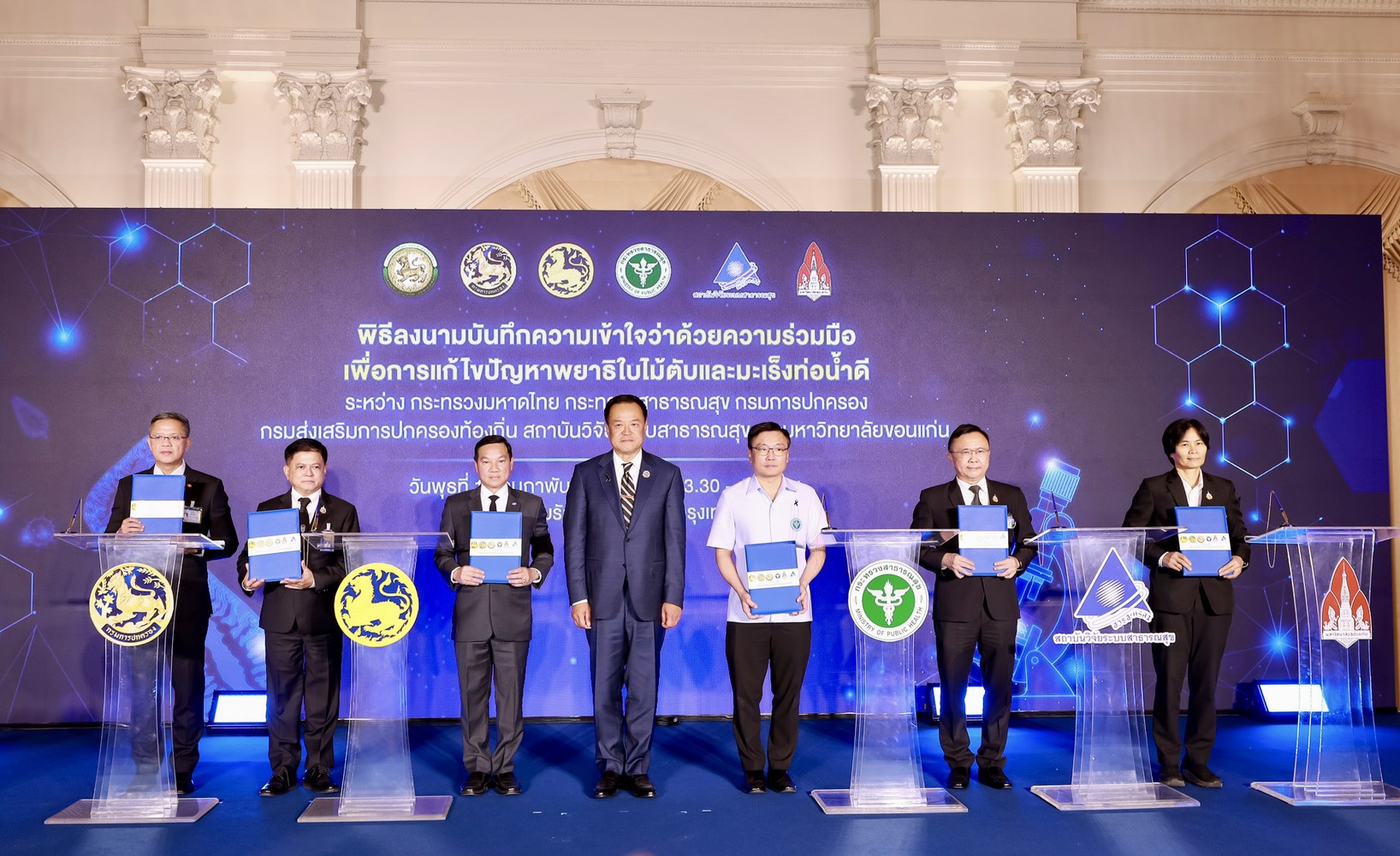
On 11 February 2026, Khon Kaen University (KKU), led by Professor Thidarut Boonmars, D.V.M., Ph.D., Vice President for Enterprise and Societal Sustainability (acting on behalf of the KKU President), participated in a landmark Memorandum of Understanding (MOU) signing ceremony among six principal agencies.
The cooperation aims to jointly drive the national strategy: “Thailand Free from Liver Fluke Disease and Liver Fluke-Associated Cholangiocarcinoma Mortality.”
The MOU was signed by key principals: Mr. Unsit Sampuntharat, Permanent Secretary of the Ministry of Interior; Mr. Narucha Khoshasivilai, Director General of the Department of Provincial Administration ; Mr. Theerut Supawiboonphol, Director General of the Department of Local Administration (DLA) ; Dr. Sophon Iamsirithavorn, Deputy Permanent Secretary of the Ministry of Public Health; Dr. Supakit Sirilak, Director of the Health Systems Research Institute (HSRI); and Professor Thidarut Boonmars, Vice President for Enterprise and Societal Sustainability, Khon Kaen University. Mr. Anutin Charnvirakul, Prime Minister and Minister of Interior, presided over the ceremony and served as a witness at Santimaitri Building (Inner Wing), Government House, Dusit District, Bangkok.
This collaboration focuses on integrating operations across public health, environment, and local community sectors to tackle the persistent problem of liver fluke disease and cholangiocarcinoma (bile duct cancer). These diseases remain one of the leading causes of death for Thais, particularly in the Northeastern region. The Northeast reports over 6,500 deaths annually from liver and bile duct cancer, incurring healthcare expenditure liabilities exceeding 13.5 billion baht per year, severely impacting the economy and general quality of life.
The Health Systems Research Institute (HSRI), together with the National Research Council of Thailand (NRCT), the Thailand Center of Excellence for Life Sciences (TCELS), and their extensive network, serves as the main agency driving this critical plan. The initiative is supported by research funding from the Programme Management Unit for Competitiveness Enhancement (PMUC) under the Office of National Higher Education Science Research and Innovation Policy Council (NXPO).
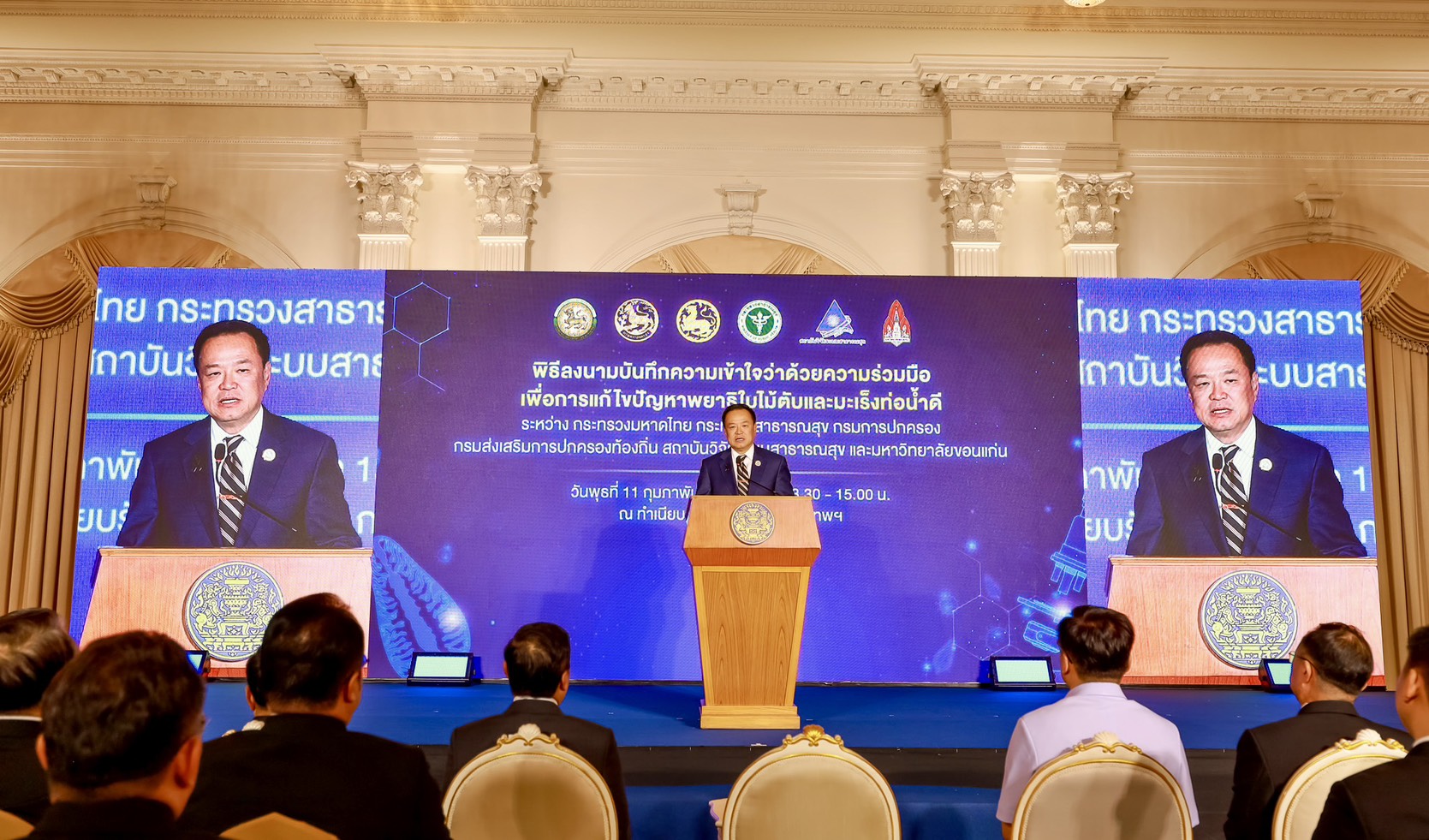
As a leading regional higher education institution, Khon Kaen University plays a vital role in connecting research, knowledge, and public policy development to facilitate the achievement of the Sustainable Development Goals (SDGs). Specifically, this project supports SDG 3 (Good Health and Well-being), SDG 6 (Clean Water and Sanitation), SDG 10 (Reduced Inequalities), and SDG 17 (Partnerships for the Goals).
The scope of collaboration extends beyond conventional healthcare services. It includes establishing a database for at-risk groups (the Isan Cohort), developing bile duct cancer screening systems, deploying disease screening kits, formulating curricula to build disease resistance, creating local food management guides for liver fluke safety, and managing environmental sanitation at the community level through local administrative organisations and relevant partner networks. Both liver fluke disease and cholangiocarcinoma are preventable and treatable if at-risk groups can be quickly screened and integrated into the treatment process.
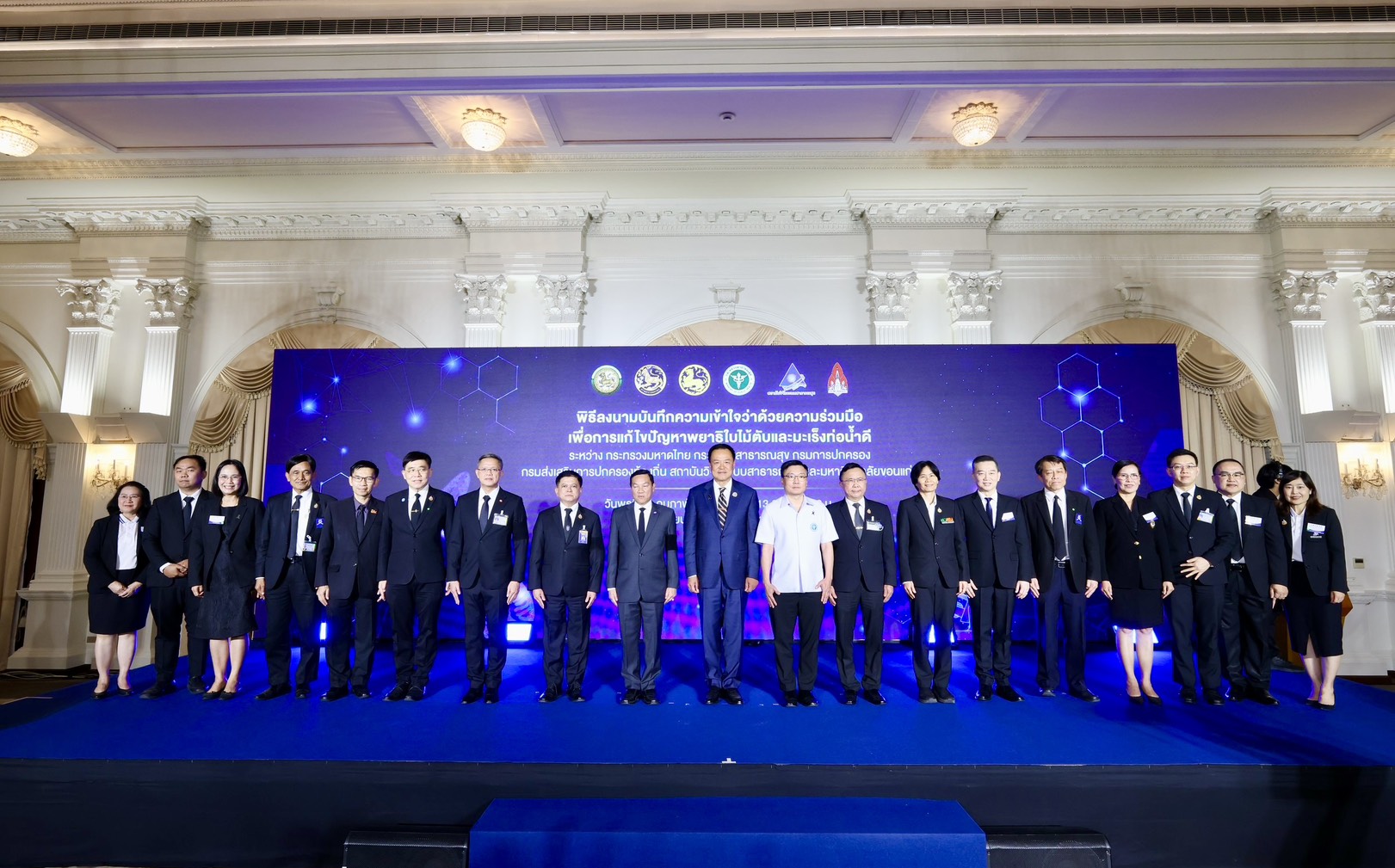
Operationally, the partnership advances proactive approaches at the local level through sanitation infrastructure development, strengthened food safety management, behavioural awareness campaigns promoting healthy consumption practices, and comprehensive access to screening and treatment services. Khon Kaen University stands ready to serve as a central knowledge hub and policy intermediary, bridging national policy with practical field implementation. Through this strategic collaboration, concrete outcomes are expected to emerge, leading to sustainable improvements in quality of life and long-term public health resilience in alignment with Thailand’s Sustainable Development Goals.
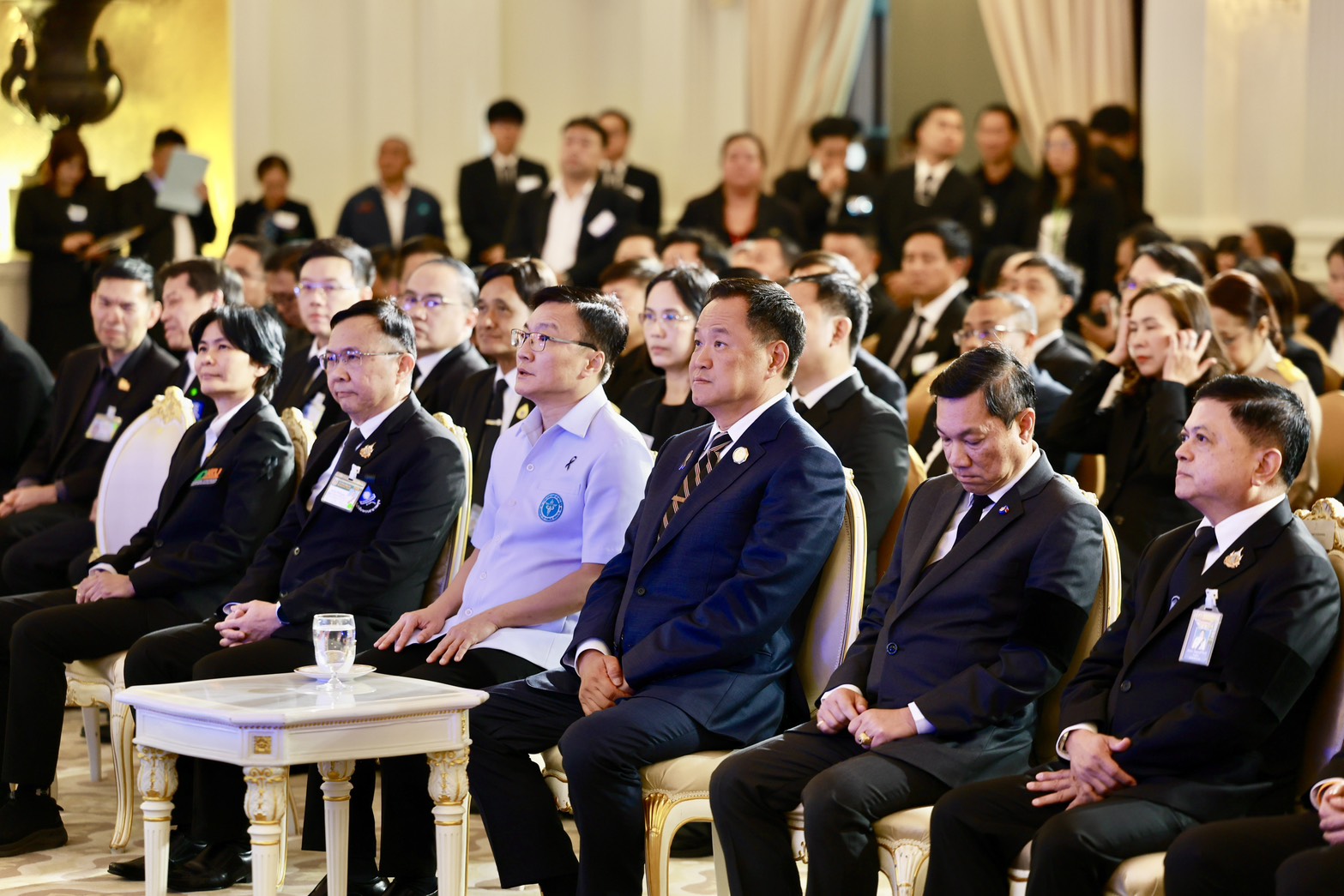
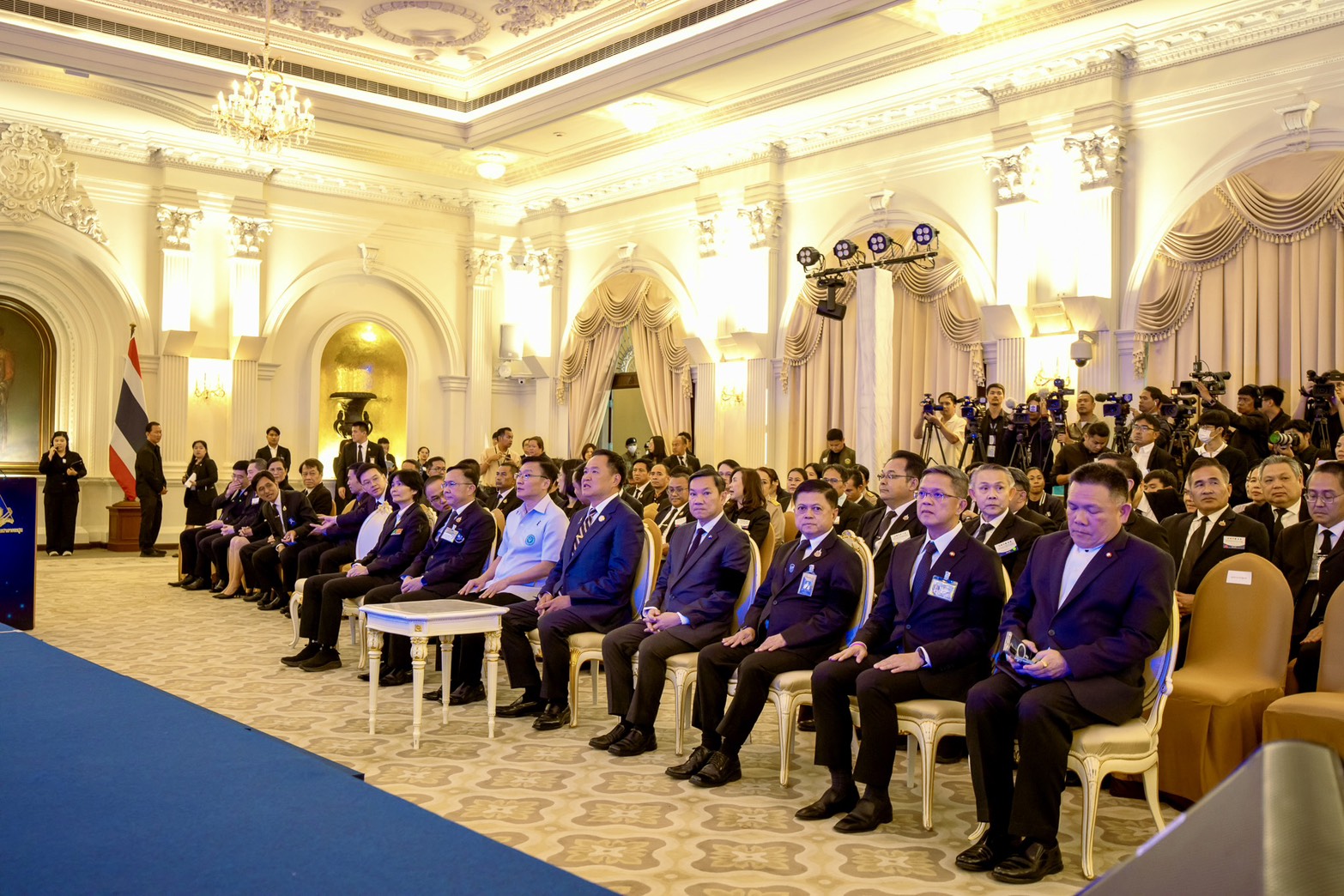
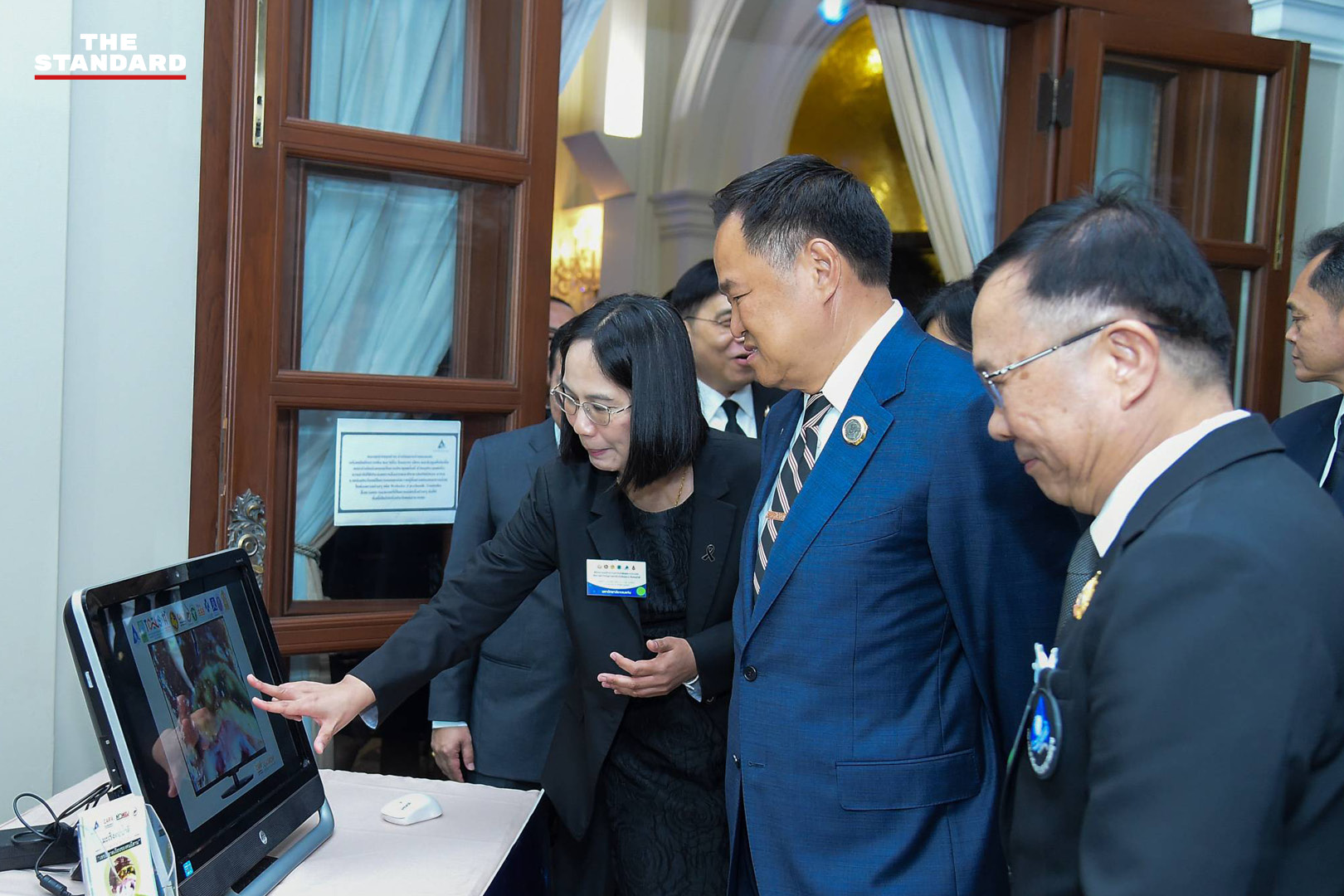
Images courtesy of: The Health Systems Research Institute and THE STANDARD.