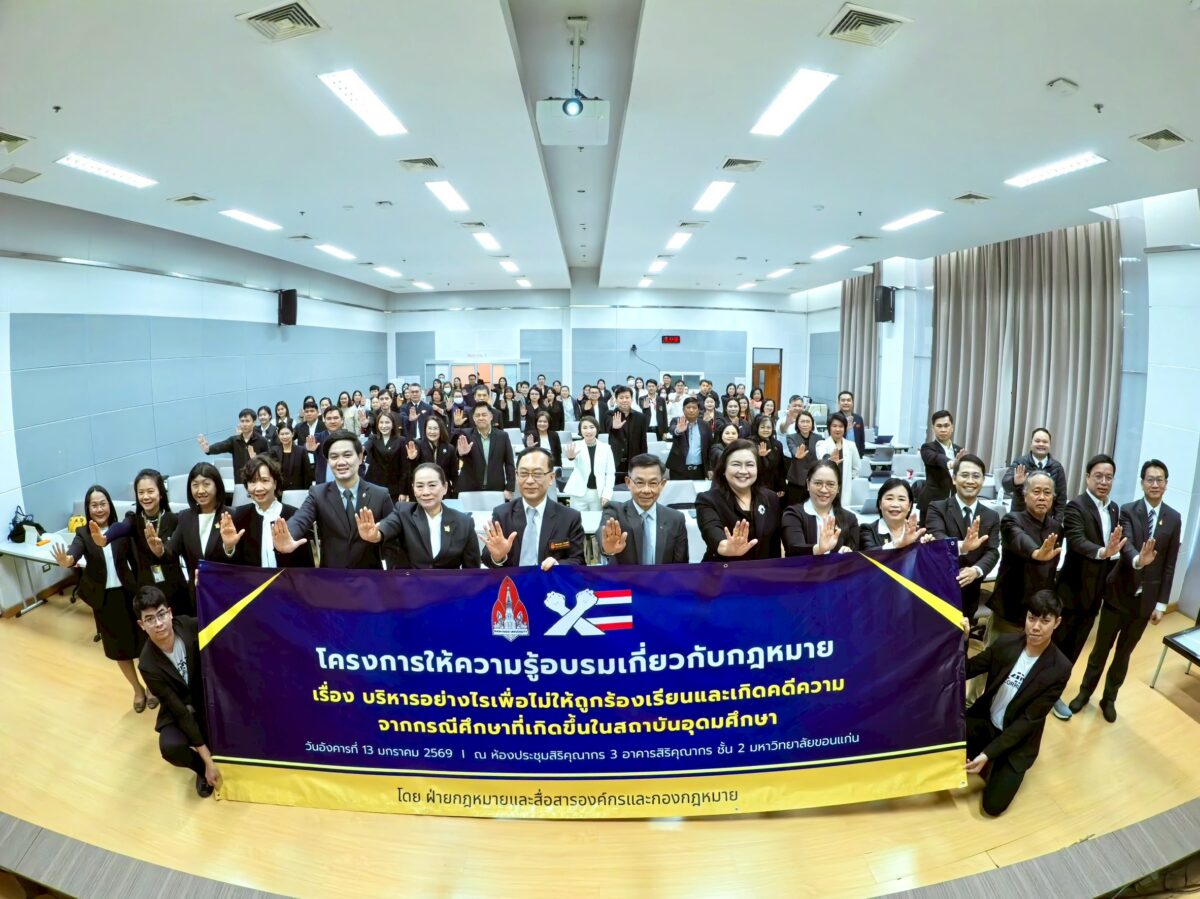
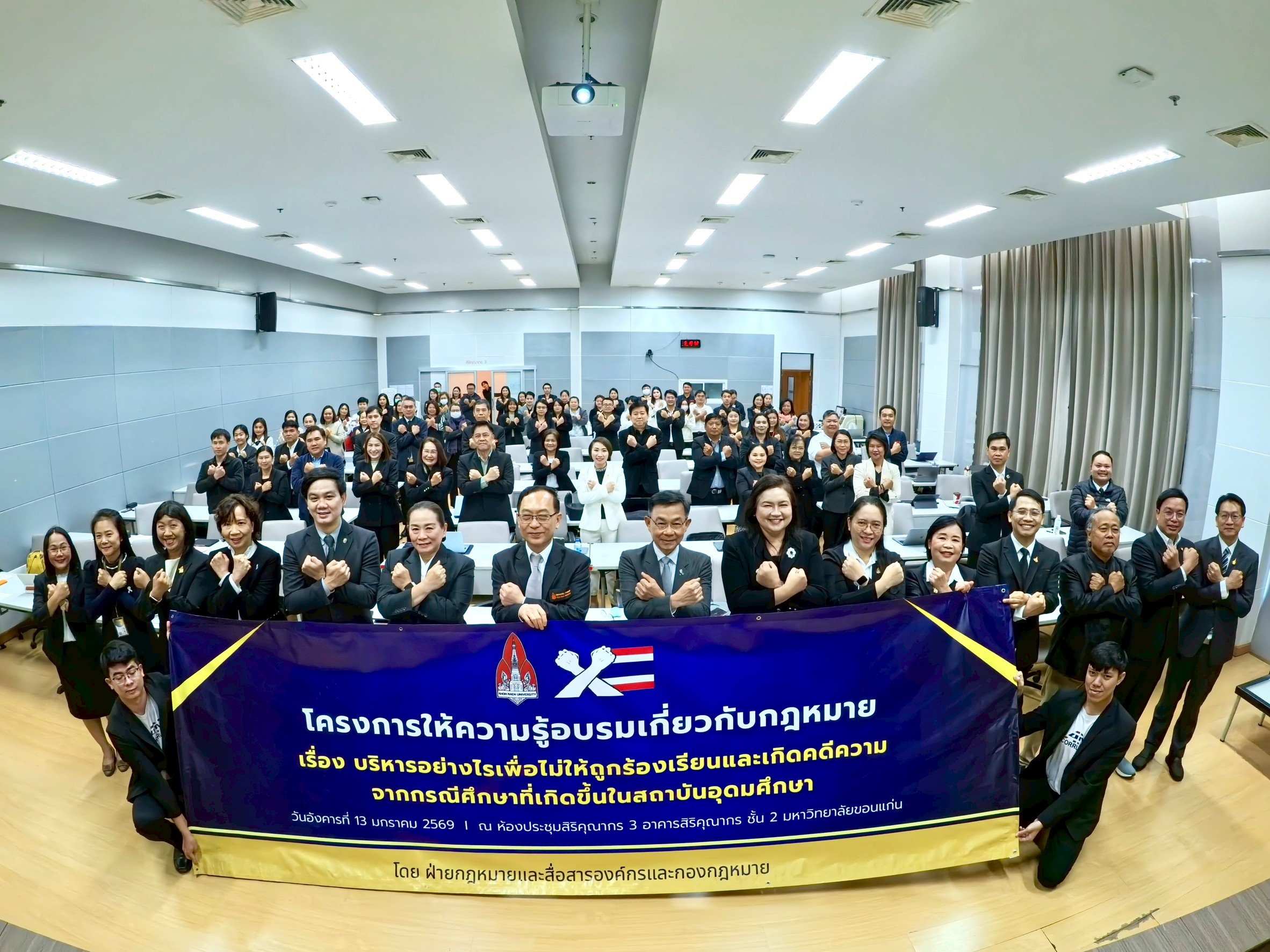
On Tuesday, 13 January 2026, the Division of Legal and Corporate Communications, under the Office of the Vice President for Legal and Corporate Communications, Khon Kaen University (KKU), organised a training programme focusing on laws, regulations, standards, ethics, professional conduct, and principles of good governance. The session, titled “How to Manage to Avoid Complaints and Litigation: Insights from Case Studies in Higher Education Institutions,” was officially opened by Associate Professor Charnchai Panthongviriyakul, M.D., President of Khon Kaen University, who presided over the ceremony. The event was held at Sirikunakorn Meeting Room 3, 2nd Floor, Sirikunakorn Building, and welcomed more than 100 participants, including university executives and administrators.
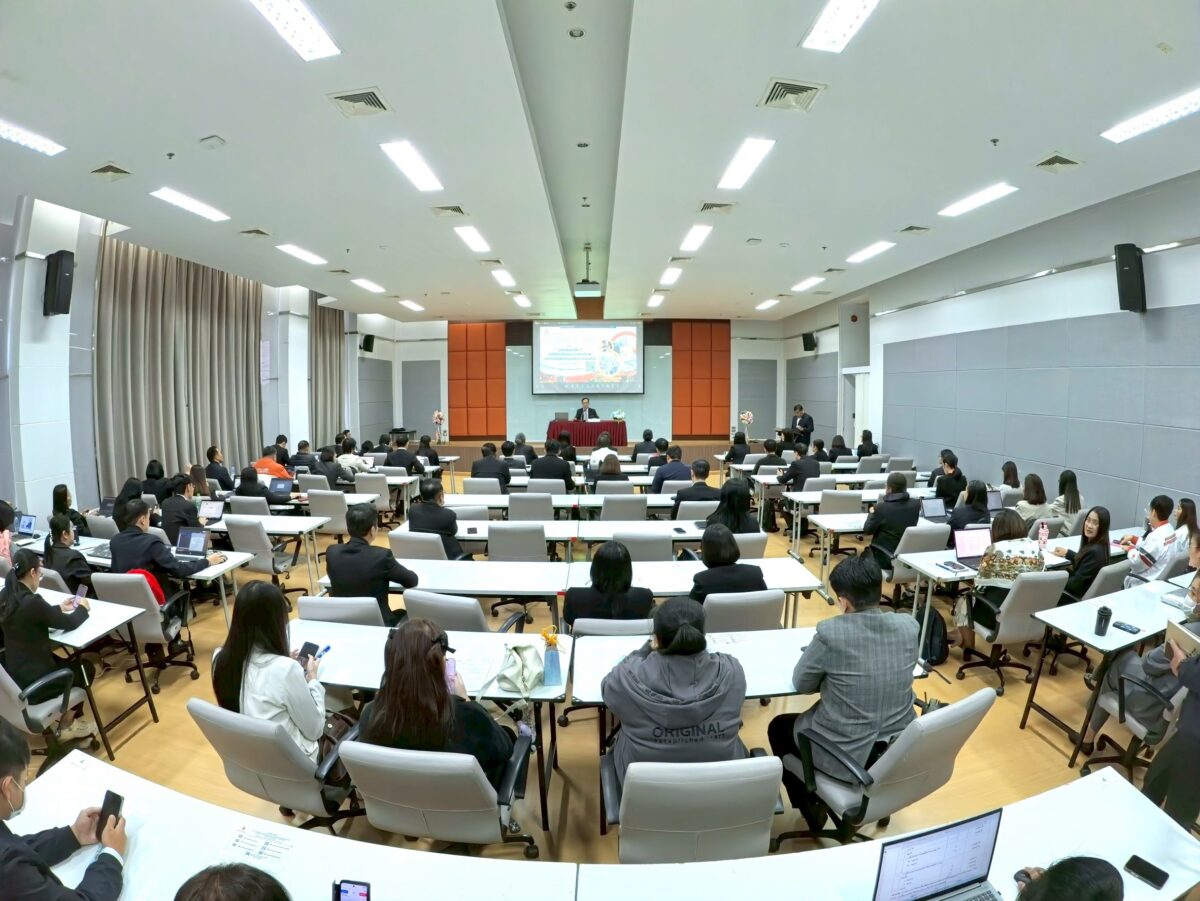
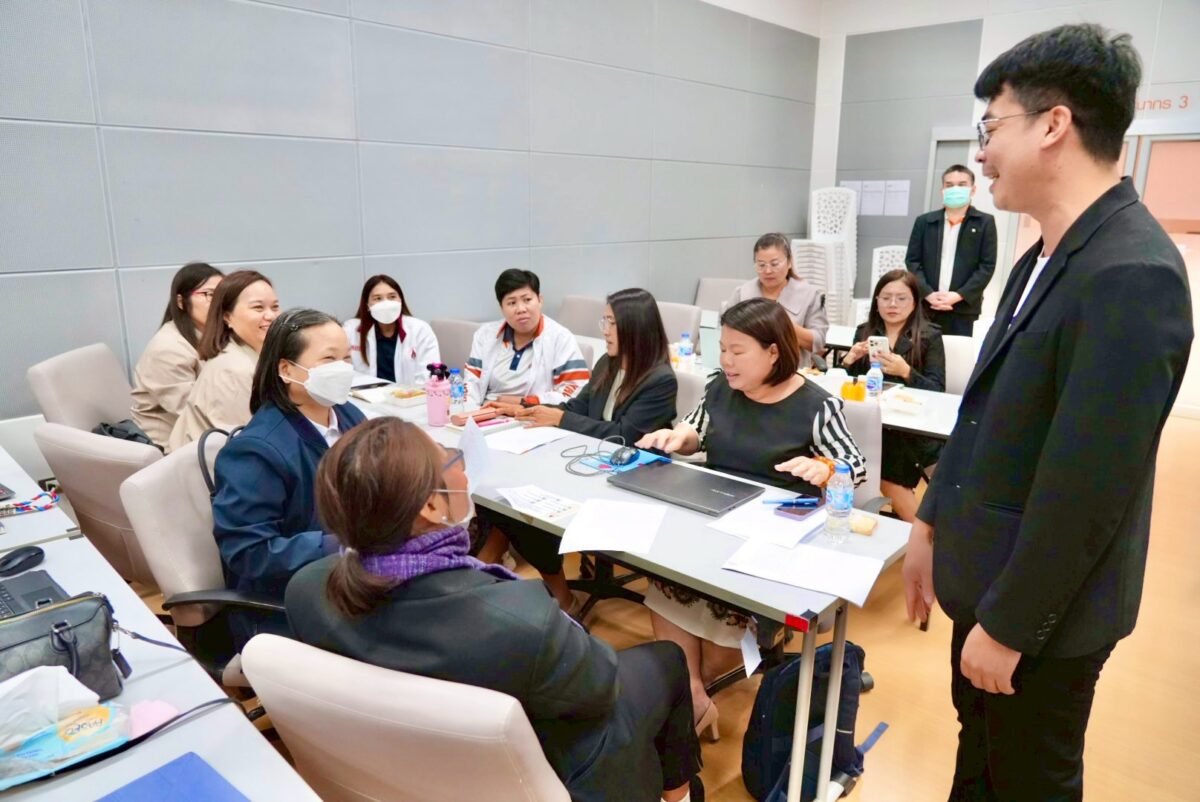
Mrs. Natsamol Tanakulrungsarit, Vice President for Legal and Corporate Communications, explained that the training aimed to enhance participants’ understanding of correct administrative practices in order to prevent complaints and potential litigation. Conducted in a hybrid format, both onsite and online, the programme comprised two main components: a theoretical session integrating real-world case studies, and a knowledge-sharing forum between practitioners and the KKU Legal Division.
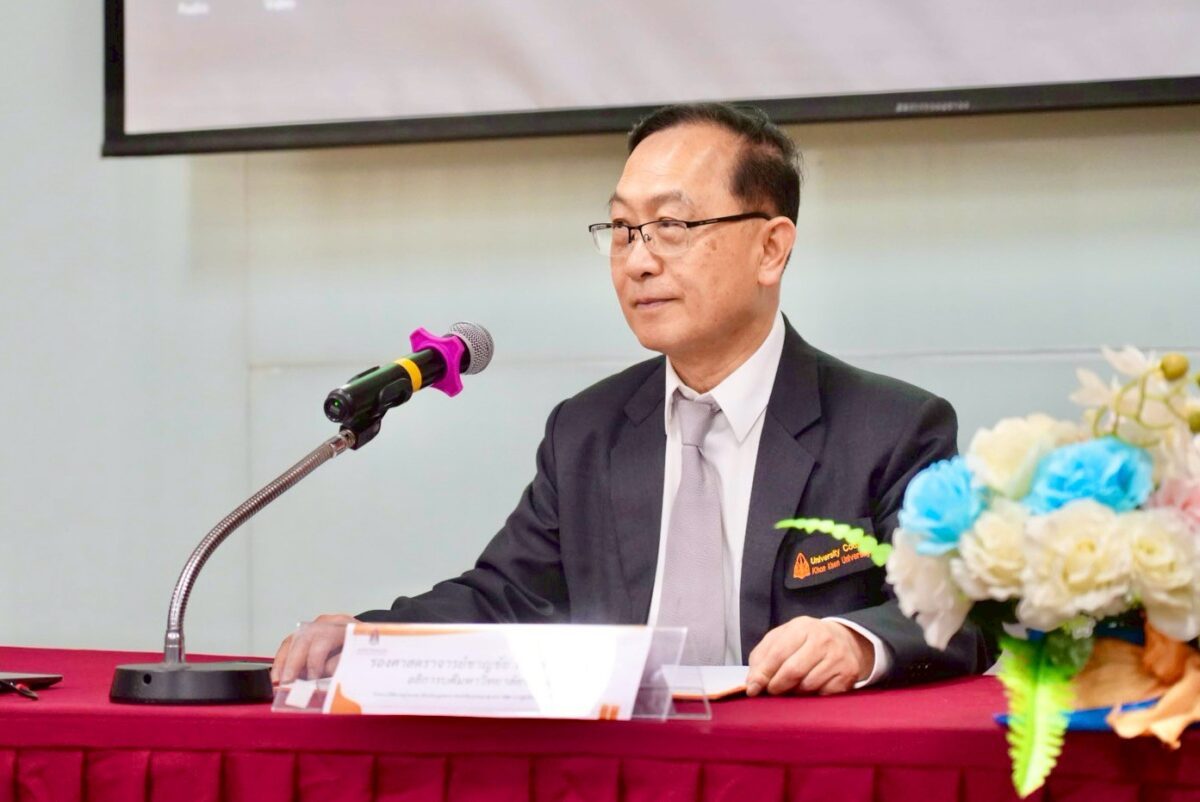
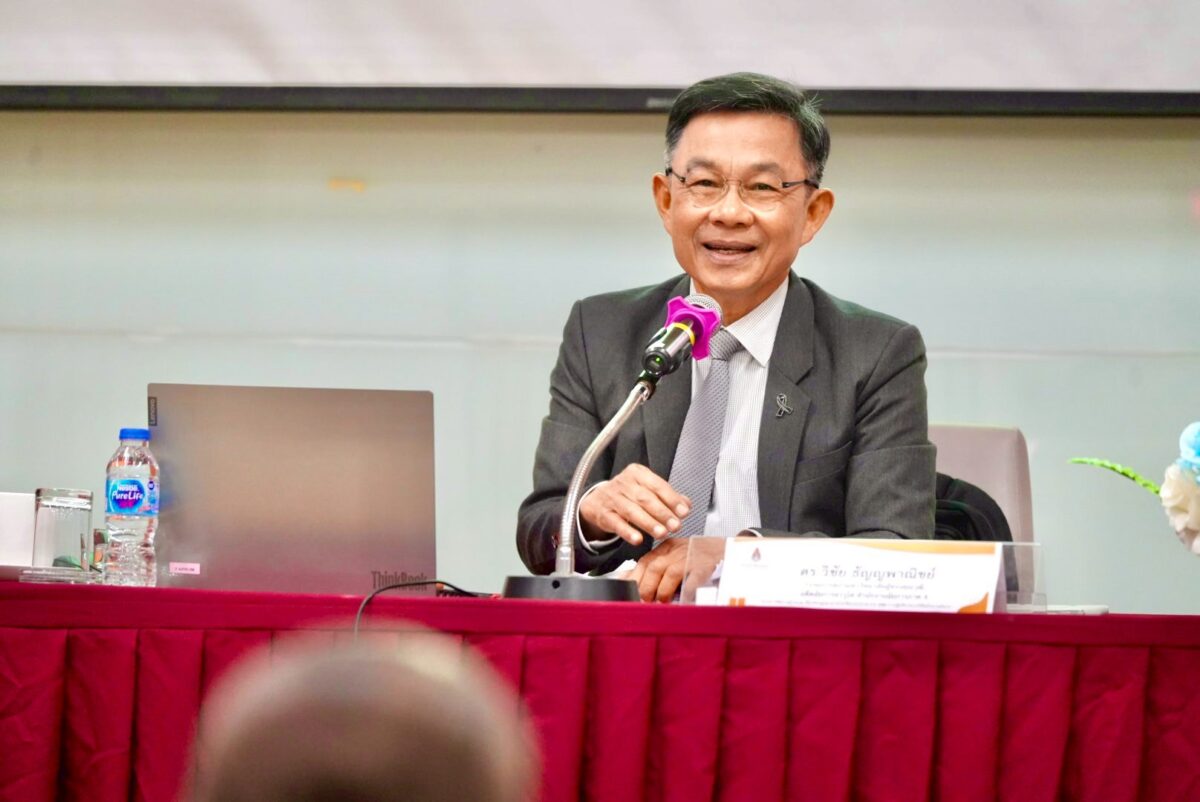
The programme was honoured to feature Dr. Wichai Tunyapanich, a member of the University Council, former Senior Public Prosecutor of the Region 4 Public Prosecutor’s Office, and a legal expert, as the keynote speaker. His lecture provided participants with valuable insights drawn from authentic case studies relevant to higher education administration.
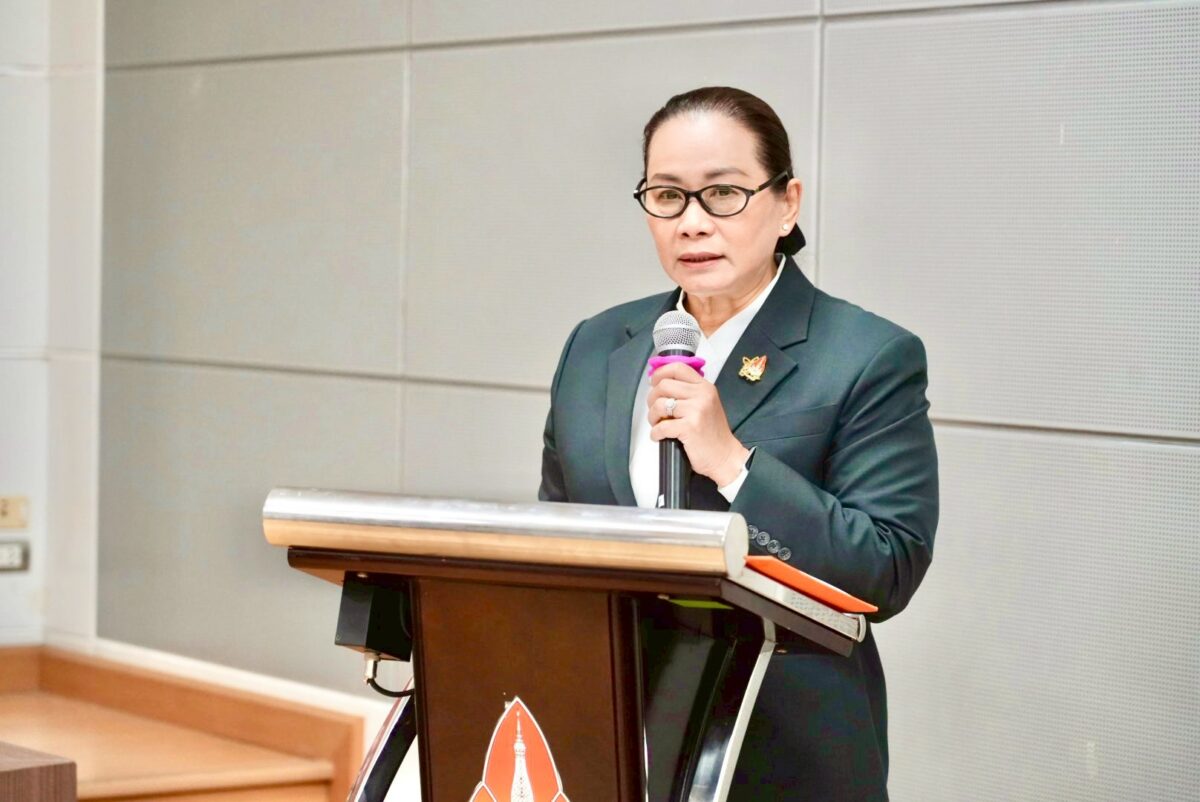
Associate Professor Charnchai Panthongviriyakul, M.D., President of Khon Kaen University, remarked that the day marked another significant occasion for KKU to jointly enhance knowledge and understanding of the legal frameworks governing operations under the principles of good governance, transparency, accountability, and ethical conduct. He emphasised that these principles are not merely guidelines but form the core of KKU’s administration, ensuring that all university operations are complete, correct, transparent, and auditable.
“This training is essential life skills training for all deans and administrators,” the President stated. “It allows us to learn and build understanding regarding administration based on good governance principles to prevent complaints or litigation. I sincerely hope that everyone will be able to utilise the knowledge and case studies presented today to improve their performance in their actual work”
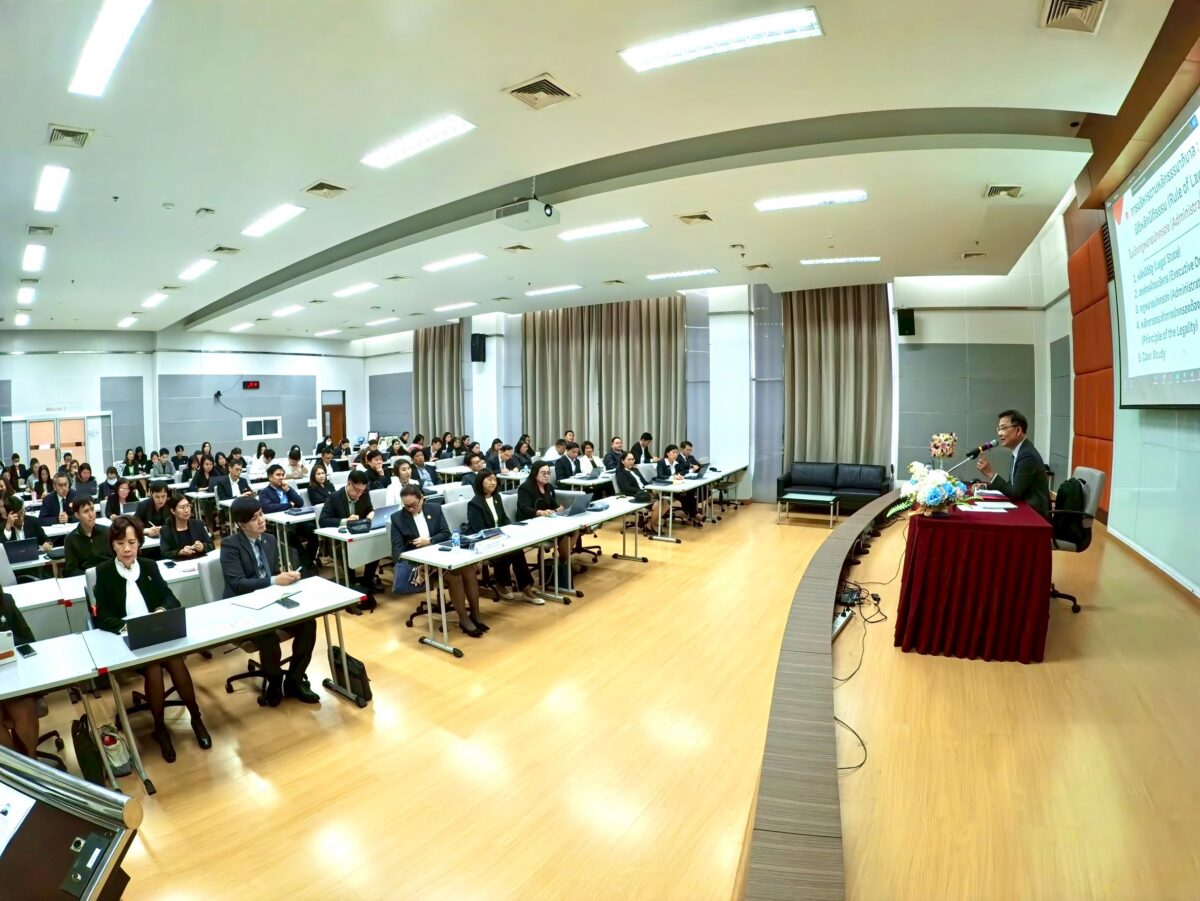
During the morning session, Dr. Wichai Tunyapanich, the University Council member, delivered a lecture focused on administration based on good governance, highlighting the roles of administrators and practitioners in higher education institutions. Dr. Tunyapanich stressed the need to adhere to legal compliance, transparency, fairness, and accountability to prevent complaints or legal conflicts. He explained the conceptual frameworks for exercising administrative authority, making policy decisions, and conducting daily operations in alignment with laws, regulations, and ethics, reiterating that prudent and rational management is the key mechanism for building confidence and reducing conflict within the organisation.
The afternoon session featured group discussions and knowledge exchange on personnel management, facilitated by the Legal Division team, using case studies derived from the rulings of the Supreme Administrative Court. This approach provided a clear understanding of the scope of supervisory authority concerning performance appraisal, assignment of duties, issuance of administrative orders, and disciplinary actions or termination of employment. The speaker analysed lessons learned from actual court cases that established legal benchmarks, emphasising that every step must comply with the principles of proportionality, legality, and non-discrimination to protect staff rights and mitigate legal risks for the unit. The session concluded with practical case studies on disciplinary investigations commonly encountered in higher education institutions, reflecting frequent issues such as abuse of power, improper seeking of benefit, and professional misconduct.
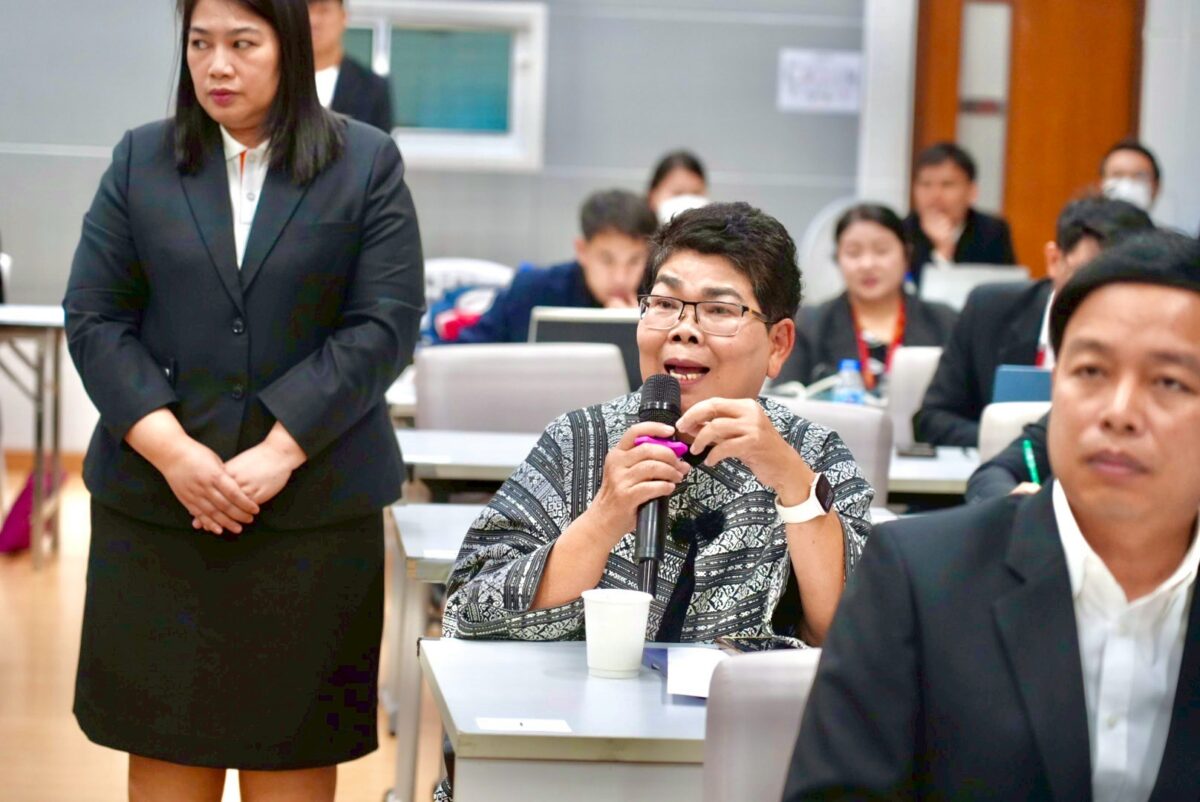
Following the training, Professor Kiatichai Faksri, Ph.D., Dean of the Graduate School, Khon Kaen University, commented that it was an excellent training session with practical applications. He noted that the next step would involve intensely studying KKU’s legal codes and using AI tools to extract high-risk substantive content to anticipate legal risks and find appropriate response strategies.
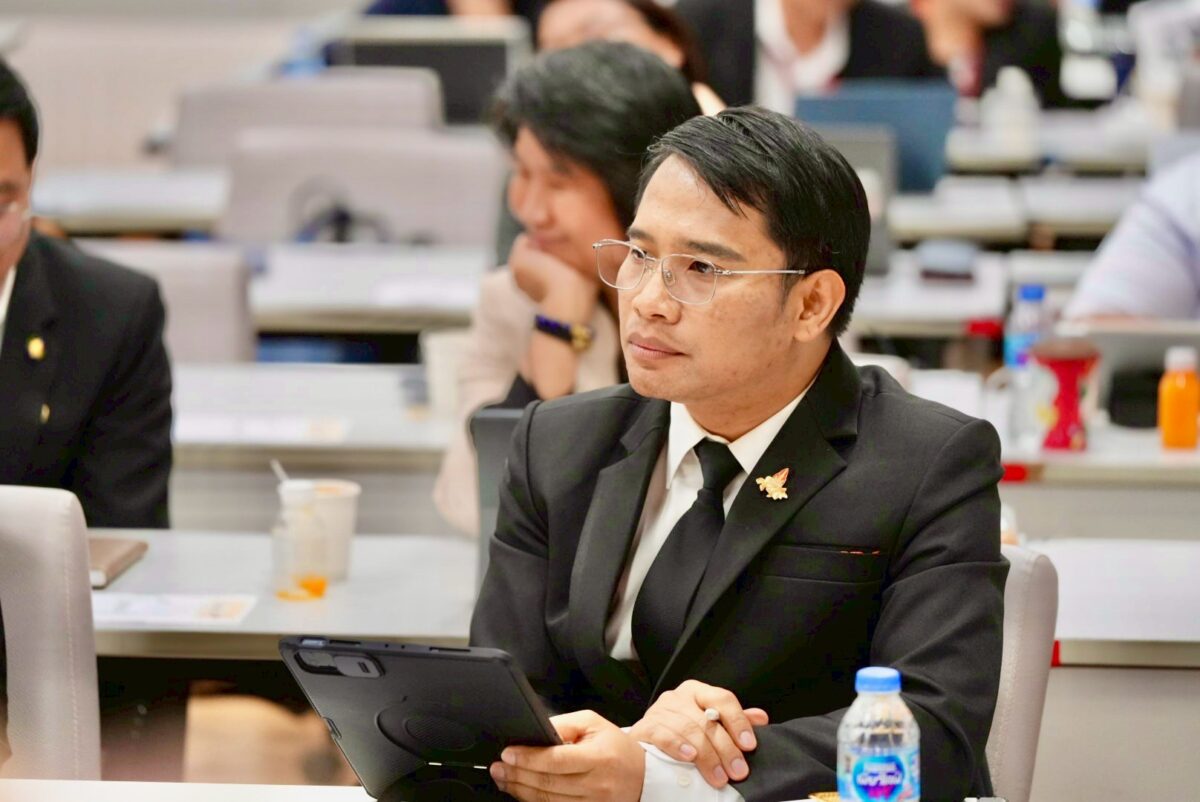
“In the future, I would like to see dedicated knowledge management forums and lesson-learned sessions to create an administrative manual for deans,” Professor Kiatichai said. “While we all have political science knowledge, combining it with jurisprudence is necessary. Therefore, I hope great training programmes like this continue to be organised regularly.”