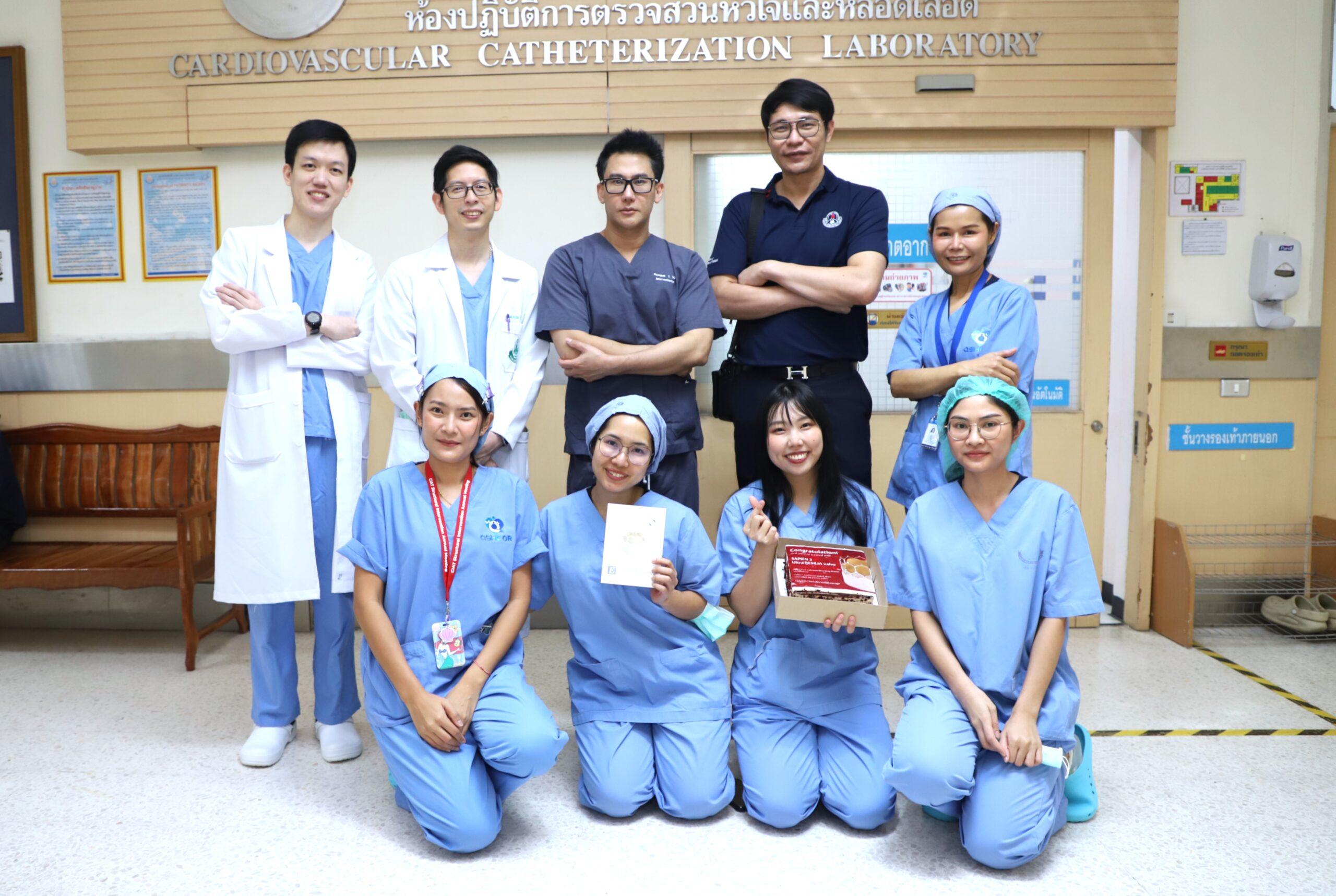
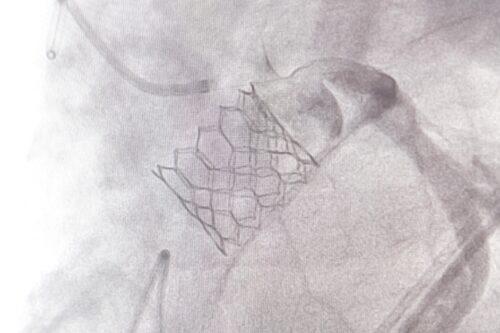
2 December 2025 The Queen Sirikit Heart Centre of the Northeast (QSHC) has significantly advanced its treatment for patients with severe aortic valve stenosis using the Transcatheter Aortic Valve Implantation (TAVI) procedure. TAVI allows for aortic valve replacement without open-chest surgery, offering a less invasive and safer technology, particularly crucial for elderly patients or those deemed unsuitable for major surgical intervention.
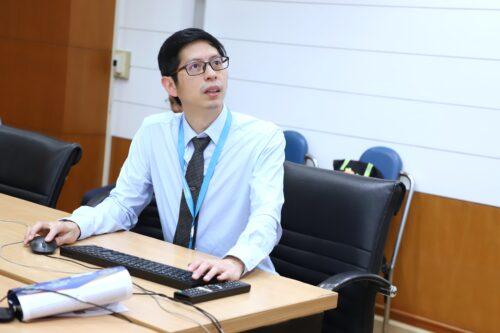
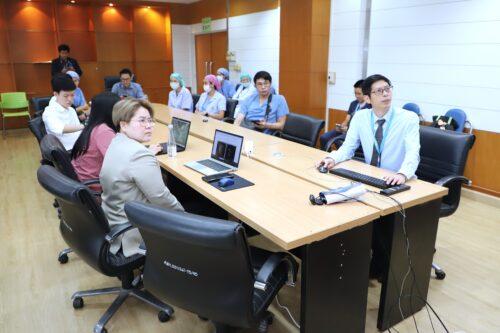
Associate Professor Donnan Kaewkaes, M.D., a Cardiovascular Medicine Specialist, noted that severe aortic valve stenosis is a common condition among the elderly, often leading to symptoms such as shortness of breath, chest pain, dizziness, or heart failure. While traditional treatment involves open-heart surgery for valve replacement, TAVI offers a critical alternative for high-risk patients. The major advantage of TAVI is that it eliminates the need to open the chest or stop the heart; instead, physicians insert an artificial valve via the femoral artery in the groin. This approach significantly accelerates patient recovery, with many individuals able to be discharged within two to three days.
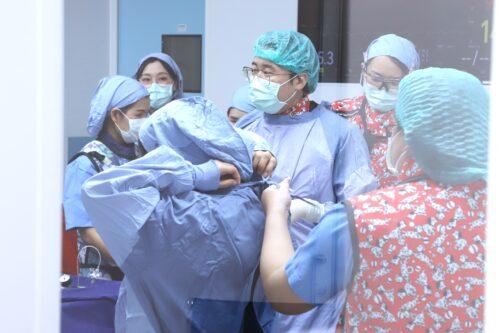
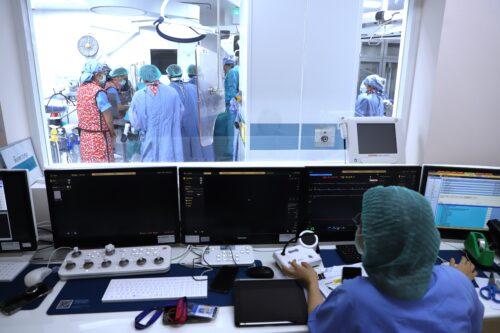
Regarding the treatment protocol, QSHC utilises the latest generation of valve technologies, designed for precise positioning, which minimises the risk of complications such as bleeding, vascular injury, or subsequent arrhythmia. The multidisciplinary Heart Team—comprising cardiologists, interventionalists, cardiac surgeons, anaesthesiologists, and specialised nursing teams—collaborates closely to plan and evaluate each patient’s treatment with meticulous attention, ensuring the safest possible outcome.
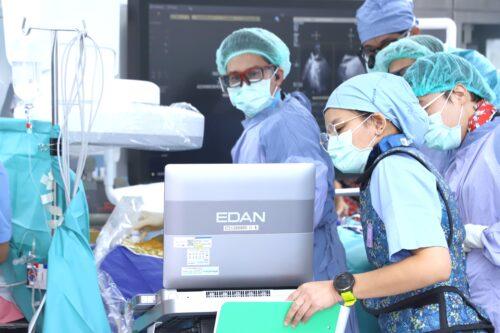
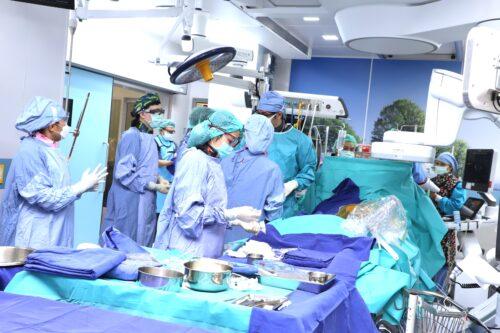
Associate Professor Pattarapong Makarawate, M.D., Dean of the Faculty of Medicine and Director of the Queen Sirikit Heart Centre, added that the success rate for TAVI procedures at QSHC meets international standards, and the majority of patients experience a marked improvement in their quality of life, swiftly returning to their daily routines.
“The paramount importance lies in accurate patient evaluation,” stated Associate Professor Pattarapong. “If patients experience unusual shortness of breath, dizziness, or syncope (fainting), they must see a doctor immediately, as early-stage treatment substantially reduces mortality risk and improves chances of survival.”
QSHC is presently equipped to provide comprehensive diagnosis and treatment of aortic valve stenosis using TAVI technology. The Centre remains dedicated to continuously developing its capacity, ensuring that the population of the Northeast region has access to modern, safe, and internationally standardised treatment.