
The Office of Academic Service drives sustainable governance by training regional school executives and procurement officers to eliminate systemic vulnerabilities.
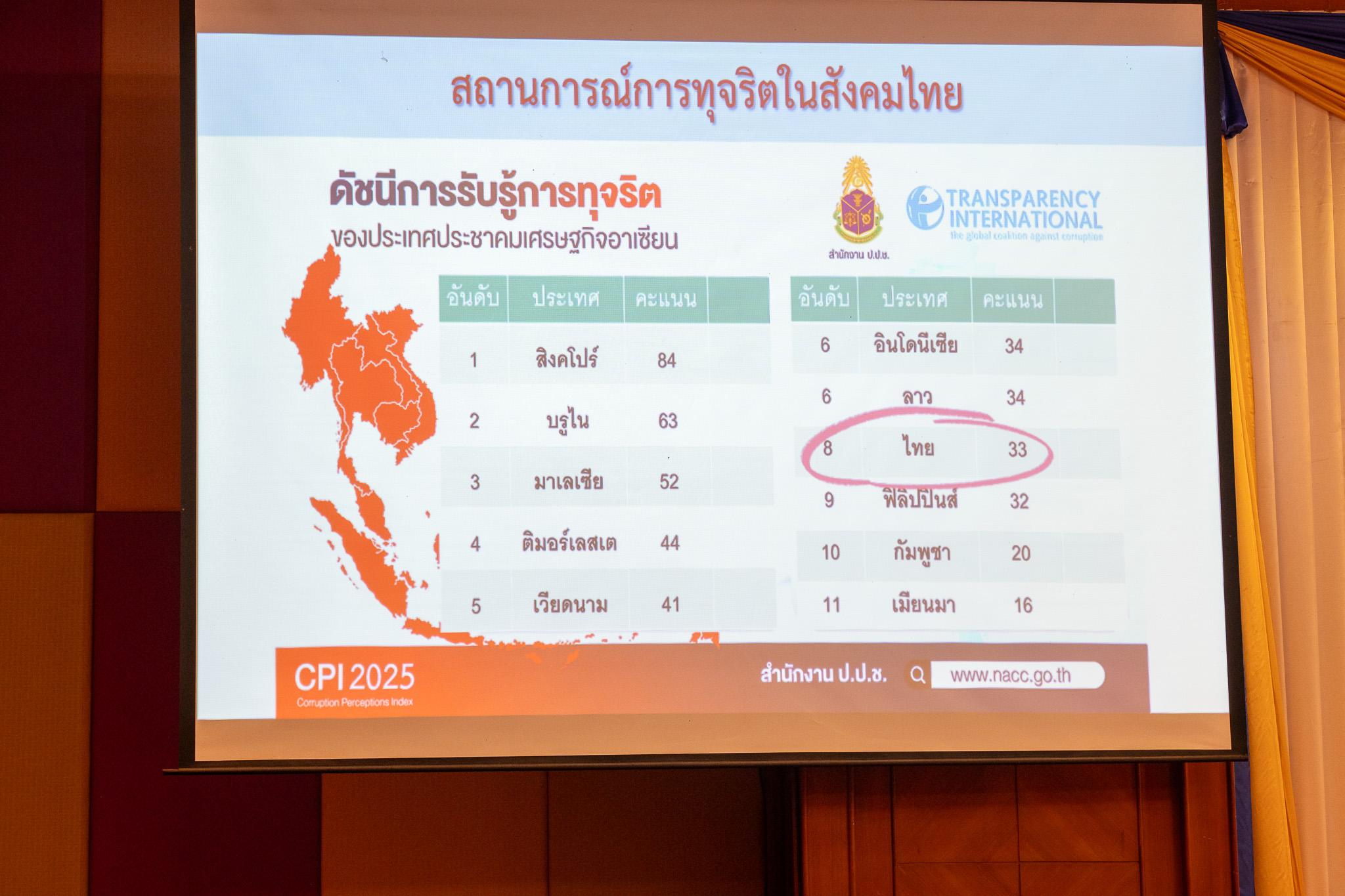
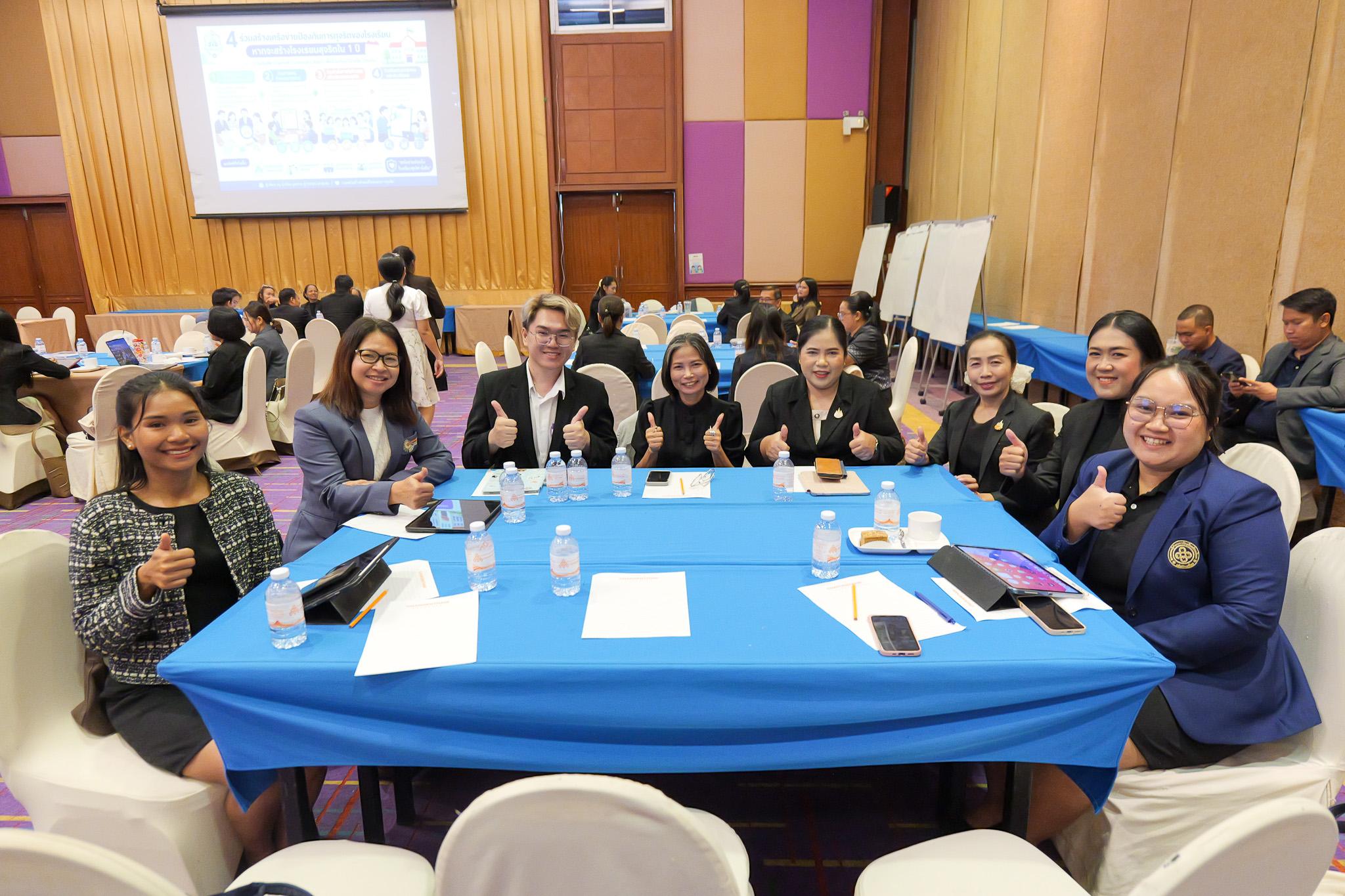
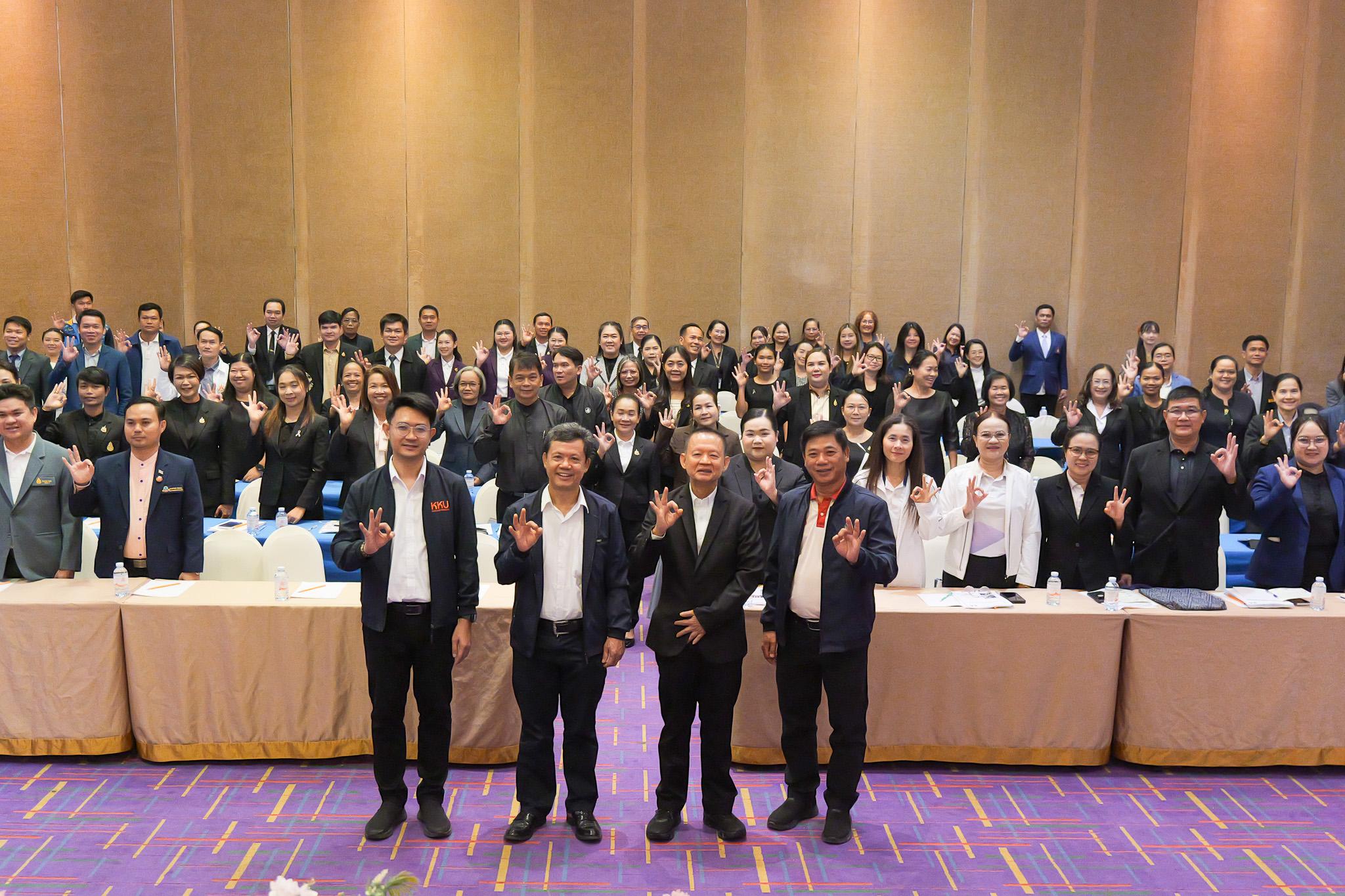
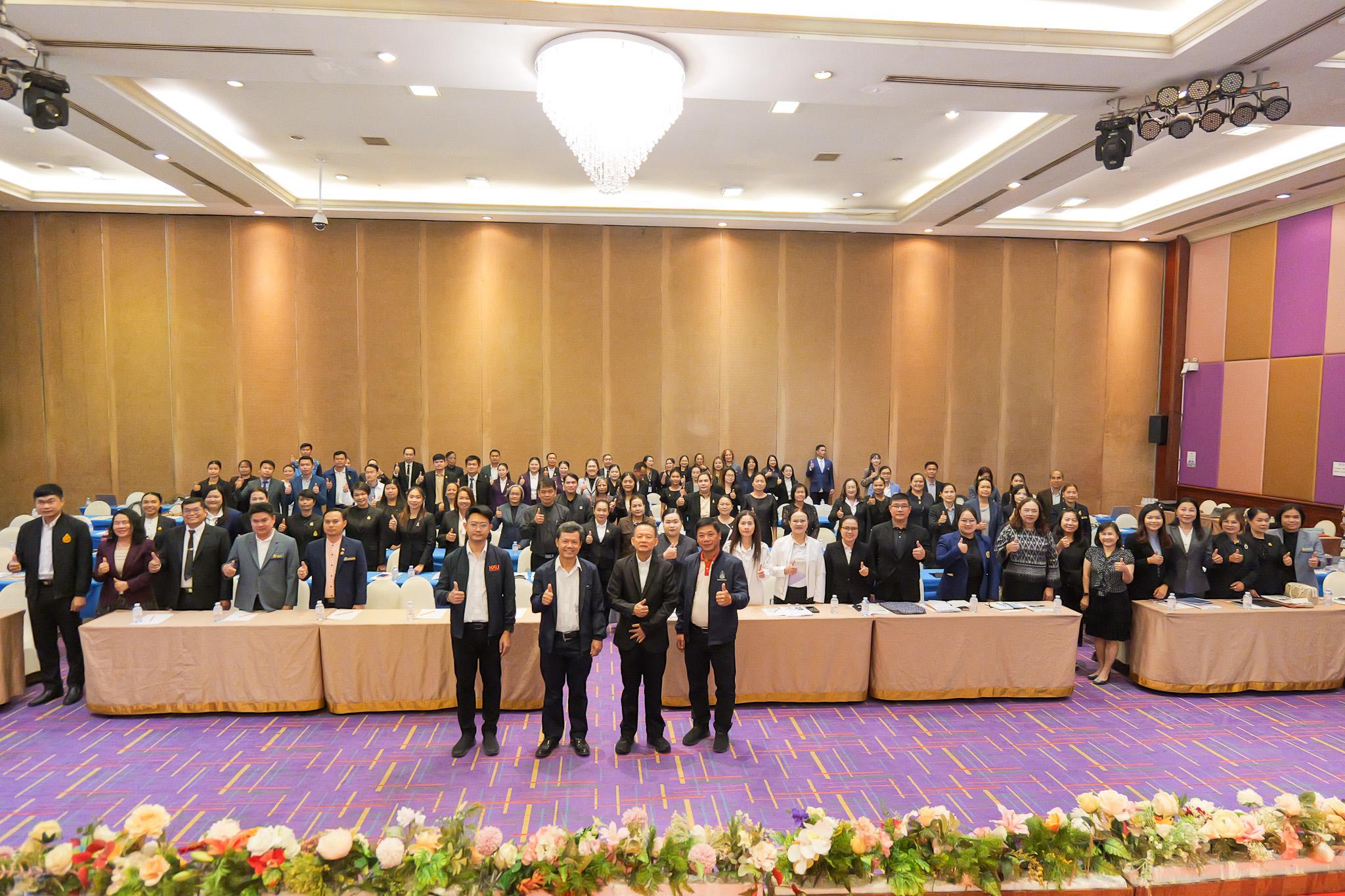
Khon Kaen University (KKU), through the Office of Academic Service, has advanced its strategic mission as an institution dedicated to “Social Devotion” by partnering with the National Anti-Corruption Commission (NACC) Fund. Together, they organised the first edition of the training programme titled “Network Creation and Knowledge Promotion for Preventing Procurement Corruption in Educational Institutions”. Held from 10 to 12 June 2026 at the Charoen Thani Hotel in Khon Kaen Province, the initiative aimed to establish an ecosystem of transparency and construct a corruption surveillance network across educational institutions in Northeast Thailand.

During the opening ceremony, Associate Professor Chuchat Kamollerd, Ph.D., Director of the Office of Academic Service, welcomed the guest speakers and participants. He emphasised the critical nature of state budget management, noting that educational institutions handle substantial annual budgets. For instance, Khon Kaen University manages a budget exceeding 20,000 million Baht, resulting in thousands of procurement transactions annually. This high volume inherently carries risks of unintentional procedural errors. Director Kamollerd stated that this training serves as a vital tool to intellectually equip executives and procurement officers, ensuring a thorough understanding of regulations, safeguarding operations against external audits by the State Audit Office (SAO) and the NACC, and building administrative confidence.

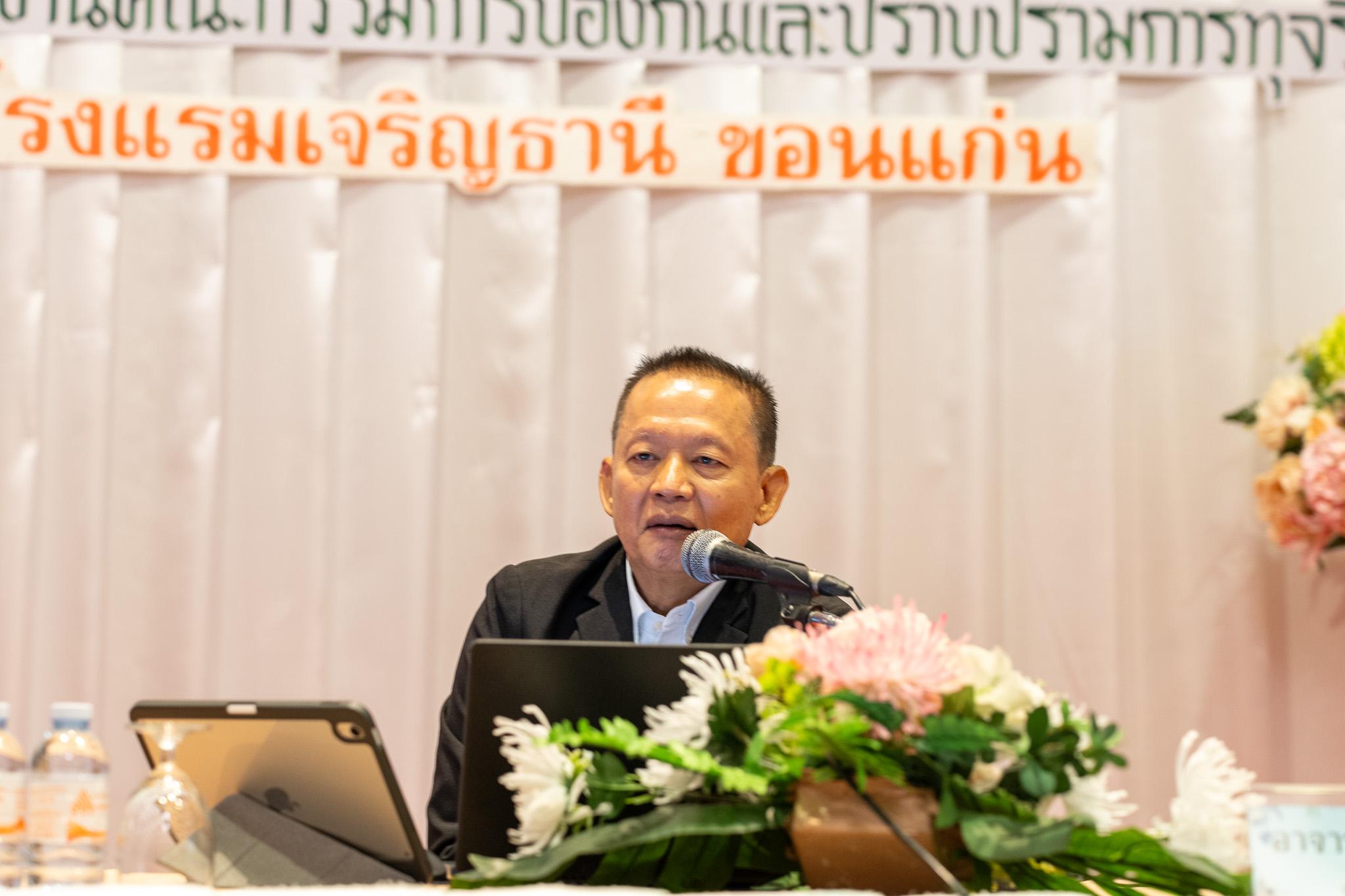
The comprehensive three-day schedule featured intensive presentations from national experts. Mr Somsak Phusakul, former Deputy Director-General of the Comptroller General’s Department, provided deep insights into the Government Procurement and Supplies Management Act C.E. 2017. Additionally, Mr Thanapol Komarakul Na Nakorn, Deputy Auditor General of the State Audit Office, analysed common high-risk corruption areas, while a specialist team from the NACC Region 4 Office led interactive workshops to help participants design Standard Operating Procedures (SOPs) for their respective institutions.

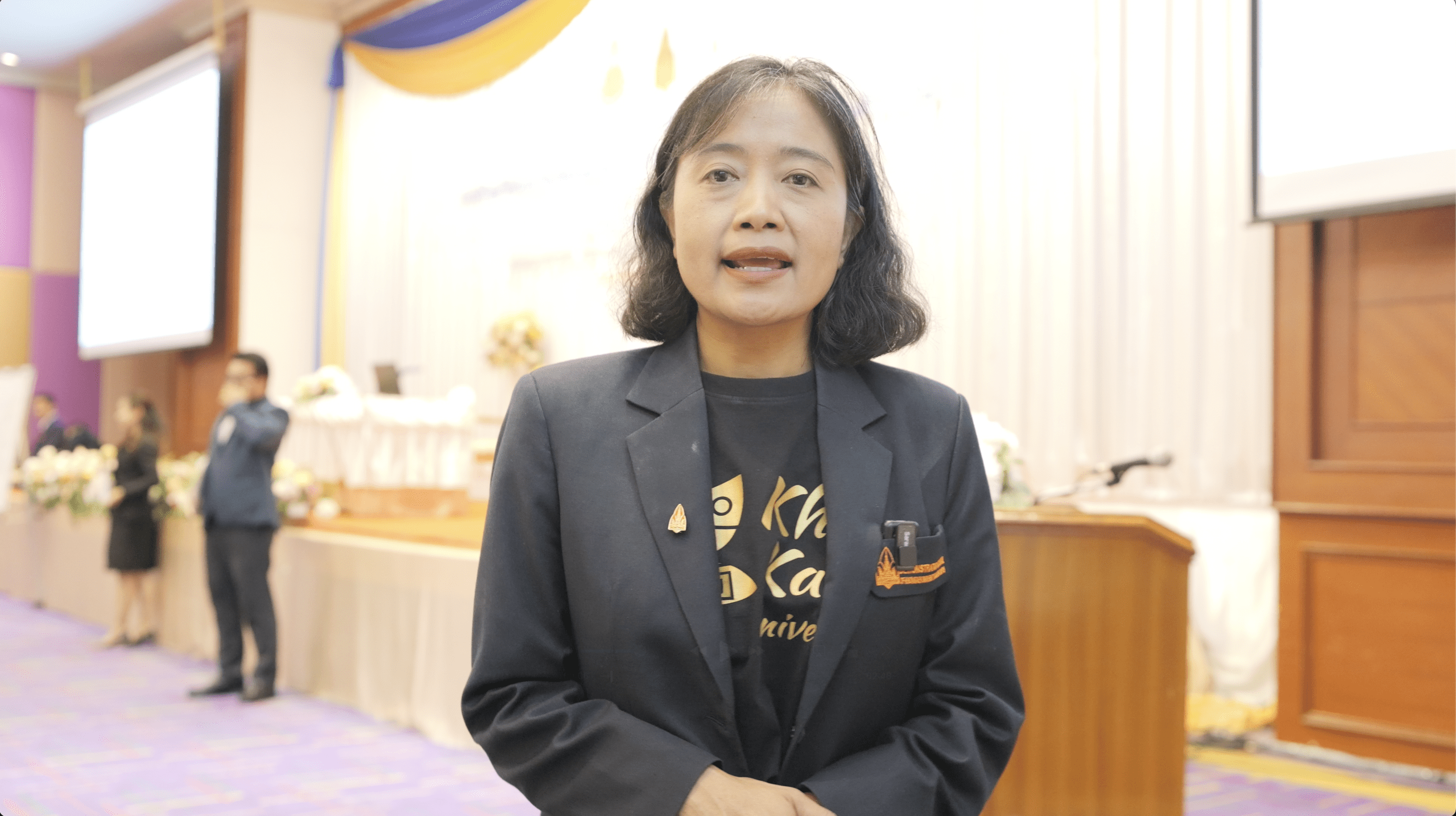
Feedback from network partners highlighted the practical utility of the programme, transitioning theoretical knowledge into actionable workplace strategies. Dr Krongkaew Kingsawat, Director of Khon Kaen University Demonstration School, Nong Khai Campus, remarked that the workshop provided practical operational techniques alongside theory. She noted that these insights allowed administrators to recognize hidden procedural risks, particularly when signing official documentation, which demands heightened vigilance and thoroughness moving forward.

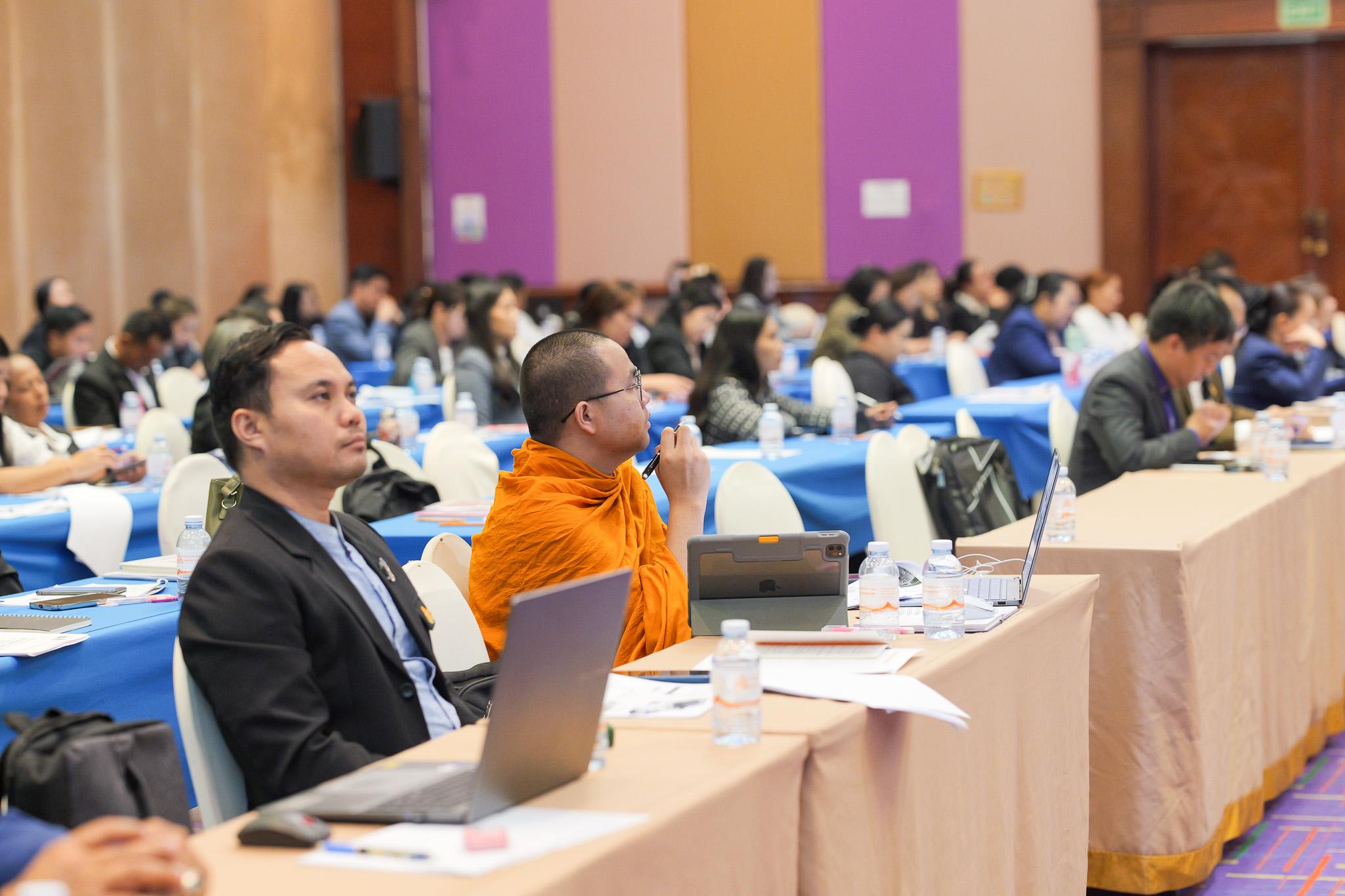
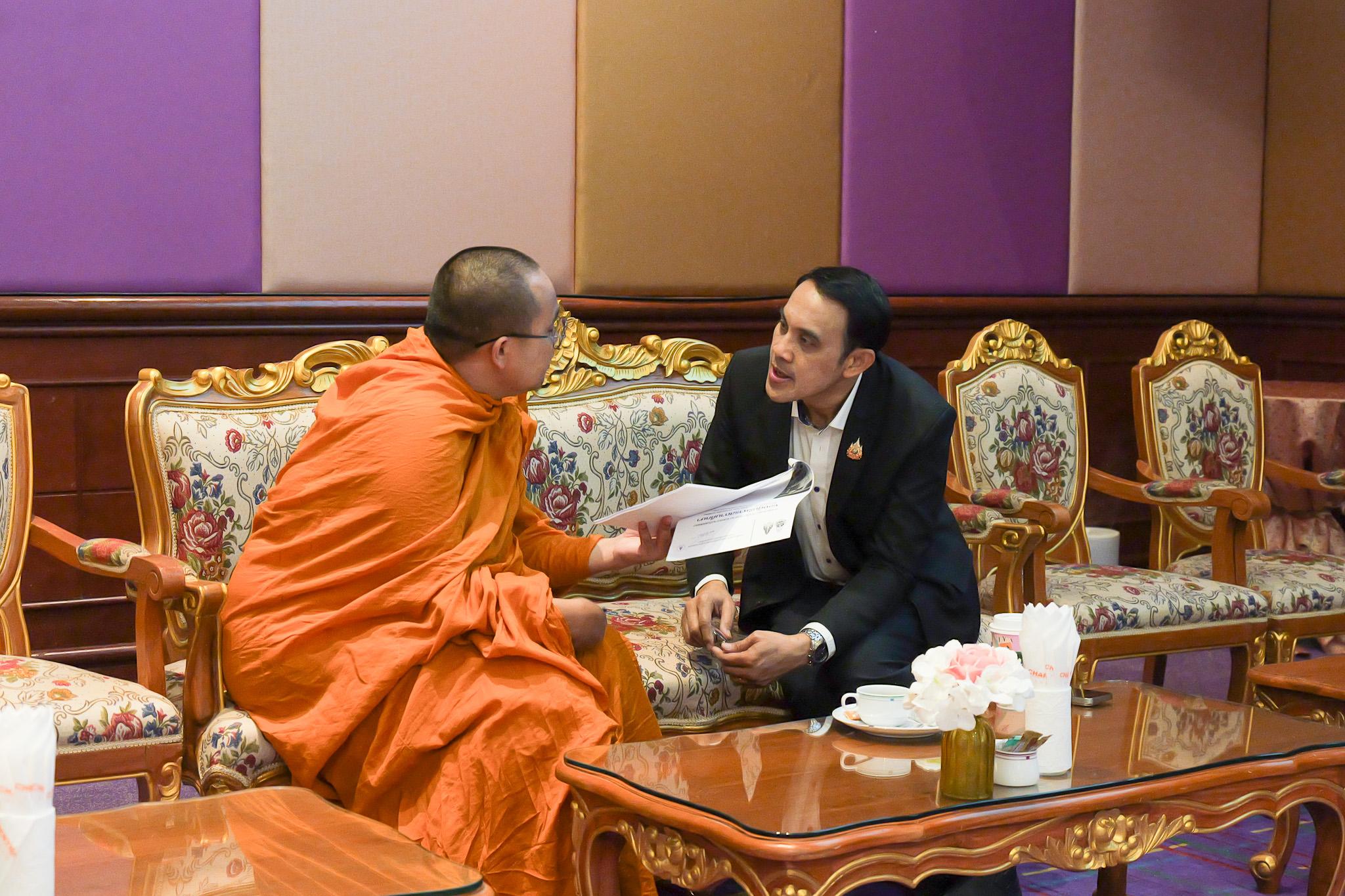
Similarly, Phramaha Kittinon Rattanasingsakul, Director of the Administrative Bureau of the Phrapariyattidhamma General Education Department, Region 7 (covering Khon Kaen, Loei, and Nong Bua Lamphu provinces), reflected on the success of building this multi-sectoral network. He stated that it was an excellent initiative by KKU to include the monastic educational sector in this capacity-building opportunity. He added that while certain monastic affairs might not fall directly under civil procurement law, operating under identical governance standards ensures absolute transparency. He expressed his intention to utilize the knowledge and checklists gained from the workshops to expand this transparency network across Phrapariyattidhamma schools in all three provinces.

Newly appointed educational administrators viewed the curriculum as an essential shield against administrative oversights. Participants noted that the project is exceptionally beneficial for new executives, who plan to propagate this knowledge within their schools and regional administrative circles to establish models of honest, transparent, and auditable procurement management. They also recommended extending this project to other regions continuously.

The successful organisation of this training represents a significant milestone for the KKU Office of Academic Service in its leadership role as a platform facilitator, connecting government agencies, educational institutions, local authorities, and Buddhist monastic networks. This collective effort strengthens defences against regulatory errors and eliminates corruption vulnerabilities, driving the northeastern educational sector toward sustainable, ethical, and transparent growth. Furthermore, the initiative responds directly to institutional policies regarding accountability, aligning with United Nations Sustainable Development Goal 16: Peace, Justice, and Strong Institutions, which remains a core organizational pillar of Khon Kaen University.