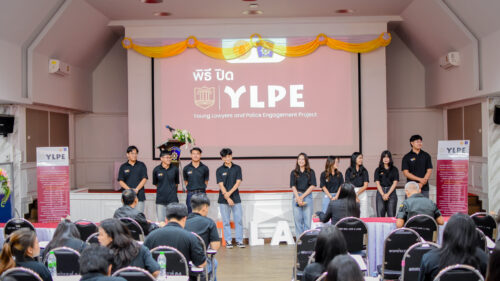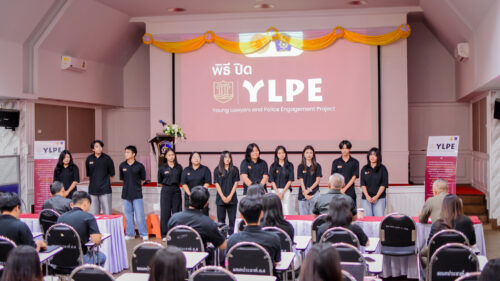
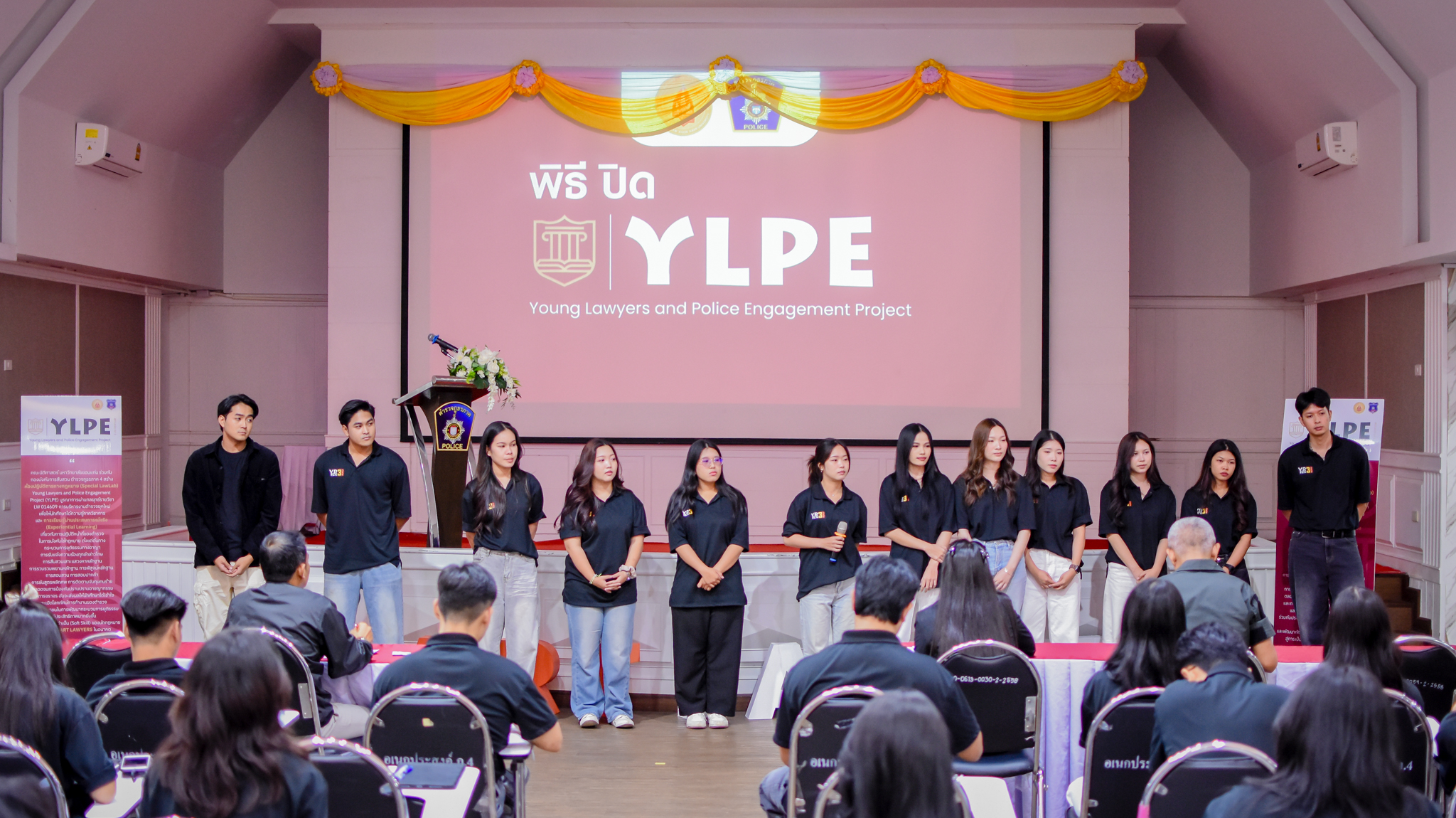
KHON KAEN – The Faculty of Law at Khon Kaen University, in collaboration with the Provincial Police Region 4, has officially concluded the third iteration of its “Young Lawyers and Police Engagement Project” (YLPE). The closing ceremony for the programme, also known as the “Law Laboratory,” was held on 6 March 2026.
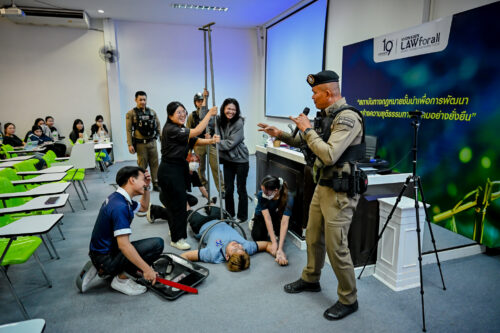
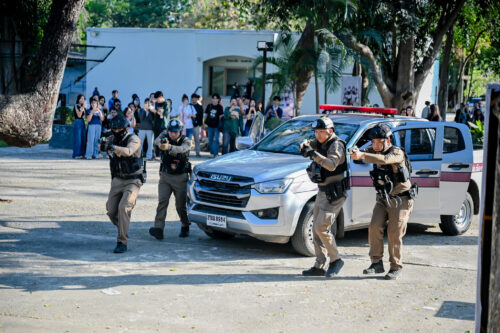
The eight-week programme, which ran from January to March 2026, forms an integral component of the university’s “Modern Police Administration” course. Its primary objective is to provide law students with first-hand experience of police operations, allowing them to observe the justice process from the initial stages of law enforcement through to case resolution.
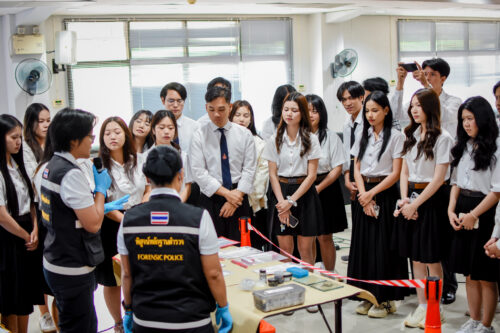
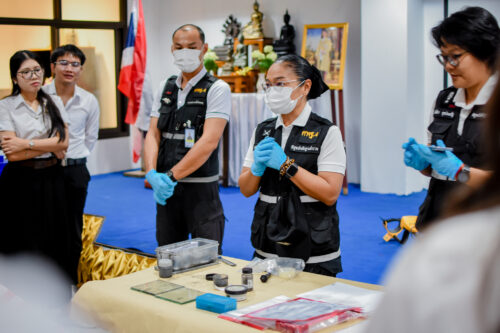
Throughout the programme, students participated in a comprehensive range of practical training and theoretical sessions. Topics included the history of the Royal Thai Police, emergency response protocols, bomb disposal, and active shooter scenarios. The curriculum also covered methods for handling individuals with mental health issues, providing future legal professionals with the necessary understanding to advise and operate effectively in such situations.
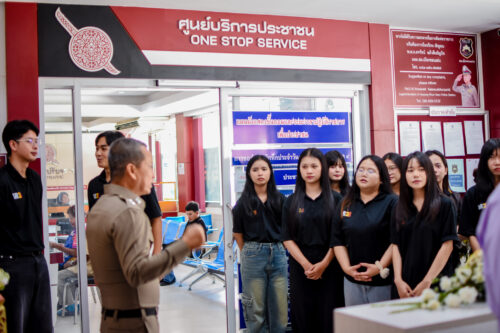
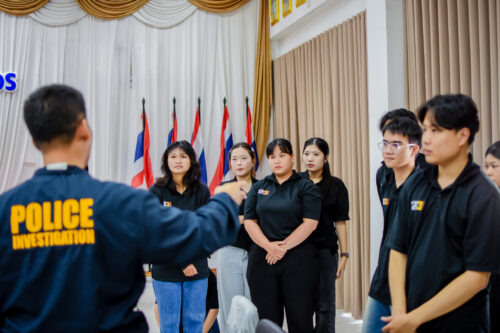
In response to contemporary legal challenges, the programme also included specialised training in the investigation of online crimes, a growing issue in the digital era. Students studied drug-related offences and traffic law enforcement, before moving on to post-incident investigative procedures, including forensic medicine and autopsy processes, which are essential for evidence presentation in court proceedings.
Programme highlights included hands-on exercises with a SWAT unit, crowd-control simulations, and firearms training. These activities were designed to provide students with a realistic understanding of the operational conditions and legal limitations governing the use of force by police officers. The project also incorporated community outreach activities to gather public perspectives on the justice system.
A key component that students found particularly insightful was the opportunity to observe the five main departments of a police station: investigation, detective work, traffic, crime prevention and suppression, and administration. This provided a holistic view of the real-world operational structure of law enforcement and how the laws they study are applied in practice.
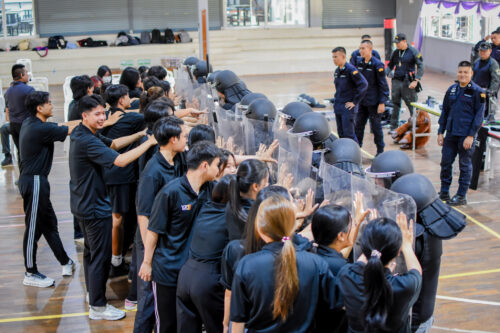
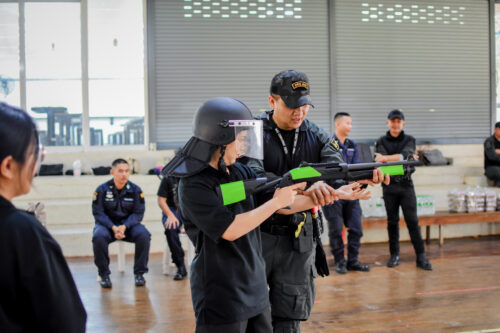
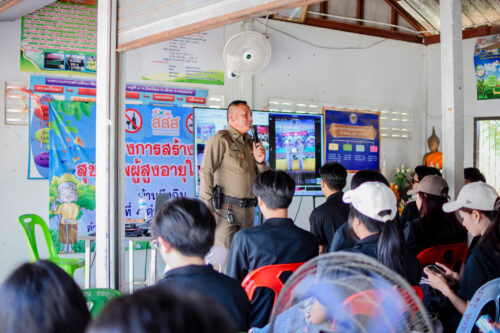
At the closing ceremony, Police Major General Noppakao Somanas, Deputy Commissioner of Provincial Police Region 4, remarked, “This project is more than just a course; it’s a collaboration to build well-rounded legal professionals who understand society and the justice process. When students see, experience, and work alongside police officers, they no longer view the justice system from a single perspective. This is the most valuable thing the Faculty of Law provides.”
Assistant Professor Busakorn Prabnasak Thaisatian, the project’s lead instructor, stated, “We designed this programme so students understand the immense responsibilities police officers carry before a case ever reaches the courtroom. This understanding helps reduce prejudice between lawyers and police, fostering better future collaboration.” She noted the high student interest in the limited-enrolment course and praised their dedicated participation.
As a final project, the students produced and presented videos aimed at raising public awareness about various types of crime and related laws, which will be shared on online platforms.