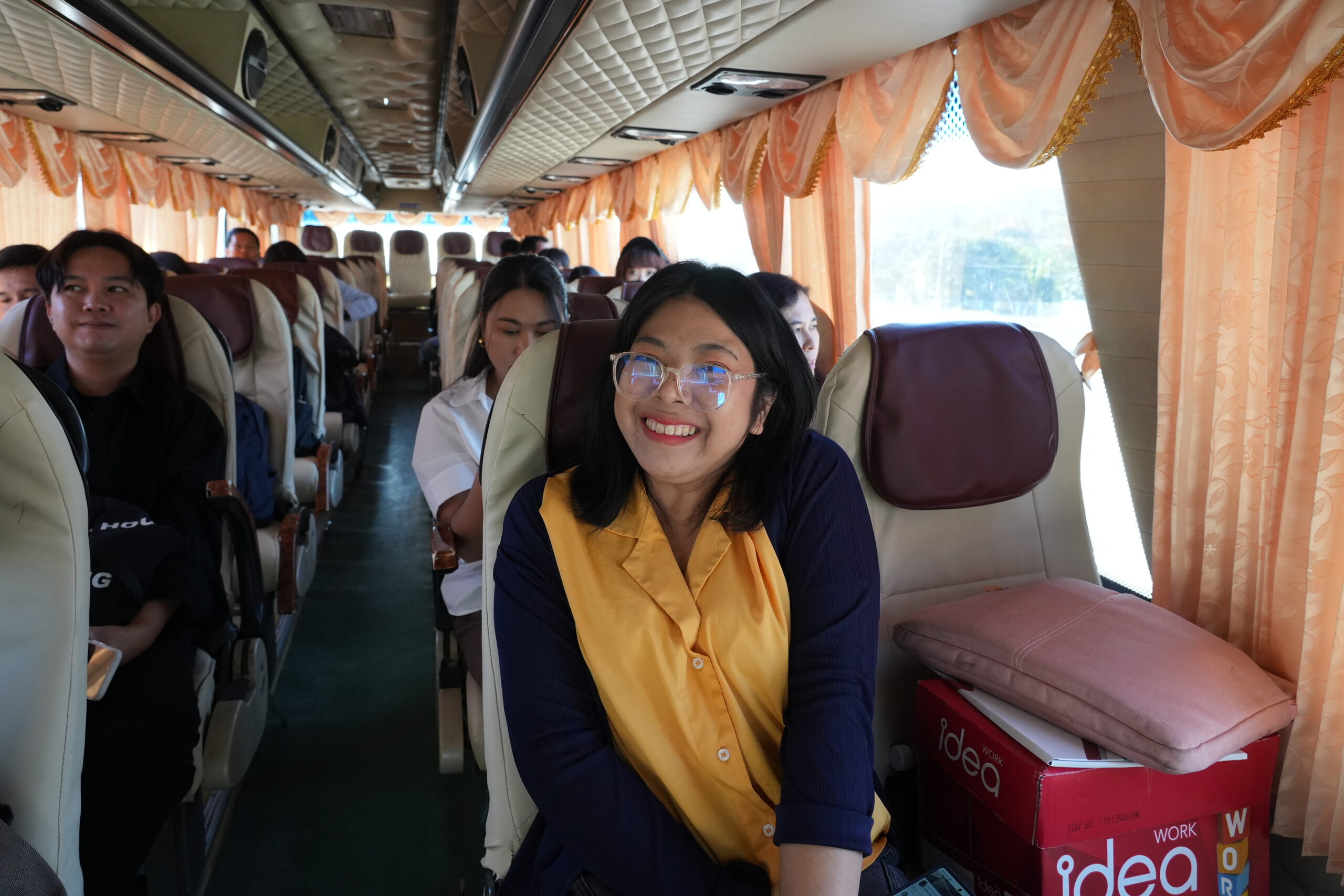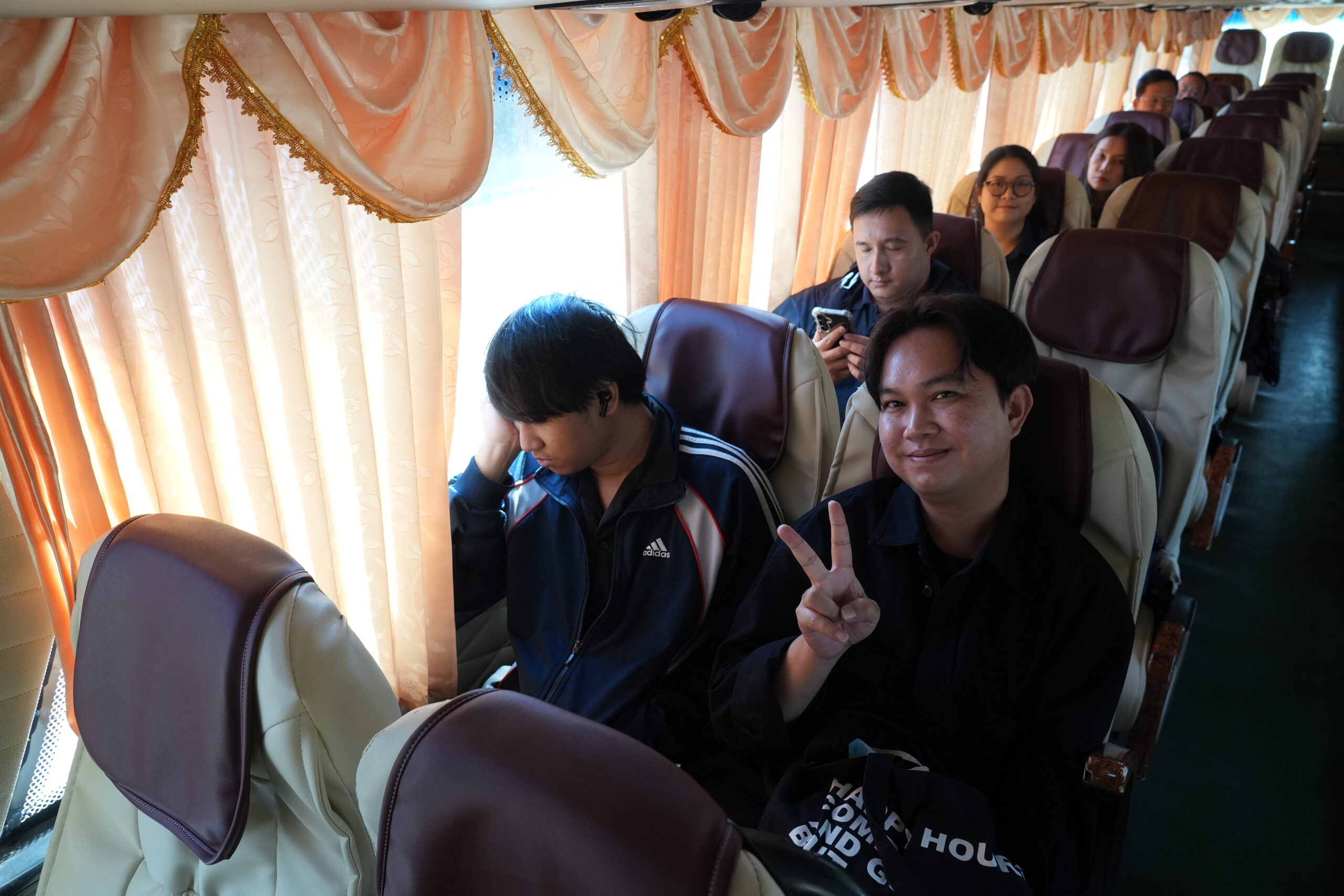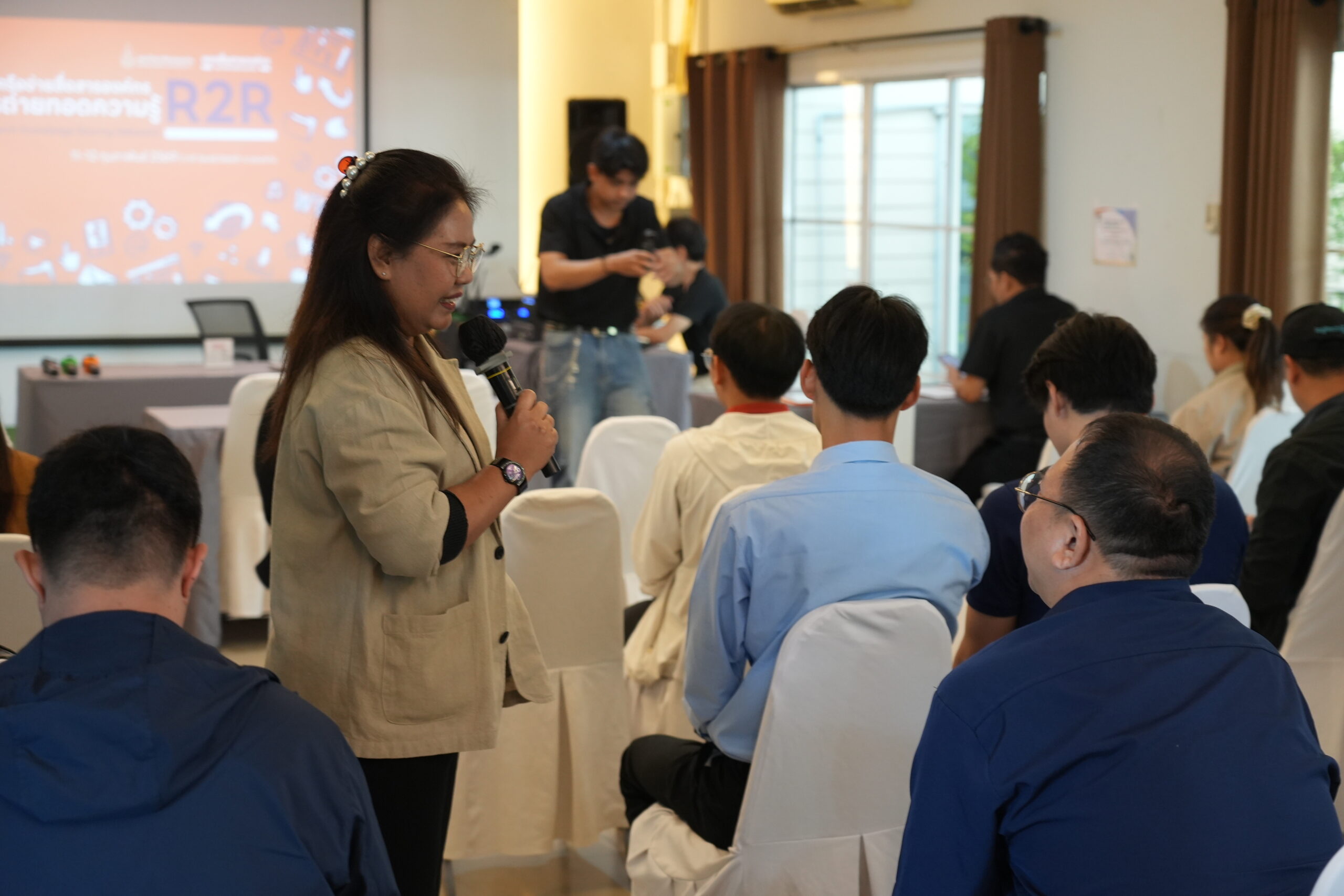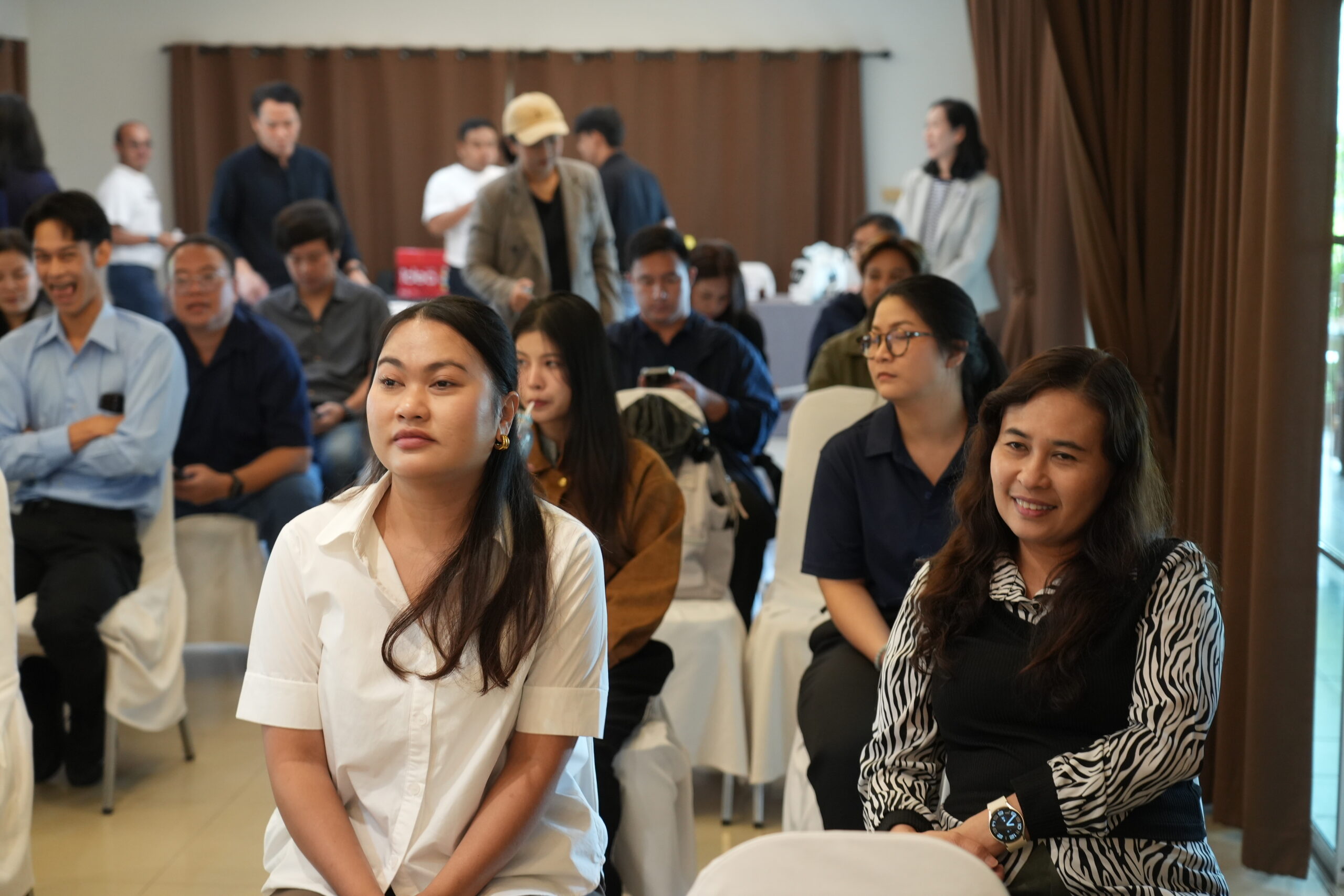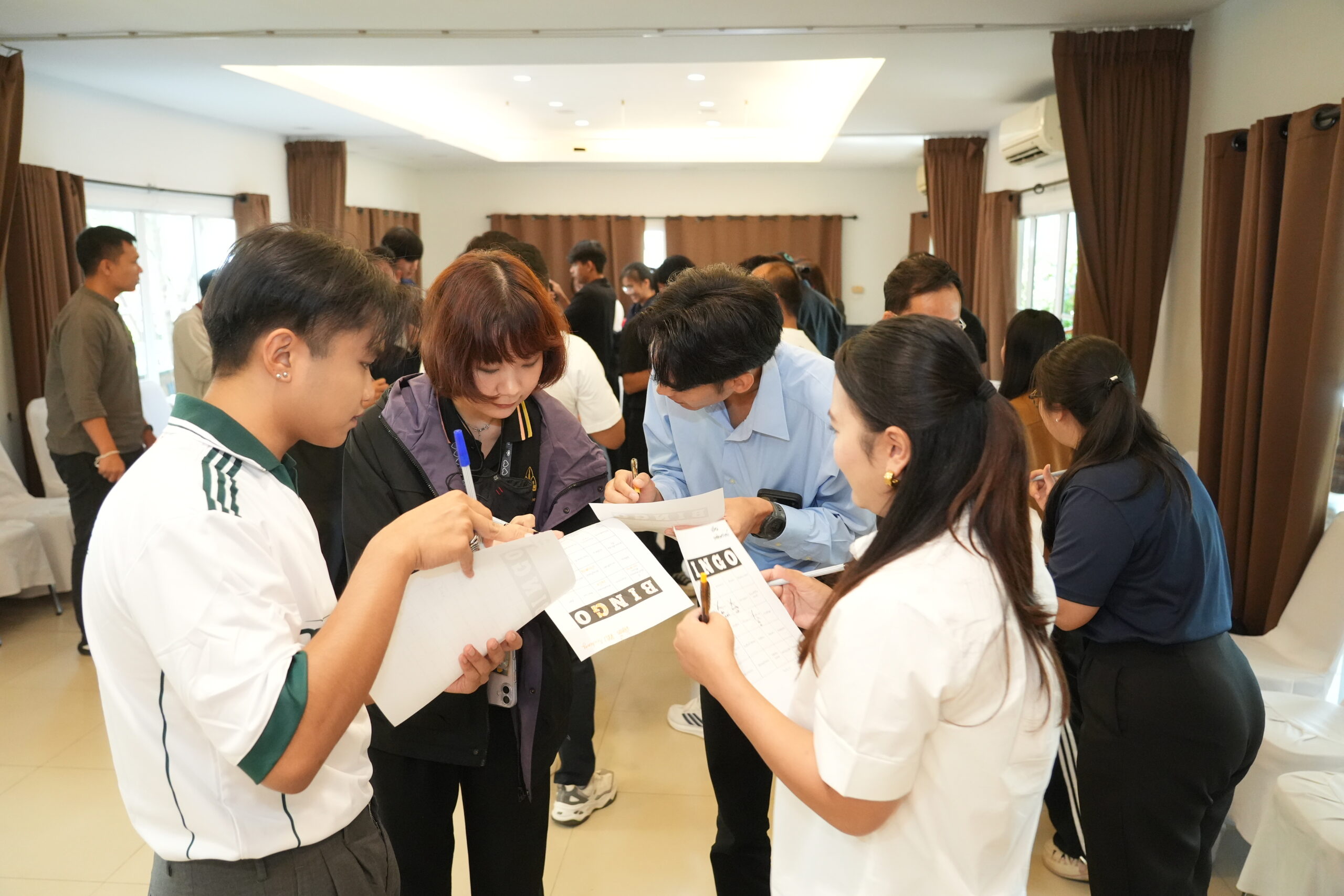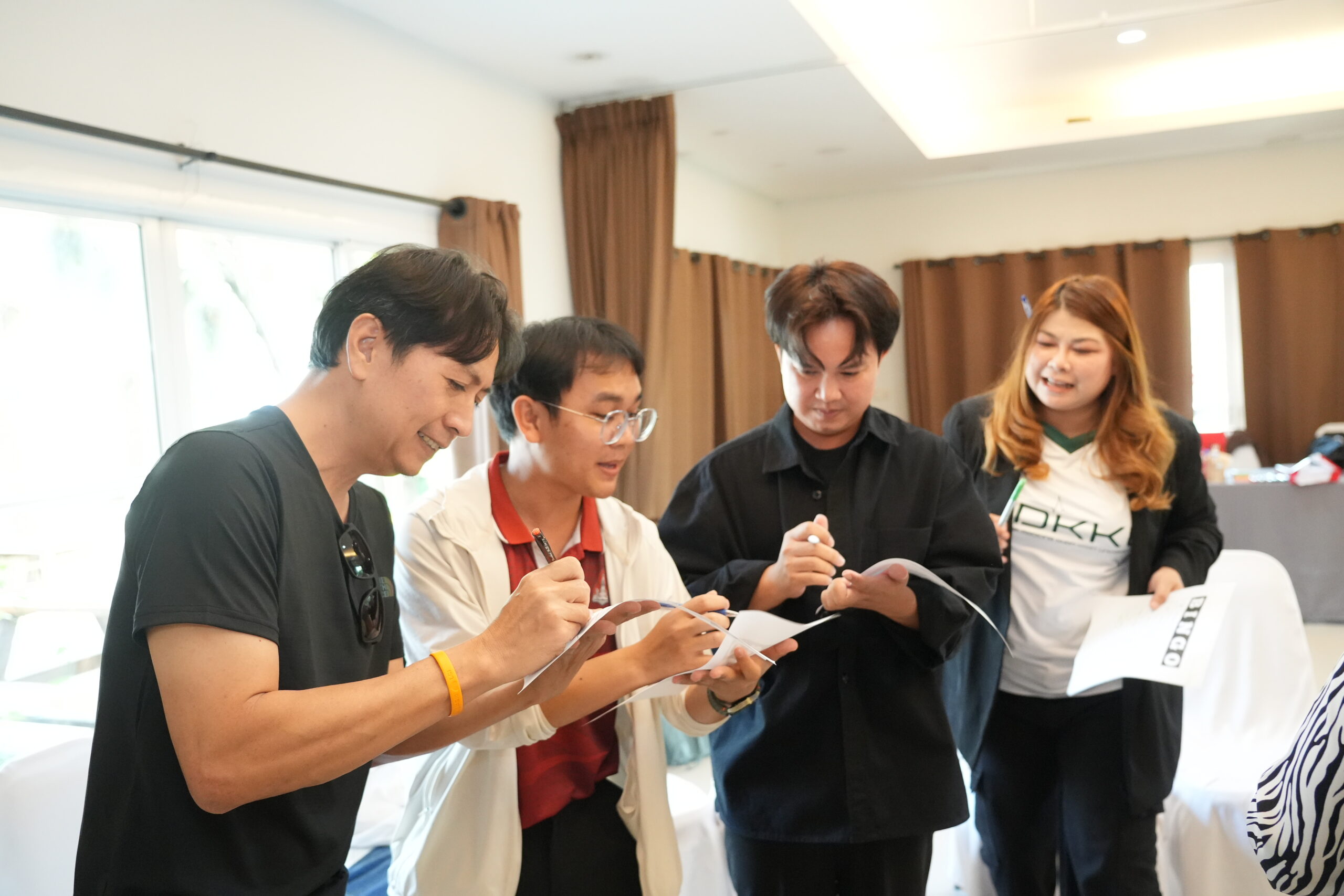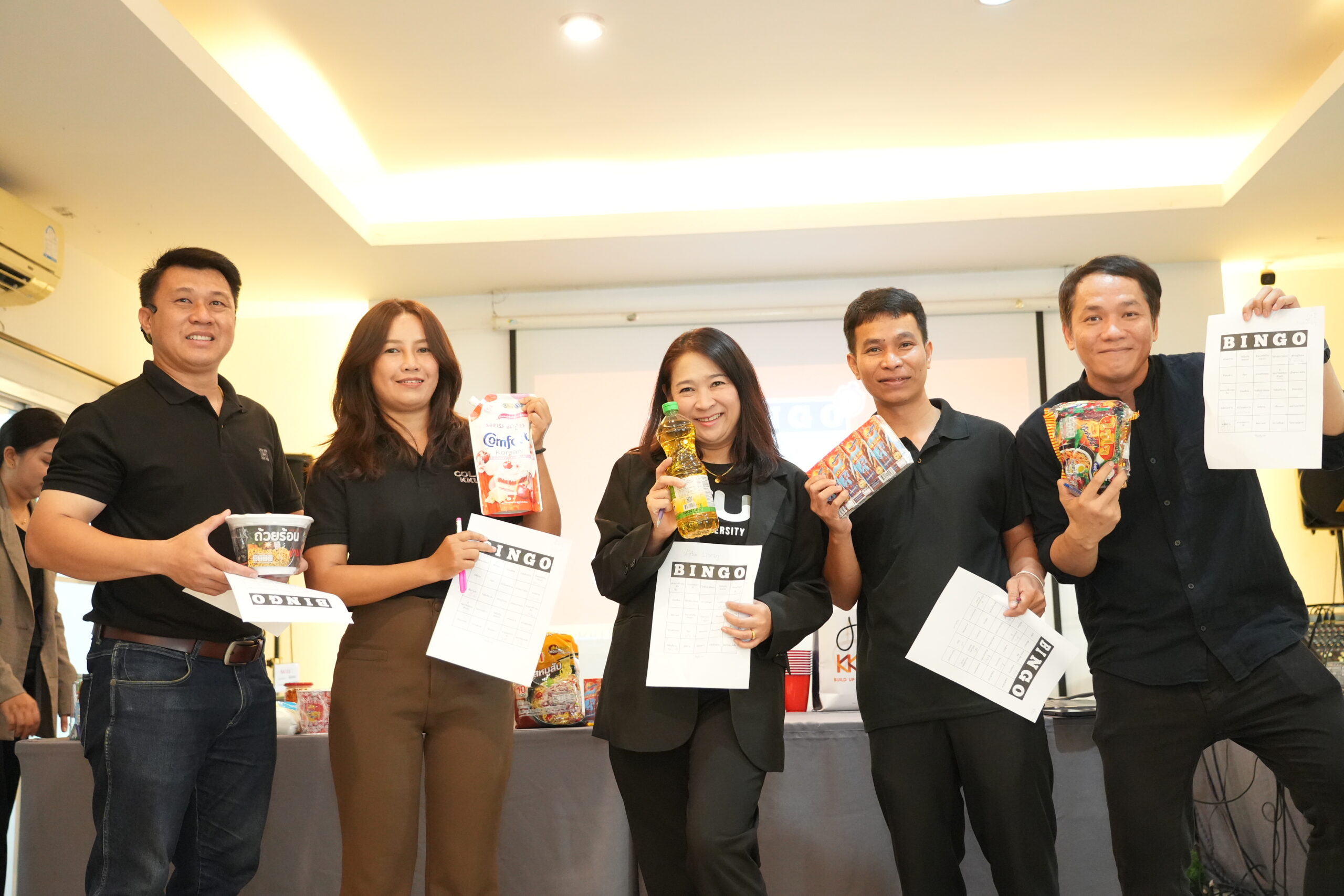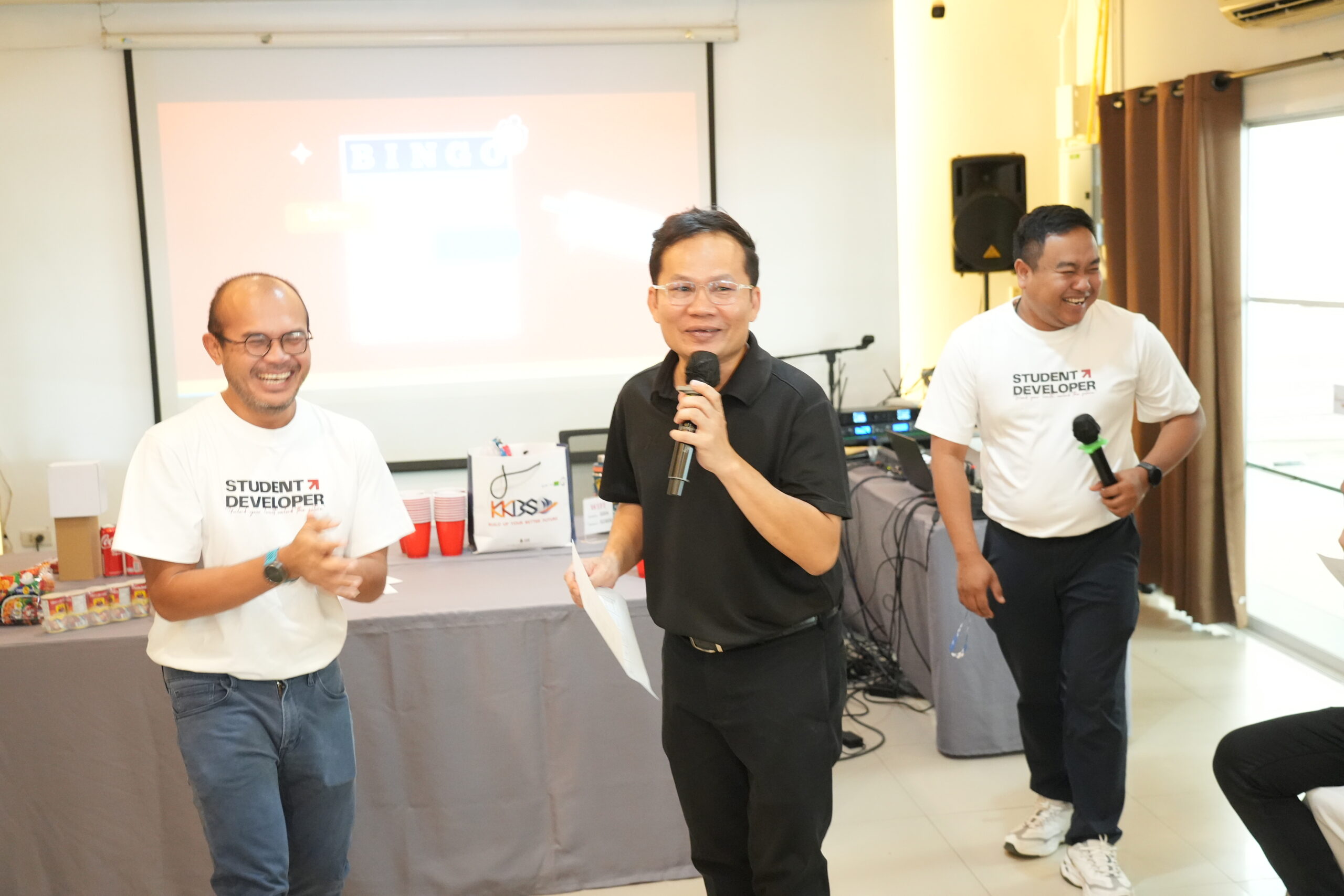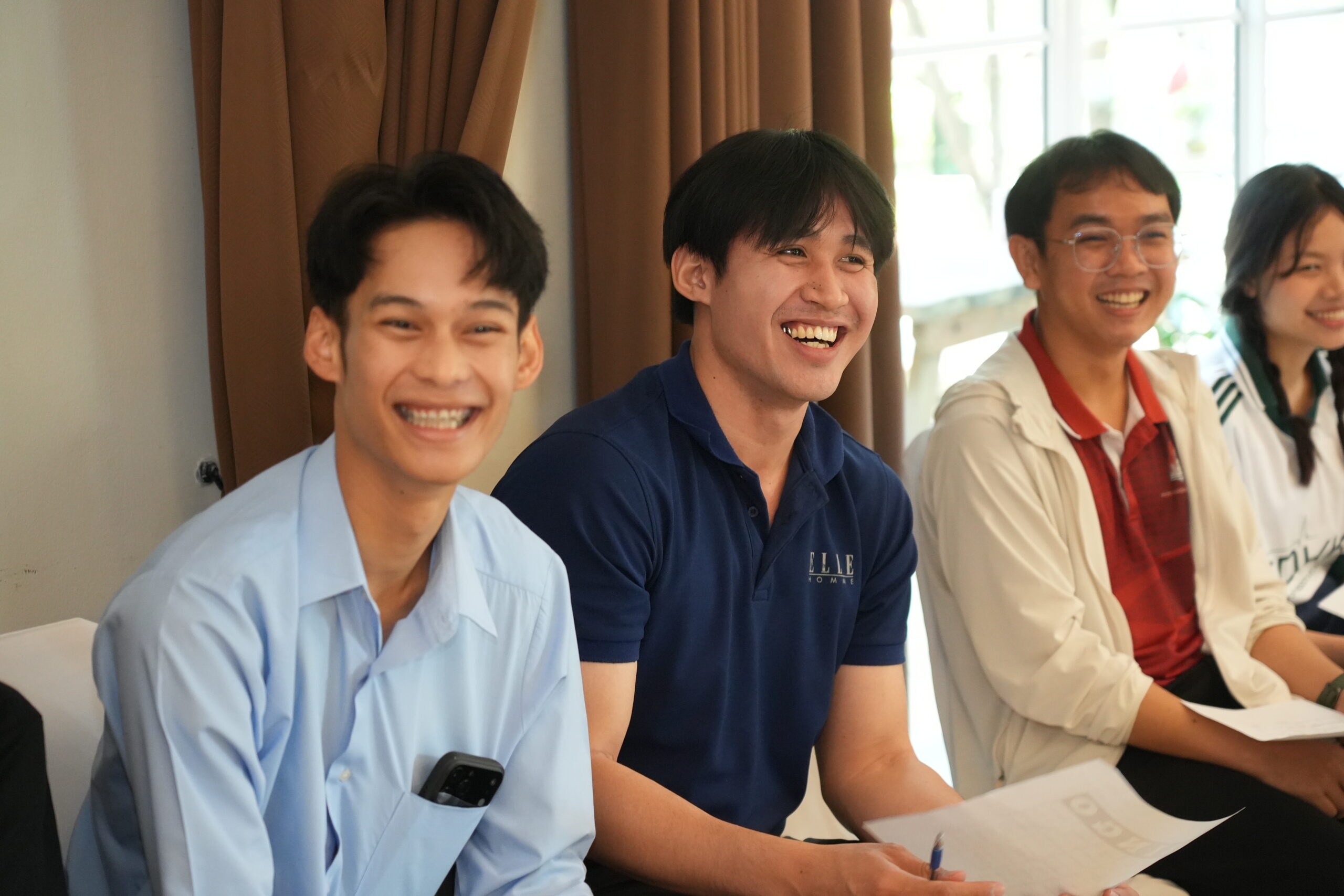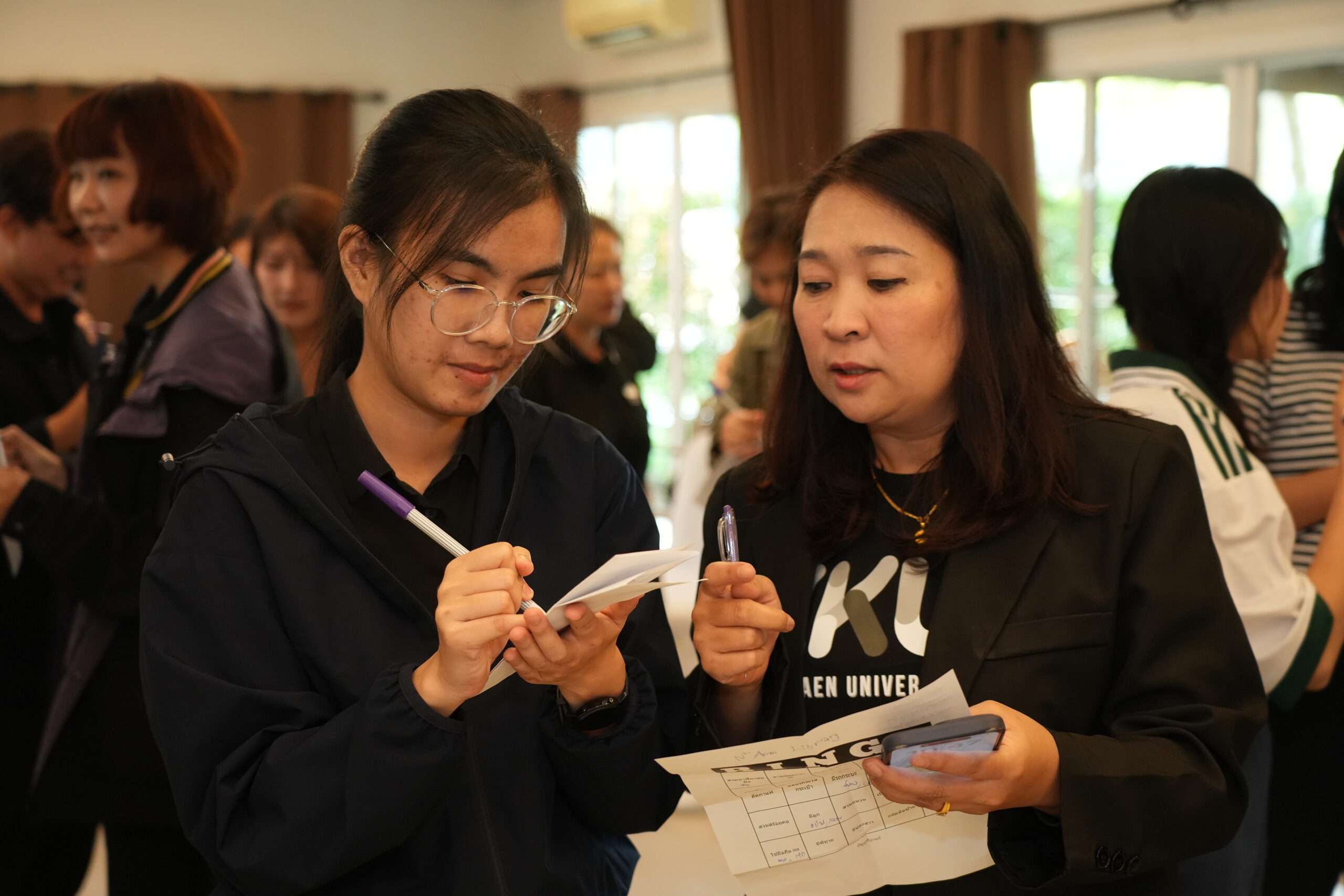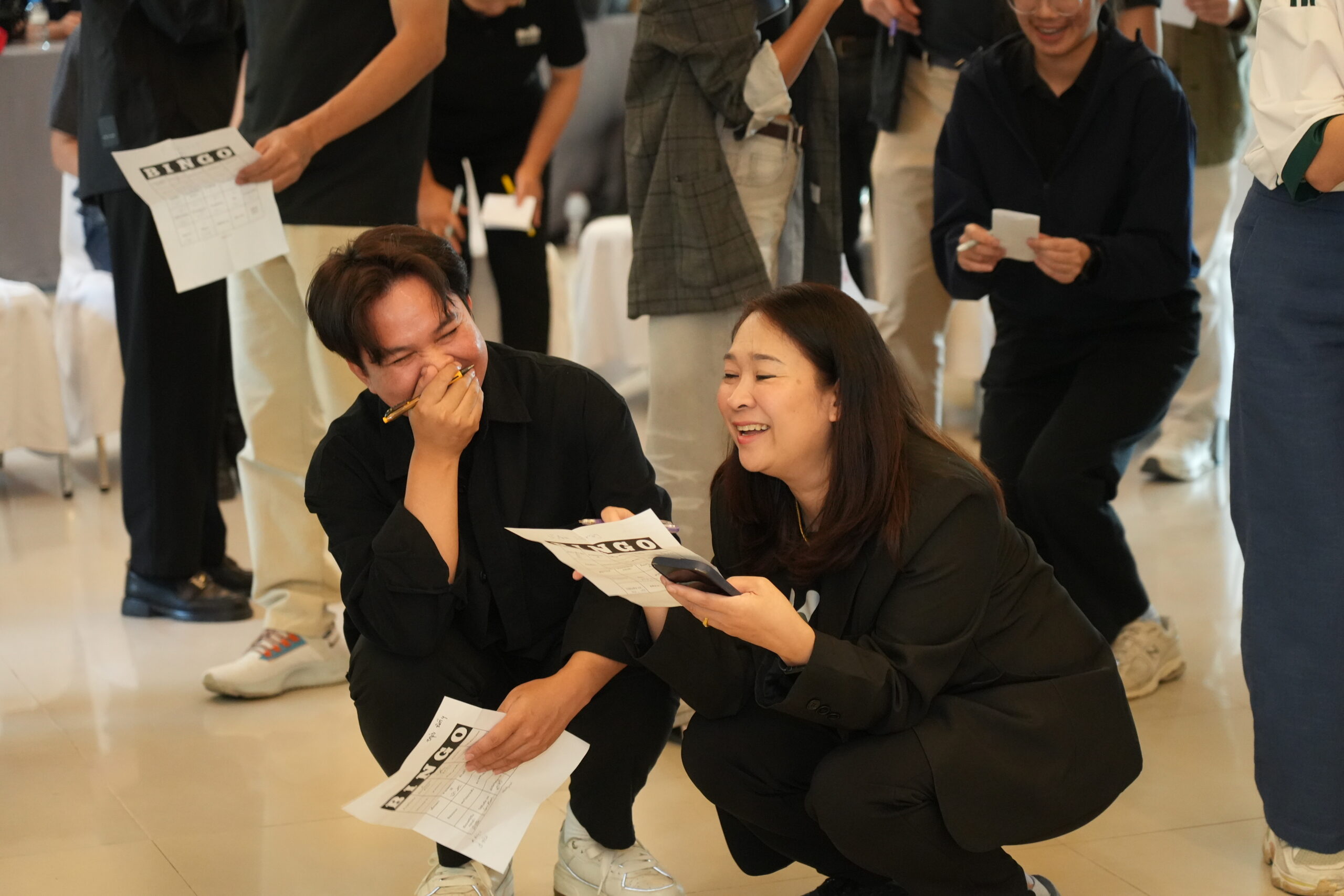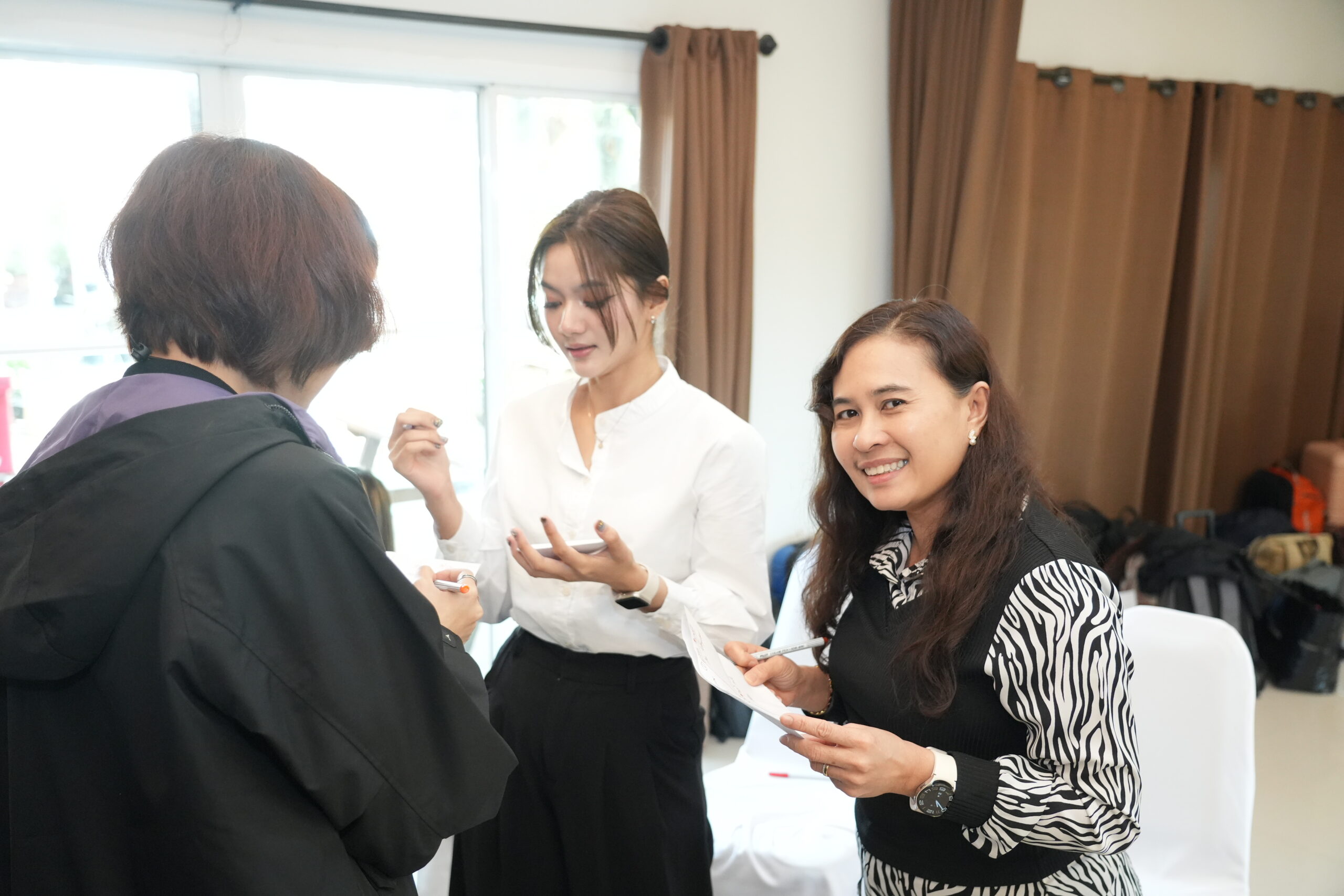

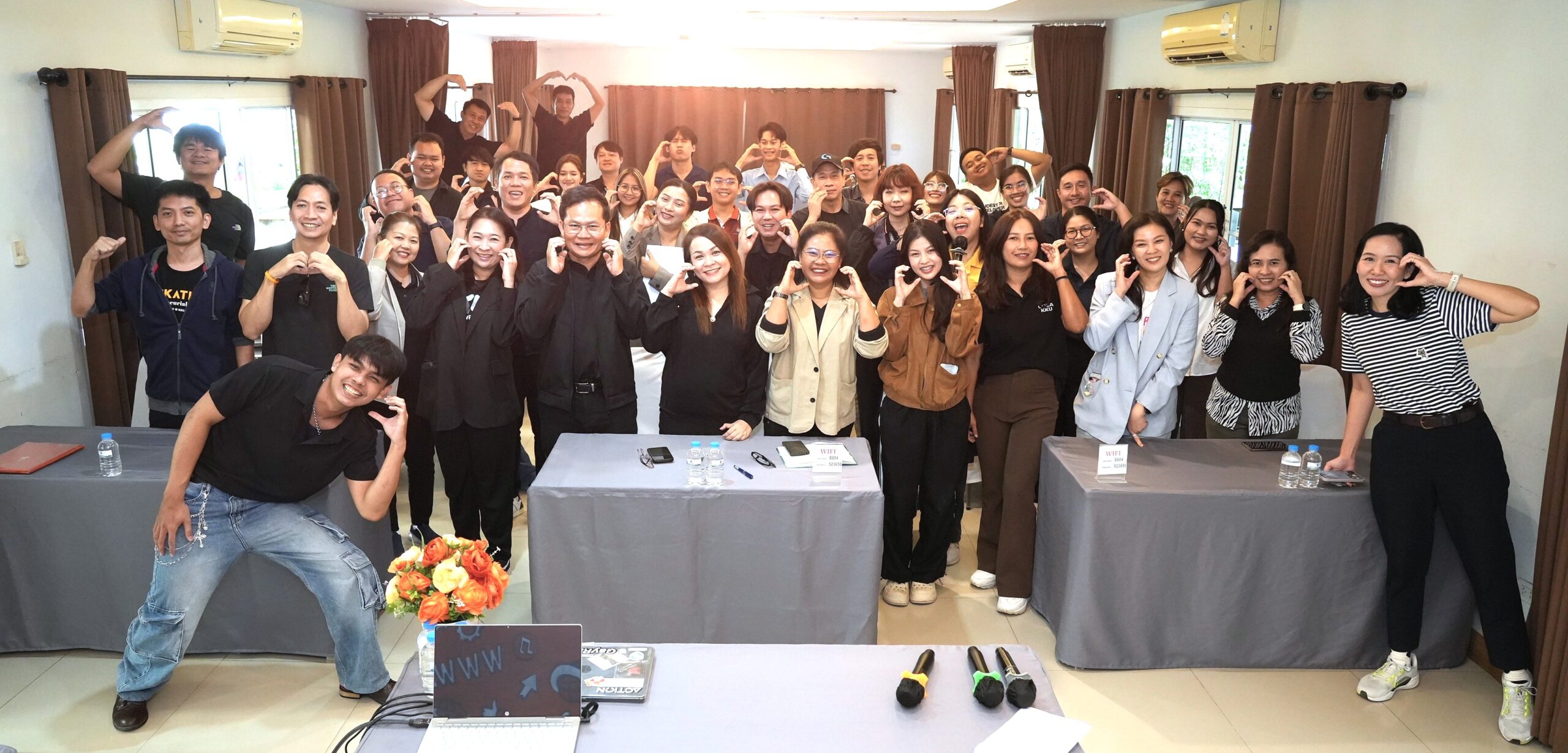
The programme aims to unlock the potential of KKU’s communication network by leveraging Routine-to-Research (R2R) methodologies to enhance media production quality and institutional transparency.
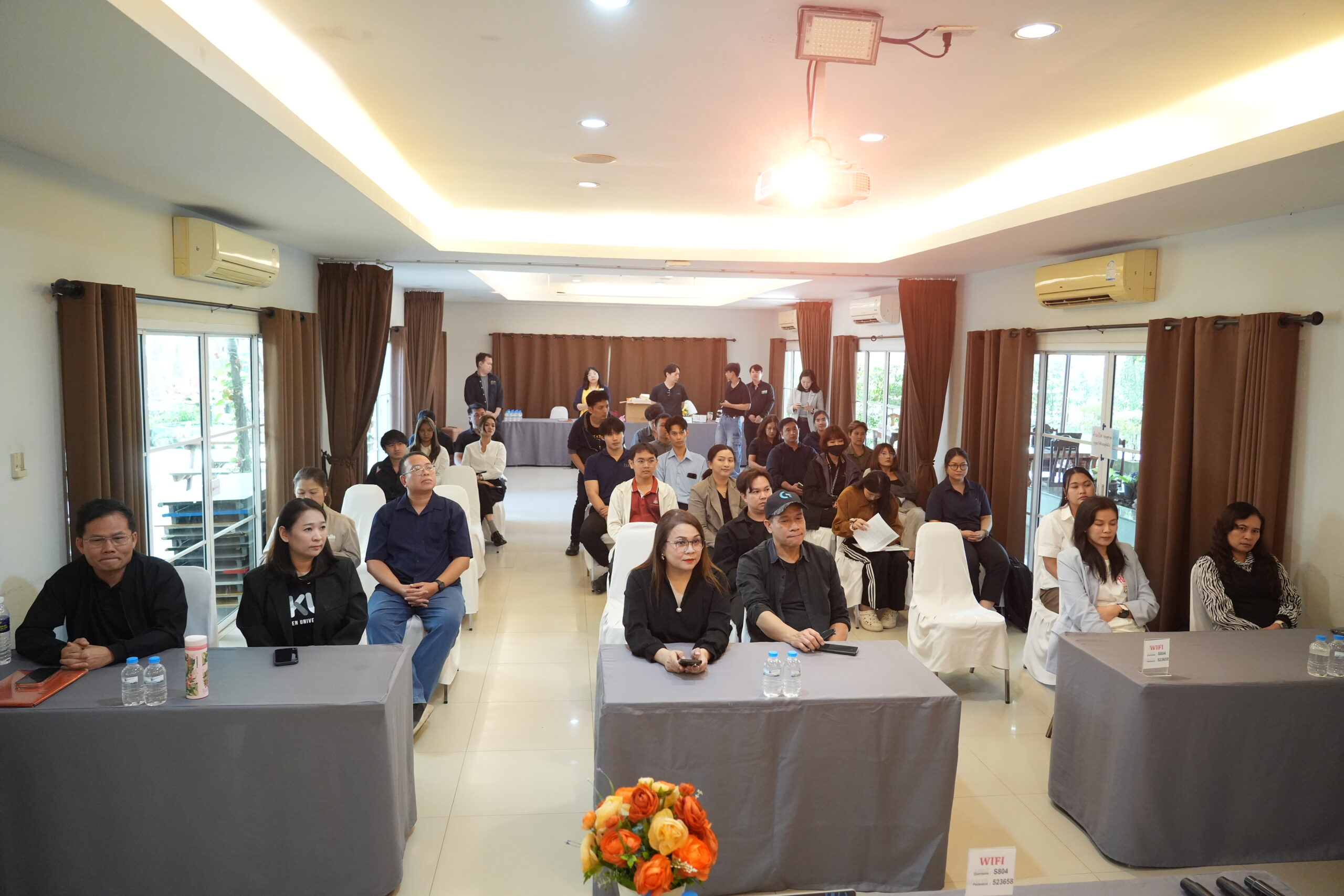
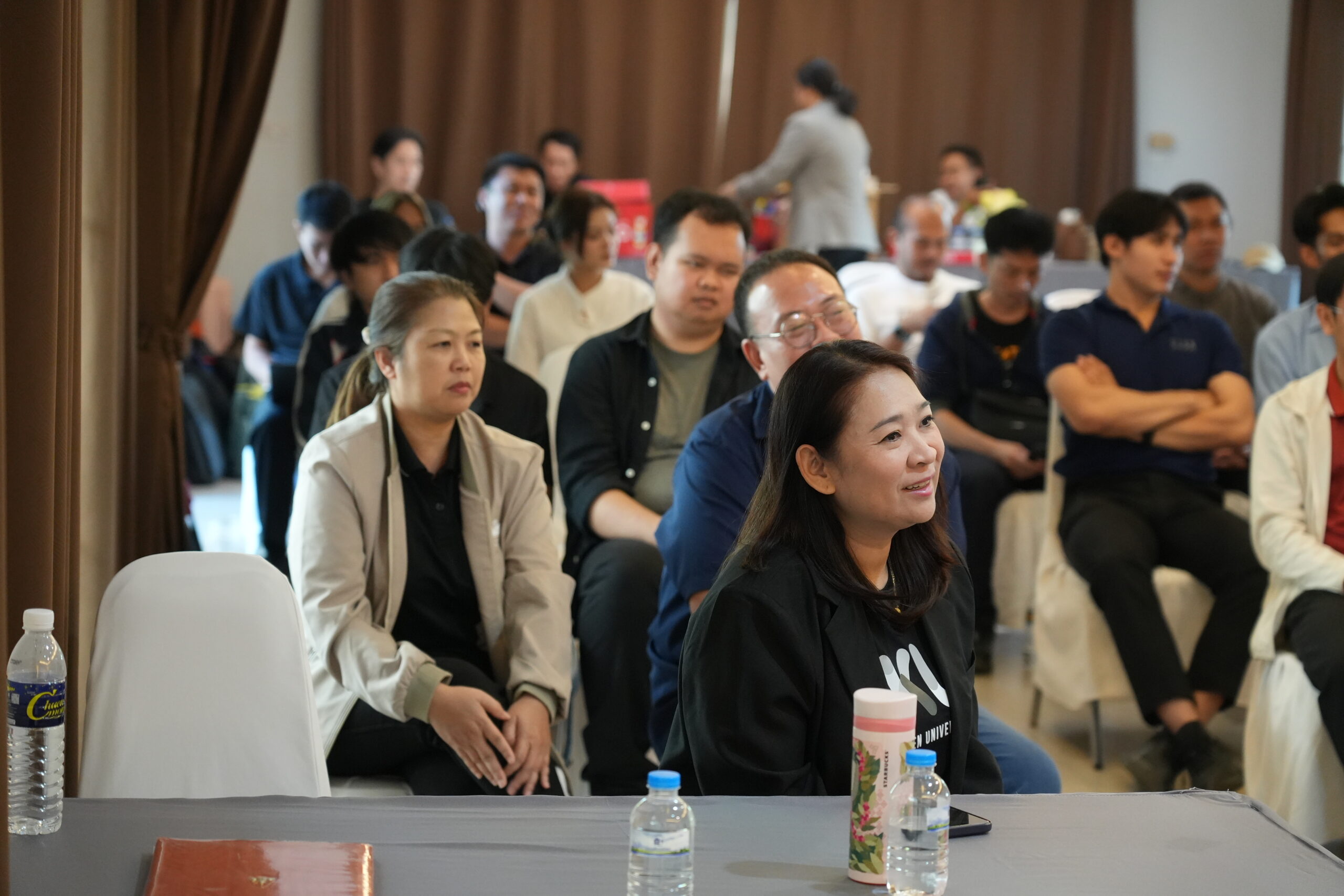
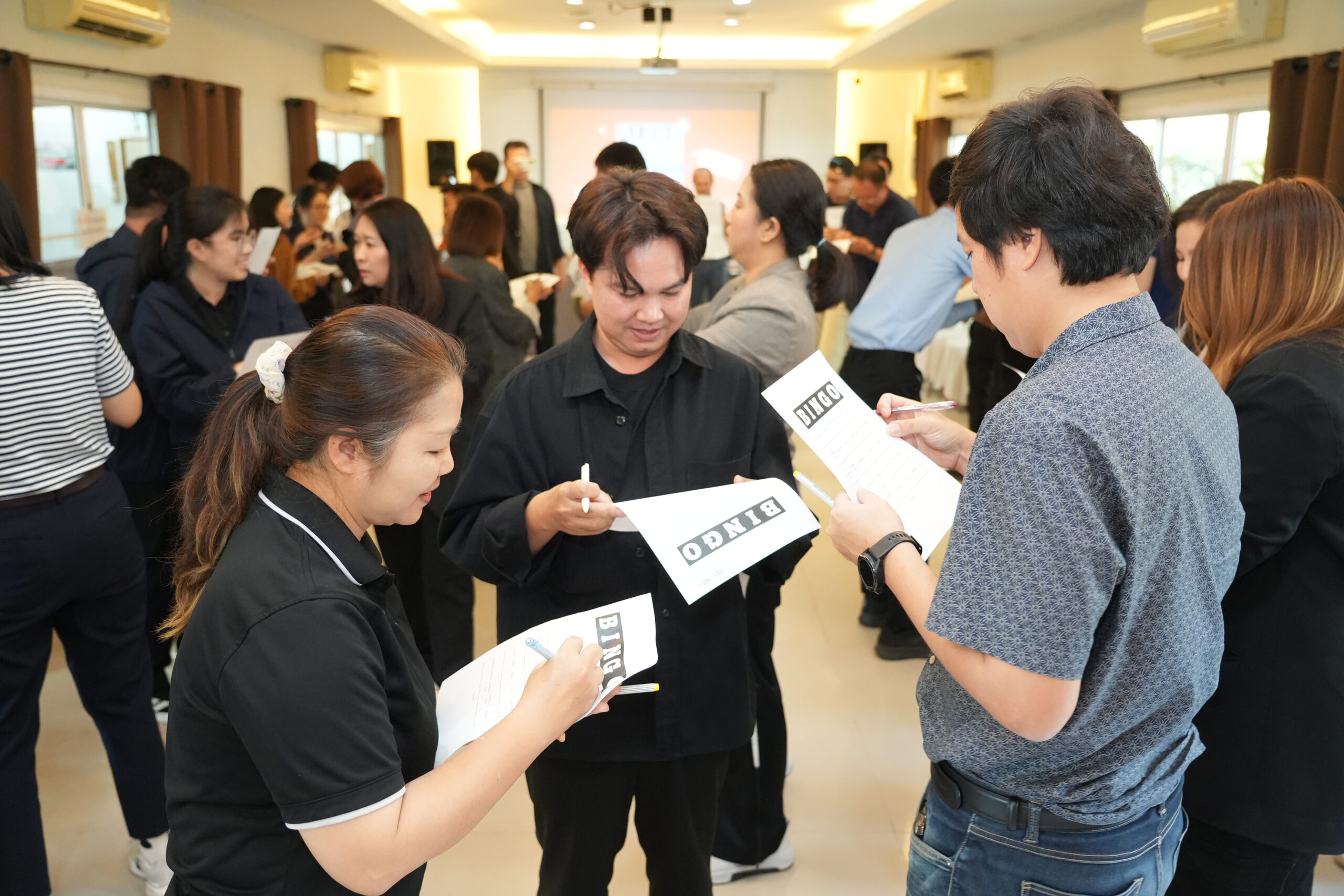
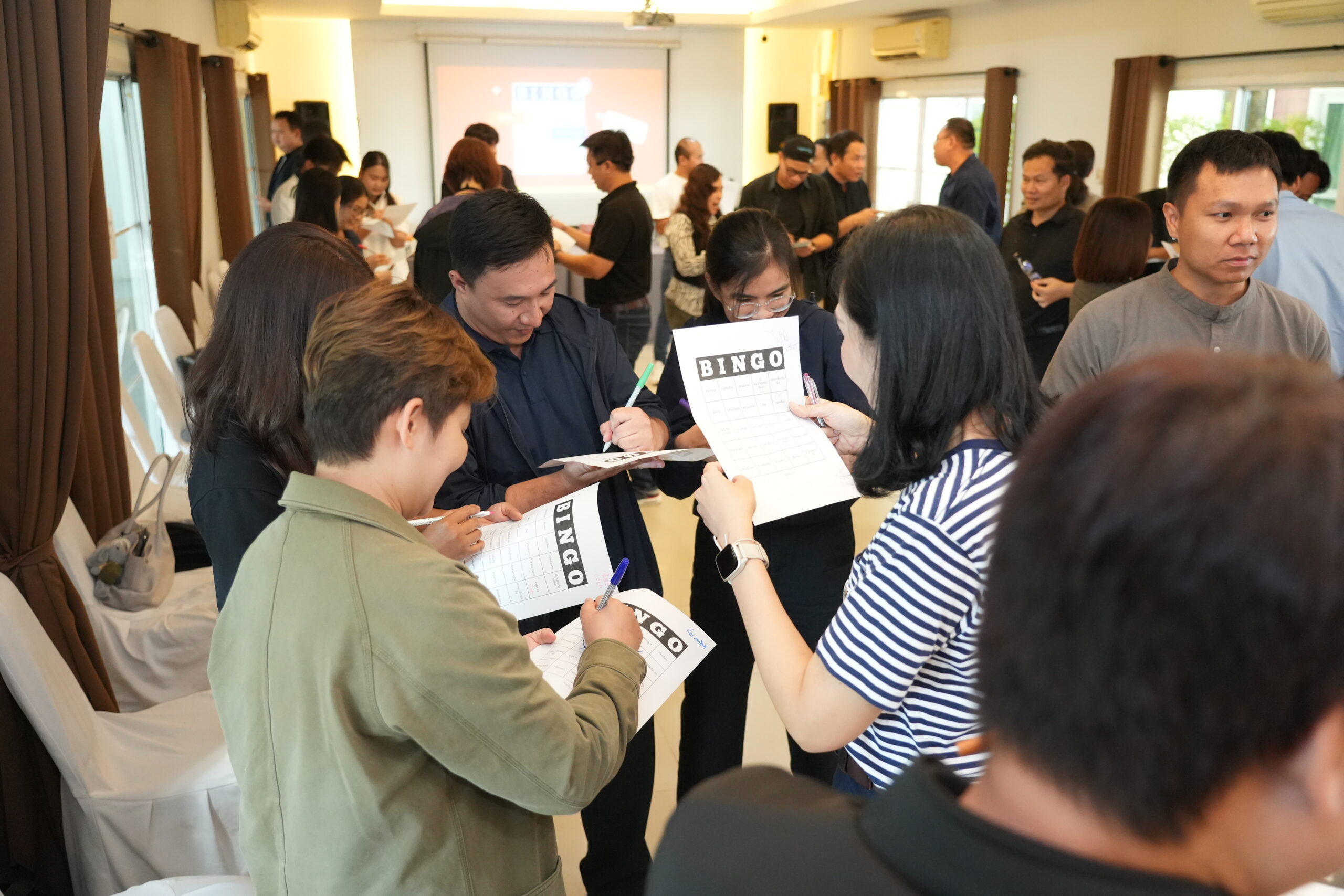
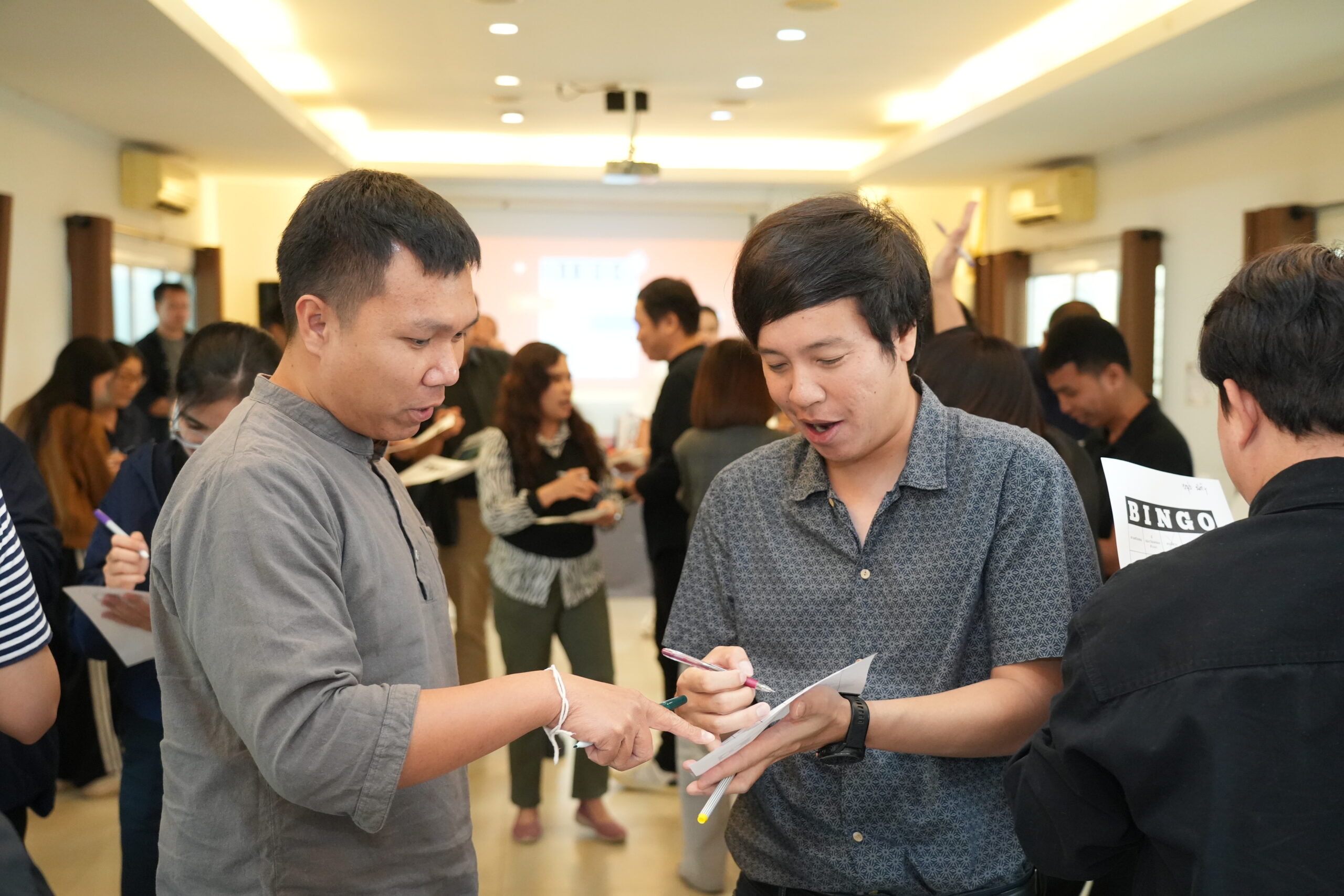
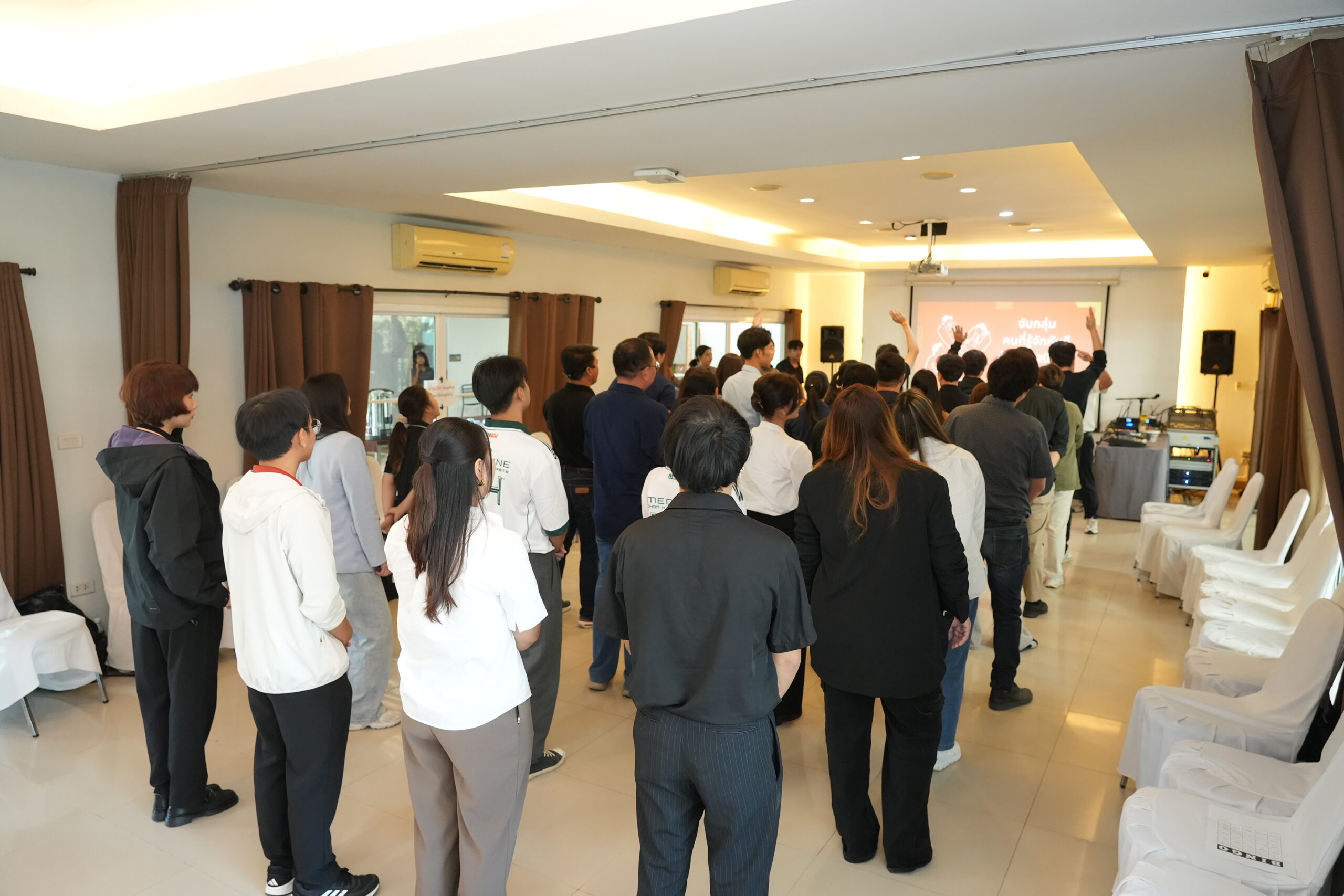
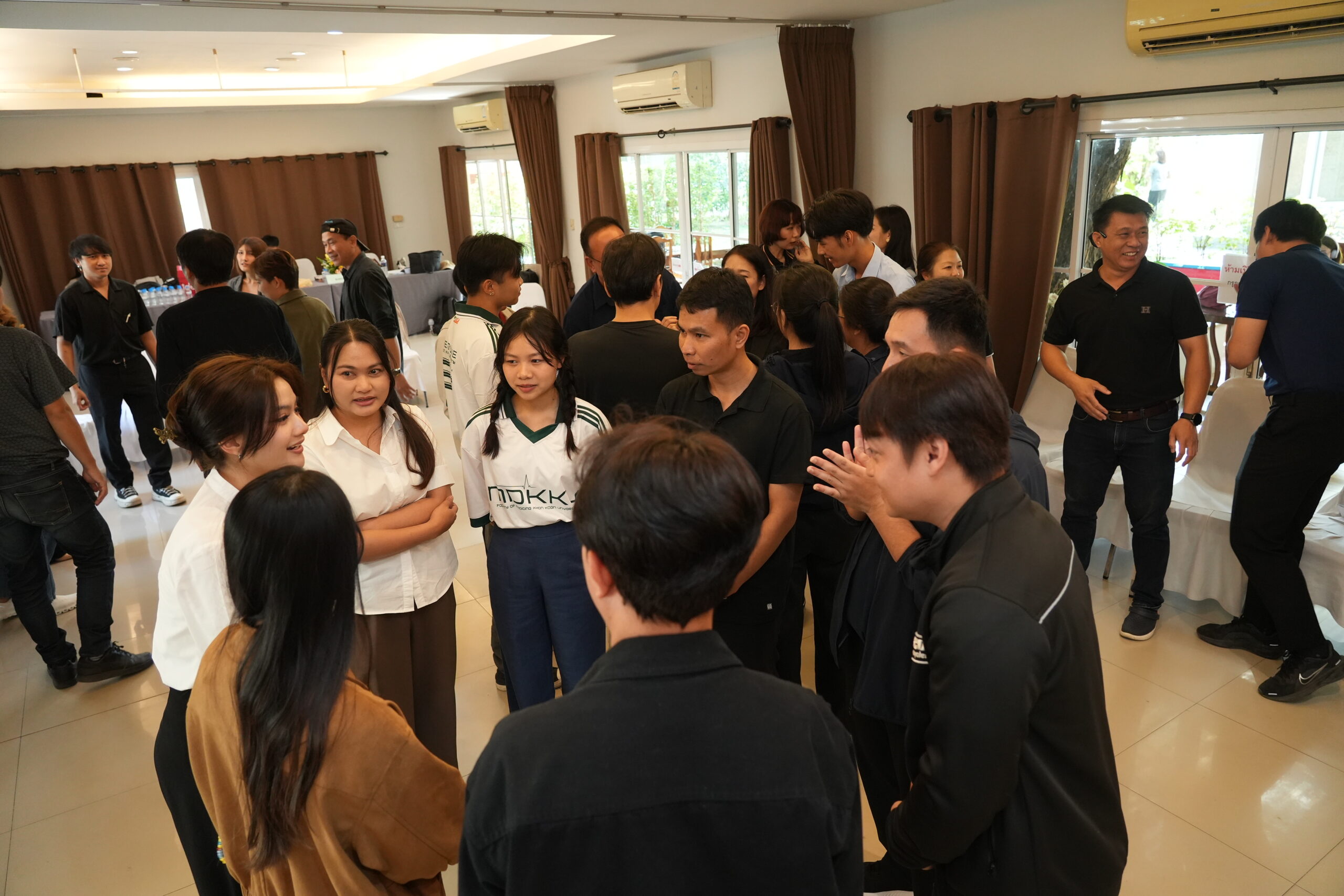
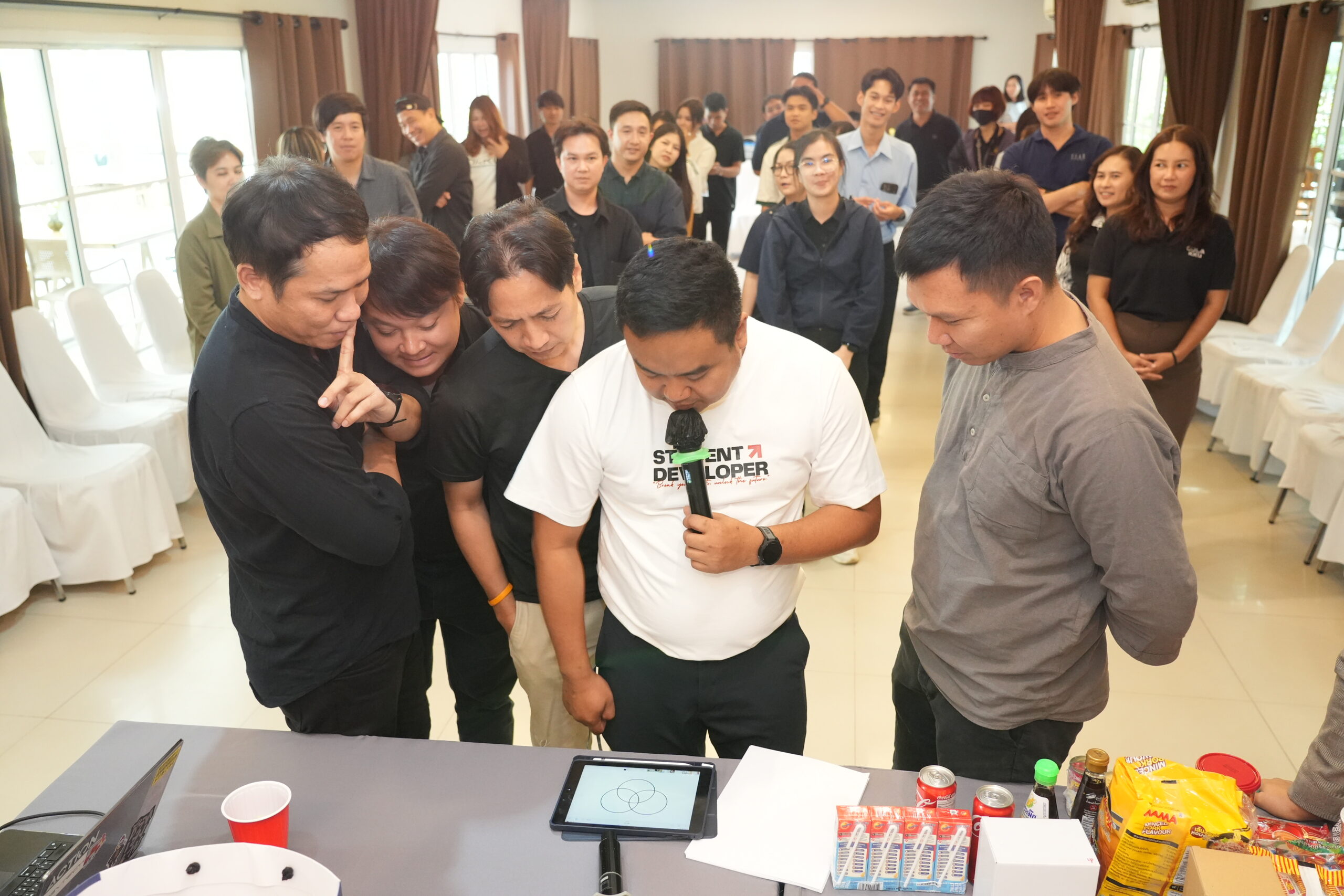
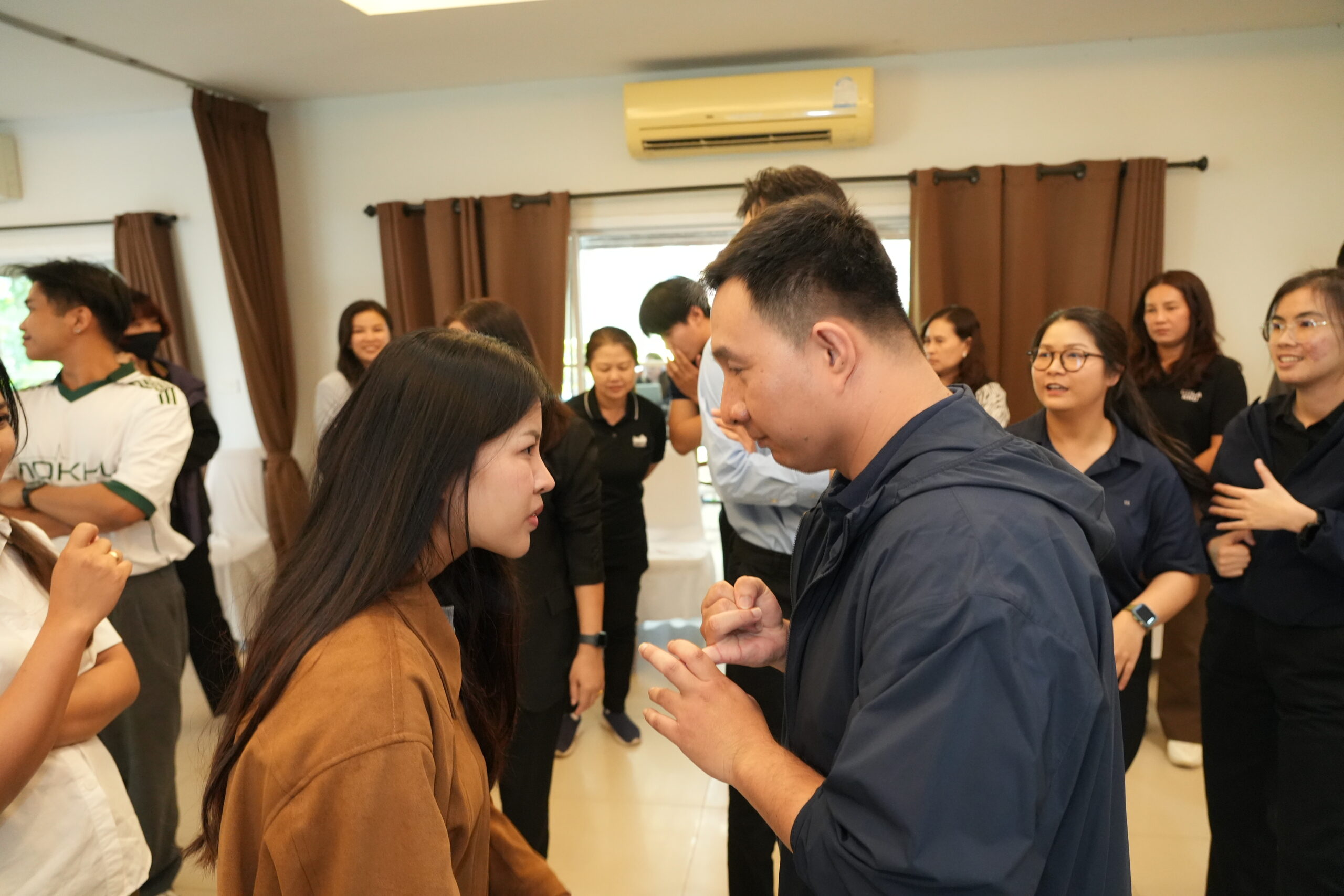
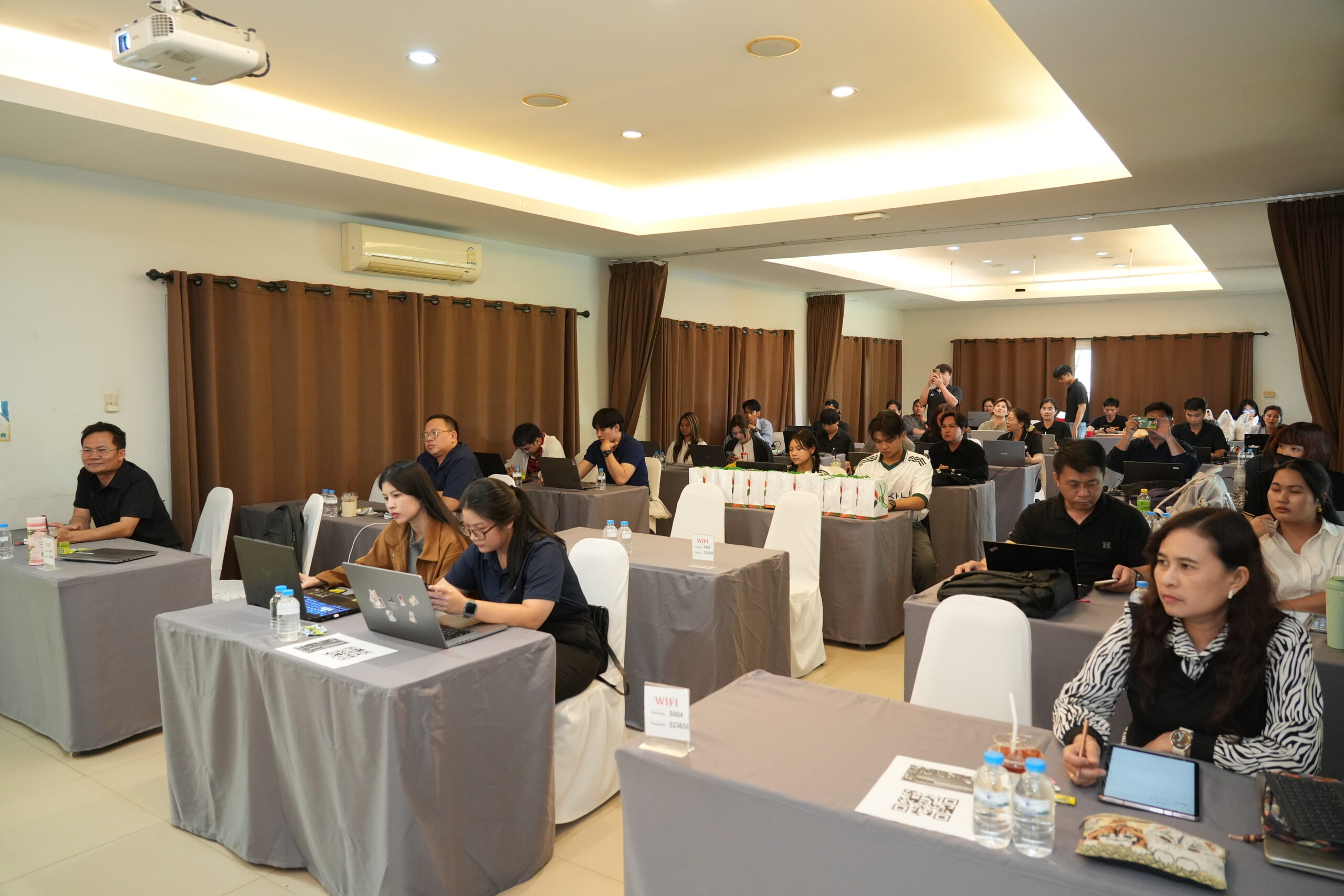
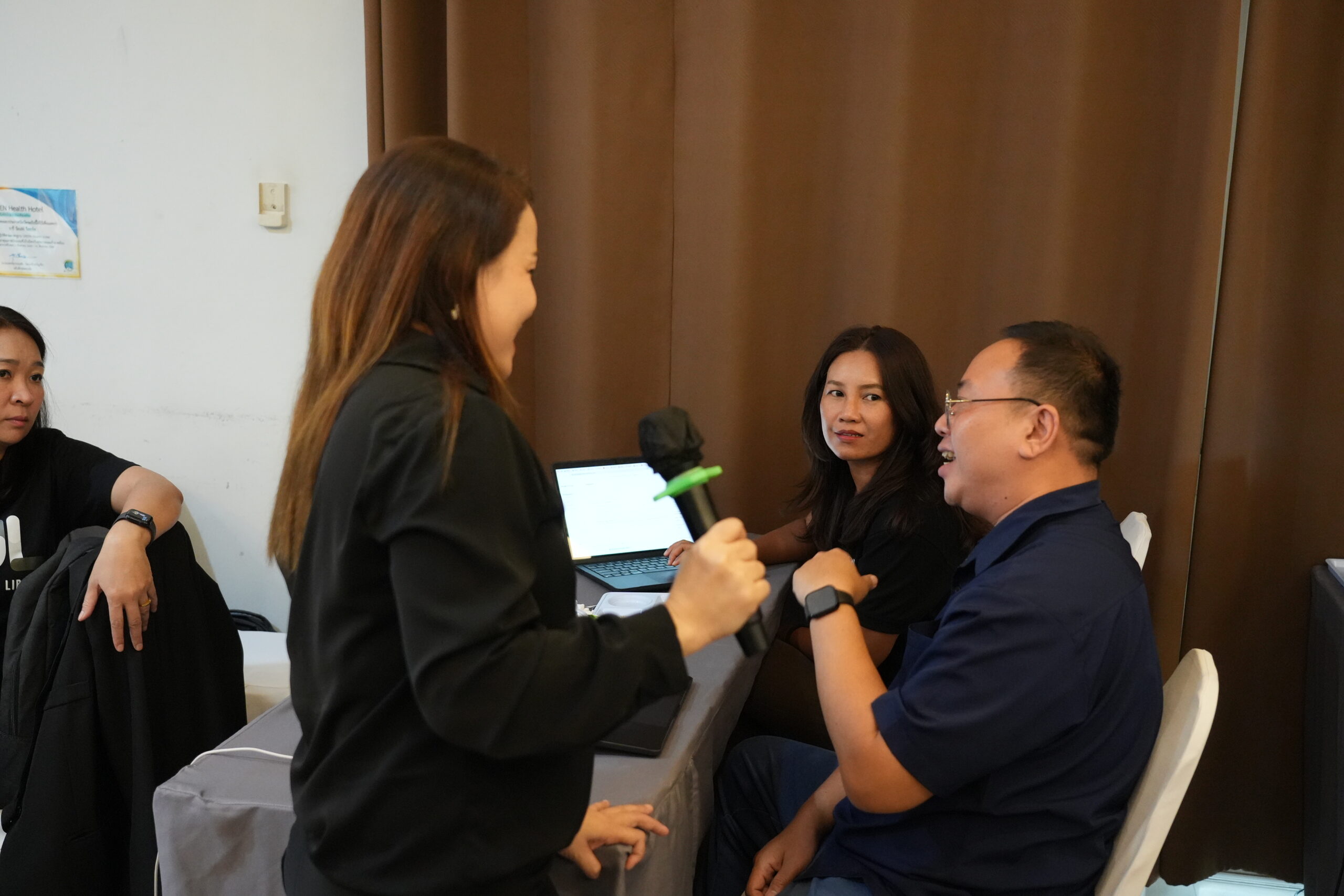
On 11–12 February 2026, the Division of Corporate Communications, under the Office of the Vice President for Legal and Communications, successfully organised the “Routine to Research Knowledge Sharing Network Programme to Develop the Corporate Communication Network.” This activity, held at Waree Valley Resort in Ban Dong Sub-district, Ubon Ratana District, Khon Kaen Province, was part of the 2026 Online Media Production Potential Development Project. Its primary goal was to enhance the capability of corporate communication networks across all faculties, colleges, schools, and offices within Khon Kaen University (KKU).
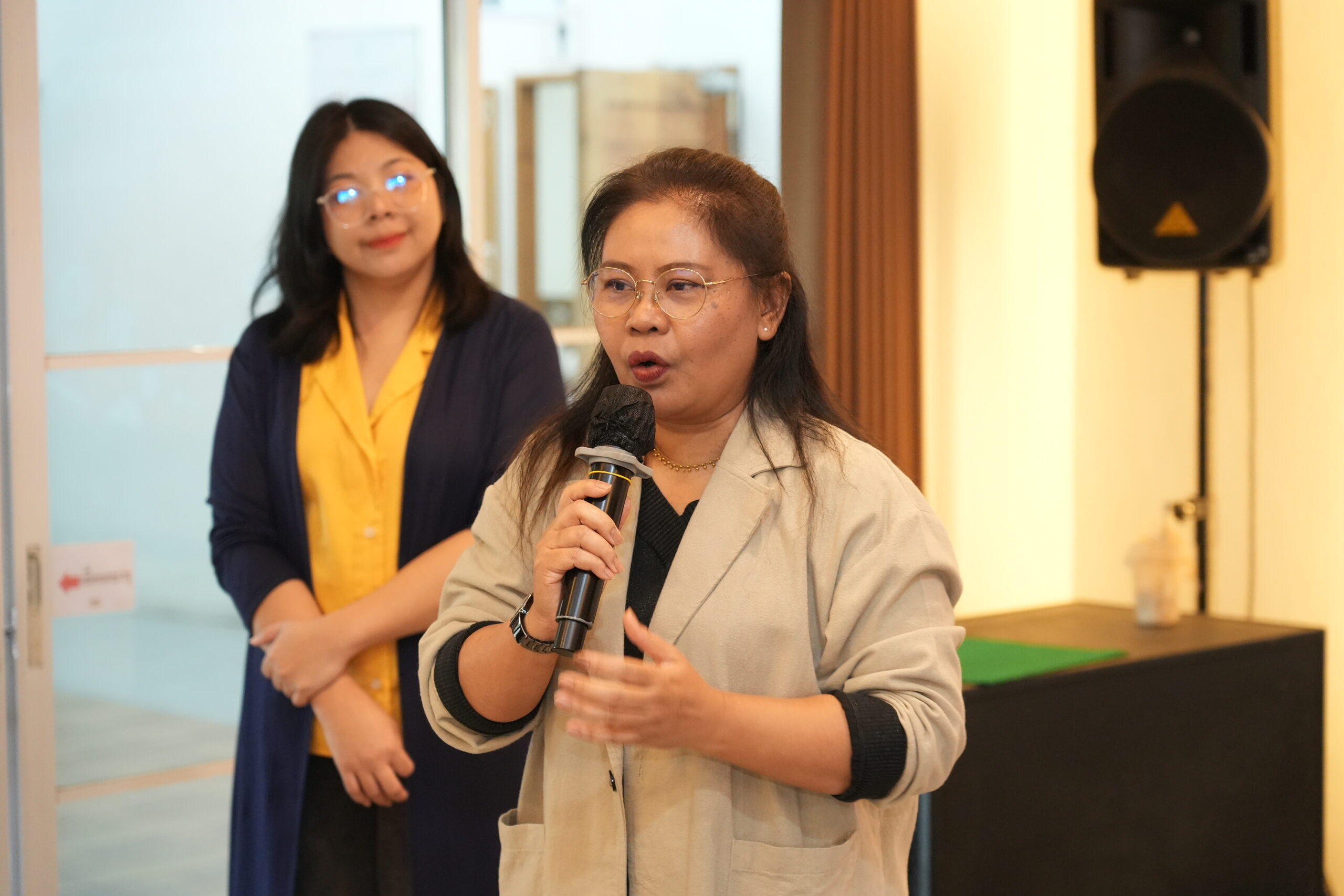
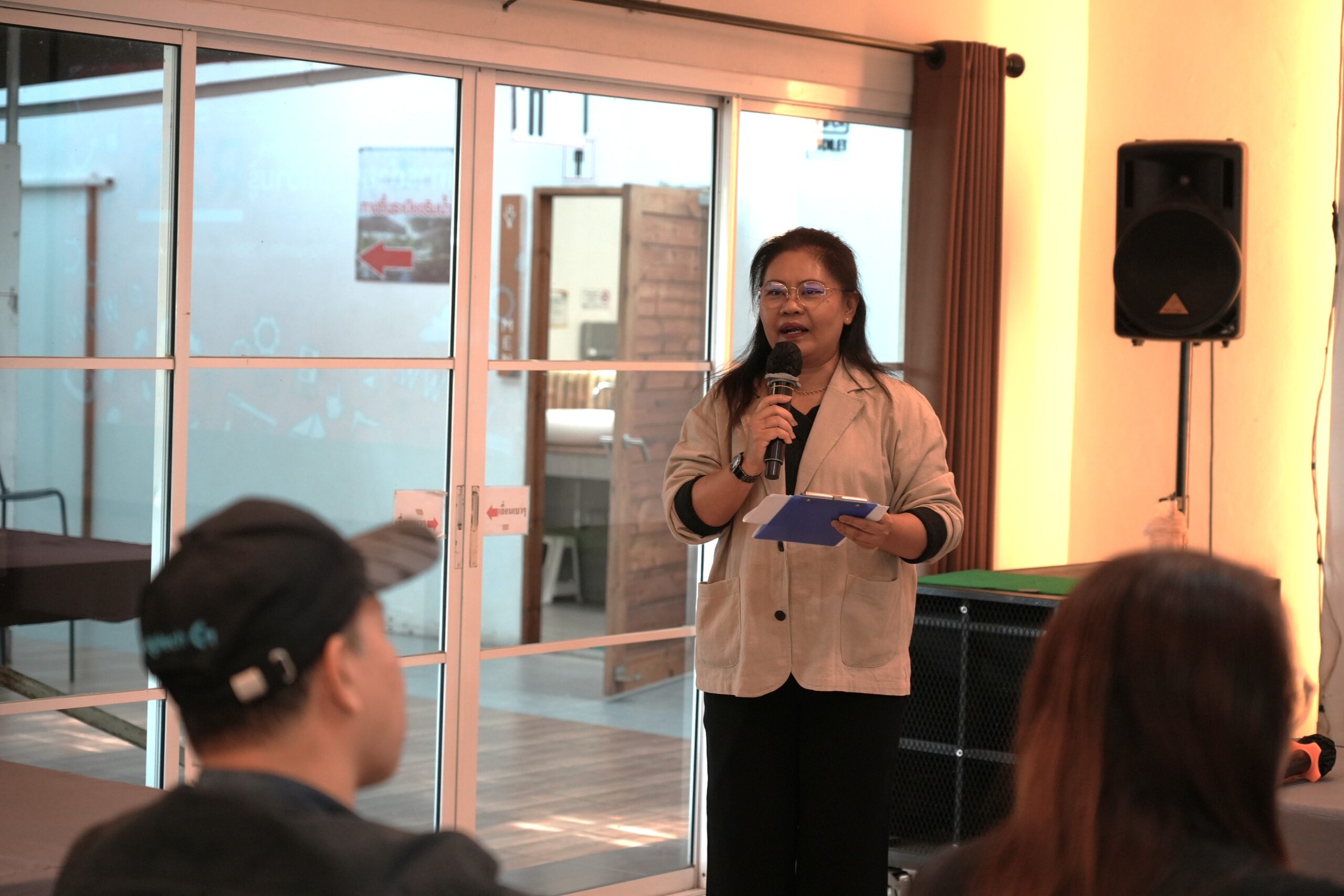
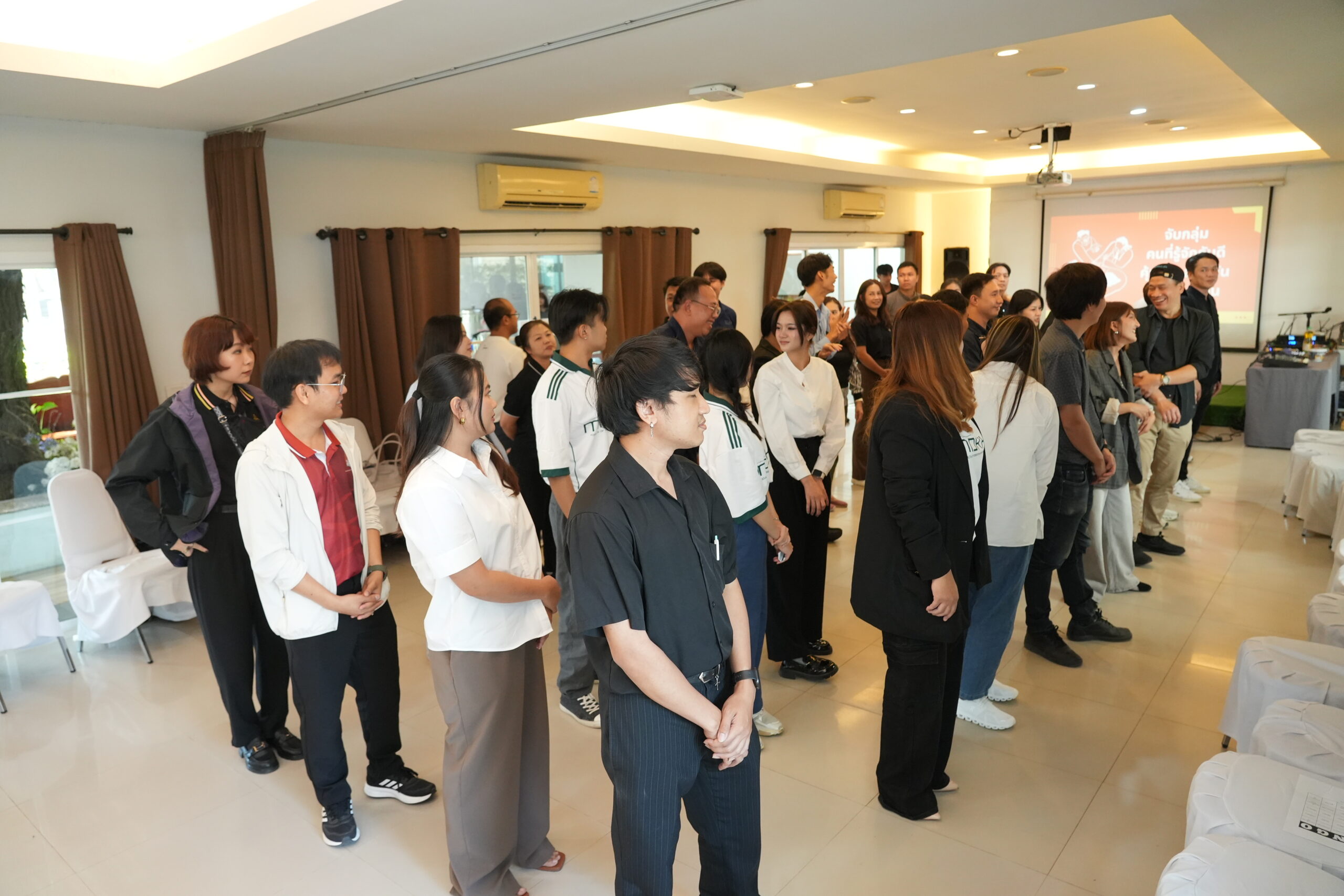
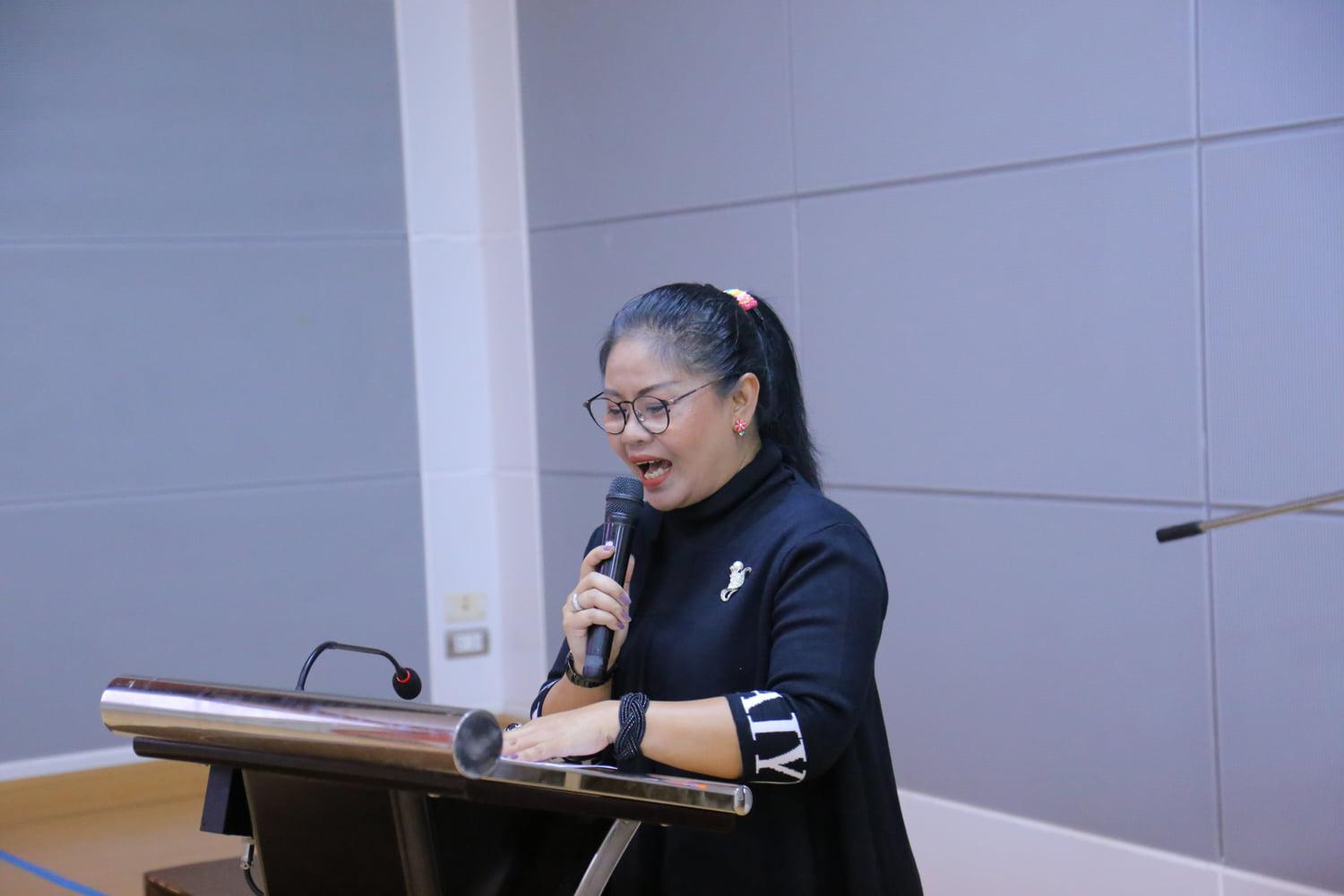
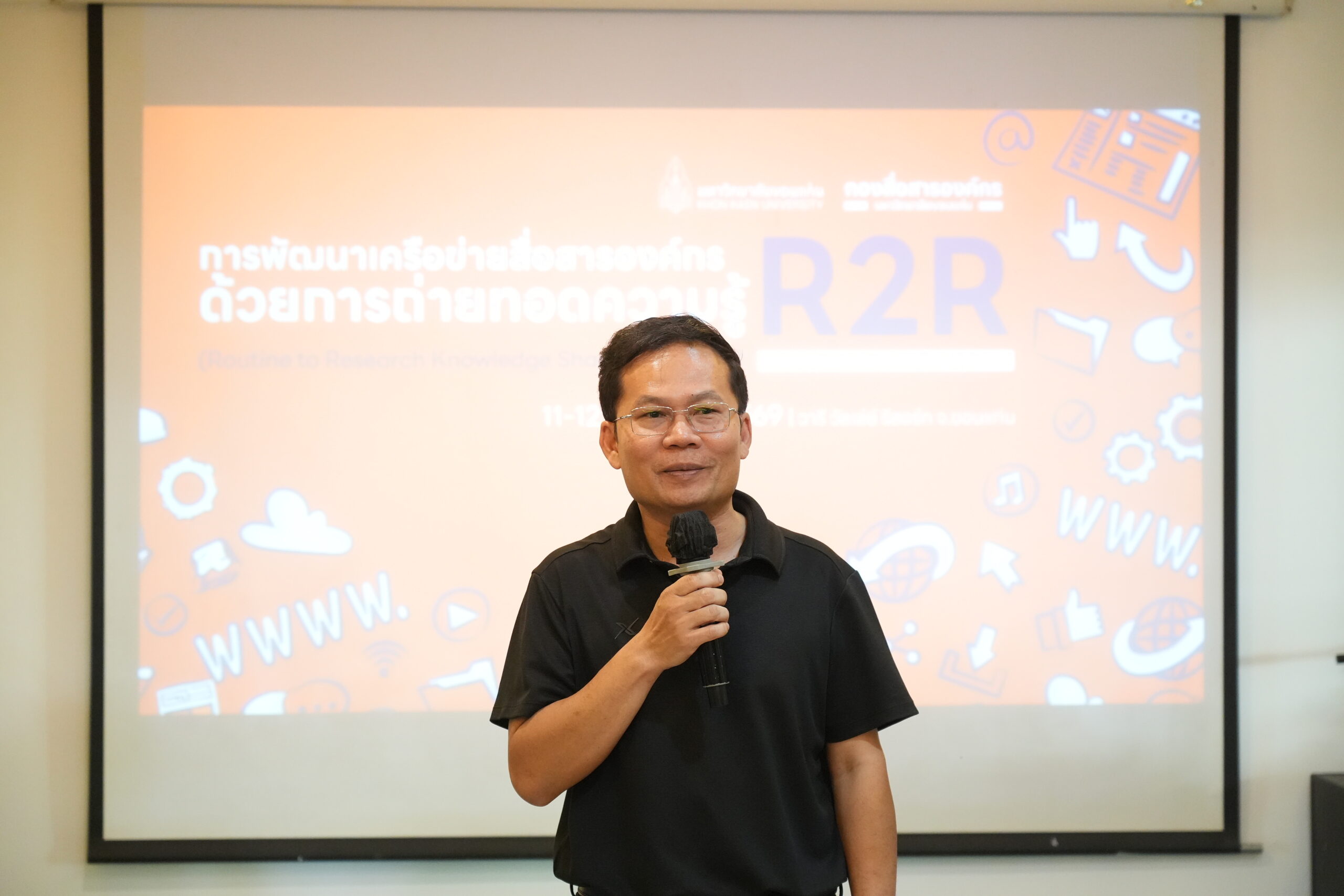
The training commenced with an opening address and a report on the objectives delivered by Mrs. Benjamaporn Mamook, Head of Media Production, and Mr. Chumporn Para, Director of the Division of Corporate Communications.
Mr. Para stated in his address: “In the digital age, communication is not merely public relations; it is a vital mechanism for fostering understanding, building trust, and gaining social acceptance. Communication personnel are, therefore, ‘Communication Ambassadors’ for the University, playing a professional, transparent, and verifiable role in conveying our vision and strategy to the public. Developing this network through the R2R concept is crucial for establishing a communication ecosystem anchored in international standards, ethical principles, and social responsibility, thereby supporting our goal of becoming a trusted and respected university.”
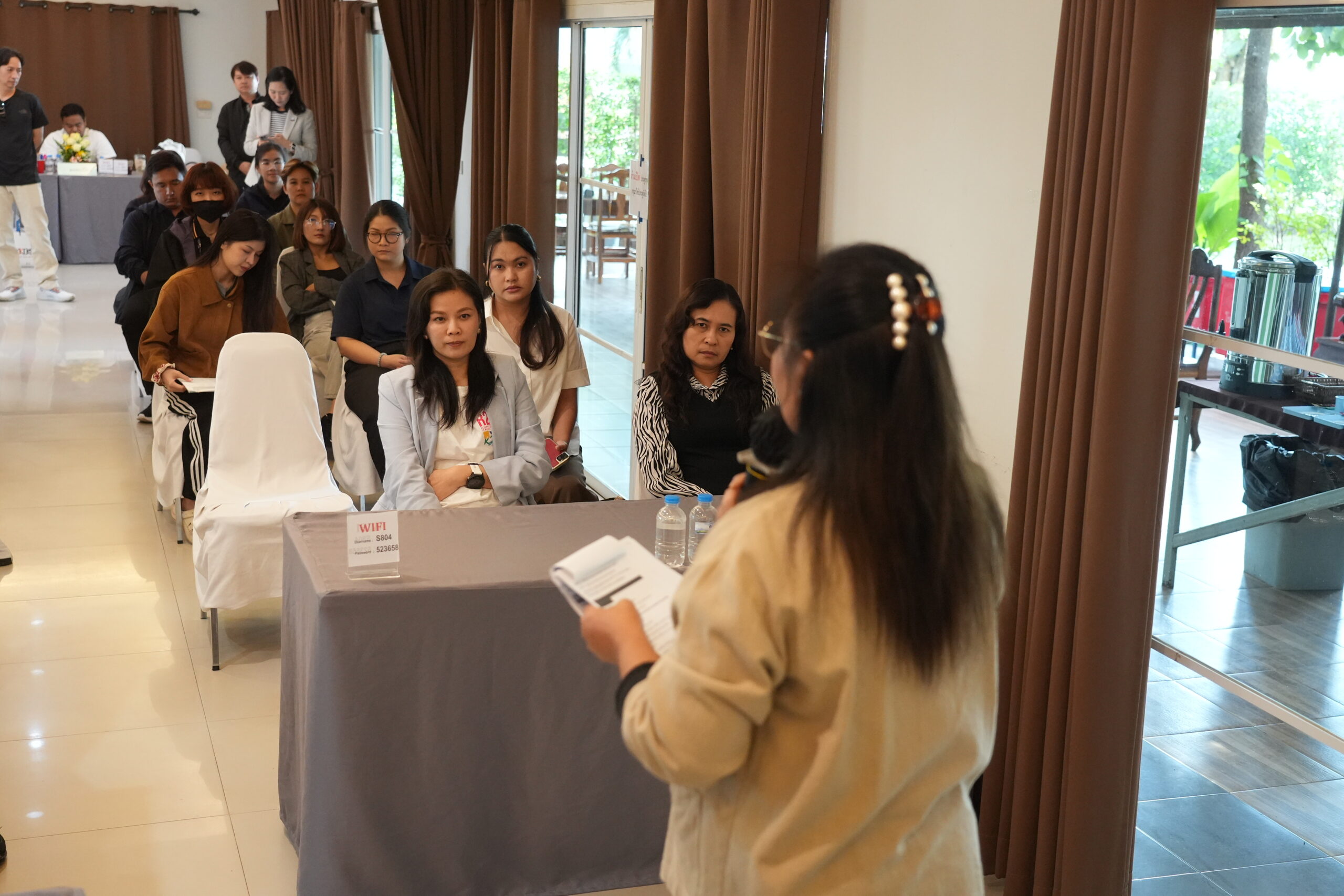
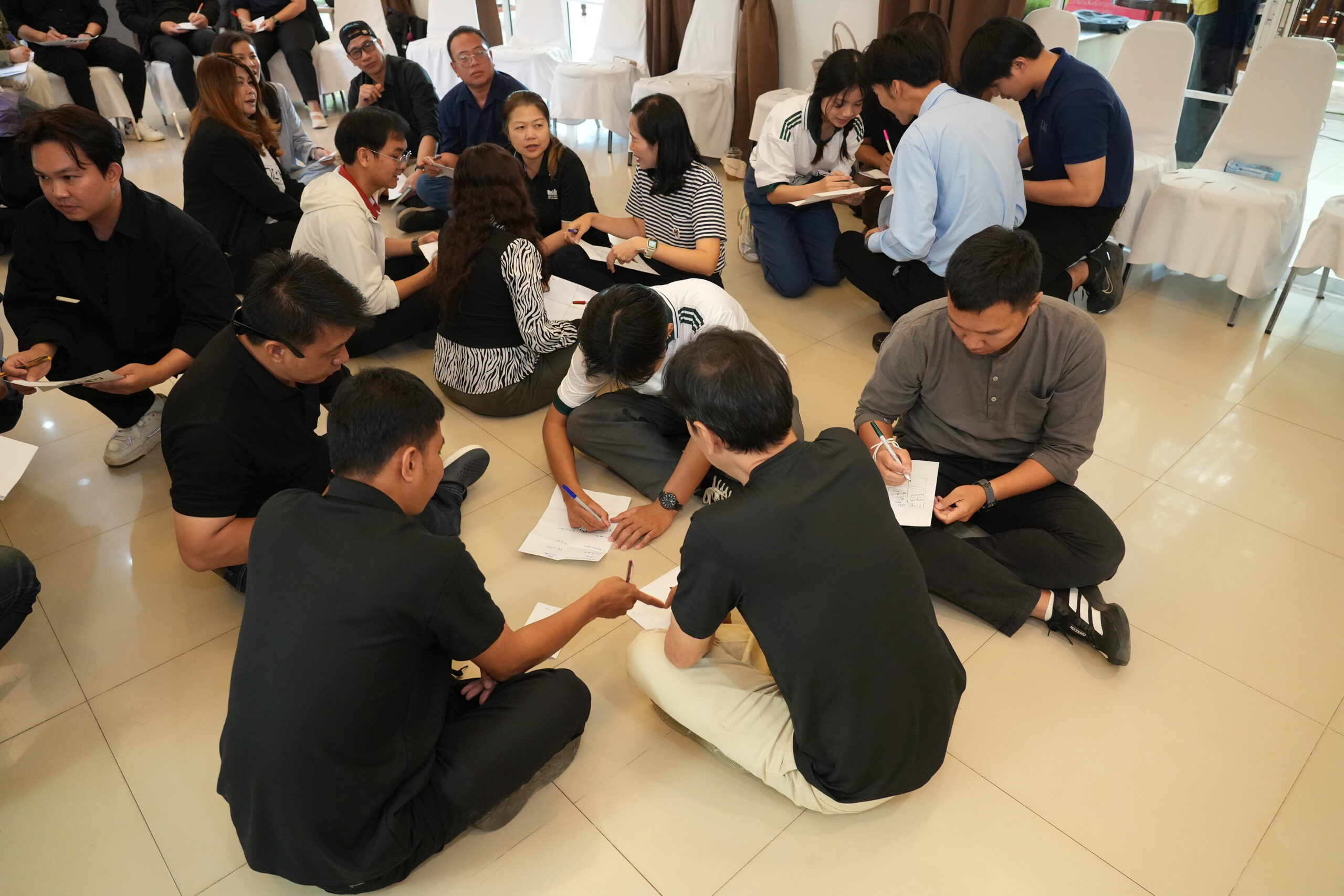
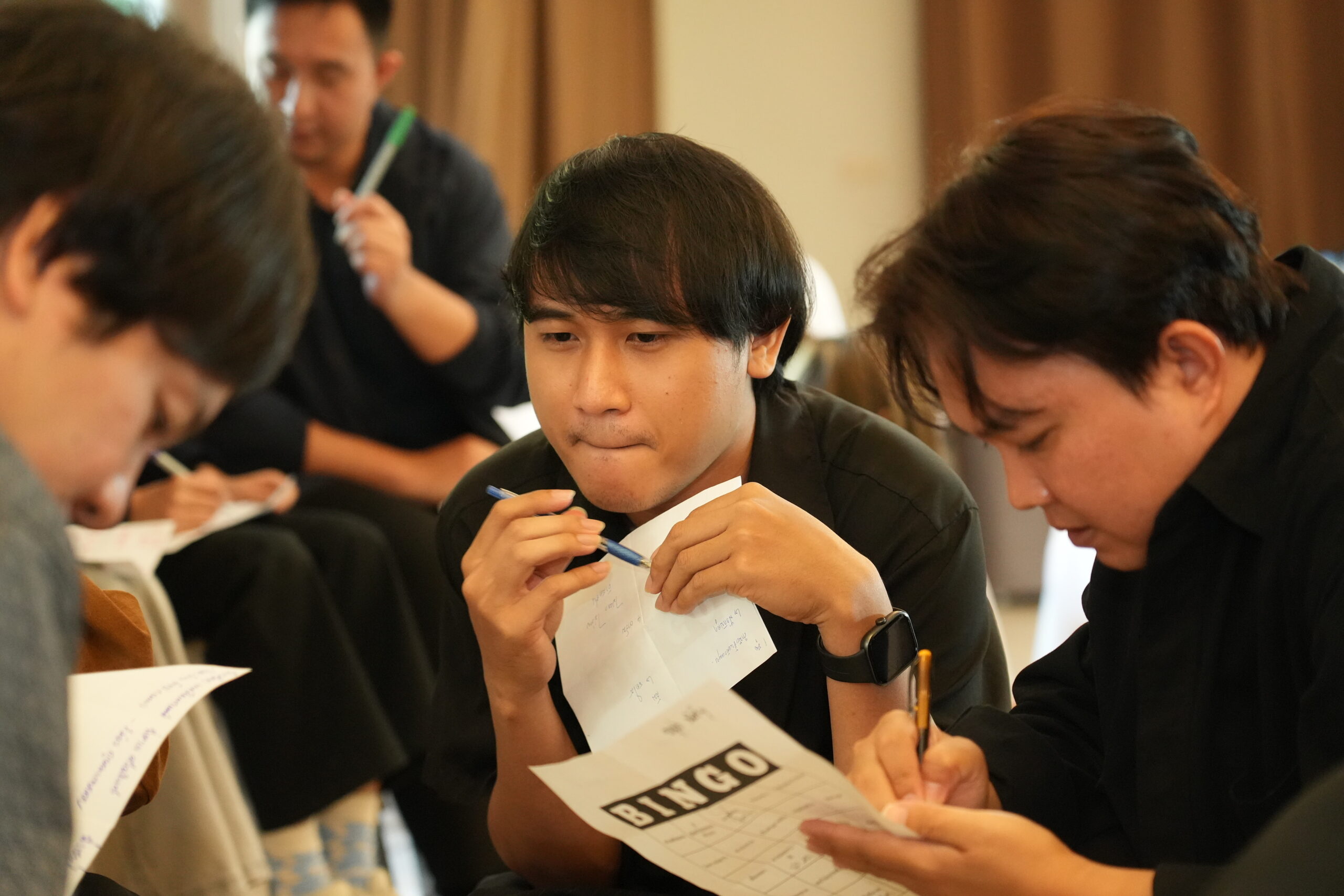
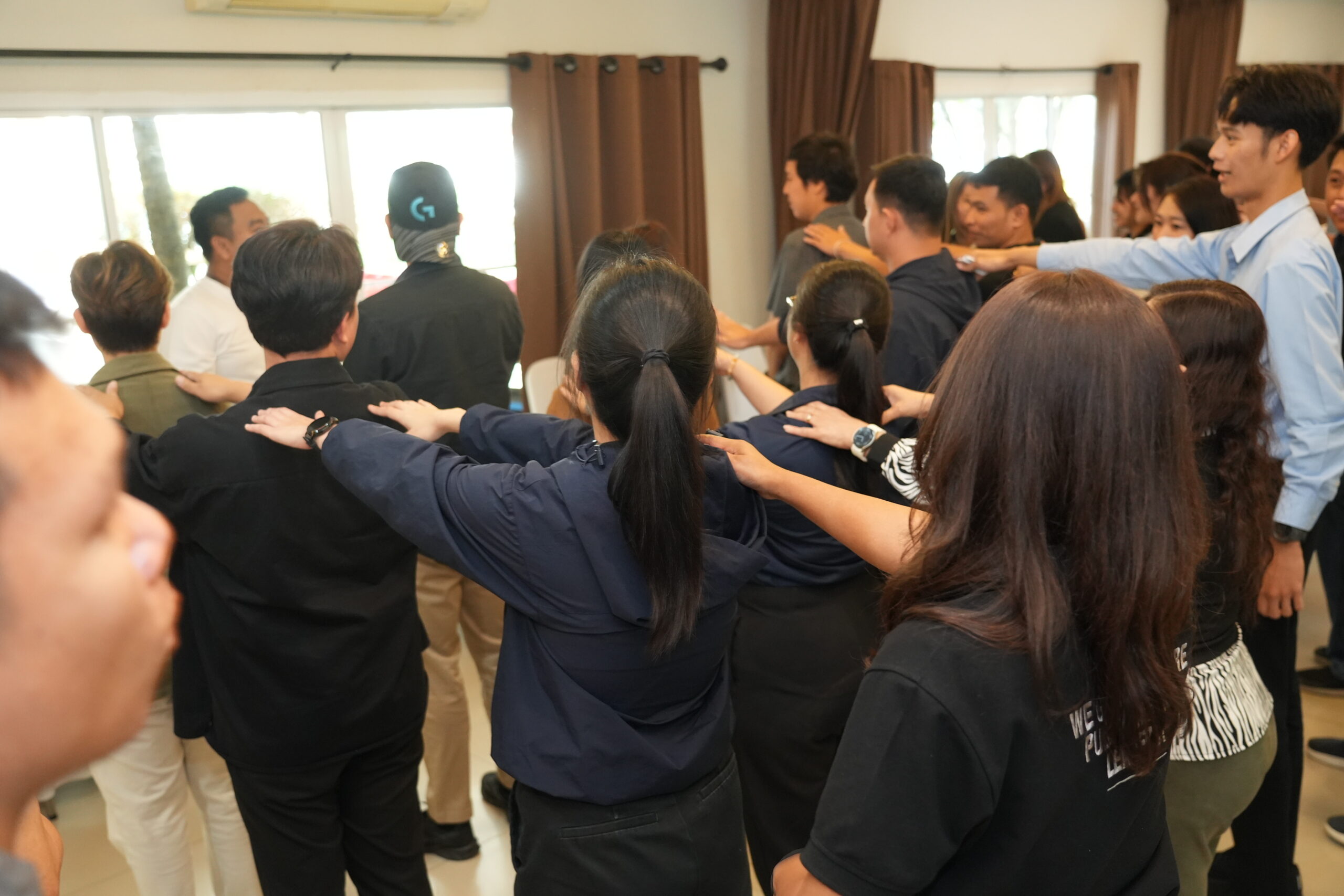
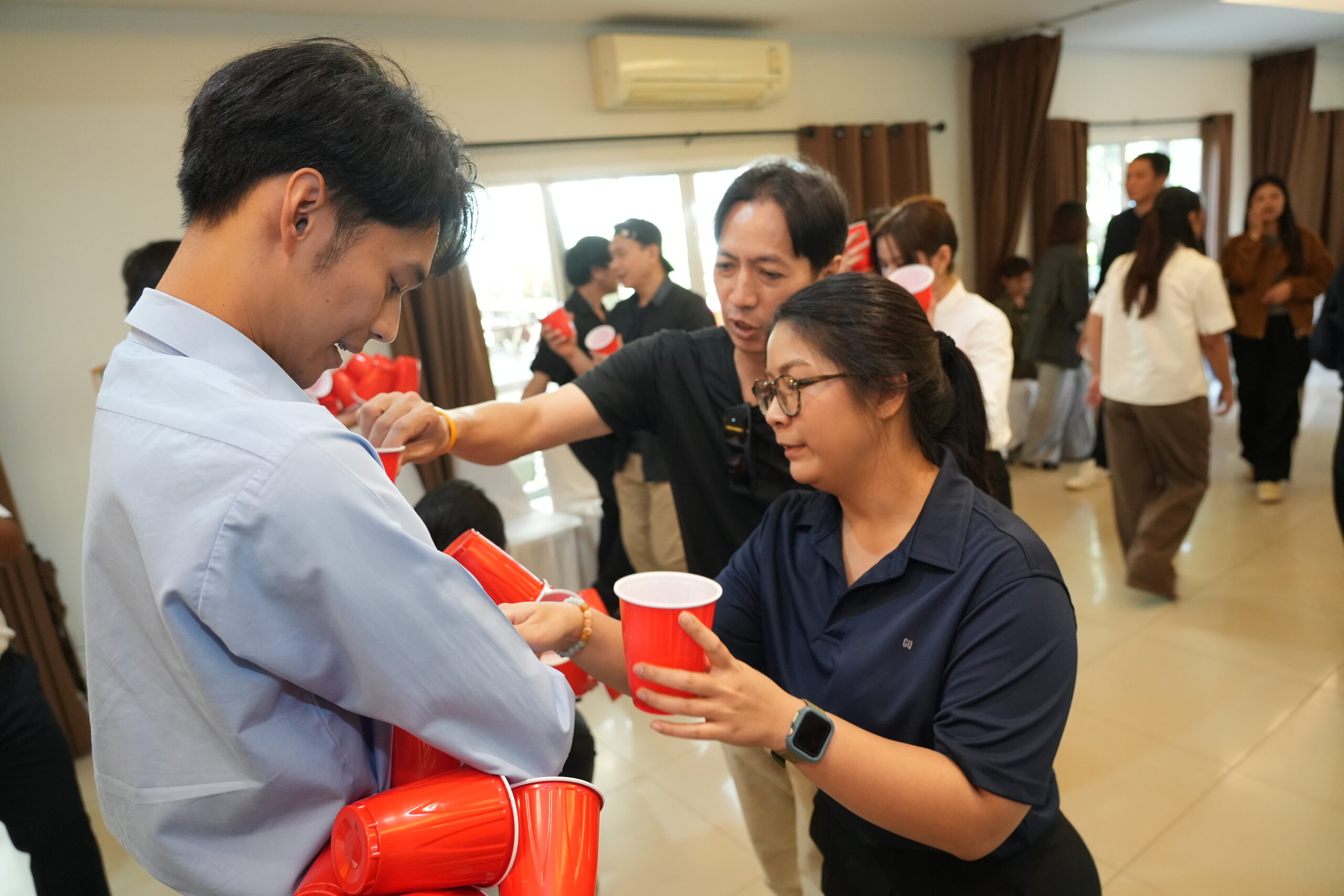
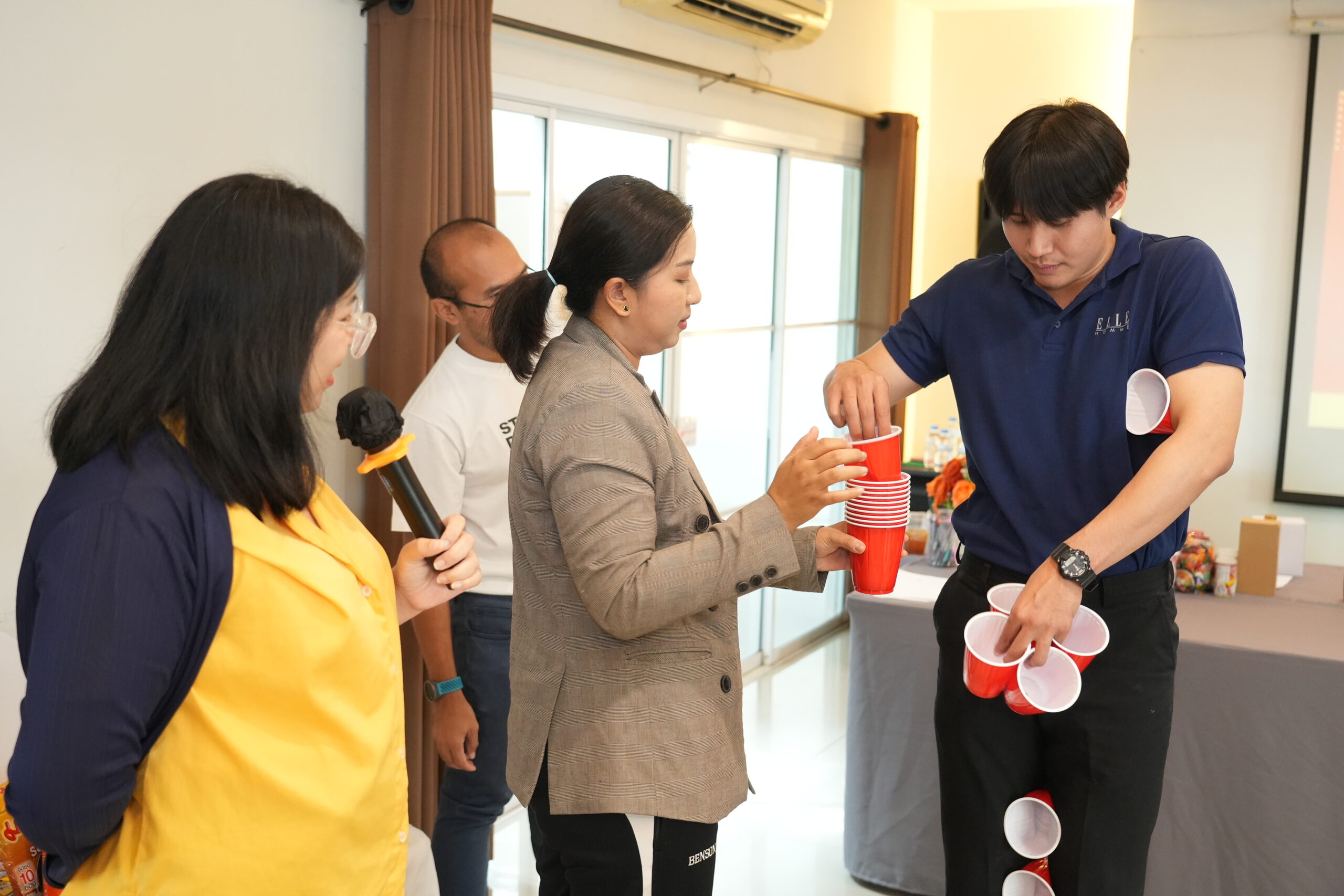
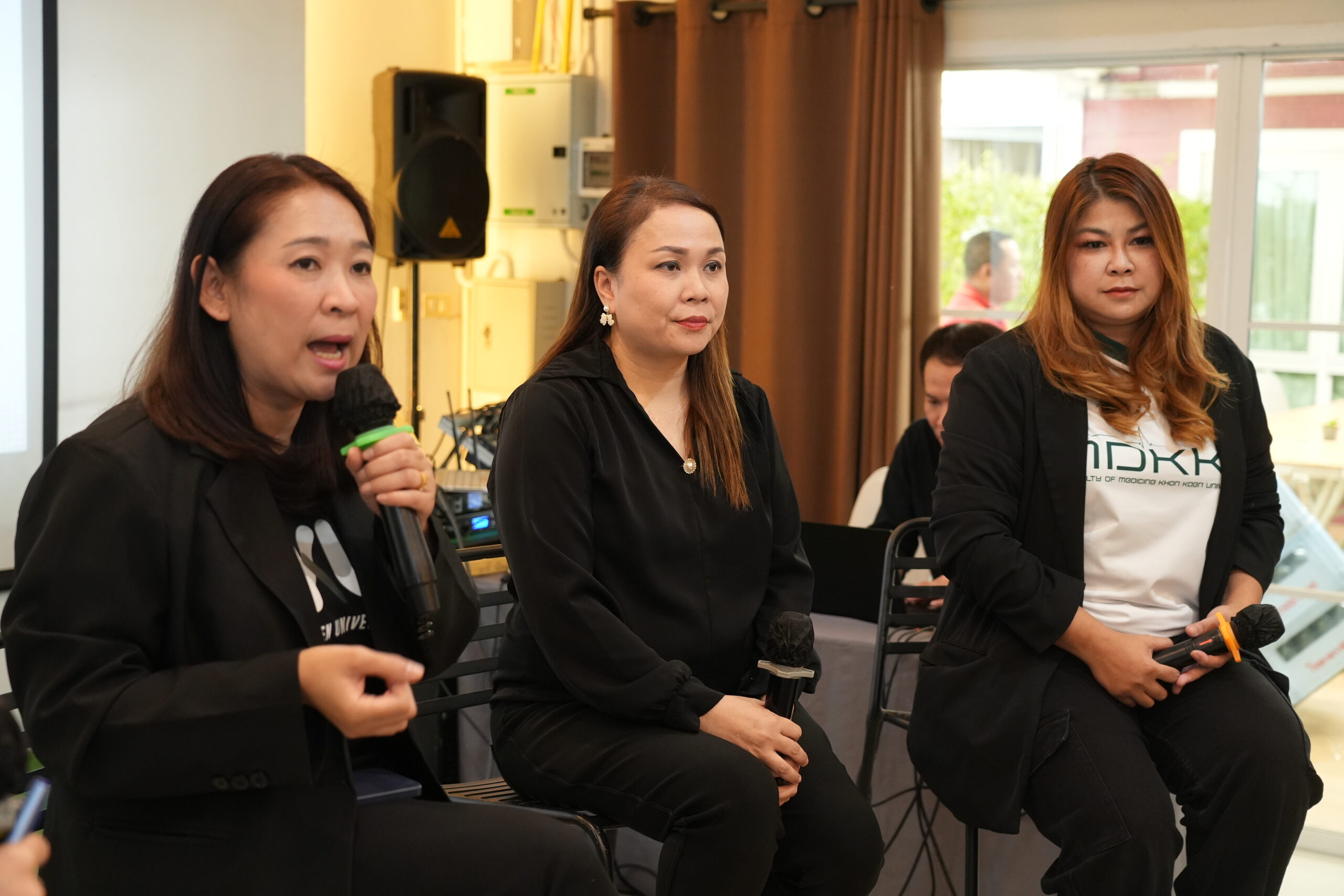
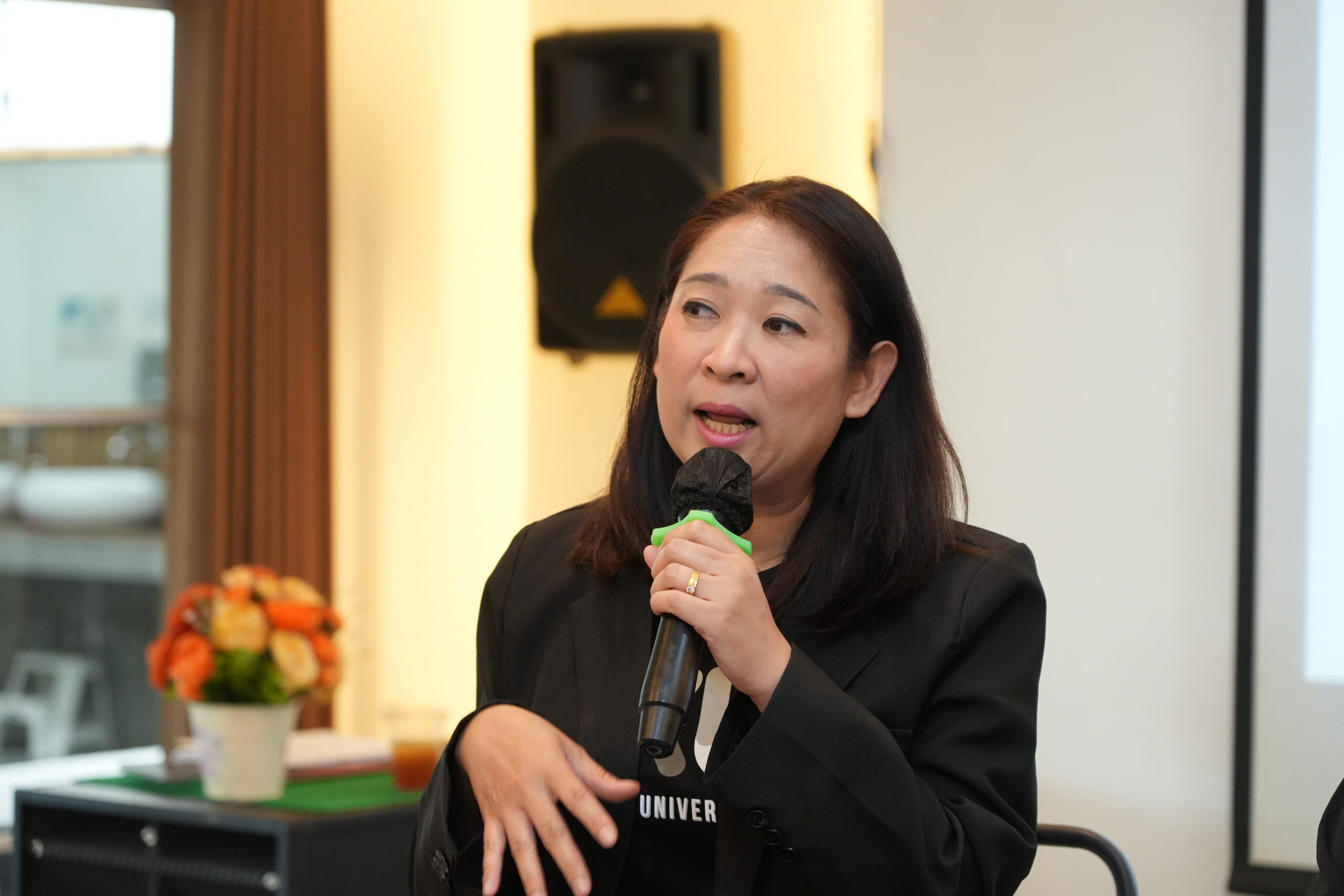
The two-day event included the network-building activity, “R2R Communication Lab,” facilitated by Mr. Phaskorn Teupragone and Mr. Itthiwat Janchaichit. A crucial component was the seminar titled “Professional Communication Network,” featuring Best Practices in communication and corporate branding. The panellists included Ms. Nitiya Sriworadechpaisarn (The Library), Ms. Kunthiraphak Sodmeesakulphakdee (Faculty of Engineering), and Ms. Kamonporn Wannapakae (Faculty of Medicine), moderated by Ms. Raviporn Saisaentong.
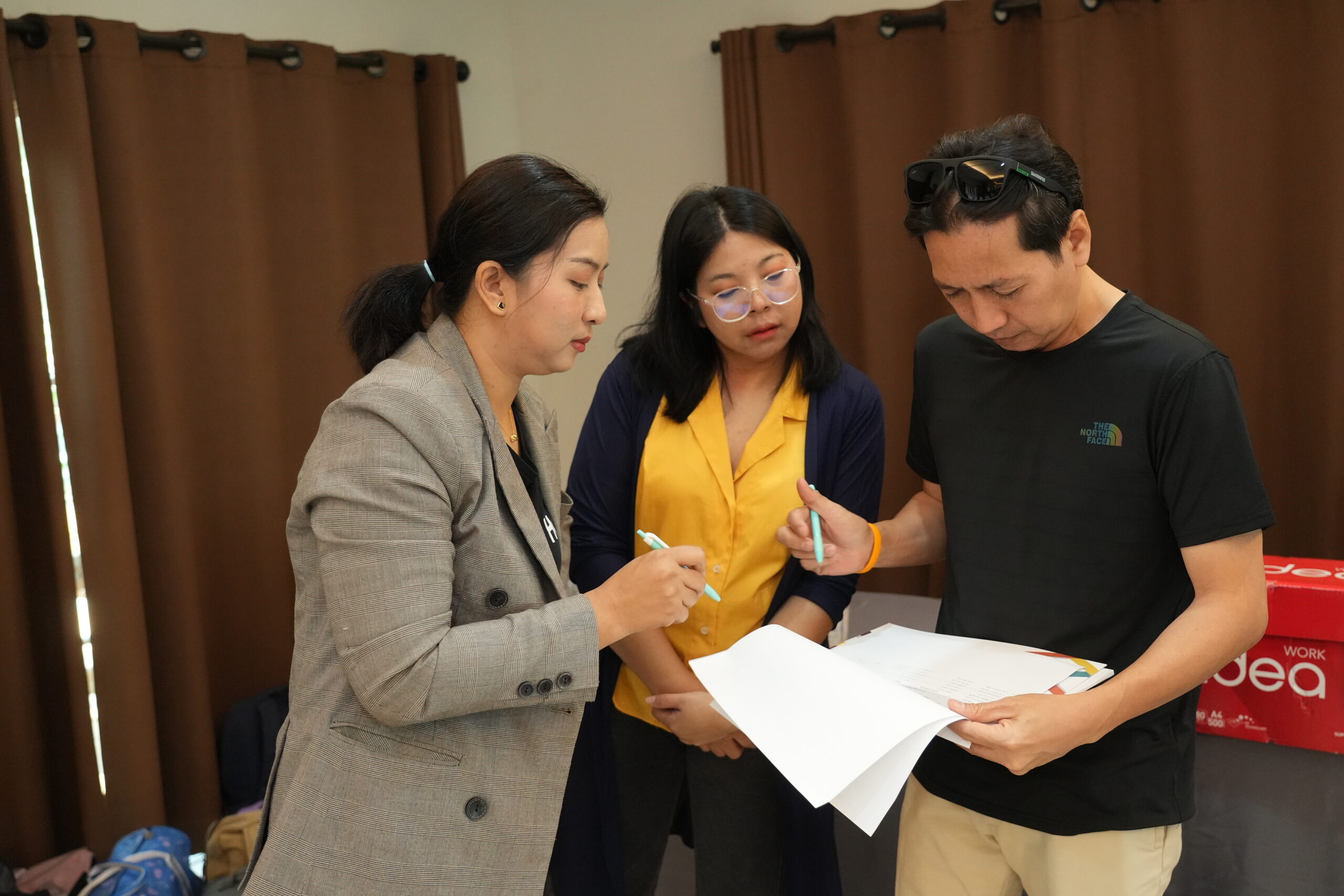
Three highly interesting workshops followed, covering “Generating Research Ideas from Daily Routines,” “Producing High-Quality Media using NotebookLM,” and “Techniques for Presenting Content to Engage Social Media Users.”
Key Lessons from Practitioners
Ms. Nitiya from The Library articulated the concept that “daily work is a learning area,” not just a list of tasks. Routine tasks should not be viewed as minor; they can be developed into “major” initiatives once their inherent value is recognised. She observed that the Library’s public relations work, often viewed purely as supporting administration with no celebrity researchers as a selling point, focuses on the core question: “How can we make the library better known and more accessible?”
The operational lesson learned was that a lack of complaints might indicate a lack of users; thus, problems are not obstacles but opportunities. Every question and complaint provides critical data for institutional development. By consistently analysing repetitive user queries, the team developed a Chatbot system. Furthermore, inquiries from administrators regarding news statistics led to the development of a system for tracking and analysing data on Reach and Engagement. This transformation gradually elevated routine tasks into development projects, knowledge management (KM) initiatives, process innovation, and even national award contenders. Ms. Nitiya concluded: “The critical success factor is systematically collecting data, analysing it, and pursuing consistent development.”
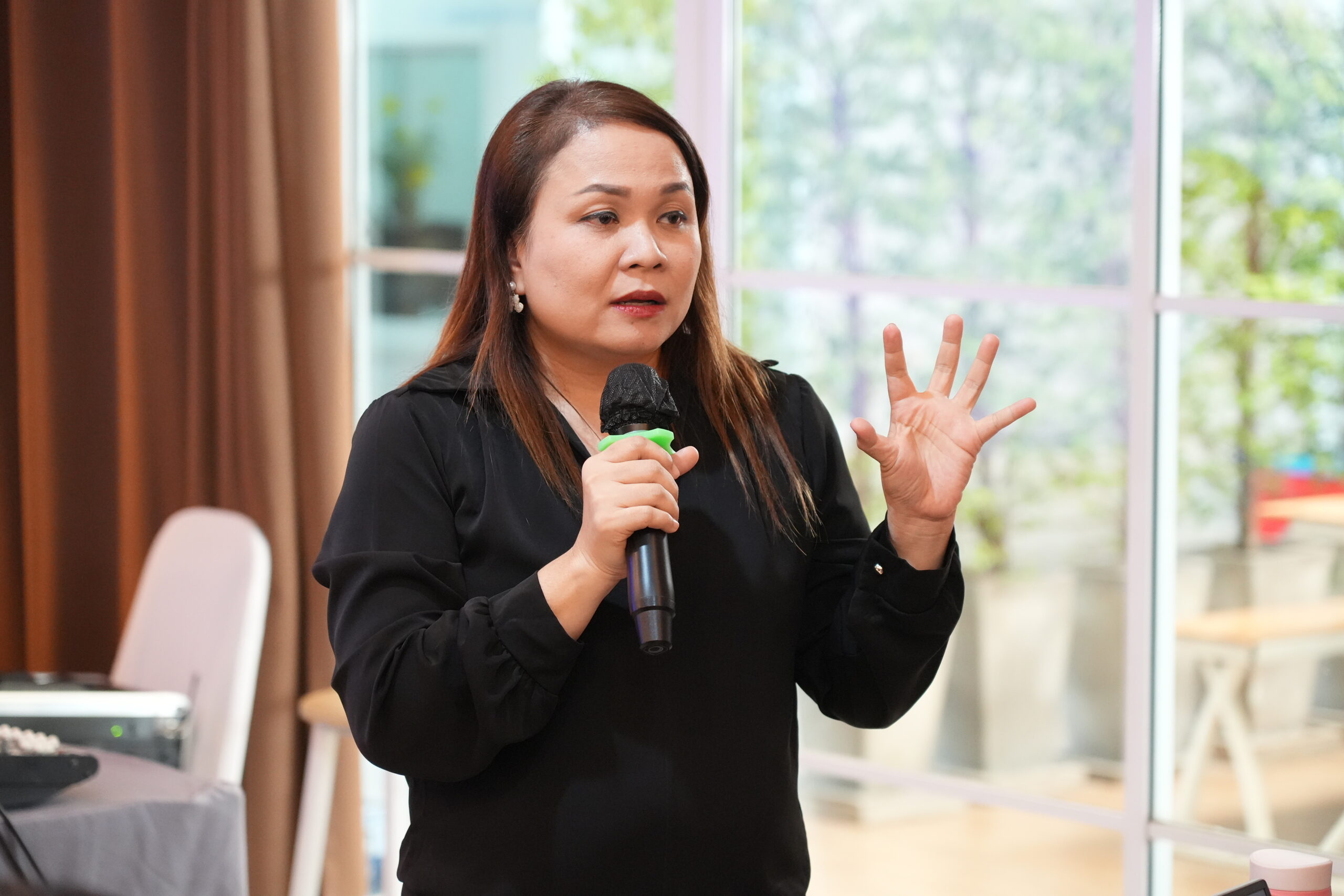 Ms. Kunthiraphak from the Faculty of Engineering shared the principle that “heavy workload is not an obstacle if supported by systems and technology.” She discussed creating a work culture that is “non-pressure but deadline-driven,” combined with leveraging technology and AI in public relations to assist with content creation, data analysis, and workload reduction. This systematic approach led to higher efficiency, notable achievements, and recognition, including the University’s Show & Share Award. “The crucial lesson is that technology is not a distant concept; it is an essential tool for enhancing potential and advancing routine work beyond traditional boundaries,” she remarked.
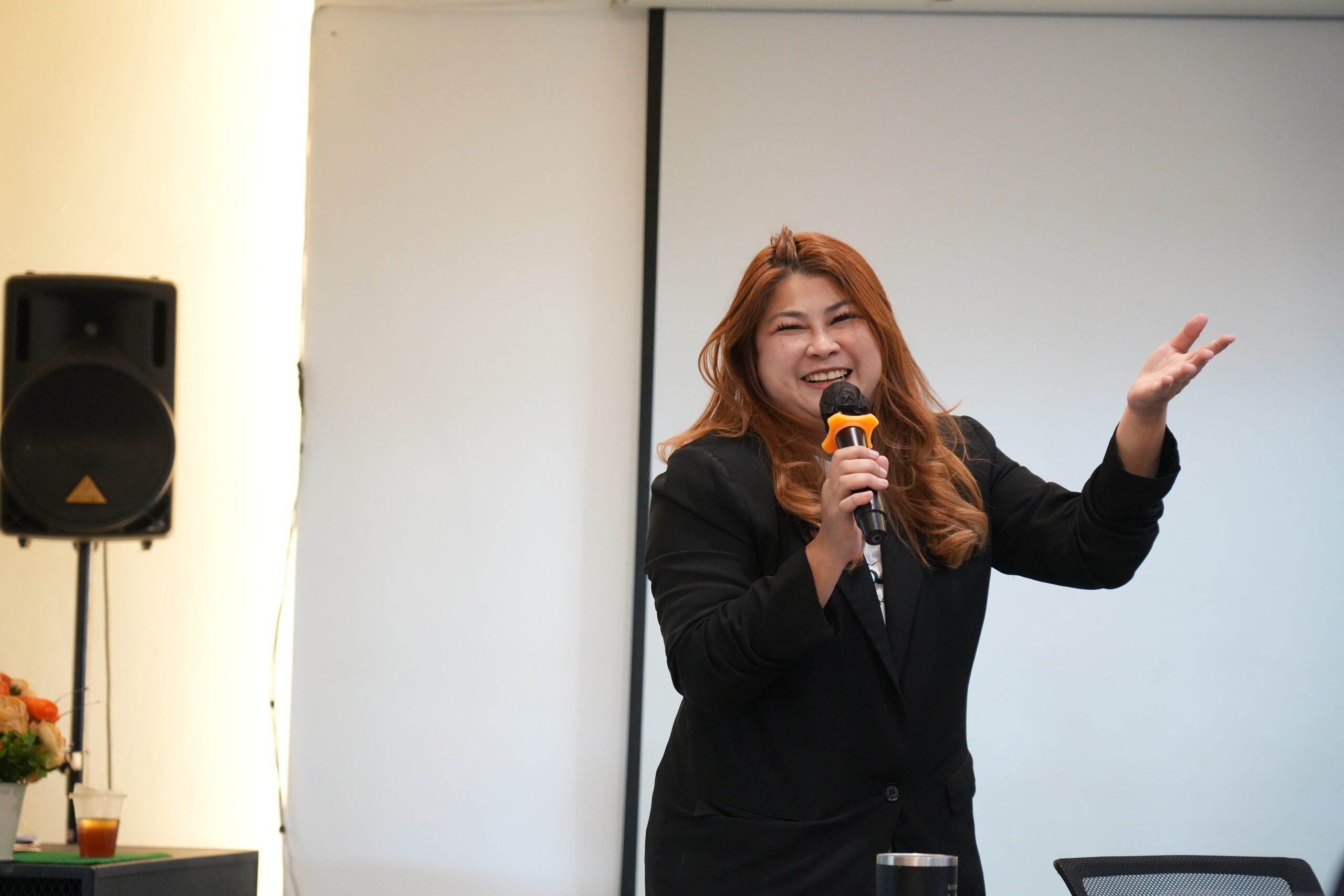
Ms. Kamonporn from the Faculty of Medicine shared the experience of “Rebranding the Organisation… Starting from Scorn.” She reflected that despite having over 7,000 personnel, the Faculty of Medicine’s former image—spanning 50–60 years—was perceived as austere, overly formal, and communication often remained strictly ceremonial. The criticism, “PR staff just carry baskets and follow executives,” became the primary catalyst for the communication team to re-evaluate its role and redefine its brand identity, personality, and modernity.
The result was a comprehensive rebranding effort, including adjusting the colour palette, modifying the visual identity, reducing formality by increasing the ‘Smart’ element, restructuring the team, and outsourcing graphic design experts to elevate media quality. The focus shifted from producing a high volume of low-quality news to creating high-value content with a clear strategic direction. Ms. Kamonporn emphasised: “When others do not yet value your work, you must create tangible value that is demonstrable through proven results.”
Positive Outcomes and Future Direction
The atmosphere of the programme was intense yet cordial, providing participants with valuable content, practical knowledge, and fostering mutual collaboration guidelines.
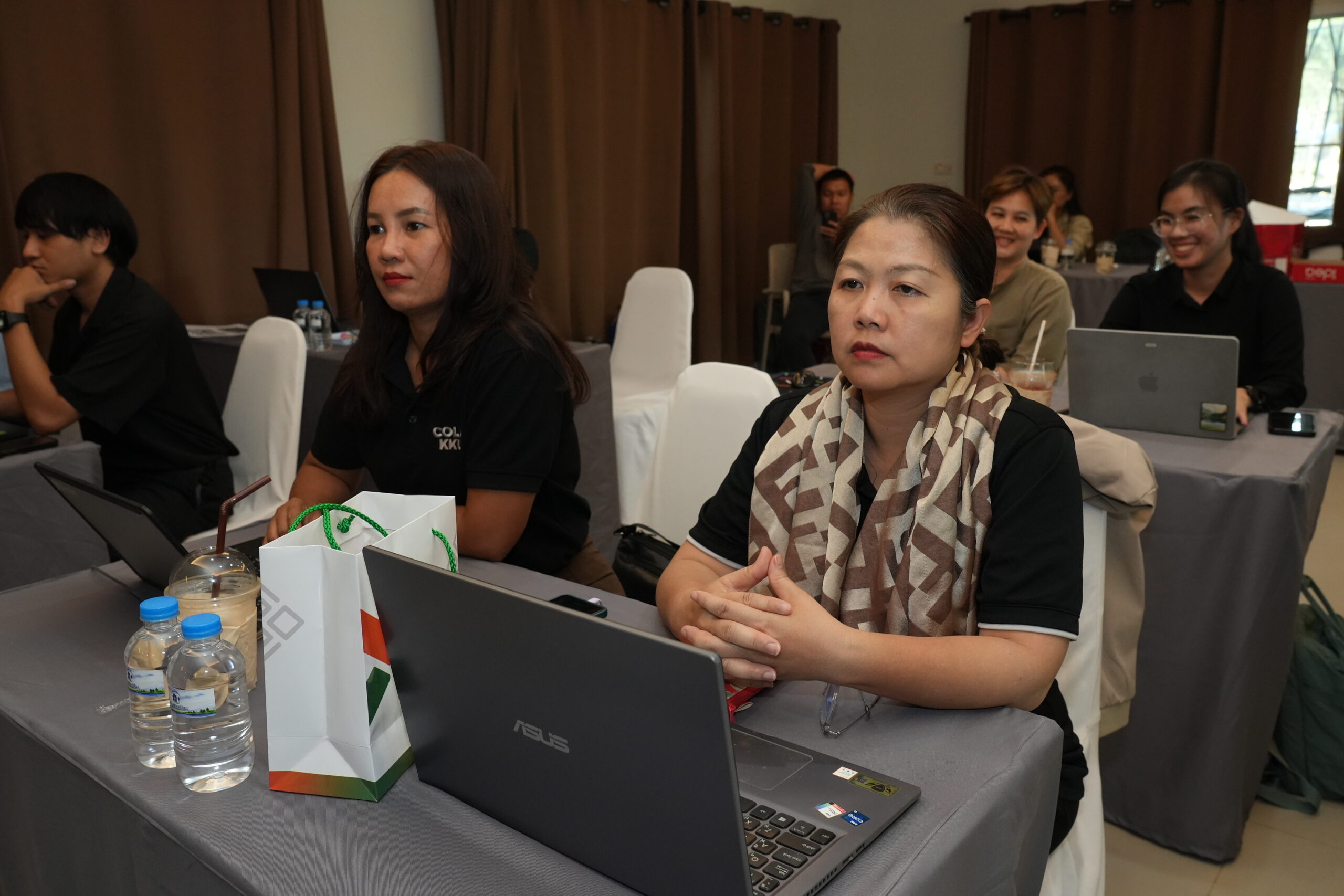 Mrs. Ying Photisuwan from the Faculty of Dentistry noted that the activity provided new information and knowledge applicable to professional development, particularly in using digital platforms and AI tools for news writing and communication work, thereby improving speed and efficiency. The event also strengthened friendships and professional networks, highlighting the development of the new generation of personnel in terms of academic skills, commitment, and mutual support. Mrs. Photisuwan expressed confidence that continued training would enhance the Unity and institutional pride among KKU staff.
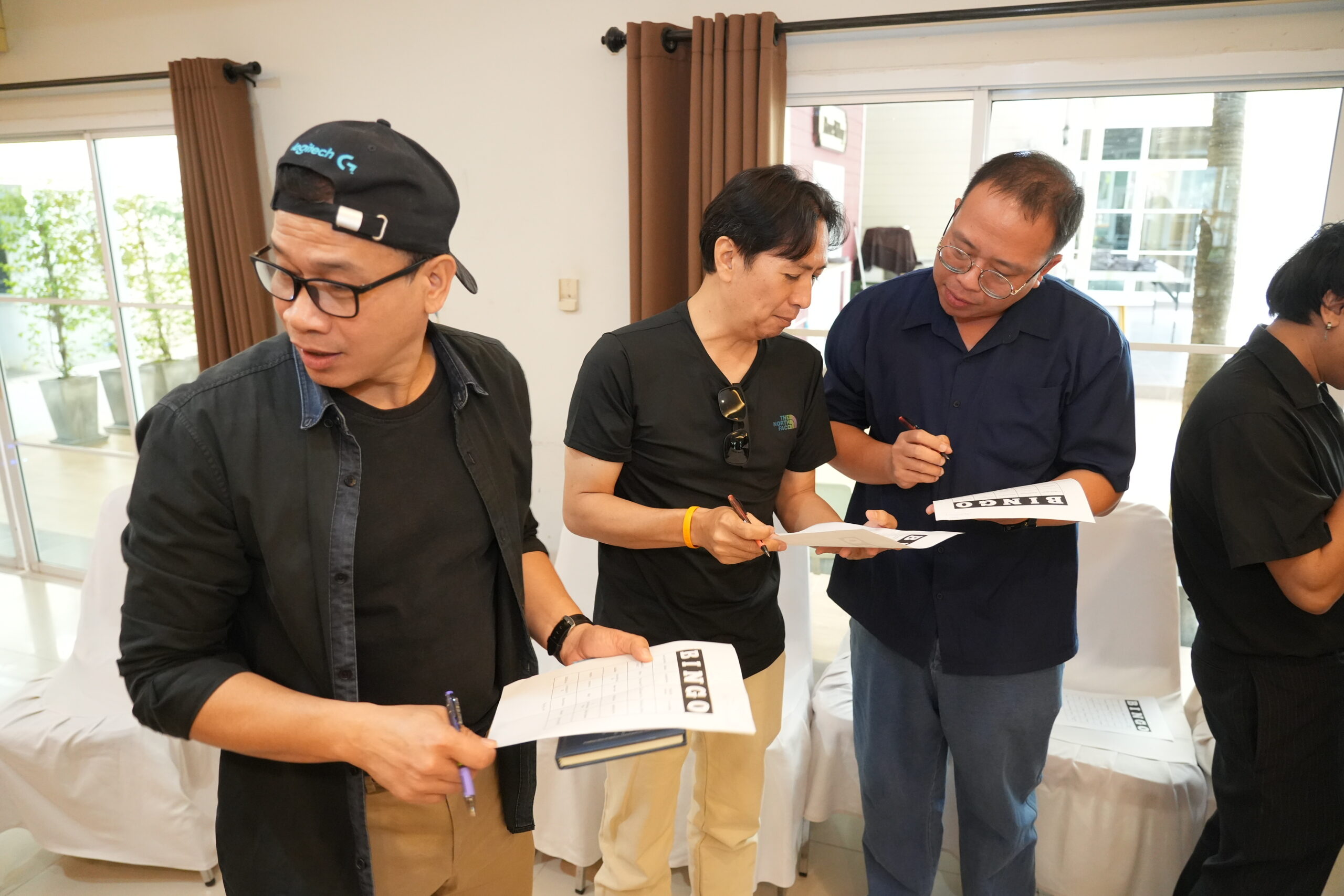
Mr. Suchart Theppukheo from the Faculty of Science commented that the seminar showcased the network’s solidarity, allowing for the exchange of experiences in both R2R and AI tool utilisation. He affirmed that these elements are critical for immediate efficiency gains and contribute significantly to both individual potential development and overall organisational improvement.
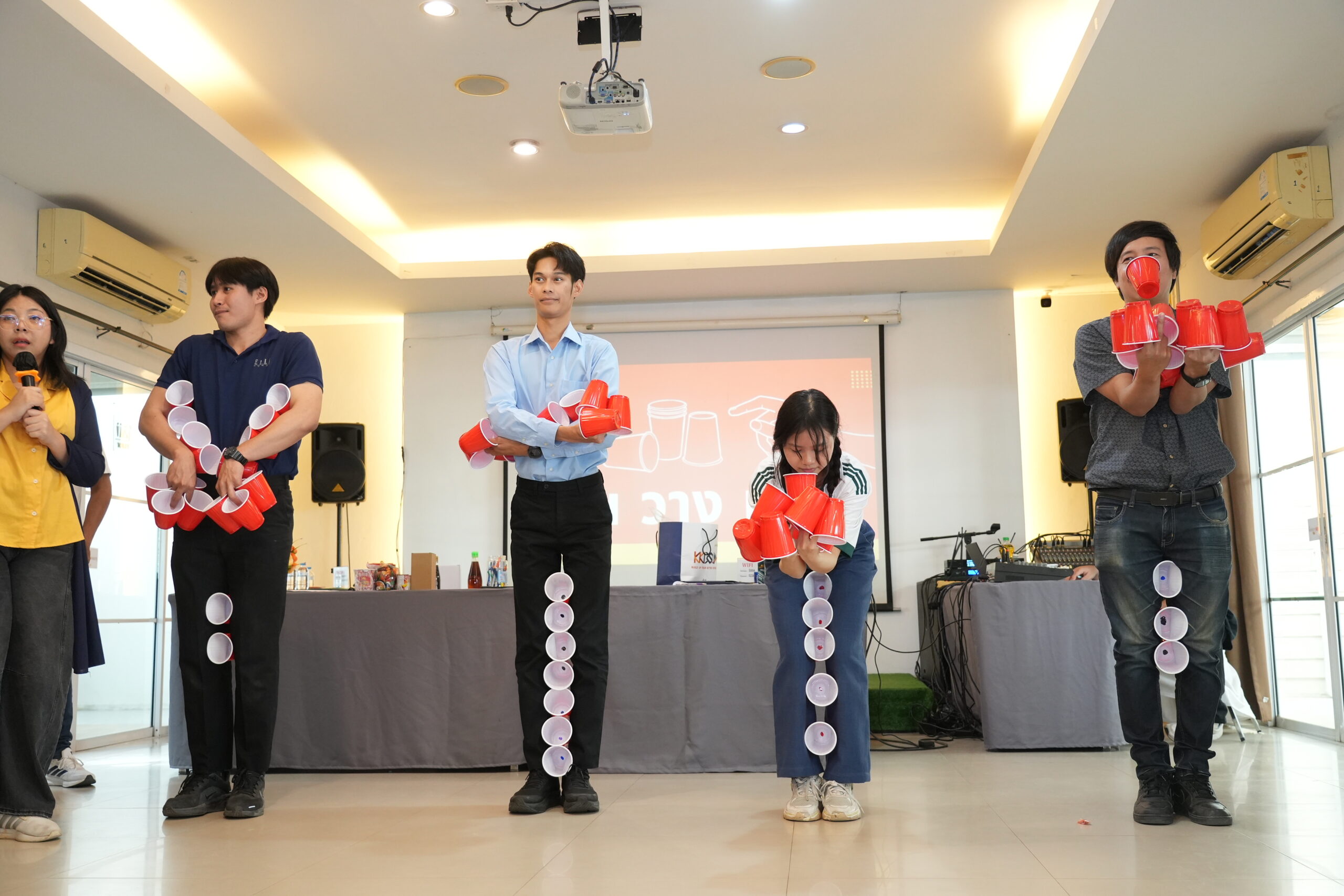
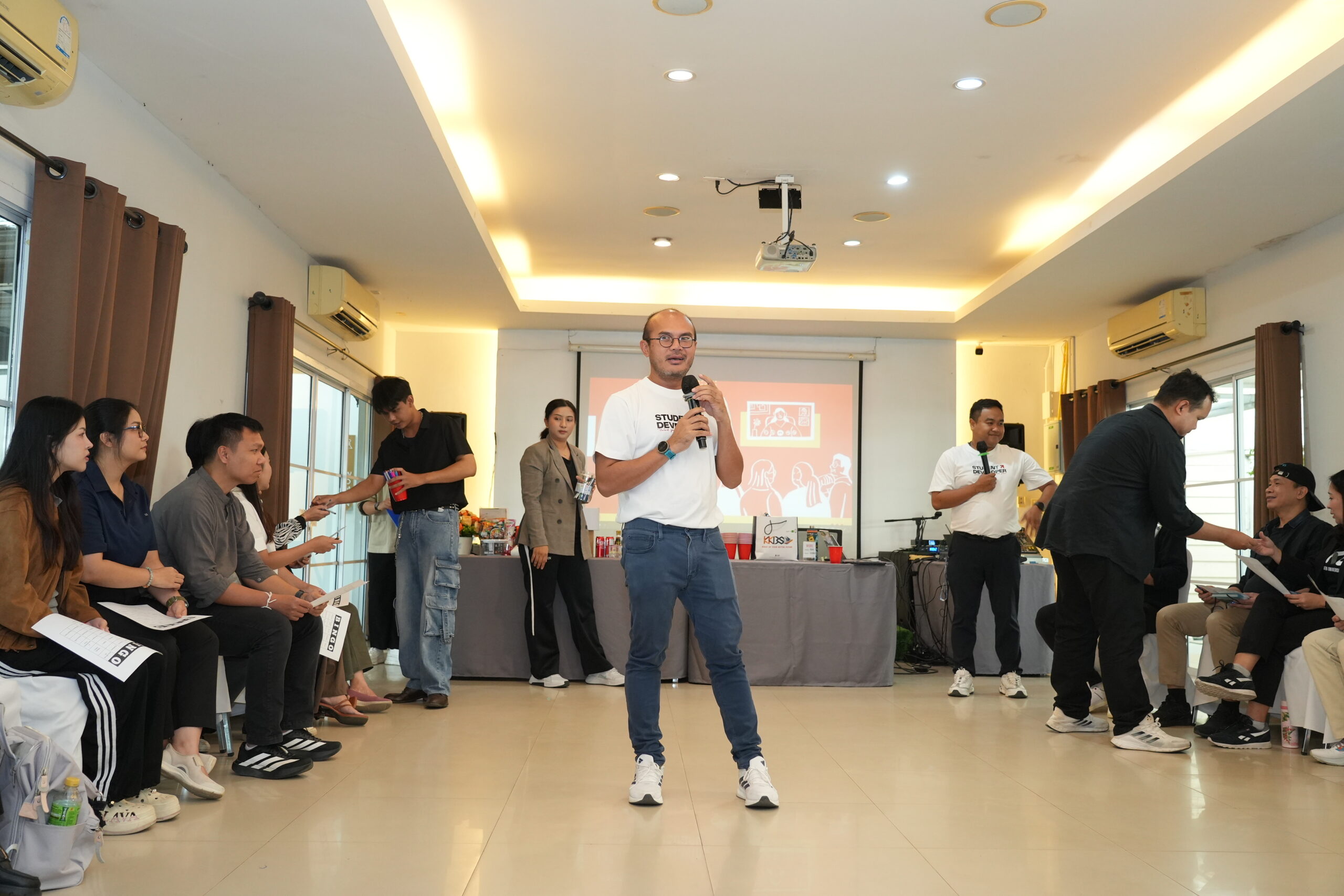
This activity forms an integral part of Khon Kaen University’s 2026 Online Media Production Potential Development Project, aligning with the vision of becoming “A World-Leading Research and Development University” under the concept of “Future-Ready KKU.” It specifically addresses Strategy 6: Administration based on Good Governance and Organisational Image Communication (Beyond Good Governance), by using the corporate communication network as a tool to reinforce governance, transparency, and professionalism.
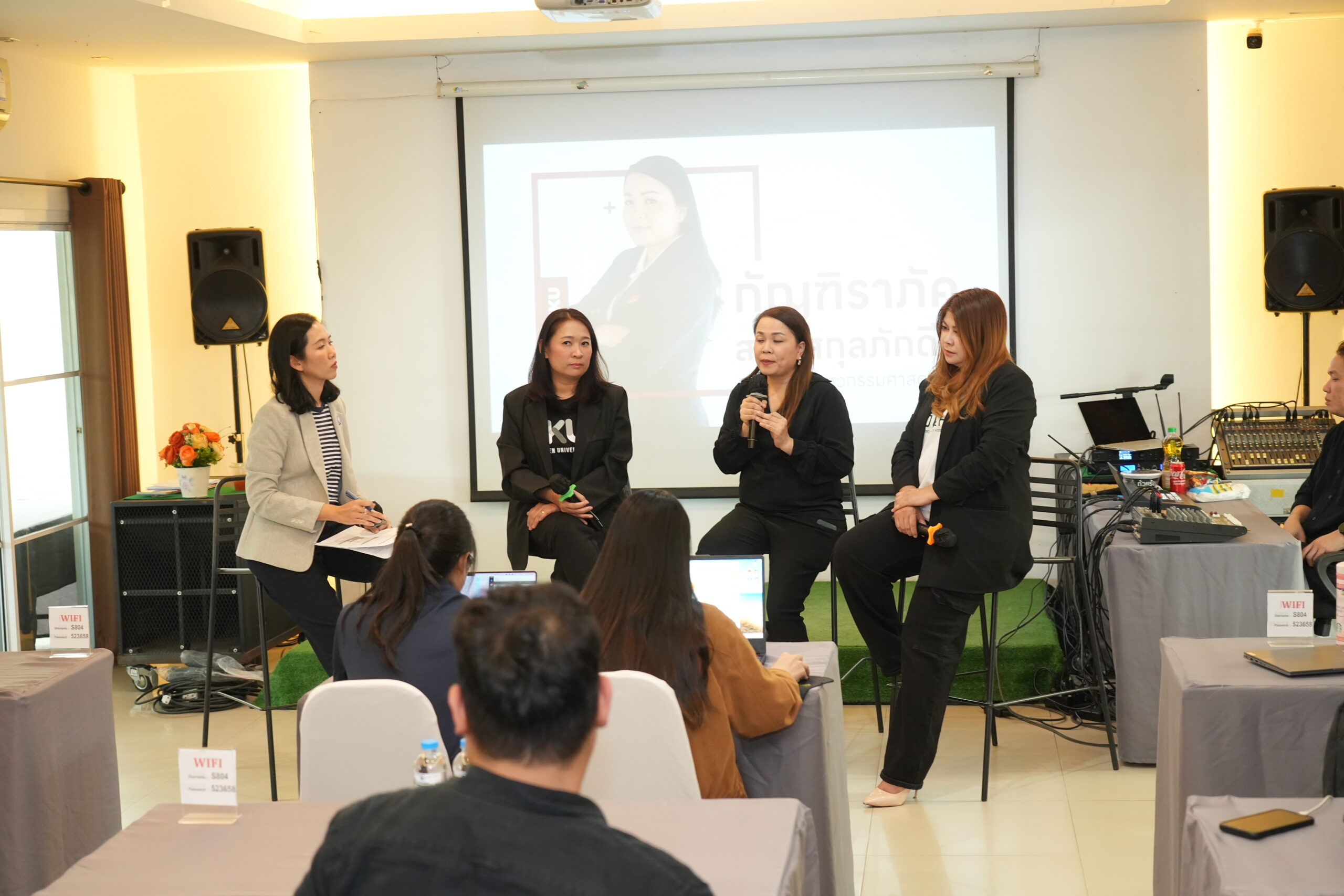
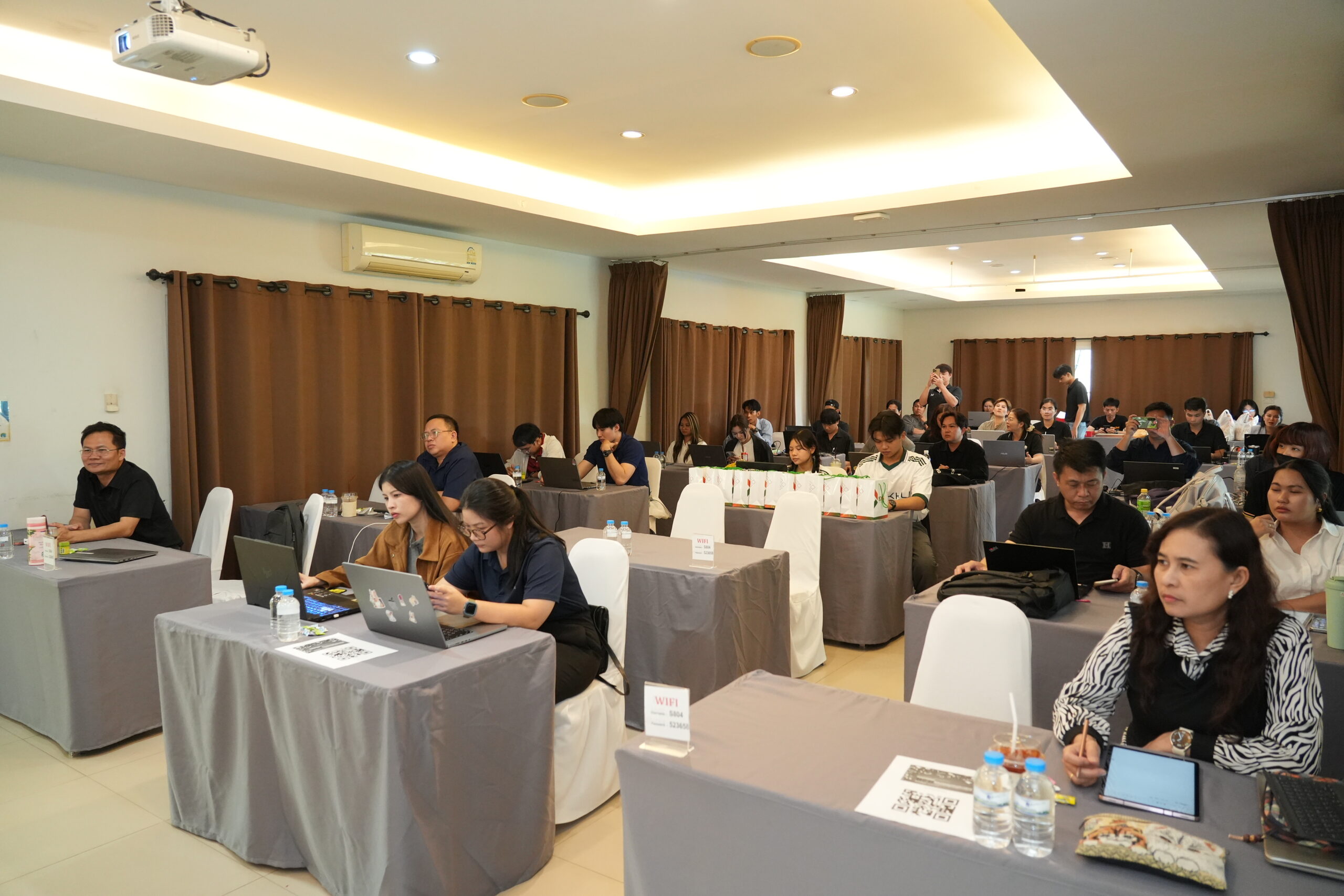
The outcome of this programme is expected to elevate the capacity of the corporate communication network, enabling staff to transform routine tasks into research, produce high-quality media, and foster greater inter-departmental collaboration. Ultimately, this strengthens the credibility, transparency, and positive image of Khon Kaen University, moving its strategies towards sustainable excellence.
News: Benjamaporn Mamook / Punwasan Kuntip, 4th Year Co-operative Education Student, Thai Language Programme, Faculty of Humanities and Social Sciences, Khon Kaen University.
Photos: Atthaphon Hampong / Natthawut Jaruwong / Natdanai Upanan, Co-operative Education Student, Sripatum University Khon Kaen Campus.