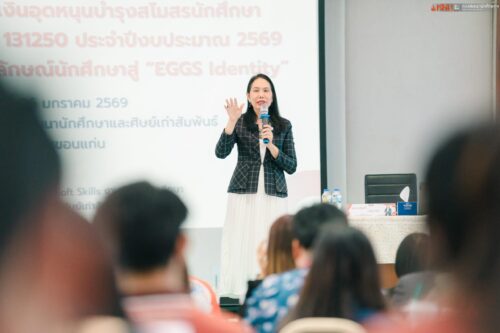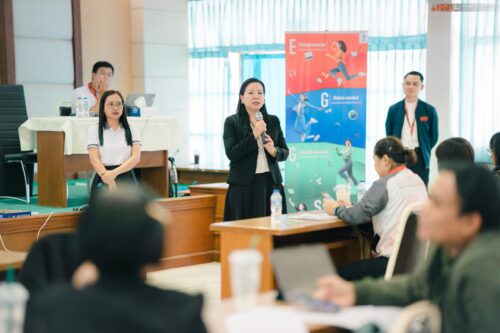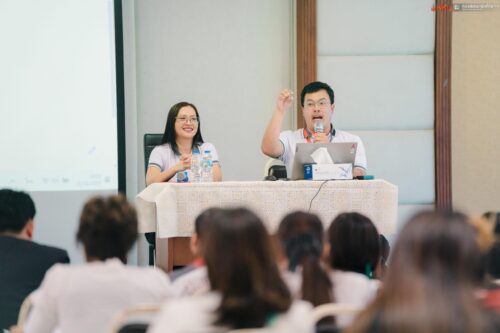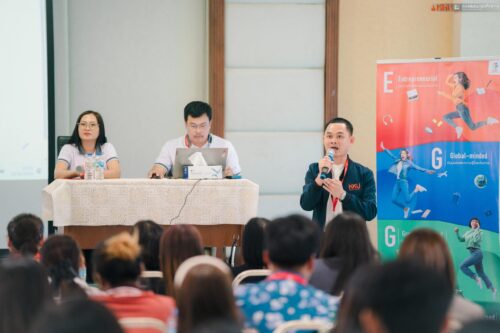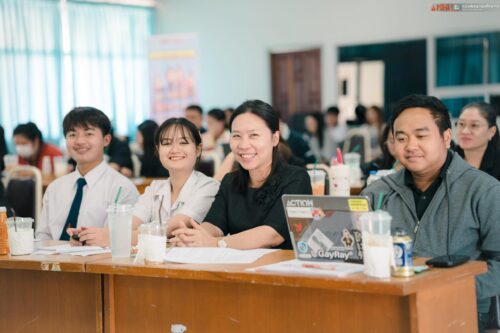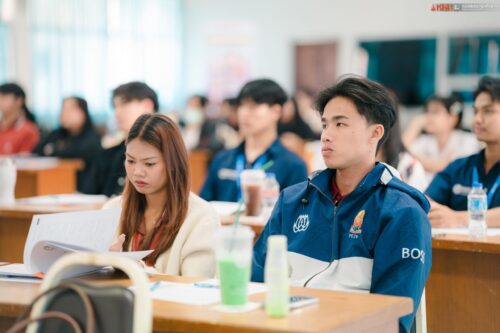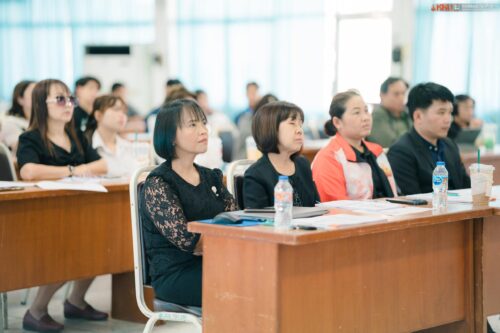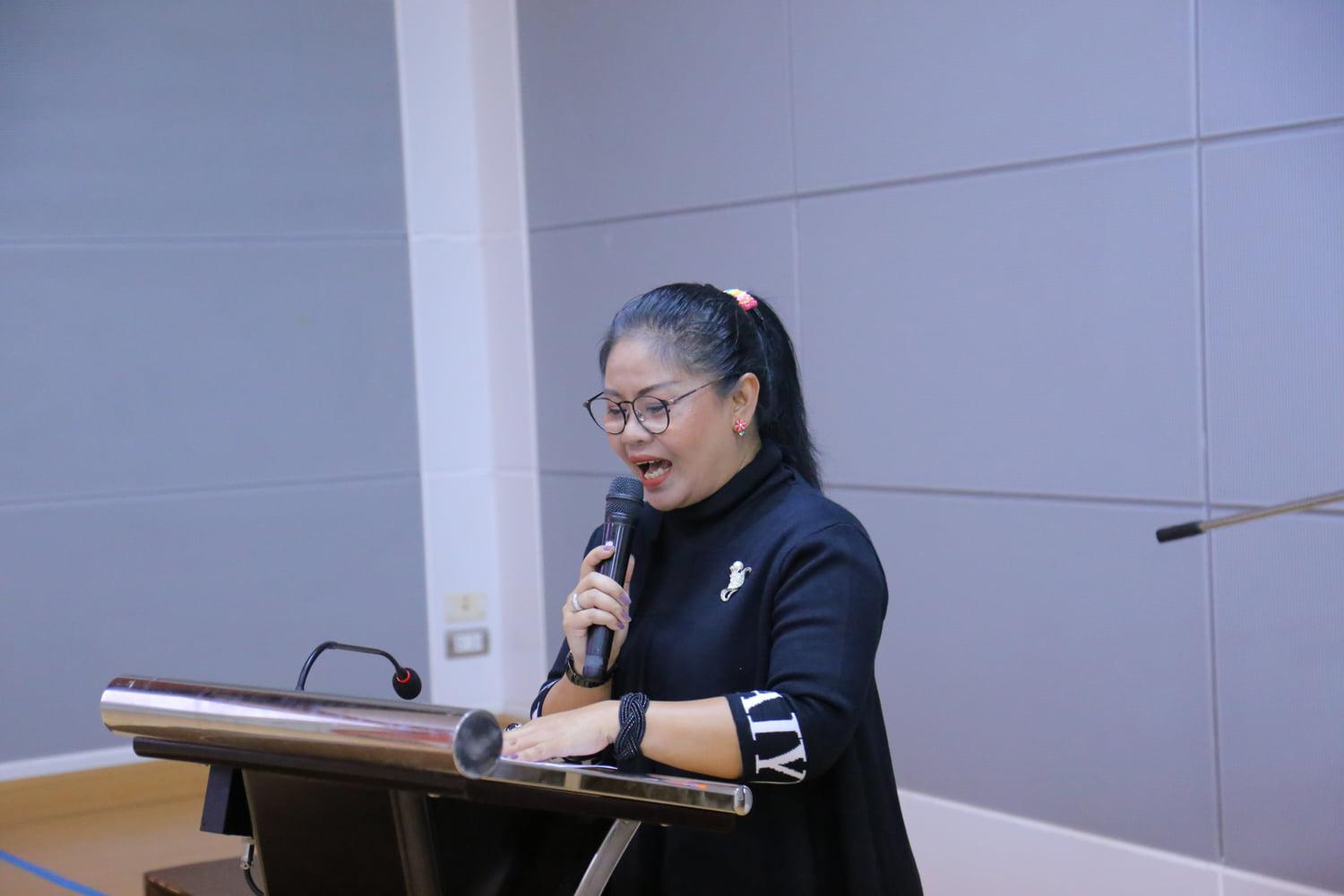
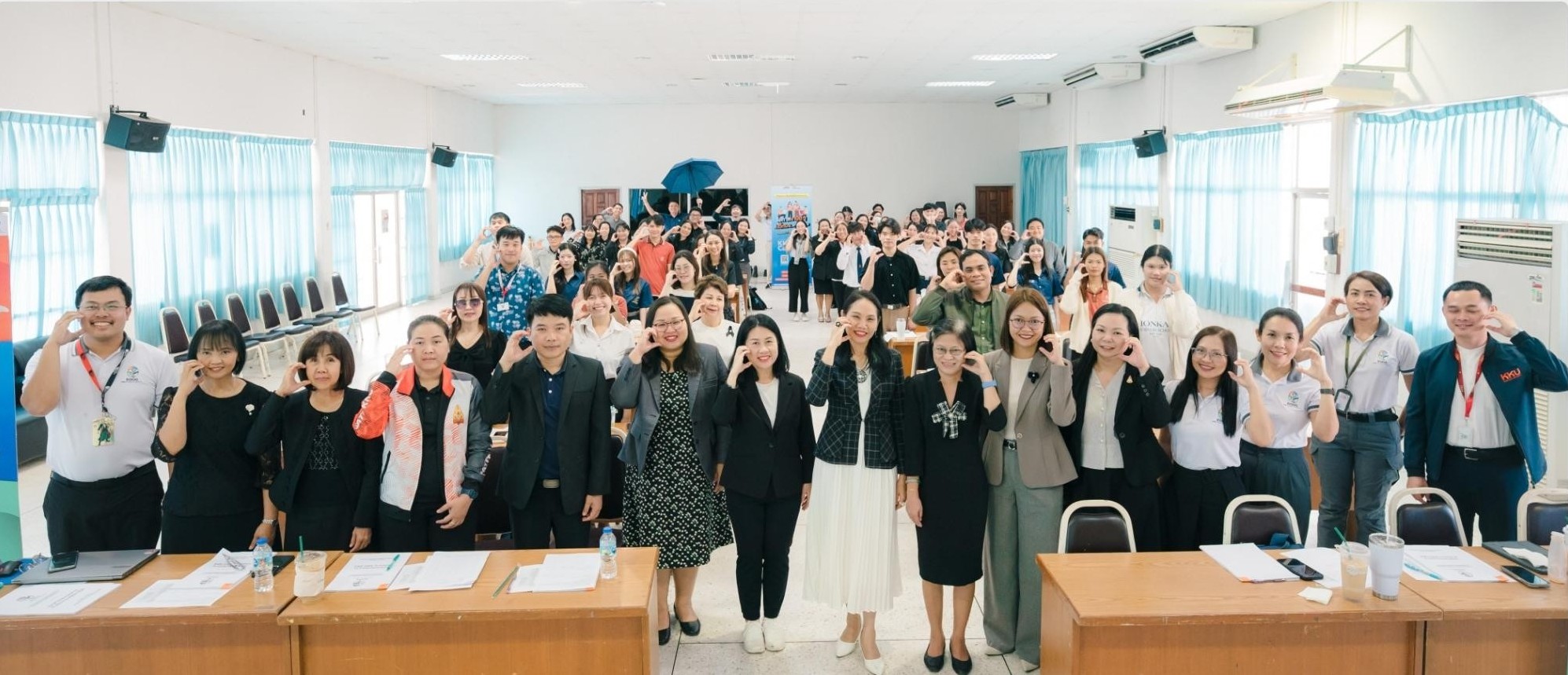
Khon Kaen University (KKU), led by the Division of Student Affairs and Alumni Relations, reinforced its commitment to holistic student development by organising a Workshop on Implementing Student Projects in Alignment with the “EGGS Identity” Policy. Held on 26 January 2026, the workshop aimed to establish a shared understanding and operational foundation among personnel responsible for student development and student administrative bodies on cultivating diverse, future-oriented skills aligned with the modern labour market.
During the opening ceremony, Associate Professor Pensri Jaroenwanit, Ph.D., Vice President for Student Affairs and Innovation Commercialization, outlined the direction and goals of this policy. She stated that the University has continuously advanced the student identity initiative with the ultimate goal of ensuring that all 40,000 KKU students enhance their competencies, develop lifelong self-reliance, and graduate as valuable contributors to society.
“Currently, knowledge solely derived from academic curricula may no longer suffice,” stated Associate Professor Pensri. “Employers seek practical work skills, including attitude, adaptability, teamwork, and various Soft Skills. Therefore, we must enhance these extracurricular skills, such as Entrepreneurship and a Growth Mindset, to increase the employment opportunities for our graduates to nearly 100%.”
This workshop focused on the practical implementation of projects, clarifying the operational guidelines for student activities to align with the “EGGS Identity,” components of which include:
- E – Entrepreneurial: Possessing an entrepreneurial mindset.
- G – Global-minded: Holding global perspectives and knowledge.
- G – Growth-oriented: Focusing on continuous growth and development.
- S – Sustainable-focused: Paying attention to and concentrating on sustainability.
Associate Professor Pensri emphasised that successful implementation requires strong collaboration across all sectors, including Faculties, student unions, and student organisations, to create activities that provide valuable “returns” for the students. Examples highlighted included upcoming AI skills development programmes and a large-scale job fair scheduled for late February, which will introduce extensive employment opportunities to students.
“We aim to create a culture where both students and the University create value for each other. The University will generate worthwhile opportunities, while students must, in turn, create value for themselves, the University, and society. We are ready to support every Faculty and every club, ensuring that funding is not the primary limitation. I urge all parties to collaborate in making this goal tangible, ensuring our students become more capable and gain employment,” Associate Professor Pensri concluded.
The organisation of this workshop represents a key mechanism for translating university policy into concrete student activities. It plays a vital role in developing graduates with a distinct EGGS Identity, who are competitive in the labour market and prepared to contribute to society sustainably and responsibly.